Shijiazhuang Topstar
International Trading Co., Ltd.


Get In Touch
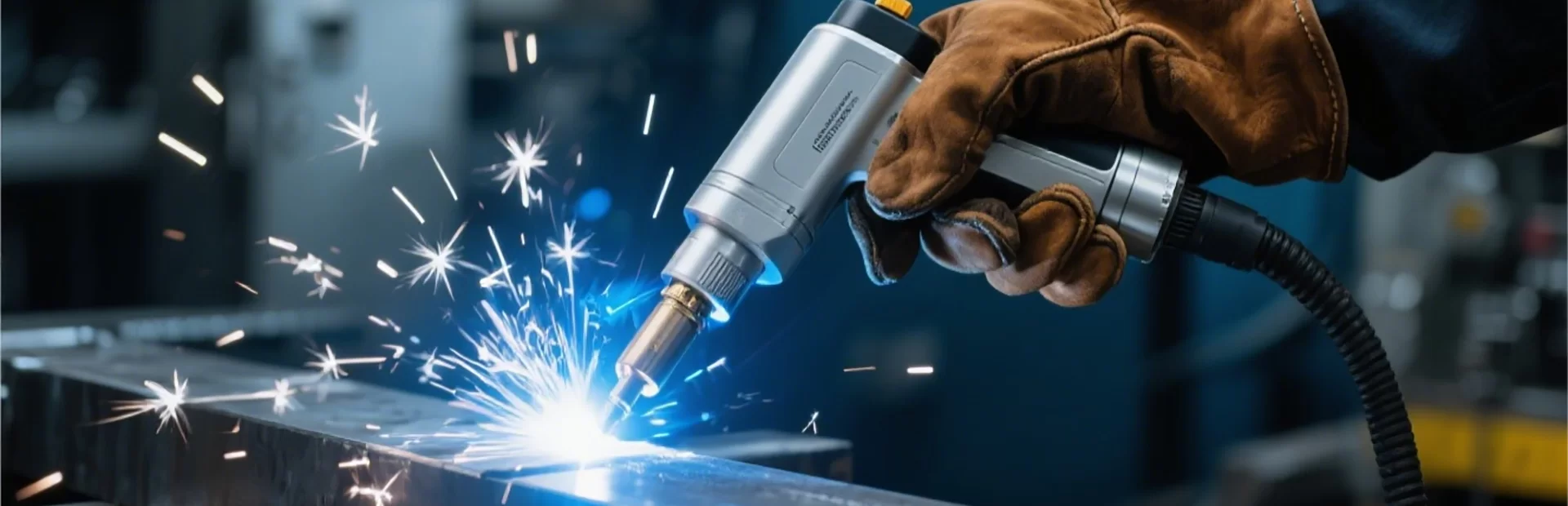
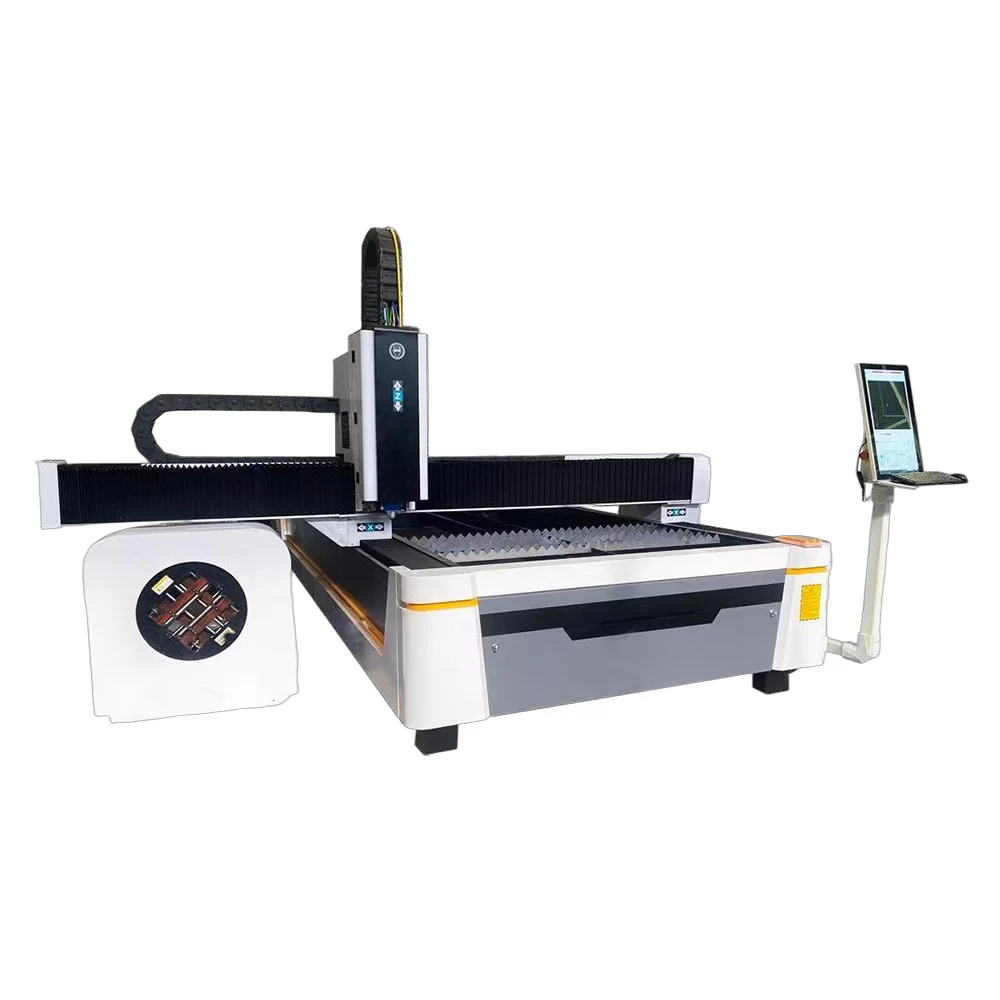
Laser cutting machine is an automated equipment that uses high energy density laser beam to accurately cut various types of plates. Its core advantages are non-contact, high precision and high efficiency. It is widely used in industrial manufacturing and various plate processing scenarios.
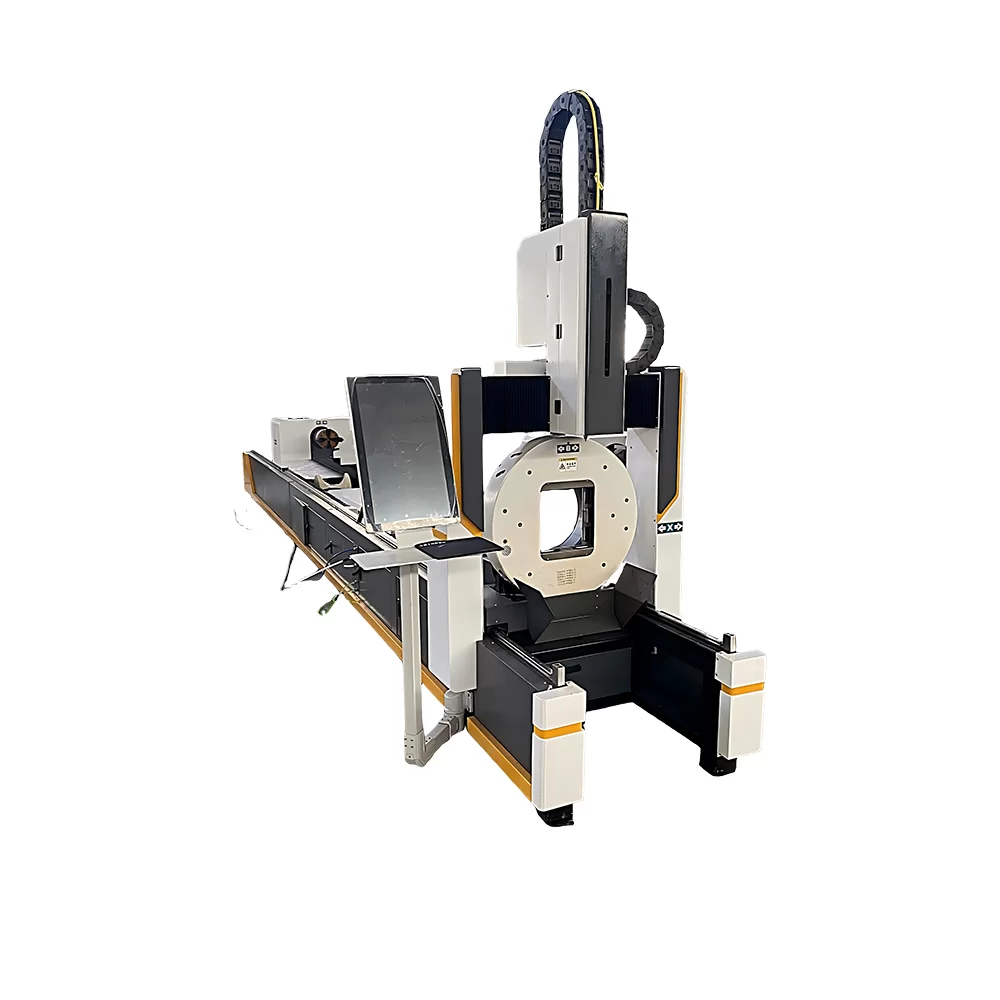
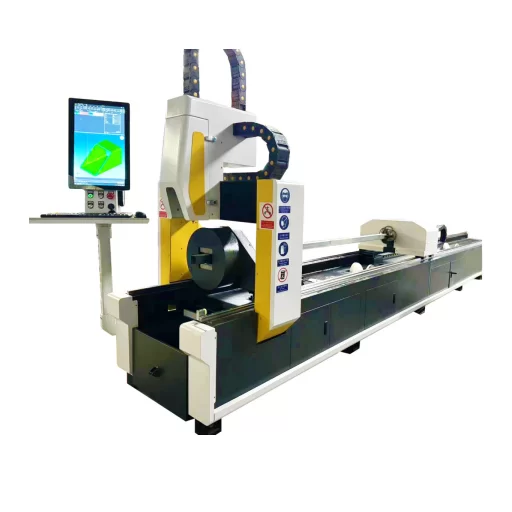
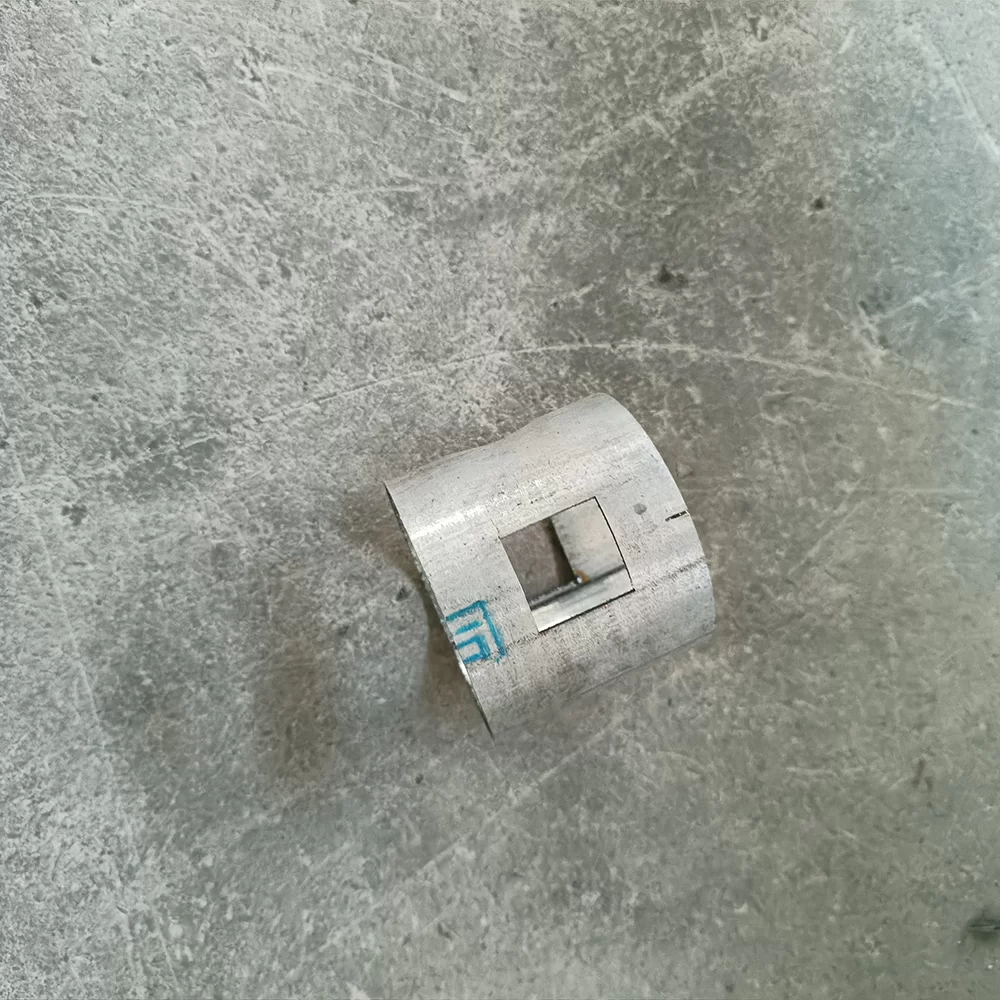
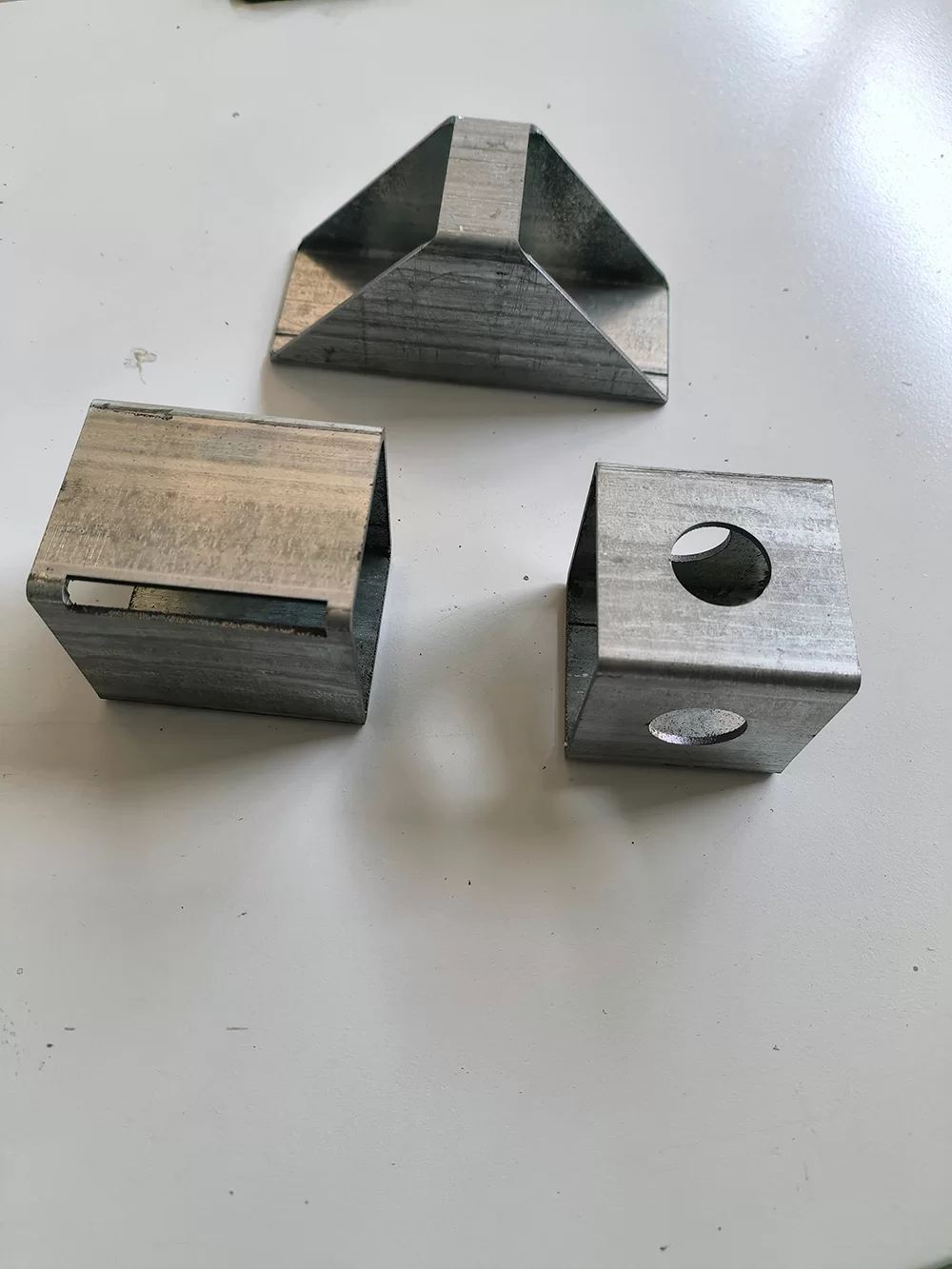
Laser tube cutting machine is an automated device that uses a high-energy-density laser beam to precisely cut various types of tubes (metal/non-metal). Its core function is to achieve processing requirements such as cutting, opening holes, notching, and contouring of tubes, and it is widely used in the field of industrial manufacturing.
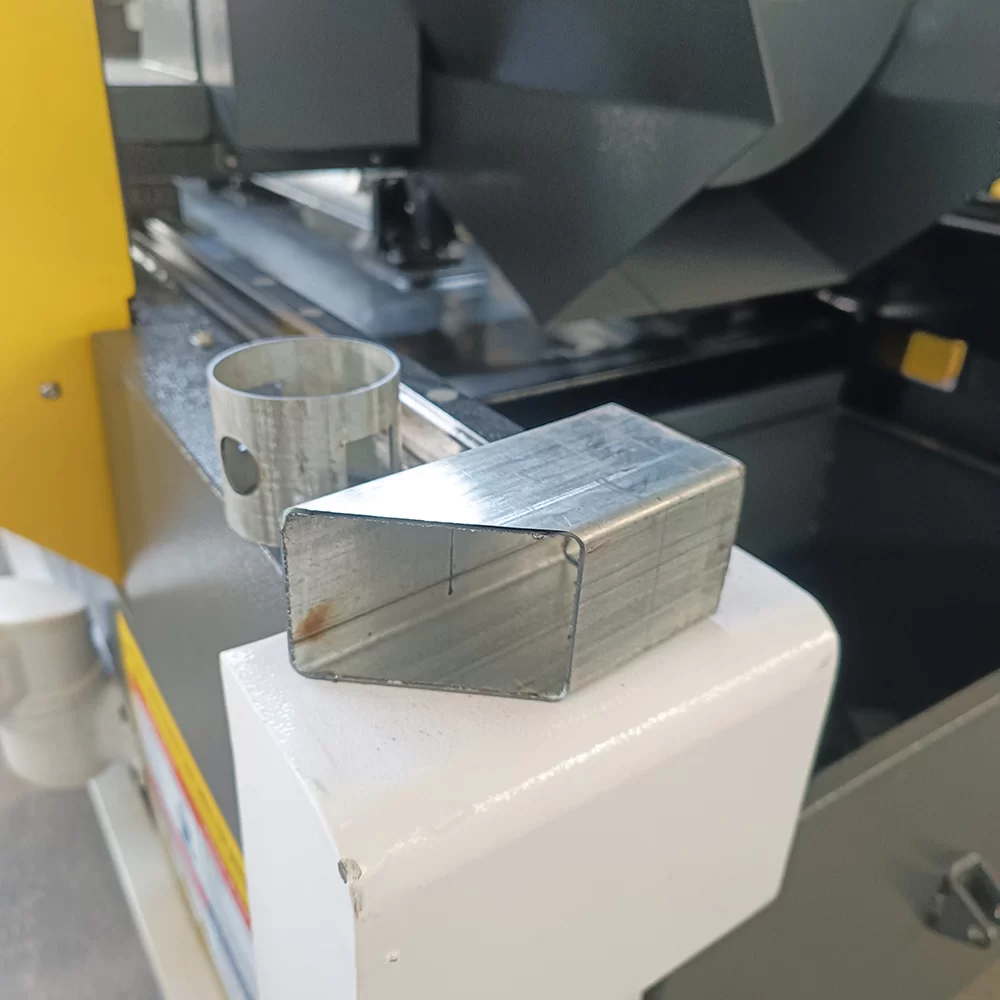
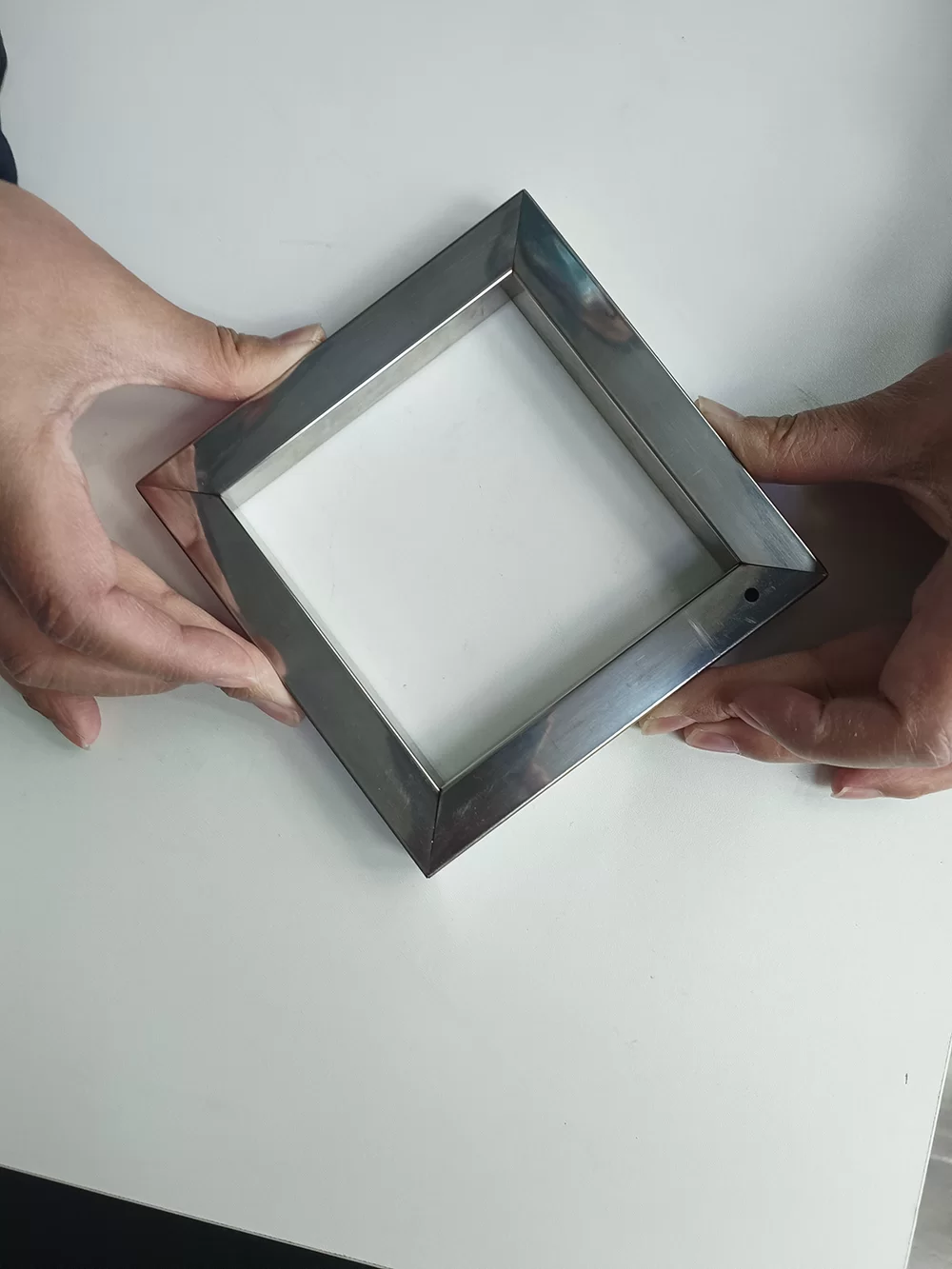
1.High Precision: Smooth, burr-free cuts with minimal cutting error, eliminating the need for secondary processing;
2.High Efficiency: Cutting speeds are faster than traditional mechanical cutting, supporting continuous automated operations;
3.High Flexibility: Cutting different shapes is possible by modifying the program without changing molds, meeting small batch and multi-variety production needs;
4.Low Damage: The laser heat-affected zone is minimal, preventing tube deformation, making it particularly suitable for thin-walled tubes;
5.Wide Compatibility: Processes both metal (stainless steel, aluminum, etc.) and non-metal (PVC, acrylic, etc.) tubes, including round and square tubes.
The application scenarios of laser tube cutting machines cover multiple industrial and manufacturing fields, with the core revolving around the precise processing requirements of various types of tubes.
Number | Project name | parameter | unit |
1 | Pipe processing size | circular tube Φ20mm-φ100mm,Steel side length of square tube angle steel groove≤100mm,L≤6500mm; | mm |
2 | X axis itinerary | 100 | mm |
3 | Y axis itinerary | 6500 | mm |
4 | Z axis itinerary | 120 | mm |
5 | X, Y-axis positioning accuracy | ±0.05/1000mm | mm |
6 | X and Y axes | ±0.03/1000mm | mm |
7 | Tailor length | ≤30With the guaranteed cutting accuracy, the minimum tail length cannot be guaranteed | mm |
8 | laser power | The MAX1500 | w |
9 | control system | SJTU-cnc | |
10 | Power supply requirements | 380V/50Hz | V |
The evolution of industrial fabrication has reached a significant milestone with the integration of Computer Numerical Control (CNC) and laser technology. A cnc laser pipe cutting machine represents a sophisticated leap from manual sawing and mechanical drilling, offering a level of precision that was previously unattainable in high-volume production. At its core, this technology utilizes a focused, high-energy-density laser beam, directed by complex software algorithms, to sever material through localized melting or vaporization.
Precision in CNC tube processing begins with the mechanical stability of the machine itself. Unlike flatbed cutters, a tube laser must manage the rotation and feed of a long, often heavy, hollow profile. The machine utilizes high-precision chucks—clamping devices that hold the tube—and synchronized motors to ensure that as the laser moves along the X-axis, the tube rotates on the A-axis with micrometric accuracy. This synchronization is critical when creating complex interlocking joints or intricate patterns. For manufacturers, this means that a hole cut at the beginning of a 6-meter pipe will align perfectly with a hole cut at the very end, maintaining tolerances often within 0.05mm.
One of the most transformative features of a fiber laser tube cutting machine is its ability to eliminate secondary processing. In traditional manufacturing, cutting a tube often leaves behind "burrs"—rough edges or slag that require manual grinding. The high energy density of a fiber laser, combined with precision-tuned assist gases like Nitrogen, creates a "clean cut." The laser melts the material so rapidly that the assist gas blows away the molten metal before it can re-solidify. This results in a smooth, mirror-like finish, significantly reducing labor costs and accelerating the production cycle.
Furthermore, the "Low Damage" characteristic is a cornerstone of high-precision manufacturing. Traditional mechanical tools exert physical force, which can lead to "ovality" or crushing, especially in thin-walled tubes. Because laser cutting is a non-contact process, there is no mechanical stress. The Heat Affected Zone (HAZ) is kept to an absolute minimum, ensuring that the metallurgical properties of the tube remain stable and preventing warping during assembly.
Versatility is the defining trait of a modern laser cutting machine for tube. In the past, different machines or specialized die-sets were required to handle various geometric profiles. Today, a single laser system can transition seamlessly between round, square, rectangular, and even irregular "D-shaped" or oval tubes.
When processing round tubes, the primary challenge is maintaining a consistent focal distance. As the tube rotates, the distance between the laser nozzle and the curved surface must remain constant to ensure a uniform cut. Advanced sensors on the laser head provide real-time feedback, automatically adjusting the height of the nozzle (the Z-axis) to compensate for any slight deviations or "wobble" in the tube's rotation. This ensures that every notch or contour is identical regardless of where it sits on the circumference.
Square and rectangular tubes present a different set of challenges, particularly at the corners. The thickness of a square tube laser cutting machine's workpiece is technically greater at the corners than on the flat sides. If the laser moved at a constant speed, the corners would receive too much heat, leading to "over-burning." Modern CNC systems solve this through dynamic power control. As the laser head approaches a corner, the software automatically reduces the laser power or increases the feed rate to maintain a consistent energy-to-material ratio.
The flexibility of these machines also allows for sophisticated "nesting" strategies. Software calculates the most efficient way to arrange various parts on a single length of tubing to minimize waste. This is particularly valuable when working with expensive alloys. By using a single laser system to process all these components, a manufacturer ensures that the joinery—the "fish-mouth" cuts where one tube meets another—is perfectly matched, allowing for the construction of complex 3D trusses and frames with perfect fitment.
The automotive industry is perhaps the most demanding environment for tube processing, particularly in the production of exhaust systems. These systems are characterized by thin-walled stainless steel tubes, complex curves, and the need for airtight seals. Partnering with a reputable tube laser cutting machine manufacturer allows automotive suppliers to meet stringent emissions standards and weight-reduction goals while maintaining high production speeds.
An exhaust system is not a simple straight pipe; it involves a series of manifolds, catalytic converter housings, mufflers, and tailpipes, all of which must be joined with absolute precision. The "Contouring" and "Opening Holes" features are vital here. Sensors and oxygen sensors must be mounted into the exhaust path, requiring perfectly circular or elliptical holes to be cut into curved surfaces. A laser can perform these cuts in seconds, whereas traditional drilling on a curved, thin-walled surface would likely cause the tube to slip or deform.
Weight reduction is a primary driver in modern automotive design. Manufacturers are increasingly using thin-walled tubes to reduce the overall weight of the vehicle and improve fuel efficiency. However, thin-walled tubes are notoriously difficult to cut mechanically because the pressure of the blade or saw can crush the tube. The "Low Damage" and "Non-contact" nature of a metal tube laser cutter is the perfect solution.
Efficiency in the automotive sector is measured by "cycle time." A fiber laser system can achieve cutting speeds that far outpace traditional methods. For example, a complex pattern of holes and notches on a stainless steel exhaust pipe that would take several minutes to produce using conventional milling or sawing can be completed in under 20 seconds. Furthermore, the precision of the laser-cut edge directly affects the quality of the subsequent welding process. In an exhaust system, every joint must be leak-proof. Because the laser produces such a clean, accurate edge, the fit-up between components is perfect. This leads to faster welding, less filler material usage, and a significantly higher yield in the assembly plant.