Shijiazhuang Topstar
International Trading Co., Ltd.


Get In Touch
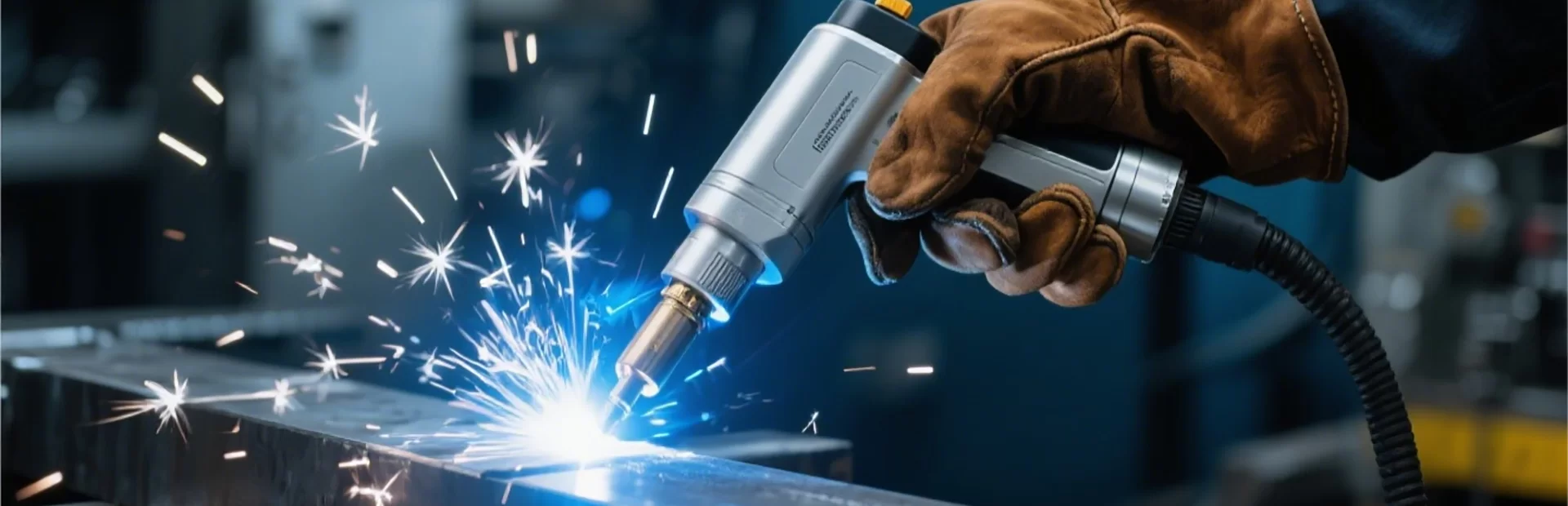
Ever paused to consider how the intricate designs on electronic parts or industrial labels are created with such pinpoint accuracy? Well, the laser stencil cutter is a fascinating machine at the heart of that precision. Its impact spans industries worldwide, from electronics to automotive, helping deliver custom solutions fast and efficiently. Globally, with manufacturing automation expected to grow annually by over 8% (ISO 2019 report), tools like laser stencil cutters are increasingly vital. More than just a niche device, understanding it is key—not only for engineers and designers but also for anyone fascinated by the blend of technology and craftsmanship that shapes modern production.
Manufacturing remains a cornerstone of global economic activity; according to the World Bank, it accounts for nearly 16% of the global GDP. As industries push toward higher customization, reduced waste, and faster turnaround, the role of precise cutting tools like the laser stencil cutter becomes crucial. A big challenge it addresses is minimizing material waste while producing highly detailed and repeatable stencil patterns for applications like printed circuit boards and industrial markings. Frankly, you can’t get that level of detail through traditional mechanical cutters easily.
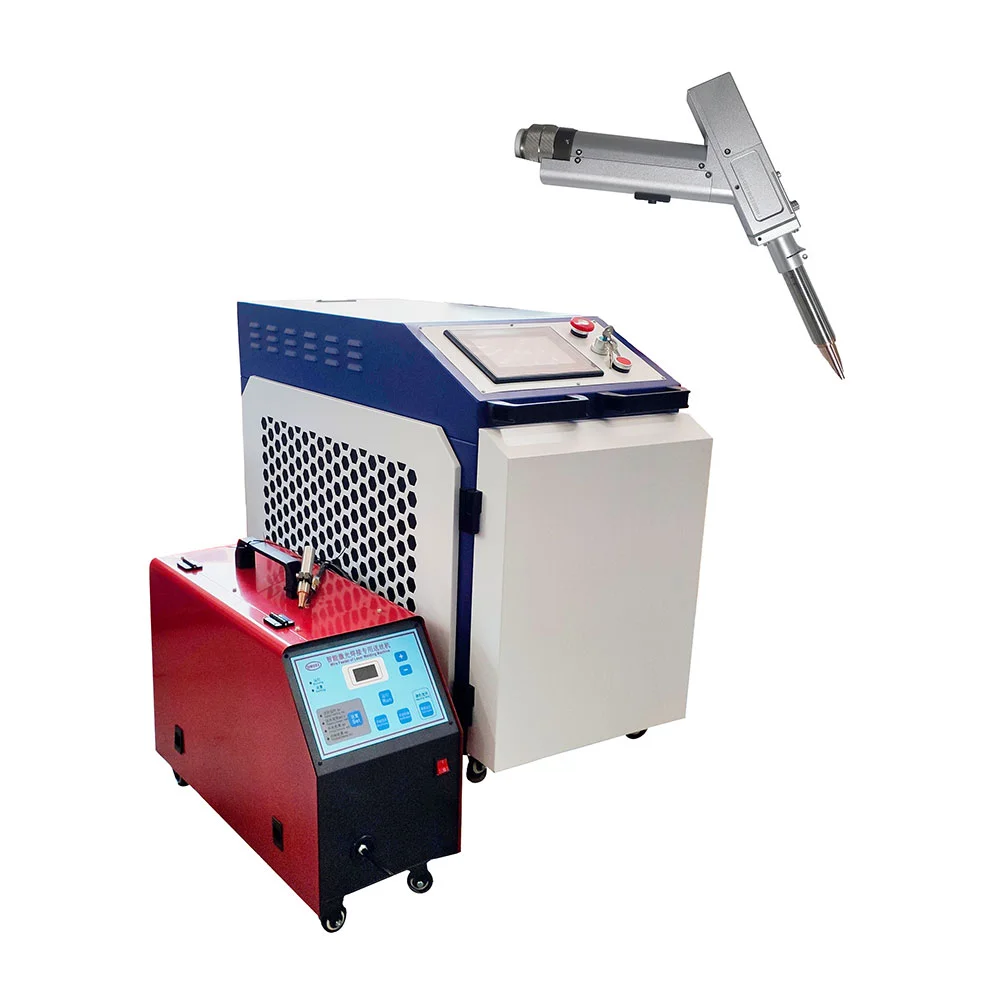
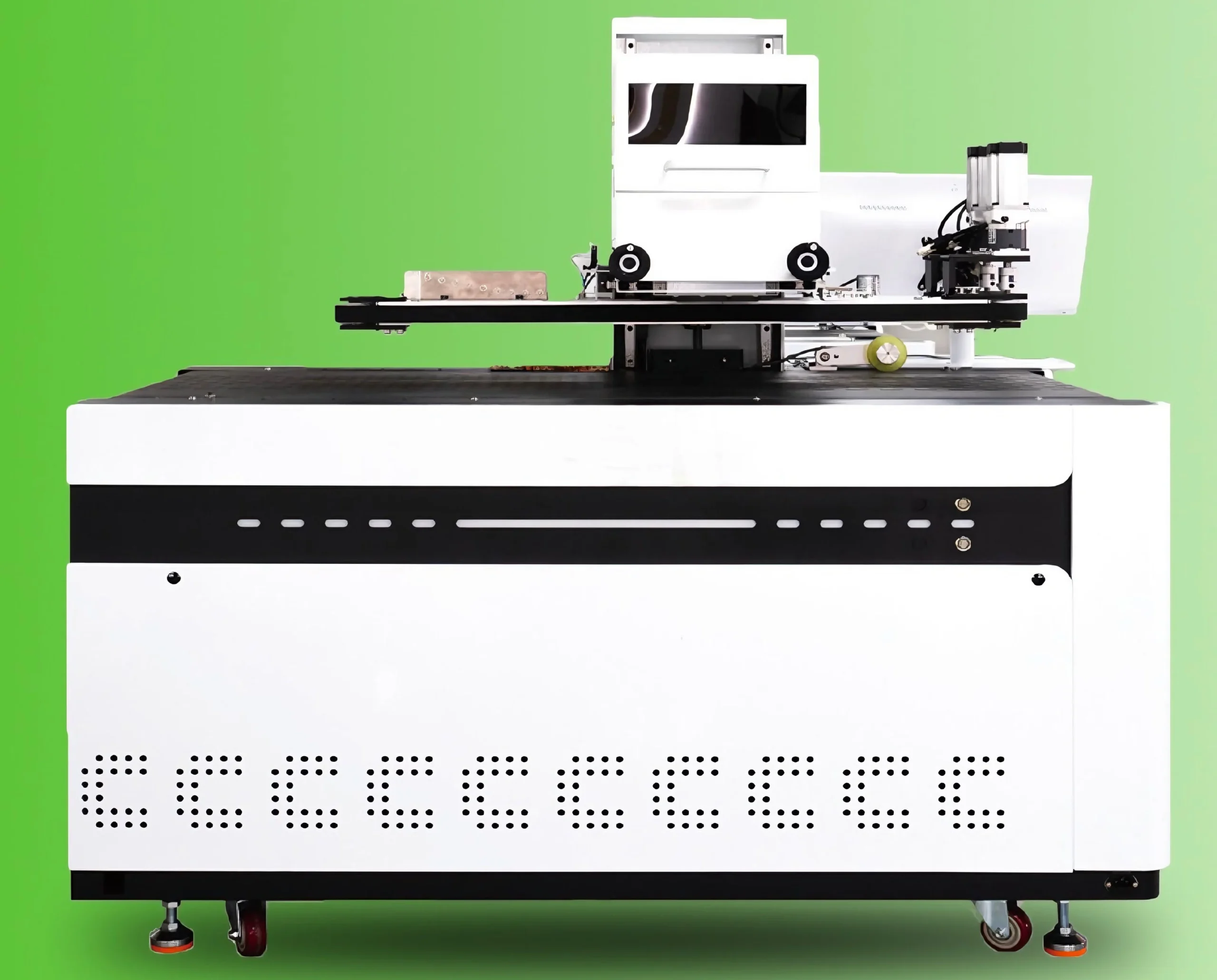
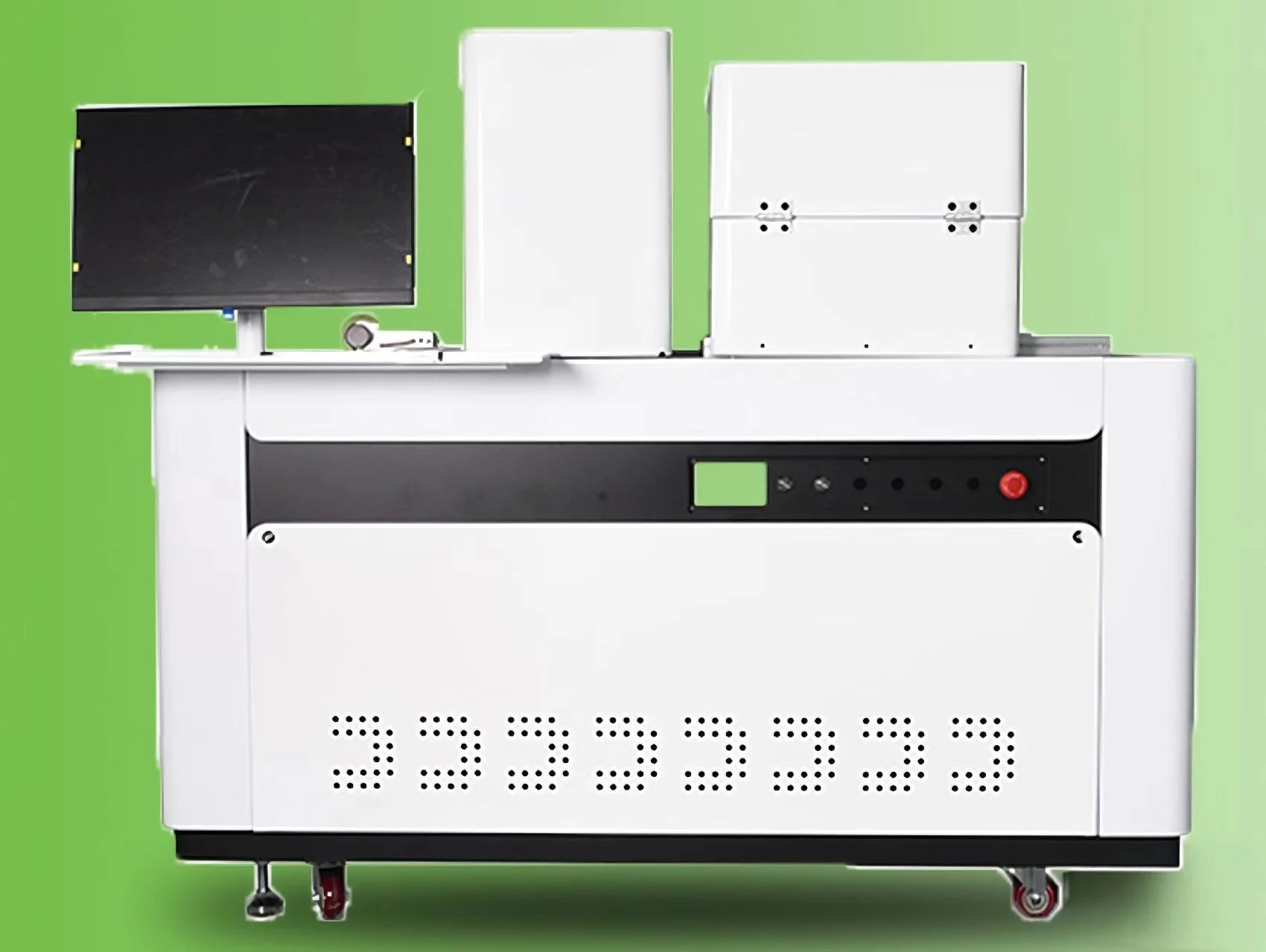
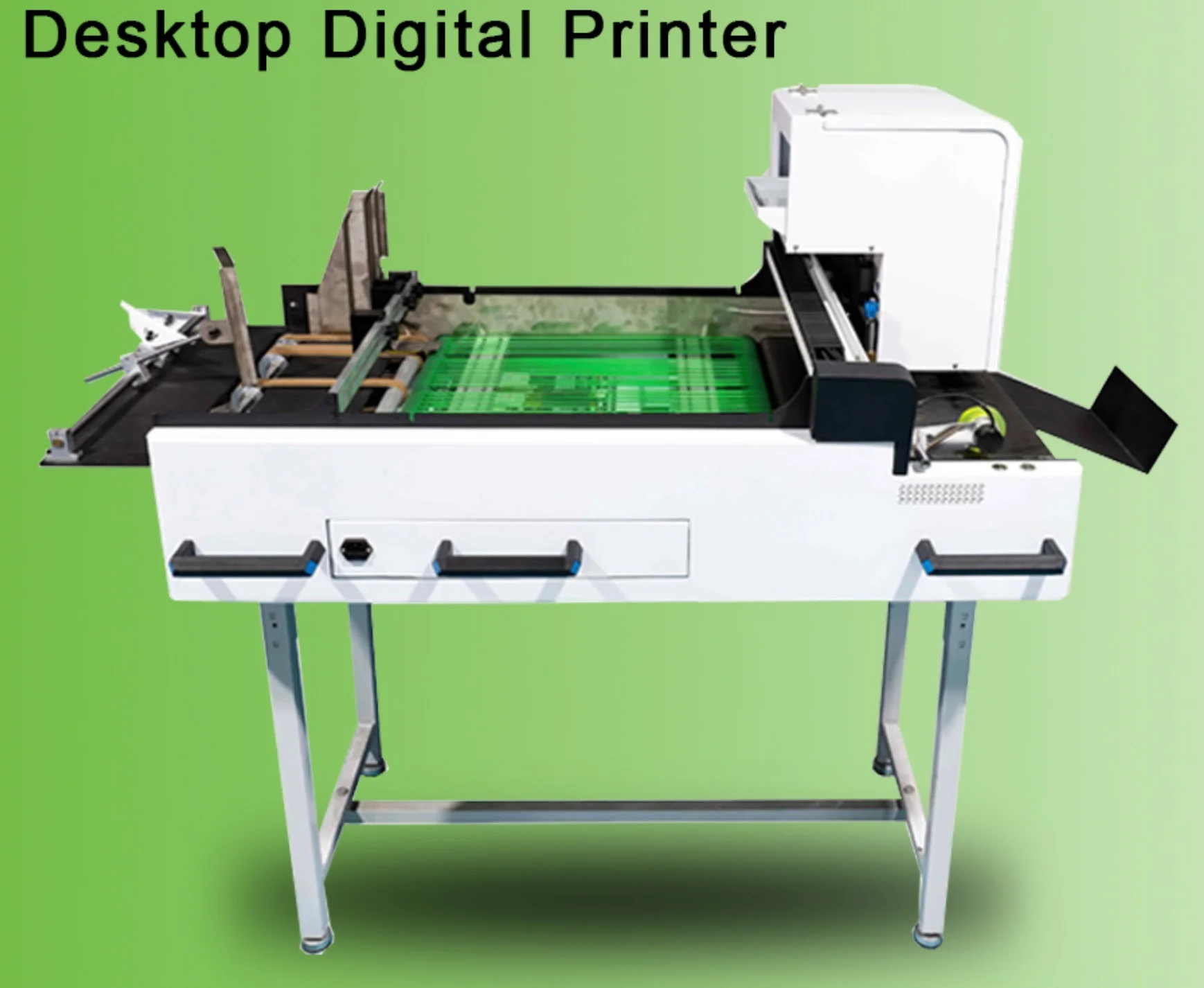
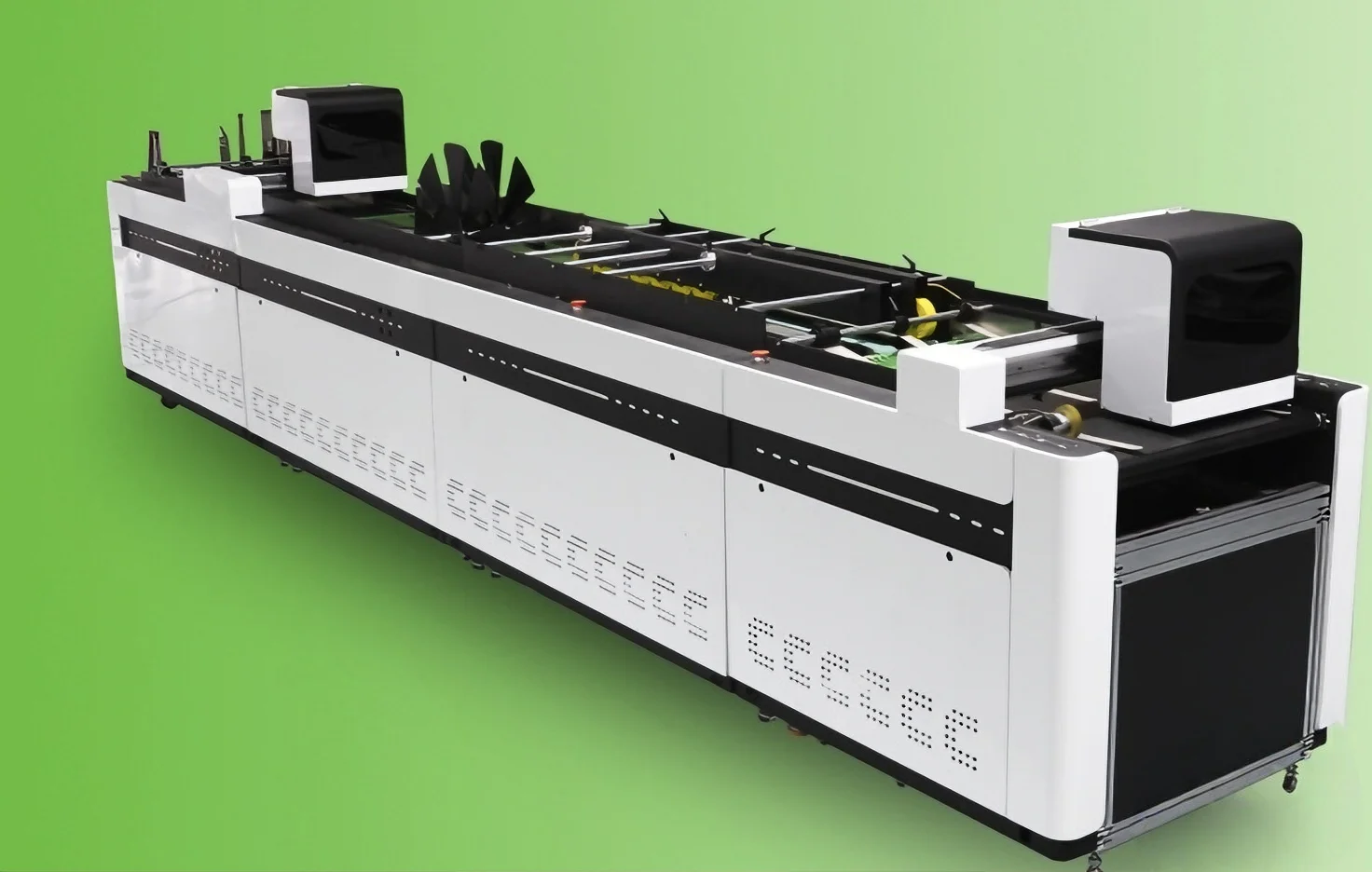
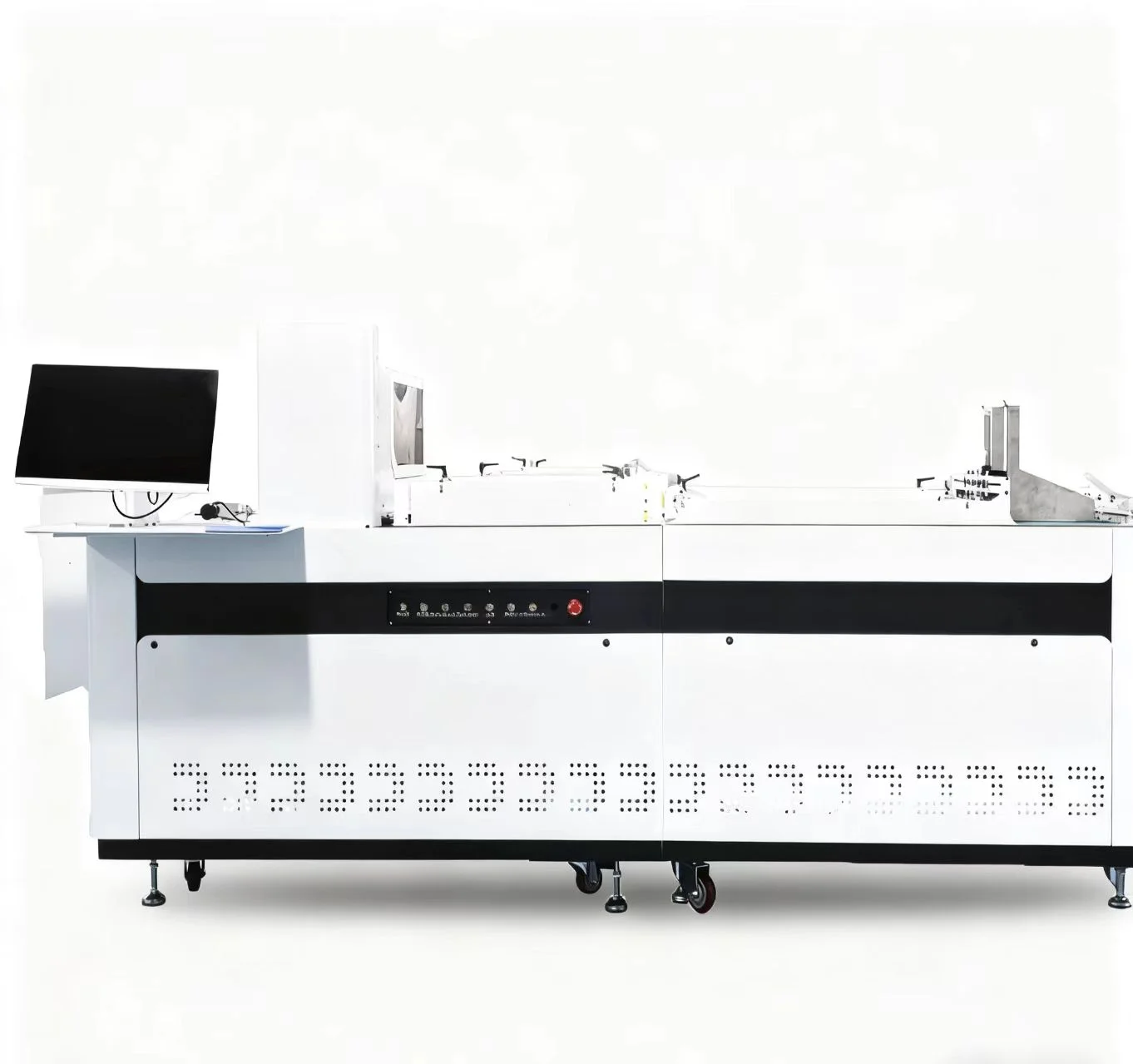
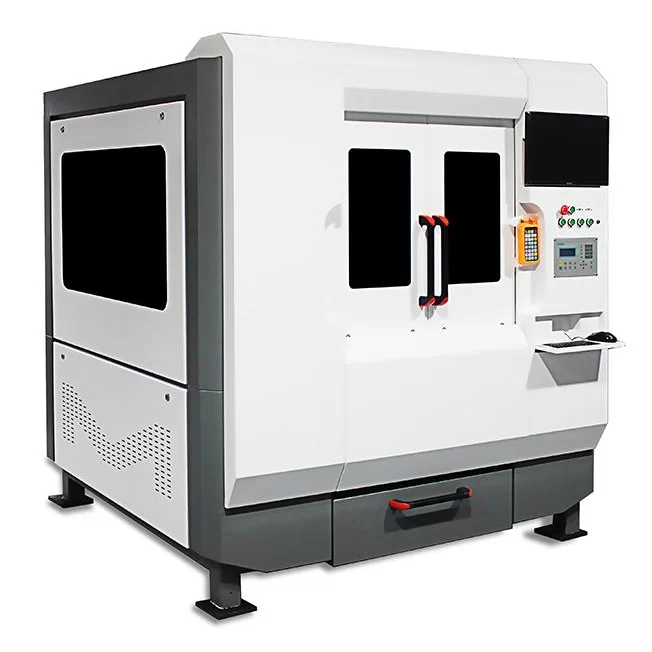
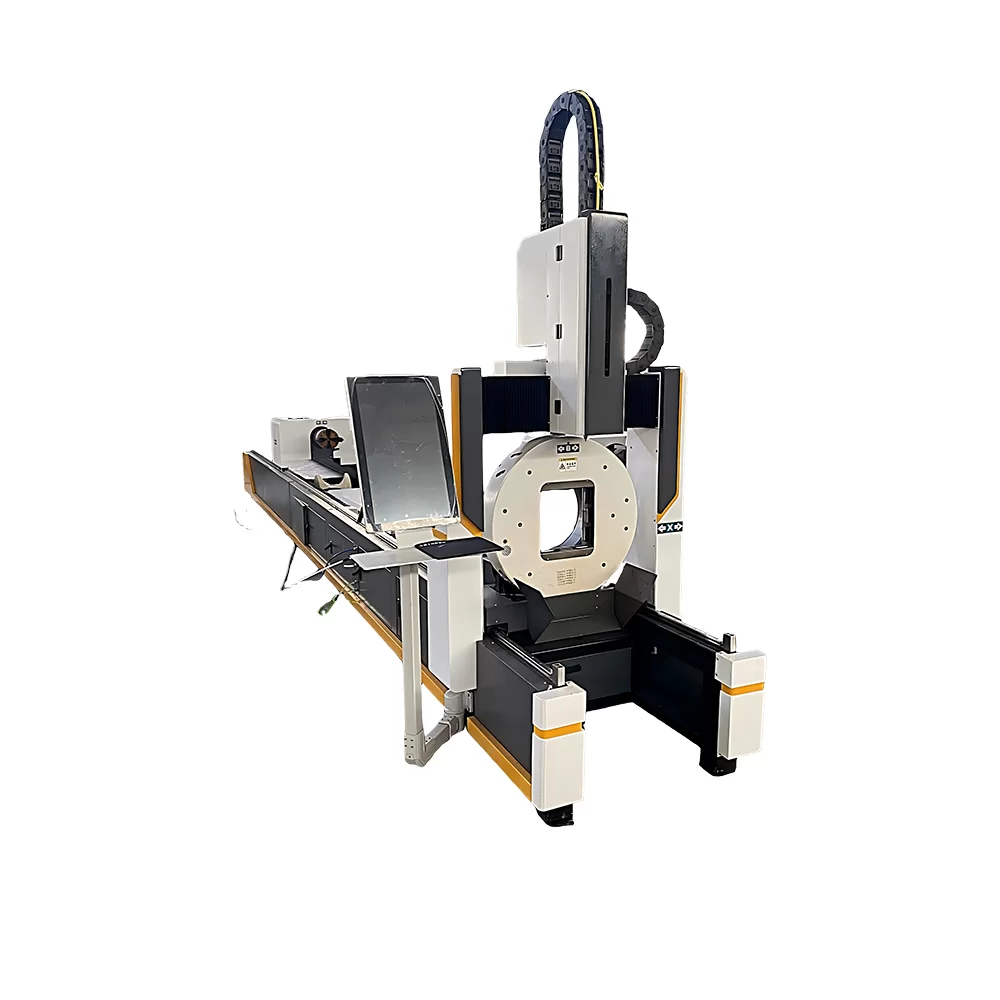
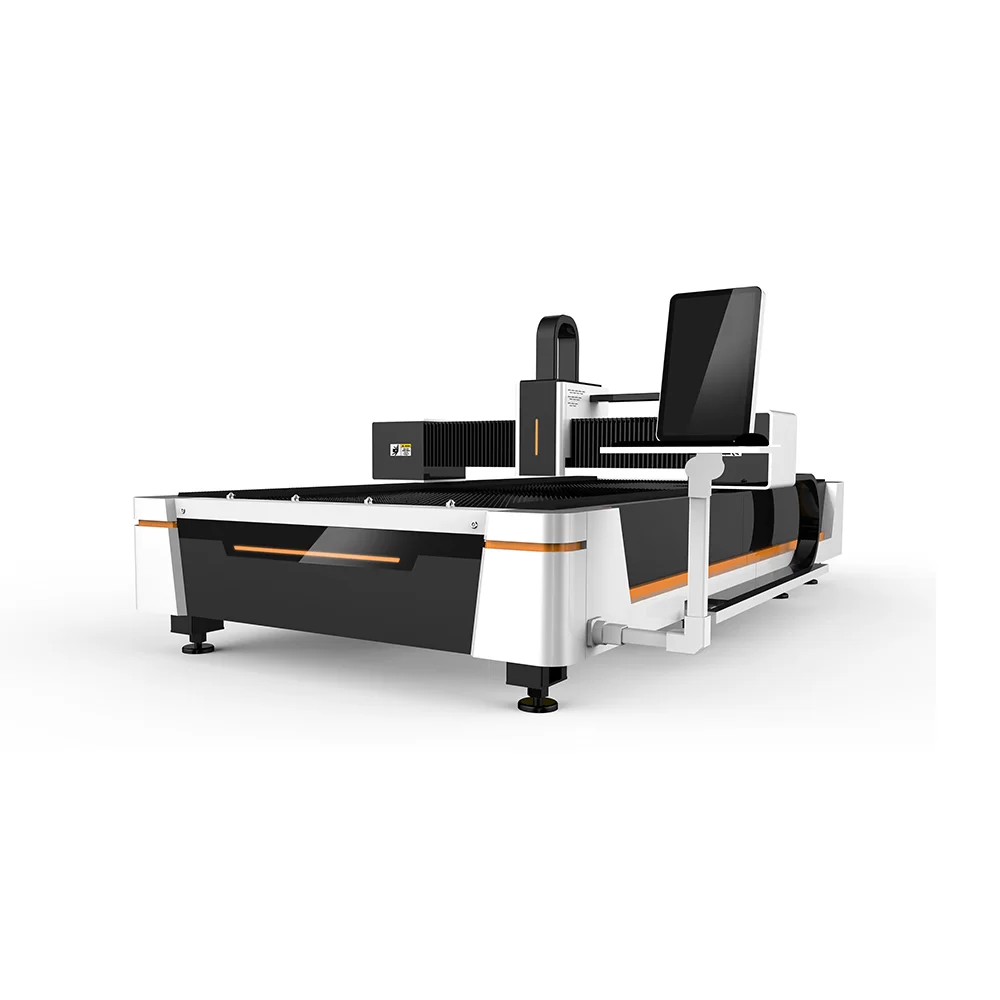
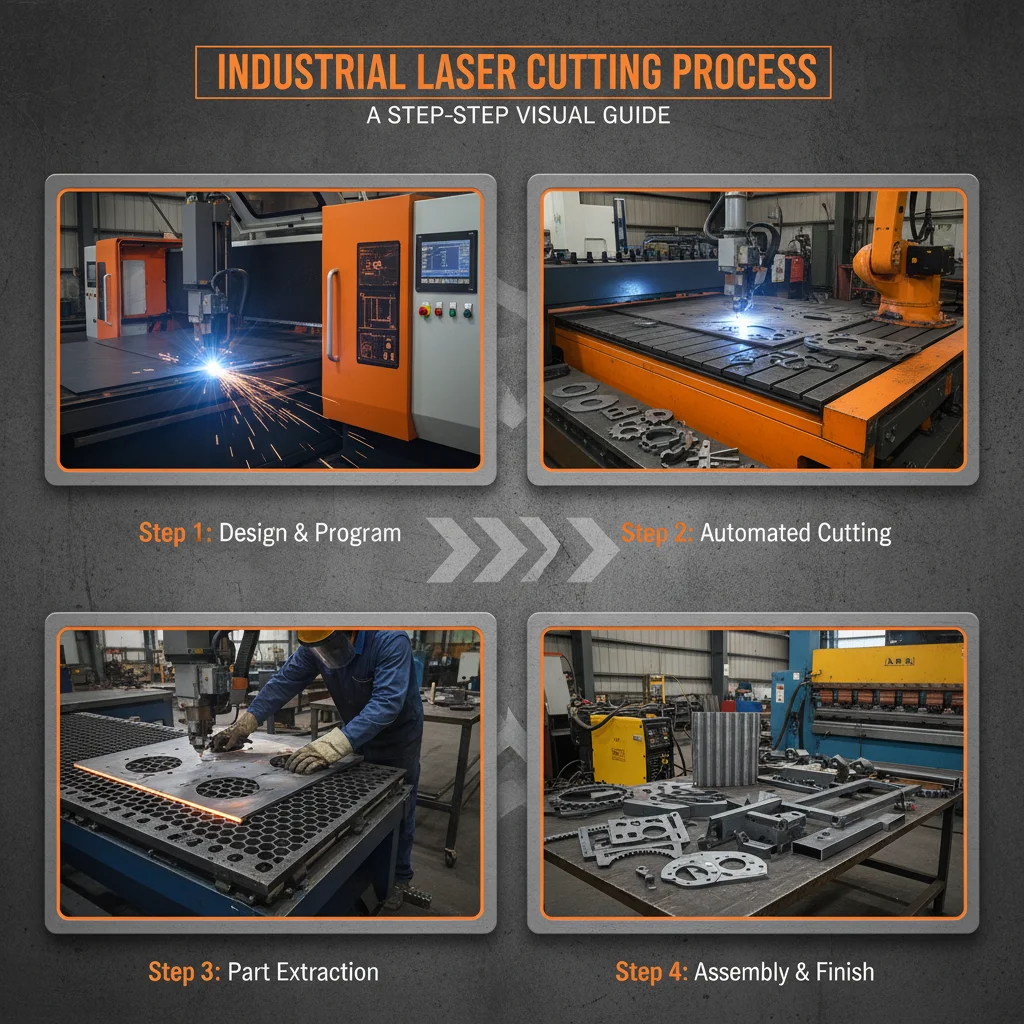
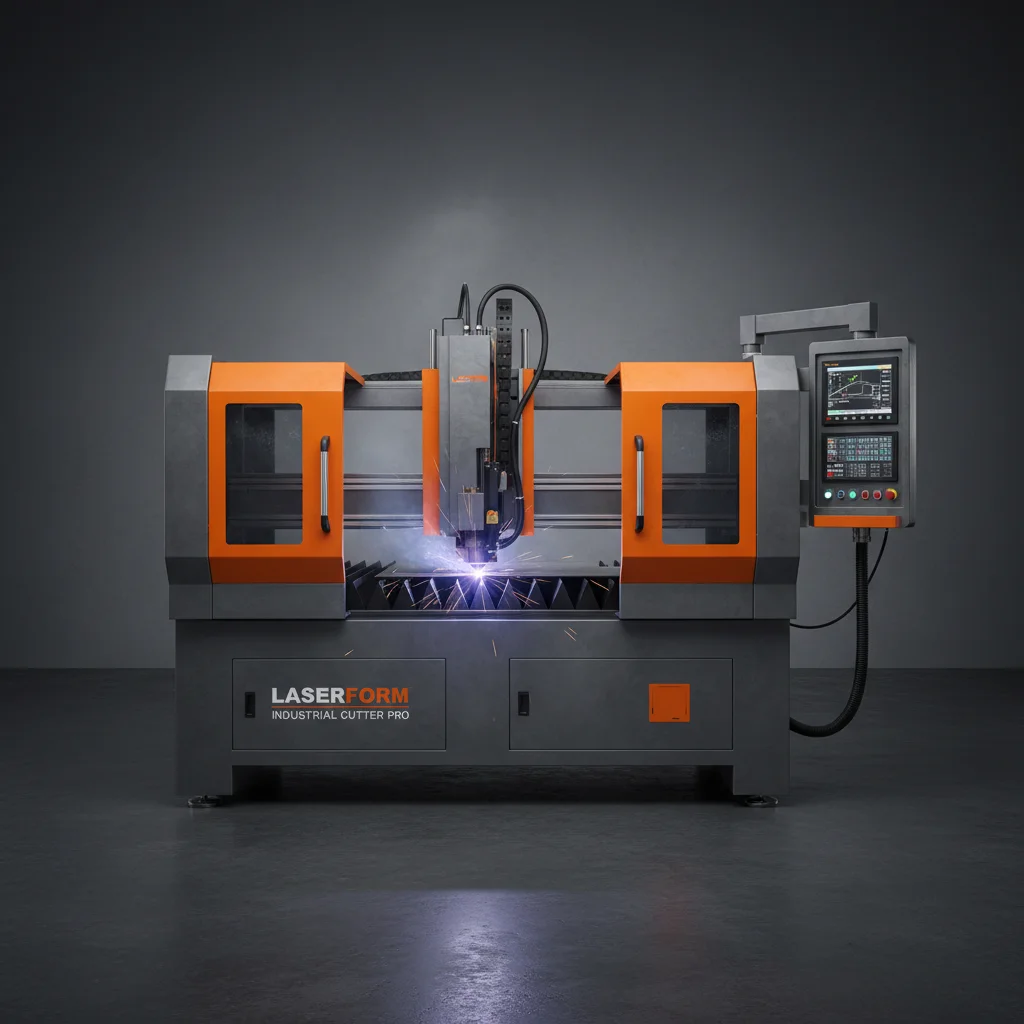
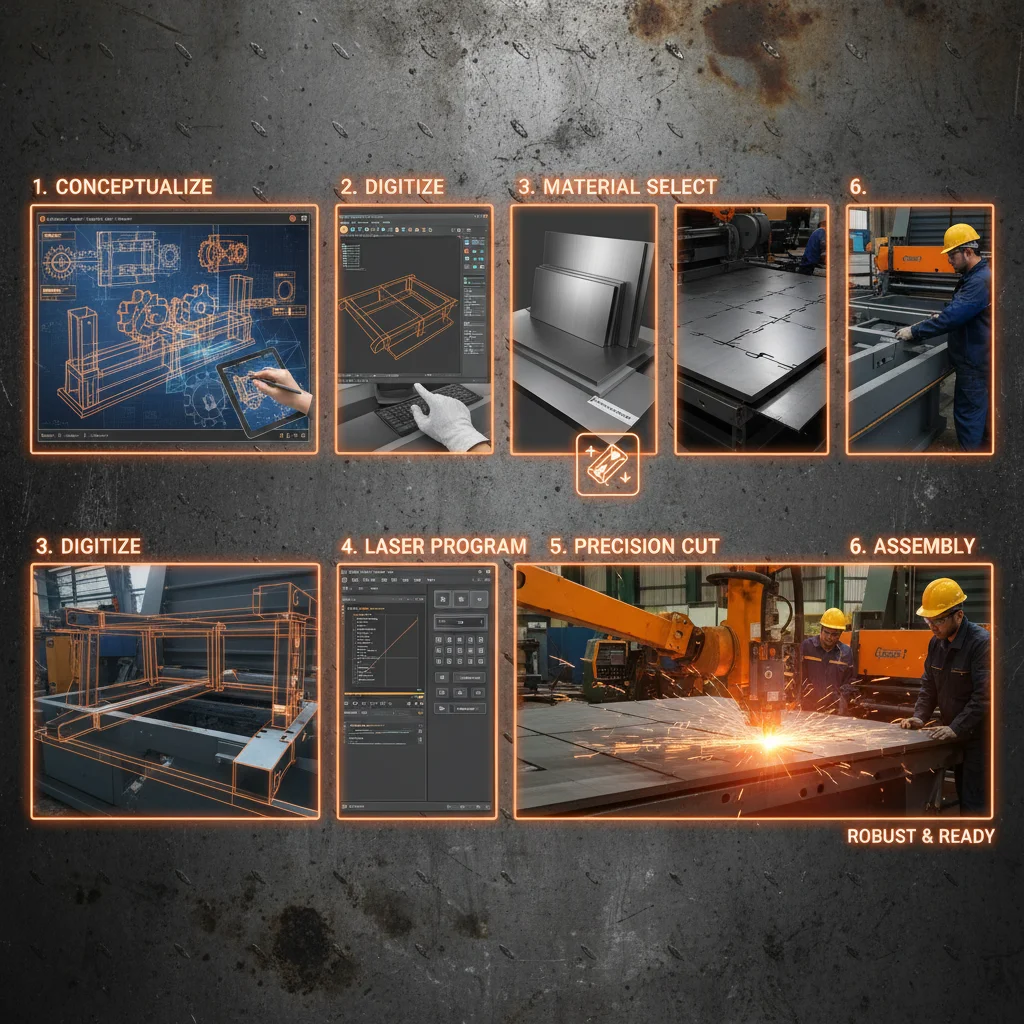
Simply put, a laser stencil cutter is a device that uses a focused laser beam to cut or etch precise stencil patterns into thin sheets of material, like metal or plastic. These stencils are fundamental in manufacturing processes for applying solder paste on PCBs or painting complex industrial graphics. By harnessing a computer-controlled laser, the machine ensures each cut mirrors the digital design exactly, skipping the manual errors and delays seen in older methods.
The laser’s fine beam—often less than 0.1 mm wide—enables incredibly sharp, repeatable cuts. For industries where microscopic mistakes cost dearly, this is a game changer.
From stainless steel sheets to polyimide films, these cutters handle diverse materials. Each material interacts differently with laser heat, so calibration is key.
Cutting times are impressively low. On average, a stencil cutter can finish a template in less than 15 minutes, boosting production cycles.
Modern laser cutters come with CAD-compatible software, allowing effortless switch from design to actual stencil with minimal human oversight.
Stencil longevity is critical, especially in mass production. Laser cutting produces clean edges, reducing wear and ensuring consistent performance over large runs.
| Feature | TopStar Laser 6000 | LaserCut Pro X1 | StenciMaster 300 |
|---|---|---|---|
| Laser Power | 60W | 50W | 55W |
| Cutting Area | 600x600 mm | 500x500 mm | 400x400 mm |
| Material Thickness | Up to 0.3 mm | Up to 0.25 mm | Up to 0.2 mm |
| Software Compatibility | CAD, DXF, AI | DXF, SVG | DXF, BMP |
| Price Range | $15,000–$20,000 | $12,000–$18,000 | $10,000–$15,000 |
In real terms, laser stencil cutters have found their way into diverse realms:
Mini takeaway: The laser stencil cutter isn’t just a tool—it’s an enabler, helping industries worldwide improve quality and speed simultaneously.
Why do so many industries swear by laser stencil cutting? First, it’s about precision—no other method matches the accuracy, which directly reduces rework and material waste. Cost-wise, despite initial expenses, the efficiency gains translate to noticeable savings over time.
From a sustainability perspective, less wasted material means a smaller carbon footprint, a key concern aligned with ISO 14000 environmental standards. Plus, these cutters empower safer manufacturing environments by minimizing manual cutting hazards. On a human note, it fosters dignity and trust among workers and customers by delivering consistently reliable products.
The future holds exciting possibilities. For instance, integration with green energy sources aims to cut operational emissions drastically. Add to this the surge in automation—imagine a laser stencil cutter synced with AI-powered design software, optimizing cutting paths live, reducing energy, and speeding production even further.
Material-wise, new composites designed specifically for laser cutting are emerging, improving durability and environmental credentials. Also, more manufacturers are adopting digital twin technology for virtual prototype testing.
No tech is perfect. Laser stencil cutters require careful calibration to accommodate different materials, and initial costs can be a hurdle for smaller firms. Additionally, maintenance demands specific expertise. However, vendors increasingly offer training packages and remote support services to ease this transition.
On the innovation front, some firms are experimenting with hybrid cutting methods—combining laser with micro-mechanical tools to boost versatility. Collaborative research projects worldwide aim to improve machine uptime and reduce energy needs.
| Aspect | TopStar Laser | LaserCut Pro | StenciMaster |
|---|---|---|---|
| Customer Support | 24/7 technical support + on-site training | Business hours live chat and phone | Email support + online manuals |
| Warranty | 3 years | 2 years | 1 year |
| Customization Options | High (tailored software and hardware add-ons) | Moderate (software features mainly) | Low (standard models only) |
| Ease of Use | User-friendly interface with training | Intermediate (some learning curve) | Basic (for experienced users) |
The laser stencil cutter is more than a technical device—it represents a leap in enabling ultra-precise manufacturing with minimal resource waste. From tiny circuit boards to large-scale industrial stencils, it streamlines production, enhances quality, and supports sustainable practices globally. If you’re interested in discovering the latest in laser cutting innovation, I highly recommend starting with trusted providers such as laser stencil cutter specialists who combine technical prowess with excellent support.
Focusing on these tools is basically investing in the future of efficient and responsible manufacturing.
References:
1. ISO 2019 Manufacturing Technology Report
2. World Bank Global Manufacturing Statistics (2023)
3. Wikipedia - Laser Cutting Technology - https://en.wikipedia.org/wiki/Laser_cutting