Shijiazhuang Topstar
International Trading Co., Ltd.


Get In Touch
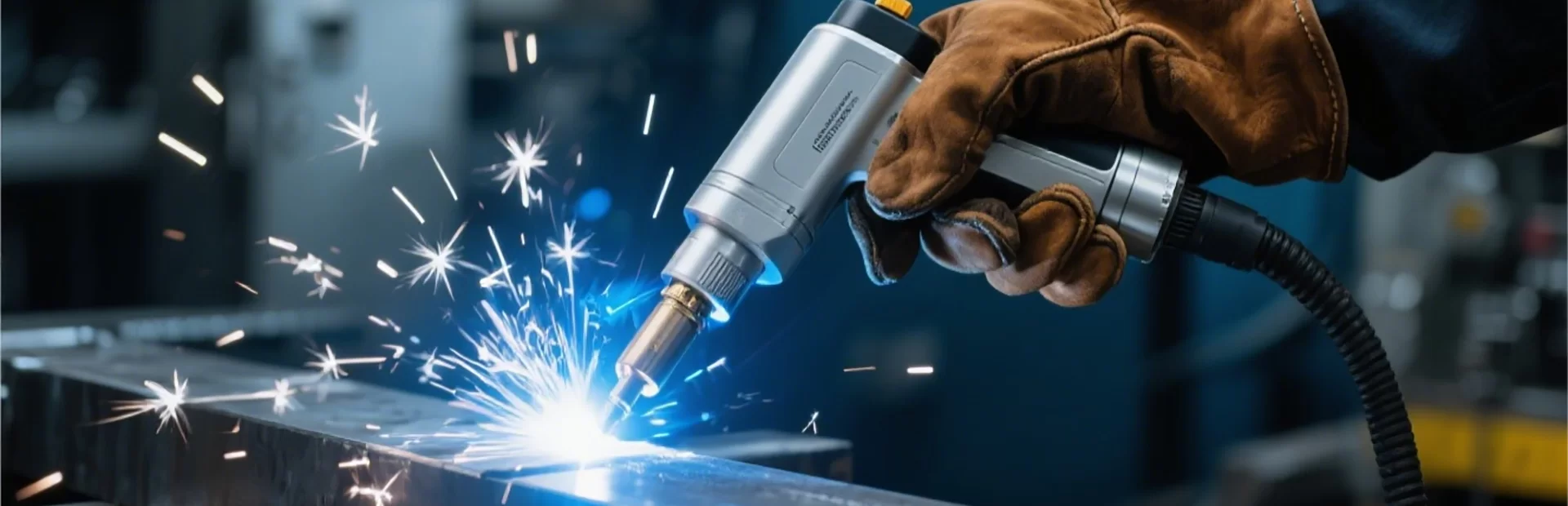
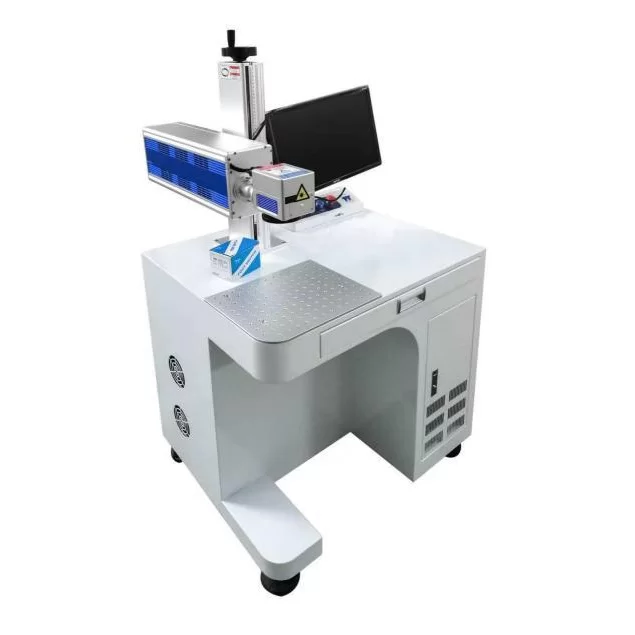
Fiber laser marking machine is an advanced equipment that uses the laser beam generated by fiber laser to control the laser path through a high-precision galvanometer system to make permanent marks on the surface of various materials.
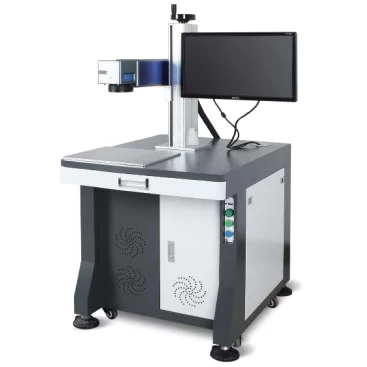
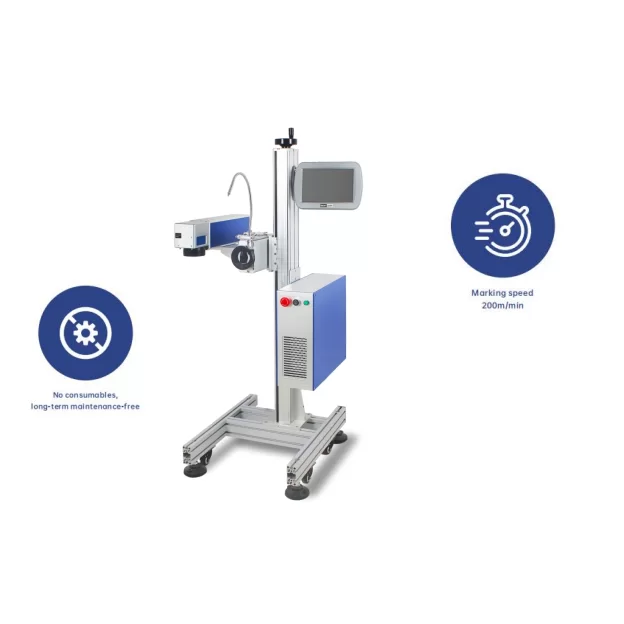
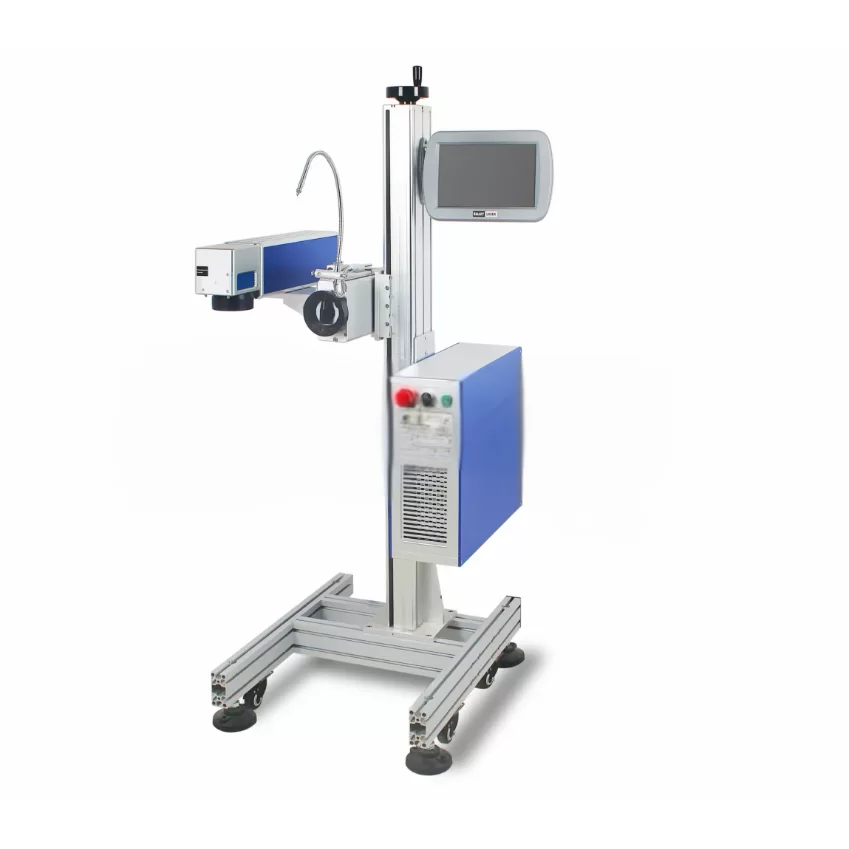
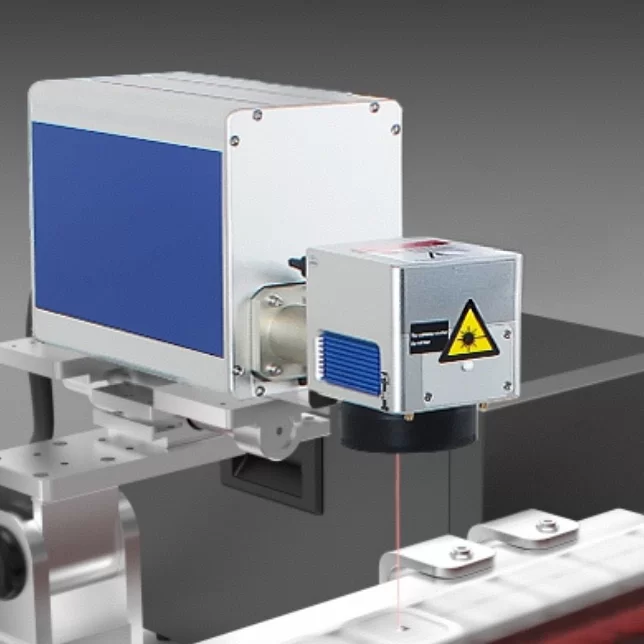
The fiber laser marking machine uses a fiber laser to generate a laser beam that is expanded and collimated, then reflected by a high-speed galvanometer (two reflective lenses, controlling the X/Y axis deflection respectively), and then focused by a field lens (focusing lens). This forms a high-energy-density light spot on the surface of the workpiece, and through physical or chemical changes such as ablation, vaporization, and color change, it can engrave fine, permanent patterns, text, serial numbers, or QR codes.
1. Permanent, Clear, and Beautiful Marking
The marking effect is permanent, heat-resistant, corrosion-resistant, and abrasion-resistant, and it is exceptionally fine and beautiful.
2.Extremely High Processing Efficiency
The marking process is instantaneous, typically completing a character or pattern in milliseconds to seconds, making it ideal for online mass production.
3.Non-Contact Processing
The laser has no physical contact, causing no mechanical stress or damage to the workpiece, making it particularly suitable for delicate and fragile parts.
4.Easy Operation and High Flexibility
Marking content can be freely edited using software, eliminating the need for molds and achieving "zero consumables" processing.
Serial numbers, variable data, date and batch numbers can be easily encoded, making it an ideal tool for product traceability.
5.Extremely Low Operating Costs
Aside from electricity consumption, there are virtually no other consumables. The equipment is stable and reliable, requiring minimal maintenance, and offers significant long-term cost advantages.
6.Environmentally Friendly and Safe
Compared to chemical etching and inkjet printing, laser marking is pollution-free and consumes no chemicals, making it a clean processing technology.
1.Metal Materials: This is its strongest area.
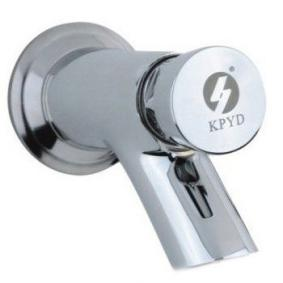
2.Deep Engraving: Stainless steel, carbon steel, aluminum alloy, zinc alloy, and electroplated parts. Markings are clear in black, white, or intaglio. Suitable for tools, knives, bathroom hardware, automotive parts, and mechanical nameplates.
3.Shallow Engraving/Annealing: A thermal oxidation layer is formed without damaging the surface, creating a permanent black or colored mark. Primarily used for medical surgical instruments and high-grade stainless steel products.
4.Paint Stripping: Paint is removed from wires and metal surfaces without damaging the substrate.
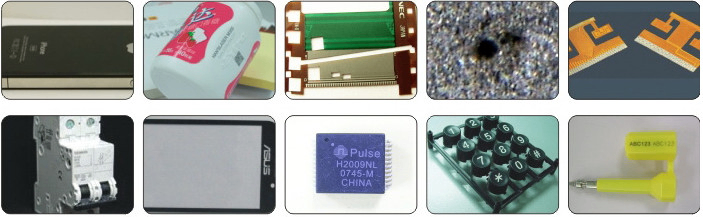
5.Plastics and Polymers: ABS, PC, PP, PE, etc., can be used for marking housings, buttons, and integrated circuits (IC chips).
6.Coating Materials: Anodized aluminum, painted surfaces, and plated surfaces are ideal for marking logos and information on electronic products such as mobile phones and laptops.
Model | K200 | K201 | K300 | K301 | K500 | K600 | |
Laser parameters | Laser source model | RK20QS | RK20QE | TK30QS | RK30Q | RK50QB | RK60QB |
Output power | 20w | 20w | 30w | 30w | 50w | 60w | |
Beam quality m² | ≤1.5 | ≤1.5 | ≤1.6 | ≤1.5 | ≤1.6 | ≤1.6 | |
Pulse repetition frequency | 40-60 kHz | 30-60 kHz | 40-60 kHz | 30-60 kHz | 50-100 kHz | 55-100 kHz | |
Laser wavelength | 1064±5 | ||||||
0utput power stability | <3% | ||||||
Working life | About 100,000 working hours (non-lifetime) | ||||||
0pticalproperties | Marking range | 100-300mm (range optional) | |||||
Engraving depth | 1mm (depending on power and time) | ||||||
Engraving speed | 10000mm/s | ||||||
Repeat accuracy | ±0.002 | ||||||
Minimum marking line width | 0.1mm | ||||||
Minimum character height | 0.15mm | ||||||
Use environment | Cooling way | Builtin air cooling | |||||
System power supply | 500W/220V / 50Hz (110V can be connected) | ||||||
Temperature humidity | 0~40°, 30% RH 85%, air conditioner should be installed when used outside the range | ||||||
Oil mist condensation | Not allowed | ||||||
Other parameters | Operating system | Fly control system | |||||
File form at | The software supports text, QR code, bar code, serial number, graphics and other marking content | ||||||
Dimensions | 660X510X1460 mm | ||||||
Packing size | Host:790X740X350mm Column:1350X350X280mm | ||||||
Total weight | About 66kg | ||||||
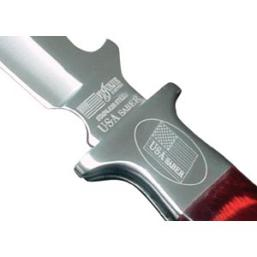
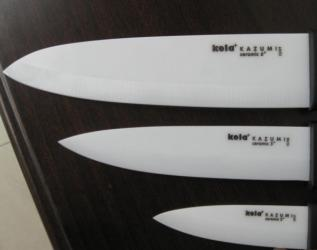
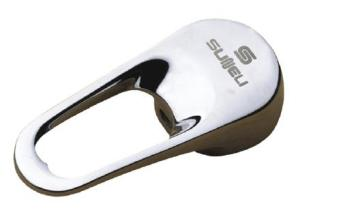
In the realm of industrial manufacturing, the ability to create indelible, high-contrast, and precise identifiers on metallic surfaces is a cornerstone of quality control and branding. The fiber laser marking machine has revolutionized this domain, particularly for the ""big three"" of industrial metals: stainless steel, aluminum, and copper. Unlike traditional mechanical engraving or chemical etching, fiber laser technology utilizes a high-energy-density beam to interact with the metal’s crystalline structure, offering a level of versatility that ranges from deep material removal to subtle surface coloration.
Stainless Steel: The Versatility of Annealing and Engraving
Stainless steel is perhaps the most common application for an optical fiber laser marking machine. Because stainless steel is prized for its corrosion resistance and aesthetic appeal, the marking method must not compromise the material's integrity. Fiber lasers achieve this through two primary techniques:
Laser Annealing: This is a specialized process where the laser heats the surface of the stainless steel to a temperature just below its melting point. This heat induces a controlled thermal oxidation layer beneath the surface. The result is a permanent, high-contrast black mark that is perfectly smooth to the touch. Because the surface of the metal is not ablated, the protective chromium oxide layer remains intact. This is vital for medical surgical instruments and food-grade hardware.
Deep Engraving: For industrial nameplates or tools exposed to heavy abrasion, the laser is set to a higher power density to vaporize the metal. This creates an ""intaglio"" effect where the text or logo is recessed into the material. The fiber laser marking machine uses high-frequency pulses to clear material rapidly, leaving clean, sharp edges that remain legible even if the part is subjected to heavy wear or subsequent painting.
Aluminum: From Anodized Surfaces to Raw Alloys
Aluminum is lightweight, highly conductive, and widely used in the aerospace and automotive sectors. When using a fiber laser marking machine, aluminum presents unique opportunities.
Anodized Aluminum: This is a favorite in the electronics industry. The laser doesn't necessarily need to engrave the metal; instead, it removes or bleaches the thin anodized dye layer to reveal the natural white/silver aluminum underneath. This creates a stunning logo with zero mechanical stress.
Cast and Raw Aluminum: On raw alloys, the laser can be used to create a ""white"" marking effect by micro-pitting the surface, which scatters light. Aluminum’s high thermal conductivity means the laser must have excellent beam quality to prevent heat from dissipating too quickly.
Copper: Overcoming Reflectivity Challenges
Copper and its alloys (like brass) are known as ""highly reflective"" metals. In the past, these materials were difficult to mark because they would reflect the laser energy back into the source. However, modern fiber laser marking machine manufacturer designs include isolators that handle back-reflection effortlessly. Copper marking is essential for the electrical and plumbing industries. Fiber lasers can create dark, oxidized marks on copper pipes that are resistant to high temperatures and corrosive environments.
The electronics industry is characterized by miniaturization, high-volume production, and a zero-tolerance policy for component damage. As integrated circuits (ICs), resistors, and connectors become smaller, the demand for microscopic yet legible marking has skyrocketed. The fiber laser marking machine has become the industry standard for electronics due to its ability to deliver ultra-fine precision without the use of heat-damaging chemicals or mechanical force.
Traceability for Printed Circuit Boards (PCBs)
In the modern smart factory environment, every PCB must be tracked through the assembly line. Fiber lasers are integrated into automated production lines to mark unique Data Matrix codes on the edges of PCBs. The high-speed galvanometer system of the fiber laser marking machine allows it to ""mark on the fly."" As the conveyor belt moves, the laser pulses at millisecond intervals to apply clear, permanent codes. These marks must be resistant to the harsh chemicals used in the soldering and cleaning processes.
Connectors, Housings, and Mobile Devices
Beyond internal components, fiber lasers are used for the aesthetic and functional marking of consumer electronics.
Mobile Phones and Laptops: The high-grade logos and regulatory symbols found on premium smartphones are almost exclusively done with fiber lasers. The laser can strip paint or anodized layers with micron-level accuracy.
Plastic Housings: Using high-frequency pulsing, the laser can mark ABS and PC polymers used in chargers and earphone cases. This results in a crisp mark that won't wear off with frequent handling, ensuring that brand identity and safety warnings remain visible.
When comparing various industrial identification methods—such as inkjet printing or dot peen marking—the fiber laser marking machine stands in a league of its own. Its dominance in the market is driven by a trifecta of advantages: unparalleled speed, microscopic precision, and the absolute durability of the final mark. For any business looking at a fiber laser marking machine for sale, understanding these three pillars is essential.
Unparalleled Processing Speed
In a world where production efficiency is measured in seconds, the speed of fiber laser technology is a game-changer.
Online Integration: This speed allows the machine to be integrated directly into high-speed assembly lines. While inkjet printers often require a ""drying time,"" laser marking is a dry, instantaneous process.
Microscopic Precision and Flexibility
The ""fiber"" in the laser refers to the optical fiber cable used to amplify the light. This technology results in a beam that is much cleaner and more focusable than other laser types.
Fine Spot Size: The focused spot size can be as small as 20 microns. This allows for the engraving of text that is so small it requires a magnifying glass to read, yet every character remains sharp.
Software-Driven Flexibility: Unlike traditional stamping, the laser fiber marking machine is entirely software-controlled. If you need to change a serial number or switch a logo, it is done with a few clicks. This ""zero consumables"" flexibility makes it ideal for customized batches.