Shijiazhuang Topstar
International Trading Co., Ltd.


Get In Touch
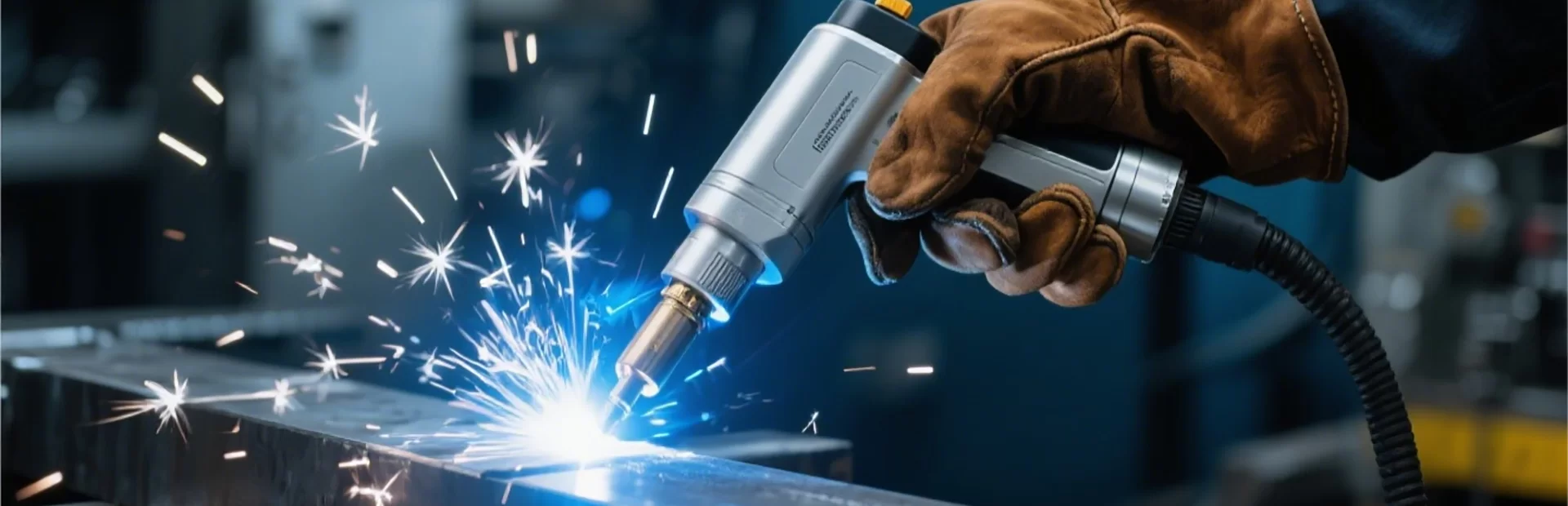
The two metal ends are sheared and trimmed, then clamped under pressure and passed with a large current, and the butt joint is welded using resistance heat.
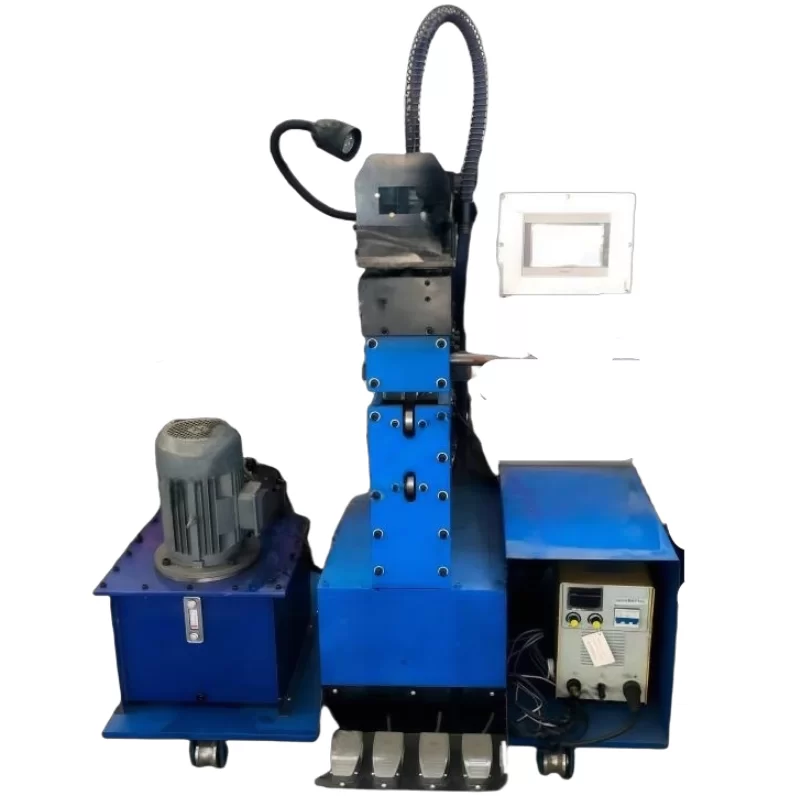
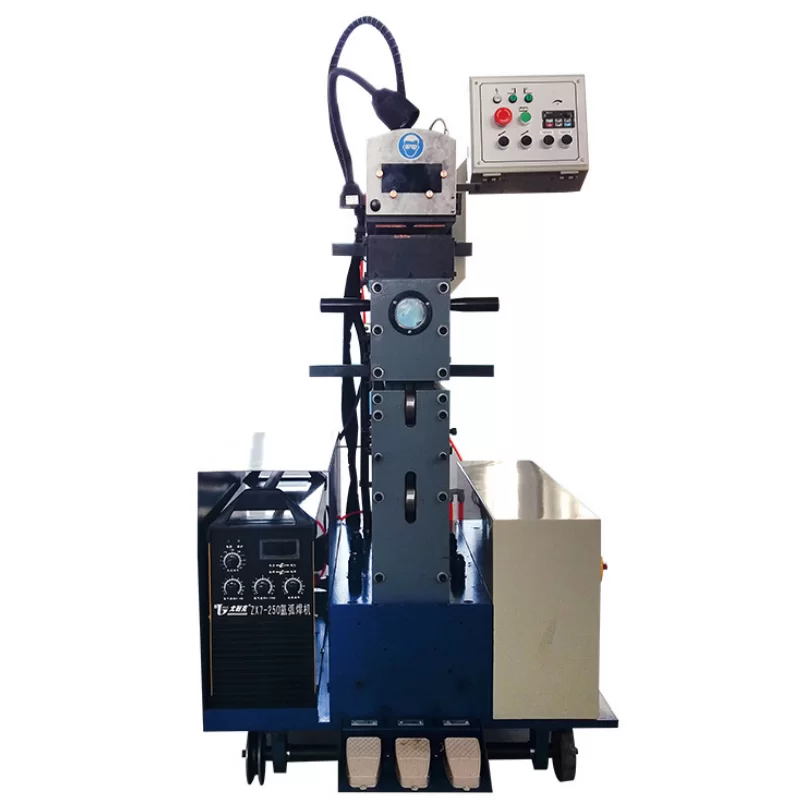
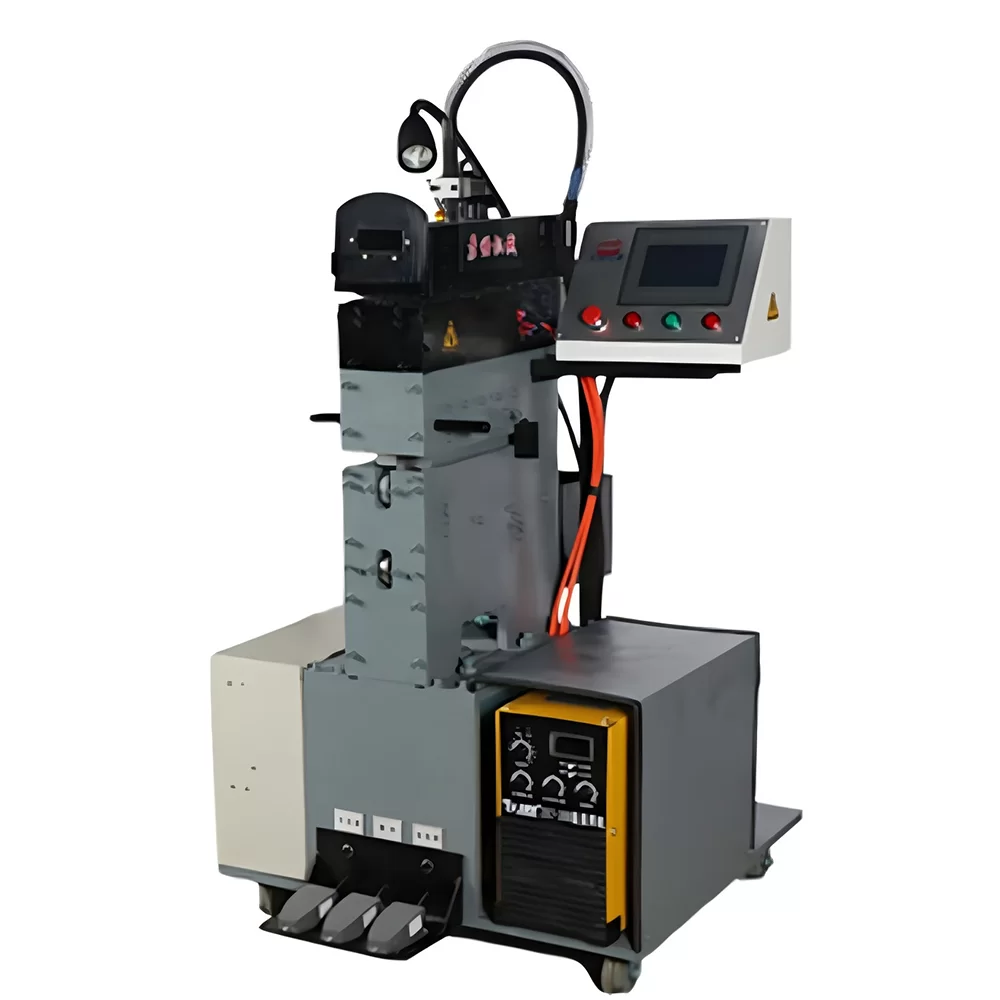
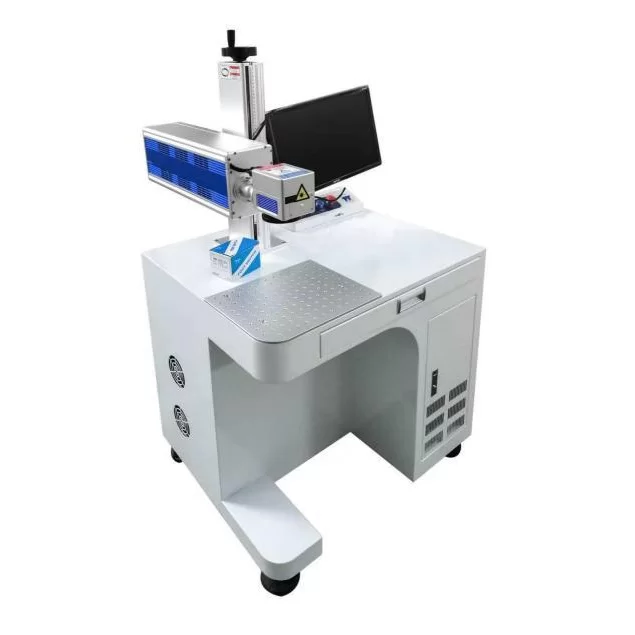
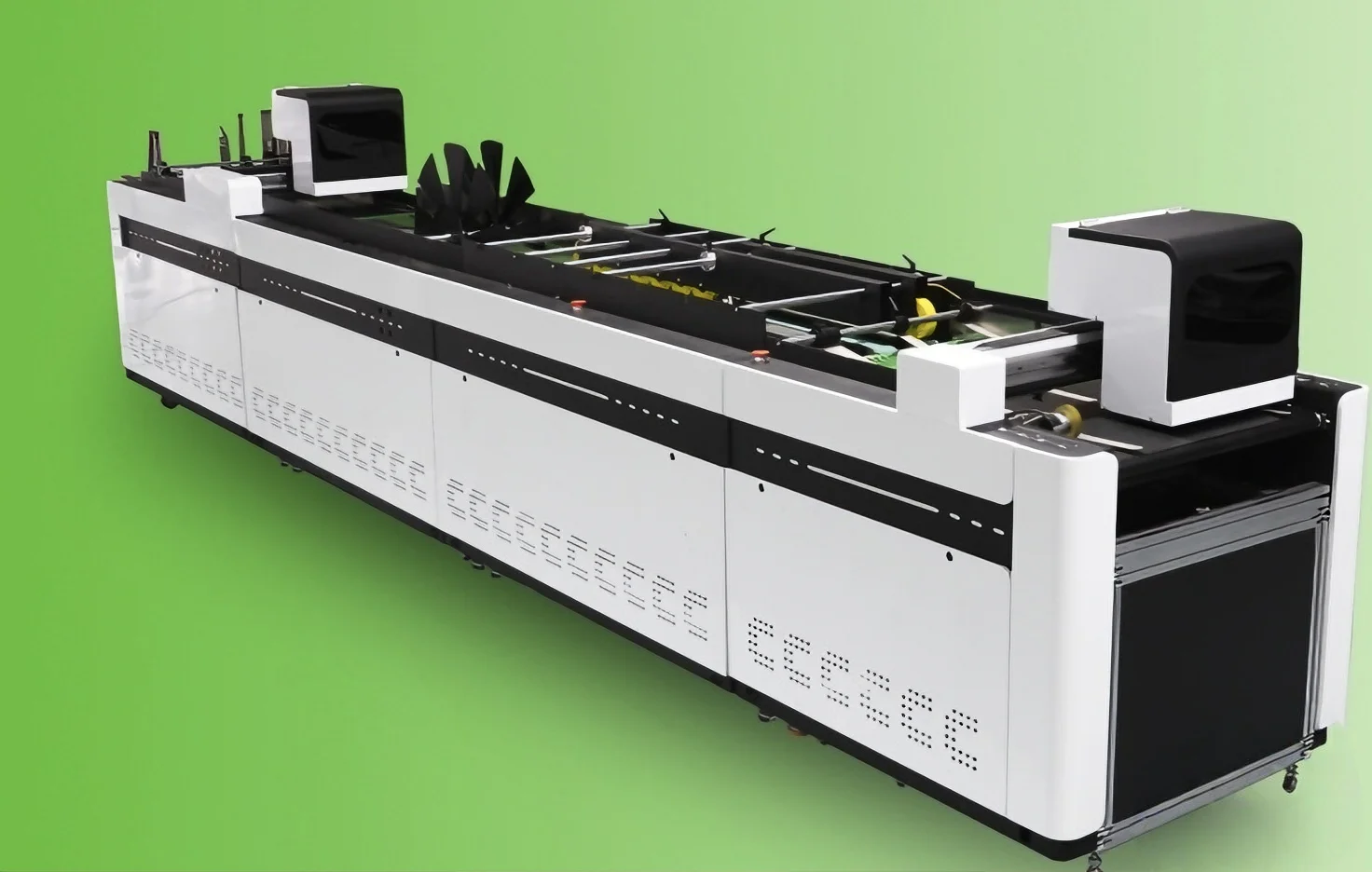
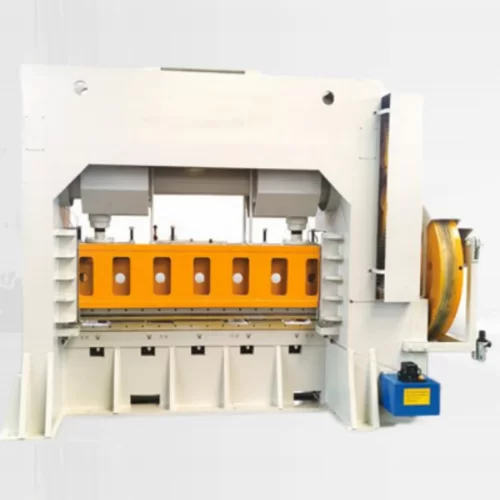
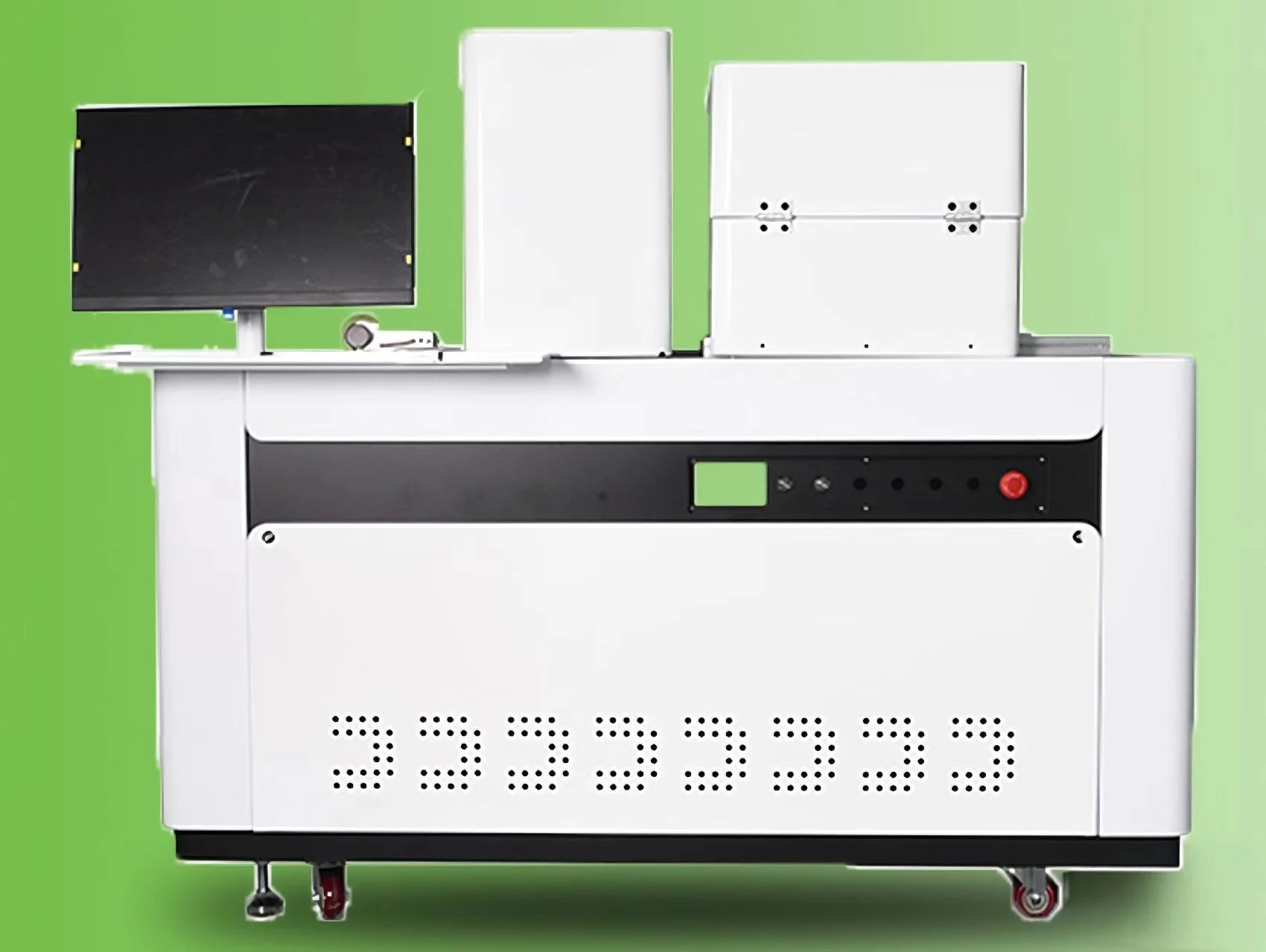
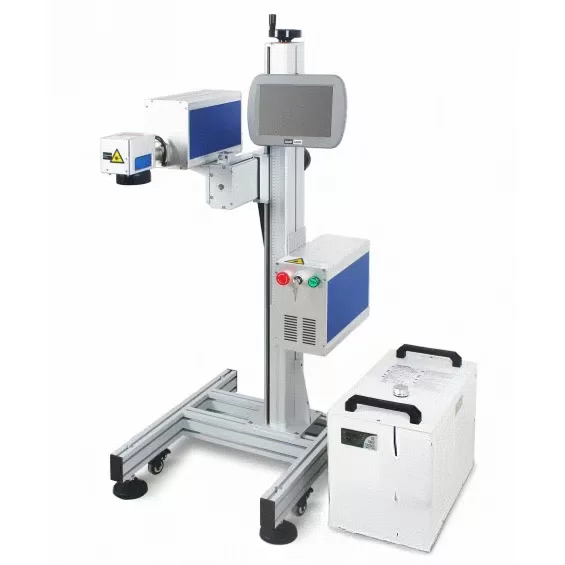
Shear butt welding machine is a special welding equipment that integrates shearing and welding functions. It is mainly used for continuous butt welding of metal materials (especially plates and strips). It is often used in industrial production to achieve uninterrupted connection of materials and improve production efficiency.
1, Merging the cutting and welding processes reduces process changeover time and improves overall processing efficiency, eliminating the need for frequent equipment changes or workpiece handling.
2, After shearing, the workpieces can be quickly and accurately connected to ensure the flatness and consistency of the welding seam, thereby improving the welding quality.
3, The integrated design simplifies the operating process, reduces the complexity of manual intervention, and makes it easier for workers to quickly get started and carry out batch operations.
4, Reduce the number of equipment purchased and the floor space occupied, while reducing material waste caused by improper process connection, indirectly saving production costs.
It can be used for the connection processing of various metal materials (such as steel bars, plates, etc.), and has strong practicality in the fields of construction, manufacturing, etc.
A shear-butt welding machine is a specialized welding device that combines shearing and welding functions. It is primarily used to quickly butt-weld and weld metal materials (especially plates and profiles) after shearing. It is widely used in industries requiring continuous production or material splicing. Its core advantage lies in its ability to efficiently complete the continuous "cutting to length → butt-welding → welding" process, reducing process changeover time and improving production efficiency.
Type | Welding/Shearing Width | Welding/Shearing Thickness |
DXJ165C | <180mm<> | 0.4-2.0mm |
DXJ285B | <300mm<> | 0.4-3.0mm |
DXJ440A | <445mm<> | 0.4-3.0mm |
Usage: Can complete the cutting head and welding work of the strip. | ||
In the modern landscape of metal processing, the efficiency of a production line often hinges on the reliability of the material supply chain. When dealing with metal strips, plates, or bars, the transition from one coil to the next represents a significant bottleneck. This is where the shear butt welding machine becomes an essential asset. Selecting the right capacity and speed for this equipment is not merely a matter of buying the largest unit available; it requires a deep technical understanding of material gauge, metallurgical properties, and the throughput requirements of the downstream processes.
Understanding Capacity: Beyond Thickness and Width
When we discuss the capacity of a shear butt welder, we are primarily looking at the mechanical and electrical limits of the shearing and welding integrated systems. Capacity is generally defined by the maximum width and thickness of the material the machine can process. However, a nuanced selection must also account for the material's yield strength. A machine rated for 5mm mild steel may struggle with 3mm high-strength low-alloy (HSLA) steel because the shearing force required for the latter is significantly higher.
The shearing capacity is the first gatekeeper. The integrated blades must provide a clean, square cut across the entire width of the strip. If the capacity is mismatched, the shear may leave burrs or a deformed edge, which prevents a fast and accurate connection during the subsequent welding phase. For heavy-duty applications, manufacturers often look for a shear butt welding machine for sale that features hydraulic shearing units, which provide the necessary force for thick plates while maintaining a compact footprint and high structural rigidity.
Speed Selection: Balancing Takt Time and Weld Quality
Speed in a continuous shear butt welding system is measured in two ways: the travel speed of the welding torch and the total cycle time (the time from when the material stops for shearing to when it is released after welding).
Welding Travel Speed: This is determined by the material thickness and the power of the welding head. For thin-gauge strips, high-speed welding is achievable, often reaching several meters per minute. However, as the thickness increases, the speed must decrease to ensure the molten pool has sufficient time to fuse the two sheared ends.
Cycle Time Efficiency: The core advantage of this equipment lies in its ability to efficiently complete the continuous cutting to length and welding process. A high-speed system minimizes the amount of ""dead time"" where the downstream production line must rely on an accumulator. If the cycle time of the welder is 60 seconds, but your production line consumes material at a rate that empties the accumulator in 45 seconds, the entire line will stop.
The primary concern for any plant manager implementing a shear butt welding machine is whether the joint can survive the rigors of downstream processing. Whether the strip is being pulled through a cold rolling mill, an annealing furnace, or a stamping press, the weld must possess mechanical properties—specifically tensile strength and ductility—that are as close to the parent metal as possible.
The Impact of Shearing on Joint Strength
Strength begins with the preparation of the edge. In traditional welding, manual preparation can lead to inconsistent gaps. However, the integrated design of a shear butt welding machine ensures that the workpieces can be quickly and accurately connected to ensure the flatness and consistency of the welding seam.
By shearing the two ends of the strip simultaneously or in rapid succession using the same blade set, the machine creates a perfectly parallel gap. This consistency is the foundation of welding strength. If the gap varies by even a few tenths of a millimeter, the weld will have areas of under-fill or excessive reinforcement, both of which act as stress concentrators. A high-quality shear cut ensures that the energy is distributed evenly, resulting in a uniform grain structure in the fusion zone.
Metallurgical Factors in the Heat-Affected Zone (HAZ)
Welding strength is not just about the bead itself, but also about the Heat-Affected Zone (HAZ) surrounding the joint. In a system utilizing high precision shear butt welding technology, the clamping system also acts as a heat sink. These copper or specialized alloy clamps hold the strip firmly in place while wicking away excess heat. This prevents the HAZ from becoming too large, which is critical for maintaining the strip's metallurgical temper.
For high-carbon steels or specific alloys, the welding process can cause the joint to become brittle. To maintain strength, some units integrate pre-heating or post-weld annealing induction units. This ensures that the weld seam remains ductile enough to pass through tension-heavy processes without snapping. The goal is to achieve a ""weld efficiency"" of nearly 100%, meaning the strip will break in the parent metal before it breaks at the weld joint during a tensile test.
In the hierarchy of metal processing, the Continuous Annealing Line (CAL) is one of the most demanding environments for material splicing. A CAL runs at high speeds and high temperatures, requiring an uninterrupted flow of material to maintain the thermal equilibrium of the furnace. The shear butt welding machine is the critical link in this process, ensuring that the transition between coils is seamless and structurally sound.
The Role of Continuity in Thermal Processing
A continuous annealing line cannot be easily stopped. If the strip stops moving inside the furnace, the material will overheat, lose its mechanical properties, or even melt and break, leading to catastrophic downtime. Therefore, a continuous shear butt welding system at the entry section must be perfectly reliable.
When a new coil is ready to be joined, the entry accumulator begins to deplete, providing the time required for the automatic shear butt welding machine to perform its cycle. The machine shears the tail of the expiring coil and the lead of the new coil, then welds them together. Because the CAL applies significant tension to the strip to pull it through the furnace rollers, the joint must be able to withstand high ""hot-tension."" Any imperfection in the weld could lead to a strip break inside the furnace, which can take days to clear and restart.