Shijiazhuang Topstar
International Trading Co., Ltd.


Get In Touch
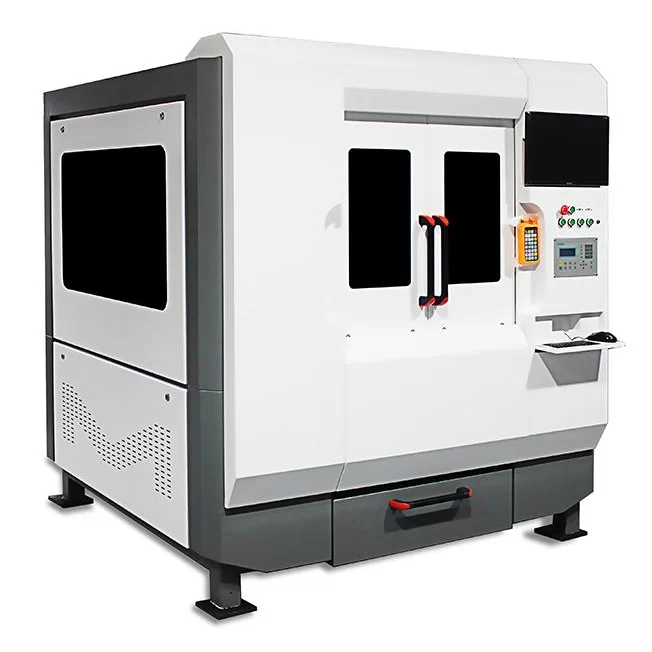
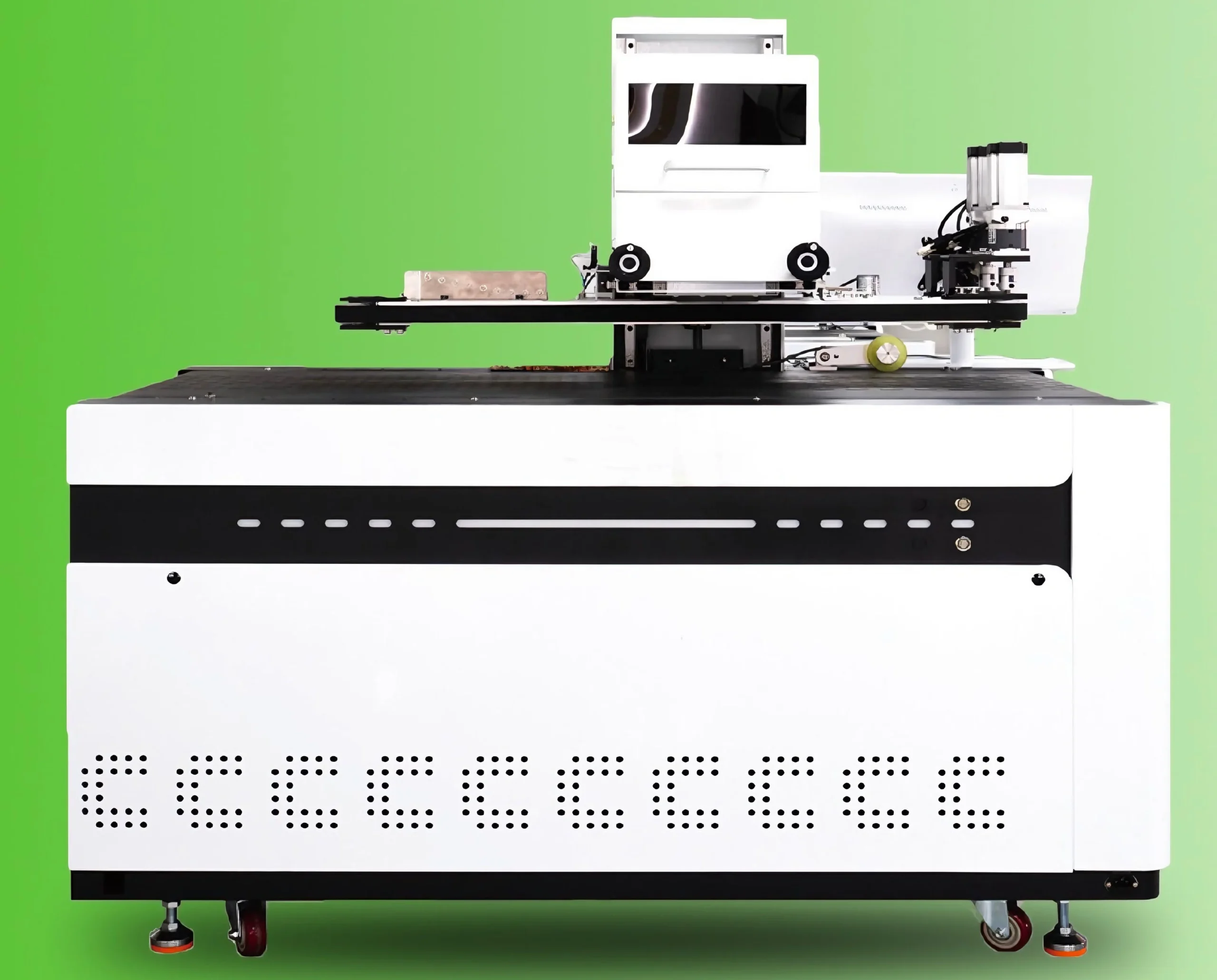
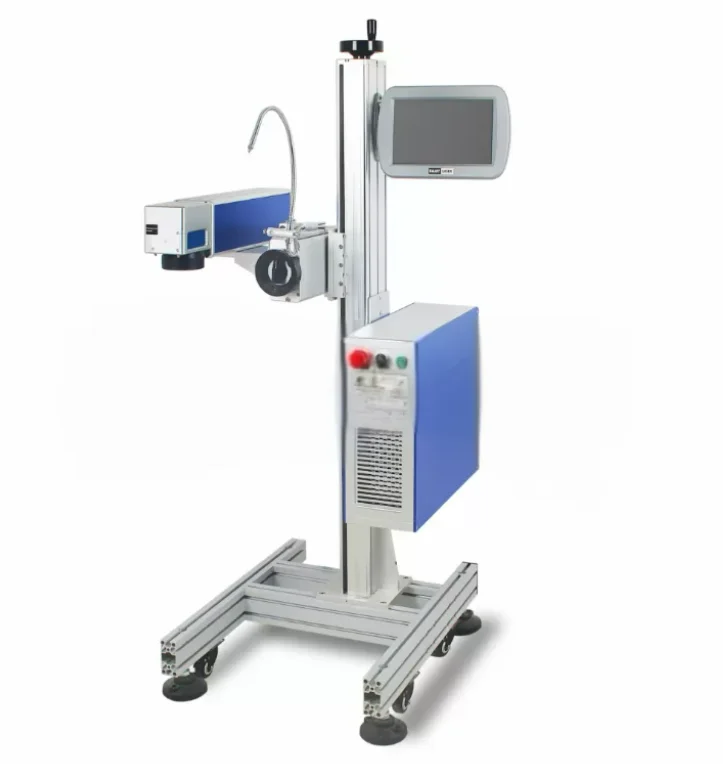
The CO2 laser marking machine is a device that uses laser light (wavelength 10.6μm) generated by carbon dioxide gas to mark materials. The core of the device is to rely on the thermal effect of the laser to vaporize, carbonize or change the color of the material surface to form text, patterns, QR codes, etc.
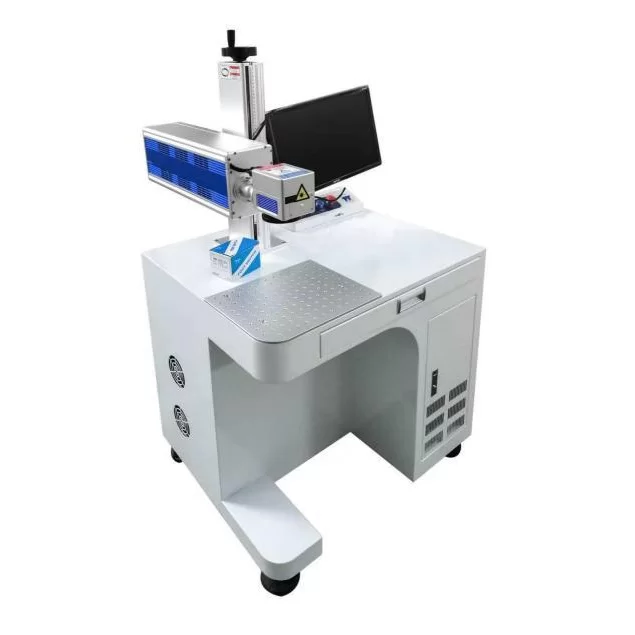
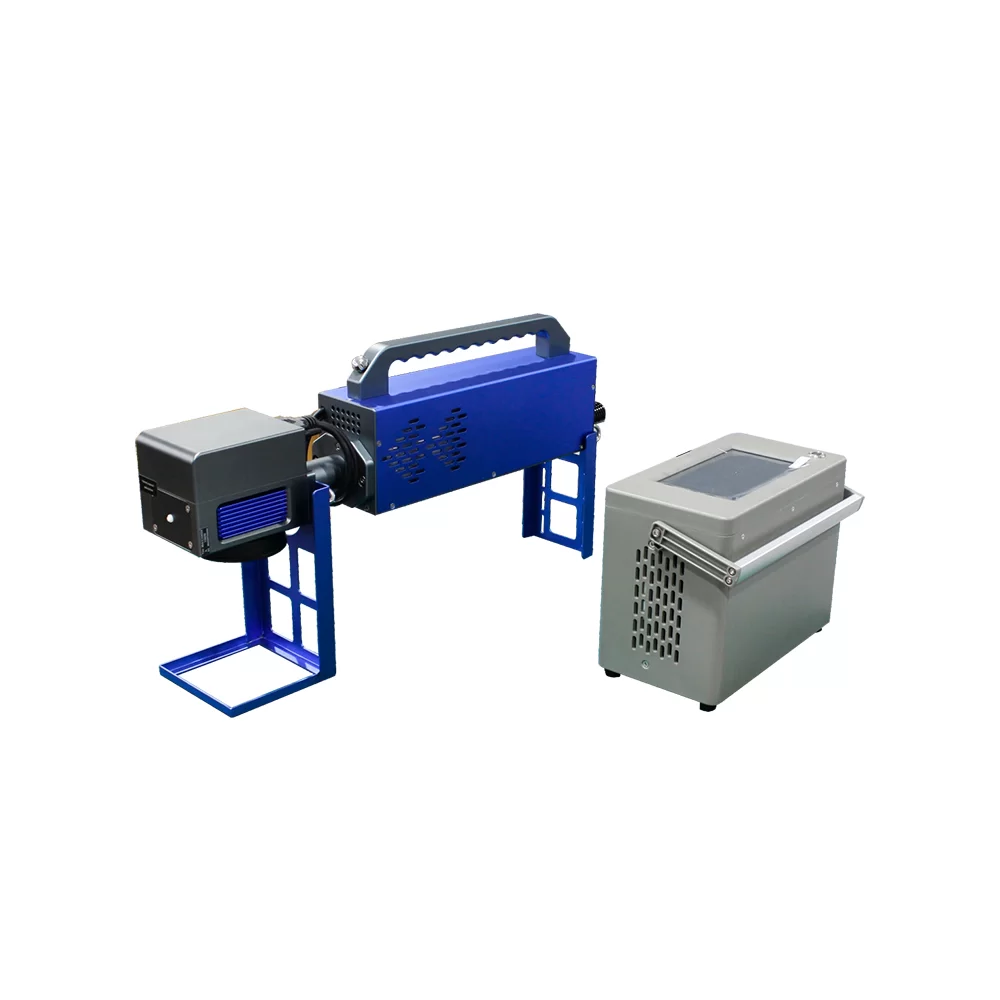
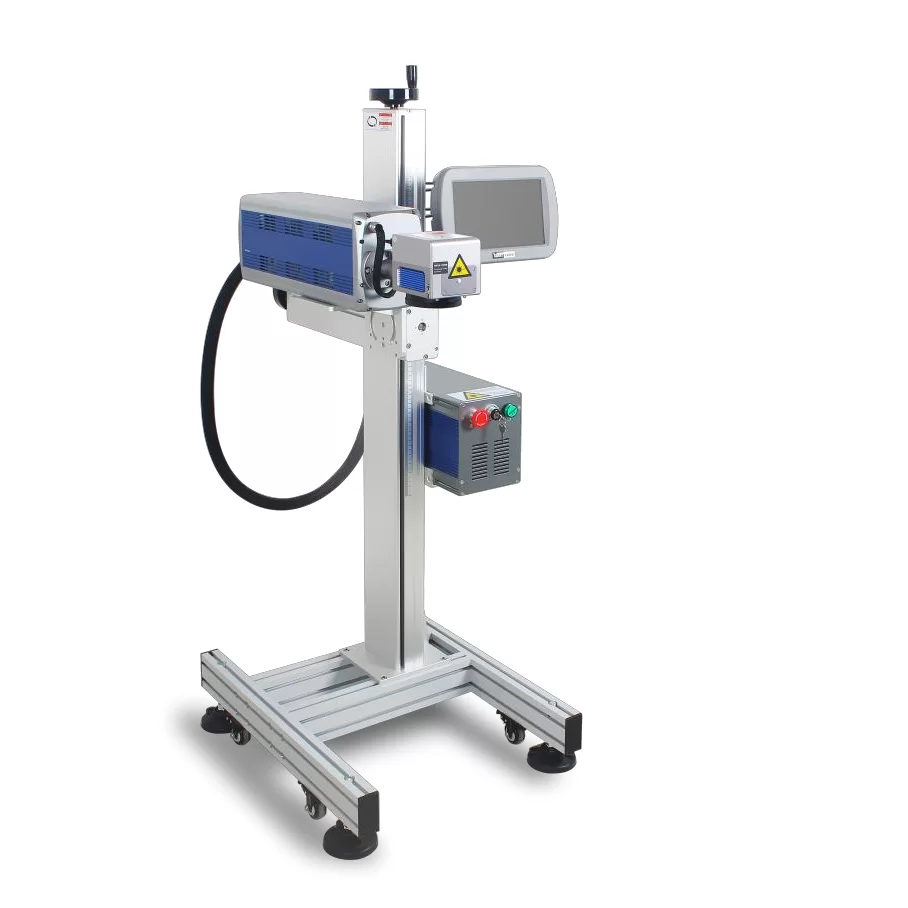
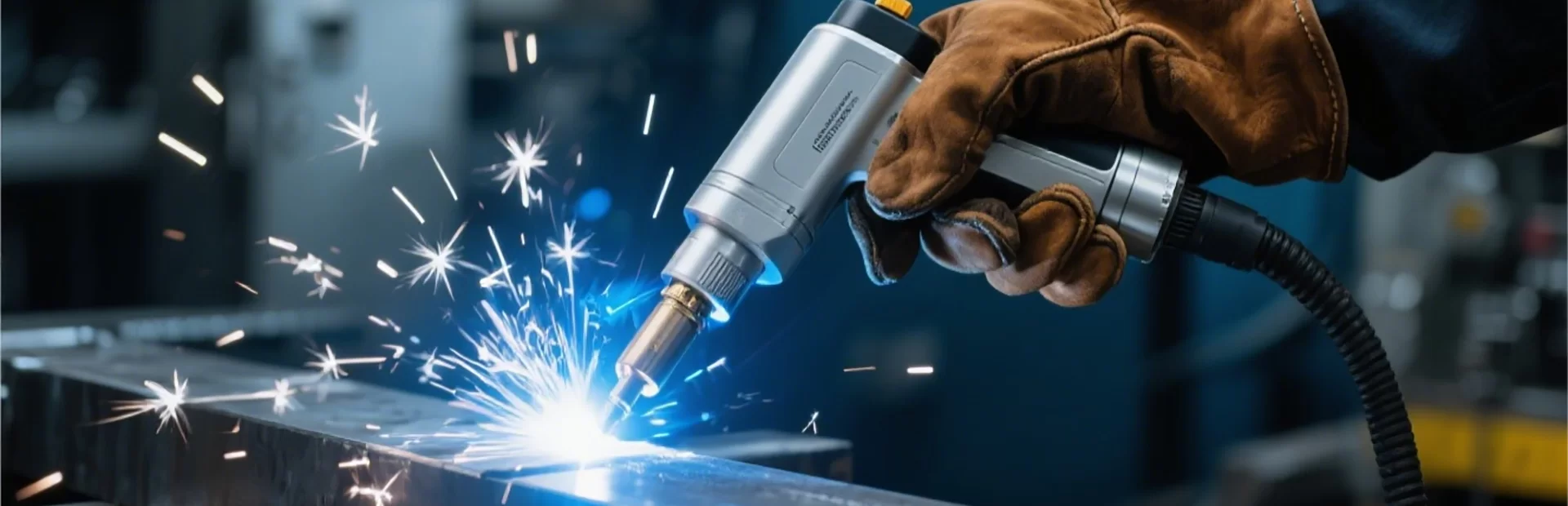
Use carbon dioxide gas to generate laser, and then use the energy of the laser to "carve" marks on the material
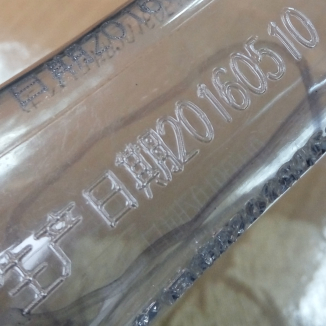
1.Packaging Industry: Marking the production date, expiration date, and batch number on plastic bottles/bags (such as on beverage bottles and snack bags); logistics codes and anti-counterfeiting codes on cartons and express boxes; preventing ink contamination and making the markings more wear-resistant.
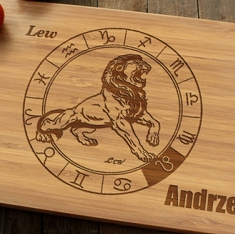
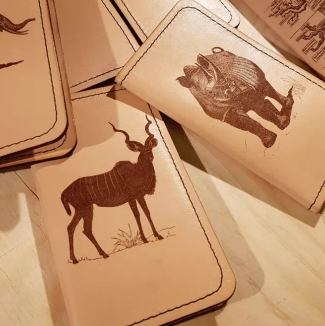
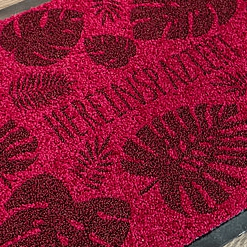
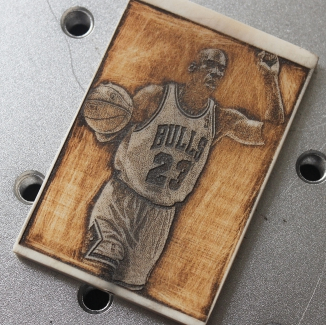
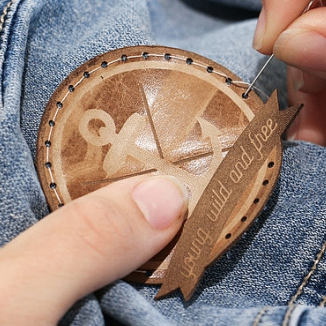
2.Daily Necessities/Crafts: Marking patterns and logos on glassware (cups, vases); engraving on wooden gifts (combs, ornaments); and branding on leather goods (bags, belts) without damaging the surface texture.
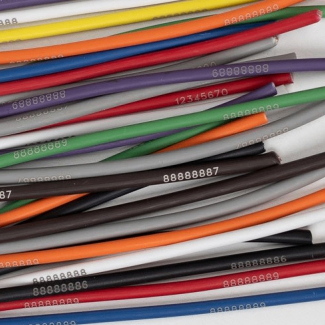
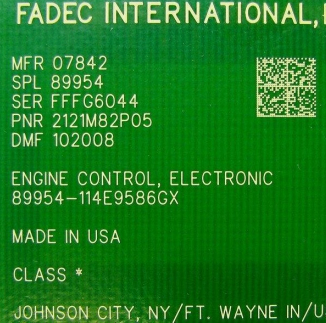
3.Electronics Industry: Marking circuit board (PCB) numbers, capacitor/resistor parameters, and brand logos on plastic electronic casings (earphone and charger casings); achieving precise marking without affecting the performance of the electronic components.
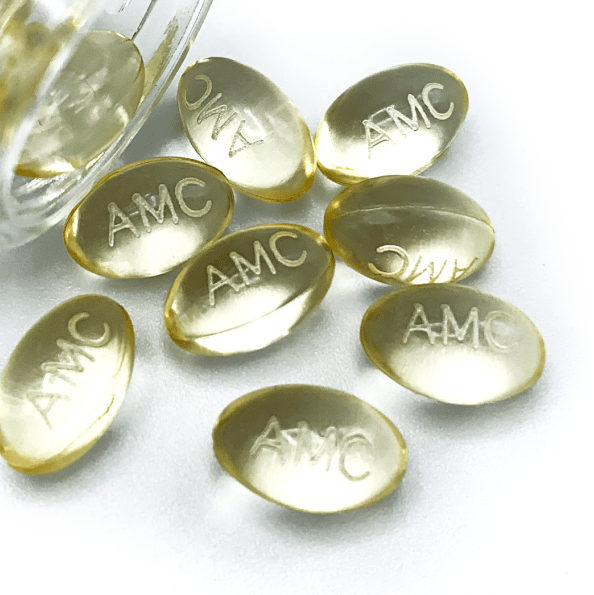
4.Pharmaceutical Industry: Marking traceability codes and batch numbers on pharmaceutical packaging and aluminum-plastic blister packs; meeting the strict "ink-free, contamination-free" pharmaceutical requirements to ensure traceability.
CO2 laser marking machines are primarily used for non-metallic materials (plastic, wood, paper, etc.). Common applications include: production date/logistics codes on packaging, pattern engraving on daily necessities/crafts, parameter identification of electronic products, traceability codes on pharmaceutical packaging, etc. They can efficiently produce clear, wear-resistant, and pollution-free permanent marks.
Technical parameter | |
laser | CO2laser |
power | Da Wei 30W |
laser wave length | 10.6um |
repeat frequency rate | 1-20KHZ |
Gaussian beam profile | |
Targeting scope | 100x100mm(other ranges optional) |
Carving depth | ≤0.4mm |
Carving line speed | ≤10000mm/s |
Minimum line width | 0.1mm |
Smallest character | 0.3mm |
repeatability precision | ±0.002 |
Power Supply Voltage | 220V/50Hz |
Power consumption of the whole machine | 500W |
External dimensions | 800mmX600mmX1400mm |
Weight of the machine | About 80kg |
operating system | Win732-bit |
cooling-down method | Built-in air cooling |
control interface | standard USB |
file format | All fonts/typyfaces in the WINDOWS operating system font library |
Type of laser | CO2 radio frequency laser |
life length | Approximately 20,000 work hours |
In the fast-paced world of modern manufacturing, the packaging industry serves as a critical bridge between production and the consumer. Every item on a store shelf carries essential information: production dates, expiration dates, batch numbers, and anti-counterfeiting codes. Traditionally, this information was applied using inkjet printers or thermal transfer systems. However, as global supply chains demand higher traceability and stricter environmental standards, the co2 laser marking machine has emerged as the definitive solution for high-speed, permanent, and eco-friendly packaging identification.
The Shift from Inkjet to Laser
For decades, the packaging industry relied on Continuous Inkjet (CIJ) printing. While functional, CIJ comes with significant hidden costs. Ink and solvents are expensive consumables that require constant replenishment, and printheads often clog, leading to unplanned downtime. More importantly, ink-based marks can be smudged or removed with solvents, which compromises product traceability.
A co2 laser marking machine for sale offers a ""consumable-free"" alternative. Instead of spraying ink onto the surface, the laser interacts directly with the packaging material. This creates a permanent mark that is resistant to moisture, abrasion, and chemicals. In industries where food safety is paramount, removing ink from the production environment eliminates the risk of chemical contamination, making the process ""ink-free and pollution-free.""
Versatility Across Packaging Materials
The packaging sector utilizes a vast array of non-metallic materials, each of which reacts uniquely to the 10.6μm wavelength of a CO₂ laser.
Plastic Bottles and Containers: Whether it is HDPE or PET, the laser creates a high-contrast mark by either foaming the plastic or engraving it slightly. This is ideal for beverage bottles where the mark must remain legible even after being submerged in ice.
Flexible Film and Pouches: For snack bags and frozen food pouches, the laser vaporizes the top layer or causes a color change in the pigment without puncturing the material. This ensures the hermetic seal remains intact.
Cardboard and Cartons: As e-commerce grows, the need for logistics codes on express boxes has surged. A co2 marking machine can mark complex QR codes on corrugated cardboard at incredible speeds, facilitating automated sorting.
The CO₂ laser marking machine is a marvel of optical engineering and thermal physics. Unlike mechanical engraving, it uses a non-contact process to ""carve"" information onto a surface. To understand how a co2 laser marking machine functions, we must examine the generation of the laser beam and the thermal interaction at the material's surface.
Generation of the Laser Beam
The process begins inside the laser tube, which is filled with a mixture of gases, primarily Carbon Dioxide, Nitrogen, and Helium. When an electrical discharge or Radio Frequency (RF) energy is applied, the nitrogen molecules become excited. Through collisions, they transfer this energy to the CO2 molecules, causing them to vibrate and produce infrared light.
The light produced has a wavelength of 10.6μm. This wavelength falls within the infrared spectrum, which is highly absorbed by organic materials like wood, paper, leather, and most plastics. This high absorption rate is what makes a co2 laser marking machine supplier's equipment so effective for non-metallic applications.
Beam Delivery and Steering: The Galvanometer System
To turn this light into a precise marking tool, it must be directed and focused through a ""Galvanometer"" system.
Mirrors: The beam hits two high-speed mirrors. One mirror controls the horizontal movement, while the other controls the vertical movement.
Focusing Lens: After being steered, the beam passes through an F-theta lens. This lens focuses the beam down to a micron-level spot size, concentrating energy onto a tiny point.
High-Speed Control: The mirrors move at incredibly high speeds, allowing the laser to ""draw"" text or logos in a fraction of a second.
In the global push for sustainability, paper and cardboard have become the preferred alternatives to plastic. However, marking on paper presents unique challenges—the material is flammable and thin. A co2 laser marking machine is the ideal technology for this application because it offers high-speed results without the risk of burning through the substrate.
Marking Corrugated Cardboard for Logistics
Cardboard is the backbone of global logistics. Every box requires a barcode and a shipping address. When you buy co2 laser marking machine units for a distribution center, you are investing in a system that can handle the high-volume environment of cardboard processing.
On corrugated cardboard, the CO₂ laser typically works through carbonization. The beam removes the microscopic top layer of fibers and darkens the underlying layer. Unlike labels, which can be torn off, a laser mark is ""part of the box."" This makes it virtually impossible for logistics information to be lost. Additionally, laser marking is significantly faster than automated labeling systems, which are prone to mechanical jams.
Decorative Engraving and Luxury Packaging
Beyond simple logistics, CO₂ lasers are used for decorative purposes on luxury gift packaging and business cards.
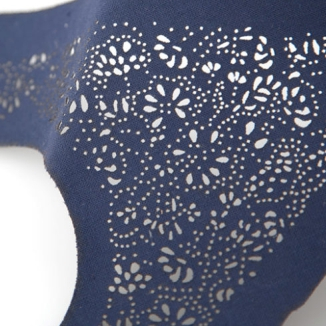
Intricate Cutting: Because the spot size is so small, the laser can perform ""lace-cutting"" on paper that would be impossible with a mechanical die.
Tactile Marking: On thick ""kraft"" paper, the laser can create a tactile, debossed effect, adding a premium feel that ink cannot replicate.
Ink-Free Sustainability: Luxury brands are moving toward ""eco-luxe"" packaging. By using a co2 laser marking machine, they eliminate the chemicals and foils used in traditional printing, making the entire package easily recyclable.