Shijiazhuang Topstar
International Trading Co., Ltd.


Get In Touch
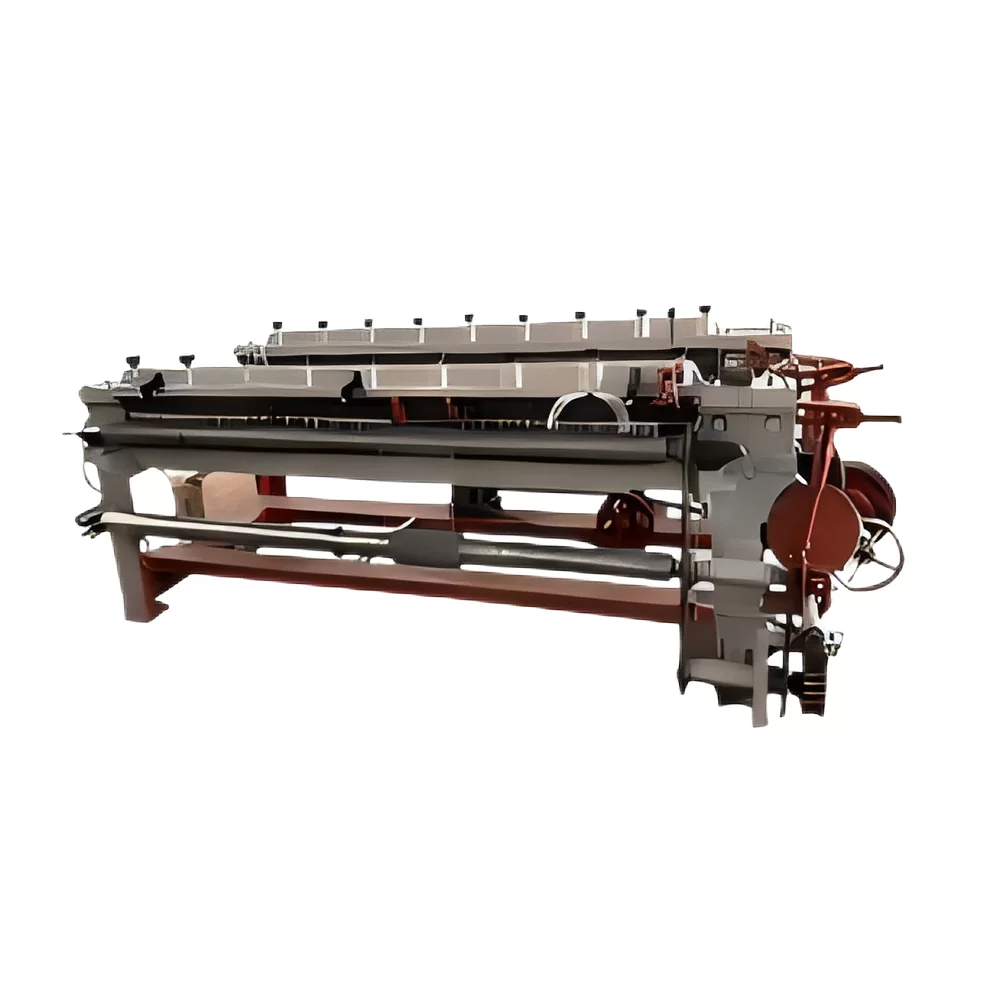
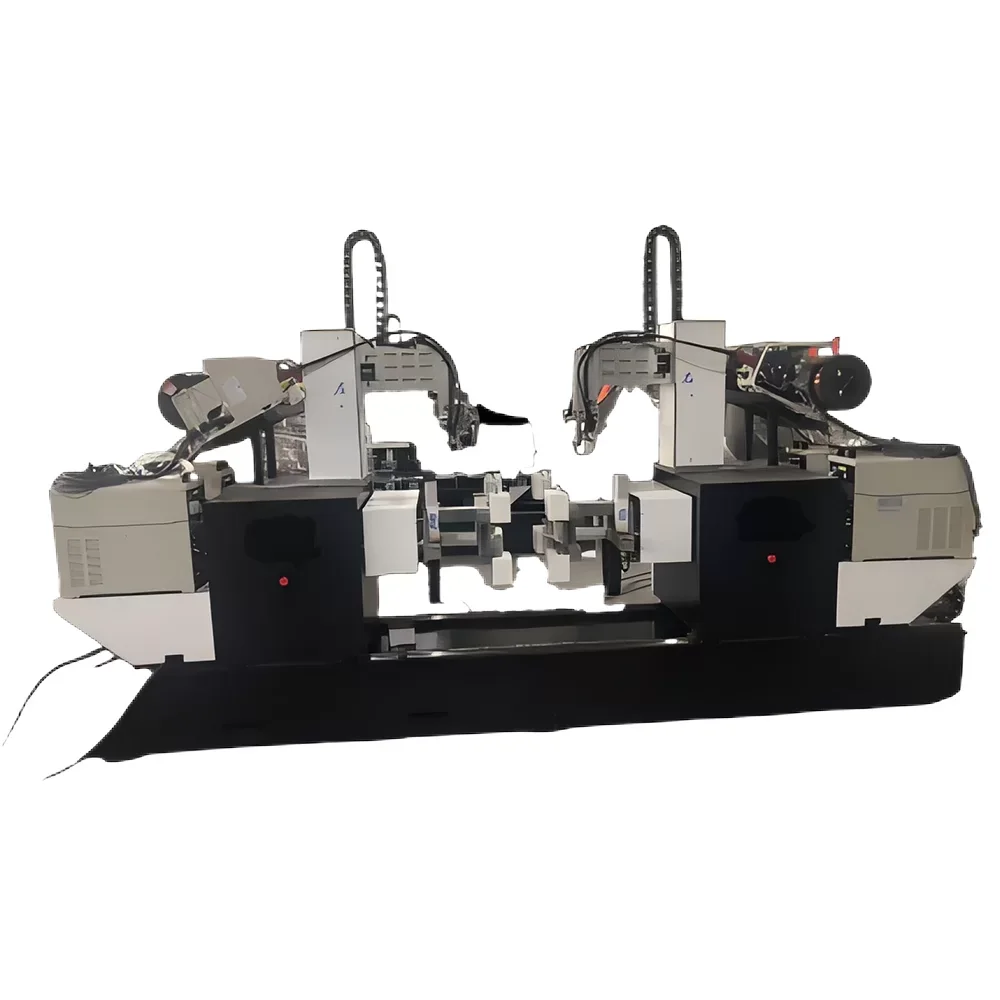
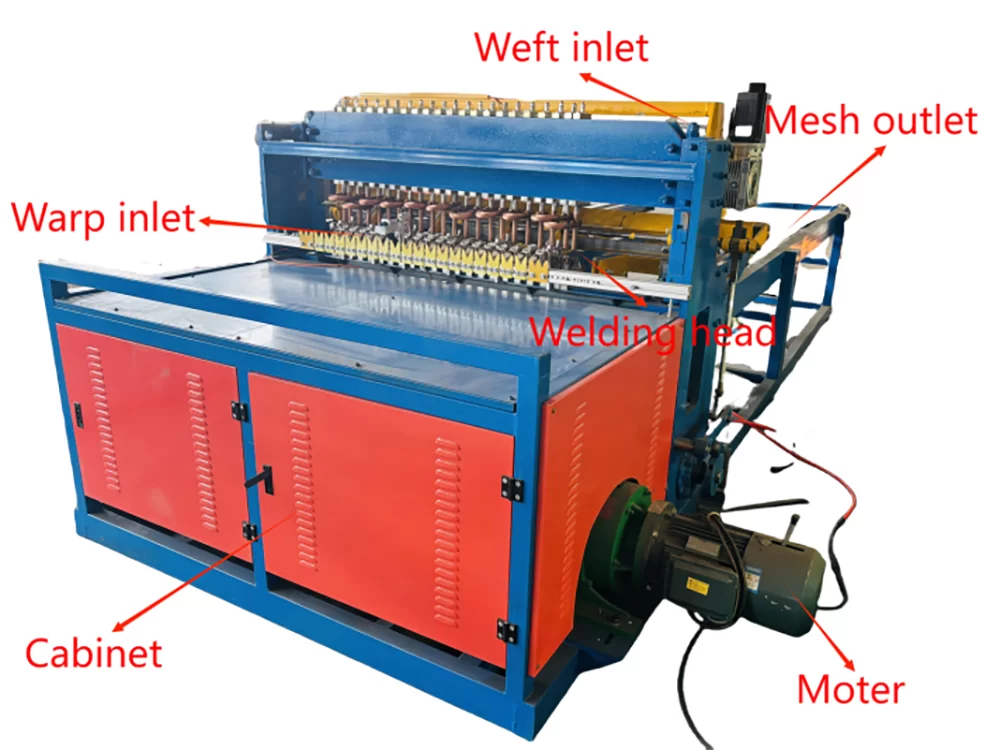
The welded mesh machine is a highly efficient and precise automated welding equipment designed for batch forming of metal mesh. It is both professional and versatile and is the core equipment for metal mesh production.
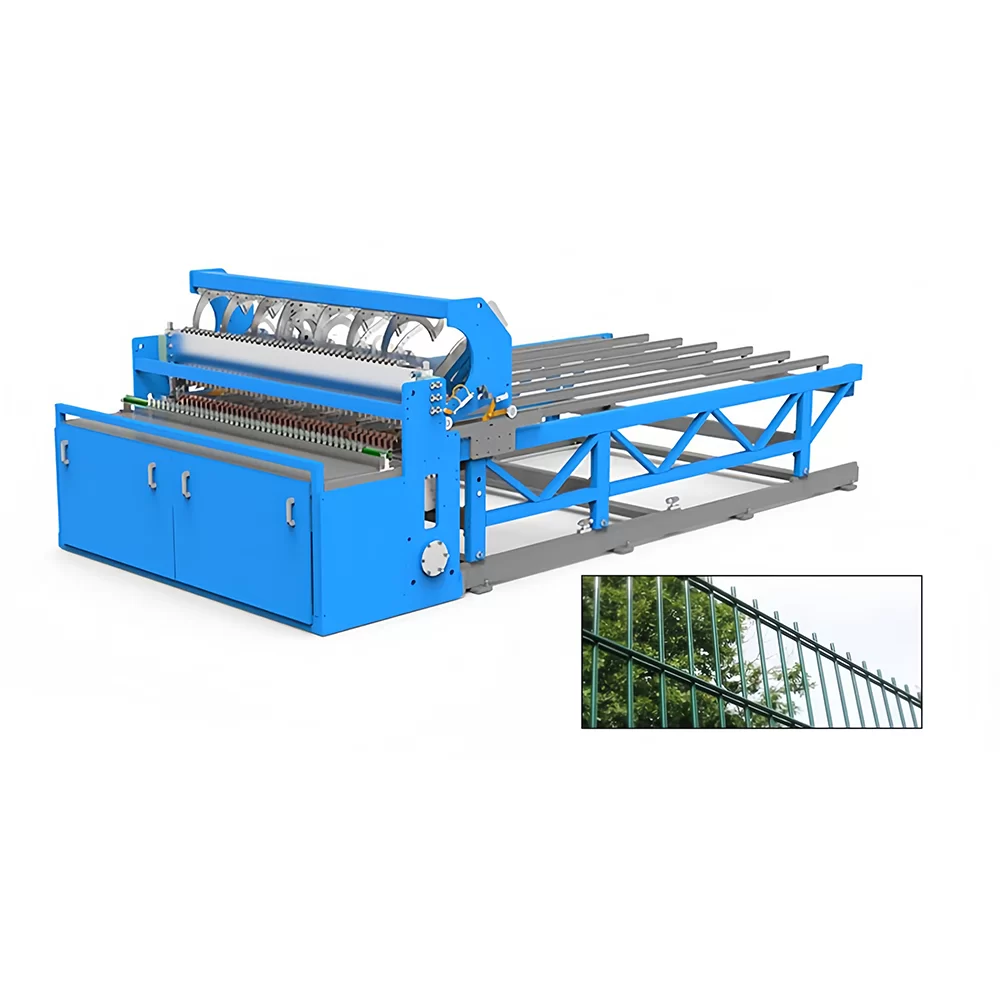
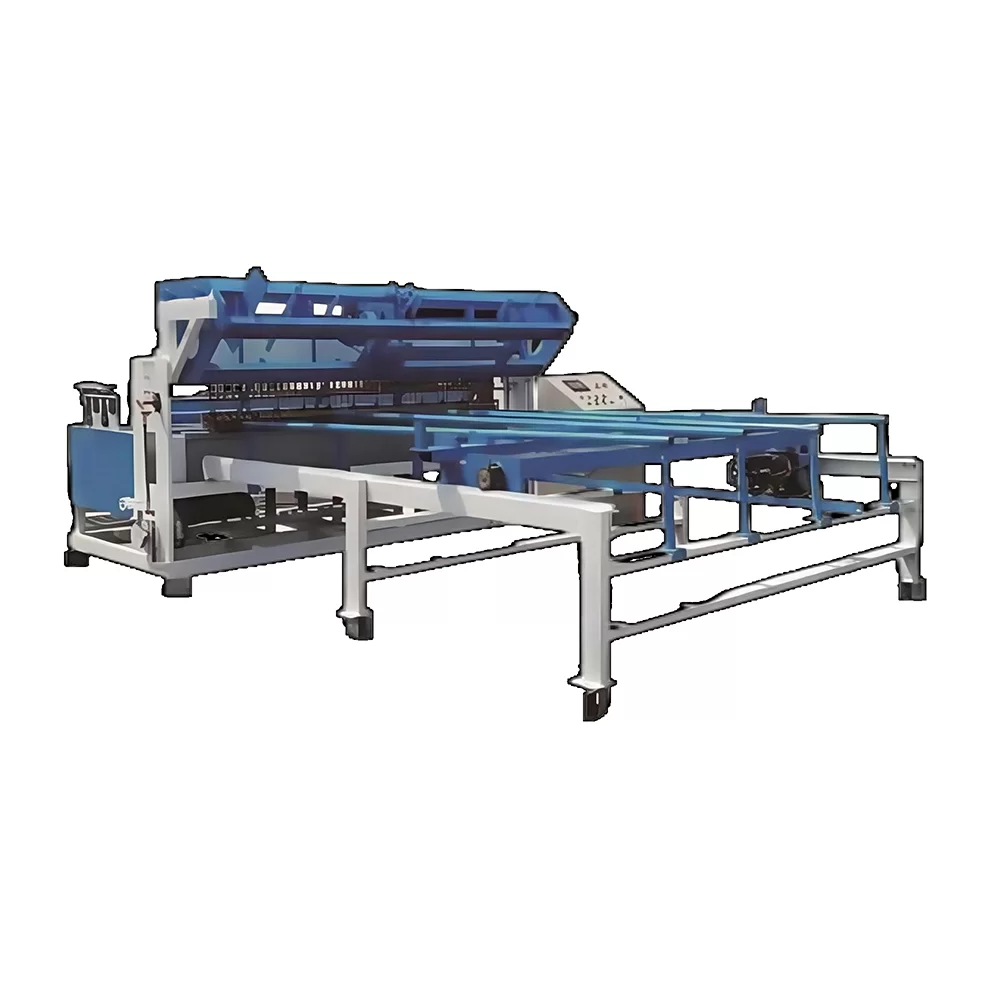
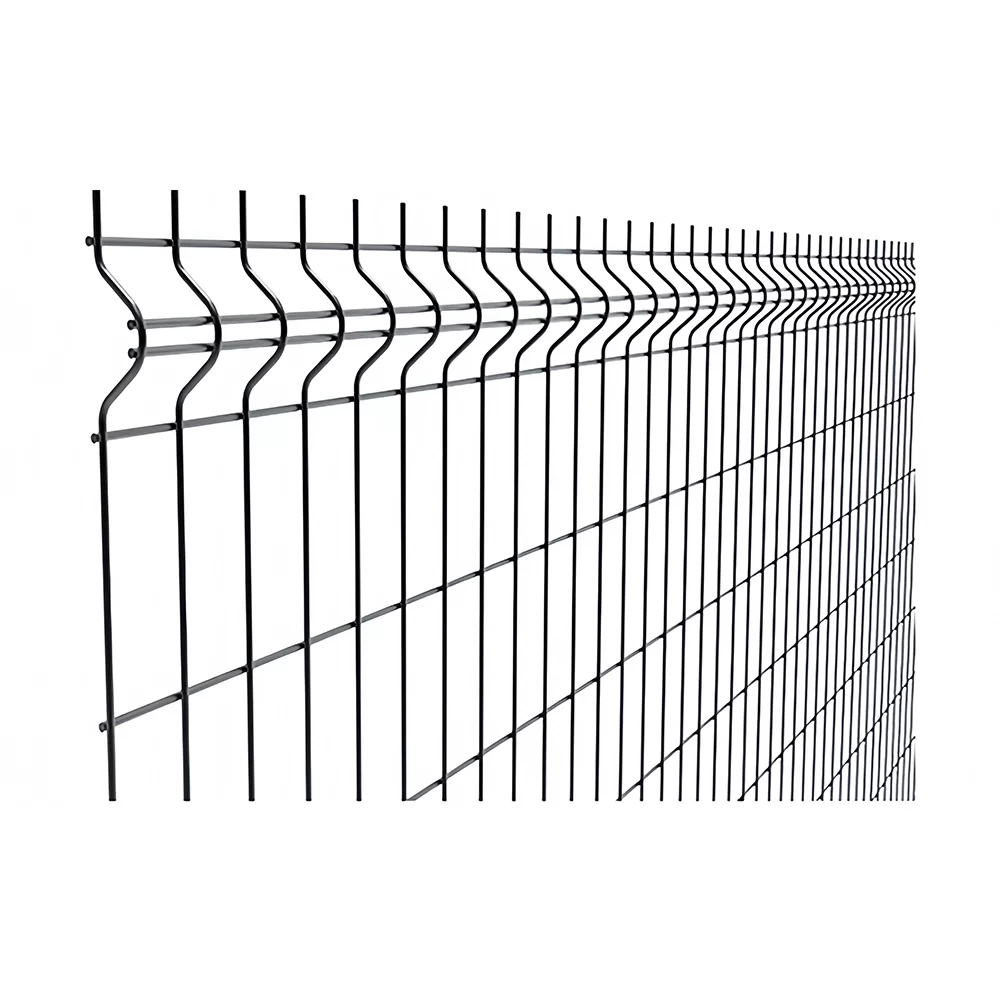
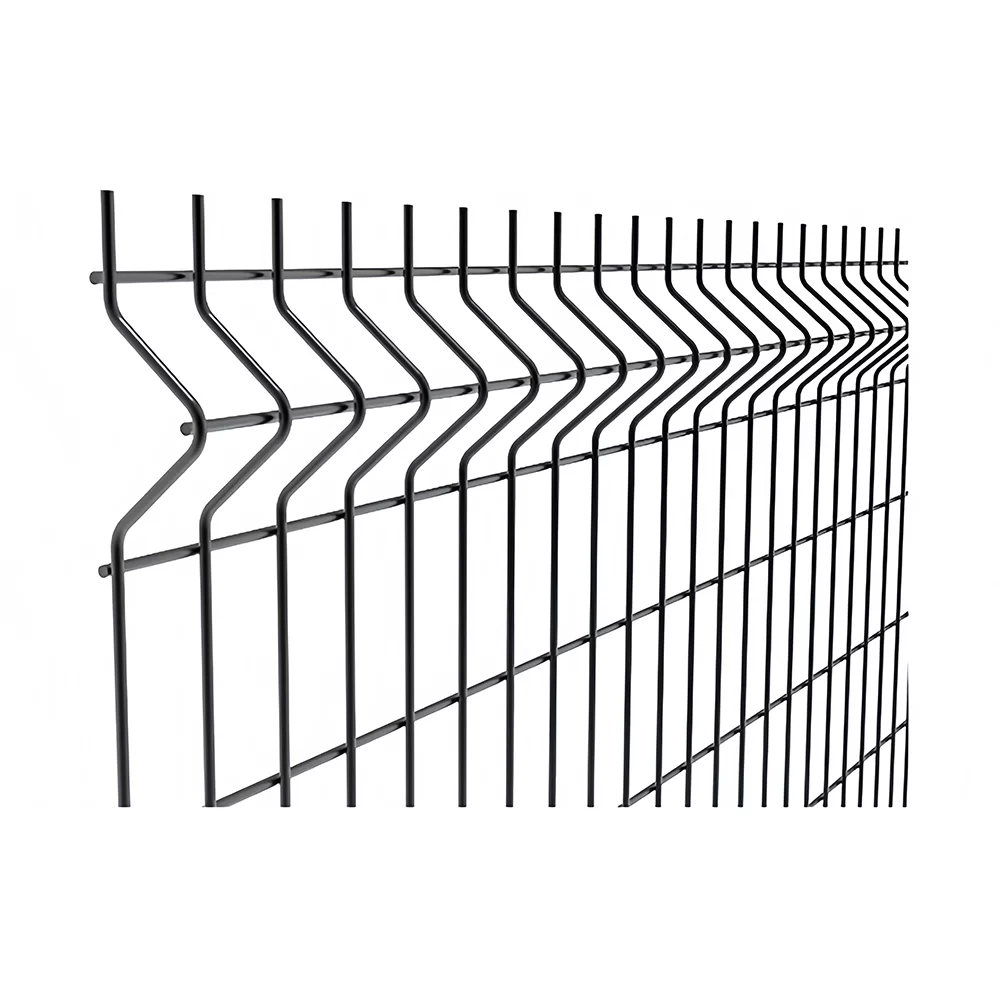
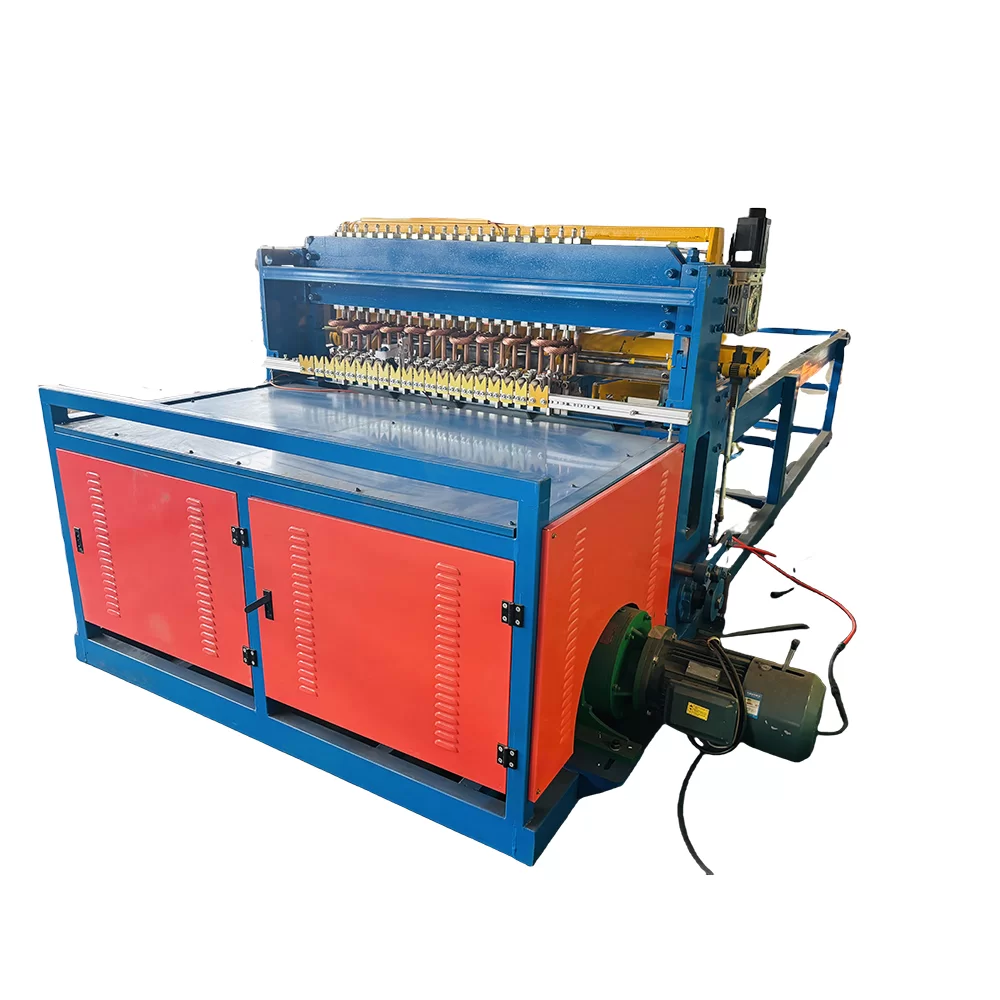
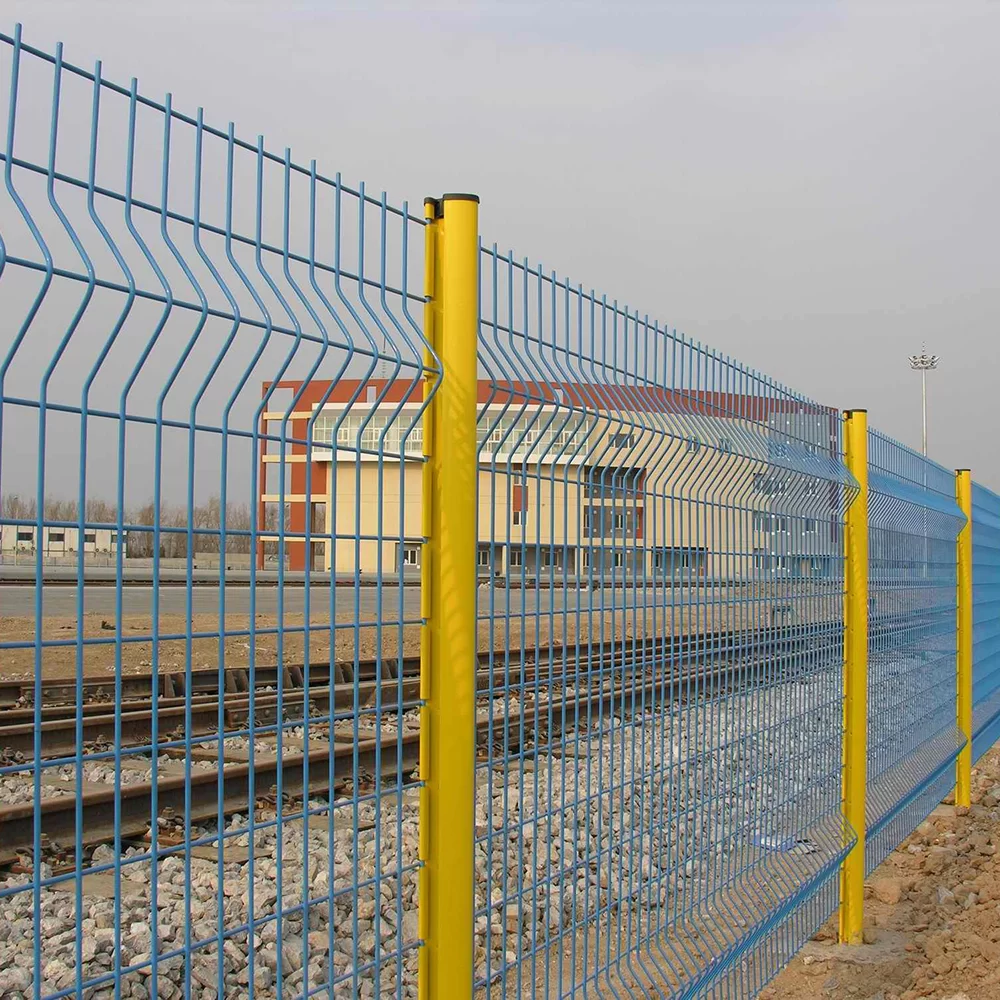
The welded mesh machine is an automated device specifically designed to weld metal wires (such as iron and steel wires) into mesh structures. It is widely used in construction, aquaculture, security, transportation, and other fields, and can produce a variety of products such as steel mesh, guardrail mesh, and aquaculture mesh. Its core advantage lies in the efficient and precise cross-welding of metal wires, replacing traditional manual welding and significantly improving production efficiency and product quality.
The automated control system continuously completes wire feeding, positioning, welding, and cutting processes, capable of producing dozens to hundreds of welds per minute. This significantly exceeds daily output by manual welding, making it particularly suitable for large-scale mass production.
A precise mechanical structure ensures accurate wire cross-positioning. Combined with controllable welding current and pressure, this ensures each weld is strong and uniform, avoiding common problems with manual welding, such as cold and leaky welds, and improving the overall strength and durability of the mesh.
Automated operation reduces reliance on manual labor, requiring only one or two workers to monitor equipment operation. This reduces labor intensity and training costs, while also preventing product quality fluctuations caused by human operator variability.
Adjustable parameters (such as mesh size, wire diameter, and mesh dimensions) allow for rapid adaptation to different product requirements without requiring frequent mold changes. This allows for diverse production scenarios and is particularly suitable for small-batch, multi-specification orders.
Using centralized power supply and efficient welding technology, the system achieves higher energy efficiency than decentralized manual welding equipment, reducing energy costs over the long term. Highly safe: The equipment is equipped with safety features such as a protective cover and an emergency stop button to reduce potential risks to operators from sparks and high temperatures during welding, complying with industrial safety standards.
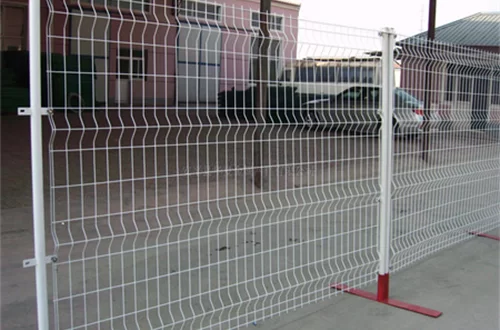
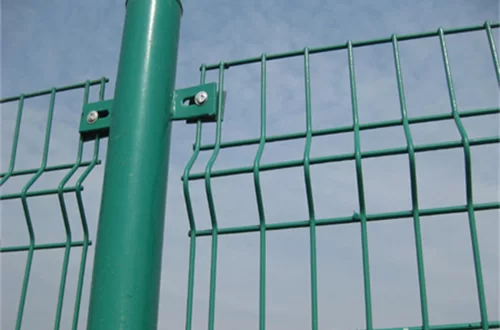
The welded mesh machine can weld metal materials with good conductivity and moderate melting point, such as mild steel, stainless steel, galvanized wire and aluminum alloy. The welded metal mesh has a wide range of applications, such as in the construction industry, agriculture and animal husbandry, and other fields.
Wire diameter | 2.8-5.0mm | Wire diameter | 3.0-6.0mm | Wire diameter | 4.0-8.0mm |
Weft spacing | 25-200mm | Weft spacing | 25-200mm | Weft spacing | 50-300mm |
Warp spacing | 50-300mm | Warp spacing | 50-300mm | Warp spacing | 50-300mm |
Welding width | 2500mm | Welding width | 2500mm | Welding width | 2000mm |
Welding speed | 60times/min | Welding speed | 60times/min | Welding speed | 55times/min |
Welding point | 51 | Welding point | 51 | Welding point | 51 |
Warp wire form | Pre-cut wire | Warp wire form | Pre-cut wire | Warp wire form | Pre-cut wire |
Weft wire form | Pre-cut wire | Weft wire form | Pre-cut wire | Weft wire form | Pre-cut wire |
Rated voltage | 380V | Rated voltage | 380V | Rated voltage | 380V |
Rated power | 125KVAx6 | Rated power | 125KVAx6 | Rated power | 160KVAx6 |
In the realm of metal fabrication, the integration of Computer Numerical Control (CNC) has taken the automatic welded wire mesh machine to an entirely new level of precision. Accuracy in mesh production refers to the consistency of grid spacing, the uniformity of weld strength, and the dimensional stability of the finished sheet. CNC technology eliminates mechanical variability by using digital feedback loops and high-precision servo motors to govern every movement of the equipment.
The first critical area where CNC technology impacts accuracy is the wire feeding mechanism. A modern welded mesh machine must manage two sets of wires: the longitudinal (line) wires and the transverse (cross) wires. CNC systems utilize high-resolution encoders that track the exact position of the wire down to a fraction of a millimeter. When the cross-wire is fed into the welding zone, the CNC system ensures it is positioned at the exact "pitch" required by the digital design. This is vital for specialized applications, such as reinforcement mesh for precast concrete, where even a small deviation can compromise structural integrity.
Furthermore, CNC technology allows for "variable pitch" programming. Unlike traditional mechanical machines locked into a single grid size, a CNC-driven mesh welding machine can be programmed to change the spacing between cross-wires within a single sheet. For example, a fence panel might require tighter spacing at the bottom to prevent small animals from passing through and wider spacing at the top. The CNC system manages these transitions seamlessly, ensuring that the cumulative error across a long roll of mesh is virtually zero.
Accuracy isn't just about geometry; it's about the quality of the fusion point. A wire mesh welding machine manufacturer integrates CNC logic to control the "Welding Schedule," including squeeze time, welding current, and hold time. In manual systems, fluctuations in the power grid can lead to "cold welds" or "burnt welds" that weaken the wire. CNC systems monitor electrical impedance at each weld point in real-time. If the system detects a change in resistance—perhaps due to a variation in the galvanized coating—it instantaneously adjusts the current to compensate. This guarantees that every single cross-point in a massive mesh sheet has identical tensile strength.
Investing in a welded wire mesh machine is a significant capital expenditure. Because the market offers a wide spectrum of equipment—from entry-level units to fully integrated wholesale welded mesh machine lines—it is crucial to evaluate several technical factors before making a purchase.
The first factor to consider is the machine’s working envelope. This includes the maximum and minimum wire diameters it can weld and the range of mesh sizes it can produce. A truly versatile mesh making machine should handle various materials, including mild steel, galvanized wire, and stainless steel. Prospective buyers should check the transformer capacity; welding thicker wires requires significantly more power. If you intend to produce both light aquaculture mesh and heavy-duty construction rebar mesh, you need a machine with adjustable welding pressure and current settings.
In today’s manufacturing environment, labor costs are a major challenge. When evaluating a welded wire mesh machine, consider the integrated continuous production features. Does the machine feed from coils or pre-cut wires? Coil-fed machines allow for much longer periods of uninterrupted production but require sophisticated straightening systems. A high degree of automation means a single operator can monitor multiple units, which dramatically reduces the cost per square meter of the finished product.
The mechanical stresses involved in resistance welding are immense. Each stroke of the welding head involves high pressure and high-temperature arcs. Therefore, the structural integrity of the machine frame is paramount. A reputable manufacturer will use heavy-duty, stress-relieved steel frames to prevent vibration. Additionally, ensure the equipment is fitted with comprehensive safety features like light curtains and emergency stop buttons. Compliance with international standards, such as having a CE Certification welded mesh machine, provides assurance that the equipment has been tested for electrical and mechanical safety.
Agriculture and animal husbandry remain some of the largest global consumers of welded wire products. An automatic welded wire mesh machine used in this sector must balance high output with the ability to process corrosion-resistant materials, as these products are almost always exposed to harsh outdoor environments.
Farming is not a "one-size-fits-all" industry. A custom welded mesh machine is often the best solution for manufacturers focusing on the agricultural market. For example, poultry flooring requires a very specific mesh density—tight enough to support the birds' feet but open enough to allow waste to pass through. Similarly, orchard protection requires high panels with graduated spacing. A machine that allows for rapid parameter adjustment—changing the mesh size and dimensions through a digital interface—allows a factory to switch from producing tomato cages to heavy-duty pig pen dividers in a single afternoon.
The longevity of agricultural fencing depends entirely on its resistance to rust. Most agricultural mesh is made from galvanized wire. Welding galvanized wire is technically challenging because the zinc coating has a lower melting point than the steel core, which can foul the electrodes. A high-quality fencing net making machine is designed specifically to handle these materials. It uses specialized welding pulses that "break through" the zinc layer to create a strong steel-to-steel bond without stripping the surrounding zinc protection. This ensures that the weld points remain resistant to corrosion even in damp environments.
For businesses supplying large-scale agricultural projects, the ability to produce in bulk is essential. A welded wire mesh machine line typically includes automated stacking and rolling units. For lighter fencing, the mesh is often produced in 30-meter rolls, while heavier panels are stacked on pallets. The high speed of modern equipment enables manufacturers to fulfill large government or co-op orders within tight deadlines, providing a reliable physical protection barrier that farmers can trust to protect their livestock and crops.