Shijiazhuang Topstar
International Trading Co., Ltd.


Get In Touch
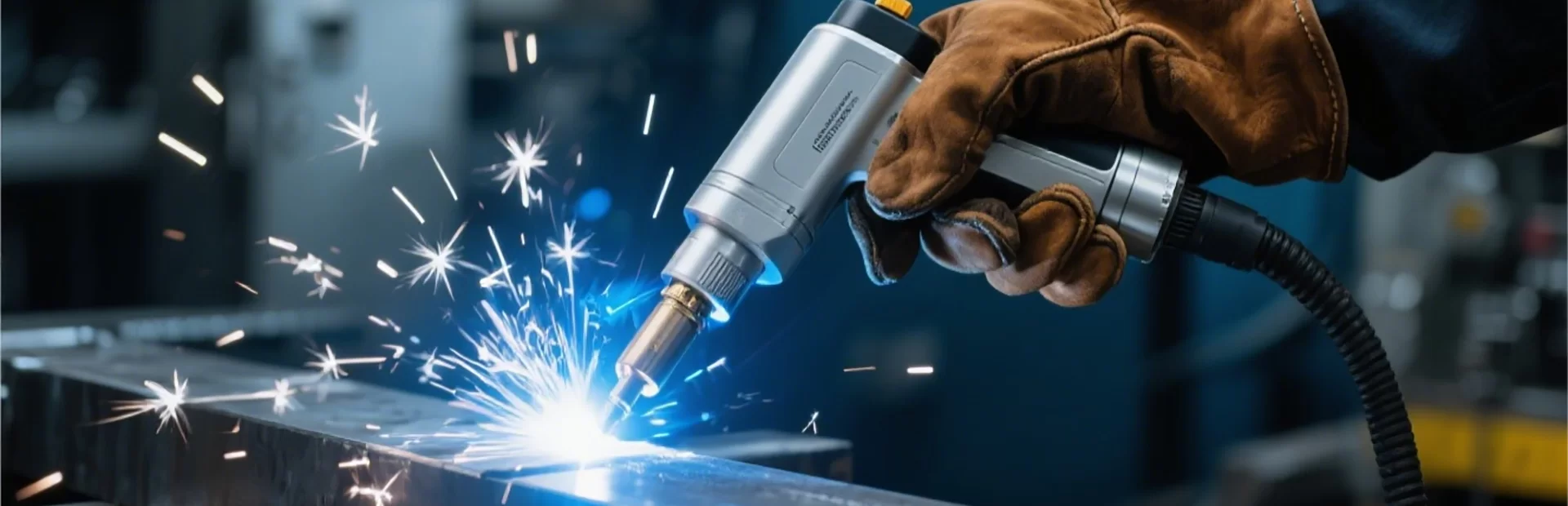
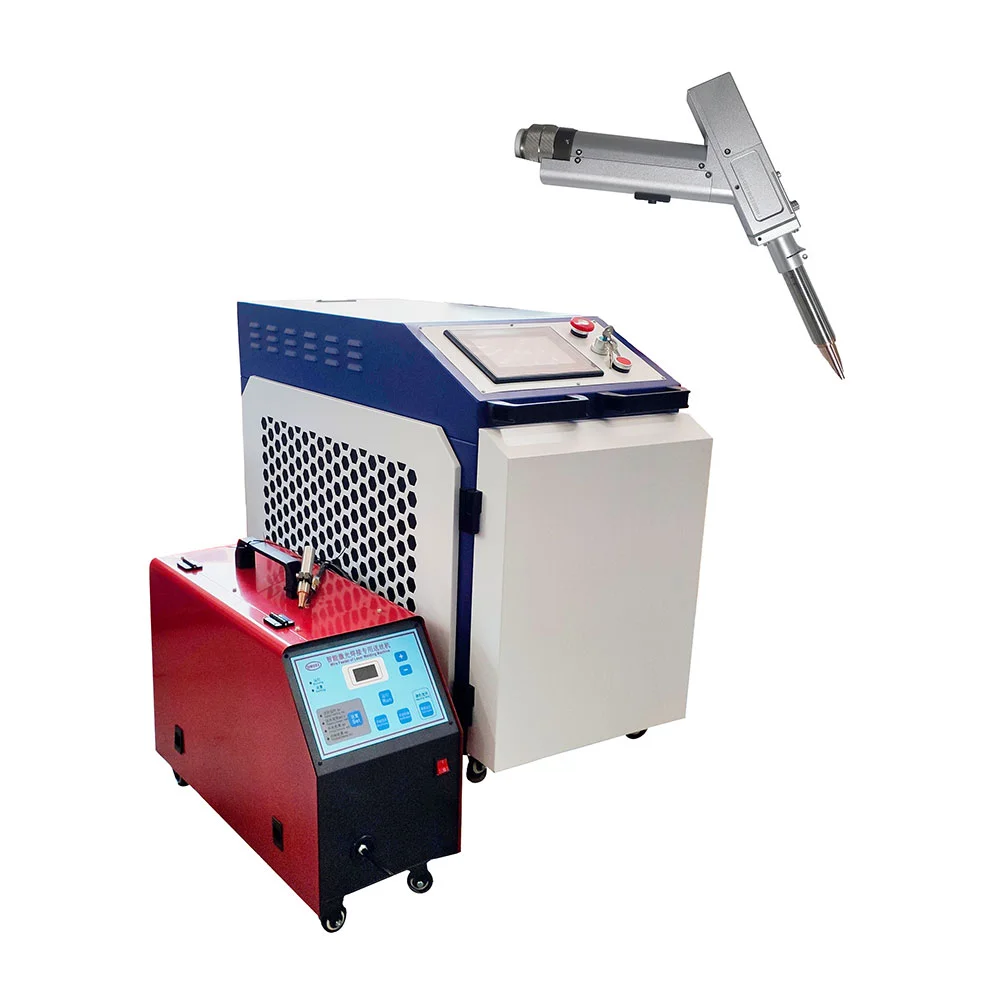
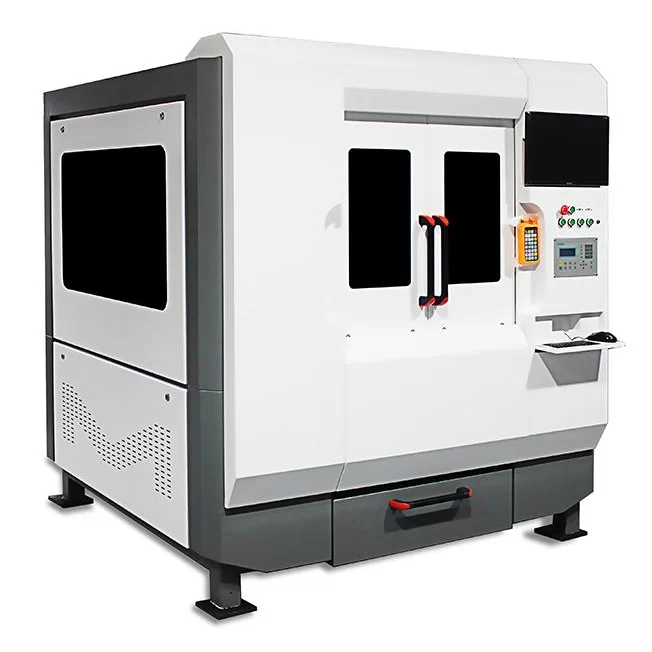
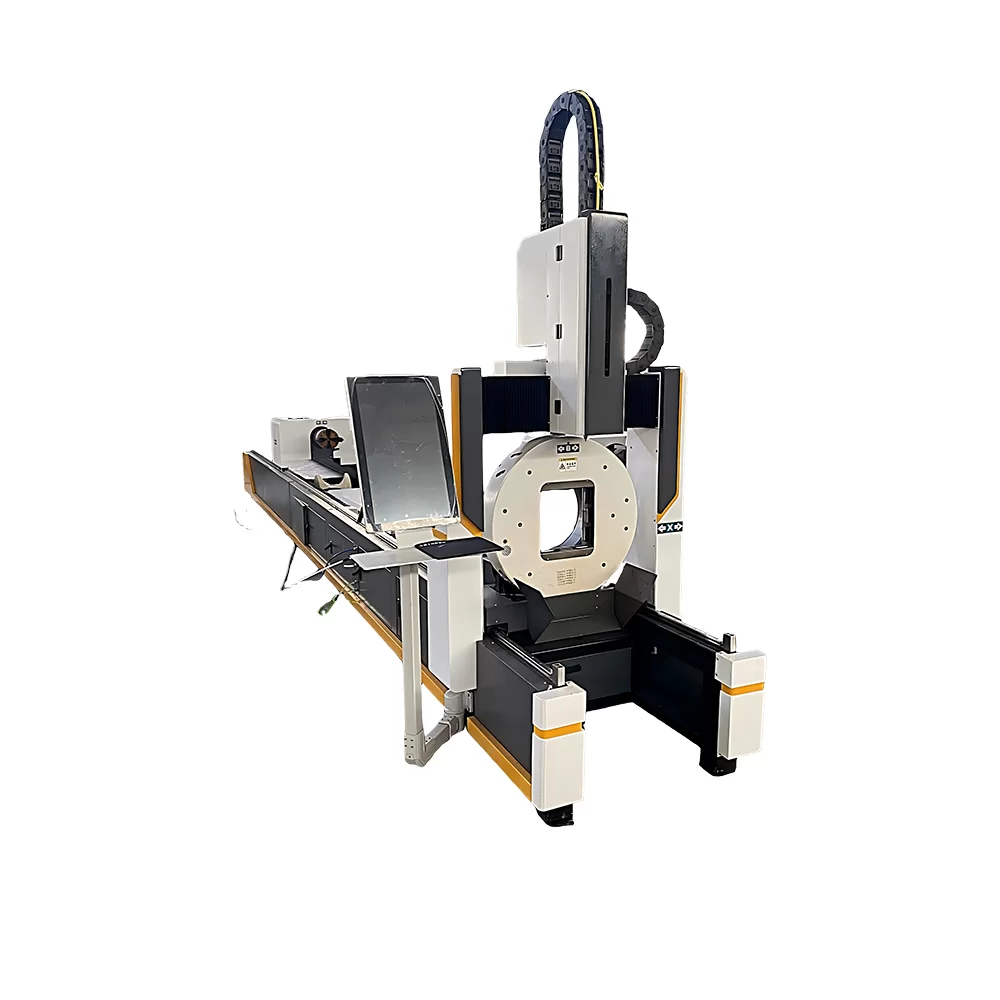
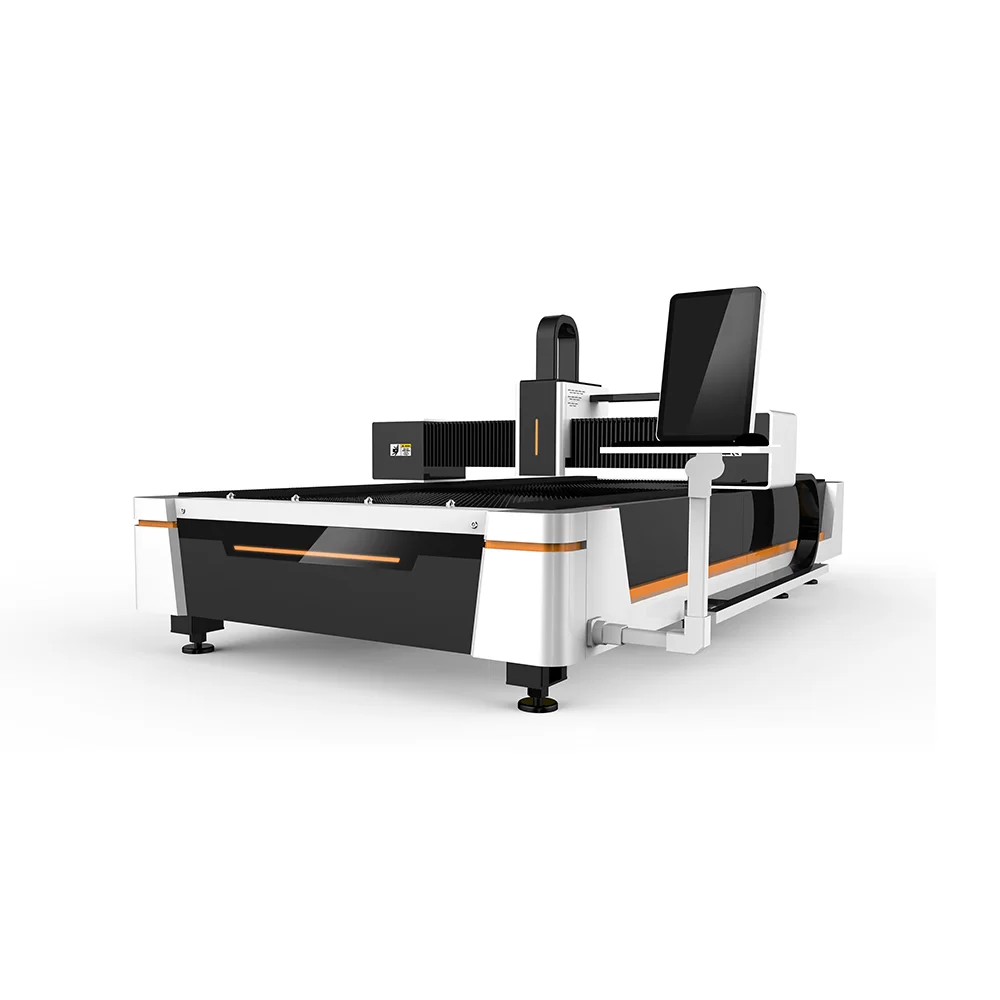
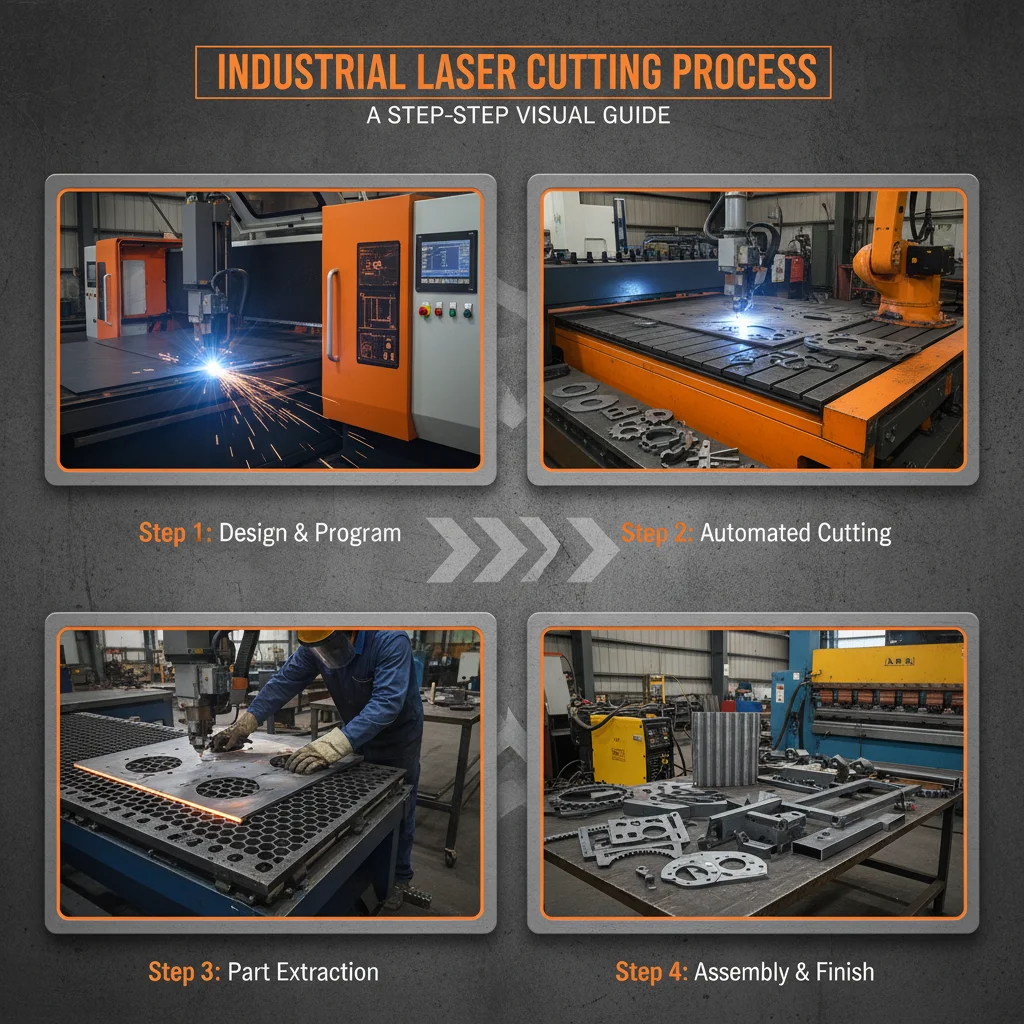
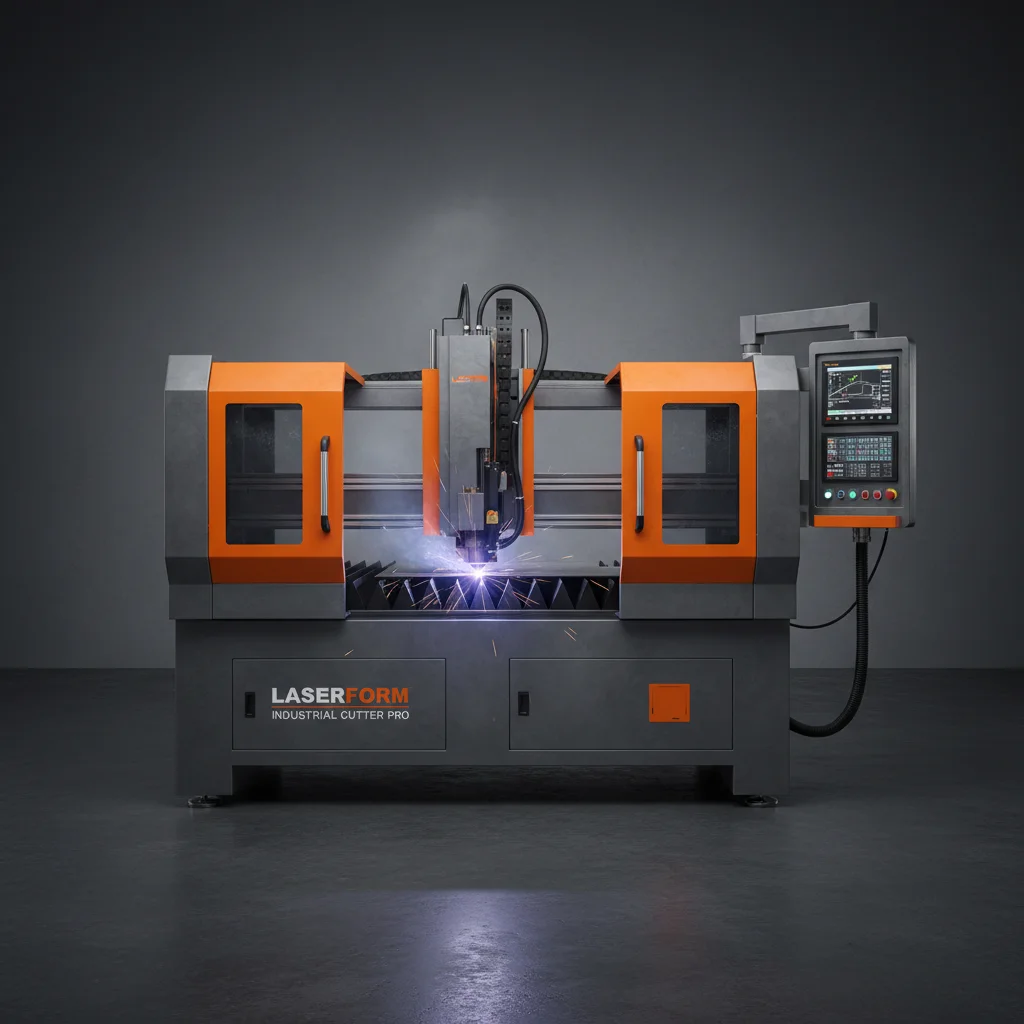
Having spent a fair chunk of my career immersed in the industrial equipment sector, I sometimes forget just how transformative laser technology has been for metal cutting. When I first encountered metal cutting machine laser systems, they seemed almost futuristic — and frankly, even after all these years, I still appreciate their blend of cutting-edge precision and robust reliability.
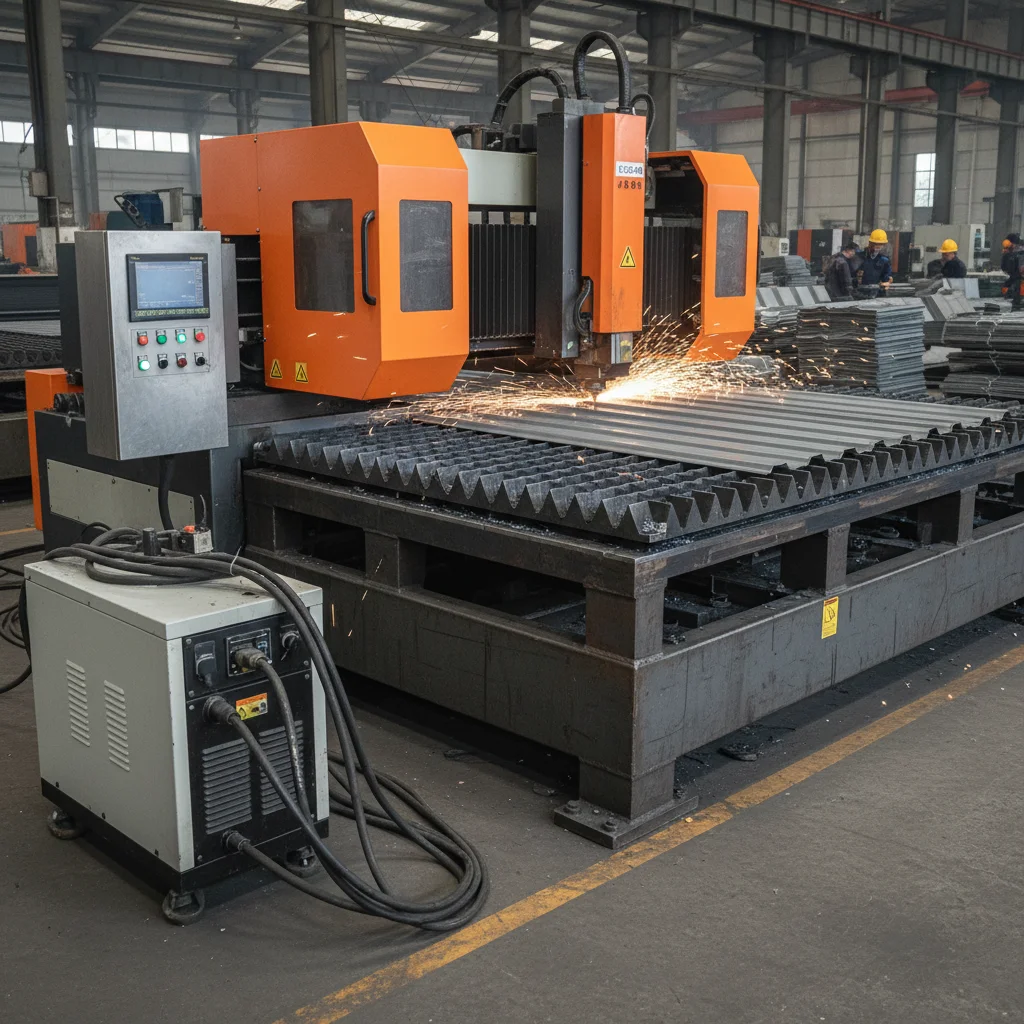
In real terms, metal cutting lasers have gone from luxury to essential in fabrication shops. The way they slice through steel, aluminum, and even reflective metals with minimal thermal distortion is something that many old-school plasma or mechanical cutting setups simply can’t replicate. But it’s not just the tech — it’s the way these machines are designed, tested, and customized for specific uses that really makes a difference on the shop floor.
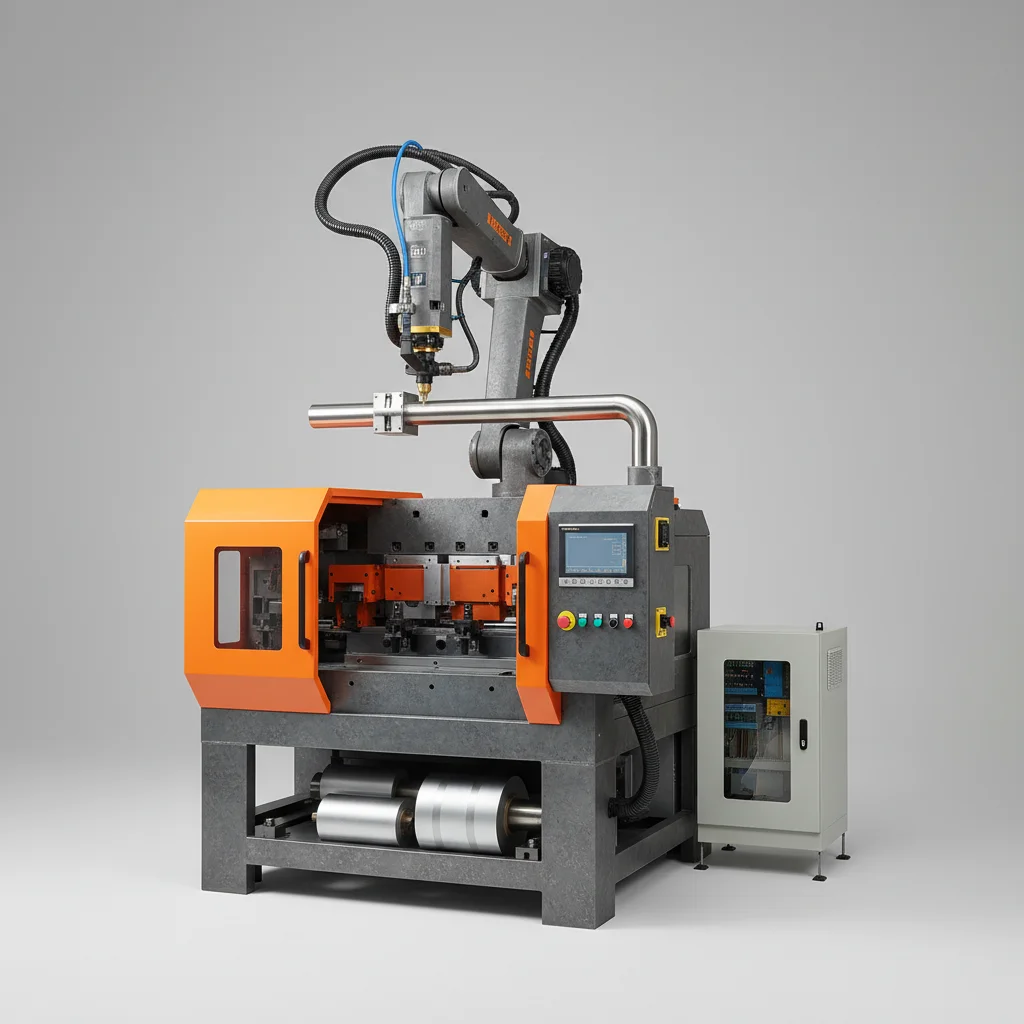
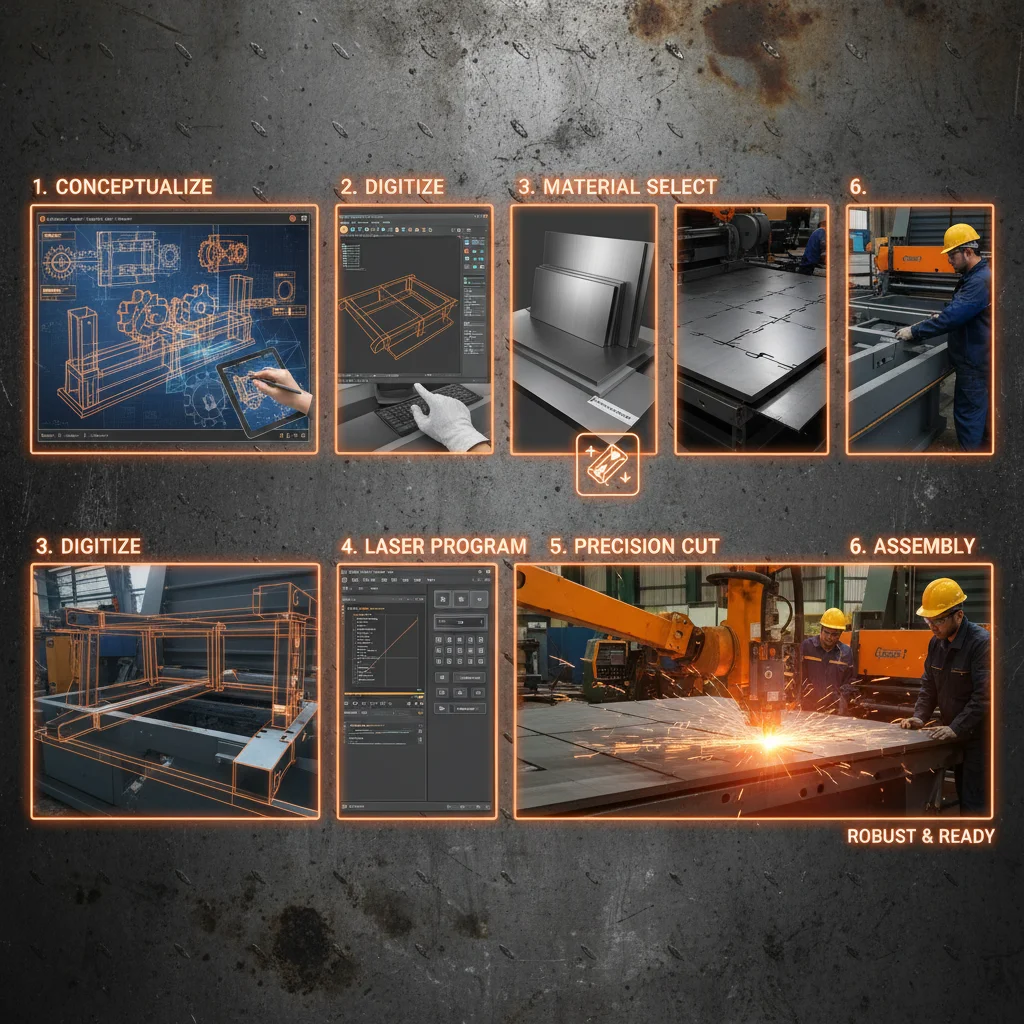
One thing that’s always stood out to me is how much manufacturers focus on integration. You’re not just buying a laser cutter — you’re getting a system that’s often paired with automated feeders, CNC software, and various safety measures that keep operators comfortable and productive. Honestly, I noticed in some shops that productivity jumps dramatically within weeks of installation, thanks to the ease of programming and precision cuts that reduce rework.
Now, if you’re considering investing in a metal cutting laser, you’ll want to keep your eyes on a few critical specs. Power output, cutting speed, accuracy, and supported materials top the list. It’s fascinating how even slight differences in wattage can influence the types and thicknesses of metals you can cut without sacrificing edge quality.
| Specification | Typical Range |
|---|---|
| Laser Power | 500W – 4000W |
| Cutting Speed (m/min) | 10 – 50 |
| Maximum Sheet Thickness | up to 25mm for steel |
| Positioning Accuracy | ±0.02 mm |
| Supported Materials | Steel, Stainless Steel, Aluminum, Copper |
Of course, not all vendors are created equal in this space. Some push the boundaries on speed but skimp on after-sales service, while others offer highly tailored machine options with excellent support but might not be fastest on delivery. From experience, these trade-offs matter a lot depending on your application and downtime tolerance.
| Vendor | Key Strength | Typical Lead Time | Service & Support |
|---|---|---|---|
| Topstar Laser | Precision & customization | 4-6 weeks | Responsive global service |
| Vendor B | Competitive pricing | 6-8 weeks | Limited support hours |
| Vendor C | High throughput machines | 8-10 weeks | Extensive field engineer network |
I recall one particular client, a sheet metal fabricator working with aluminum aerospace parts, who swore by upgrading to a metal cutting machine laser from Topstar. They mentioned that the drastically reduced burrs and cut tolerance cut down not just post-processing time but also material waste — which, you know, translates directly into saved costs and happier engineers.
So, what makes a metal cutting laser worth it? Beyond specs, it’s about compatibility with your processes, the learning curve for your operators, and, oddly enough, the peace of mind that comes from predictable maintenance cycles. Frankly, the initial price tag might seem steep, but in the bigger picture, the return on investment is quite compelling.
If you’re someone who prioritizes precision, uptime, and support, I suggest looking deeper into companies like Topstar Laser. They tend to balance innovation with that no-nonsense durability industrial users crave.
In the end, a metal cutting machine laser is more than a tool; it’s a partner in your production line, a difference-maker in product quality, and sometimes, if you’re lucky, a bit of inspiration for your workshop team.
Feel free to explore detailed specs and ask questions directly with vendors—you’ll find that transparency and experience often go hand in hand in this industry.
A quick takeaway: Investing in reliable metal cutting laser technology is one of those decisions that pays dividends long after the initial sticker shock fades.