Shijiazhuang Topstar
International Trading Co., Ltd.


Get In Touch
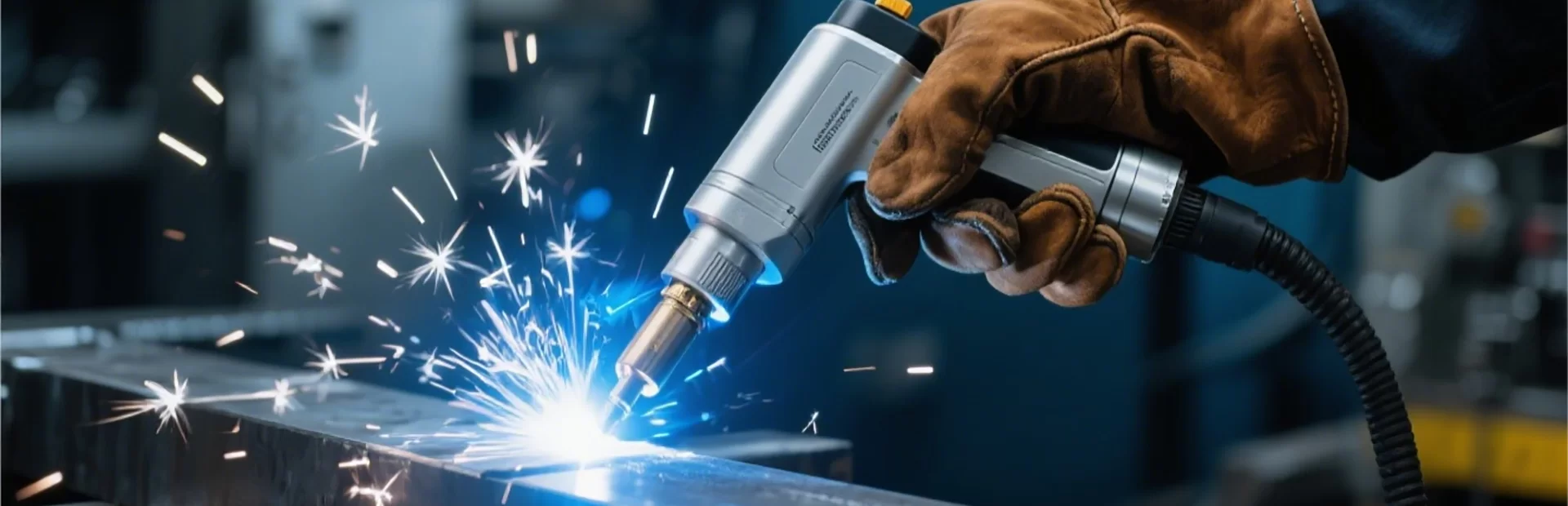
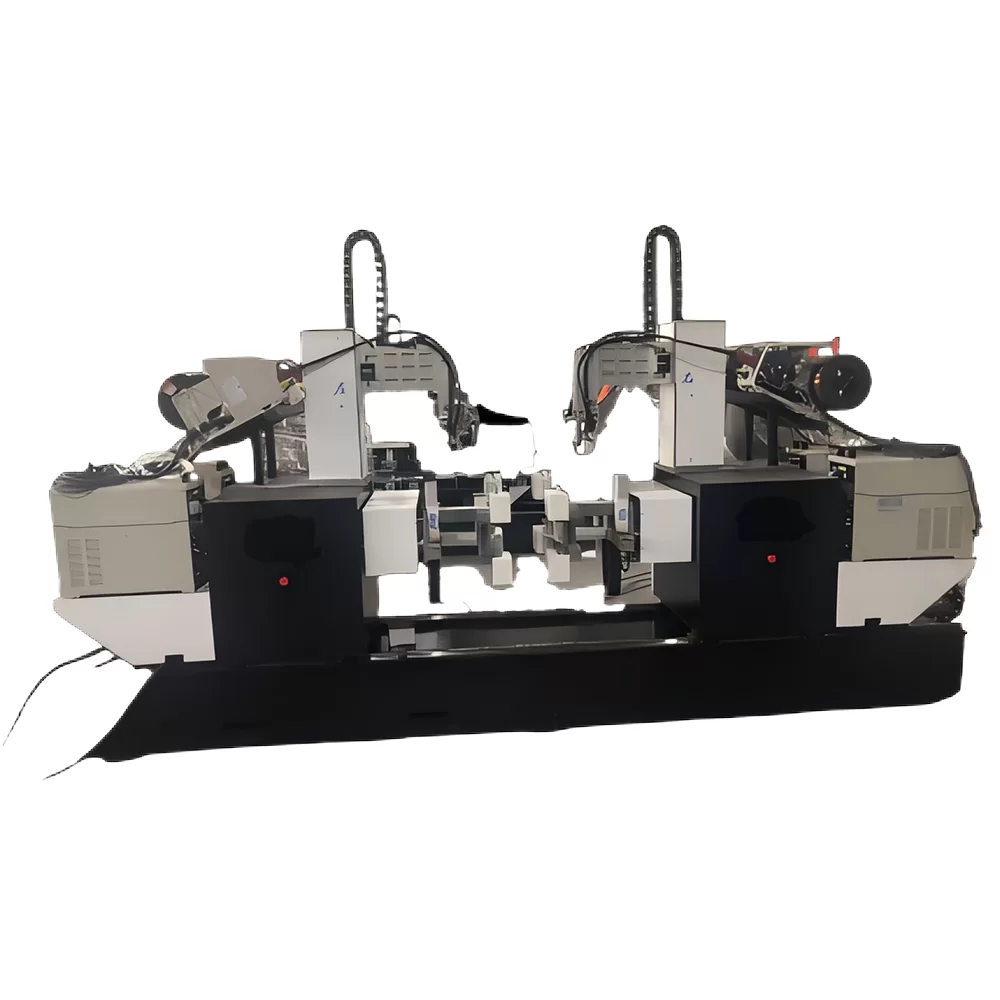
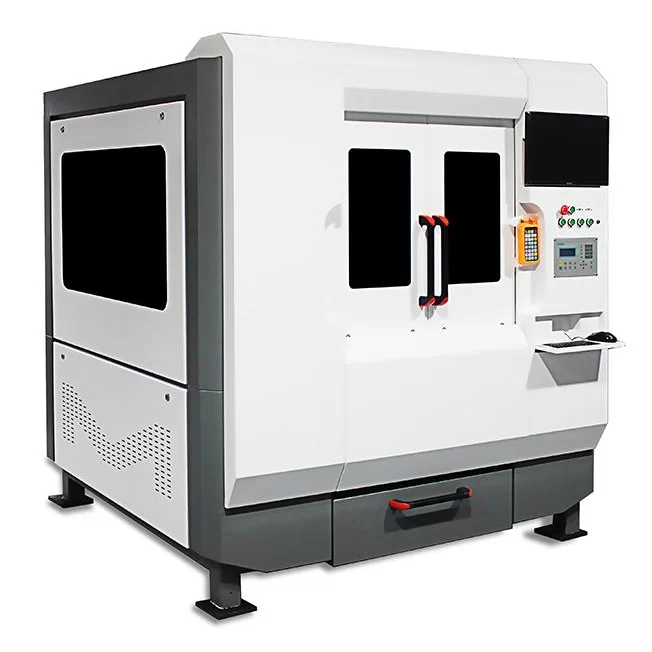
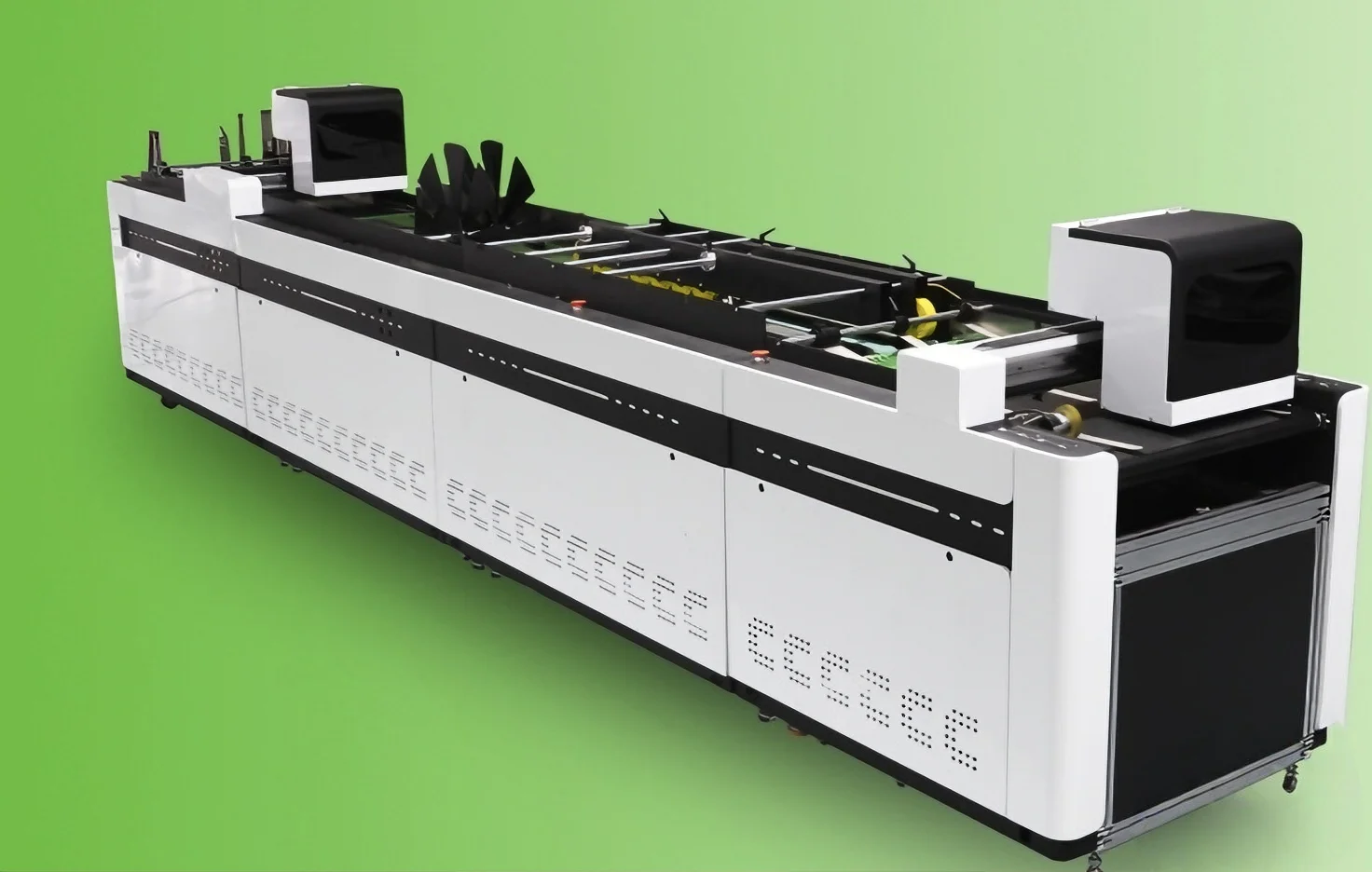
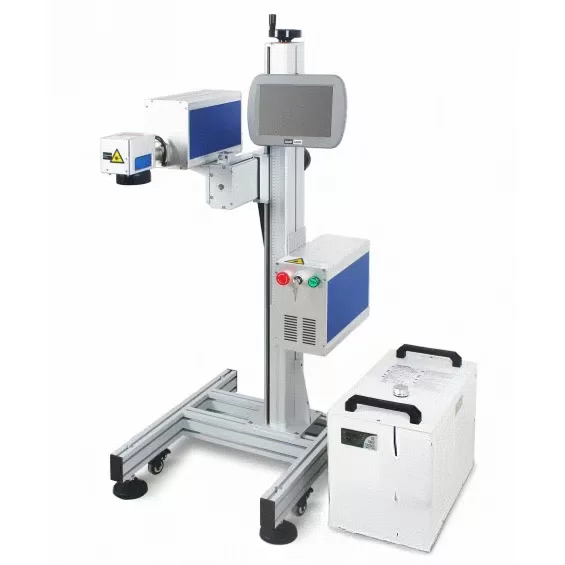
The ink printer machine is an industrial device that accurately prints text, images, barcodes, QR codes, dates, batch numbers, and other information onto surfaces through a non-contact method. Its core features are high speed, flexibility, and automation, making it widely used for product identification on production lines.
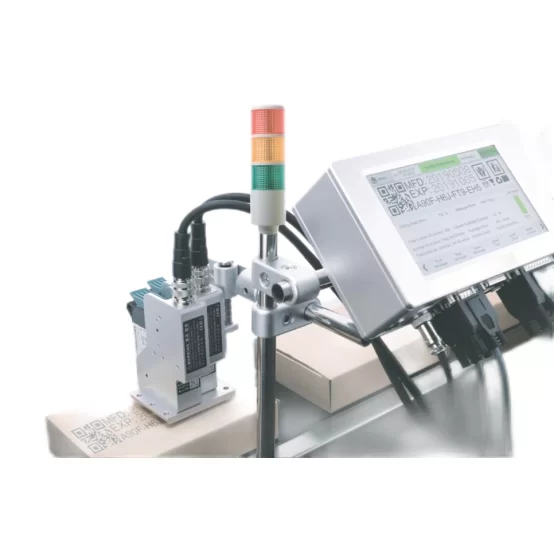
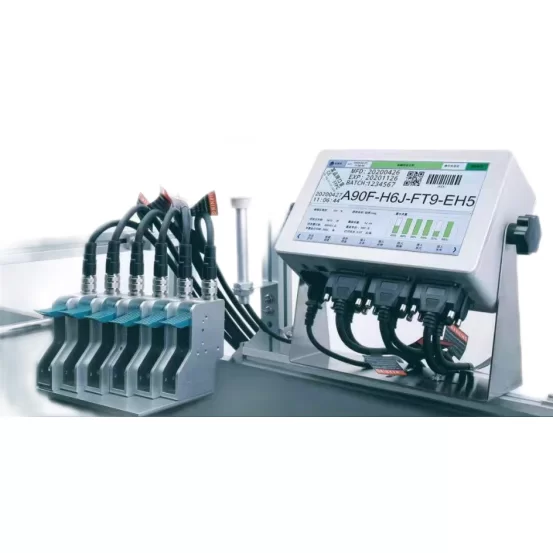
Ink printer machines are the "identification hub" of industrial automation. Through precise and efficient printing technology, they impart a traceable digital identity to products, playing a key role in quality control, anti-counterfeiting and traceability, and supply chain management. With the continuous advancement of technology, they are evolving towards higher precision, greater intelligence, and greater environmental friendliness.
1. Non-contact printing
Floating operation: The print head avoids physical contact with the surface, preventing damage to fragile, hot, or soft products (such as glass bottles and film packaging).
2. Highly dynamic synchronization capability
Real-time synchronization with production line speed: An encoder precisely tracks moving objects, ensuring that printed content remains unchanged on high-speed production lines.
3. Highly flexible content
Real-time variable data: Each product can be printed with unique information (date, batch number, serial number, QR code, anti-counterfeiting code).
4. Diversified ink systems
Match on demand
1. Food and Beverages: Production Date, Expiration Date, Traceability Code.
2. Pharmaceuticals and Chemicals: Batch Number, Ingredients, GS1 Barcode.
3. Electronic Components: QR Code, Logo, Specifications.
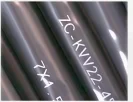
4. Building Materials and Pipes: Length, Model, Trademark.
5. Logistics and Warehousing: Shipping Barcode, Sorting Information and so on.
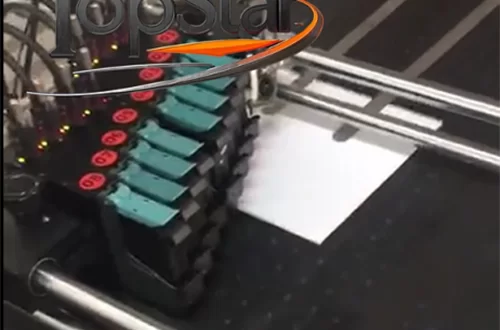
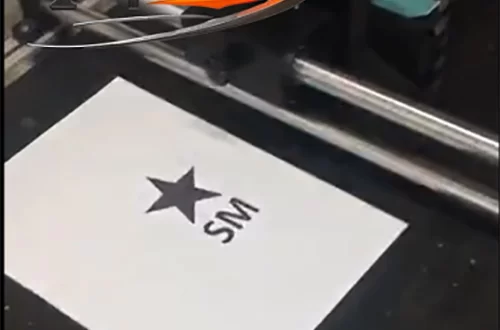
(We have two types of print heads: the first type can print at a height of 12.7mm, and the second type can print at a height of 25.4mm. The number of print heads used depends on the size and height of the ink printer machine. The color of the ink cartridge is selected according to the customer's needs (black is the cheapest)
Items | Specification | |
Ink printer machine | Printer head | The printer height is12.7mm |
The printer height is 25.4mm | ||
Ink cartridge | Black/red/and others(can be customized) | |
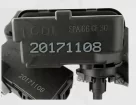
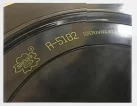

The application of coding and marking technology in the food, beverage, and pharmaceutical industries is a critical requirement for safety, compliance, and consumer trust. In these sectors, the inkjet printer machine serves as the primary tool for applying dynamic information such as production dates, expiration dates, batch numbers, and complex GS1 barcodes. Because these products often involve high-speed production environments and sensitive packaging materials, the choice of technology must balance speed, legibility, and chemical safety.
Food and Beverage: High-Speed Traceability
In the food and beverage industry, production lines move at incredible velocities, sometimes processing hundreds or thousands of units per minute. A high speed inkjet printer is essential to keep pace with these demands. These machines typically utilize Continuous Inkjet (CIJ) technology, where a stream of ink droplets is electrically charged and deflected to form characters on the fly.
Pharmaceutical Packaging: Accuracy and Compliance
The pharmaceutical industry operates under some of the strictest regulatory frameworks in the world. Here, the inkjet coding printer is used to apply unique serialization codes to every individual blister pack or medicine box. Precision is paramount; the printer must generate high-resolution codes that can be easily scanned by vision systems.
Since pharmaceutical products are often small, the ink system must be capable of producing micro-text that is clear and bleed-resistant. Additionally, the requirement for ""ink-free, contamination-free"" environments in some cleanrooms means that the printer must use specialized inks that do not emit volatile organic compounds (VOCs). By imparting a traceable digital identity to every vial or pack, these machines play a key role in anti-counterfeiting and protecting global public health.
Logistics and warehousing are the nervous systems of global commerce. As e-commerce expands, the volume of packages moving through sorting centers has reached unprecedented levels. To manage this flow, digital inkjet printer technology is used to transform anonymous brown boxes into data-rich units that can be tracked, sorted, and delivered with surgical precision.
The Digital Identity in the Supply Chain
In a modern warehouse, every carton or pallet requires a shipping barcode and sorting information. Industrial inkjet marking provides a ""traceable digital identity"" that is far more flexible than pre-printed labels. By using a digital inkjet printer, logistics managers can print real-time variable data directly onto corrugated boxes. This eliminates the need to maintain a massive inventory of different pre-printed boxes, significantly reducing waste and storage costs.
Flexibility and Automation
The core feature of industrial inkjet marking in logistics is its flexibility. A single machine can handle a wide variety of box sizes. Because of the non-contact ""floating operation,"" the print head can adapt to slight variations in the distance between the box and the sensor, preventing mechanical jams.
For smaller warehouses or for re-labeling damaged packages, a handheld inkjet printer coding machine is often the preferred tool. These portable devices allow workers to mark large or heavy items that cannot easily be moved to a conveyor line. Whether it is a pallet of building materials or a heavy piece of machinery, the handheld unit provides the same high-quality, traceable markings as stationary counterparts, allowing for ""on-site"" identification.
Selecting the right inkjet printer machine is a strategic decision that directly impacts your production efficiency and operating costs. With a variety of technologies—including Continuous Inkjet (CIJ) and Thermal Inkjet (TIJ)—it is essential to evaluate your specific production environment before making an investment.
Step 1: Evaluate Production Speed and Volume
The first consideration is the ""highly dynamic synchronization capability"" required for your line.
Continuous Inkjet (CIJ): If you operate a high-volume, 24/7 production line, a high speed inkjet printer using CIJ technology is typically the best choice. These machines are designed for constant operation and can print at extremely high velocities.
Thermal Inkjet (TIJ): For intermittent production or lines that require very high resolution (like pharmaceutical packaging), TIJ is often preferred. While generally slower than CIJ, TIJ provides superior print quality for complex QR codes.
Step 2: Analyze the Substrate and Environment
The material you are printing on dictates the ink system you need.
Non-Porous Materials: If you are marking on glass, metal, or plastic, you need a printer compatible with fast-drying, solvent-based inks.
Porous Materials: For cardboard boxes or wooden pallets, an inkjet coding printer using oil-based or water-based inks is more cost-effective.
Harsh Environments: If your production line is dusty or wet, you must choose a machine with a high Ingress Protection (IP) rating to prevent internal damage.
Step 3: Content Flexibility and Software Integration
Modern manufacturing requires real-time variable data. Ensure the printer you choose can easily interface with your existing database or PLC. You want a system where marking content can be freely edited, allowing you to switch between different languages, date formats, or anti-counterfeiting codes with a few clicks. This flexibility is what allows the printer to act as the ""identification hub"" for your factory.
Step 4: Total Cost of Ownership
Don't just look at the initial purchase price. The long-term flexibility and reliability of the machine are more important. Consider the consumables (ink and makeup fluid), maintenance requirements, and uptime. For small-scale operations, a handheld inkjet printer coding machine might be a more practical and budget-friendly starting point. By matching the printer's capability to your specific needs, you can ensure that your production line remains a streamlined and fully traceable operation.