Shijiazhuang Topstar
International Trading Co., Ltd.


Get In Touch
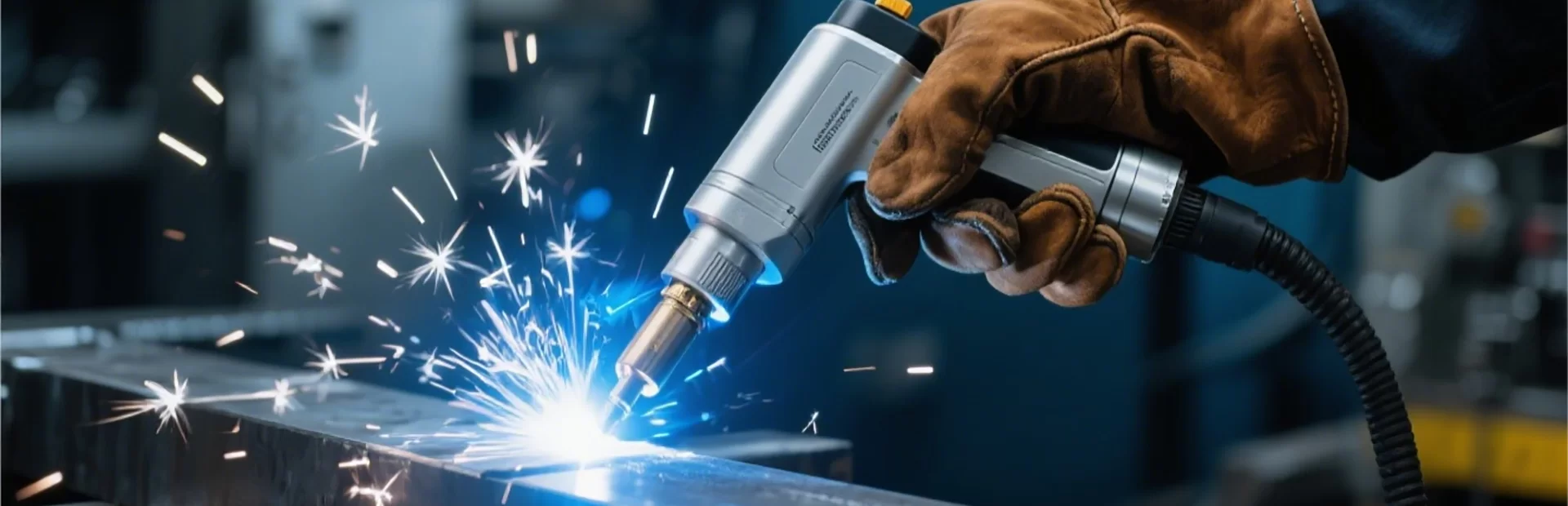
Let's be honest, the world of manufacturing is changing at lightning speed. And if you've been anywhere near a modern factory floor lately, you'll have noticed a distinct shift. What was once a highly manual, often grueling task, is rapidly becoming the domain of precision machines. I'm talking, of course, about welding arm robot technology – a true game-changer in industrial production.
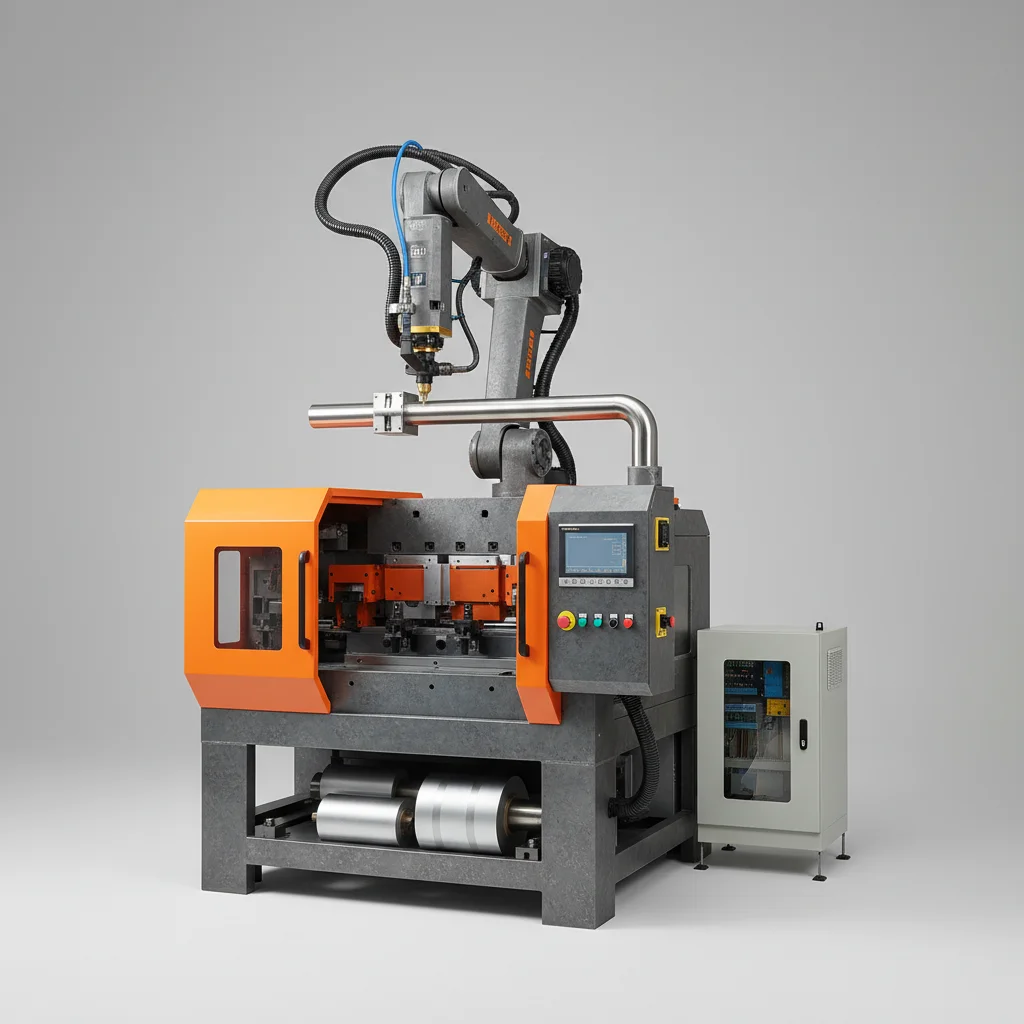
These aren't just fancy gadgets; they're the backbone of efficiency. At its core, a robot arm welding machine is a sophisticated, multi-jointed industrial robotic arm. It comes equipped with a welding tool, often a welding gun, right on its end. Computer-controlled and highly programmable, this system can churn out precise, repetitive welding tasks with an accuracy that human operators, frankly, struggle to match over long shifts. This makes them ideal for environments demanding high-quality, large-scale output. It's quite astonishing to see, really.
Industry trends clearly point to increasing automation. Labor shortages, the demand for higher product quality, and the ever-present push for cost reduction are driving this adoption. Welding industrial robots, like the robot arm, address these challenges head-on. They work tirelessly, consistently, and, crucially, safely. Many customers I've spoken with say the return on investment (ROI) is surprisingly quick, often within a couple of years, thanks to reduced scrap and increased throughput.
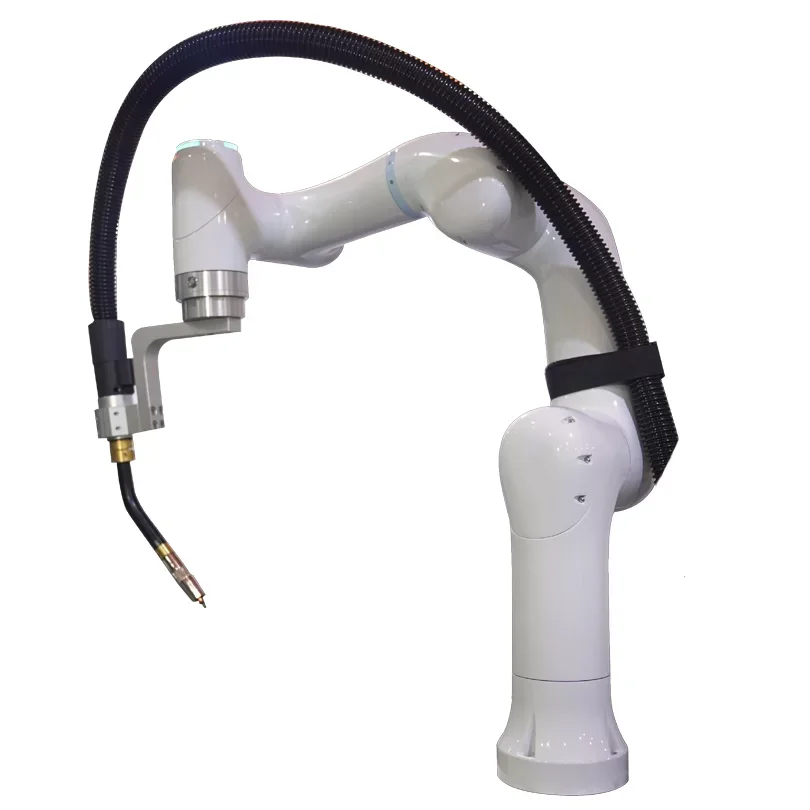
When we talk about technical specifications for an automated robotic welding system, we're looking at several key parameters. Things like the number of axes, reach, payload, and repeatability are paramount. Below is a general spec table, but real-world configurations, I guess, can vary quite a bit depending on the specific application.
Typical Robot Arm Welding Machine Specifications | ||
Parameter | Value Range | Notes |
Number of Axes | 6-7 axes | More axes offer greater flexibility |
Reach (Arm Length) | ≈ 1.0m to 3.0m | Determines workspace size |
Payload Capacity | 10kg to 200kg+ | Weight of welding torch & peripheral equipment |
Repeatability | ±0.02mm to ±0.05mm | Crucial for consistent weld quality |
Welding Speed | Varies greatly | Depends on material, thickness, and weld type; real-world use may vary |
Power Consumption | Around 5-15 kW | For the robotic arm itself |
So, where are these sophisticated machines being deployed? Practically everywhere, it seems! The automotive industry is a huge adopter for chassis and body welding, as are manufacturers of heavy machinery, aerospace components, and even intricate medical devices. The advantages are pretty clear:
· Unmatched Precision & Quality: Consistent welds, every single time. Less rework, fewer defects.
· Increased Productivity: Robots don't need breaks. They work faster and more continuously.
· Enhanced Safety: Removing human operators from hazardous welding environments significantly reduces workplace injuries.
· Cost Efficiency: While the initial investment might seem high, long-term savings in labor, materials, and quality control are substantial.
· Flexibility: Easily reprogrammable for different tasks and product variations.
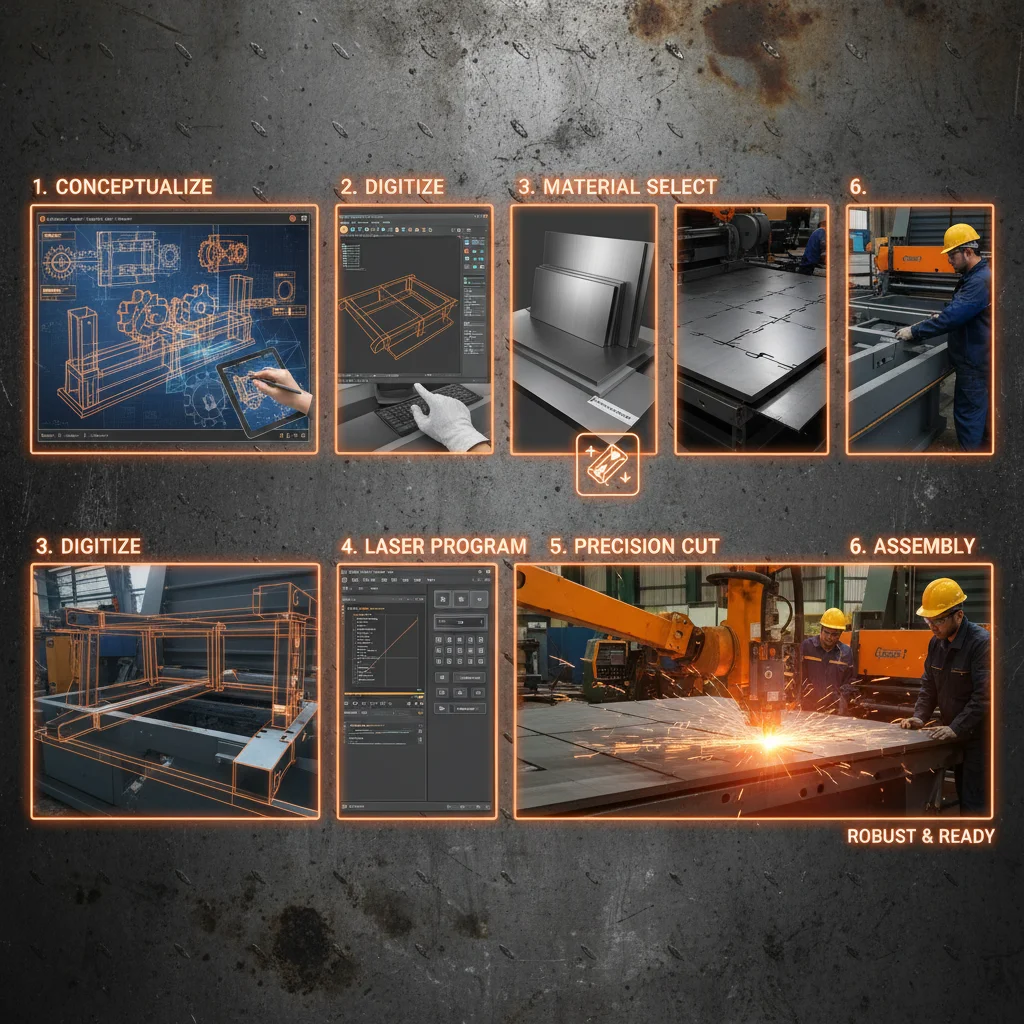
A typical robotic welding process involves several steps: First, the material (e.g., steel, aluminum, titanium) is prepared. Then, the CAD model of the part is used to program the robot's welding path, speed, and parameters (current, voltage, gas flow) – this is often done offline using simulation software. Next, the robot executes the welding method, often MIG/MAG, TIG, or laser welding, ensuring exact torch angles and travel speeds. Post-weld, inspections using techniques like ultrasonic testing or X-ray crystallography ensure compliance with authoritative standards like ISO 3834 or AWS D1.1. Service life for these components is dramatically improved due to the consistent, high-quality welds.
The market for welding industrial robots is competitive, with several big players and specialized niche vendors. Here's a simplified comparison to give you an idea of what to look for:
Robotic Welding Vendor Comparison (General) | ||
Feature/Vendor Type | Major Global Brands (e.g., ABB, FANUC, KUKA) | Specialized System Integrators |
Product Range | Broad, from small to heavy-duty robots | Often focused on specific welding applications |
Customization | Moderate, relies on integrators for full solution | High, tailored to exact client needs |
Software & Control | Proprietary, extensive features | May use third-party or proprietary solutions |
Support & Service | Global network, comprehensive | Can be more localized, depends on integrator size |
Price Point | Generally higher for core robot, lower for components | Varies widely based on complexity of custom solution |
What's truly exciting is the level of customization available. Whether it's a unique workpiece fixture or integration with existing factory MES (Manufacturing Execution Systems), modern automated robotic welding systems can be precisely configured. I even heard a story recently about a small-to-medium enterprise (SME) in the agricultural equipment sector that saw a 40% increase in output after implementing a custom robotic cell for chassis welding. It really makes a difference.
In conclusion, the welding arm robot and its brethren are not just a passing fad. They represent a fundamental shift in how we approach manufacturing. With ongoing advancements in AI and machine learning, these robots are only going to get smarter, more adaptable, and even easier to integrate. It's an exciting time to be in this industry, and I'm genuinely looking forward to seeing what comes next.
1. International Organization for Standardization. (2020). ISO 3834-2: Quality requirements for fusion welding of metallic materials – Part 2: Comprehensive quality requirements. ISO.
2. American Welding Society. (2020). AWS D1.1/D1.1M: Structural Welding Code – Steel. AWS.
3. International Federation of Robotics. (2023). World Robotics 2023 – Industrial Robots. IFR Statistical Department.