Shijiazhuang Topstar
International Trading Co., Ltd.


Get In Touch
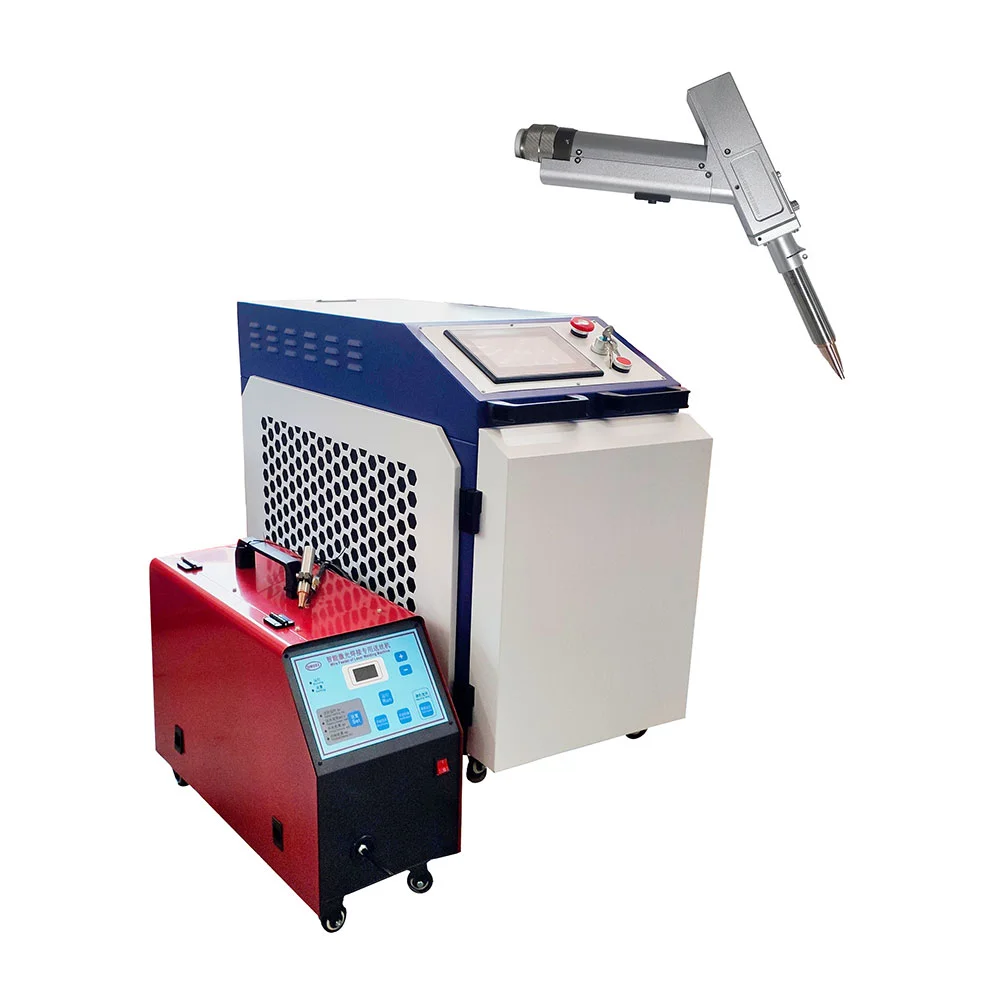
Investing in a laser cutting machine is a significant decision for any business. The laser cutting machine cost can vary drastically depending on a range of factors. This comprehensive guide will break down the pricing, explore the key elements influencing cost, and help you understand what to expect when budgeting for this powerful technology. We’ll also cover the different types of laser cutters available and how they impact the overall investment. Choosing the right laser cutter can significantly improve efficiency and product quality.
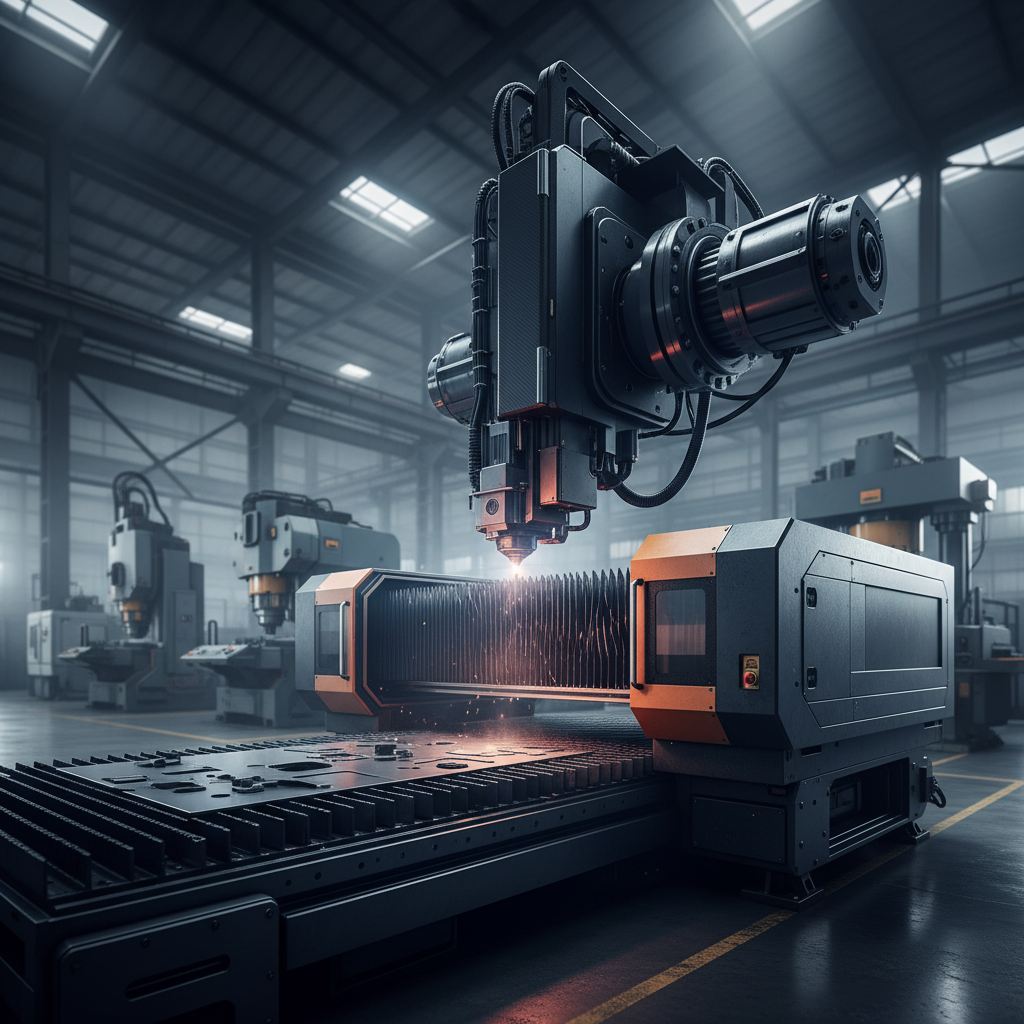
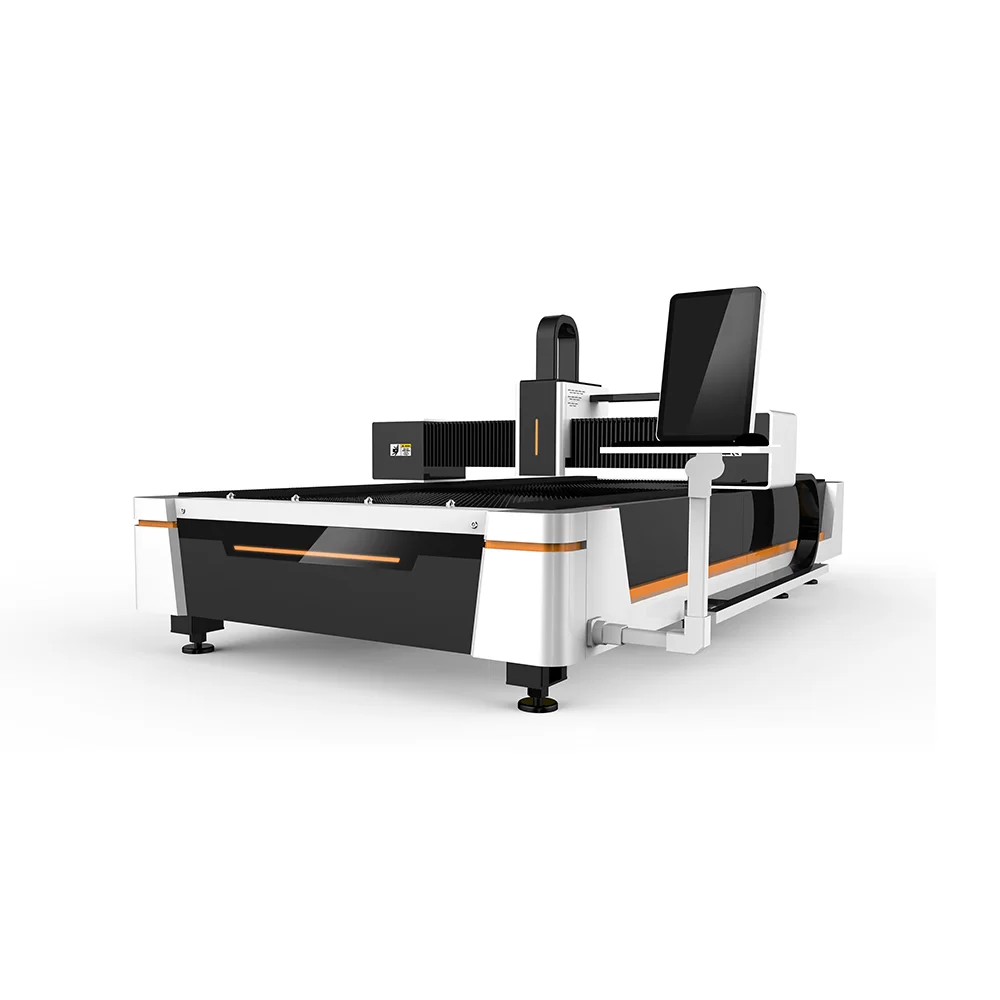
Several core components contribute to the price of a laser cutting machine. The first is the laser source itself. CO2 lasers are typically less expensive than fiber lasers. Machine size is also a significant factor; larger machines capable of handling bigger materials naturally command a higher price. The level of automation—whether manual, semi-automatic, or fully automatic—also impacts the cost, with fully automated systems being the most expensive. Furthermore, the included software, control systems, and the manufacturer's reputation all play a role. Finally, consider potential add-ons like chillers, air compressors, and material handling systems, which will add to the total investment.
Key Cost Factors: Laser Source Type, Machine Size, Automation Level, Software & Control Systems, Brand Reputation, and Optional Add-ons.
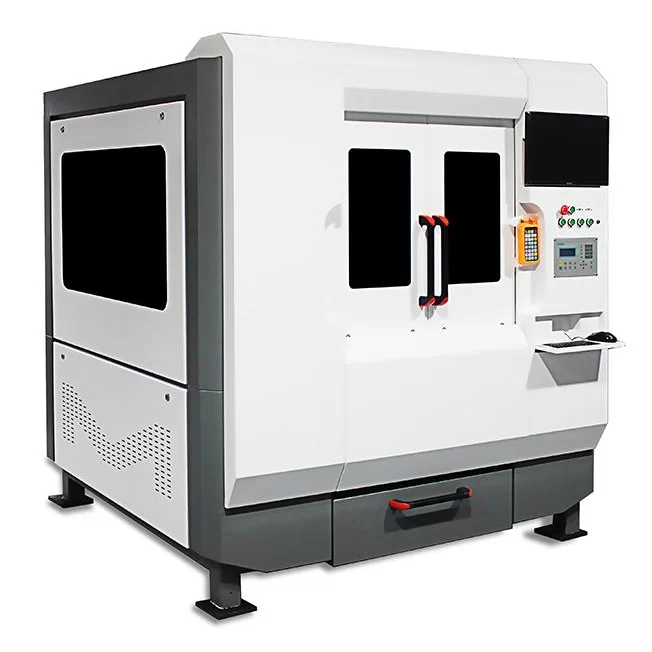
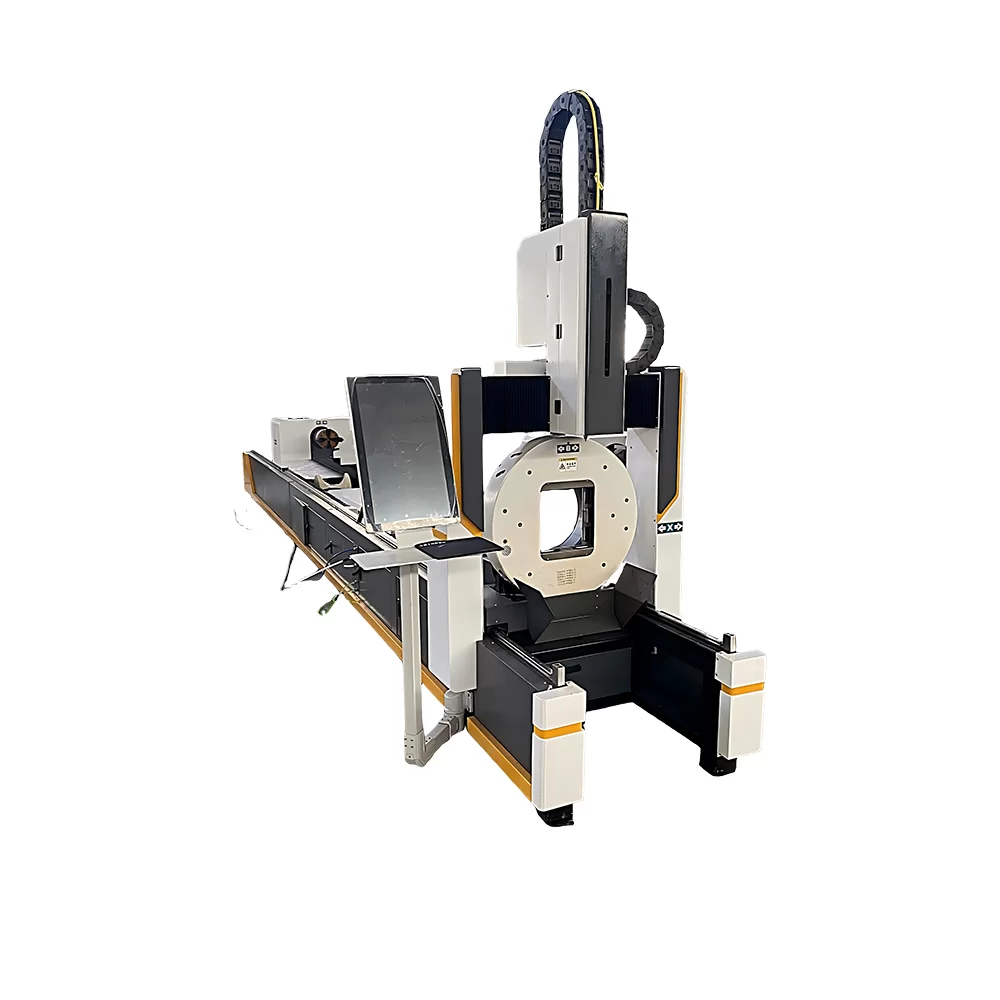
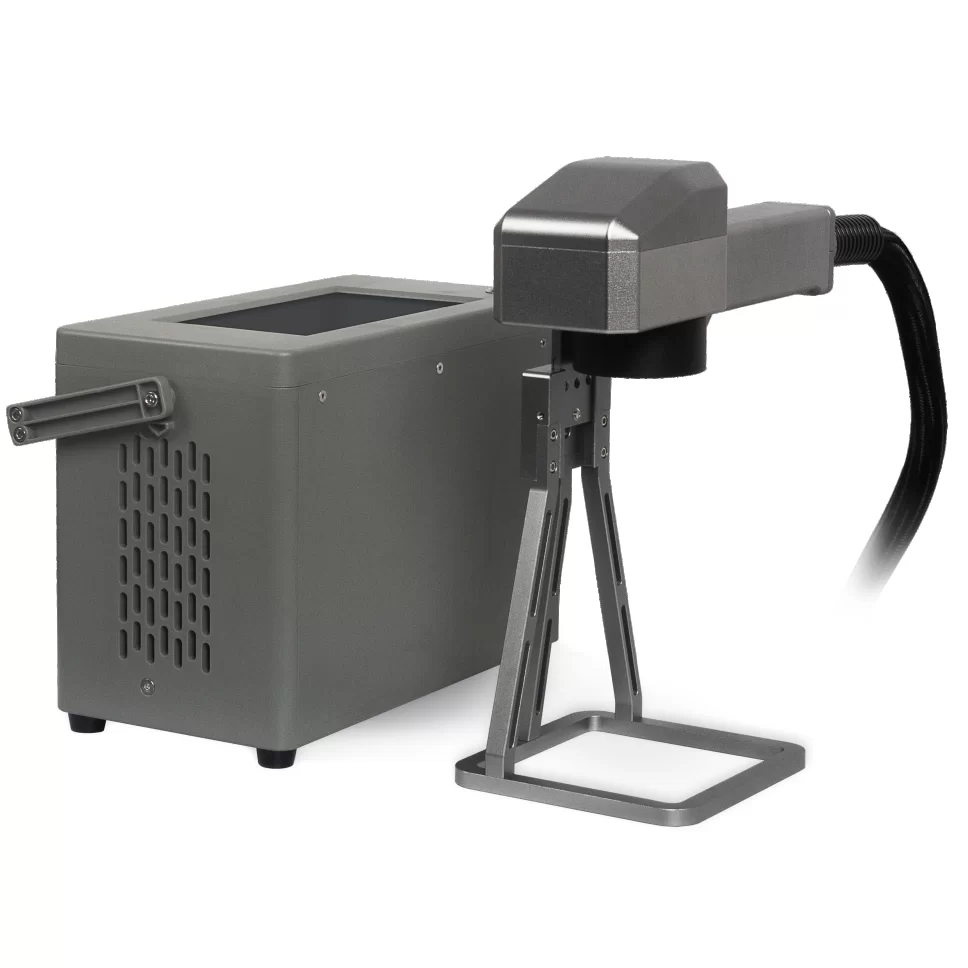
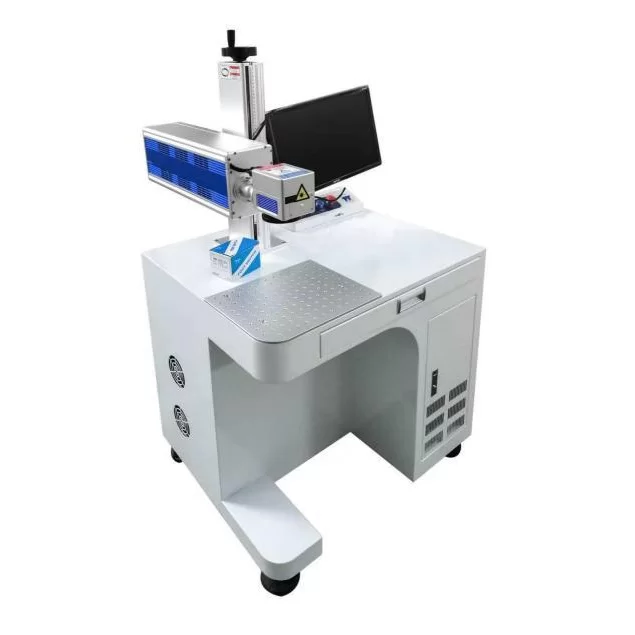
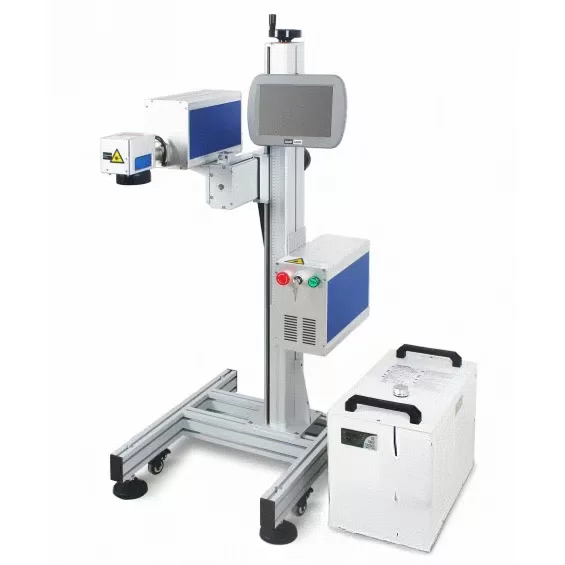
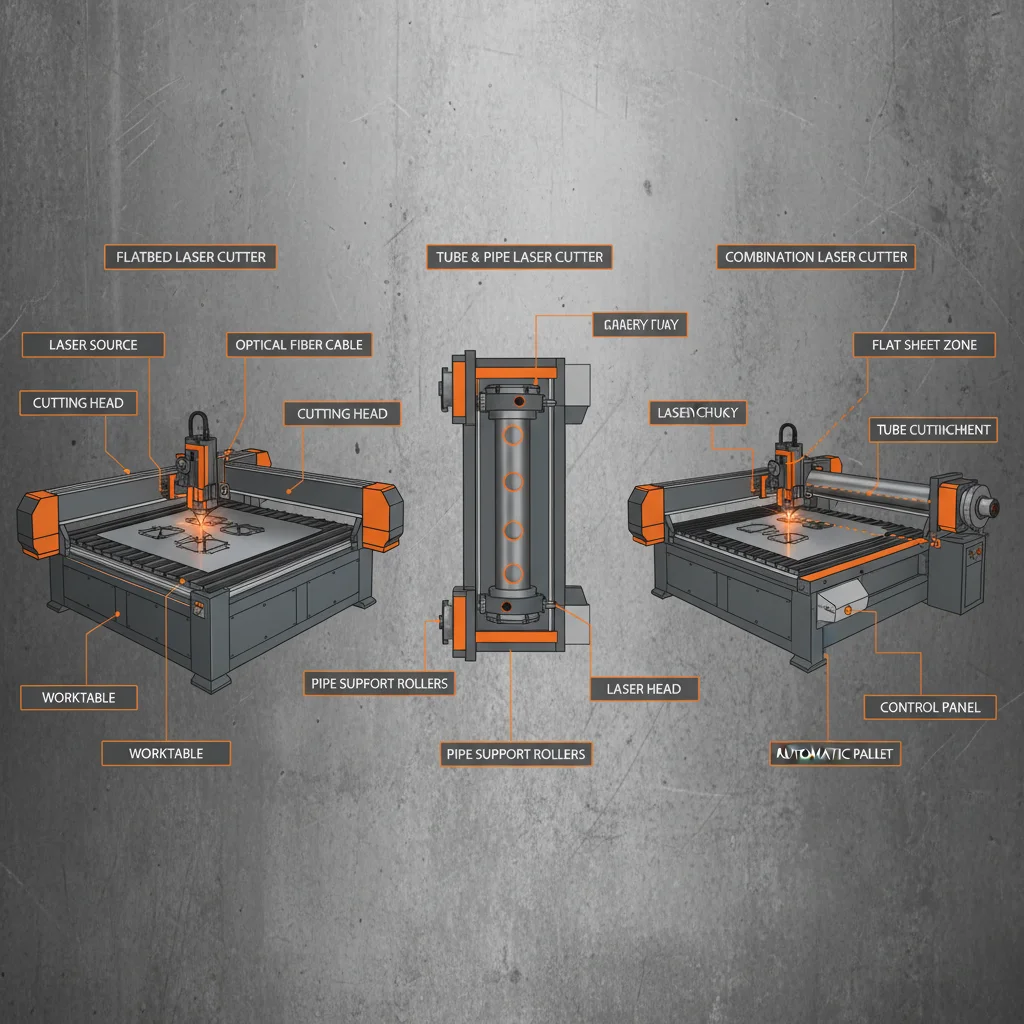
The laser cutting machine cost varies considerably based on the type of machine. Here’s a breakdown of common types and their typical price ranges:
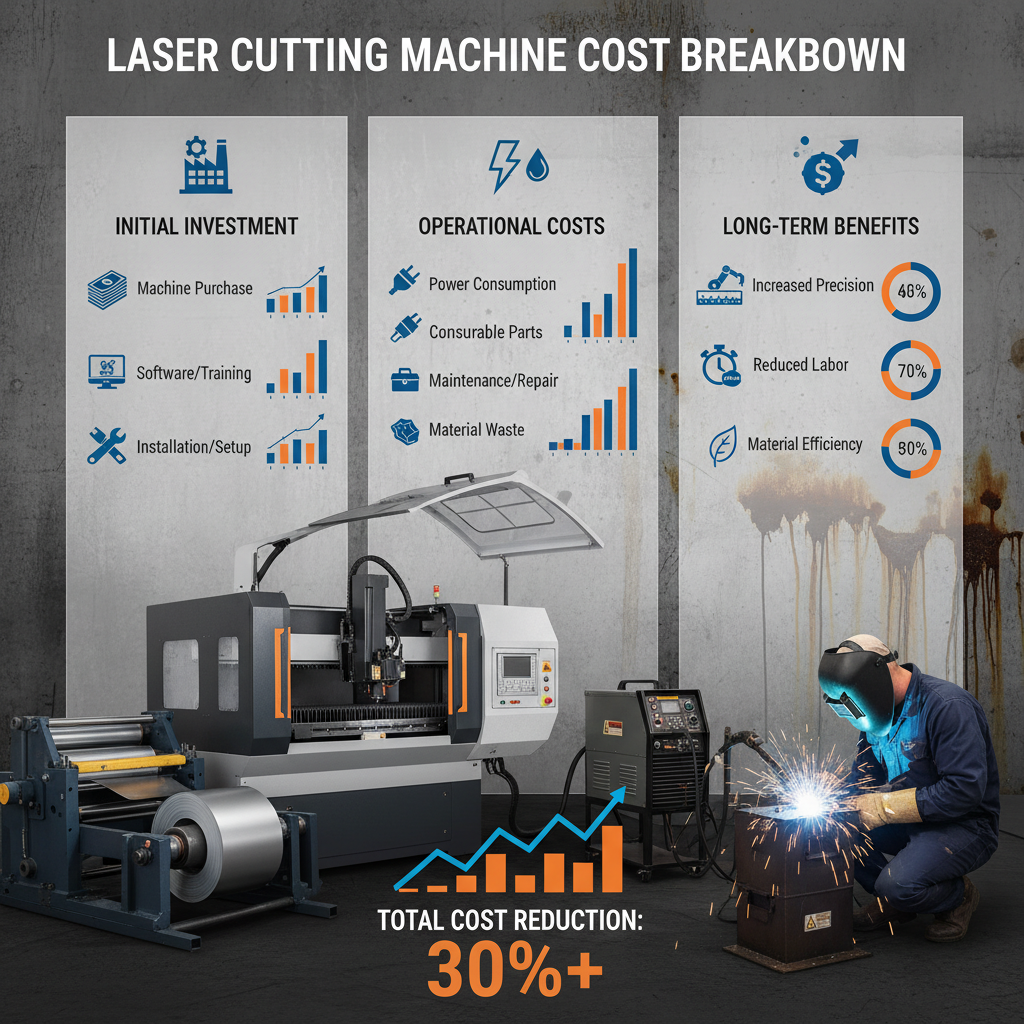
The initial purchase price isn't the only expense. Don’t forget to factor in ongoing costs such as maintenance, spare parts (laser tubes, lenses, nozzles), consumables (gases like oxygen, nitrogen, or compressed air), electricity, and software updates. Training costs for your operators are also important. Furthermore, consider the cost of ventilation systems to remove fumes and particulates generated during the cutting process. Finally, regular servicing and calibration are crucial for maintaining optimal performance and extending the machine's lifespan. Investing in these areas will prevent costly downtime and ensure consistent results. Explore the complete range of machines at Topstar Laser.
Ongoing Costs:
• Maintenance & Repairs
• Consumable Parts (Laser Tube, Lenses)
• Gas Supply
• Electricity
• Ventilation & Safety Equipment
Determining your budget and needs is the first step. If you primarily work with non-metallic materials, a CO2 laser is likely the most cost-effective option. If metal cutting is a requirement, a fiber laser is necessary, though it represents a larger investment. Consider the volume of production – a larger, more automated machine will be more efficient for high-volume jobs, while a smaller, manual machine might suffice for smaller projects. Don’t be afraid to explore financing options or consider refurbished machines to reduce initial costs. Prioritize quality and reliability, as a cheaper machine with frequent breakdowns can end up costing more in the long run. Contact Topstar Laser for a personalized consultation.
Here's a comparative look at a few popular models, offering a rough idea of laser cutting machine cost in 2024:
Understanding the laser cutting machine cost is only the first step. Careful consideration of your specific needs, budget, and long-term goals is crucial. Topstar Laser offers a wide range of machines to fit various applications and budgets. Don’t hesitate to reach out to our experts for guidance and a tailored solution.
The ROI for a laser cutting machine varies widely depending on factors like production volume, material costs, and labor savings. However, businesses can often expect to recoup their investment within 1-3 years. The increased efficiency, precision, and reduced material waste offered by laser cutting contribute significantly to cost savings. Automating processes and expanding product offerings further enhance ROI. Calculating your specific ROI requires a detailed analysis of your current processes and anticipated production levels.
Regular maintenance is essential for optimal performance and longevity. This includes cleaning lenses and mirrors, inspecting and cleaning the laser tube (for CO2 lasers), checking gas levels, lubricating moving parts, and ensuring proper ventilation. It’s recommended to schedule professional servicing at least once a year. Following the manufacturer’s maintenance guidelines is crucial to prevent costly repairs and downtime.
Yes, Topstar Laser provides comprehensive training options for all our machines. This can include on-site training, remote training sessions, and access to detailed user manuals and video tutorials. Our training programs cover machine operation, maintenance, safety procedures, and software usage. We ensure our customers are fully equipped to operate their machines effectively and safely.
Safety is paramount when operating a laser cutting machine. Always wear appropriate eye protection (laser safety glasses) to prevent eye damage. Ensure proper ventilation to remove harmful fumes and particulates. Never leave the machine unattended while it's running. Be aware of the potential fire hazards and have a fire extinguisher readily available. Follow all safety guidelines provided by the manufacturer. Always disconnect power before performing any maintenance.