SHIJIAZHUANG TOPSTAR INTERNATIONAL TRADING CO., LTD.
Shijiazhuang Topstar
International Trading Co., Ltd.
Get In Touch
welded wire mesh machine factory

Understanding Welding Machine Working Principle for Modern Industrial Applications

0%

Table of Contents

Welding machine working principle is fundamental to modern manufacturing, construction, and repair across countless industries. It’s the process of joining materials, usually metals or thermoplastics, by causing coalescence. This isn’t simply ‘gluing’ materials together; it involves melting and fusing the base materials, often with the addition of a filler material, to create a strong, permanent bond. Understanding the underlying principles is crucial for ensuring safety, quality, and efficiency in any welding operation.

The global demand for skilled welders and advanced welding technologies remains consistently high. According to data from the World Economic Forum, skilled trades, including welding, are facing a significant skills gap globally, particularly as infrastructure projects expand in developing nations. ISO standards dictate stringent quality control protocols in welding, highlighting its importance in critical applications like pipelines, pressure vessels, and aerospace components.

The challenge lies in adapting welding techniques to increasingly complex materials and geometries, while simultaneously improving efficiency and reducing environmental impact. A robust understanding of the welding machine working principle allows engineers and technicians to address these challenges effectively, driving innovation and ensuring structural integrity in a diverse range of applications.
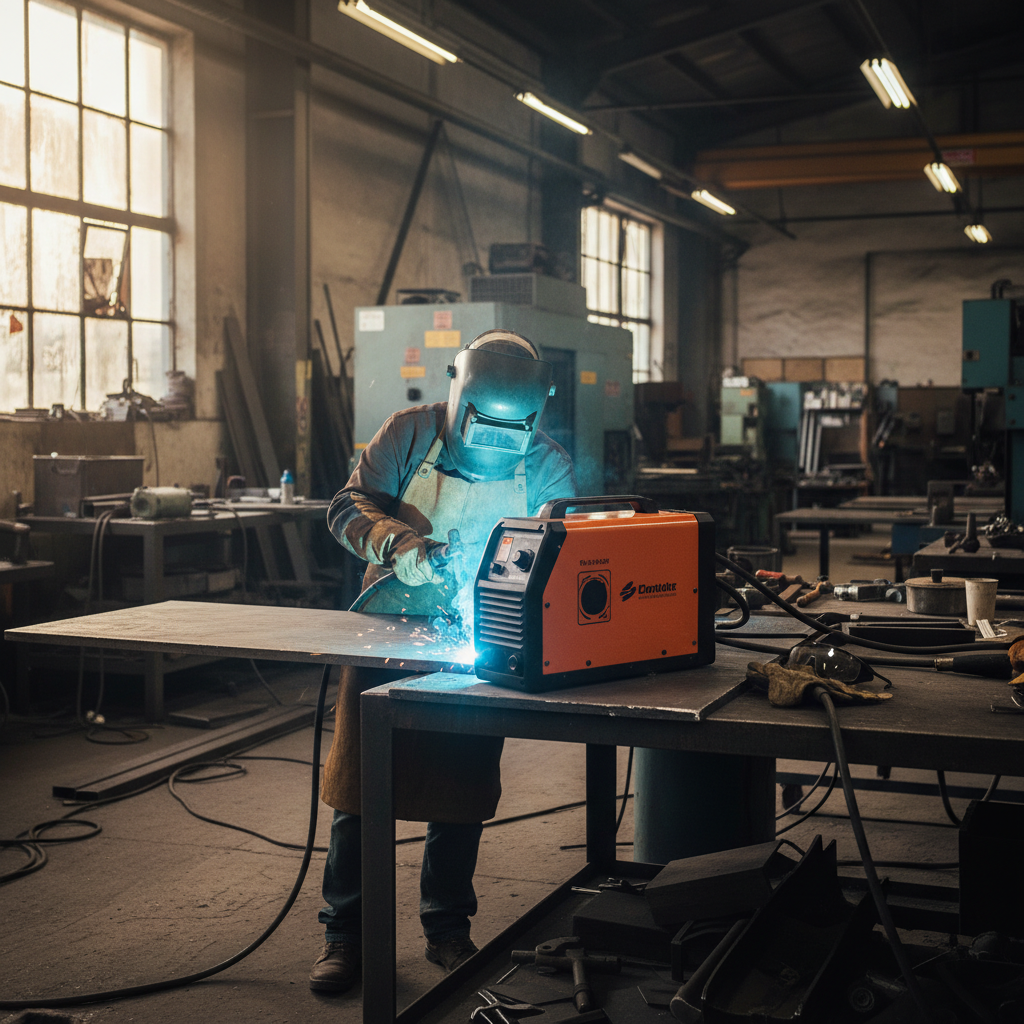
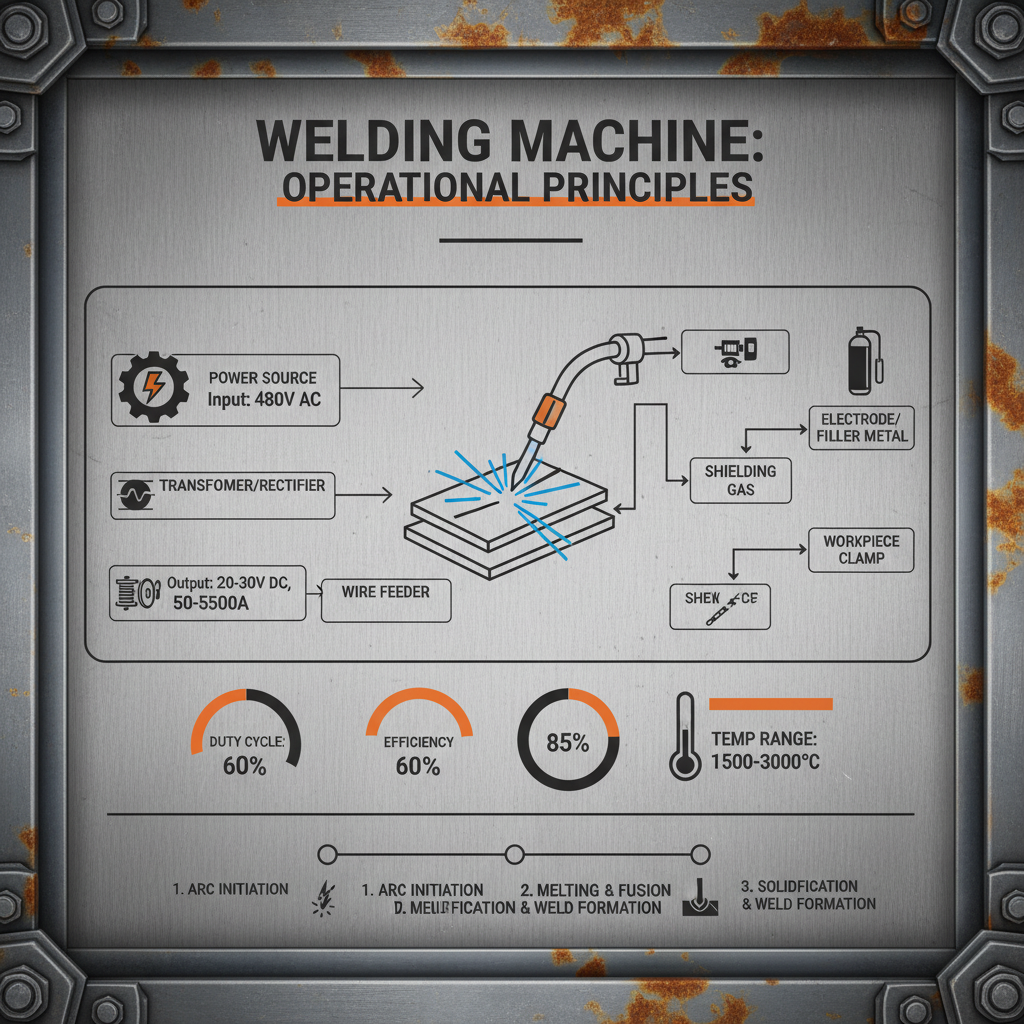
welding machine working principle

Introduction to welding machine working principle

welding machine working principle

The term “welding machine working principle” encompasses the fundamental processes and technologies used to create a metallurgical bond between materials. It’s far more than simply applying heat; it involves understanding the physics of material fusion, the chemistry of filler metals, and the critical parameters that control weld quality. Different welding processes leverage unique working principles, each with its own strengths and weaknesses.

Understanding these principles is vital for selecting the correct welding process for a given application, optimizing welding parameters, and troubleshooting potential defects. From the basic arc welding processes to advanced laser and electron beam welding, a solid grasp of the underlying working principle empowers welders and engineers to achieve consistent, high-quality results. You can further explore the welding machine working principle to understand its nuances.

Defining Welding Machine Working Principle

At its core, the welding machine working principle is the application of heat and/or pressure to melt or fuse materials together, creating a permanent joint. The specific method of achieving this varies greatly, leading to numerous welding processes. However, all share the common goal of establishing a strong metallurgical bond without significantly weakening the base materials. This bond relies on intermolecular forces and, often, the formation of new alloys between the base metals and filler materials.

This process is critical in countless industries, from shipbuilding and automotive manufacturing to aerospace and medical device production. Welding enables the creation of complex structures and components that would be impossible to produce through other joining methods. It addresses the need for durable, reliable connections capable of withstanding significant stresses and environmental factors.

The connection to modern industry and humanitarian needs is undeniable. Welding is essential for building infrastructure, repairing critical equipment, and manufacturing essential products. In disaster relief, mobile welding units can rapidly repair damaged infrastructure and provide essential services, demonstrating its vital role in crisis response.

Core Components of Welding Machines

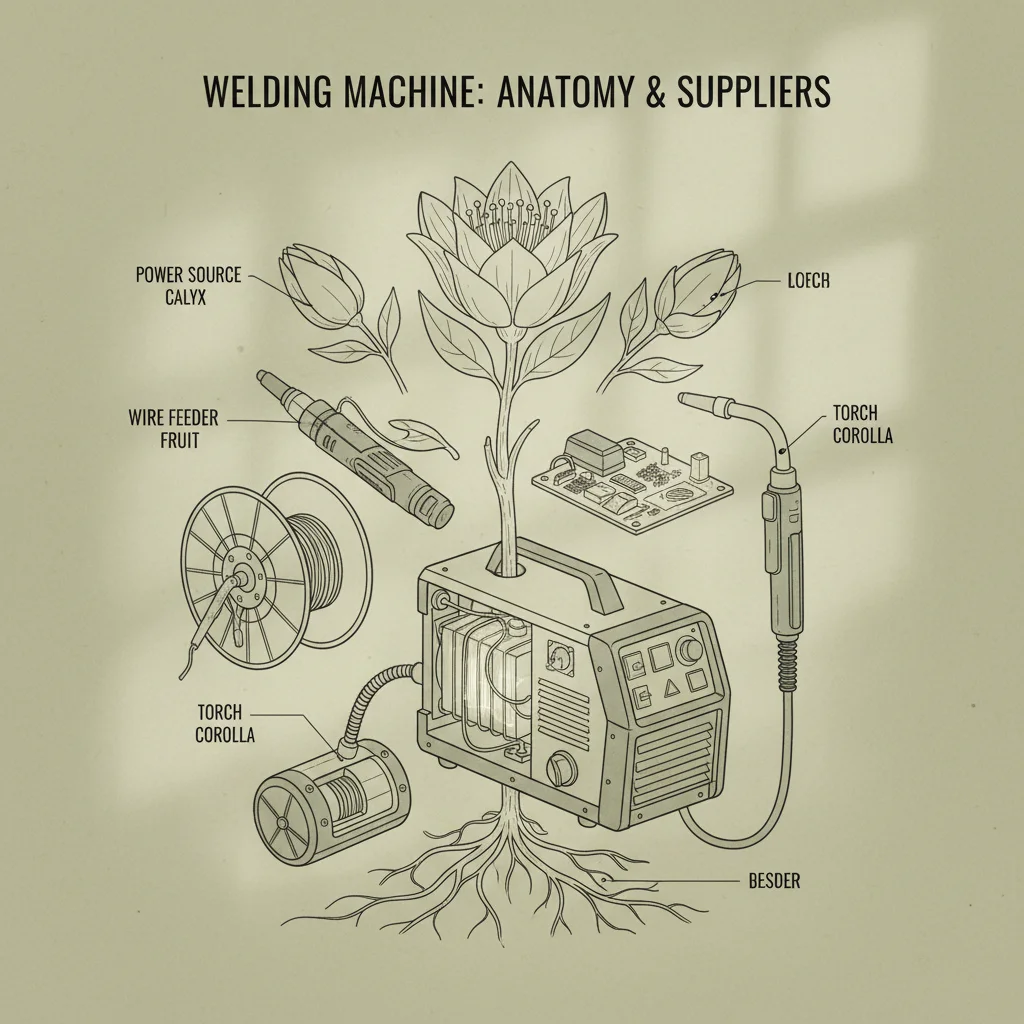
All welding machines, regardless of the specific process, share several core components. A power source provides the energy required to create the welding arc or apply pressure. This power source can be alternating current (AC), direct current (DC), or a combination of both. The type of power source significantly impacts the welding characteristics, such as arc stability and penetration depth.

A control system regulates the welding parameters, such as current, voltage, and gas flow. Modern welding machines often feature sophisticated digital controls that allow for precise adjustment and monitoring of these parameters. This is critical for achieving consistent weld quality and optimizing the welding process.

Finally, a delivery system transports the welding power to the arc or applies the necessary pressure. This can involve welding cables, electrodes, torches, or clamping mechanisms. The design and quality of the delivery system directly influence the efficiency and reliability of the welding process.

Key Factors Influencing Welding Quality

Achieving high-quality welds requires careful consideration of several key factors. Material compatibility is paramount – different metals have varying melting points and chemical compositions, influencing the weldability. Proper surface preparation, including cleaning and removal of contaminants, is essential for ensuring a strong and defect-free weld.

Welding parameters such as current, voltage, travel speed, and shielding gas composition must be carefully controlled to optimize the welding process. Incorrect parameters can lead to defects such as porosity, cracking, and incomplete fusion.

Weld Quality Assessment Based on Welding Machine Working Principle

Global Applications of Welding Technologies

Welding is ubiquitous across a wide range of industries. In the automotive sector, robotic welding systems are used extensively to manufacture vehicle frames and bodies. The aerospace industry relies heavily on precision welding for critical components such as turbine blades and aircraft fuselages. Shipbuilding utilizes large-scale welding processes to construct massive vessels.

In remote industrial zones, like oil and gas pipelines in Siberia or construction projects in the Amazon rainforest, portable welding equipment and skilled welders are essential for maintaining infrastructure and completing projects. In post-disaster relief operations, welding is often used to repair damaged structures and equipment, providing immediate assistance to affected communities.

Advantages and Long-Term Value of Welding

The advantages of welding are numerous. It offers a strong, reliable, and permanent joint, often surpassing the strength of the base materials themselves. Welding is a versatile process, capable of joining a wide range of materials and thicknesses. It’s a cost-effective joining method, particularly for high-volume production.

The long-term value extends beyond immediate cost savings. Properly welded structures exhibit increased durability and lifespan, reducing maintenance and replacement costs. Welding contributes to safer designs by creating robust and structurally sound joints. It fosters innovation by enabling the creation of complex and customized components.

Future Trends in Welding Machine Technology

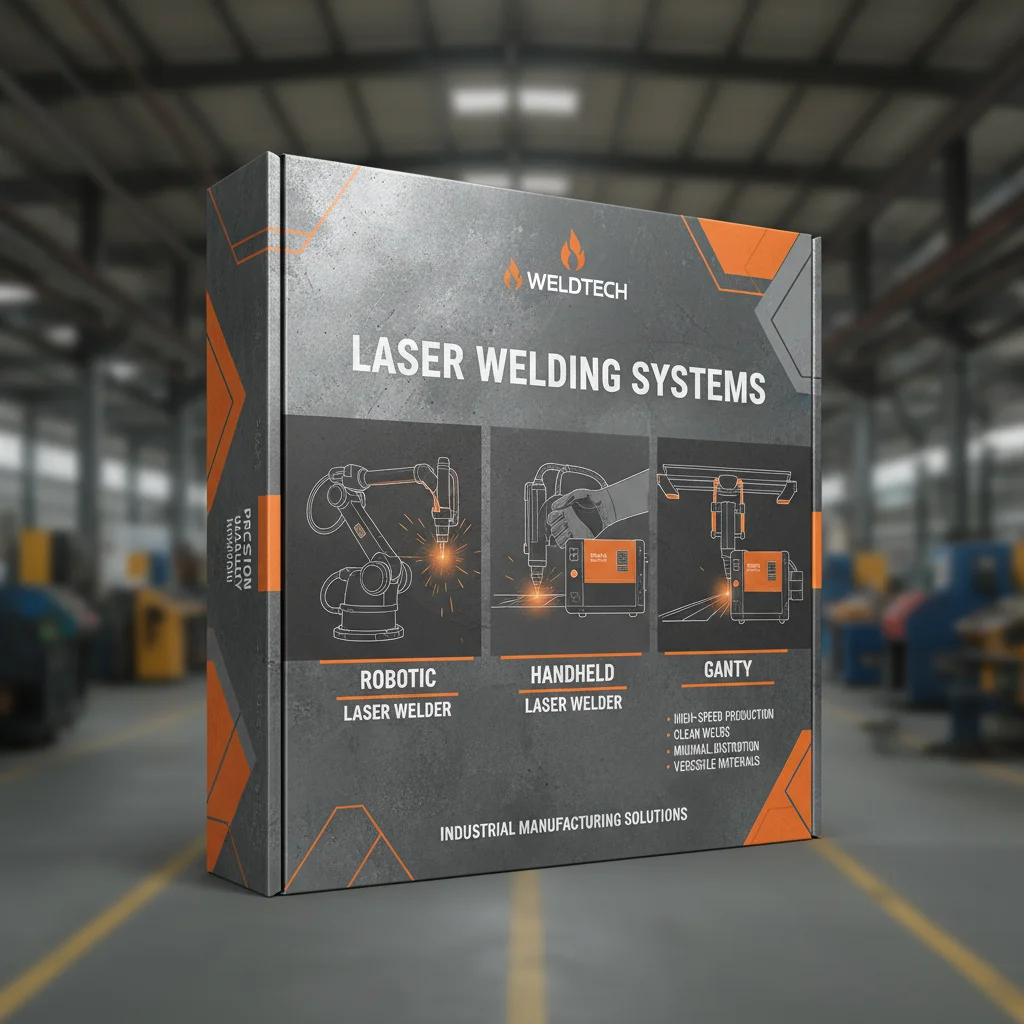
The future of welding is focused on automation, precision, and sustainability. Advancements in robotic welding are leading to increased efficiency, reduced labor costs, and improved weld quality. Laser beam welding and electron beam welding are gaining popularity for their ability to create narrow, deep welds with minimal heat input.

Research and development are exploring new welding techniques that utilize green energy sources, such as solar and wind power, to reduce the environmental impact of welding operations. Digital transformation is enabling real-time monitoring and control of welding processes, leading to optimized performance and predictive maintenance.

Furthermore, developments in additive manufacturing (3D printing) utilizing welding principles are revolutionizing the creation of complex geometries and customized parts, opening new possibilities for design and production.

Summary of Key Challenges and Potential Solutions in Welding Technology

Challenge Impact on Welding Machine Working Principle Potential Solution Implementation Level
Skills Gap in Welding Workforce Reduces quality and efficiency Enhanced vocational training programs Medium
Material Compatibility Issues Difficulty in achieving strong welds Advanced filler metal development High
Heat Affected Zone (HAZ) Effects Weakens material around weld Laser and electron beam welding Medium
Weld Defect Detection Compromises structural integrity Non-destructive testing (NDT) techniques High
Environmental Impact of Welding Fumes and energy consumption Sustainable welding processes and energy sources Medium
Cost of Advanced Welding Equipment Limits accessibility for smaller businesses Leasing and shared resource models Low

FAQS

What are the most common types of welding machines used in industrial settings?

In industrial settings, several welding machine types prevail. Shielded Metal Arc Welding (SMAW) machines, also known as stick welders, are versatile and economical. Gas Metal Arc Welding (GMAW) or MIG welders offer faster welding speeds and are suitable for a wider range of materials. Flux-Cored Arc Welding (FCAW) is used for heavy-duty applications. Gas Tungsten Arc Welding (GTAW) or TIG welders provide high-quality, precise welds, and Submerged Arc Welding (SAW) is often employed for automated, high-volume welding.

How does the welding machine working principle affect the strength of a weld?

The welding machine working principle directly influences weld strength through several parameters. Proper heat input, controlled cooling rates, and correct filler metal selection are crucial for achieving a strong metallurgical bond. Incorrect settings can lead to defects like porosity or incomplete fusion, weakening the weld. Shielding gas plays a vital role in protecting the weld pool from atmospheric contamination, further enhancing strength. Understanding these principles is vital for consistently achieving robust welds.

What safety precautions should be taken when operating a welding machine?

Welding presents several safety hazards. Always wear appropriate personal protective equipment (PPE) including a welding helmet with the correct shade, welding gloves, and fire-resistant clothing. Ensure proper ventilation to avoid inhaling harmful fumes. Be aware of fire hazards and keep flammable materials away from the welding area. Disconnect the power source before performing maintenance or repairs. Following these precautions significantly minimizes the risk of accidents.

How can I troubleshoot common welding defects like porosity or cracking?

Troubleshooting welding defects requires a systematic approach. Porosity often arises from insufficient shielding gas, contaminated base metal, or incorrect welding parameters. Cracking can result from high cooling rates, improper filler metal selection, or stress concentrations. Carefully examine the weld area, adjust parameters, ensure proper cleaning and shielding, and consider preheating or post-weld heat treatment if necessary.

What is the difference between AC and DC welding, and when should each be used?

AC (Alternating Current) welding generally provides a smoother arc and is suitable for welding thinner materials and non-ferrous metals like aluminum. DC (Direct Current) welding offers more precise control over heat input and is preferred for thicker materials, deeper penetration, and welding ferrous metals like steel. The choice between AC and DC depends on the material type, thickness, and desired weld characteristics.

What role does automation play in modern welding machine technology?

Automation is revolutionizing welding, primarily through robotic welding systems. These systems increase efficiency, consistency, and reduce labor costs. Automation also improves weld quality by minimizing human error and providing precise control over welding parameters. Robotic welding is particularly effective for repetitive tasks and large-scale production runs, and can operate in hazardous environments.

Conclusion

Understanding the welding machine working principle is paramount for anyone involved in manufacturing, construction, or repair. We've explored the core components, key factors influencing weld quality, global applications, and future trends in welding technology. A firm grasp of these principles ensures safer, more efficient, and higher-quality welding operations.

As welding technology continues to evolve, embracing automation, sustainability, and advanced materials will be critical for staying competitive. Investing in training, research, and development will drive innovation and unlock new possibilities in the field of welding. For more information and cutting-edge welding solutions, visit our website: www.topstarlaser.com.

Owen Harrison

Owen Harrison

Owen Harrison is a dedicated Logistics Manager at Shijiazhuang Topstar International Trading Co., Ltd., ensuring the smooth and efficient delivery of products worldwide. With expertise in international trade operations and supply chain management, Owen oversees the entire logistics process, from sourcing and quality inspection to shipment and after-sales support. He’s committed to minimizing delays and ensuring client satisfaction through proactive communication and problem-solving. Owen is fluent in Mandarin, facilitating seamless communication with our manufacturing partners.
Previous Comprehensive Guide to Inkjet Batch Coding Machine Price and Optimization
Next Comprehensive Guide to Welding Machine Operation and its Global Impact
Subscribe to Our Newsletter
Your E-mail Address
Subscribe Now

If you are interested in our products, you can choose to leave your information here, and we will be in touch with you shortly.