The evolution of industrial fabrication has reached a pivotal turning point with the integration of high-precision thermal energy systems. In the modern manufacturing landscape, the demand for extreme accuracy and rapid throughput has made the adoption of advanced laser technologies a necessity rather than a luxury for competitive firms.
Across global markets, from automotive assembly lines to medical device laboratories, there is a growing shift toward compact, efficient solutions that reduce material waste and eliminate the need for costly secondary processing. This transition is driven by the need for tighter tolerances and the ability to handle complex geometries that traditional mechanical shearing cannot achieve.
By implementing a mini laser welding machine or high-powered cutting system, businesses can transform their production workflow, achieving a seamless transition from CAD designs to flawless metal components with microscopic accuracy.

Global Industrial Context of Mini Laser Welding Machine
On a global scale, the manufacturing sector is facing an unprecedented push toward "Industry 4.0," where digitalization and automation converge to eliminate human error. The traditional reliance on mechanical punching and shearing has become a bottleneck, leading to high scrap rates and significant downtime for tool replacement.
The introduction of the mini laser welding machine and cutting technologies addresses these challenges by offering non-contact processing. This ensures that delicate materials are not deformed by mechanical pressure, allowing industries like aerospace and medical electronics to maintain the highest quality standards.
Defining the Mini Laser Welding Machine Concept
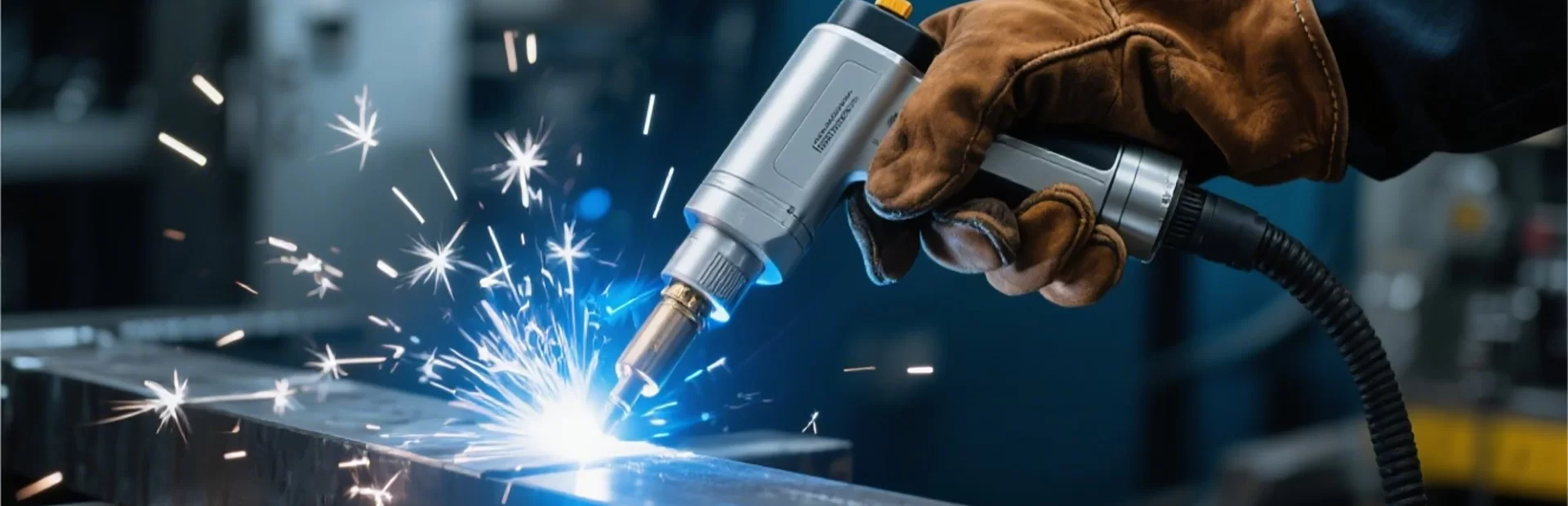
At its core, a mini laser welding machine is a precision instrument that utilizes a high-intensity focused beam of thermal energy to join or cut materials. Unlike traditional welding, which may require bulky equipment and extensive heat-affected zones, these compact systems focus energy into a microscopic point, ensuring that the surrounding material remains structurally intact.
This technology is deeply connected to the modern humanitarian and industrial need for rapid prototyping and localized production. By reducing the footprint of the equipment, smaller workshops can now produce industrial-grade components that previously required massive factory installations, democratizing high-end fabrication.
Essentially, it represents the marriage of CNC digital control and photonics, allowing a user to translate a CAD design directly into a physical metal part with tolerances as tight as 0.05mm. This level of precision is critical for the assembly of micro-electronics and high-pressure valve components.
Core Components for High-Precision Fabrication
The efficiency of a mini laser welding machine depends heavily on its laser source and thermal management. High-performance fiber sources, often rated for up to 100,000 hours, provide the stability needed for 24/7 continuous operations without the degradation seen in traditional CO2 lasers.
A critical aspect of the mini laser welding machine is the assist gas system. By integrating controls for Oxygen (O2) and Nitrogen (N2), the system can switch between exothermic reactions for carbon steel and fusion cutting for stainless steel, ensuring burr-free edges.
Furthermore, the integration of CNC digital control and high-precision servo motors allows the mini laser welding machine to execute complex X, Y, and Z-axis movements. This removes the need for manual tool changes and fixed dies, drastically reducing the cost of design changes.
Performance Metrics and Scalability
When evaluating the ROI of laser systems, the most significant metrics are production speed and material yield. Traditional mechanical methods suffer from large kerfs and high scrap rates, whereas laser systems use advanced nesting to place parts closer together, maximizing the use of every sheet of metal.
Scalability is achieved through modular power options and software integration. Whether a facility requires a 6000W source for heavy-duty 25mm carbon steel or a lower power setting for intricate medical hardware, the system adapts without requiring a complete hardware overhaul.
Performance Comparison of Fabrication Methods
Real-World Applications Across Sectors
In the aerospace industry, the requirement for lightweight yet incredibly strong components makes the use of titanium and high-grade aluminum common. A mini laser welding machine allows for precise joins that maintain the integrity of these exotic alloys without introducing heat-induced warping.
Similarly, in the medical electronics sector, where components are often measured in millimeters, the ability to perform non-contact processing is invaluable. The absence of mechanical pressure prevents the scratching of delicate surfaces, ensuring that surgical tools and diagnostic equipment meet strict regulatory safety standards.
Long-Term Economic and Sustainable Value
The economic transition from traditional tooling to laser-based systems is marked by a drastic reduction in "tooling cost." In traditional stamping, every new design requires a new set of fixed dies, which is both expensive and slow. Laser systems utilize digital CAD files, meaning the cost of changing a design is essentially zero.
Sustainability is another core advantage. By optimizing material yield through advanced nesting, companies significantly reduce the amount of metal scrap sent to landfills. This not only lowers the raw material cost but also aligns the company with global green manufacturing initiatives and ISO environmental standards.
From a reliability standpoint, the low maintenance requirements of fiber lasers—which lack the mirrors and consumables of older systems—ensure that production downtime is minimized. This reliability builds trust with B2B clients who require guaranteed delivery schedules for critical industrial parts.
Future Trends in Laser Automation
The future of the mini laser welding machine lies in the deeper integration of AI-driven optimization. We are seeing the emergence of "smart nesting" algorithms that can predict material stress and automatically adjust the cutting path to prevent deformation in real-time.
Furthermore, the shift toward hybrid systems—combining laser cutting, marking, and welding into a single CNC platform—will further streamline the production workflow. This "all-in-one" approach reduces the need for moving parts between different machines, slashing the risk of handling errors.
As green energy becomes a priority, the development of more energy-efficient laser sources will reduce the total power draw of these machines. This ensures that high-speed automation remains sustainable even as production volumes scale to meet the demands of the global market.
Comprehensive Analysis of Laser vs Traditional Fabrication
| Metric Dimension |
Traditional Mechanical |
Laser System Performance |
Impact on ROI |
| Production Speed |
Slow / Manual Changes |
Ultra-Fast / Automated |
High (Increased Output) |
| Material Waste |
High (Large Kerf) |
Minimal (Precision Nesting) |
High (Reduced Cost) |
| Edge Quality |
Rough / Requires Grinding |
Smooth / Ready for Assembly |
Medium (Labor Saving) |
| Tool Life |
Frequent Blade Replace |
100,000h Laser Life |
High (Low OpEx) |
| Design Flexibility |
Fixed Dies / Rigid |
Digital CAD / Dynamic |
Very High (Agility) |
| Precision Level |
Moderate (Mechanical) |
Extreme (0.05mm Tolerance) |
High (Quality Grade) |
FAQS
For stainless steel, high-pressure Nitrogen is highly recommended. This "fusion cutting" method prevents oxidation, preserving the shiny, anti-corrosive finish of the metal without the need for secondary polishing or chemical cleaning, which significantly reduces post-processing time.
Modern fiber laser sources are engineered for extreme reliability. Most are rated for up to 100,000 hours of operation. This longevity drastically reduces long-term maintenance costs compared to older CO2 systems that required frequent mirror alignment and gas refills.
Yes. Because the system is CNC-driven and fully supports CAD formats such as Solidworks, UG, and PRO/E, it can execute intricate patterns and tight radii that would be physically impossible or prohibitively expensive to produce via traditional stamping or mechanical dies.
It reduces costs in three primary ways: first, by minimizing material waste through advanced software nesting; second, by eliminating secondary grinding and polishing due to smooth edge quality; and third, by reducing labor costs through high-speed automation and rapid setup times.
Carbon steel is typically cut using Oxygen, which triggers an exothermic reaction to speed up the process. Conversely, stainless steel uses Nitrogen to avoid oxidation and maintain surface aesthetics, ensuring the part remains corrosion-resistant and visually clean.
While the machine integrates professional software like Raytools, it supports standard industrial graphic formats (DXF, DWG). Most operators with a basic understanding of CAD/CAM can quickly adapt, though initial training on specific nesting parameters is recommended to maximize material yield.
Conclusion
The transition to laser-based fabrication represents a fundamental shift in industrial efficiency, moving away from the rigidity of mechanical tooling toward the fluidity of digital manufacturing. By integrating a mini laser welding machine or cutting system, manufacturers can achieve unparalleled precision, reduce material waste, and significantly lower their operational costs through automation and increased tool longevity.
Looking forward, the synergy of AI and laser technology will continue to push the boundaries of what is possible in metal fabrication. For companies aiming to remain competitive in a global market that demands both speed and sustainability, investing in CNC-driven laser solutions is no longer optional—it is the strategic foundation for future growth. Visit our website for more information: www.topstarlaser.com