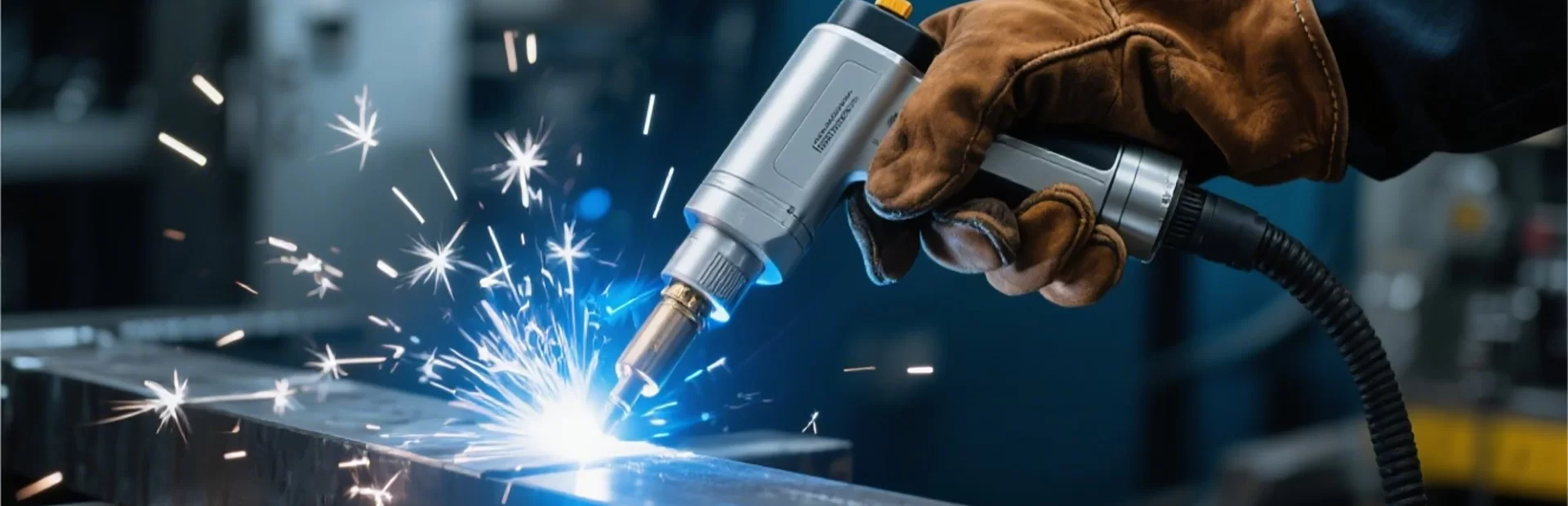
In the landscape of industrial security manufacturing, the precision of boundary protection depends heavily on the machinery used to create physical barriers. While many look for high-efficiency tools, the concept of a two phase welding machine is often discussed in the context of advanced metal joining, yet in the specific realm of razor wire production, the focus shifts toward mechanized stamping and winding. Understanding how these automated processes integrate allows manufacturers to scale their production while maintaining the lethal effectiveness of security fencing.
The global demand for high-security perimeters—ranging from national borders to industrial warehouses—has driven the evolution of machinery that can handle galvanized steel and stainless steel with extreme accuracy. By leveraging automated punch-and-wind systems, factories can now produce complex spiral structures that were previously labor-intensive. This transition toward automation mirrors the efficiency found in a two phase welding machine, where consistency and speed are the primary drivers of commercial success.
Ultimately, the goal of modern security equipment manufacturing is to create an impassable physical barrier that is both psychologically intimidating and structurally sound. Whether utilizing specialized stamping dies or adjusting core wire diameters, the integration of high-precision machinery ensures that the resulting razor wire meets international safety and security standards. This article explores the intricate process of razor wire production and how technical precision defines the quality of the final security product.
The production of razor barbed wire is a sophisticated mechanized process where metal strips, typically stainless or galvanized steel, are punched and wound into a spiral. This process ensures a continuous line of sharp blades, creating a barrier far more effective than traditional barbed wire. Much like the precision required in a two phase welding machine, the razor wire machine must synchronize its stamping and winding phases to avoid material deformation.
By implementing high degrees of automation, manufacturers can drastically reduce manual intervention. This not only lowers labor costs but also ensures that every coil produced has a uniform barb distance and blade size, which is critical for security projects where any structural weakness could be exploited.
The heart of the production line is the stamping unit, which enables fast and continuous processing. By using high-precision dies, the machine can punch thousands of blades per minute, meeting the demands of large-scale international security tenders. This speed is essential for maintaining a competitive edge in the manufacturing sector.
Following the stamping process, the winding mandrel takes over, shaping the punched strip into the iconic concertina coil. The synergy between the mechanical transmission and the forming rollers ensures that the blades remain sharp and the spiral structure remains stable, even when processing tougher, corrosion-resistant materials.
Automation also extends to the feeding and tensioning sensors. These components adjust the machine's behavior in real-time based on the ductility of the metal strip, ensuring that the "spine" of the wire—the core wire—is wrapped tightly and centered, preventing slippage during installation.
To achieve high-security standards, machines must be capable of processing various gauges of metal. The ability to switch between a 2.0mm light-duty core and a 4.0mm high-tensile wire is what separates a professional-grade system from a basic one, mirroring the versatility one might expect from a two phase welding machine in a metal shop.
High machining precision is non-negotiable when dealing with stainless steel for coastal environments. The machine must apply consistent mechanical pressure to wrap the punched strip around the core wire without damaging the internal components, ensuring the barrier does not sag over time.
Furthermore, the precision control of barb spacing ensures that the resulting coils can be clipped together perfectly. If the diameter fluctuates by even a few millimeters, the "Concertina" effect is compromised, leading to structural vulnerabilities in the physical protection barrier.
Manufacturers often balance production throughput with the variety of blade types they can offer. From the BTO-10 short blade to the CBT-65 long blade, each serves a different deterrent level. The use of modular die-sets allows operators to switch blade patterns quickly, providing a "tailor-made" solution for different security threats.
To maximize ROI, high-end machines utilize multi-line stamping presses. This allows the factory to produce several blade strips simultaneously from a single wide metal coil, effectively removing the bottleneck usually found in the winding stage and increasing overall output.
Razor wire is deployed globally in high-stakes environments. In military bases and national borders, heavy-duty concertina coils created by specialized machinery are indispensable for preventing unauthorized crossings. These installations require the high-tensile strength provided by precision-wound core wires.
In urban industrial zones, such as high-value warehouses or prisons, the focus shifts to psychological deterrence. Here, machines are configured to produce aggressive, multi-pointed dagger blades that are difficult to cut with standard tools, ensuring a reliable physical protection barrier.
For manufacturers competing for international tenders, acting as an Original Design Manufacturer (ODM) is a massive advantage. ODM capabilities allow a factory to build a machine from the ground up to meet a client's proprietary blade design, ensuring the end product is uniquely tailored to a specific security threat.
This customization often involves adjusting the metallurgical properties of the processed strips. For instance, coastal security projects require high-grade stainless steel to resist salt-air corrosion. A custom-built machine can handle these tougher materials without compromising the speed of the stamping process.
Furthermore, flexibility in coil diameter—from residential wall-topping to massive border defense rolls—allows the operator to swap forming rollers and winding mandrels quickly. This versatility ensures that the manufacturer can meet diverse client needs using a single production line.
Selecting the right machinery requires a deep dive into the parameters of the blades produced. The BTO series, for example, offers various lengths and widths that determine the "reach" and "bite" of the wire. Precision in these dimensions is what ensures the consistency of the final product.
When comparing models, the focus should be on the tolerance levels. A high-quality machine maintains a tolerance of ±1mm across barb length and width, which is critical for the structural integrity of the coil. This level of precision is as vital as the calibration of a two phase welding machine in high-end fabrication.
By analyzing the relationship between mould type and spacing, manufacturers can optimize their material usage, reducing waste and lowering the overall cost per meter of razor wire produced.
| Mould Type | Barb Length (mm) | Barb Width (mm) | Barb Spacing (mm) |
|---|---|---|---|
| BTO-12 | 12±1mm | 13±1mm | 26±1mm |
| BTO-18 | 18±1mm | 15±1mm | 33±1mm |
| BTO-22 | 22±1mm | 15±1mm | 34±1mm |
| BTO-28 | 28±1mm | 15±1mm | 34±1mm |
| BTO-30 | 30±1mm | 18±1mm | 34±1mm |
| BTO-60 | 60±1mm | 32±1mm | 96±1mm |
Standard machines are designed for common blade types like BTO-22. Custom machines, however, allow for adjustments in metallurgical properties, specific blade patterns (such as "ripped" edges), and variable coil diameters to meet specialized security requirements for military or government projects.
Yes, through a modular die-set design. By changing the stamping die, an operator can switch production from short-barb wire (BTO-12) to long-barb wire (BTO-60) without needing to replace the entire machine, ensuring flexibility in the product line.
High-quality machines use adjustable forming wheels and variable-speed motors to apply the correct torque and mechanical pressure. This ensures that even heavy-duty 4.0mm wires are wrapped tightly with the blade strip centered, maintaining structural stability.
Absolutely. Automation ensures uniformity in barb distance and blade shape, which is critical for security. It also significantly reduces labor costs and minimizes material waste, making the production process economically viable for large-scale orders.
Stainless steel is preferred for coastal or high-humidity environments due to its superior corrosion resistance. Custom machines can be configured to process thicker stainless steel strips to ensure the barrier remains effective over many years.
While a cheap machine may lower initial costs, it often limits you to one blade type. High-end machines offer diverse blade options and higher production capacities, allowing you to respond to changing market demands and high-security tenders.
The manufacturing of high-security razor wire is a testament to the power of precision engineering and automation. By integrating advanced stamping dies and flexible winding systems, manufacturers can create impassable physical barriers that meet the most stringent global security standards. From the selection of high-tensile core wires to the implementation of ODM customization, every technical detail contributes to the ultimate reliability and effectiveness of the perimeter protection.
As the world moves toward smarter and more robust security solutions, the role of high-precision machinery will only grow. Investing in equipment that offers versatility in blade design and high production throughput is the key to remaining competitive in the industrial security market. For those seeking the pinnacle of metal fabrication and security equipment, we invite you to explore our advanced solutions. Visit our website: www.topstarlaser.com
If you are interested in our products, you can choose to leave your information here, and we will be in touch with you shortly.