Shijiazhuang Topstar
International Trading Co., Ltd.


Get In Touch
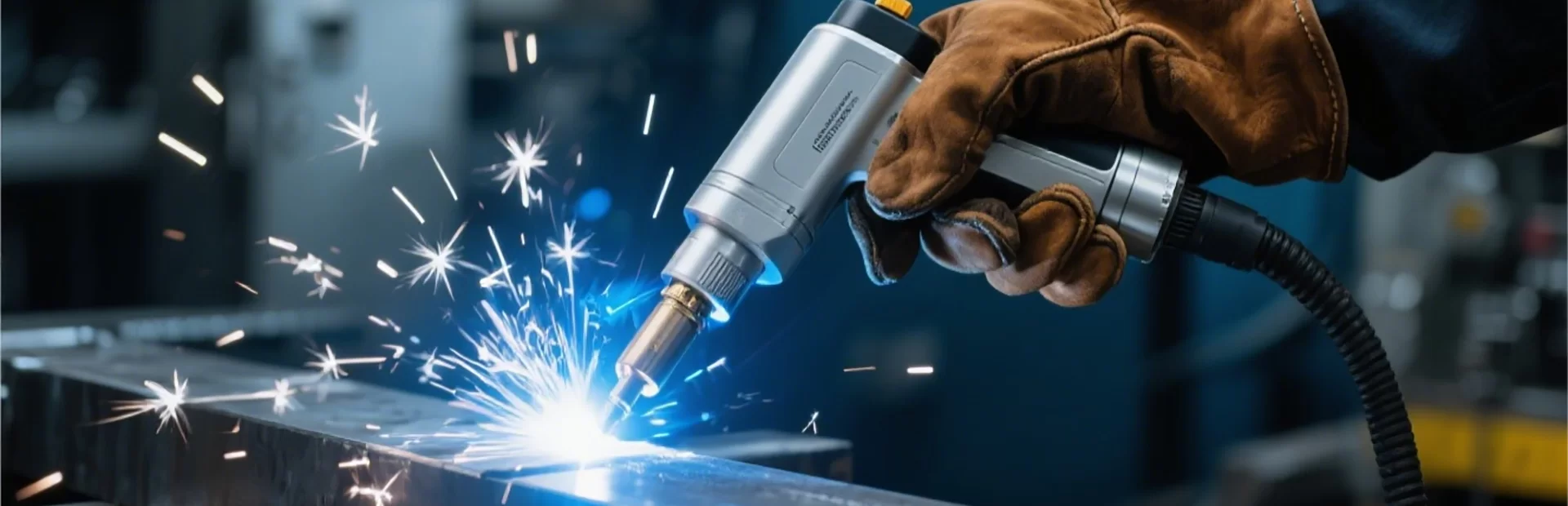
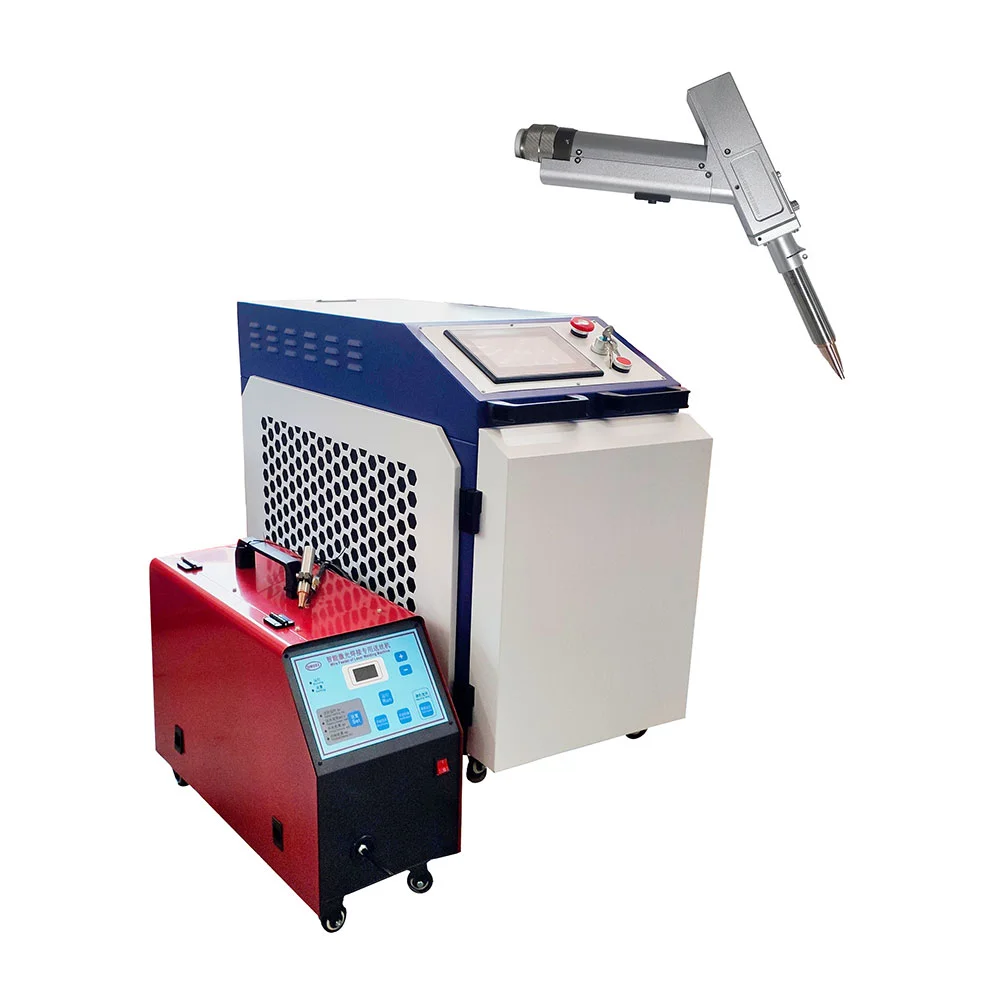
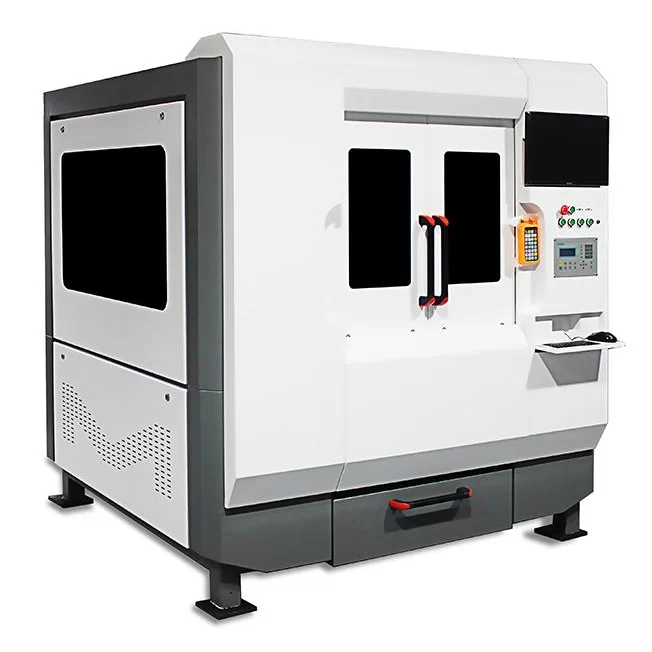
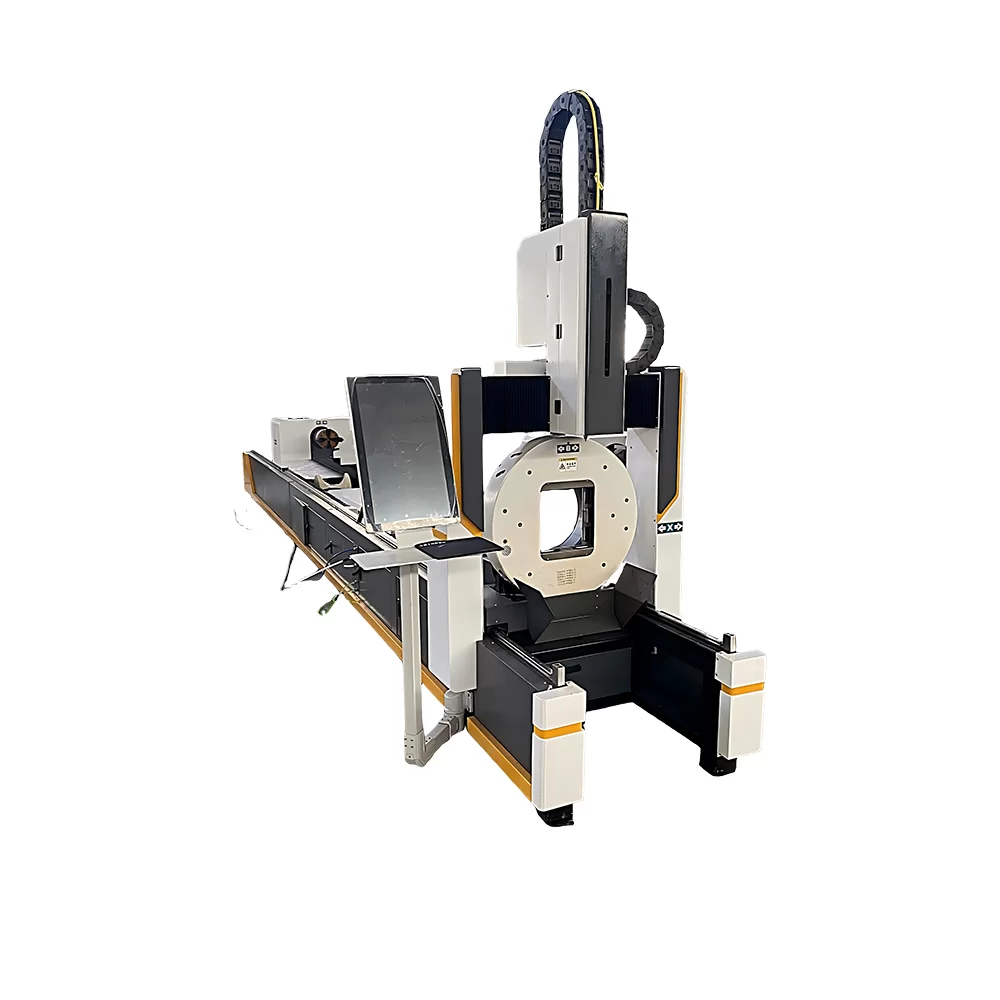
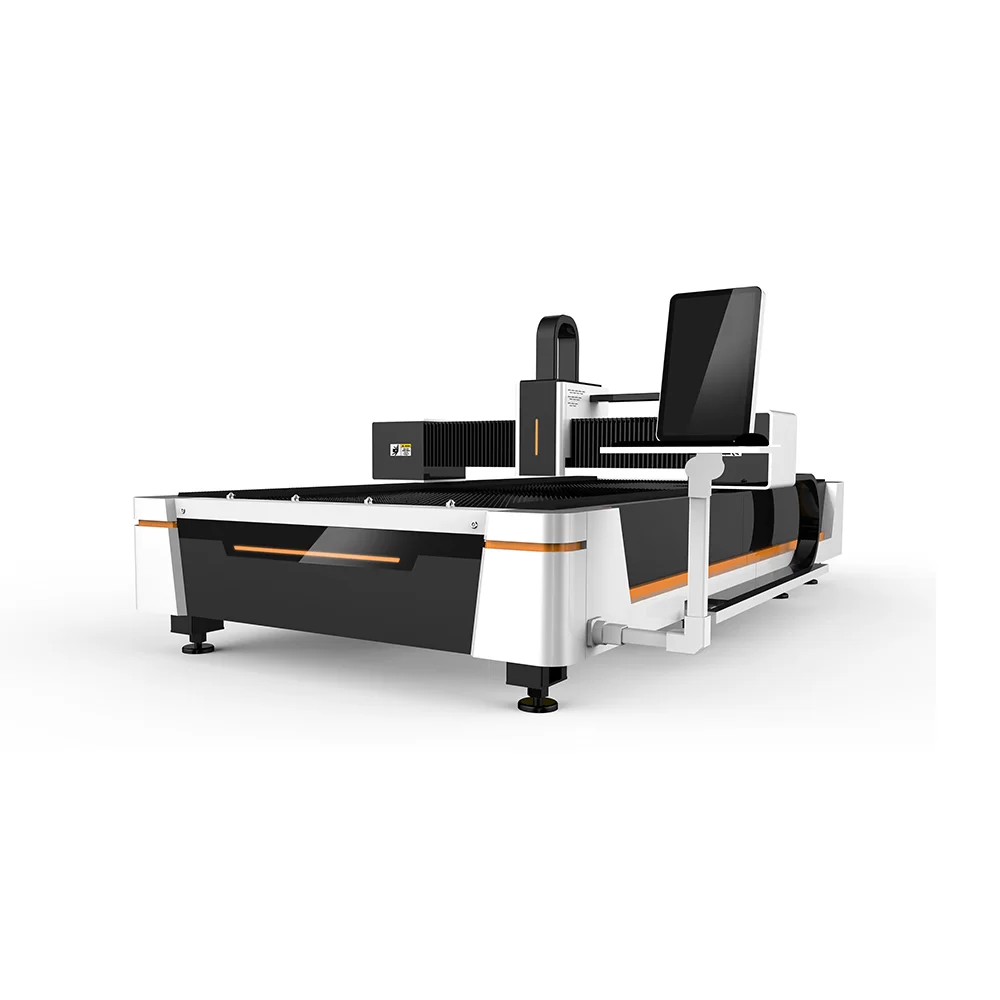
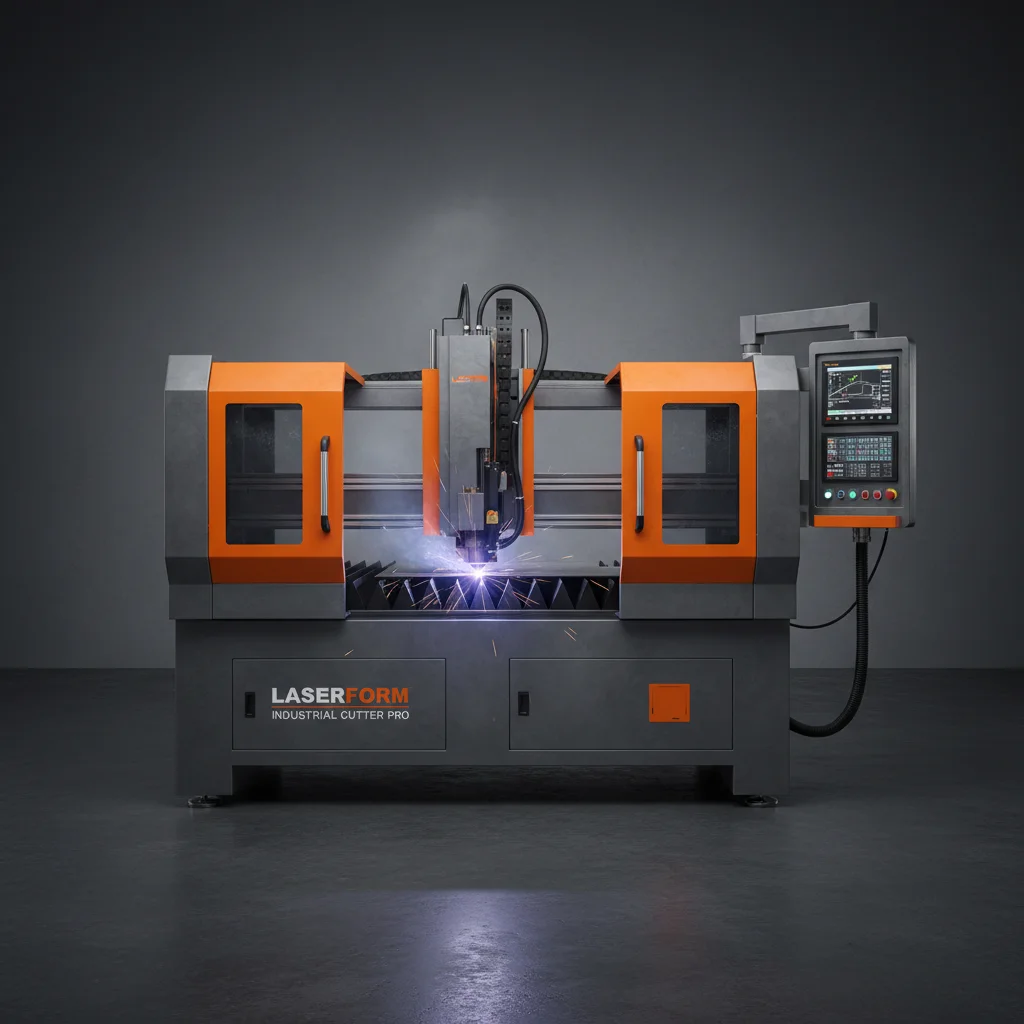
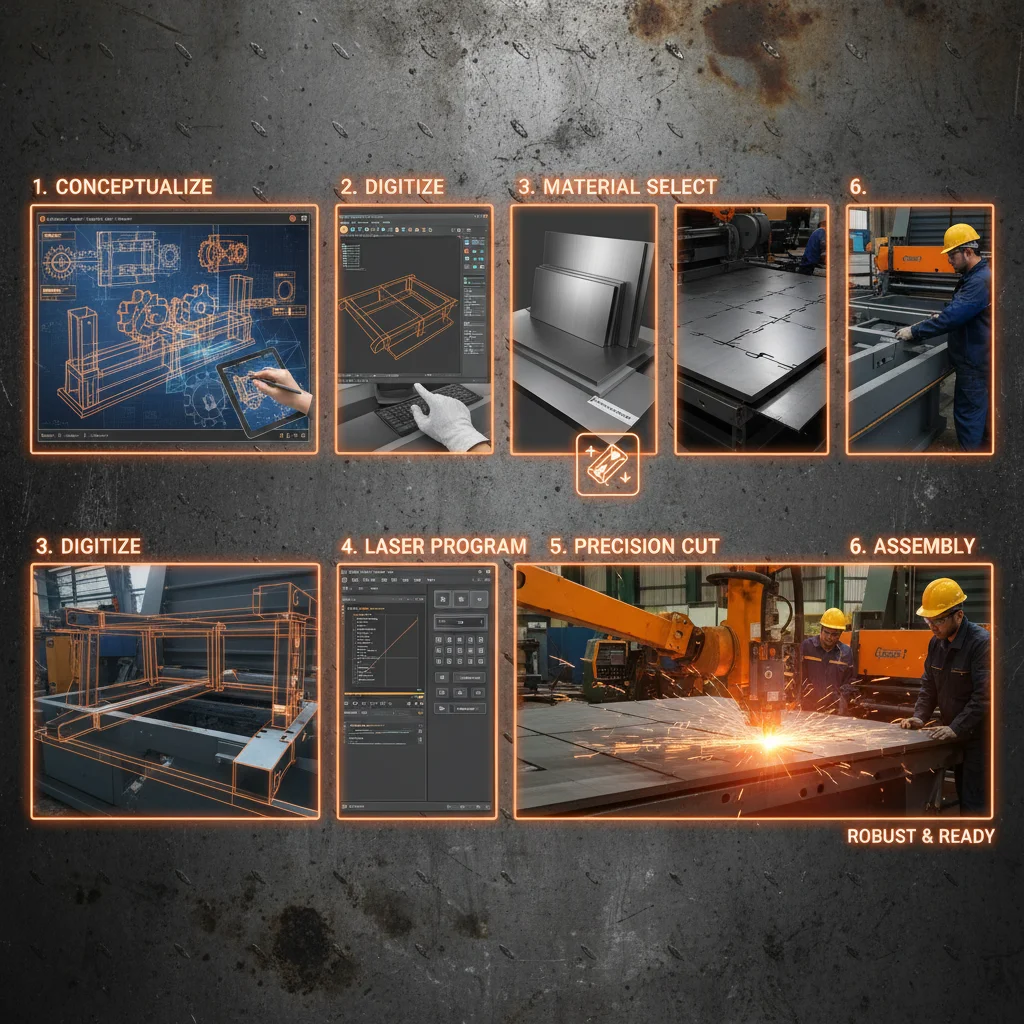
Fiber Laser Cutting is a key solution in the industry, specifically within a wide range of manufacturing and metal fabrication sectors. This article explores how https://www.topstarlaser.com supports professionals with durable, high-performance products, and explains why this product is an ideal choice for businesses in these sectors.
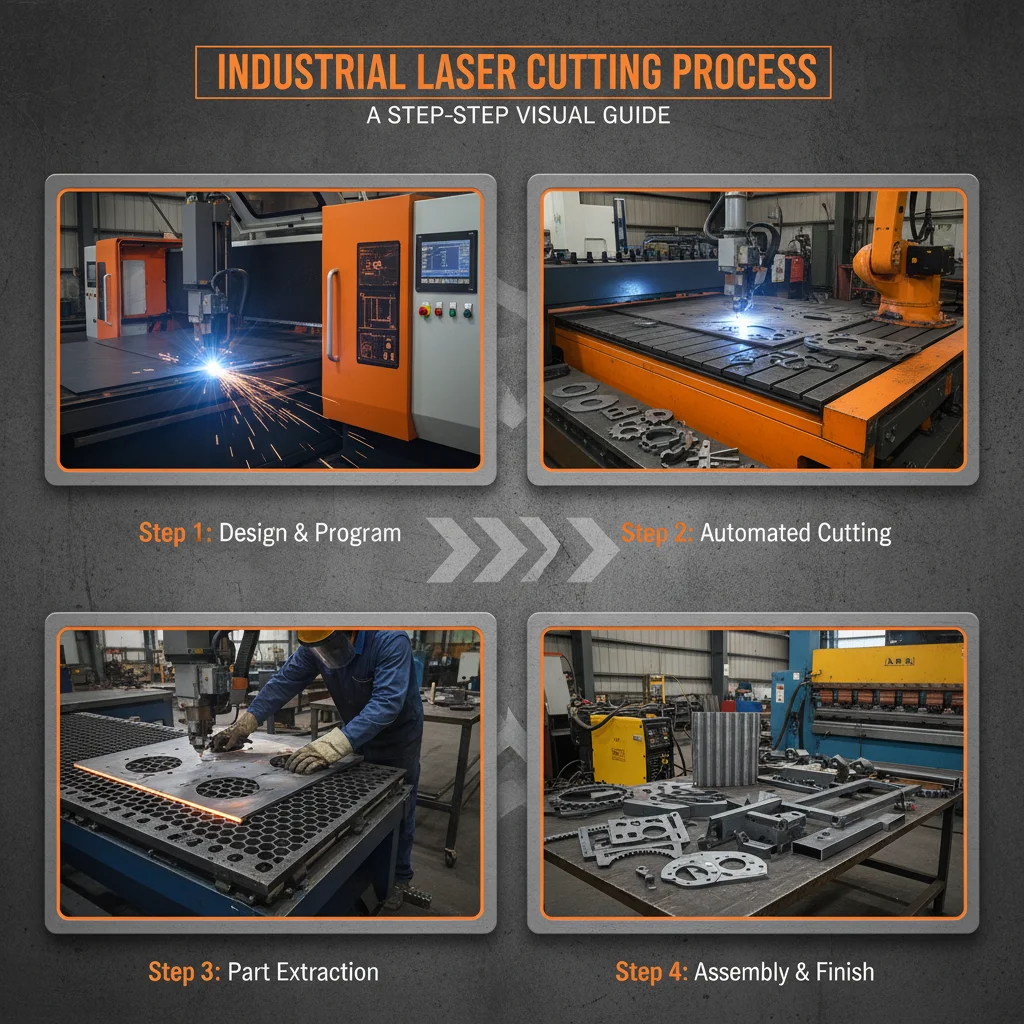
At its core, Fiber Laser Cutting is a precision method of shaping metals by using a high-intensity fiber laser beam to melt, burn, or vaporize the material. Oddly enough, despite its sophisticated appearance, the technology relies on the simple principle of focused light energy. For industries like automotive, aerospace, and electronics, this offers a significant leap in both speed and accuracy compared to traditional mechanical cutting methods.
Technically speaking, fiber lasers operate at a wavelength around 1.06 microns, which enables more effective absorption in metals like stainless steel, aluminum, and copper. An interesting case study from a leading manufacturing firm showed that switching to fiber laser cutting reduced their edge roughness in stainless steel sheets by nearly 30%, improving product quality and cutting times. Plus, the lifespan of fiber lasers vastly exceeds older CO2 laser models — often by a factor of 10 or more — due to the robustness of the optical fibers used.
| Feature | Specification |
|---|---|
| Laser Power | 500W - 6kW |
| Max Cutting Thickness (Steel) | Up to 20mm |
| Cutting Speed | 0.5 - 10 m/min (varies by material) |
| Precision | ±0.03mm |
| Beam Quality (M²) | |
| Power Consumption | 3–8 kW (dependent on use) |
You know, one of the reasons fiber laser cutting has gained traction is because it perfectly fits a variety of industrial needs. From manufacturing custom automotive parts to delicate electronics, its versatility makes it kind of the swiss-army knife of metal fabrication. It’s fast, precise, and uses less energy, which frankly can be a game changer when you’re looking to streamline production lines.
Many engineers say its low maintenance and simple operation lower downtime significantly. Manufacturers appreciate the ability to cut reflective materials, like copper and brass, which older laser systems sometimes struggled with. For example, jewelry makers frequently rely on fiber lasers for precise cuts without compromising the metal’s integrity. Meanwhile, in aerospace, the clean, narrow cuts help reduce subsequent finishing processes — saving time, which equals money.
Now, from a cost perspective, fiber laser cutting does require an initial investment — machines can set you back tens of thousands to hundreds of thousands of dollars depending on power and specs. Still, when you factor in the total cost of ownership, including lower maintenance and improved energy efficiency, the ROI tends to look favorable for most businesses in 1–3 years.
I spoke recently with a client who manufactures precision parts for robotics. They told me downtime had been slashed by over 40% since switching to fiber laser cutting, mainly because the fiber modules last longer and require fewer alignments than older systems. This kind of operational reliability is exactly why many decision-makers weigh fiber laser heavily when updating their equipment.
Can’t overlook that sustainability angle here. The manufacturing sector increasingly wakes up to the need for greener, cleaner tech. Fiber laser cutting uses less energy per part than traditional mechanical or CO2 laser cutting methods. Plus, it produces minimal waste material and doesn’t require harmful chemicals or coolants — which is always nice.
More so, market trends signal growing adoption globally. The need for precision, coupled with regulatory pressures to reduce carbon footprints, is pushing fiber laser cutting from a niche luxury to a staple in smart factories. China, in particular, is booming in this technology, with vendors like Topstar Laser offering highly competitive packages that attract international customers.
| Vendor | Price Range | Power Options | Warranty | Lead Time |
|---|---|---|---|---|
| Topstar Laser | $30,000 - $120,000 | 500W - 6kW | 2 Years | 4 - 6 weeks |
| Competitor A | $35,000 - $130,000 | 750W - 5kW | 1 Year | 6 - 8 weeks |
| Competitor B | $40,000 - $110,000 | 500W - 4kW | 1.5 Years | 5 - 7 weeks |
To sum it up, fiber laser cutting represents a practical and future-ready solution for businesses aiming to boost productivity, reduce waste, and maintain high-quality standards. With providers like Topstar Laser offering competitive packages from China, companies worldwide can access high-value equipment that delivers both precision and reliability. It just feels like a sensible pivot for many manufacturers who want to keep pace and cut costs simultaneously.