Shijiazhuang Topstar
International Trading Co., Ltd.


Get In Touch
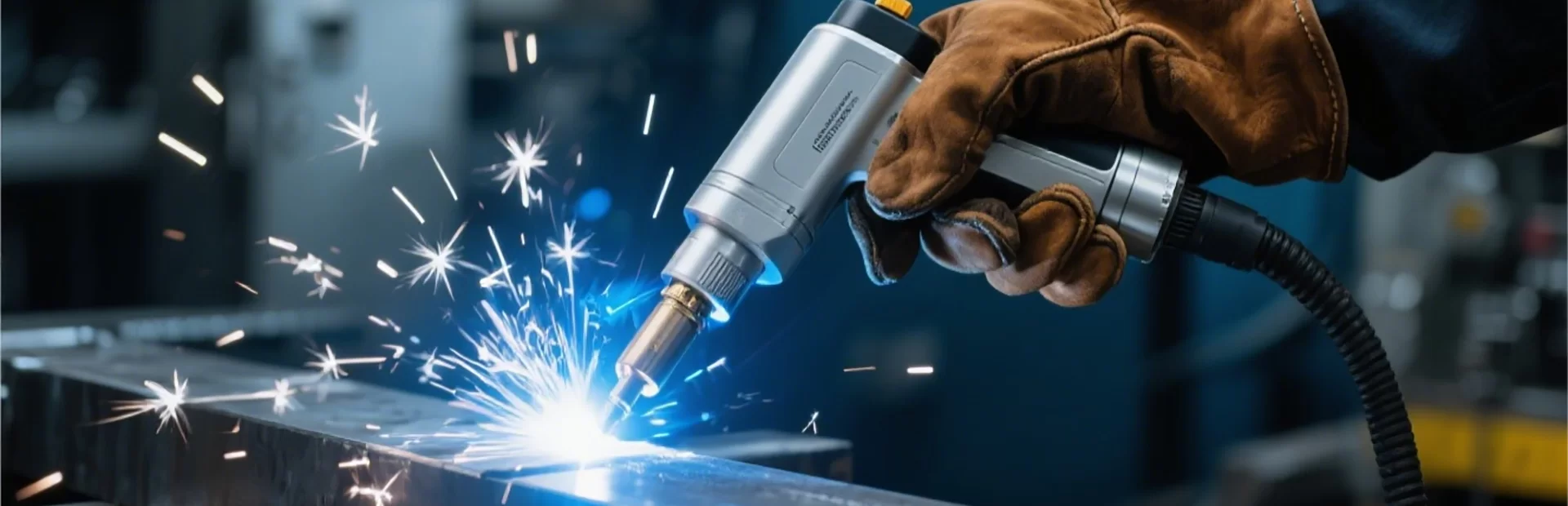
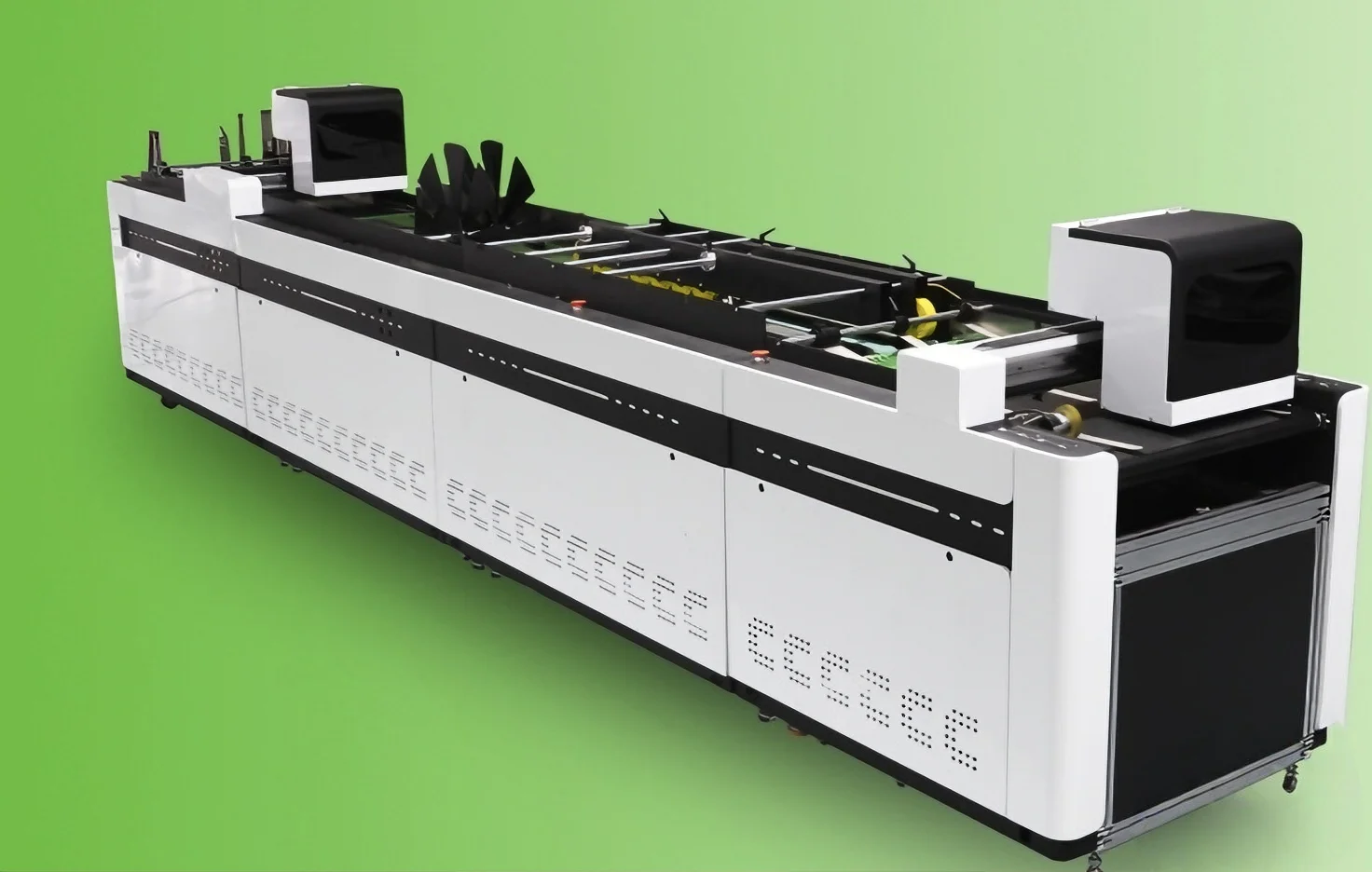
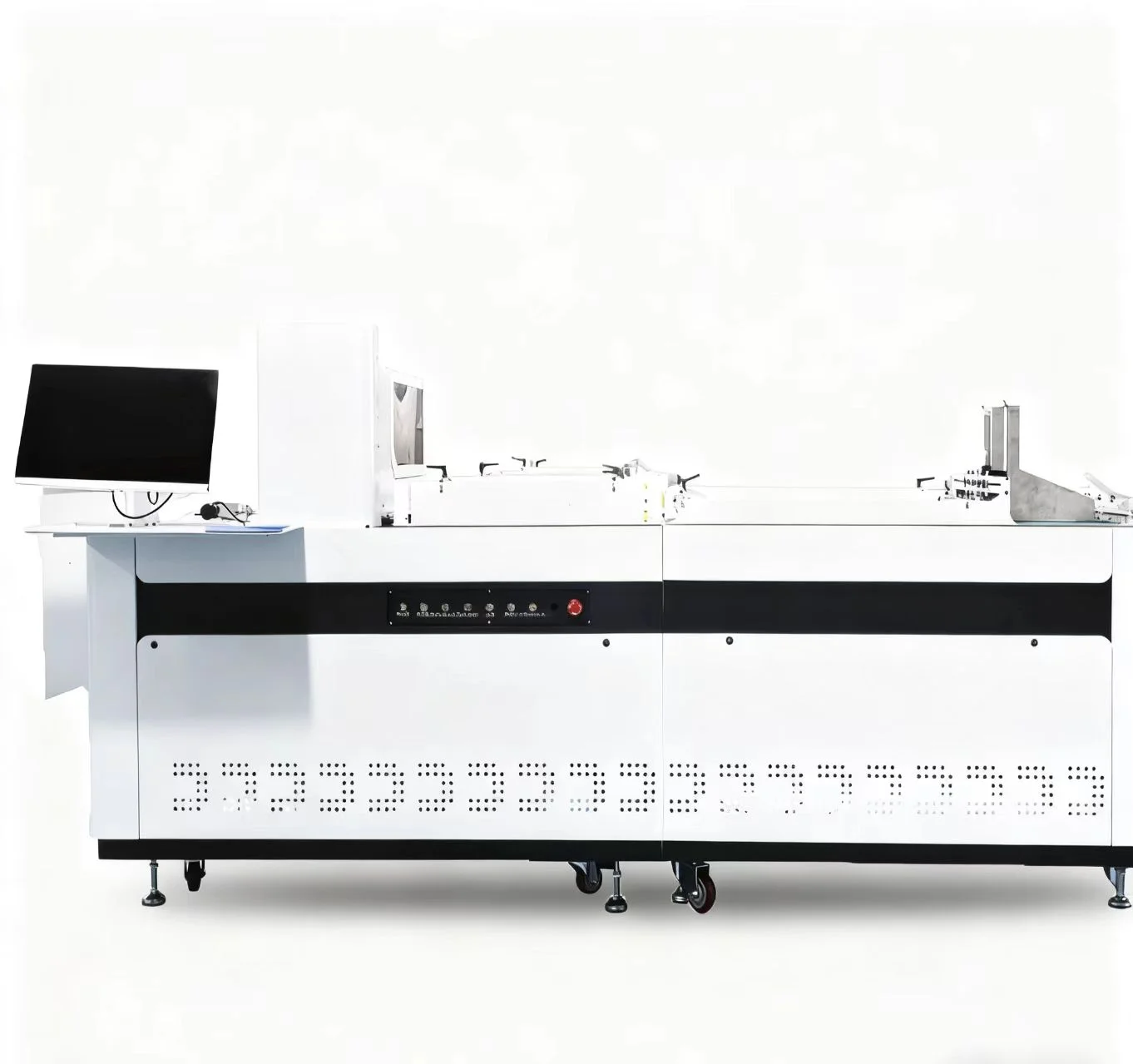
In the fast-moving world of industrial manufacturing, the laser iron cutting machine stands out as a game-changer. But why does it matter so much globally? Simply put, these machines transform how industries handle metalworking — offering higher precision, faster production, and less waste. From automotive factories in Germany to shipyards in South Korea, the laser iron cutting machine is reshaping the way we work with iron and steel. Grasping its function and benefits helps companies stay competitive and supports global infrastructure growth.
According to the International Organization for Standardization (ISO) and data from the World Bank, industrial metal fabrication remains a core driver in the global economy, contributing over $3 trillion annually in manufacturing output worldwide. However, traditional cutting methods often fall short — they’re slower, less precise, and more wasteful. Enter the laser iron cutting machine, which overcomes many of these challenges with revolutionary laser technology. This equipment tackles complex designs in lighter, faster, and more energy-efficient ways — a real boon when you reckon the environmental footprint of manufacturing is under the microscope like never before.
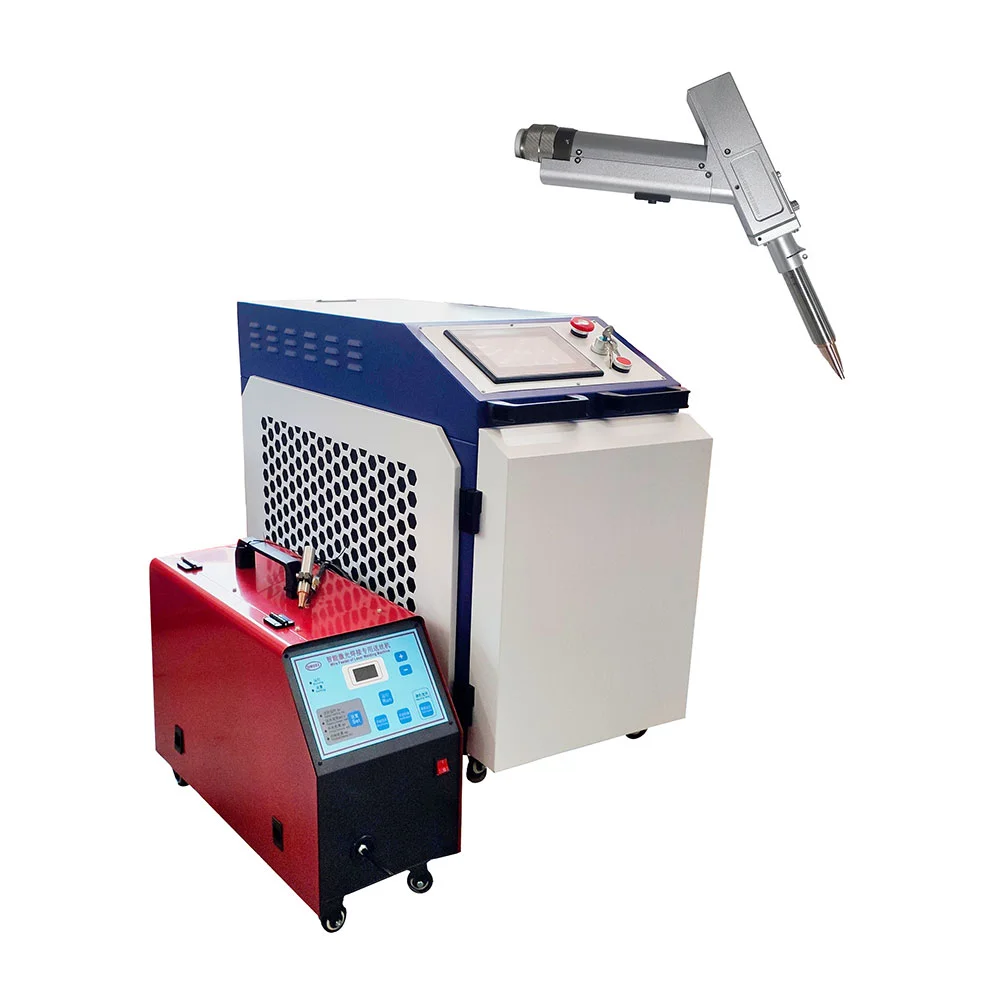
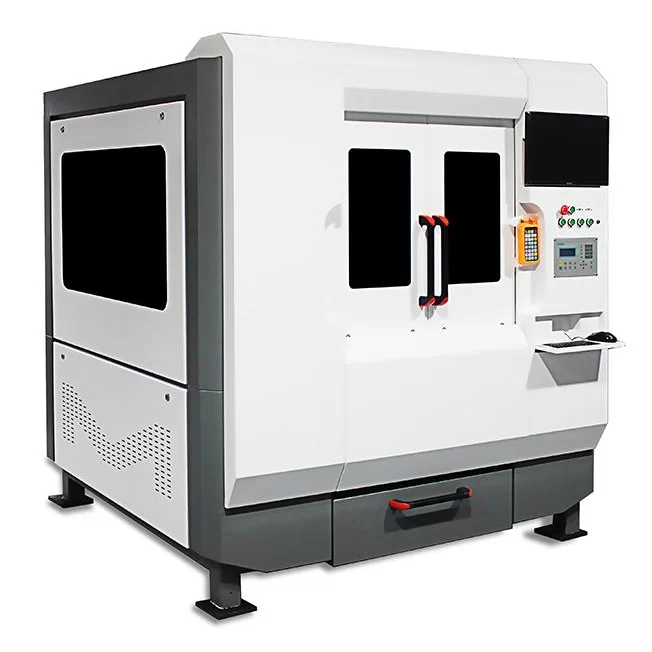
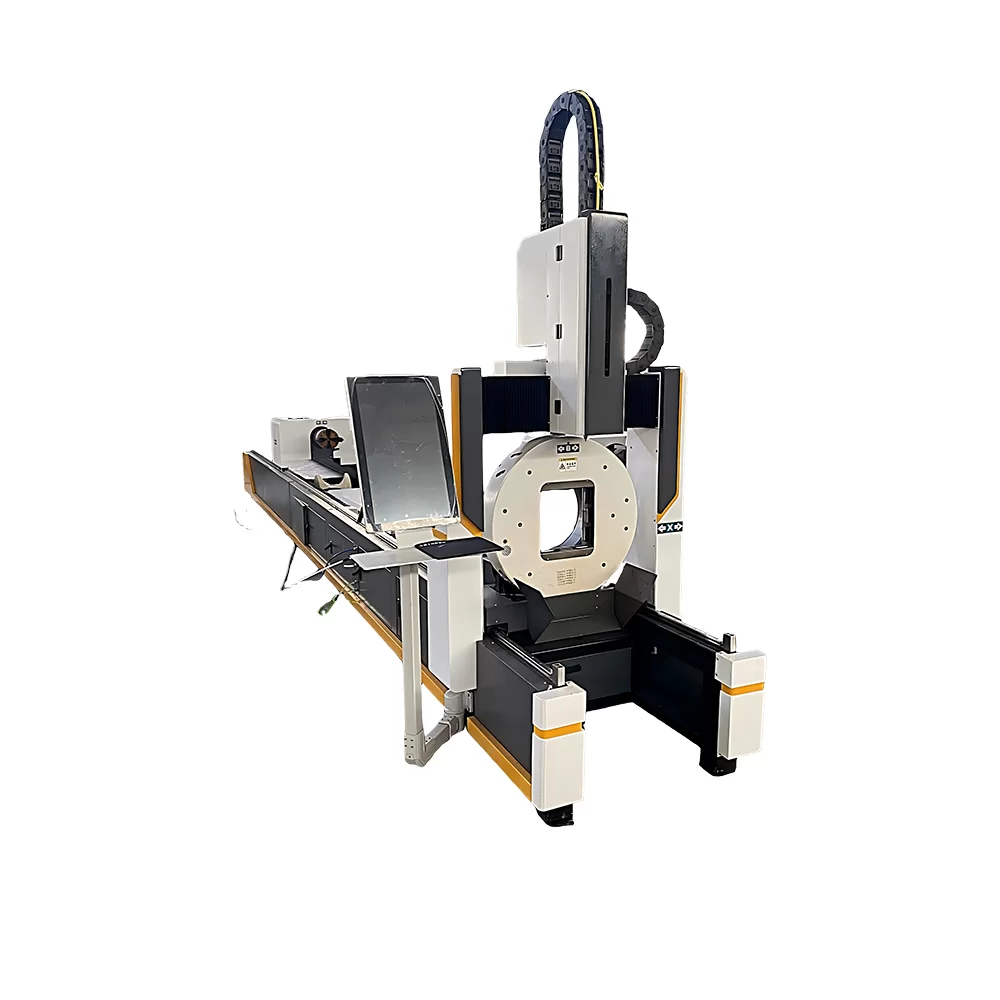
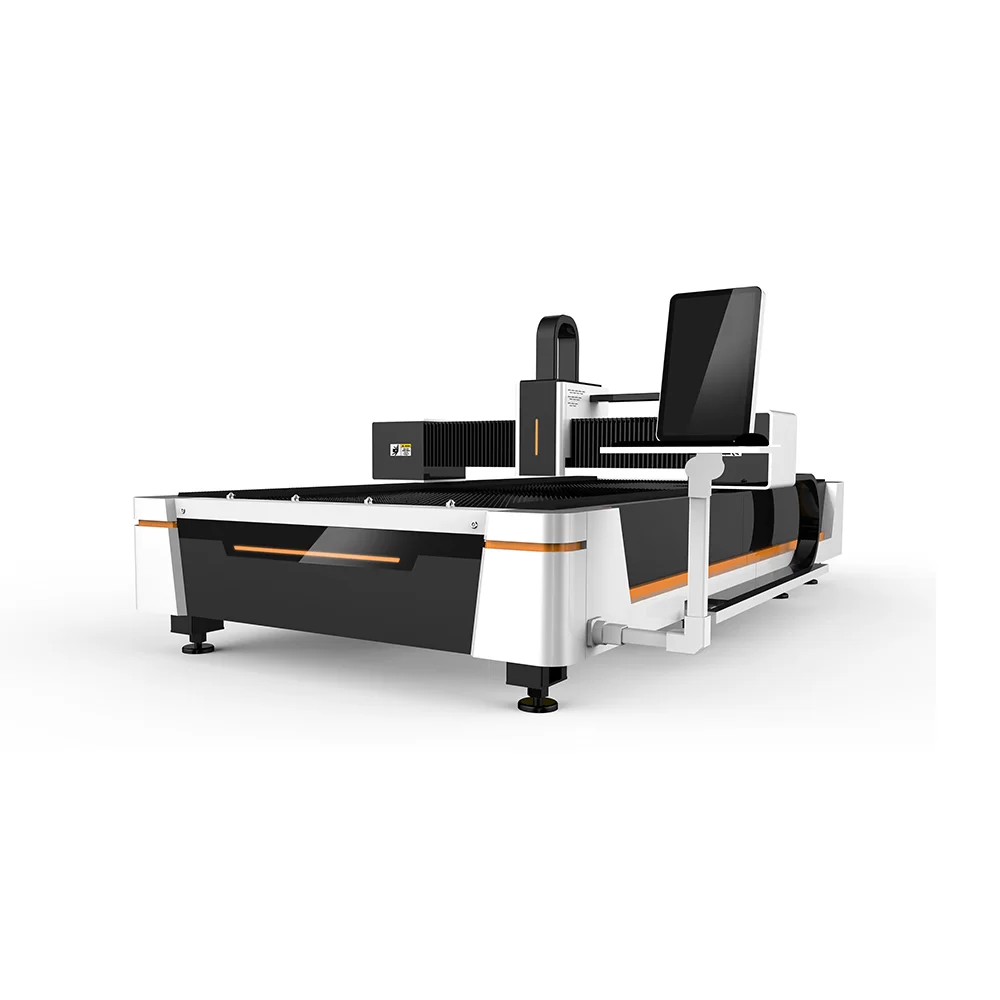
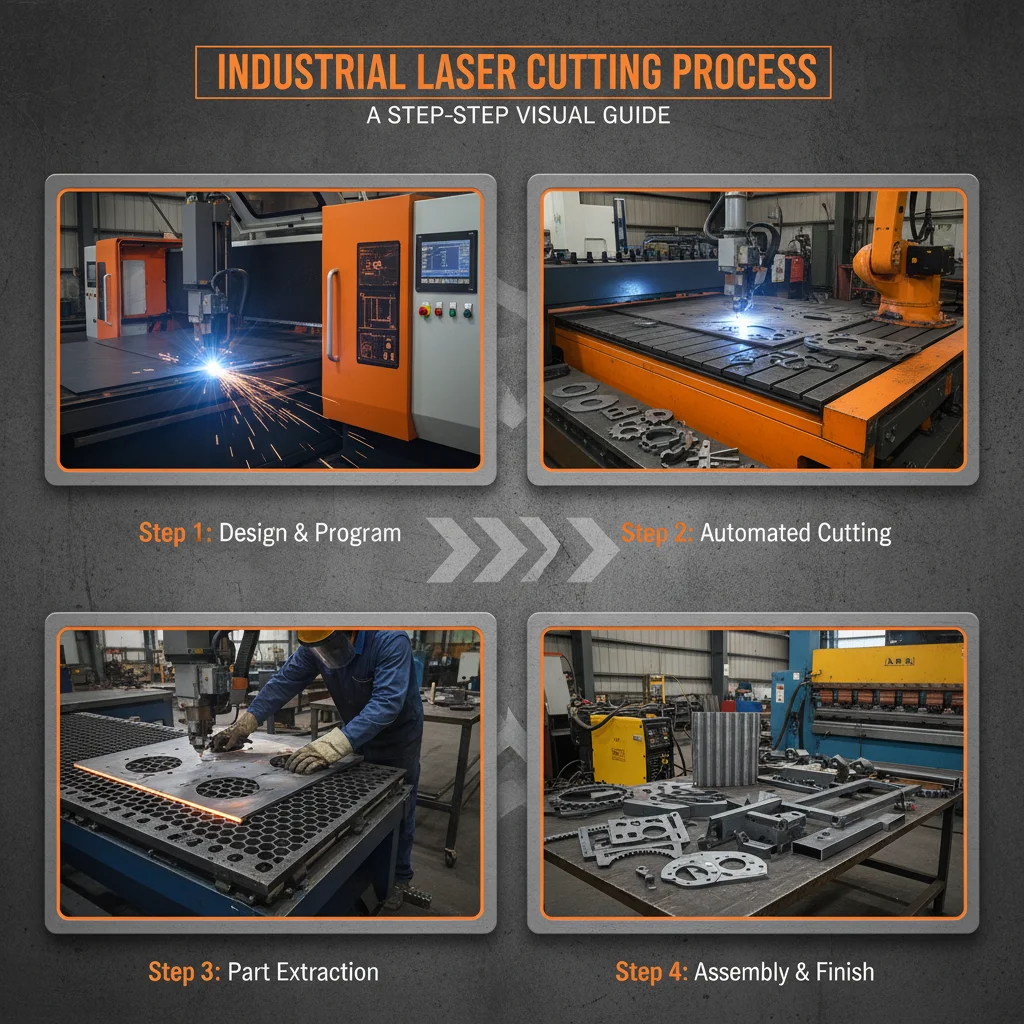
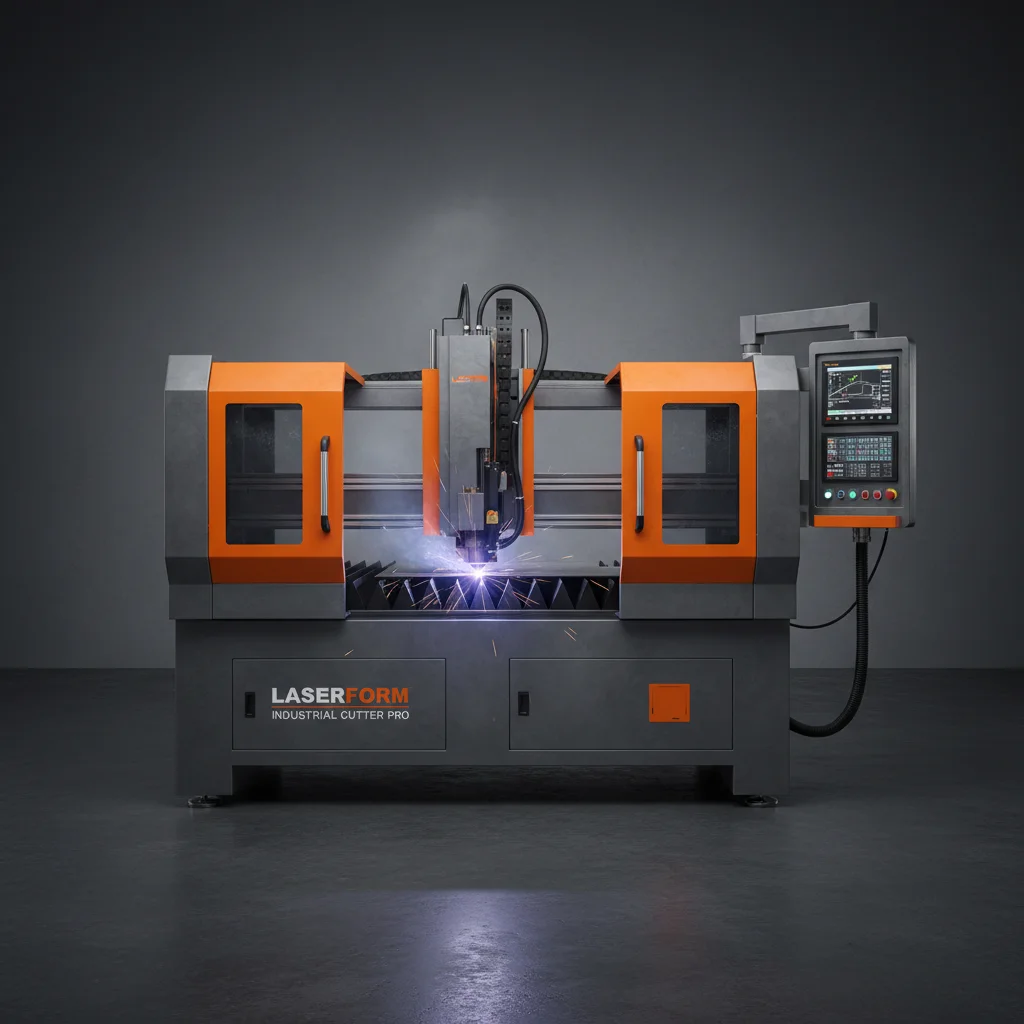
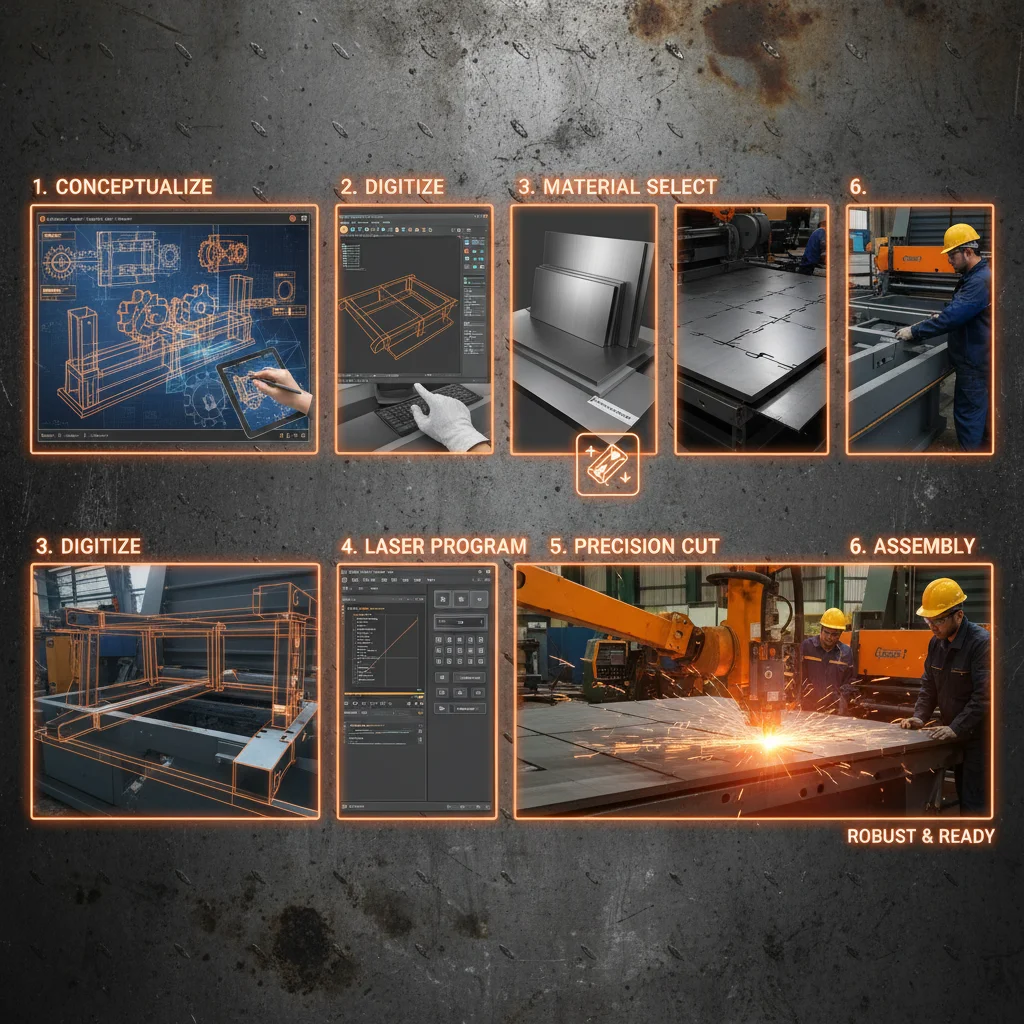
At its core, a laser iron cutting machine uses a high-powered laser beam to slice through iron and other metals with remarkable accuracy. Think of it as a precise, non-contact tool that vaporizes or melts metal along its path. Unlike mechanical saws or plasma cutters, lasers avoid physical wear and tear on tools while enabling intricate cuts in minimal time. It’s fairly common in modern industries — from aerospace to construction — where precision and speed are paramount. Humanitarian operations also leverage these machines to fabricate durable metal parts swiftly, essential for rebuilding efforts after natural disasters.
The laser’s ability to create clean, sharp cuts significantly reduces the need for post-processing, which saves time and cost. Precision is often measured in micrometers, which means even delicate designs with fine details become achievable.
Laser iron cutting machines are engineered for long-term continuous use with minimal maintenance. Their solid-state laser sources ensure stable output over thousands of working hours.
From cutting thin sheets of iron to thick plates over 25 mm, these machines adjust power and speed according to project requirements. This versatility makes them indispensable across varied industries.
Though initial investment might seem steep, the return on investment is compelling due to faster throughput, reduced labor, and decreased material wastage.
Laser cutting consumes less energy than traditional cutting techniques and generates fewer pollutants. This matches well with rising industrial sustainability goals.
| Model | Laser Power (W) | Max Cutting Thickness (mm) | Cutting Accuracy (mm) | Working Area (mm) |
|---|---|---|---|---|
| TSL-3015 | 2500 | 20 | ±0.1 | 3000 x 1500 |
| TSL-6020 | 4000 | 25 | ±0.08 | 6000 x 2000 |
Interestingly, the applications of laser iron cutting machines are incredibly diverse and cross many frontiers. In Europe’s automotive sector, these machines help manufacturers produce complex frame components rapidly and precisely, supporting innovations in electric vehicle design. In Asia, high-volume shipbuilding yards deploy laser cutters to precisely sculpt thick iron plates that form hulls, improving safety and material usage.
Even humanitarian groups find these tools invaluable. After earthquakes or floods, quick fabrication of metal parts for shelters or infrastructure repairs means communities regain stability sooner. In remote industrial zones in Africa and South America, these machines optimize scarce resources and empower local fabrication needs.
| Brand | Warranty (years) | Energy Efficiency | Automation Level | Price Range (USD) |
|---|---|---|---|---|
| TopStar Laser | 3 | A+ | Advanced CNC Automation | 30,000 - 60,000 |
| LaserTech Pro | 2 | B+ | Semi-Automated | 25,000 - 50,000 |
| IronCut Systems | 4 | A | Manual + CNC Hybrid | 20,000 - 45,000 |
Looking ahead, laser iron cutting machines are evolving alongside green energy and digital transformation waves. Integration with AI-powered CNC systems enables smarter cut planning, reducing errors and optimizing energy use. New laser sources such as fiber or ultrafast lasers are pushing speed and quality boundaries further. Moreover, combining these machines with real-time IoT monitoring means predictive maintenance reduces costly breakdowns — a huge boon in high-stakes industries.
No technology is without its quirks. Laser iron cutting machines can have limitations on cutting very thick steel or extremely reflective surfaces. Moreover, initial setup and operator training need attention to maximize returns. Yet, many experts recommend modular machine designs and hybrid cutting methodologies combining lasers with plasma or waterjet tools. This flexibility addresses tough materials while keeping overall efficiency high. Plus, advances in automation and user-friendly interfaces are steadily lowering the expertise barrier.
The laser iron cutting machine symbolizes how advanced technology truly transforms industrial operations worldwide. Its blend of precision, efficiency, and sustainability offers long-term benefits that echo across sectors and borders. Whether you’re upgrading a manufacturing line or exploring new fabrication methods, this technology invites innovation with proven reliability.
For those interested in exploring the best options and expert-driven solutions, I invite you to visit TopStar Laser’s website to discover cutting-edge models and tailored support.
A personal note: In my years covering industrial tech, the evolution of laser cutting has been a fascinating journey — one that showcases how precision and sustainability can go hand in hand. The ripple effects of such technologies are already impacting global manufacturing in profound ways, and it feels like we’re only scratching the surface.