
Shijiazhuang Topstar
International Trading Co., Ltd.


Get In Touch
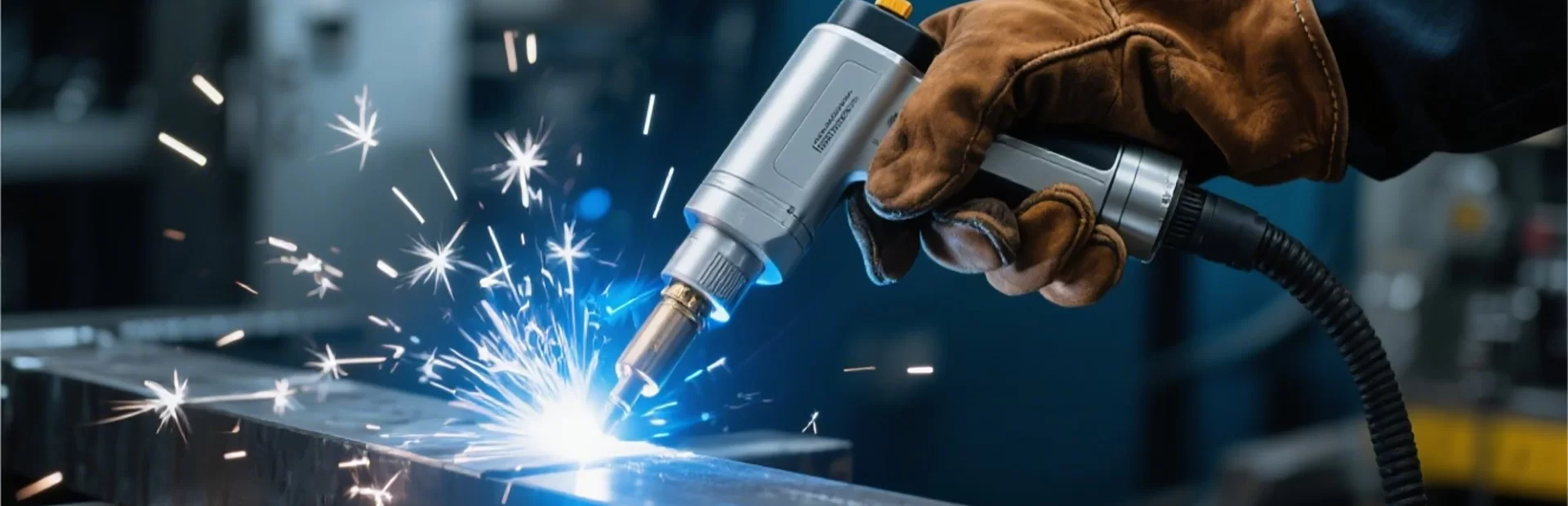
In the modern manufacturing landscape, the demand for extreme precision and rapid turnaround has never been higher. The cnc sheet metal laser cutting machine has emerged as the gold standard for industries requiring intricate designs and flawless edges. By combining computer numerical control (CNC) with high-energy laser beams, these machines eliminate the errors associated with manual cutting and traditional mechanical stamping. Whether you are producing aerospace components or custom architectural panels, investing in the right laser technology ensures a competitive edge through reduced waste and enhanced production speed.

At its core, the cnc sheet metal laser cutting machine operates by directing a focused beam of light onto a metal surface. The "CNC" aspect refers to the automated control system that reads a CAD file and moves the laser head with micron-level accuracy across the X and Y axes. As the laser hits the metal, it melts or vaporizes the material, while a high-pressure assist gas (such as oxygen or nitrogen) blows the molten metal away, leaving a clean, narrow kerf. This process is significantly faster than traditional milling and requires no physical contact with the workpiece, preventing deformation.
Pro Tip: Choosing between Fiber lasers and CO2 lasers depends on your material. Fiber lasers are generally superior for thin to medium sheet metals due to their higher energy efficiency and faster cutting speeds.
Transitioning to a cnc sheet metal laser cutting machine offers transformative benefits for any workshop. First, the precision is unmatched, allowing for complex geometries that would be impossible with punch presses. Second, the flexibility is absolute; changing a design simply requires updating a software file rather than machining a new die. Finally, the reduction in secondary operations is a major cost-saver, as the edges are often so smooth they require no further deburring or grinding before assembly.
Operational Benefits:
• Material Optimization: Advanced nesting software reduces scrap metal.
• Consistency: Every single piece is an exact replica of the first.
• Speed: Rapid cutting cycles increase overall factory throughput.
• Low Maintenance: Modern fiber lasers have few moving parts compared to mechanical cutters.
When selecting a cnc sheet metal laser cutting machine, understanding the technical parameters is essential for ensuring the machine can handle your specific material thickness and volume. Most professional machines are categorized by their power output (measured in Watts or Kilowatts) and their working table size. The following table outlines the typical specifications for industrial-grade sheet metal laser cutters.
Many shops struggle to decide between a cnc sheet metal laser cutting machine and a plasma cutter. While plasma cutting is often cheaper for very thick plates of mild steel, it lacks the precision of laser technology. Laser cutting produces a much narrower cut (kerf), which means less material is wasted and the edges are significantly smoother. Furthermore, laser systems are far more capable of handling reflective metals like aluminum and brass with high quality, whereas plasma can often leave a heavy dross layer that requires extensive manual cleanup.

The versatility of the cnc sheet metal laser cutting machine allows it to be integrated into various sectors. In the automotive industry, it is used for chassis components and custom body panels. In electronics, it creates precise enclosures and heat sinks. Even the medical field relies on laser cutting for surgical instrument components where hygiene and precision are non-negotiable. The ability to switch between materials like stainless steel, carbon steel, and aluminum within minutes makes it an indispensable tool for job shops that handle diverse client requirements.
To ensure your cnc sheet metal laser cutting machine operates at peak performance for a decade or more, a strict maintenance schedule is required. Key areas of focus include the cleaning of the protective lens and nozzles, which can become contaminated with dust and metal splatter. Regularly checking the chiller's water quality prevents scaling inside the laser source, which could otherwise lead to catastrophic failure. Additionally, lubricating the guide rails and checking the belt tension ensures that the CNC movement remains fluid and accurate over millions of cycles.
Investing in a cnc sheet metal laser cutting machine is more than just a hardware upgrade; it is a strategic move toward automation and precision. By reducing manual labor, eliminating costly errors, and opening the door to complex designs, laser cutting empowers manufacturers to scale their operations efficiently. Whether you are a small fabrication shop or a large-scale industrial plant, the precision and reliability of modern CNC lasers provide the foundation for sustainable growth and superior product quality.
Modern CNC laser machines are incredibly versatile. They can effortlessly cut through a wide array of metals, including carbon steel, stainless steel, aluminum, brass, and copper. The ability to cut these materials depends largely on the type of laser (Fiber vs. CO2) and the power of the source. For instance, Fiber lasers are particularly efficient at cutting reflective metals like copper and brass, which were previously difficult for older laser systems to handle without risking damage to the machine.
Choosing the right wattage depends on two factors: the thickness of the metal you intend to cut and the desired speed of production. A 1kW to 3kW machine is typically sufficient for thin sheets (1-6mm). If you are working with thicker plates (10mm to 25mm), you will need 6kW to 12kW or higher. Higher power not only allows for thicker cuts but also significantly increases the cutting speed for thinner materials, which improves your overall ROI by increasing hourly output.
While the initial investment in a cnc sheet metal laser cutting machine can be higher than some basic punching machines, the total cost of ownership is often lower. This is because laser cutting eliminates the need to design and manufacture expensive physical dies for every new part. For low-to-medium volume production or custom jobs, laser cutting is far more cost-effective. For extremely high-volume identical parts, punching may be faster, but laser cutting offers unparalleled design freedom.
Assist gases play a critical role in the quality of the cut. Oxygen is typically used for carbon steel to create an exothermic reaction that speeds up the cutting process. Nitrogen is used for stainless steel and aluminum to prevent oxidation, resulting in a clean, silver edge that doesn't require polishing. Using the wrong gas can lead to burnt edges, excessive dross, or slower cutting speeds, so choosing the correct gas for your specific material is vital for professional results.


