Shijiazhuang Topstar
International Trading Co., Ltd.


Get In Touch
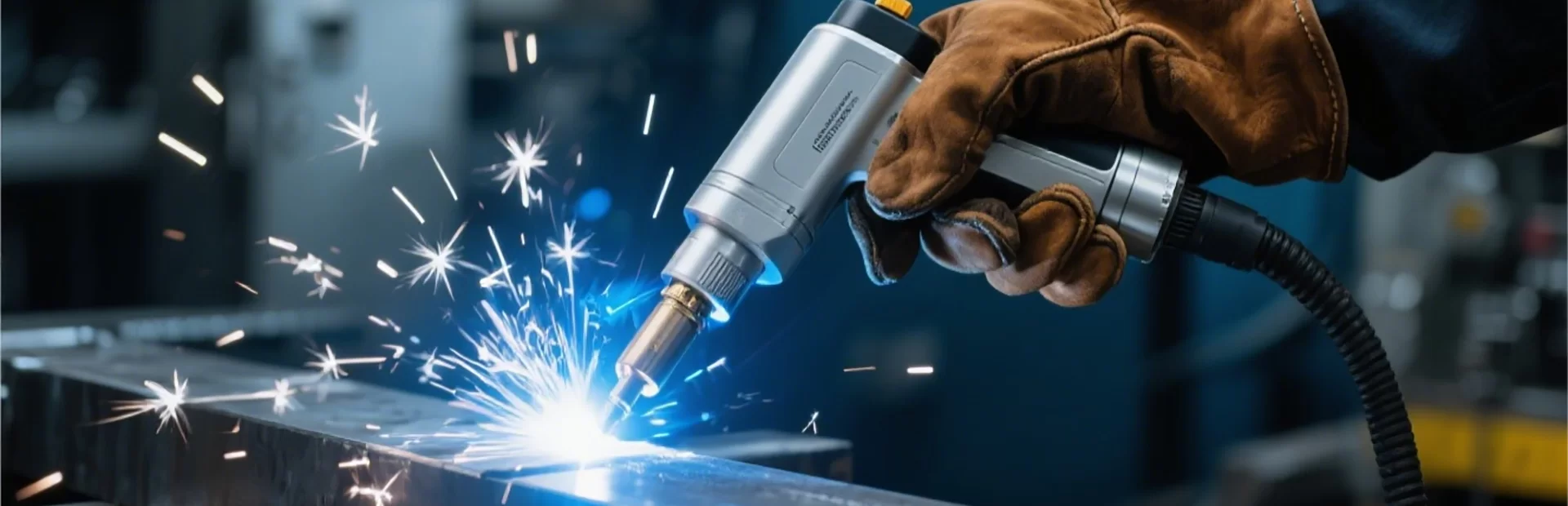
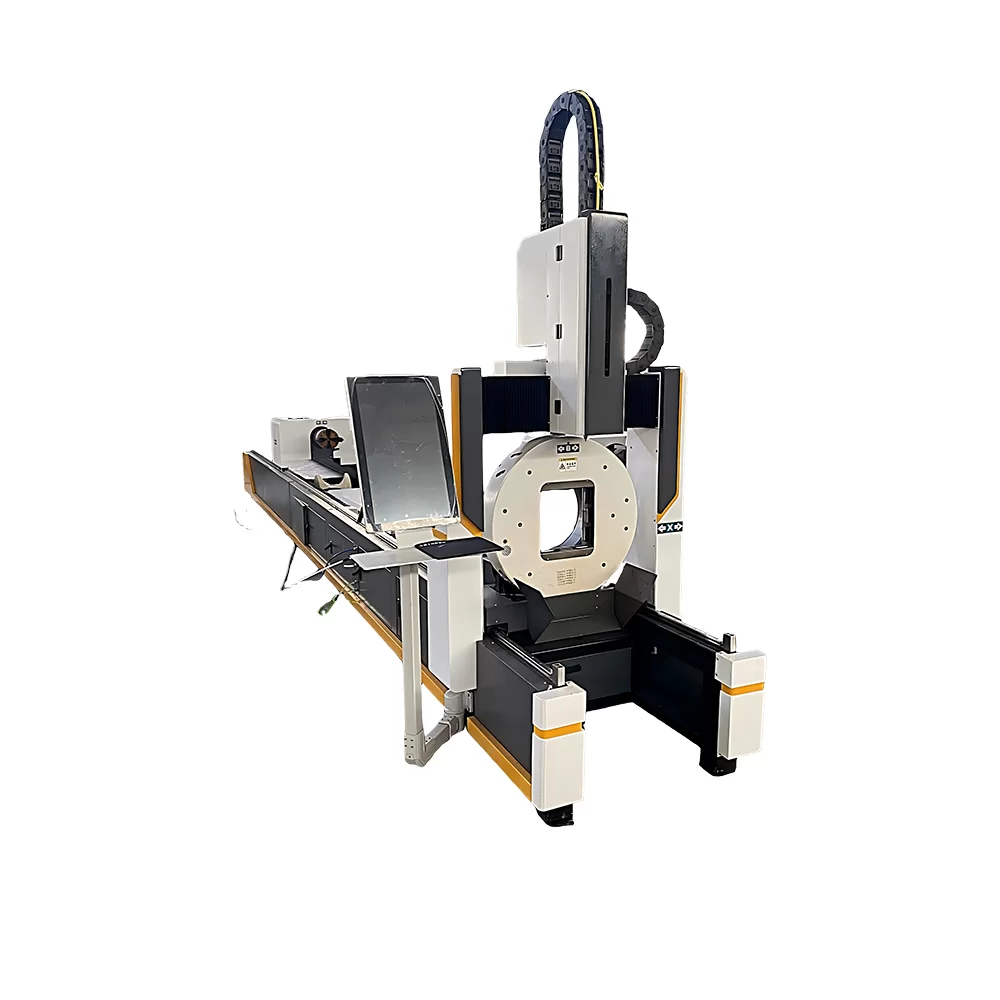
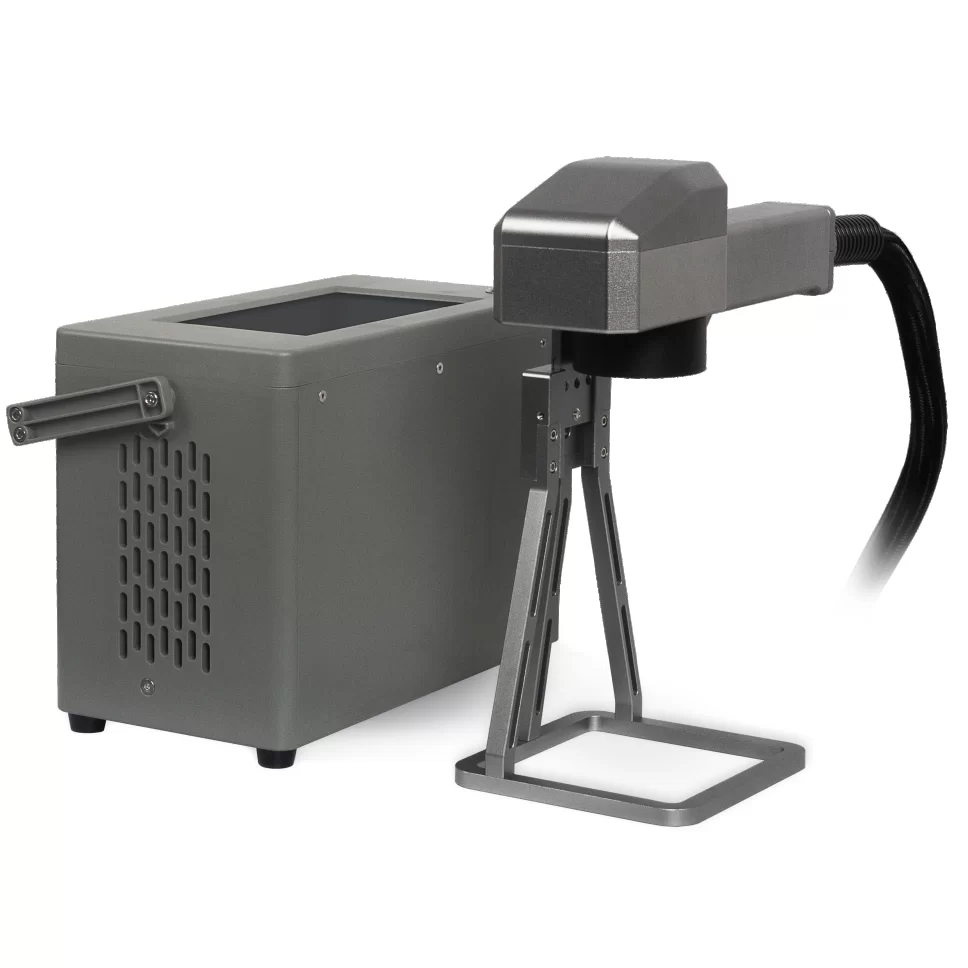
Laser cutting machine is an automated equipment that uses high energy density laser beam to accurately cut various types of plates. Its core advantages are non-contact, high precision and high efficiency. It is widely used in industrial manufacturing and various plate processing scenarios.
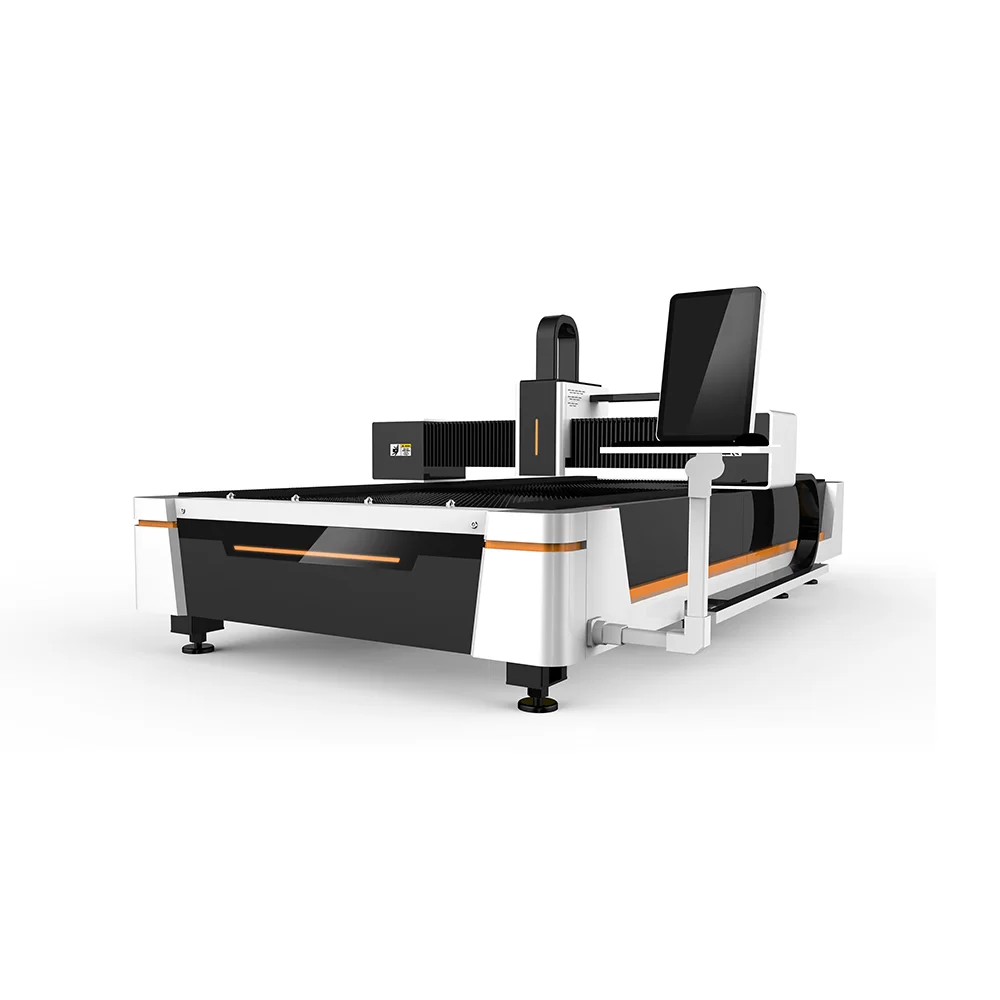
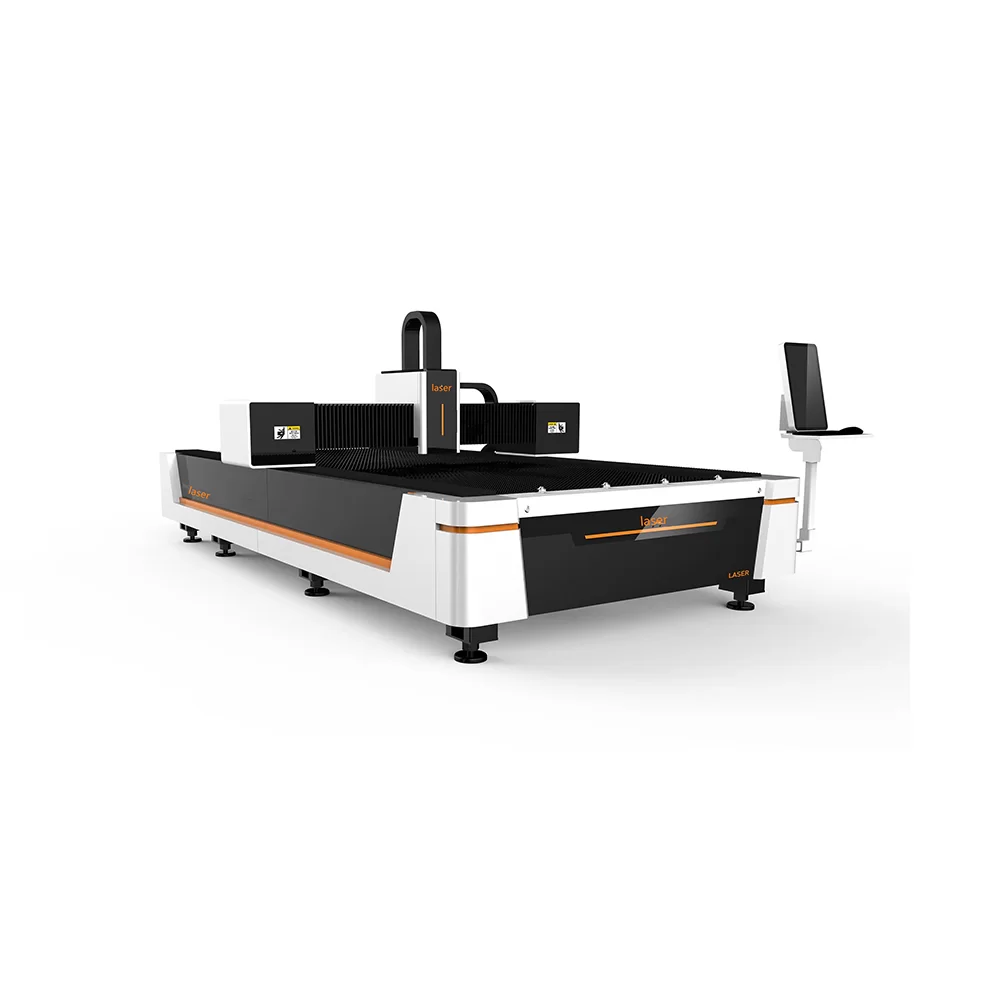
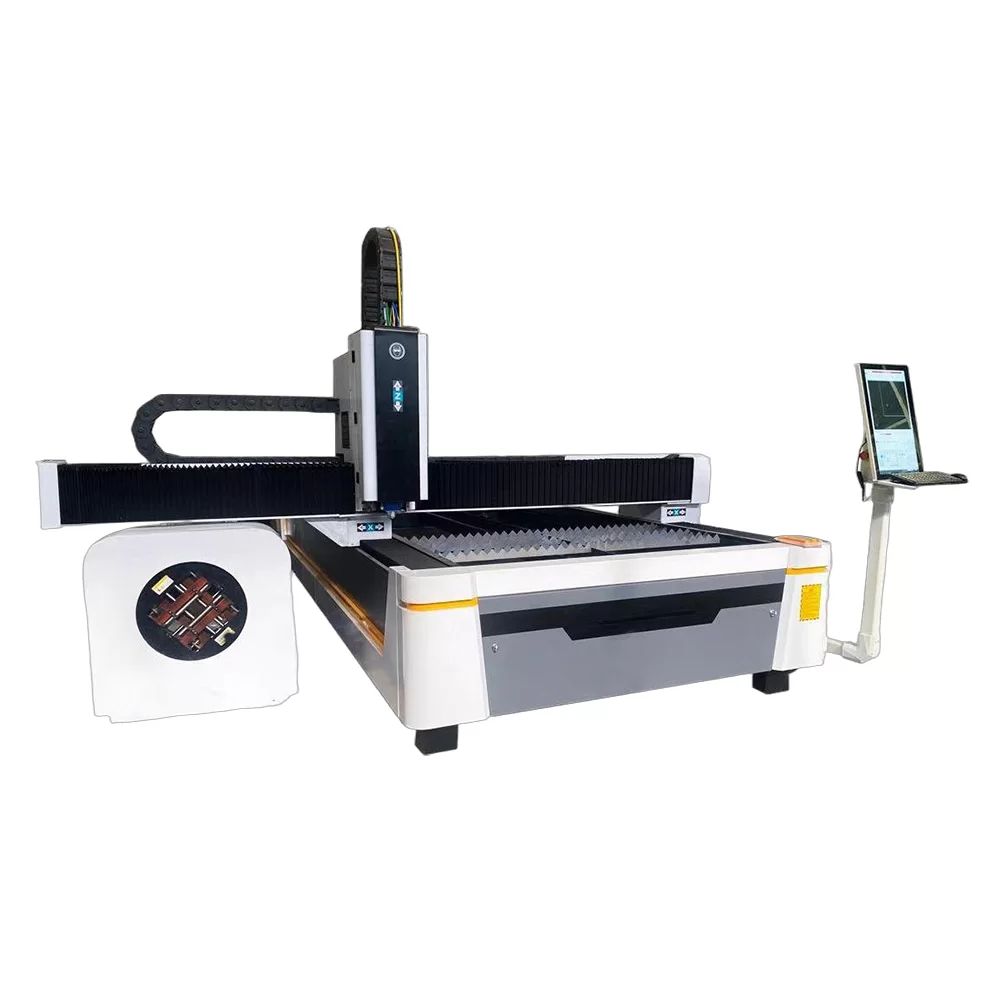
Laser cutting machines are "efficient and precise tools" for modern sheet metal processing. With their flexibility and precision, they have gradually replaced traditional mechanical cutting and become core processing equipment in many industries.
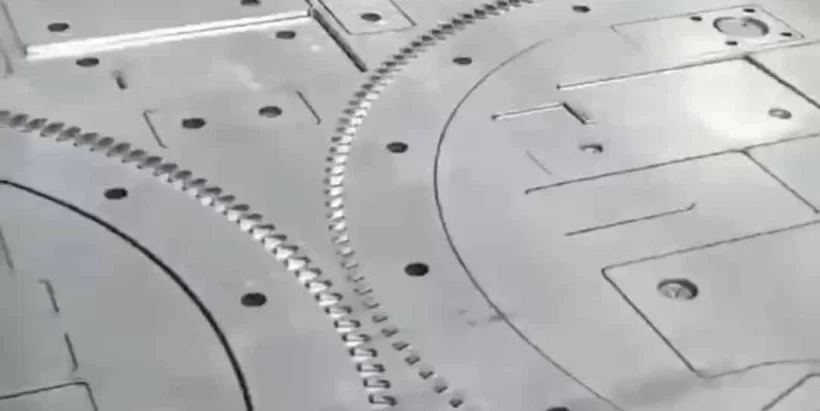
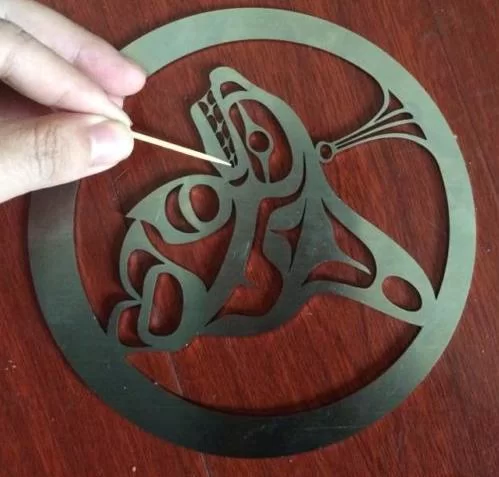
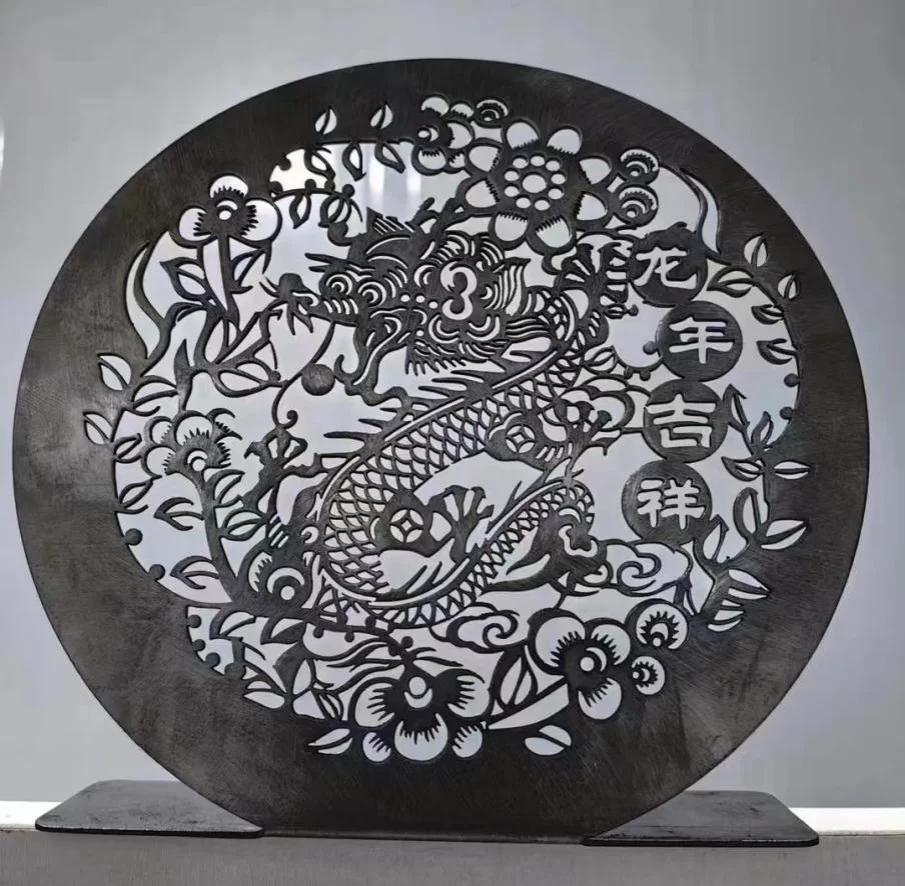
1.1High Precision: Small spot size, narrow kerf, and minimal error, suitable for complex patterns and precision parts.
2.Non-Contact, No Material Damage: No mechanical pressure, preventing material deformation and scratches, suitable for thin, fragile, or delicate sheets.
3.High Efficiency: High cutting speed for thin and medium sheets, eliminating frequent tool changes. CNC automatic operation reduces downtime.
4. Wide Compatibility: Simply change the laser type or adjust the parameters to cut metals and non-metals without having to change equipment.
5.Reduced Post-Processing: No additional grinding is required for trimming, resulting in minimal debris and reduced cleaning and secondary processing.
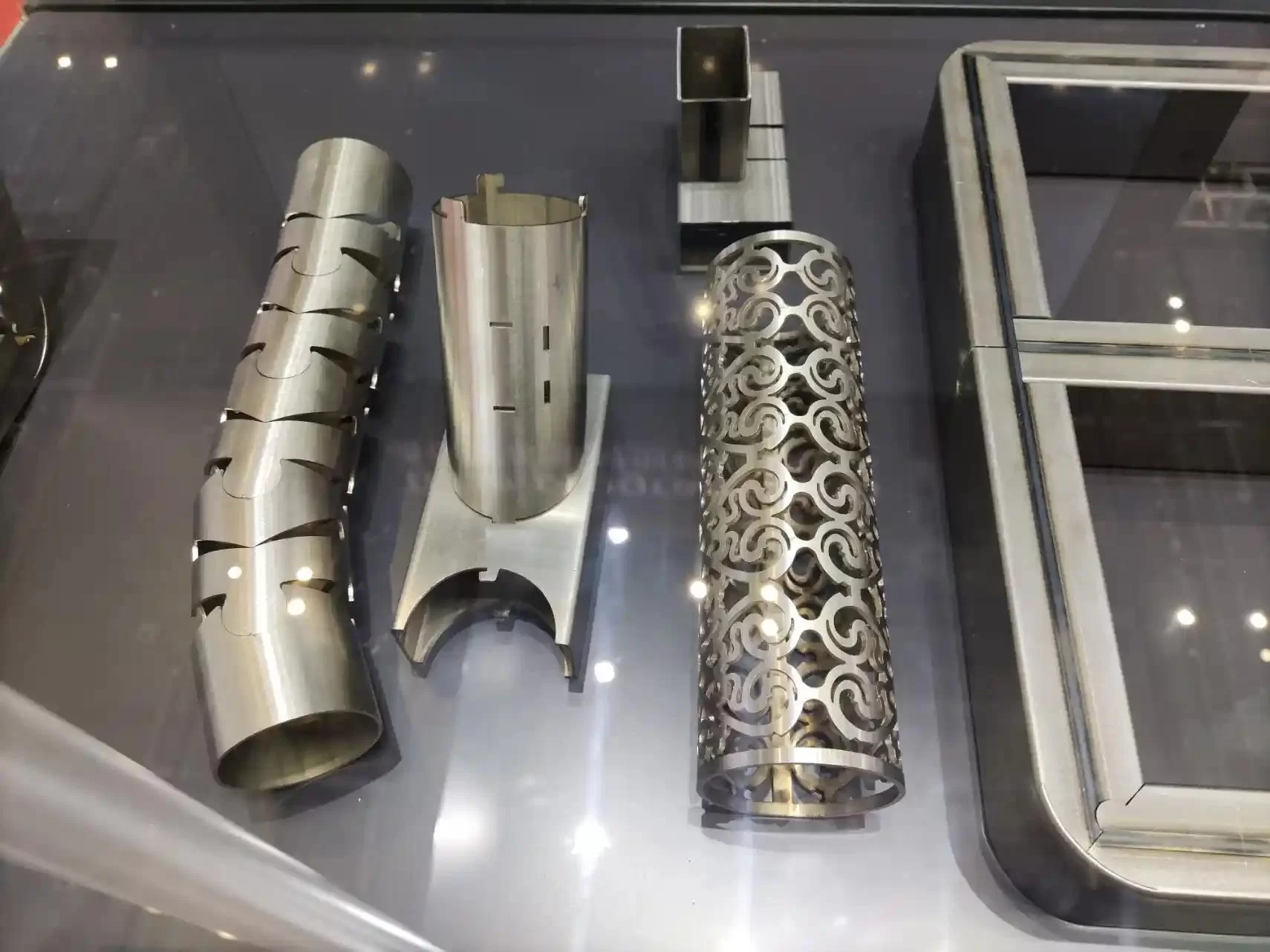
Laser cutting machines are widely used in industrial manufacturing, advertising decoration, furniture and building materials, medical electronics, cultural and creative packaging and other fields due to their adaptability to fiber laser cutting of metals and CO₂ laser cutting of non-metals, meeting the needs of precise or personalized processing of various types of plates.
Name | Paramerers | Unit |
Machine model | 1530 | |
Laser Source | Max6000 | w |
Water cooler Power | 6.0 | kw |
Software | Raytools | |
Guide | Taiwan | |
Rack | Vastun, Germany | |
Servo Motor | leadshine | |
Reducer | Japanese SHIMPO | |
Minimum cutting width | 0.08-0.1 | mm |
Maximum cutting thickness | 25Carbon steel 18stainless steel | mm |
Maximum moving speed | 100 | m/min |
Electricity requirements | 380/50,60 | v/hz |
Graphic Format Supported | PRO/E.UG, Solidworks | |
Acceleration | 1.0 | G |
Total power | 30 | kw |
Presser of N2/O2/AIR | 15-20/6-8/15-30 | bar |
Total Weight | 3.5 | t |
Work per day | 16 | h |
Lay out | 4.4*2.28*1.85 | m |
Oil Box | Auto Oil Injection System |
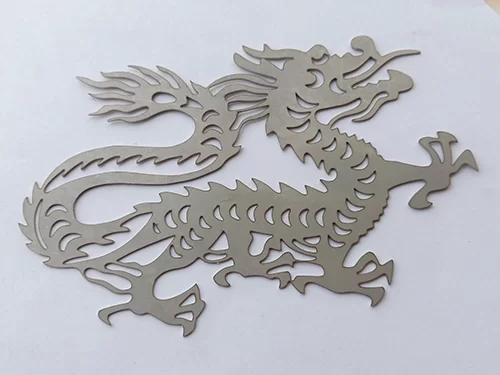
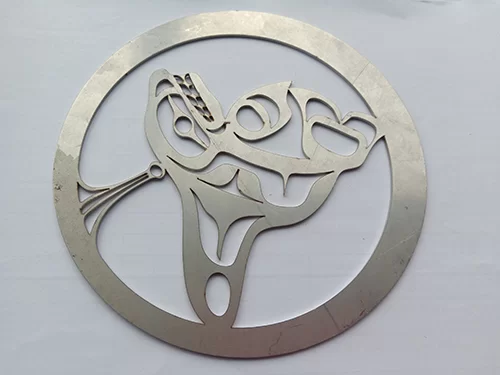
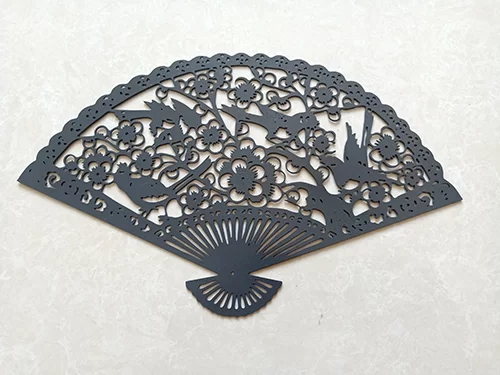
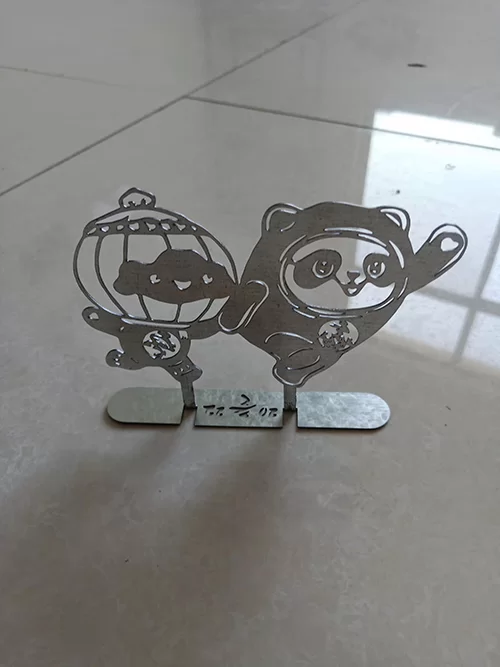
In the landscape of modern industrial production, the sheet metal laser cutting machine factory serves as the backbone of high-efficiency fabrication. The transition from traditional mechanical shearing and punching to advanced laser technology has redefined the standards of speed and quality. An industrial laser cutting machine for sheet metal operates on the principle of directed thermal energy. By focusing a high-intensity laser beam through a specialized nozzle, the machine concentrates enough energy to melt or vaporize steel, aluminum, and other alloys within a fraction of a second. This "non-contact" nature is a significant advantage; unlike mechanical blades that dull over time or exert physical pressure that can warp thin materials, the laser beam remains perfectly sharp and exerts zero force, ensuring that the structural integrity of the sheet metal is preserved.
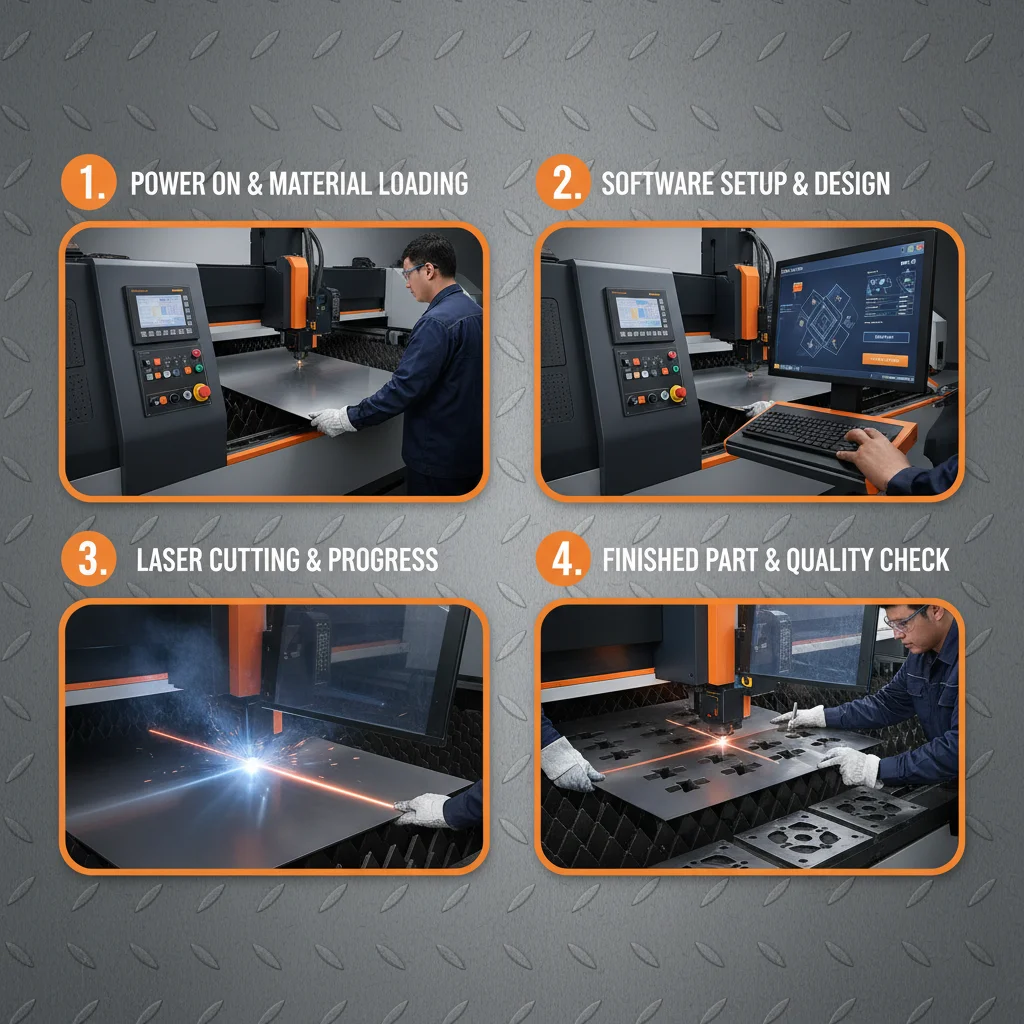
The architecture of a high-end sheet metal laser cutter involves several integrated systems working in perfect harmony. The laser source (typically a fiber laser for metal applications) generates the beam, while the CNC (Computer Numerical Control) system acts as the "brain," translating complex digital designs into precise X, Y, and Z-axis movements. Finally, the assist gas system—using either Oxygen, Nitrogen, or compressed air—blows away the molten material to create a clean, burr-free edge. This synergy allows for high efficiency; in a high-volume manufacturing environment, the ability to cut complex geometries at high speeds means that throughput is dramatically increased while operational costs per part are lowered.
Precision is a non-negotiable requirement in industrial manufacturing. A high-quality laser cutter for metal sheets can achieve tolerances as tight as 0.05mm. This level of accuracy is essential for industries like aerospace or electronics, where components must fit together with microscopic perfection. Because the laser creates a very small spot size, the resulting "kerf" (the width of the cut) is incredibly narrow. This allows for a process called "nesting," where parts are arranged extremely close together on a single sheet of metal to minimize waste. By reducing scrap, manufacturers save on material costs and contribute to more sustainable production practices.
Furthermore, the versatility of these machines allows for reduced post-processing. Traditional methods often leave behind rough edges or thermal distortion that require secondary grinding or flattening. However, because the laser's heat-affected zone (HAZ) is so localized, the surrounding material remains cool and stable. The resulting cut is smooth and ready for the next stage of production, whether that be welding, painting, or assembly. This streamlined workflow is why a laser cutting machine for steel plate is now considered an indispensable asset on any modern factory floor.
Stainless steel is widely regarded as one of the most challenging yet rewarding materials to process in the sheet metal industry. Its high melting point, combined with its aesthetic and anti-corrosive properties, requires a specialized laser stainless steel cutting machine to achieve optimal results. When processing stainless steel, the choice of assist gas is critical. Unlike carbon steel, which is often cut with Oxygen to utilize an exothermic reaction, stainless steel is typically processed using high-pressure Nitrogen. This "fusion cutting" method prevents oxidation of the cut edge, ensuring that the metal retains its shiny finish and corrosion resistance without the need for secondary polishing.
The wide compatibility of modern laser systems is especially evident when dealing with different grades of stainless steel, such as 304 or 316. A high-power laser cutting machine for sheet metal can easily penetrate thicknesses ranging from 0.5mm to over 30mm. For thin decorative sheets used in furniture or architectural facades, the non-contact nature of the laser ensures that the surface remains free of scratches or mechanical blemishes. This is vital for "mirror-finish" or "brushed" stainless steel, where even a minor surface defect could lead to the rejection of an entire batch.
Another significant advantage is the ability to execute complex laser cutting sheet design. Stainless steel is frequently used in the food and medical industries, where intricate drainage patterns, ventilation slots, or custom branding are required. Traditional stamping dies for these patterns would be prohibitively expensive and time-consuming to manufacture. With a CNC-driven laser, the operator simply uploads a CAD file and the machine begins cutting. This flexibility allows companies to offer personalized processing or small-batch production without the overhead of custom tooling.
The efficiency of a sheet metal laser cutter in stainless steel processing also extends to its maintenance and uptime. Modern fiber lasers are designed for high reliability, with many sources rated for 100,000 hours of operation. Since there are no physical tools to sharpen or replace, the reduced post-processing and low maintenance requirements mean that the machine can run nearly continuously. For businesses looking to invest in this technology, finding a sheet metal laser cutting machine for sale that includes advanced cooling and filtration systems is key, as stainless steel dust can be abrasive and requires efficient extraction to maintain long-term precision.
As the global demand for infrastructure and consumer goods grows, the role of a sheet metal laser cutting machine manufacturer as an OEM (Original Equipment Manufacturer) supplier has become increasingly vital. A reliable supplier does more than just sell equipment; they provide a comprehensive solution that includes hardware, software integration, and long-term technical support. For global buyers, finding a reputable sheet metal laser cutting machine factory is about ensuring consistency, scalability, and adherence to international safety and quality standards.
An OEM supplier must provide machines that are compatible with a variety of materials to serve diverse markets. Whether a client needs a laser aluminum cutting machine for the lightweight automotive sector or a laser cutting machine for steel plate for heavy construction, the supplier must offer customizable configurations.
Transparency in the supply chain is a hallmark of a top-tier sheet metal laser cutting machine manufacturer. This involves using high-quality components for the core equipment, such as precision servo motors, high-grade gear racks, and industry-leading laser sources. When a business searches for a sheet metal laser cutting machine for sale, they are looking for a machine that can withstand the rigors of 24/7 operation in varied climates. A global supplier must ensure that their wide compatibility extends not just to materials, but to the power grids and software ecosystems of their international clients.
Finally, the value of an OEM partner lies in their ability to foster innovation. By analyzing trends in laser cutting sheet design, suppliers can develop new features, such as real-time monitoring or AI-driven nesting, which further push the boundaries of precision and efficiency. For the global market, this means that even a small workshop can access the same level of technology as a massive automotive plant. By providing affordable yet high-performance sheet metal laser cutter solutions, OEM suppliers are democratizing precision manufacturing and enabling a new era of industrial growth across the globe.