Shijiazhuang Topstar
International Trading Co., Ltd.


Get In Touch
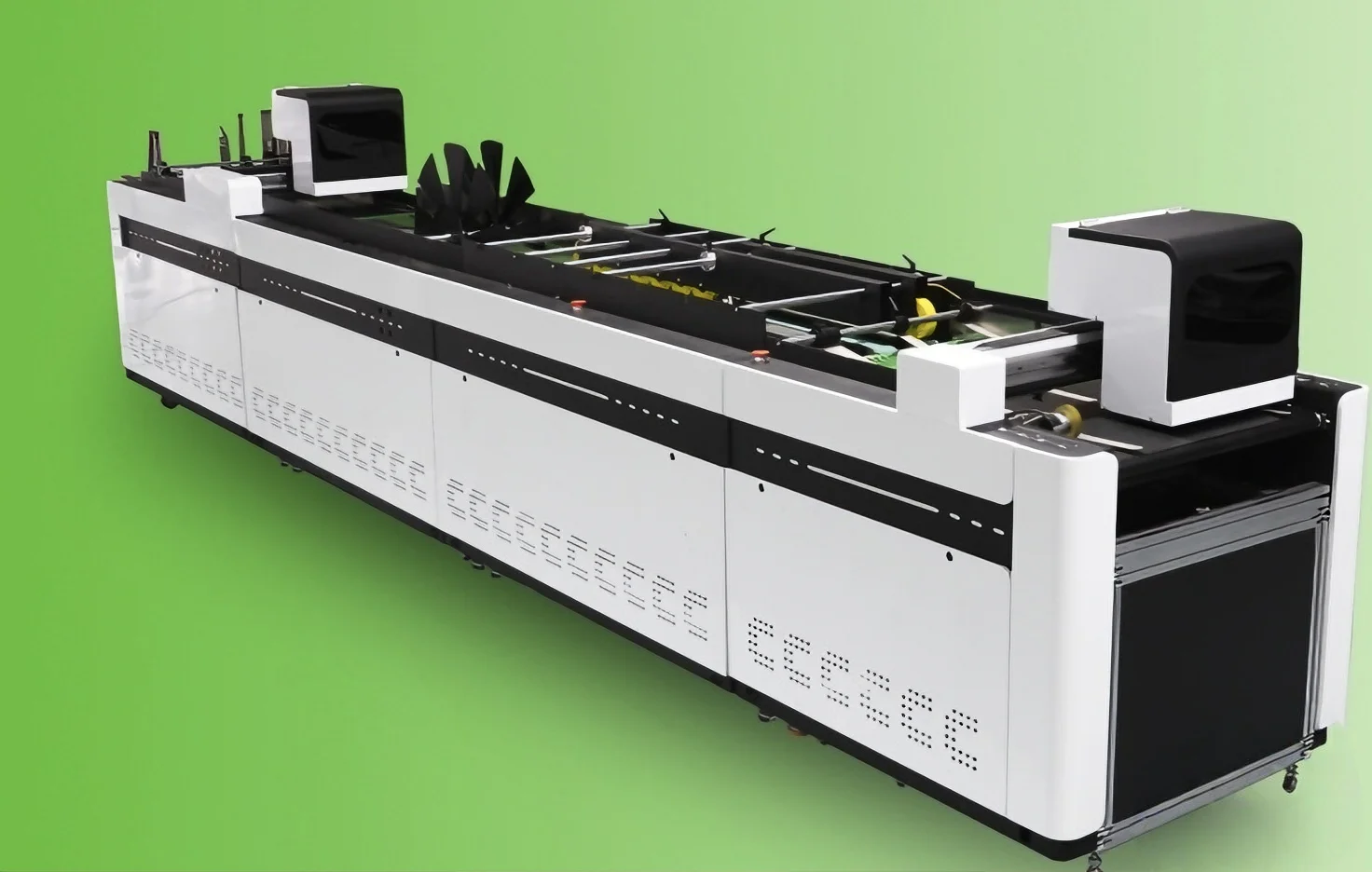
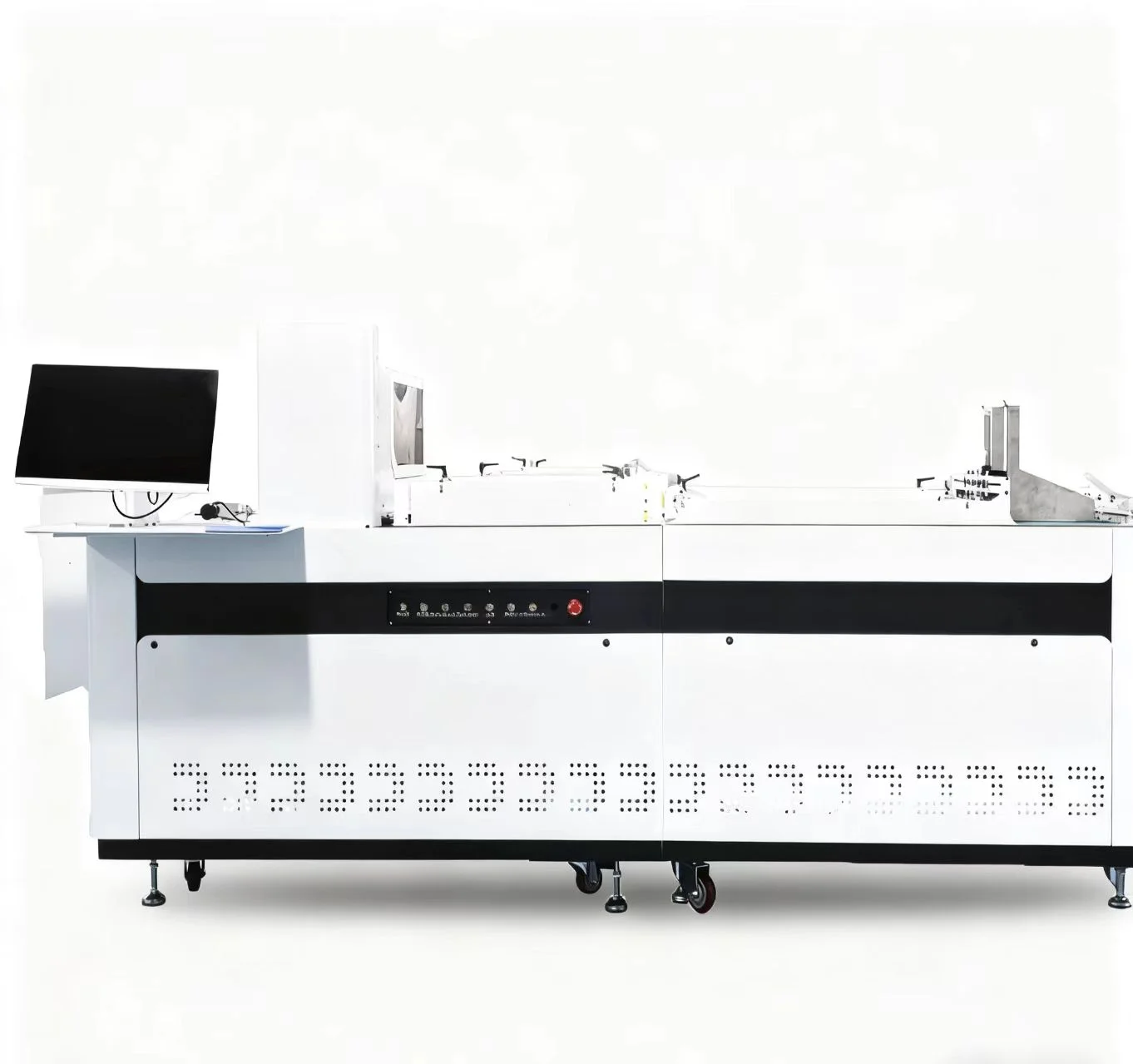
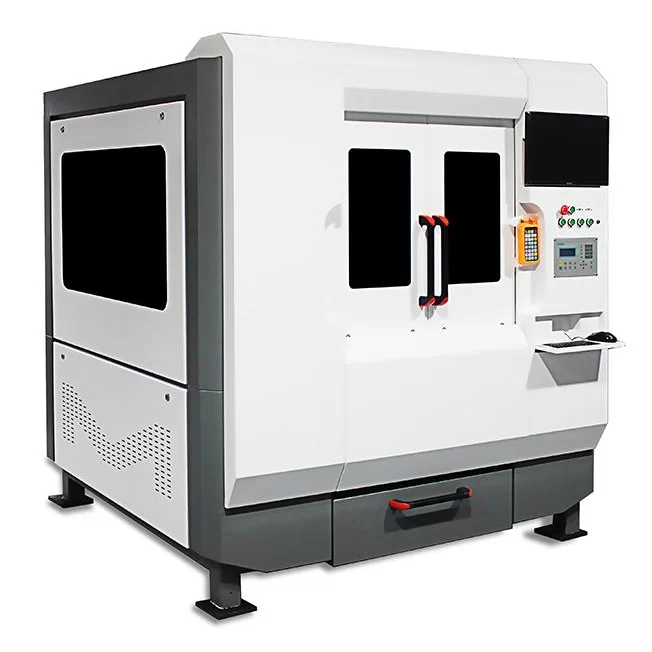
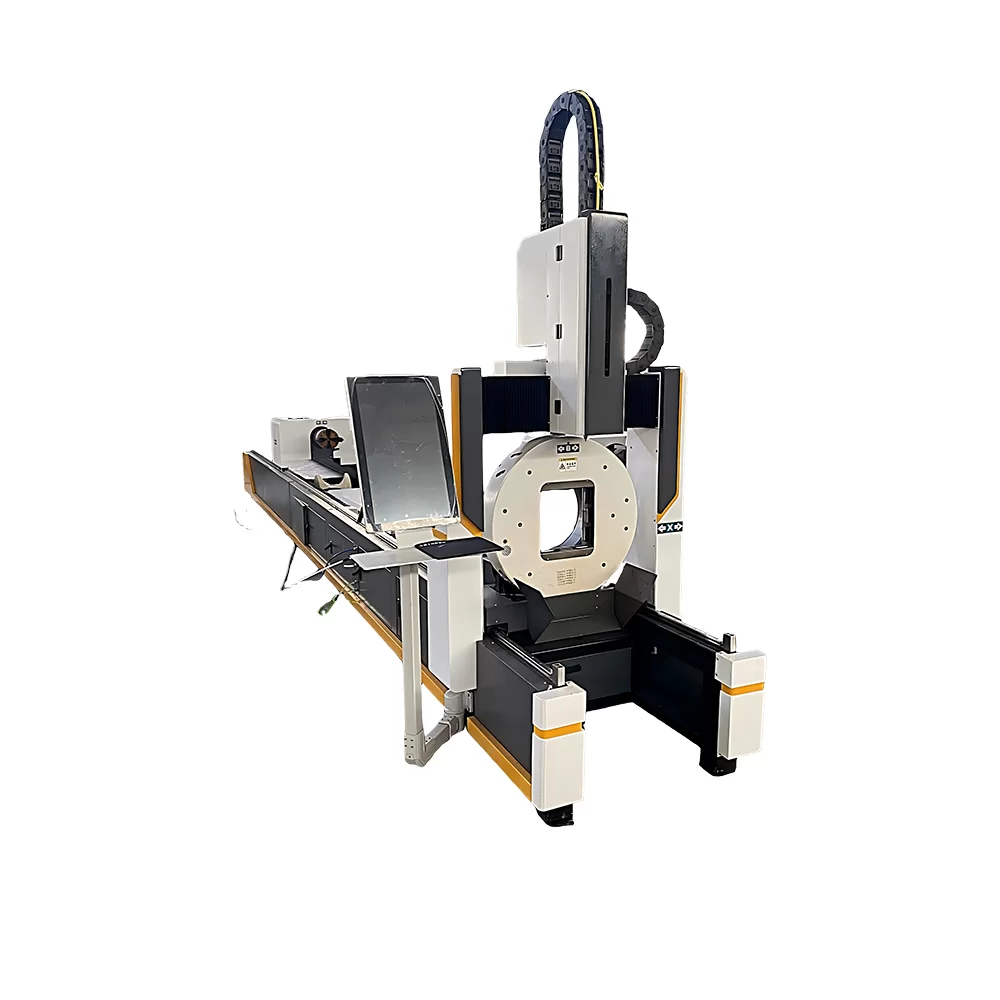
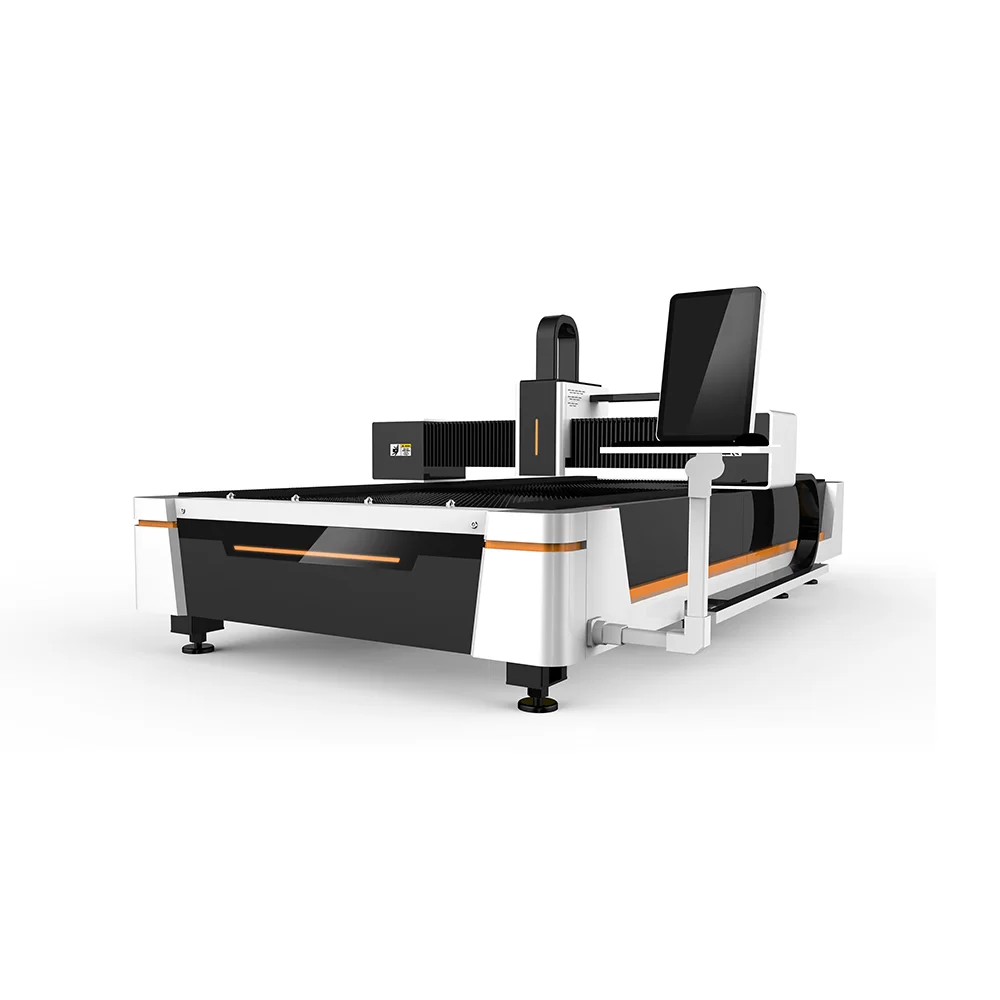
In today's manufacturing world, co2 laser cutting steel has become a cornerstone technology. If you've ever wondered how intricate steel components get crafted with such finesse, chances are a CO2 laser played a role. This technology is not just an industrial fad; it’s reshaping how industries produce stronger, lighter, and more reliable parts globally. Understanding it isn’t just for engineers in factories—it matters to industries spanning from construction to medical devices, impacting efficiency, cost, and sustainability worldwide.
It’s fascinating how laser cutting has scaled alongside globalization. The World Steel Association notes that over 1.8 billion tons of steel were produced globally in 2023, a number demanding precise and efficient cutting methods to minimize waste and boost productivity. CO2 laser cutting steel answers these needs by enabling high-speed, high-precision cuts—with less manual labor and fewer errors. Oddly enough, this technology also intersects with humanitarian applications, such as rapid fabrication of parts for disaster relief infrastructure.
Frankly, with resource efficiency and rapid turnaround becoming hallmarks of modern manufacturing, CO2 laser cutting is crucial for meeting both industrial and humanitarian goals.
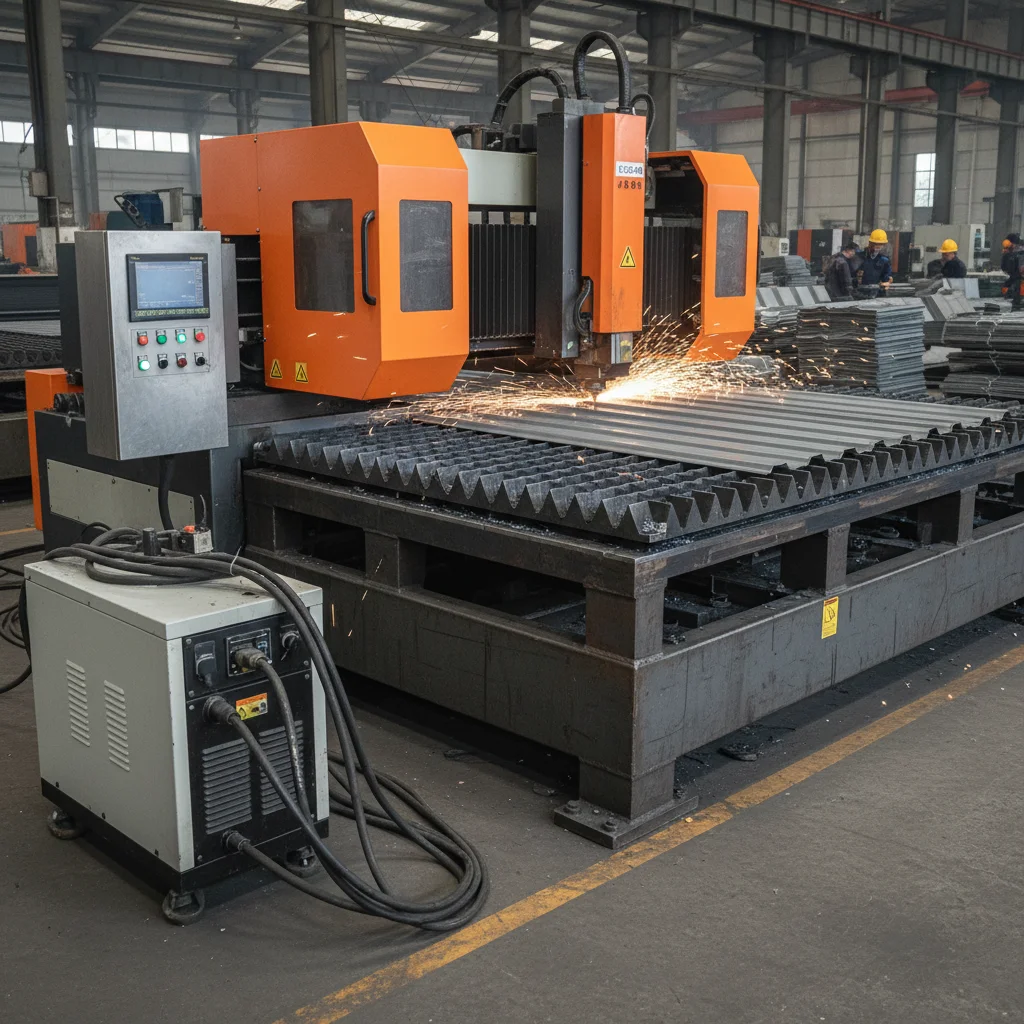
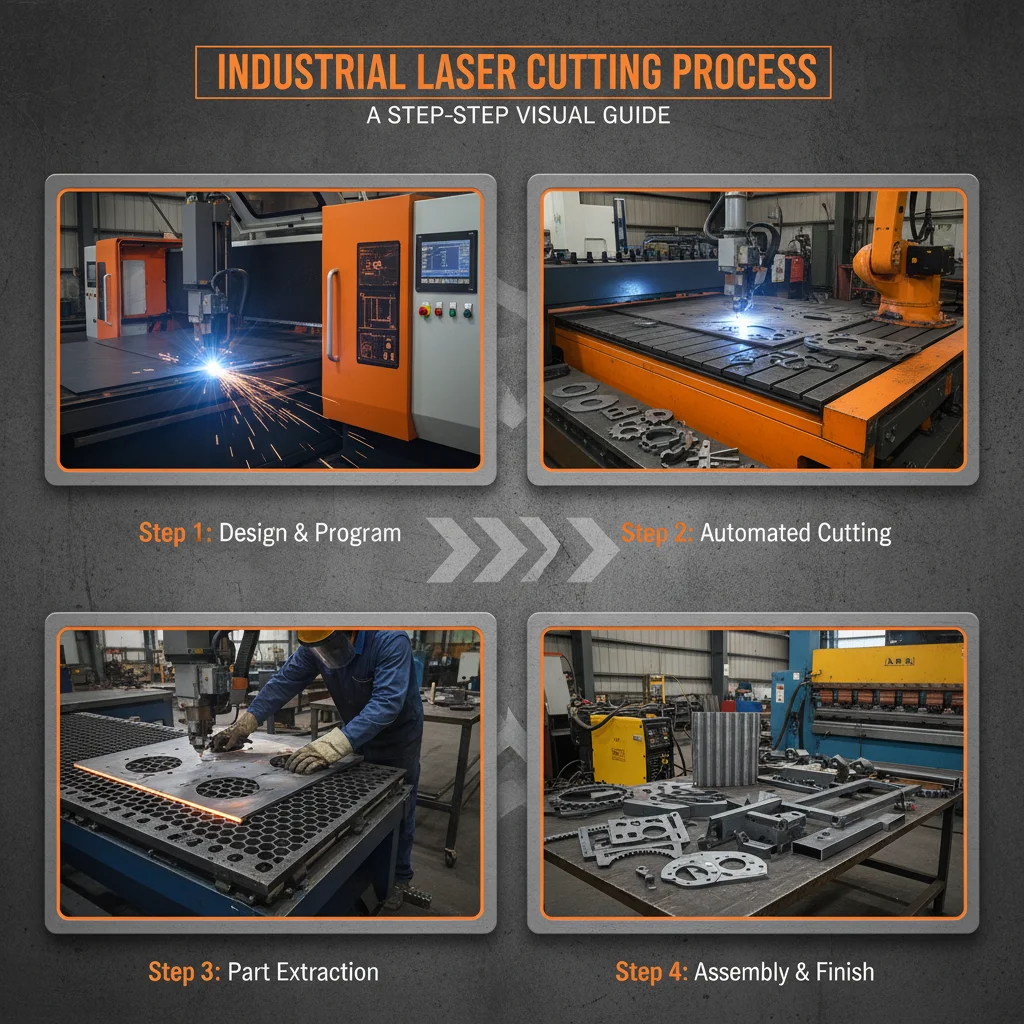
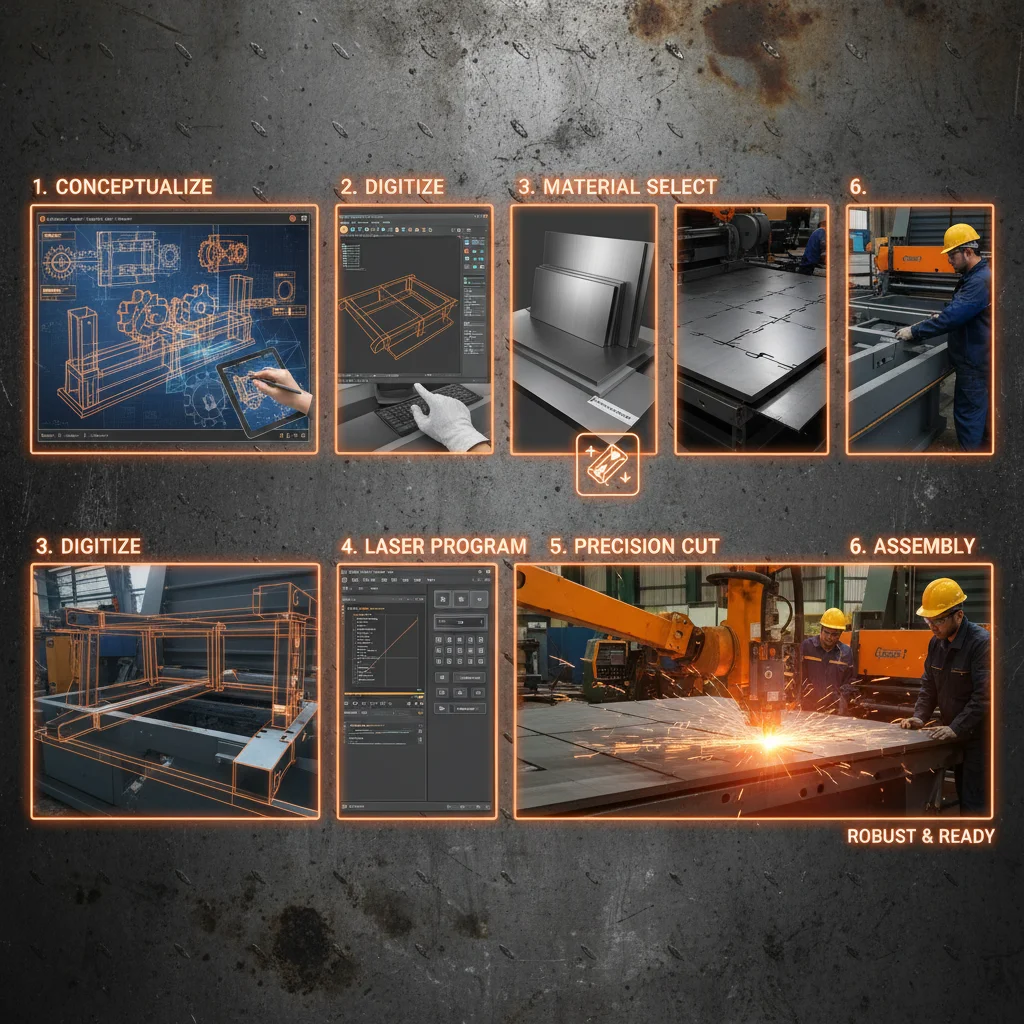
Put simply, CO2 laser cutting involves using a carbon dioxide laser beam to slice through steel sheets with extreme precision. The laser's concentrated light heats and melts the steel, often assisted by a gas jet to blow away molten material, resulting in clean cuts. Unlike traditional mechanical cutting, it doesn’t physically contact the metal, avoiding deformation and tool wear.
This makes it vital for fabricating parts where even micron-level accuracy matters—think aerospace brackets or surgical instrument components.
The laser’s narrow beam diameter means it can cut complex shapes with smooth edges, reducing secondary finishing work.
Whether you’re making dozens or thousands, CO2 lasers scale effortlessly. Production times are often slashed, streamlining entire supply chains.
Although initial investment is significant, lower labor and material waste make the technology cost-effective in the long run.
Suitable for mild, stainless, and carbon steels alike, the technology adapts across applications, from automotive to architecture.
The reduction in scrap material and energy use versus traditional cutting supports greener production goals—a growing global priority.
| Specification | Typical Value |
|---|---|
| Laser Power | 1,000 - 6,000 Watts |
| Max Cutting Thickness (Mild Steel) | Up to 25 mm |
| Cutting Speed | Up to 50 meters/minute |
| Positioning Accuracy | ±0.05 mm |
| Assist Gas | Oxygen or Nitrogen |
Across continents, industries leverage CO2 laser cutting steel for their specific needs: in Europe, automotive manufacturers use it to mass-produce body panels with tight tolerances; in Asia, electronics companies rely on it to cut tiny precision components; in North America, construction firms utilize the technology for steel framing parts.
In humanitarian scenarios, organizations have used CO2 laser cutting steel technologies to rapidly fabricate parts for modular shelters after natural disasters—a speed that can literally save lives. Remote industrial zones find benefits too: the ability to quickly customize parts onsite reduces costly shipments and downtime.
It’s not just about numbers, though. There’s peace of mind in knowing the parts have been cut perfectly, the margins for error are trimmed down, and this feeds into the much larger ecosystem of safety and innovation. That’s pretty powerful.
Looking ahead, CO2 laser cutting steels are aligning with digital transformation trends—think AI-driven optimization, real-time monitoring, and adaptive control systems improving cut quality further. Green initiatives are also pushing development of lasers with higher electrical efficiency and integration with renewable energy sources.
Plus, emerging materials like advanced high-strength steels require even more precise cutting capabilities, nudging CO2 laser tech to constantly evolve.
Of course, there are challenges. CO2 laser machines can be costly and require skilled operators. Some thicker steels still pose cutting difficulties. Yet, experts note that combining CO2 lasers with fiber laser technologies or hybrid systems often overcomes limitations, improving flexibility and cutting capacity.
Ongoing research into better assist gases and nozzle designs also boosts performance, reducing edge oxidation and improving finish quality.
| Vendor | Max Power (Watts) | Cutting Thickness Capability | Automation Features | Price Range (USD) |
|---|---|---|---|---|
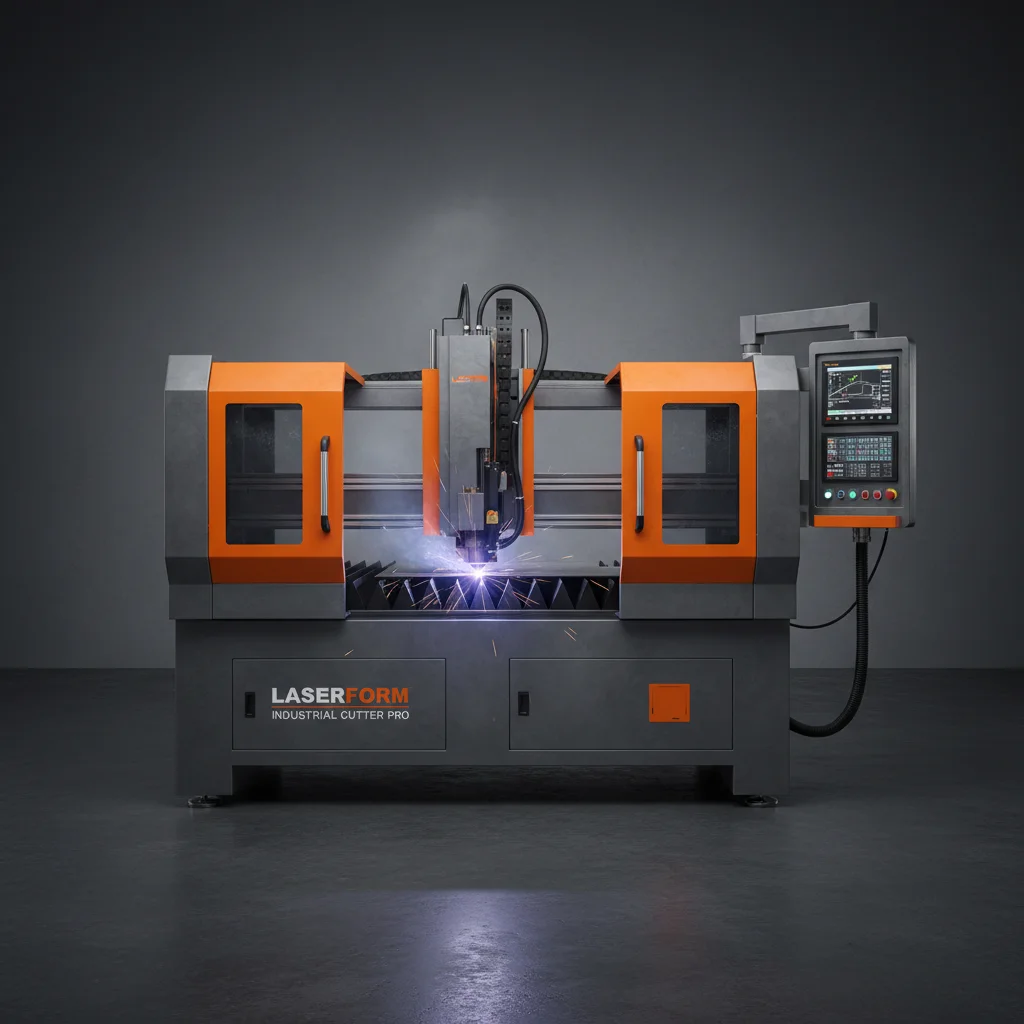
| Top Star Laser | 6,000 | 25 mm | Full CNC, IoT-Enabled | $200,000 - $350,000 |
| LaserTech Solutions | 4,000 | 20 mm | Semi-Automatic | $150,000 - $250,000 |
| PrecisionCut Inc. | 5,000 | 22 mm | Full CNC | $180,000 - $300,000 |
Q: What makes CO2 laser cutting steel more efficient than traditional mechanical cutting?
A: CO2 laser cutting uses a focused light beam that melts and vaporizes steel rather than physically grinding through it, which results in less wear and tear, reduced waste, and significantly faster cutting speeds with higher precision.
Q: How thick of steel can a CO2 laser typically cut?
A: Most CO2 laser cutters can handle up to 25 mm of mild steel, depending on the laser power and gas used. Beyond this thickness, alternative methods like plasma cutting might be more effective.
Q: Is CO2 laser cutting suitable for stainless steel?
A: Yes, CO2 lasers can cut stainless steel quite well, though cutting parameters may differ compared to mild steel to optimize edge quality and minimize oxidation.
Q: What maintenance challenges should operators expect?
A: Lens and mirror cleanliness is critical. Operators need to regularly check for dust and debris to maintain cutting quality. Skilled technicians are also necessary to handle calibration and troubleshooting.
CO2 laser cutting steel stands at the intersection of precision engineering and industry scalability. The technology is enhancing product quality, boosting efficiency, and enabling sustainable manufacturing across global markets. As industries continue to evolve, integrating smart and greener solutions, CO2 laser cutting remains a trusted cornerstone.
If you’re interested in advancing your manufacturing processes with top-tier CO2 laser systems, explore the latest offerings at Top Star Laser. It’s where tech meets craftsmanship—and frankly, that’s exciting.
Mini takeaway: CO2 laser cutting steel isn’t just cutting metal; it’s carving the future of efficient, sustainable manufacturing worldwide.
References:
1. World Steel Association Statistical Yearbook 2023
2. ISO 13839: Steel Cutting Processes
3. UNIDO Industrial Development Report 2022