Shijiazhuang Topstar
International Trading Co., Ltd.


Get In Touch
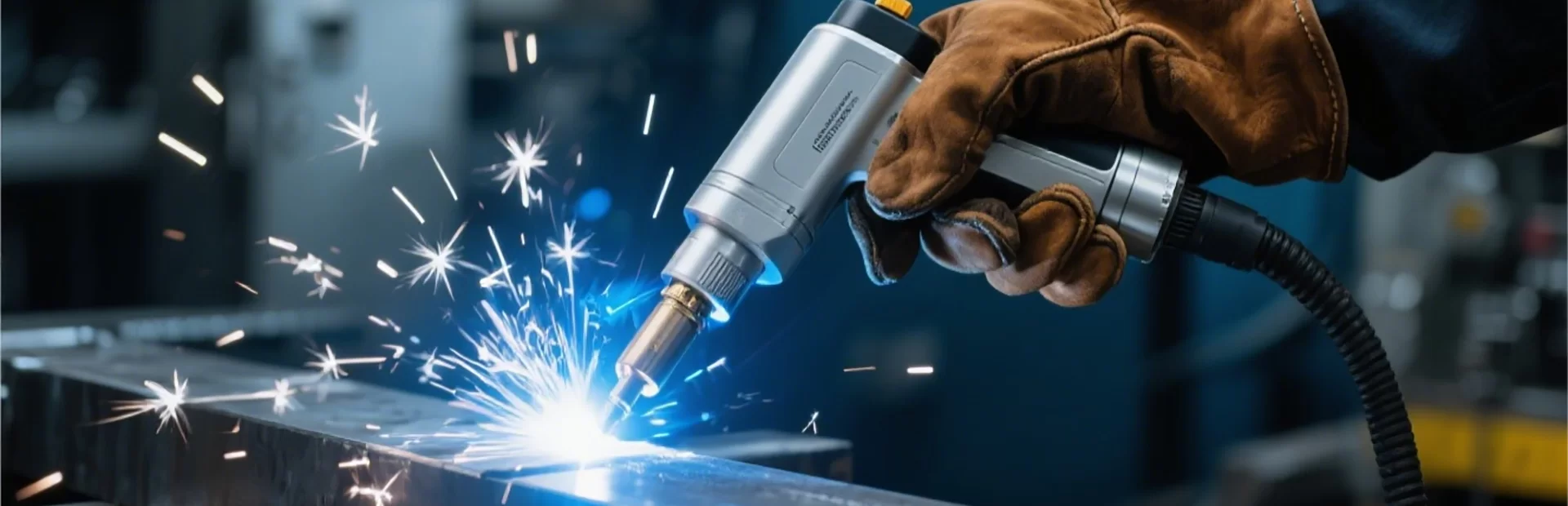
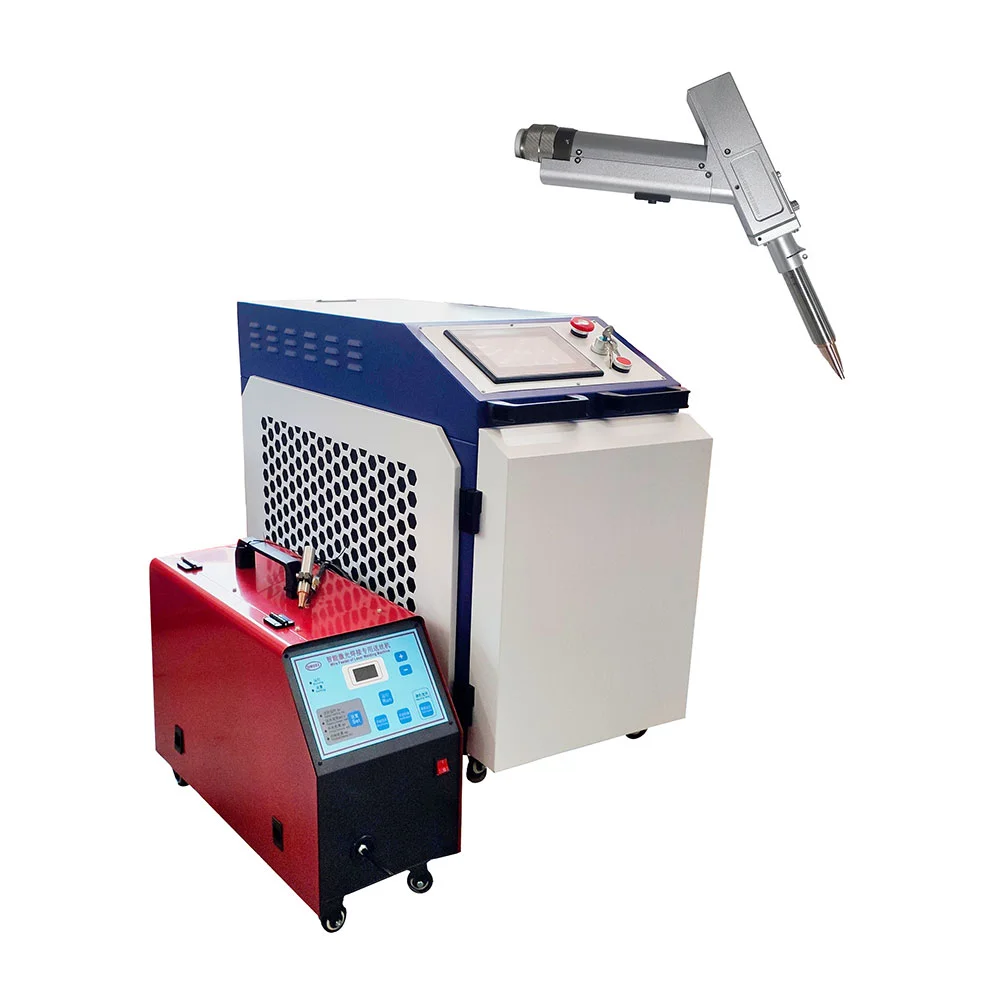
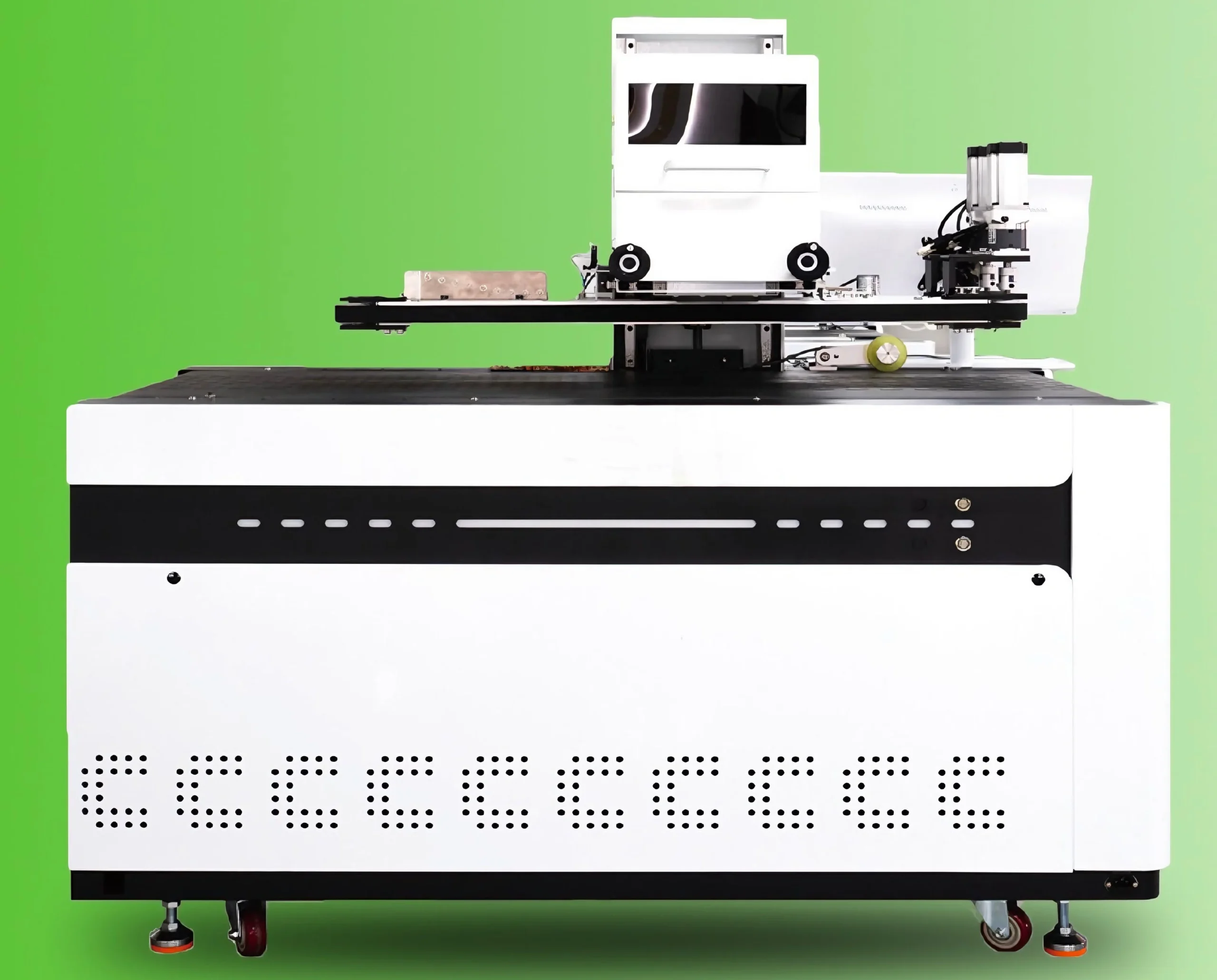
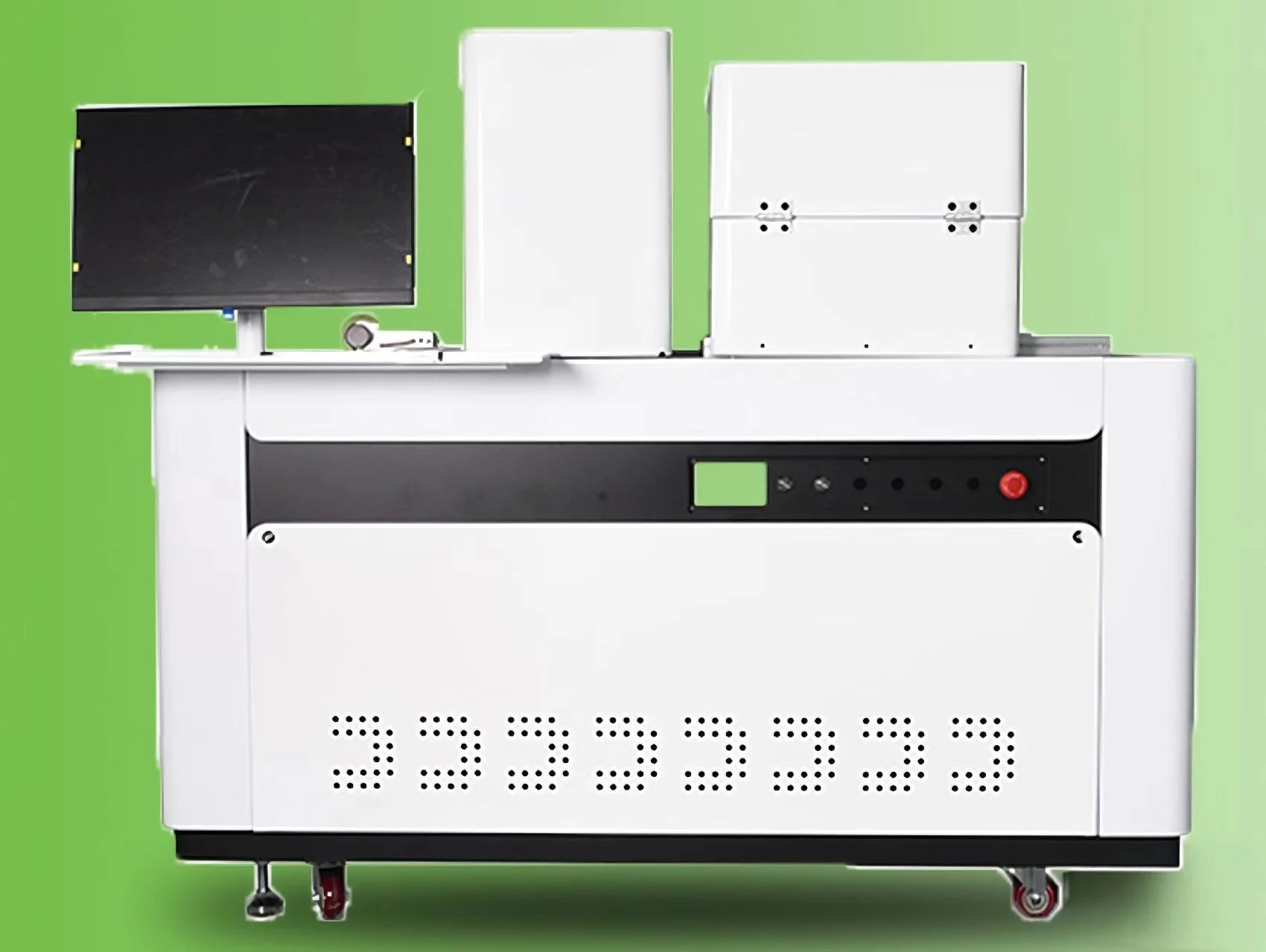
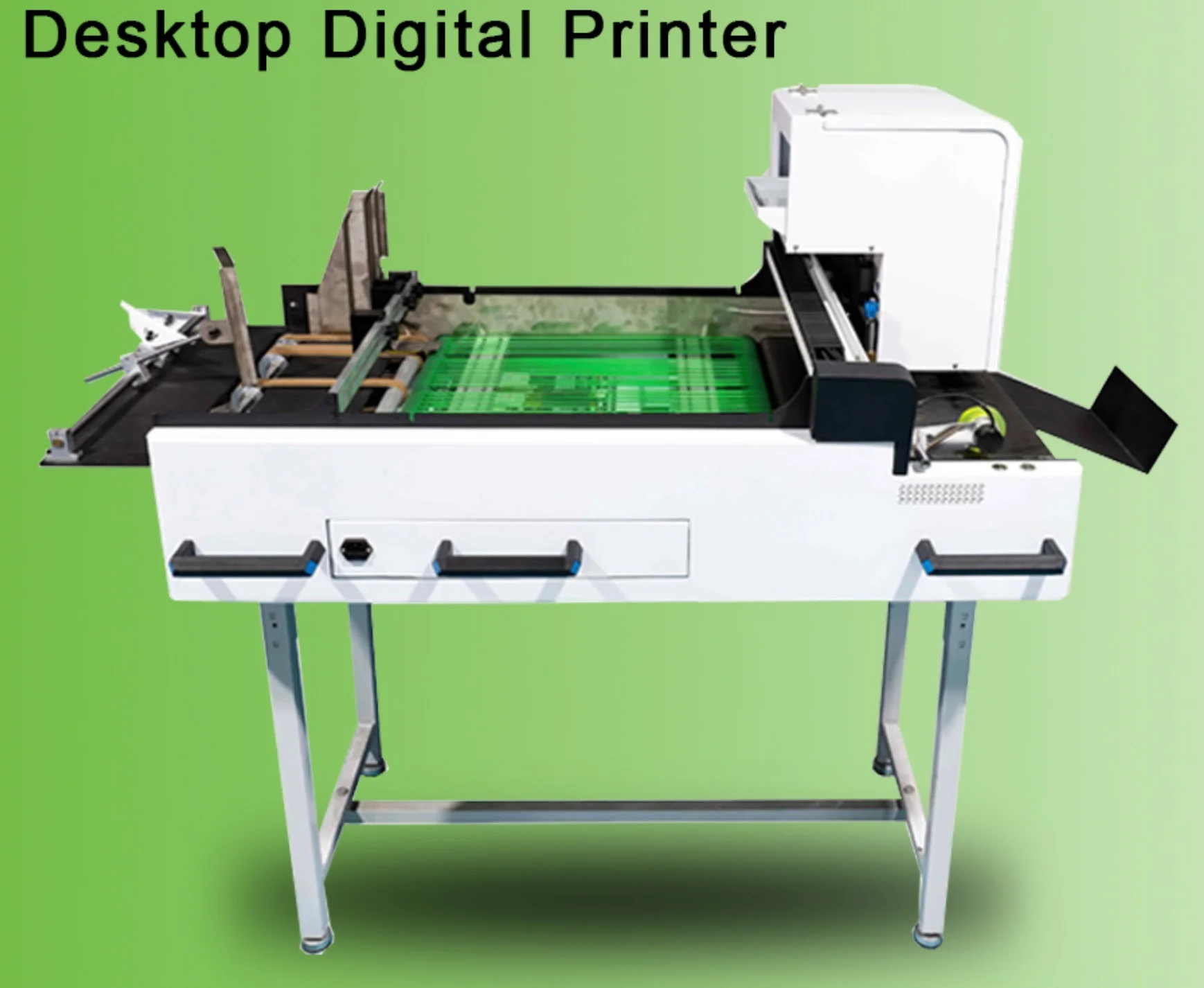
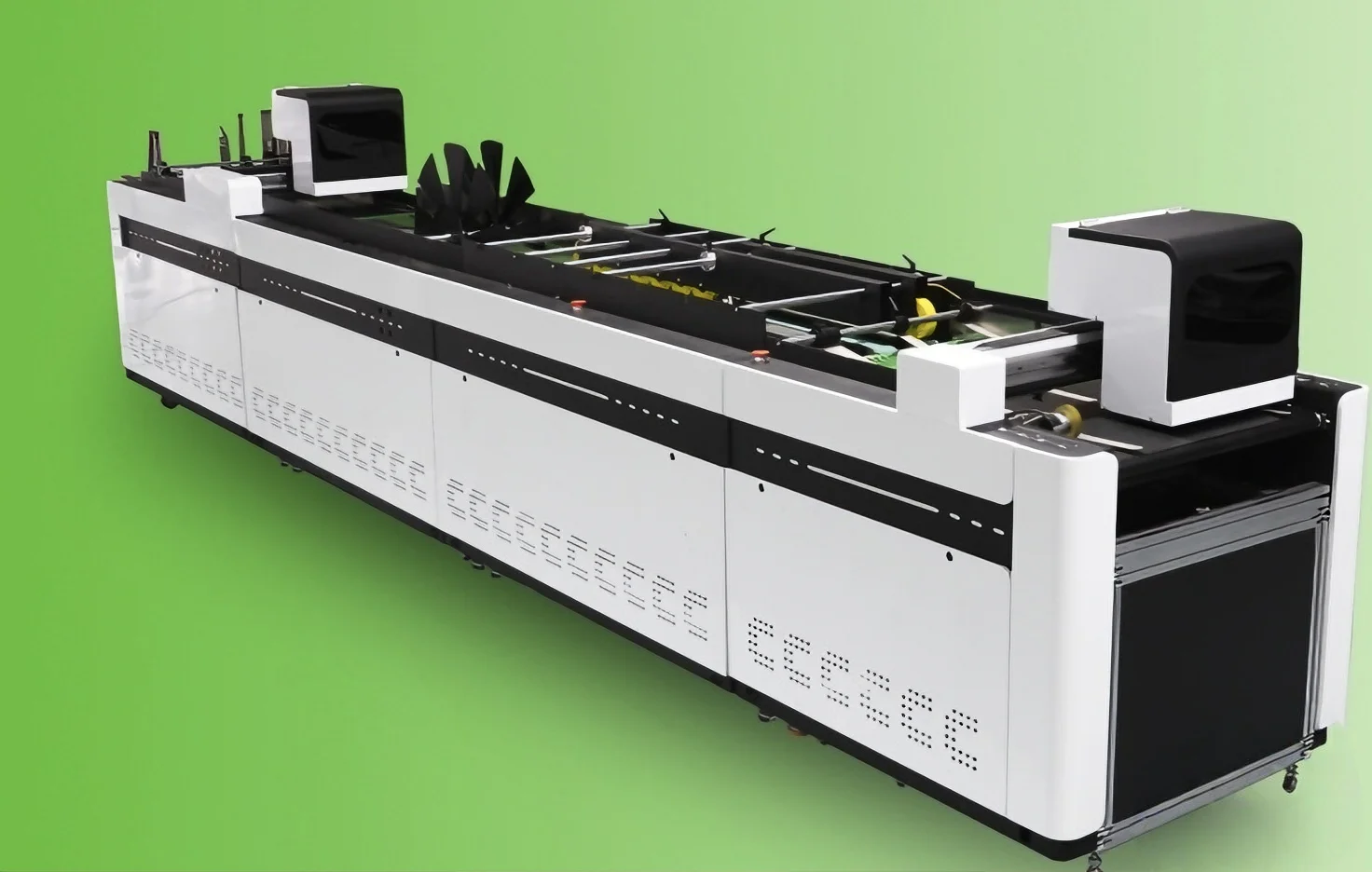
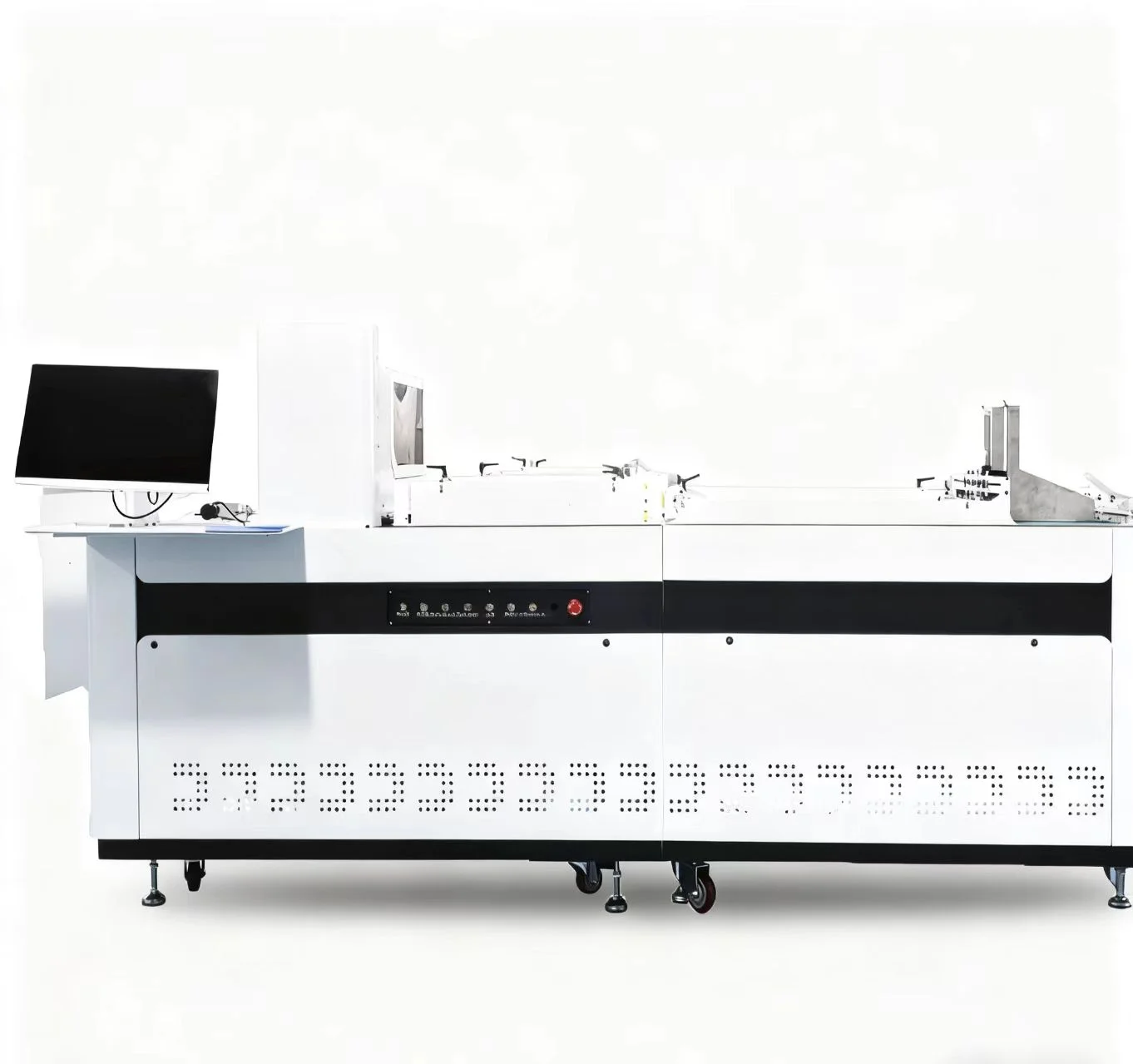
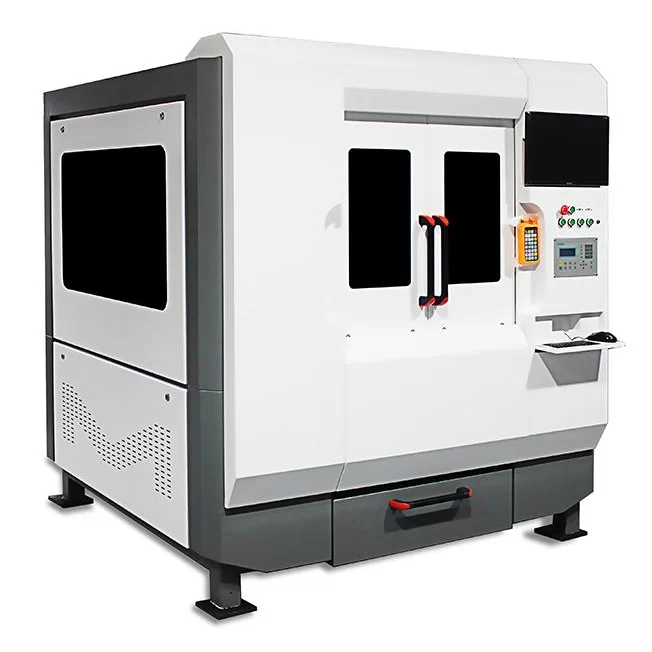
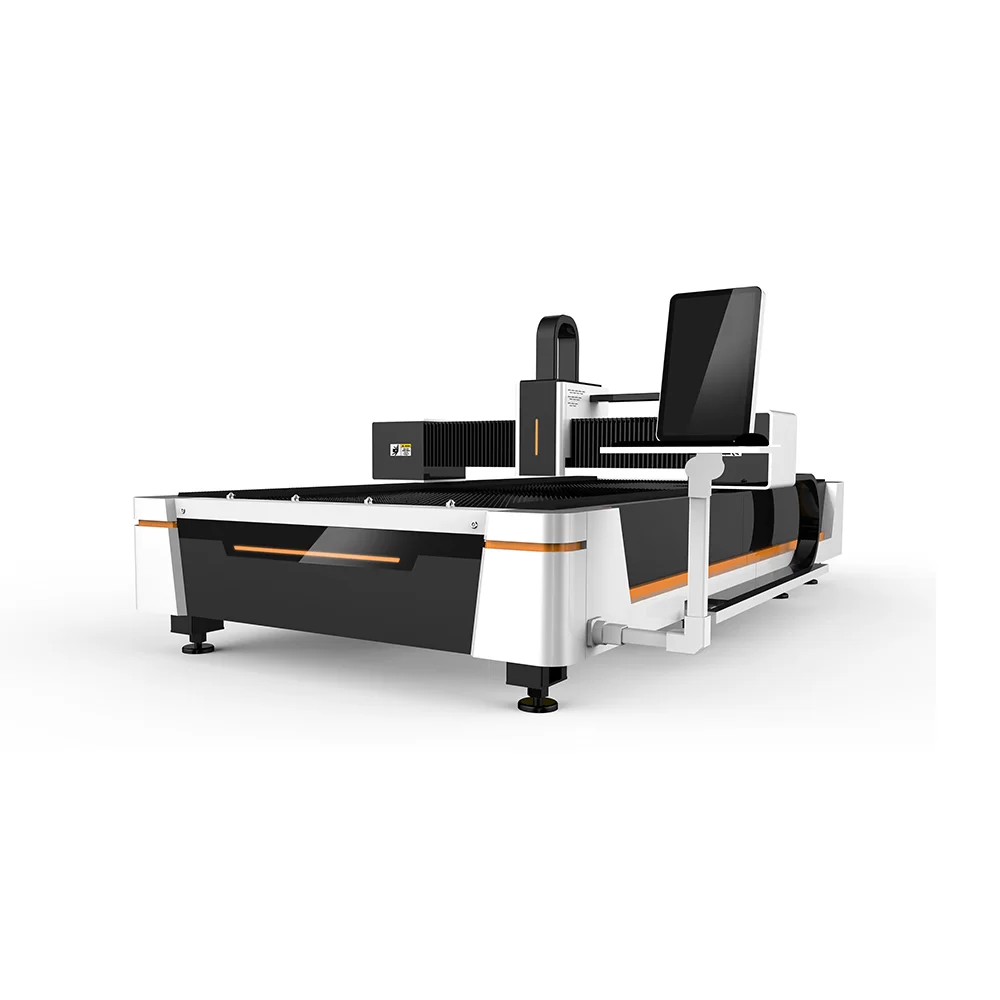
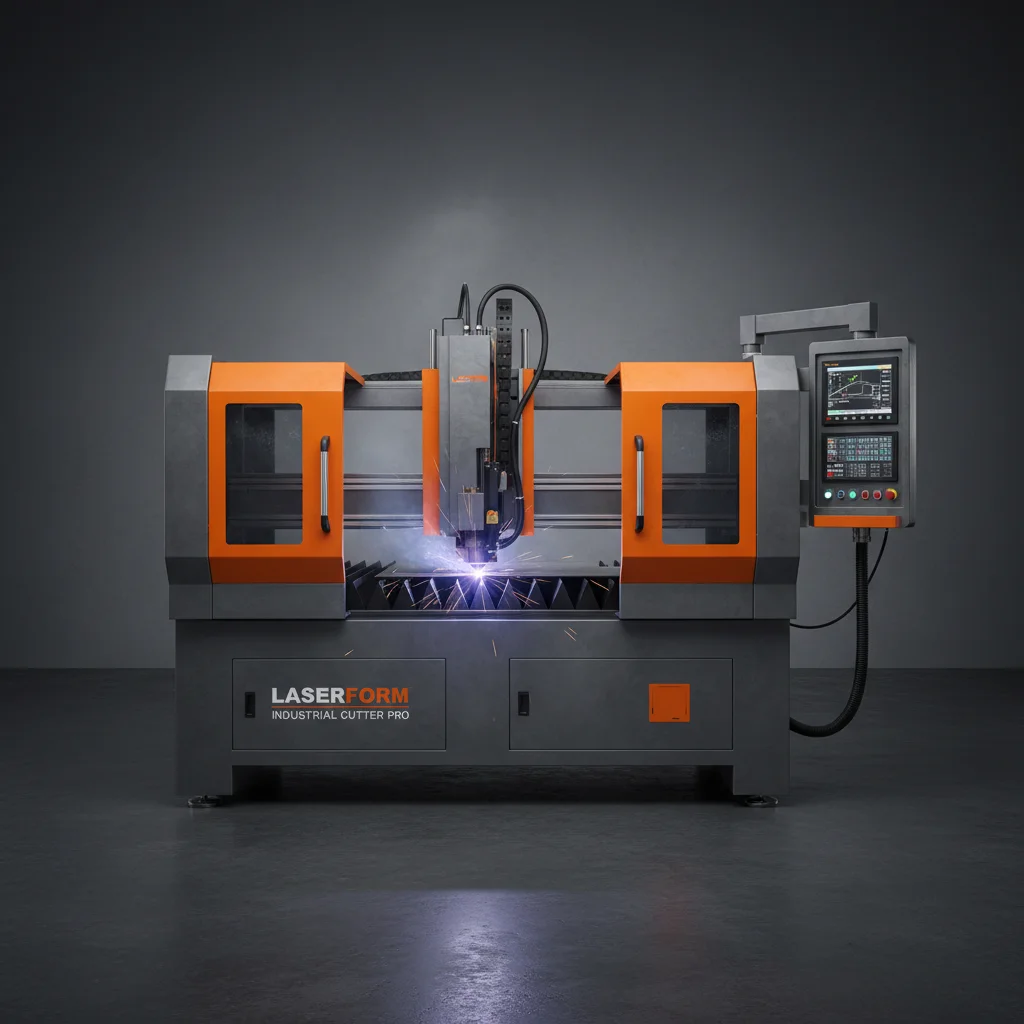
Having spent over a decade in the industrial equipment sector, I can confidently say that the laser die cutter is one of those machines that genuinely revolutionize workflows. It’s fascinating how these devices blend cutting-edge technology with practical manufacturing needs, allowing companies to achieve precision and speed that were once thought impossible.
Oddly enough, when I first encountered laser die cutters, I thought, “Surely it’s just another piece of cutting equipment.” But the technology behind it—the way lasers slice through materials with near-microscopic accuracy—really sets it apart. This isn’t about brute force; it’s about finesse and control. From intricate design patterns on delicate materials to fast, repetitive cuts on thicker substrates, it handles them all with surprising ease.
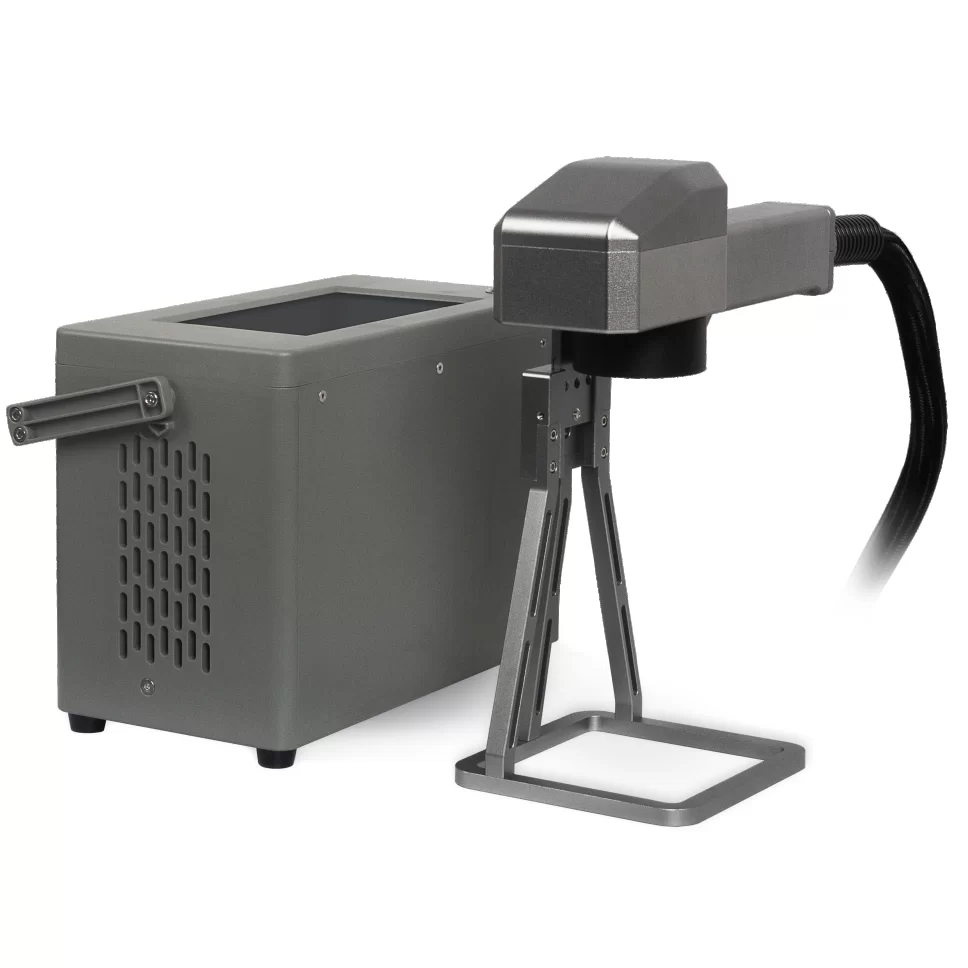
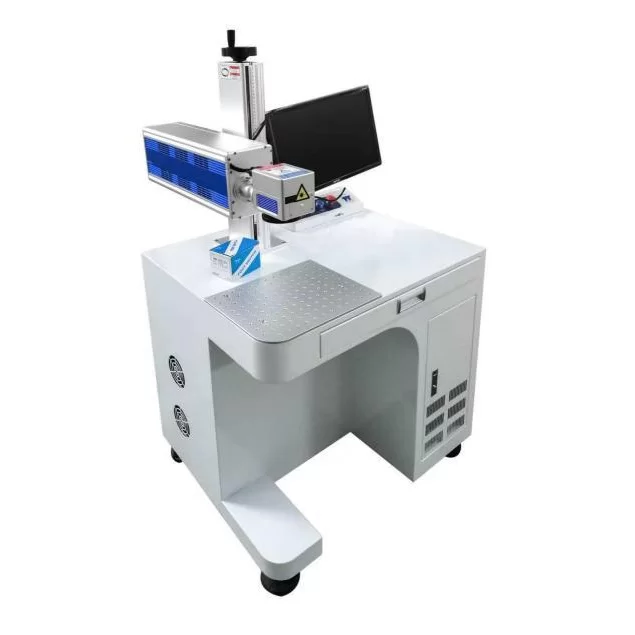
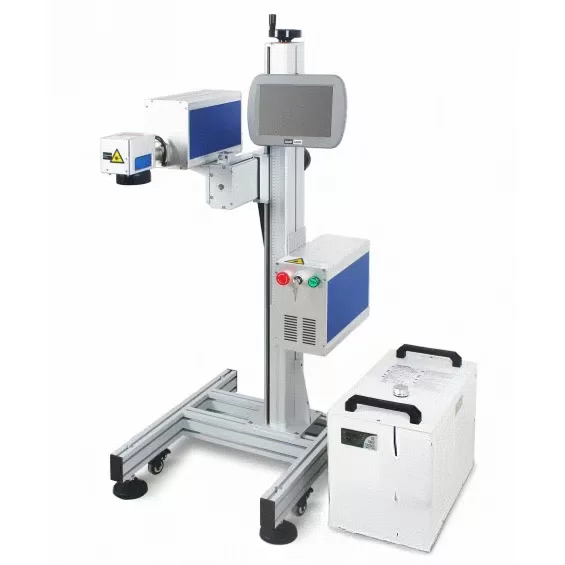
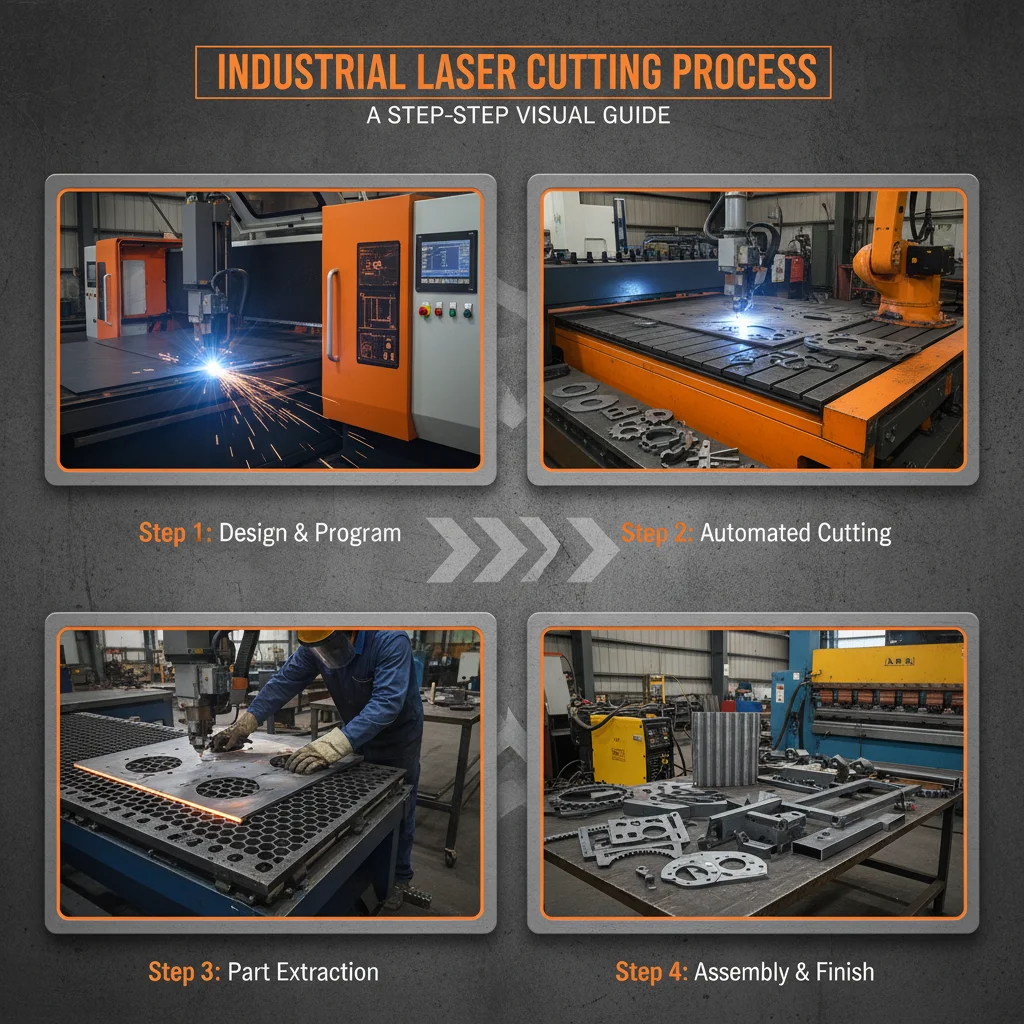
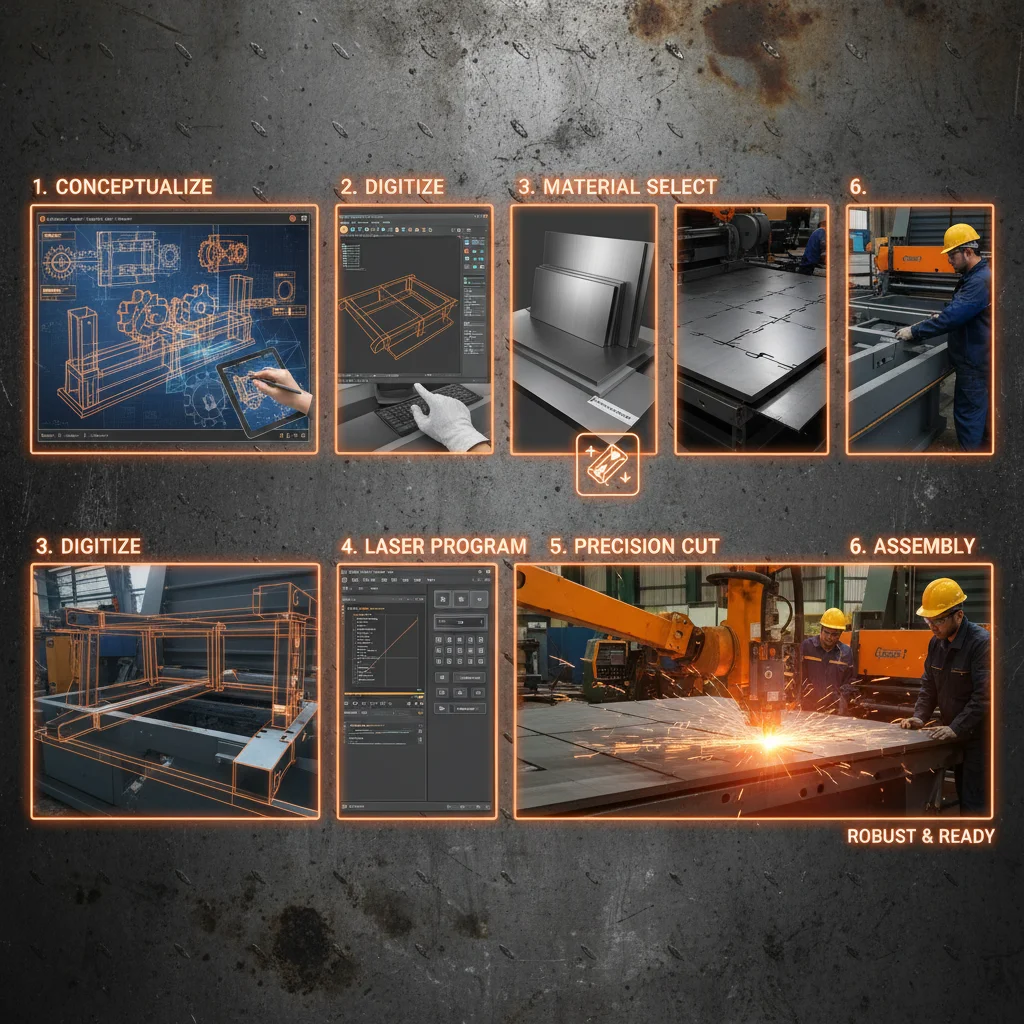
Let’s start with the basics. Laser die cutters use a highly focused laser beam to cut, engrave, or mark materials. This contrasts with traditional die cutters, which often require physical dies that can be expensive and time-consuming to produce. The laser’s ability to operate directly from a digital design streamlines the process profoundly.
In real terms, that means faster prototyping, less waste, and more flexibility when customizing orders. Many engineers I’ve worked with rave about how the laser die cutter simplifies scaling from a handful of samples to full production without swapping out tools all the time.
| Specification | Details |
|---|---|
| Laser Power | 30W - 100W (typical models) |
| Cutting Speed | Up to 200 mm/s |
| Max Cutting Thickness | Up to 10 mm (depends on material) |
| Working Area | 400 x 400 mm to 1300 x 2500 mm |
| Supported Materials | Paper, cardboard, leather, fabric, plastics, thin metals |
One of my favorite real-world examples is from a small packaging company I worked with a few years back. They were juggling complex custom designs but struggled with tooling costs and turnaround times. Switching to a laser die cutter enabled them to fulfill orders much faster while maintaining very tight tolerances. It felt like watching a small miracle unfold—less frustration, less waste, and greater client satisfaction.
| Feature | Topstar Laser | Competitor A | Competitor B |
|---|---|---|---|
| Laser Power Range | 30W–100W | 20W–80W | 40W–120W |
| Cutting Area | Up to 1300 x 2500 mm | Up to 1000 x 2000 mm | Up to 1500 x 3000 mm |
| Price Range | $$ - Mid range | $ - Lower range | $$$ - Premium |
| Ease of Use | User-friendly interface, fast setup | Basic controls, less intuitive | Advanced but complex system |
| Customer Support | Responsive and thorough | Limited availability | Premium support with longer wait times |
Customization is another key selling point. It feels like the industry is finally waking up to the fact that no two businesses have the exact same needs. With laser die cutters, tweaking power levels, working areas, or automation options to fit specific jobs is frankly quite straightforward.
In my experience, the precision also reduces material waste—something any production manager will appreciate, especially when raw materials aren’t cheap. Plus, the controlled heat input from lasers means minimal damage or warping to surrounding material, a big plus compared to mechanical methods.
In conclusion, if you’re looking to upgrade or enter the realm of precision cutting, investing in a quality laser die cutter is a move worth considering. It’s a blend of modern tech and practical manufacturing sense that, in my view, pays off over time.
Reference: