Shijiazhuang Topstar
International Trading Co., Ltd.


Get In Touch
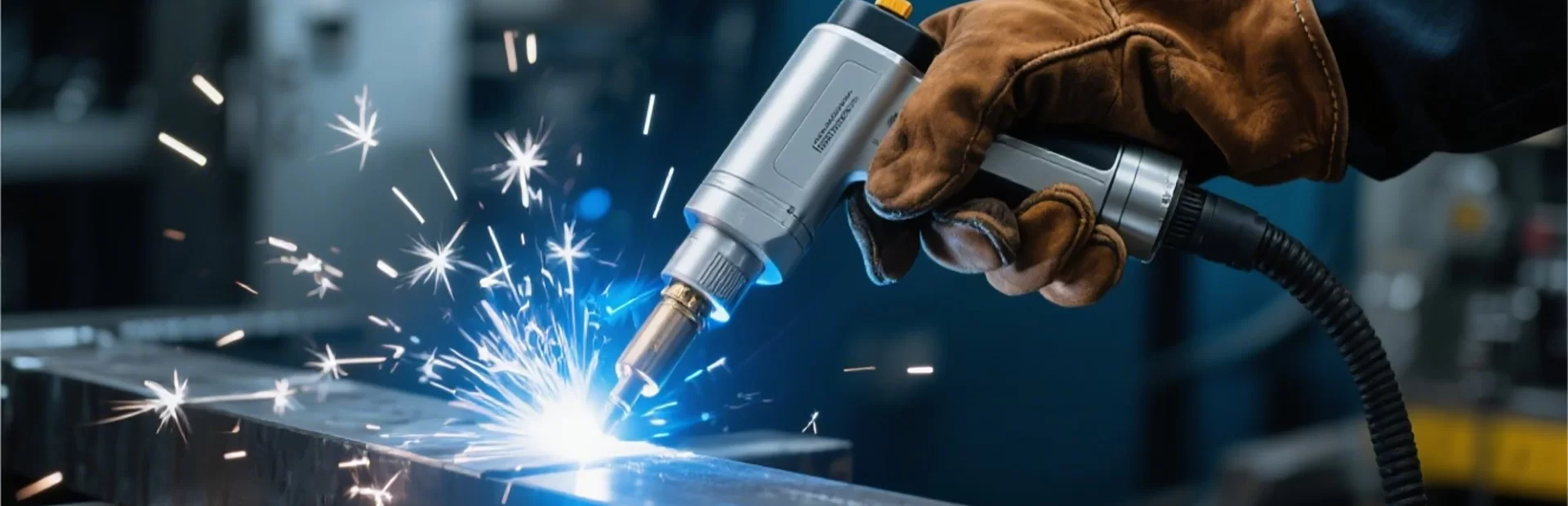
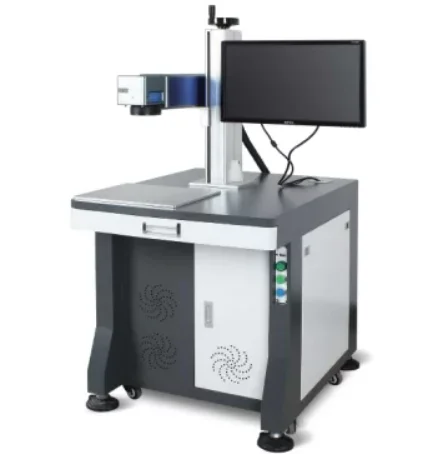
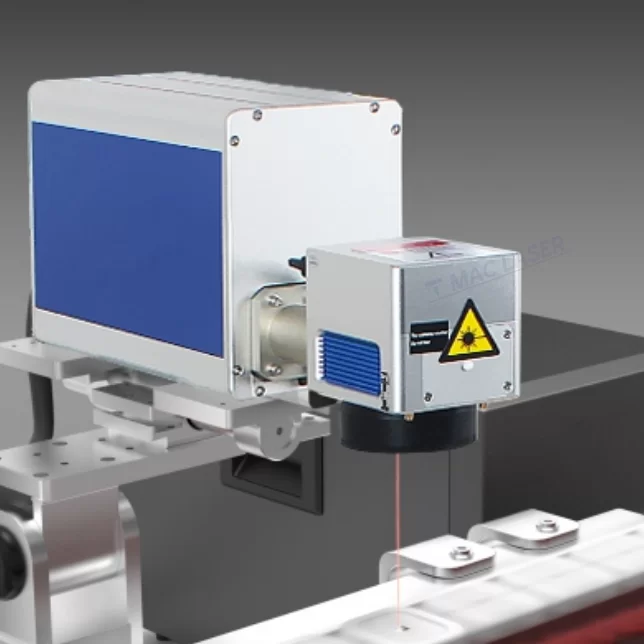
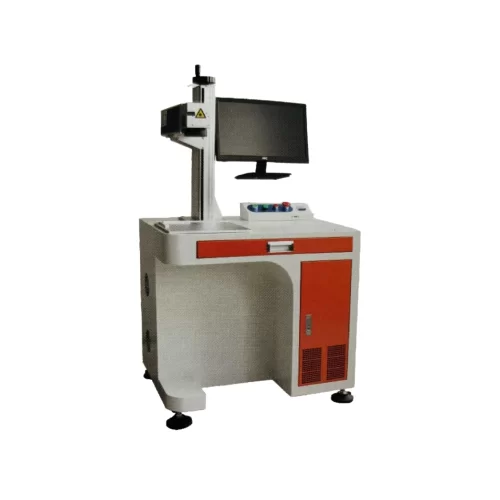
Looking for professional UV laser marking machine suppliers in China? Our factory provides high-end cold-process marking devices using photochemical technology to ensure ultra-fine marking without thermal deformation. Ideal for plastics, glass, and semiconductors.


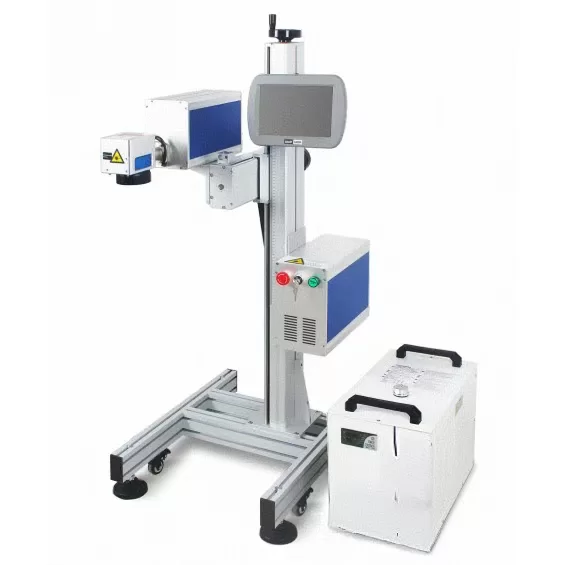
The UV Laser Marking Machine is a premium, high-end cold-process marking solution engineered for industries requiring extreme precision. Utilizing a short 355nm wavelength, this system enables photochemical ablation, allowing for the marking of heat-sensitive non-metallic materials such as plastics, glass, and PCBs without causing thermal deformation, stress, or micro-cracks.
Designed for high-density electronic components, semiconductor wafers, and luxury packaging, our UV laser provides unparalleled aesthetics with crisp, high-contrast edges. By bypassing the melting process typical of fiber lasers, it ensures that the structural integrity of the substrate remains untouched, making it the definitive choice for micron-level industrial identification.
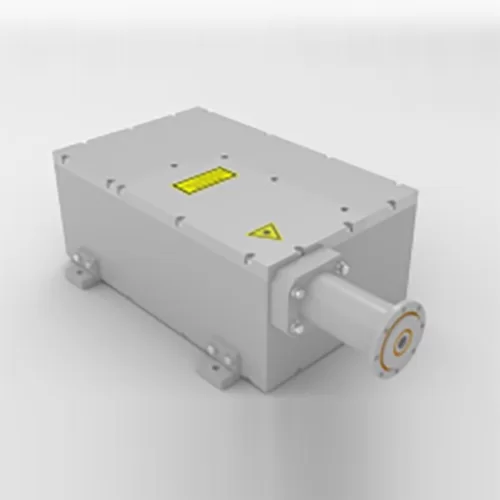
| Laser Source | LARK-355 / SEAL-355 Series | Output Power | 3W / 5W / 10W |
|---|---|---|---|
| Wavelength | 355nm | Beam Quality (m²) | ≤ 1.2 |
| Marking Range | 100-300mm (Optional) | Minimum Line Width | 0.1mm |
| Repeat Accuracy | ± 0.002mm | Engraving Speed | ≤ 10,000mm/s |
| Cooling Method | Air Cooling / Water Cooling | Working Life | Up to 200,000 Hours |
Generates virtually no heat, eliminating thermal stress and deformation for heat-sensitive materials.
Focuses to a spot diameter under 10 microns, enabling microscopic text and high-density QR codes.
Perfectly processes glass, ceramics, PCBs, and a wide range of plastics and polymers.
Produces crisp, burr-free edges with high contrast (white/gray) for a luxury finish.
Ensures no mechanical damage to delicate electronic leads or fragile semiconductor wafers.
Supports text, QR codes, barcodes, and complex graphics via an advanced fly control system.
Precisely calibrate parameters for different substrates to ensure optimal mark contrast.
Daily inspection of F-theta lenses to prevent dust accumulation and maintain beam quality.
Integrated water cooling management to maintain crystal stability and frequency modules.
Regular output power checks to adjust settings for natural crystal aging.
Secure cloud backup of marking templates and PLC parameters for rapid recovery.
Dust-free cabinet management to protect sensitive high-energy UV optics.
| Feature | UV Laser Marking | Fiber Laser Marking | CO2 Laser Marking |
|---|---|---|---|
| Heat Effect | Zero/Cold Process | High Thermal Stress | Moderate Heat |
| Precision | Ultra-Fine (<10μm) | Fine (30-50μm) | Standard |
| Material Range | Plastics/Glass/Metals | Mostly Metals/Plastics | Non-metals/Organic |
| Mark Quality | Crisp/High Contrast | Etched/Burred | Engraved/Burned |
| Application | Semiconductors/Luxury | Industrial Parts | Acrylic/Wood/Leather |
Cold processing uses photochemical interaction to break molecular bonds directly rather than using heat to melt material. This prevents thermal deformation, slag, and micro-cracks, which is critical for fragile materials like IC chips and medical plastics.
UV lasers are ideal for heat-sensitive non-metals including plastics (ABS, PC), glass, ceramics, PCBs, and wafers, as well as high-end metal products requiring ultra-fine, high-precision marking.
UV lasers have a much shorter wavelength (355nm), allowing them to be focused into a spot diameter of less than 10 microns, whereas fiber lasers typically focus to 30-50 microns. This makes UV significantly more precise for microscopic text.
They require diligent optical care (cleaning lenses with anhydrous alcohol), use of distilled/deionized water in the cooling chiller to prevent scaling, and periodic power monitoring to ensure marking consistency.
Yes, UV lasers are the industry standard for semiconductors. Their non-contact, cold-processing nature allows for marking serial numbers and logos on fragile silicon wafers without causing thermal stress or damaging internal circuitry.
While some low-power models may offer air cooling, most high-power UV lasers require a water chiller to maintain the stability of the laser crystal and frequency-tripling modules for consistent output.