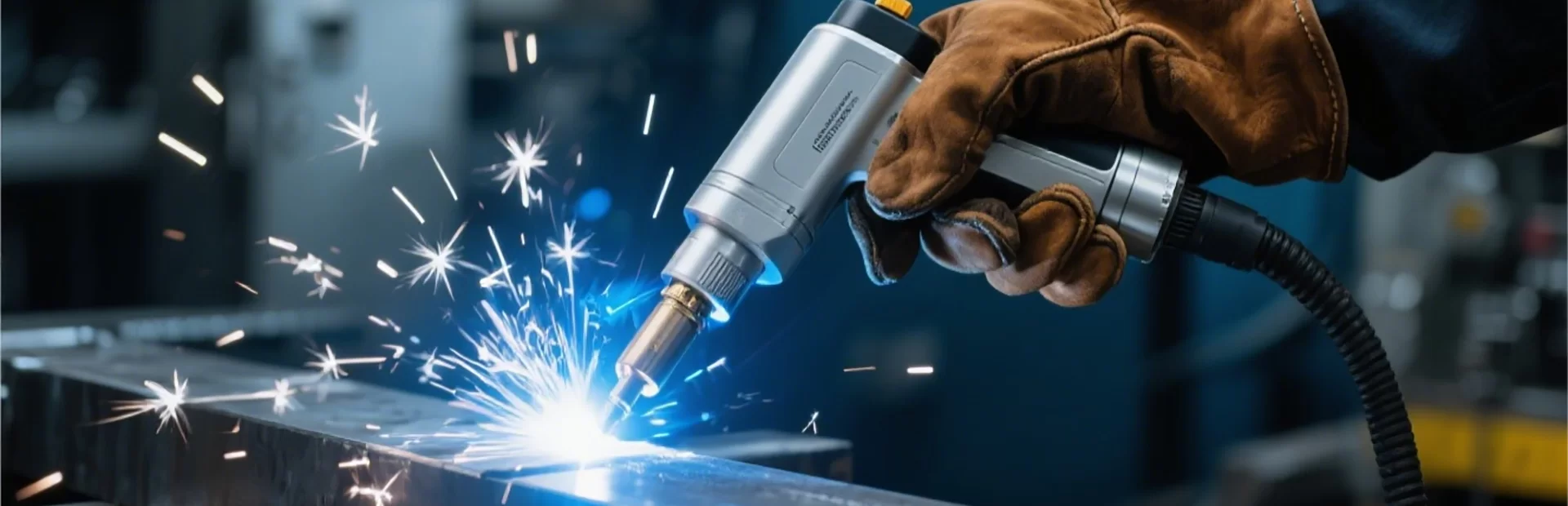
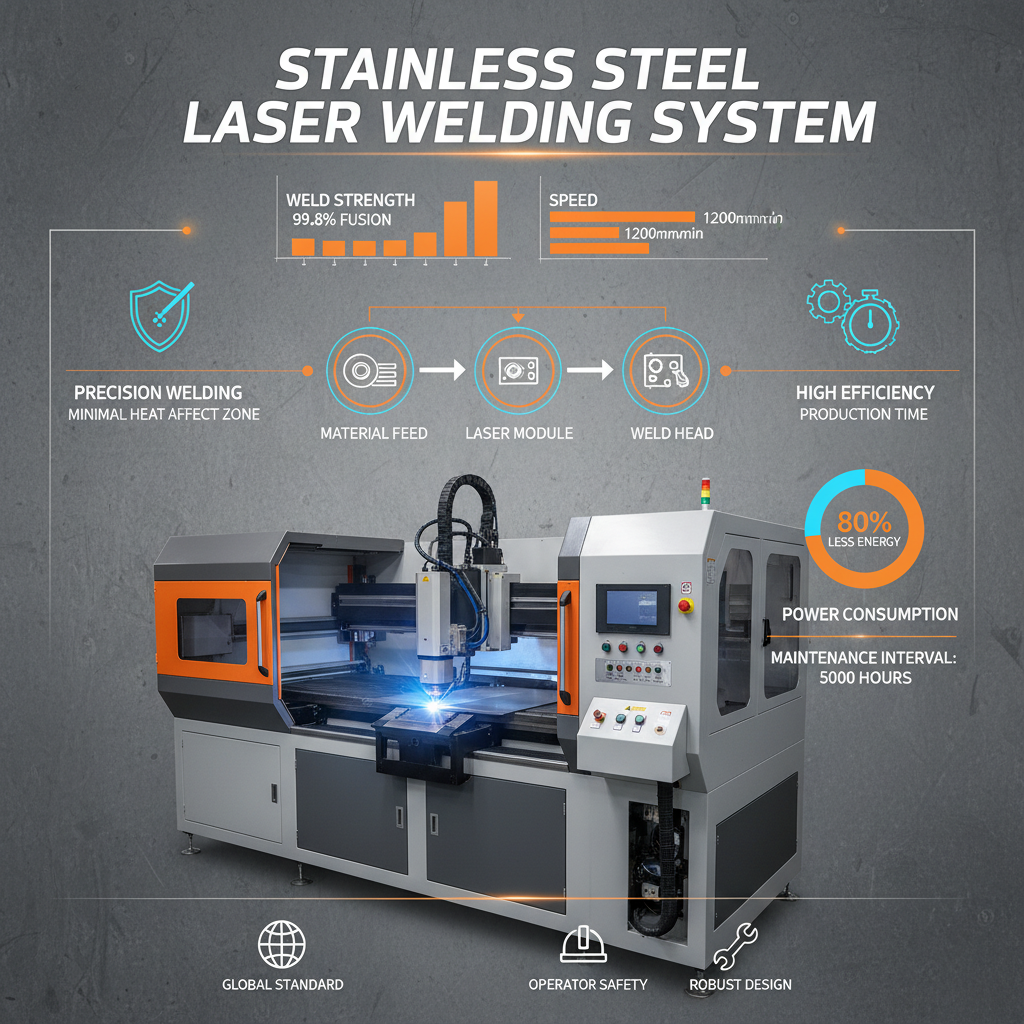
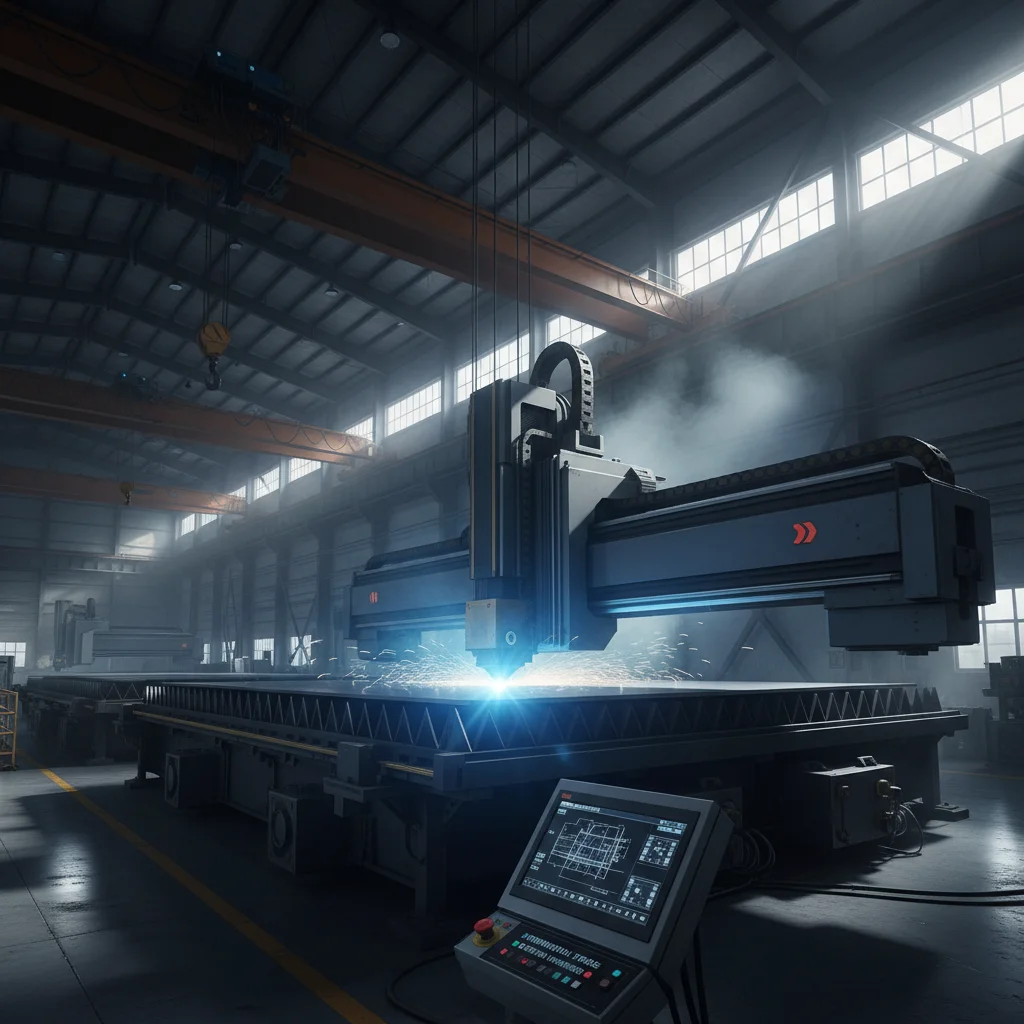
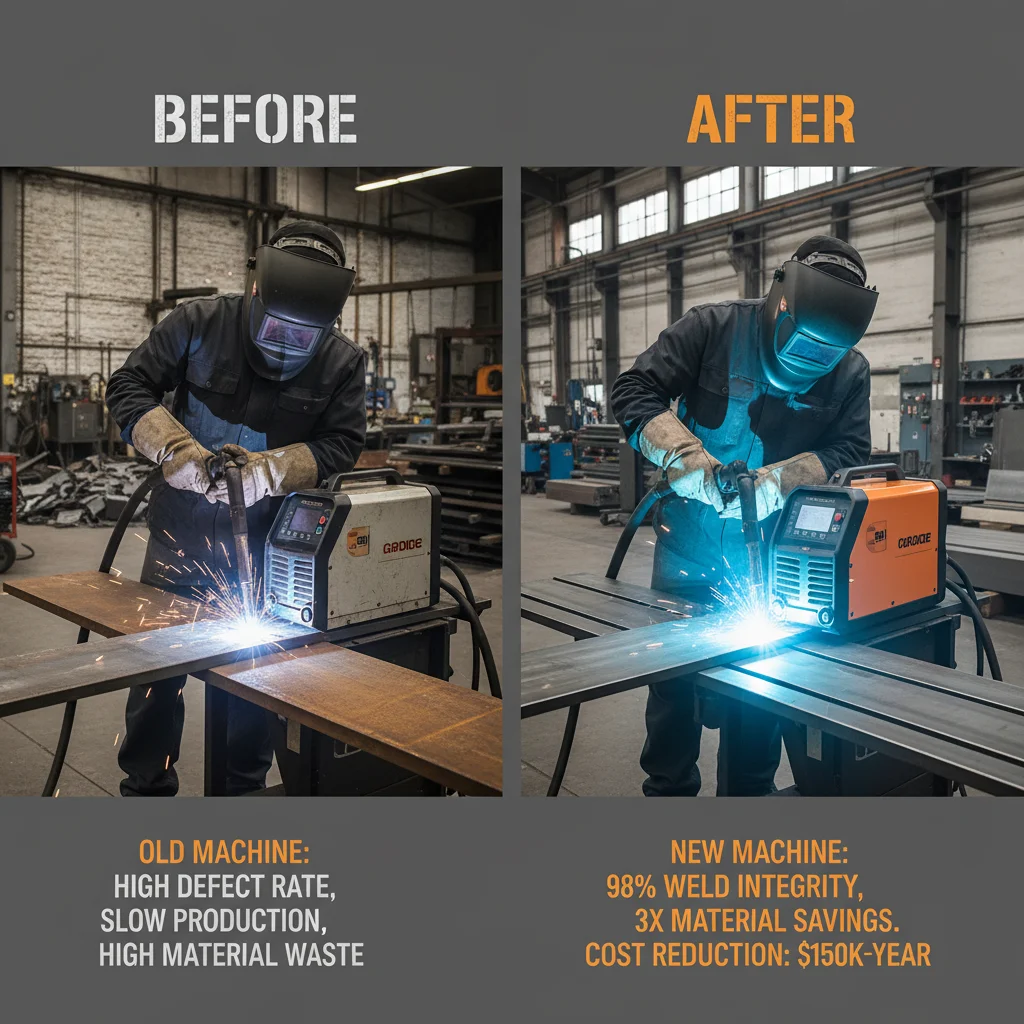
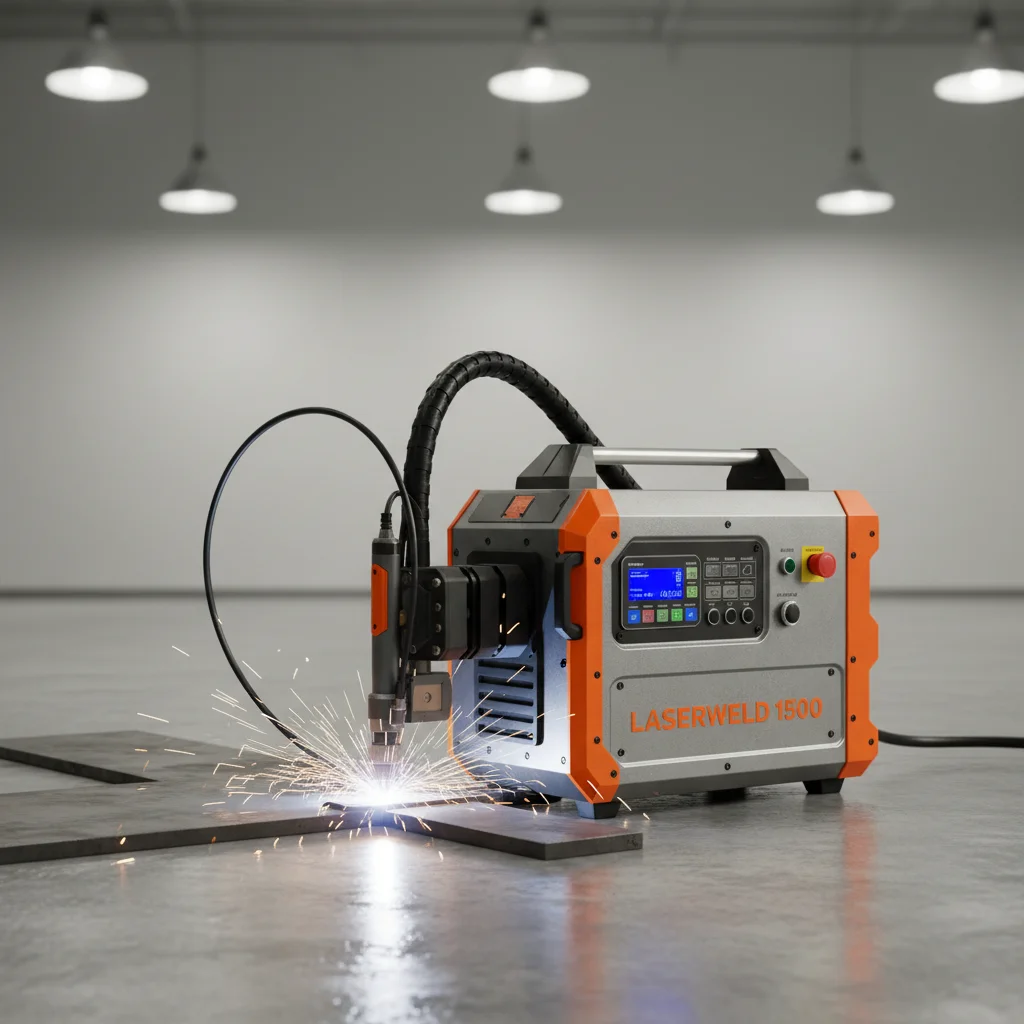
Laser welding machine for stainless steel—it’s not just a fancy piece of equipment, it’s a game-changer for fabrication. After years of watching crews wrestle with traditional methods, seeing the time and material wasted on prep and cleanup, you really appreciate a system that streamlines things. It’s about getting the job done right, safely, and efficiently, especially when you're facing tight deadlines and skilled labor shortages. The demand for high-quality stainless steel welds is only increasing across industries, and laser welding delivers on that front.
I’ve spent enough time in the field to know that a tool is only as good as its reliability. With laser welding, you’re not fighting inconsistent arc strikes or dealing with filler metal issues. You get a clean, precise weld every time, minimizing rework and scrap. It means less downtime, better utilization of your workforce, and ultimately, a more profitable project. Plus, modern laser systems offer features like automated seam tracking and process monitoring, giving you a level of control you just don't get with traditional welding.
It's a significant investment upfront, sure. But when you factor in reduced labor costs, material savings, and improved weld quality, the ROI quickly becomes clear. Especially for specialized applications where precision and consistency are critical, like in the medical or aerospace sectors. It's about investing in a solution that will pay dividends for years to come.
The Core Principles of laser welding machine for stainless steel
Laser welding for stainless steel fundamentally relies on focusing a high-powered laser beam onto the joint between two pieces of metal. This intense heat melts and fuses the materials together, creating a strong and precise weld. It's a heat source drastically different than traditional arc welding, which means you're dealing with smaller heat-affected zones and less distortion.
The key lies in controlling the laser parameters—power, speed, focal spot size—to achieve optimal penetration and fusion. Different stainless steel alloys respond differently, so understanding the material properties and fine-tuning the settings is critical. It’s not a ‘one size fits all’ approach, and that’s where the expertise of a skilled operator really shines.
Global Demand and Market Trends for laser welding machine for stainless steel
The global demand for laser welding, particularly for stainless steel, is seeing consistent growth, driven by industries like automotive, aerospace, medical device manufacturing, and food processing. The ISO standards for welded joints are becoming increasingly stringent, and laser welding consistently meets those requirements. We’re seeing a clear shift towards automation and precision, and laser welding fits that bill.
According to recent market analysis, the laser welding market is projected to reach significant growth in the next five years, with a substantial portion attributed to stainless steel applications. This growth is fueled by the need for lighter, stronger, and more corrosion-resistant components. Countries like China, Germany, and the United States are leading in both adoption and innovation within this space.
The biggest challenge right now is the initial investment cost. Many smaller fabrication shops are hesitant to make the leap, even with the long-term benefits. But as laser technology becomes more accessible and financing options improve, we’ll likely see wider adoption across the board.
Key Components and Operational Aspects of laser welding machine for stainless steel
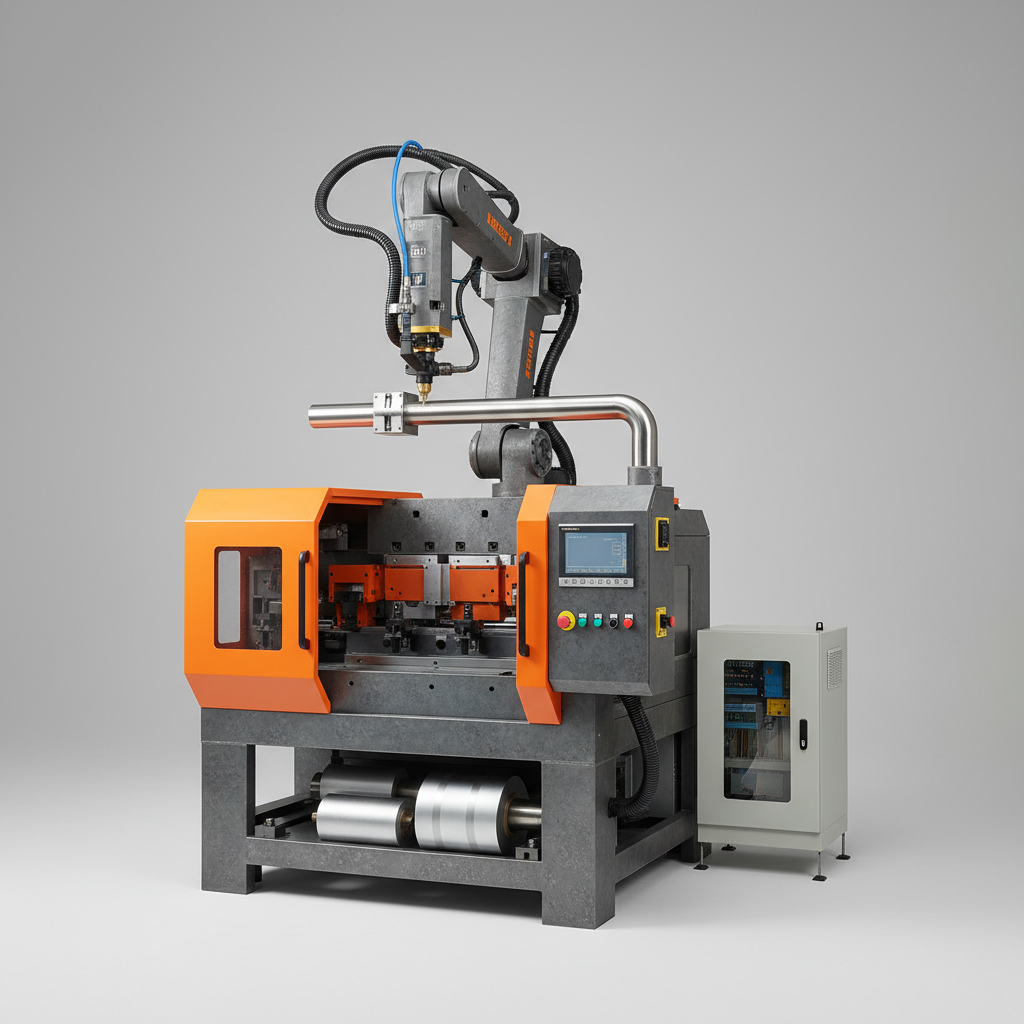
A typical laser welding machine for stainless steel comprises several core components: the laser source (fiber or CO2), a beam delivery system (mirrors and lenses), a welding head with shielding gas nozzles, a control system, and often, robotic integration for automation. The choice between fiber and CO2 lasers depends on the specific application and material thickness. Fiber lasers generally excel with thinner materials and higher welding speeds.
Operationally, proper shielding gas selection (typically argon or a mixture of argon and helium) is critical to prevent oxidation and contamination of the weld. Maintaining the correct focal spot size and travel speed are also paramount. Too slow, and you’ll burn through; too fast, and you won't achieve proper fusion. It’s all about finding that sweet spot, which comes with experience and a good understanding of the process.
Regular maintenance, especially of the optics (lenses and mirrors), is crucial. Dust and debris can significantly reduce laser power and weld quality. Also, safety is paramount—proper laser safety eyewear and enclosure systems are non-negotiable to protect operators from potential hazards.
Practical Applications of laser welding machine for stainless steel Across Industries
You see laser welding for stainless steel everywhere. In the medical industry, it’s used to weld tiny, intricate components for surgical instruments and implants. The precision is unmatched. In the automotive sector, it's used for welding stainless steel exhaust systems and structural components, reducing weight and improving corrosion resistance.
Food processing plants rely heavily on laser welding for hygienic stainless steel pipework and tank fabrication—the smooth, seamless welds prevent bacteria buildup. Aerospace uses it for welding lightweight, high-strength components, crucial for fuel efficiency. Even in architectural metalwork, you'll find it used for creating aesthetically pleasing and structurally sound stainless steel designs.
Weld Quality Comparison – Laser Welding Methods
Advantages and Long-Term Value Proposition of laser welding machine for stainless steel
The biggest advantage, hands down, is the quality of the weld. You get deep penetration, minimal distortion, and a very narrow heat-affected zone. This translates into stronger, more durable components. The reduction in rework and scrap alone often justifies the initial investment.
Beyond that, laser welding is a cleaner process than traditional methods. There's no need for filler metals, and the shielding gas minimizes fumes and spatter. That creates a safer working environment and reduces cleanup costs. Plus, the automation capabilities allow for increased productivity and reduced labor requirements.
Future Innovations and Advancements in laser welding machine for stainless steel
We're seeing a lot of development in remote laser welding, where the laser source is physically separated from the welding head. This allows for greater flexibility and access to difficult-to-reach areas. Also, advancements in beam shaping and control are enabling more precise and efficient welding of complex geometries.
Integrating artificial intelligence and machine learning into laser welding systems is another exciting trend. These technologies can optimize welding parameters in real-time, detect defects, and even predict potential issues before they arise. That kind of proactive control is a game-changer.
Challenges and Solutions in Implementing laser welding machine for stainless steel
The initial cost is still a barrier for many, as is the need for skilled operators. You can't just hand someone a laser welding machine and expect them to produce quality welds. Proper training and certification are essential.
Another challenge is dealing with highly reflective materials, which can cause the laser beam to scatter. Solutions include using specialized laser sources and employing techniques like surface preparation and gas assist to minimize reflectivity. Proper fixture design is also critical to maintain consistent weld positioning and prevent distortion.
Finally, ensuring adequate ventilation and laser safety measures are crucial. It’s not just about protecting the operator’s eyes; it's about creating a safe and compliant working environment for everyone.
Summary of Common Issues and Solutions for Laser Welding of Stainless Steel
| Issue |
Root Cause |
Severity (1-10) |
Proposed Solution |
| Poor Weld Penetration |
Insufficient Laser Power or Incorrect Travel Speed |
7 |
Increase Laser Power or Reduce Travel Speed |
| Weld Porosity |
Inadequate Shielding Gas Coverage or Contaminated Material |
8 |
Optimize Shielding Gas Flow and Ensure Material Cleanliness |
| High Heat Affected Zone |
Excessive Laser Power or Slow Travel Speed |
6 |
Reduce Laser Power or Increase Travel Speed |
| Weld Distortion |
Uneven Heat Distribution or Inadequate Fixturing |
7 |
Improve Fixturing and Optimize Welding Sequence |
| Reflectivity Issues |
Highly Polished or Reflective Stainless Steel Surface |
5 |
Use Surface Preparation Techniques or Specialized Laser Source |
| Operator Skill Gap |
Lack of Proper Training and Certification |
9 |
Invest in Comprehensive Operator Training Programs |
FAQS
Regular maintenance is key to keeping your laser welder running smoothly. This includes cleaning the optics (lenses and mirrors) daily, checking the shielding gas supply, inspecting the cooling system for leaks or blockages, and periodically calibrating the laser parameters. Following the manufacturer's recommended maintenance schedule is crucial to prevent costly downtime and ensure consistent weld quality. Expect to replace optics at regular intervals depending on usage—typically every few thousand operating hours.
Most grades of stainless steel, including 304, 316, and 410, can be successfully welded with a laser welding machine. However, the specific welding parameters (power, speed, gas mixture) need to be adjusted based on the alloy composition and thickness. Certain high-alloy stainless steels may require more careful parameter optimization to achieve optimal weld quality. Understanding the material properties is essential for achieving consistent results.
Laser safety is paramount. Always wear appropriate laser safety eyewear specifically designed for the wavelength of your laser. Ensure the welding area is properly enclosed to prevent stray laser beams from escaping. Implement clear warning signs and access controls. Train all operators on laser safety procedures and ensure they understand the potential hazards. Regular safety audits are recommended to maintain a safe working environment.
The initial investment for a laser welding machine is typically higher than traditional welding equipment. However, when considering the total cost of ownership, laser welding can often be more cost-effective. This is due to reduced labor costs, lower material consumption (no filler metal), decreased rework, and improved weld quality. The long-term ROI can be significant, especially for high-volume or precision welding applications.
Absolutely! Laser welding is ideally suited for automation with robotic systems. Integrating a laser welding machine with a robot allows for increased productivity, consistent weld quality, and reduced operator fatigue. Robotic laser welding systems can be programmed to perform complex weld paths and adapt to varying part geometries. This is becoming increasingly common in manufacturing environments.
With proper maintenance and care, a laser welding machine for stainless steel can have a lifespan of 10-15 years or even longer. The laser source itself is typically the most durable component, with a lifespan of several years. However, regular replacement of optics, cooling components, and other consumables is necessary to maintain optimal performance. A well-maintained machine will provide a significant return on investment over its lifespan.
Conclusion
Laser welding for stainless steel represents a significant advancement in fabrication technology. It’s not just about faster welding speeds or reduced costs; it's about achieving superior weld quality, enhancing safety, and improving overall productivity. The benefits are clear, and the adoption rate is growing as more industries recognize the value it brings.
Looking ahead, we’ll continue to see innovation in laser welding technology, driven by the demands for automation, precision, and sustainability. Investing in laser welding is investing in the future of fabrication—a future where quality, efficiency, and safety are paramount. If you’re serious about stainless steel welding, it’s time to explore what a laser welding machine can do for your operation. laser welding machine for stainless steel