Shijiazhuang Topstar
International Trading Co., Ltd.


Get In Touch
The history of the air compressor is, in many ways, the history of modern industry. From the earliest bellows used by blacksmiths to the high-efficiency rotary systems powering today’s robotic assembly lines, the ability to harness atmospheric air and condense it into a power source has revolutionized how we build, fix, and maintain our world. For the average consumer or a facility manager, the market today can seem overwhelming due to the sheer variety of technologies available. Navigating this landscape requires a firm understanding of specific mechanical designs and the diverse applications they serve. This guide explores the fundamental technologies behind these machines, focusing on the most reliable configurations and the specialized systems used in high-stakes industrial environments.
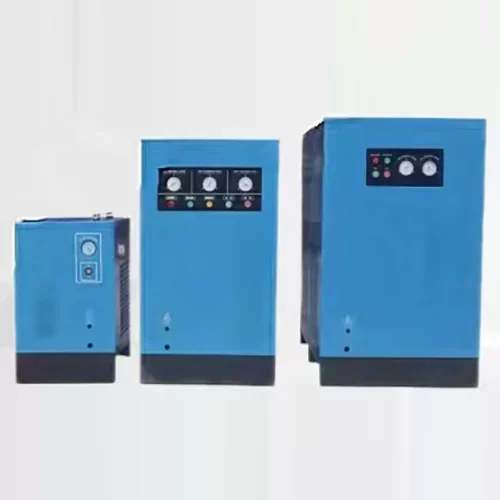
When most people envision an air compressor, they are thinking of a piston-driven machine. This design is technically known as a single stage reciprocating air compressor. It is the "grandfather" of the pneumatic world, remaining popular today because of its rugged simplicity and high pressure-per-stage efficiency. In this specific configuration, a piston moves downward to create a vacuum, pulling air through an intake valve and into the cylinder. As the piston moves back up, it compresses that air in a single stroke before forcing it through a discharge valve and into a storage tank.
The beauty of the single stage reciprocating air compressor lies in its mechanical transparency. Unlike complex rotary screw systems that rely on tight tolerances and constant oil circulation, a reciprocating unit is relatively easy to understand and maintain. This makes it the ideal choice for small-scale workshops, automotive garages, and construction sites. These machines are generally designed to produce pressures between 125 and 150 PSI (pounds per square inch). While they are not typically meant for 100% duty cycles—meaning they need periods of rest to cool down—they are unsurpassed for intermittent tasks like powering pneumatic nailers, impact wrenches, or spray guns.
Durability is another hallmark of this design. Because the piston and cylinder are often made from heavy-duty cast iron, these compressors can withstand harsh environments, from dusty construction zones to humid coastal workshops. For many small business owners, the decision to invest in a single stage reciprocating air compressor is driven by the desire for a tool that can be repaired rather than replaced. As long as the oil is changed and the air filters are kept clean, these workhorses can serve a shop faithfully for decades.
While the mechanical design of a compressor is vital, its compatibility with your electrical infrastructure is equally important. In residential areas and small commercial buildings, the power supply is almost exclusively "single-phase." This is why the single phase air compressor is such a critical category for the DIY enthusiast and the small business owner alike. Unlike the three-phase power required by massive factory machines, single-phase motors are designed to run on standard 110V or 220V circuits.
Choosing a single phase air compressor allows a user to set up a professional-grade pneumatic system without the astronomical cost of rewiring their entire building for industrial-grade electricity. However, there are trade-offs to consider. Single-phase motors generally have a limit on how much horsepower they can produce—usually topping out around 5 to 7.5 HP. For most applications, this is more than sufficient, but it does mean that if your operation expands to a point where multiple people are using high-volume tools simultaneously, you might eventually hit the ceiling of what single-phase power can provide.
Modern single phase air compressor units have become increasingly sophisticated, with many manufacturers focusing on noise reduction and energy efficiency. Traditional units were notoriously loud, often requiring them to be housed in a separate room or outside the main workspace. Today, "ultra-quiet" versions utilize slower motor speeds and better-balanced components to bring decibel levels down to a point where a conversation can be held right next to the machine. For a home garage or a small boutique workshop, this evolution in single-phase technology has made compressed air more accessible and less intrusive than ever before.
As we move from the home workshop to the factory floor, the scale of air requirements changes dramatically. In a manufacturing environment, air is often considered the "fourth utility," alongside electricity, water, and gas. At this level, procurement is no longer about buying a standalone tool; it is about designing an integrated system. This is where the role of industrial air compressor suppliers becomes indispensable. These suppliers provide the expertise necessary to calculate the total air demand of a facility, ensuring that the system is neither undersized (leading to pressure drops) nor oversized (leading to wasted energy).
Industrial air compressor suppliers offer a bridge between the complex engineering of the manufacturer and the practical needs of the end-user. They specialize in "air audits," which involve monitoring a plant's air usage over several days to identify leaks and inefficiencies. Because energy consumption can account for up to 80% of the lifetime cost of an air compressor, a supplier who can help reduce that load is worth their weight in gold. They also provide critical aftermarket support, including preventative maintenance contracts and 24/7 emergency repairs, which are vital for industries where an hour of downtime can result in thousands of dollars in lost revenue.
Furthermore, these suppliers help facilities navigate the shift toward "Smart Compressed Air." This involves the installation of Variable Speed Drive (VSD) compressors that adjust their motor speed to match the exact demand of the plant in real-time. By partnering with the right industrial air compressor suppliers, a factory can ensure that their air system is not just a source of power, but a optimized component of their overall operational efficiency.
In the modern industrial landscape, "air" is sometimes only the starting point. Many high-tech processes require inert gases to prevent oxidation, ensure food freshness, or facilitate high-precision cutting. This has led to the widespread adoption of the nitrogen air compressor system. For years, companies that needed nitrogen had to rely on the delivery of high-pressure cylinders or liquid nitrogen tanks. This was not only expensive but also created logistical headaches and safety risks associated with handling heavy, high-pressure gas bottles.
A nitrogen air compressor (often working in tandem with a nitrogen generator) allows a facility to produce its own nitrogen on-site using the ambient air around them. The process typically involves taking compressed air and passing it through a Carbon Molecular Sieve (CMS) or a membrane filter. These filters "scrub" the oxygen and CO2 molecules out of the air, leaving behind a stream of nitrogen that can be adjusted to purities as high as 99.999%.
The applications for this technology are vast. In the food and beverage industry, nitrogen is used to displace oxygen in packaging to extend shelf life—a process known as Modified Atmosphere Packaging (MAP). In electronics manufacturing, nitrogen provides an inert environment for soldering, preventing the formation of dross and improving joint quality. By integrating a nitrogen air compressor into their workflow, businesses can achieve a rapid return on investment by eliminating the recurring costs of gas deliveries. It represents the pinnacle of pneumatic independence, turning the very air we breathe into a specialized industrial tool.