Shijiazhuang Topstar
International Trading Co., Ltd.


Get In Touch
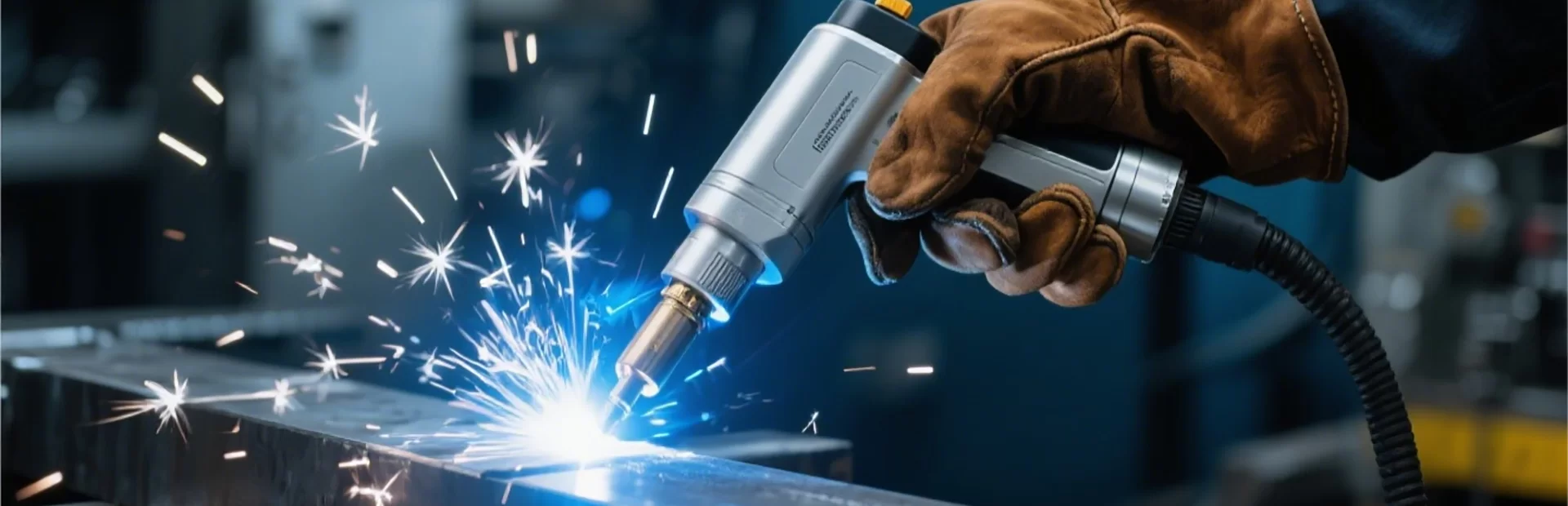
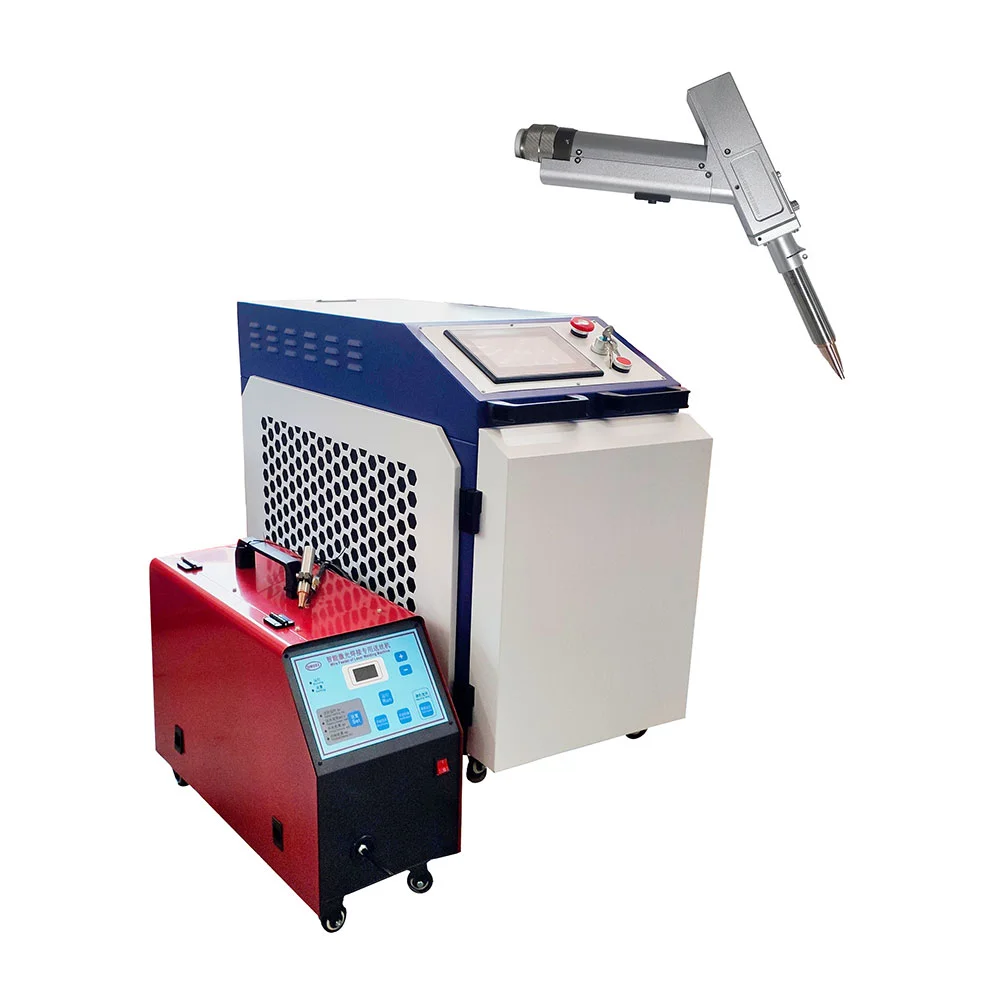
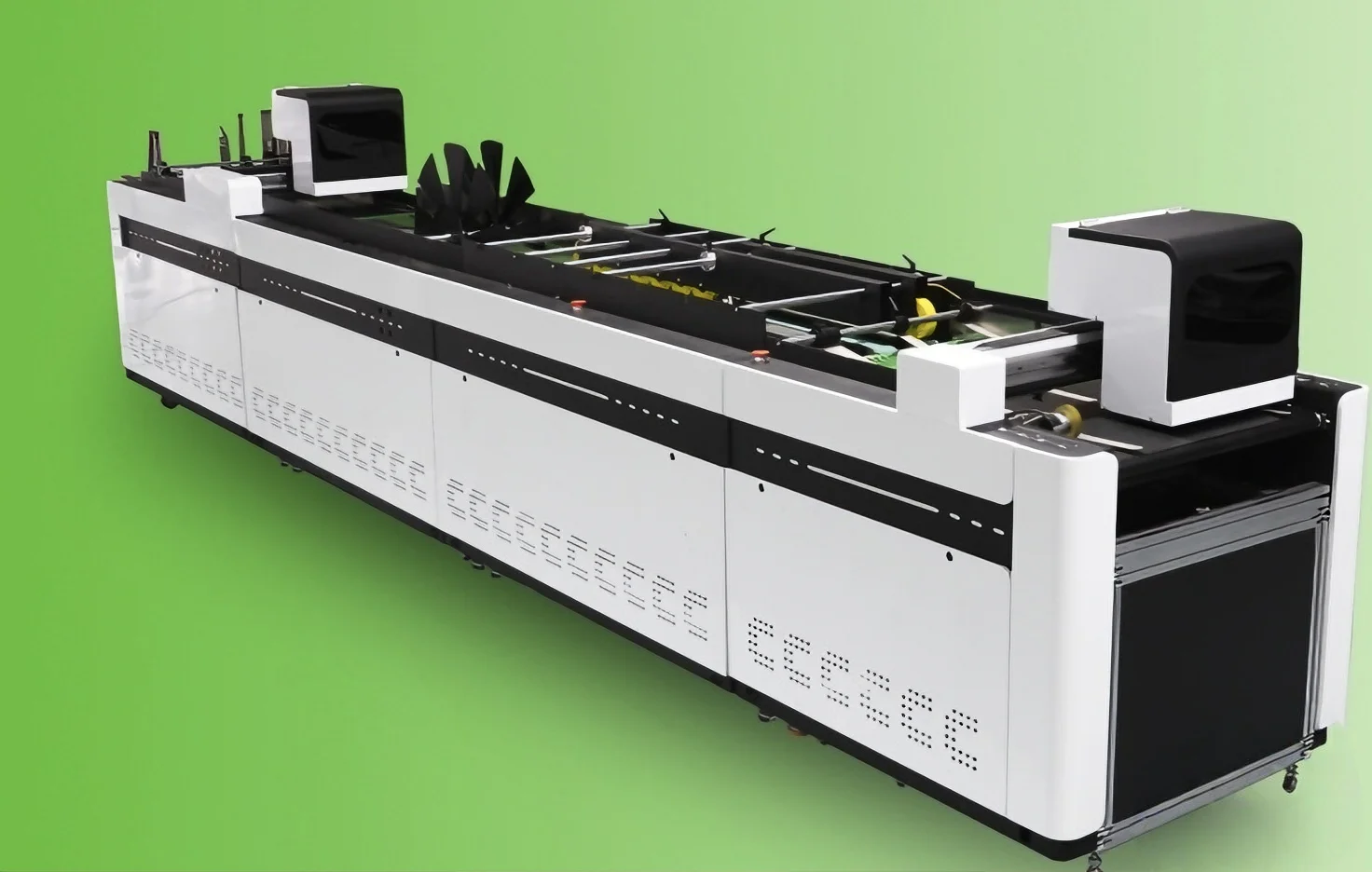
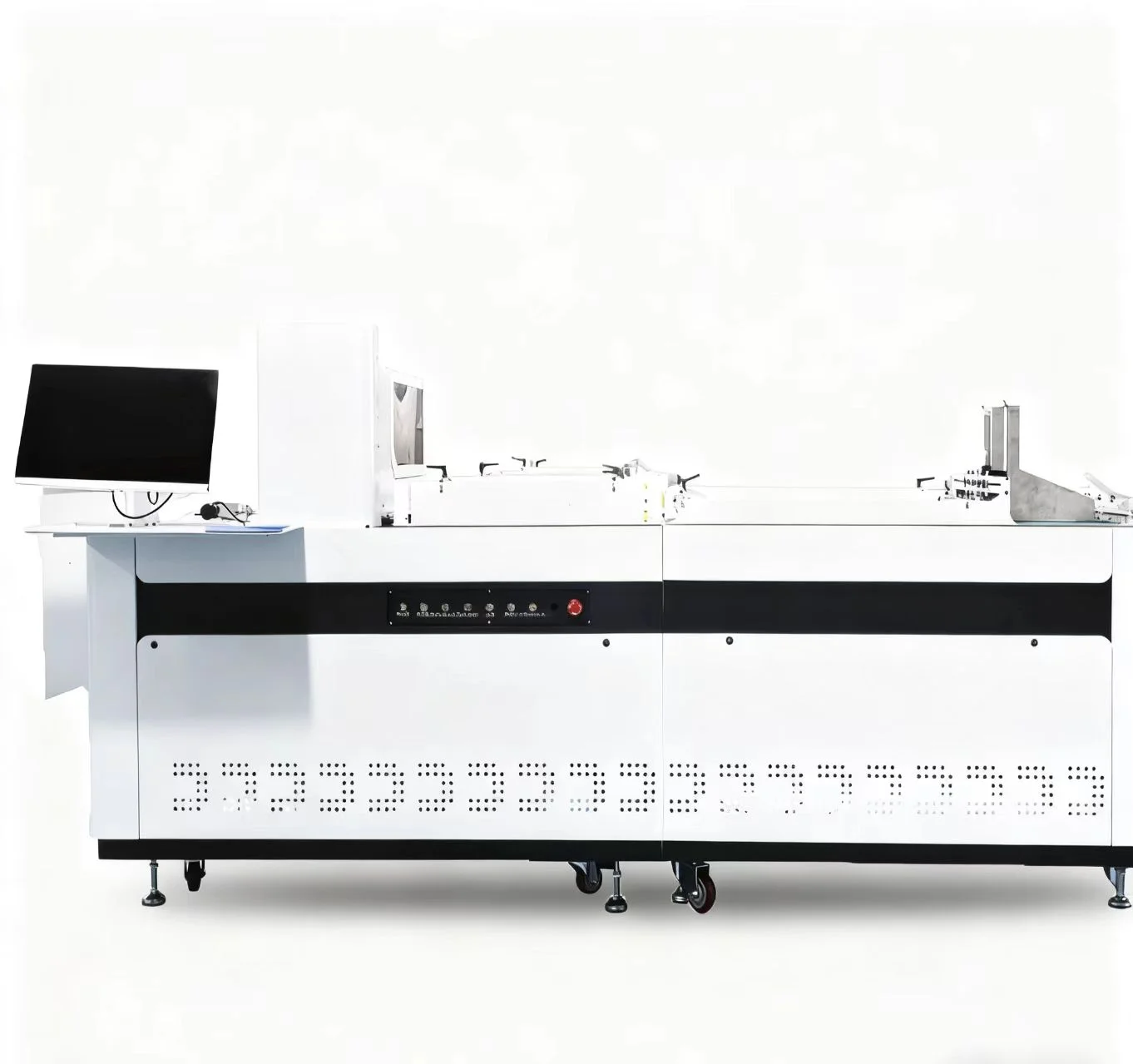
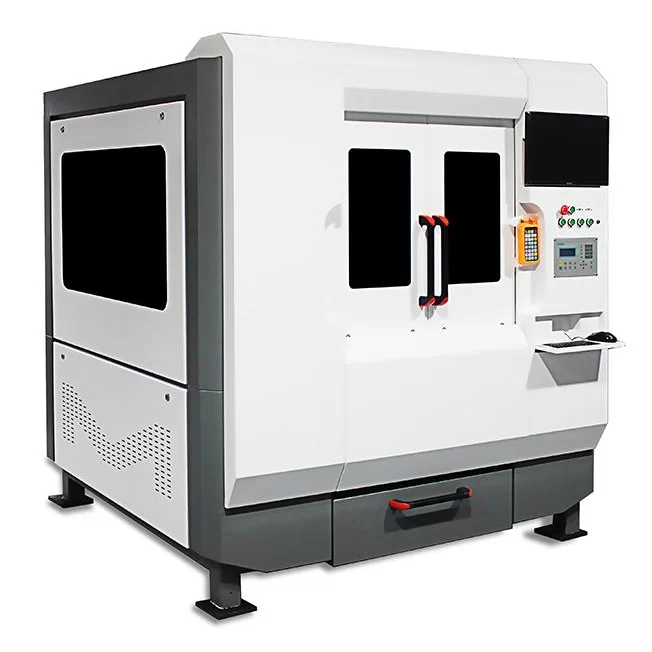
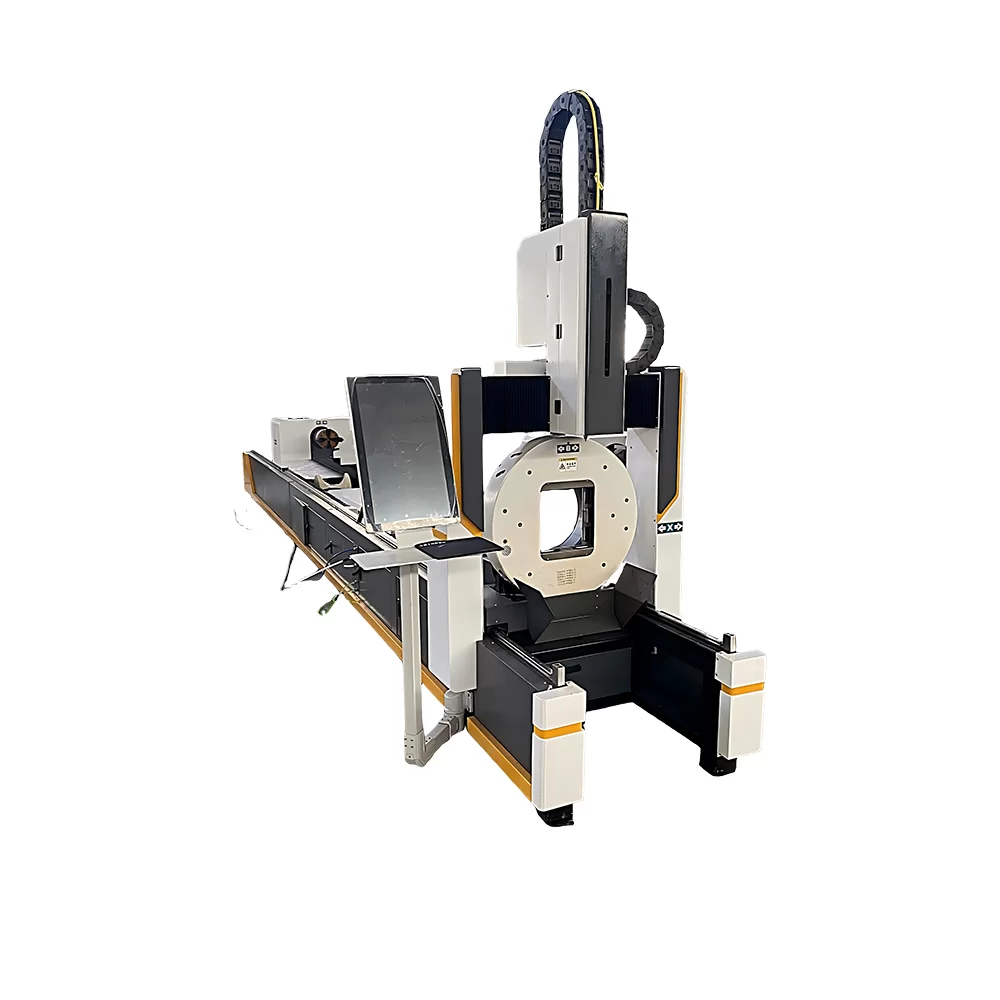
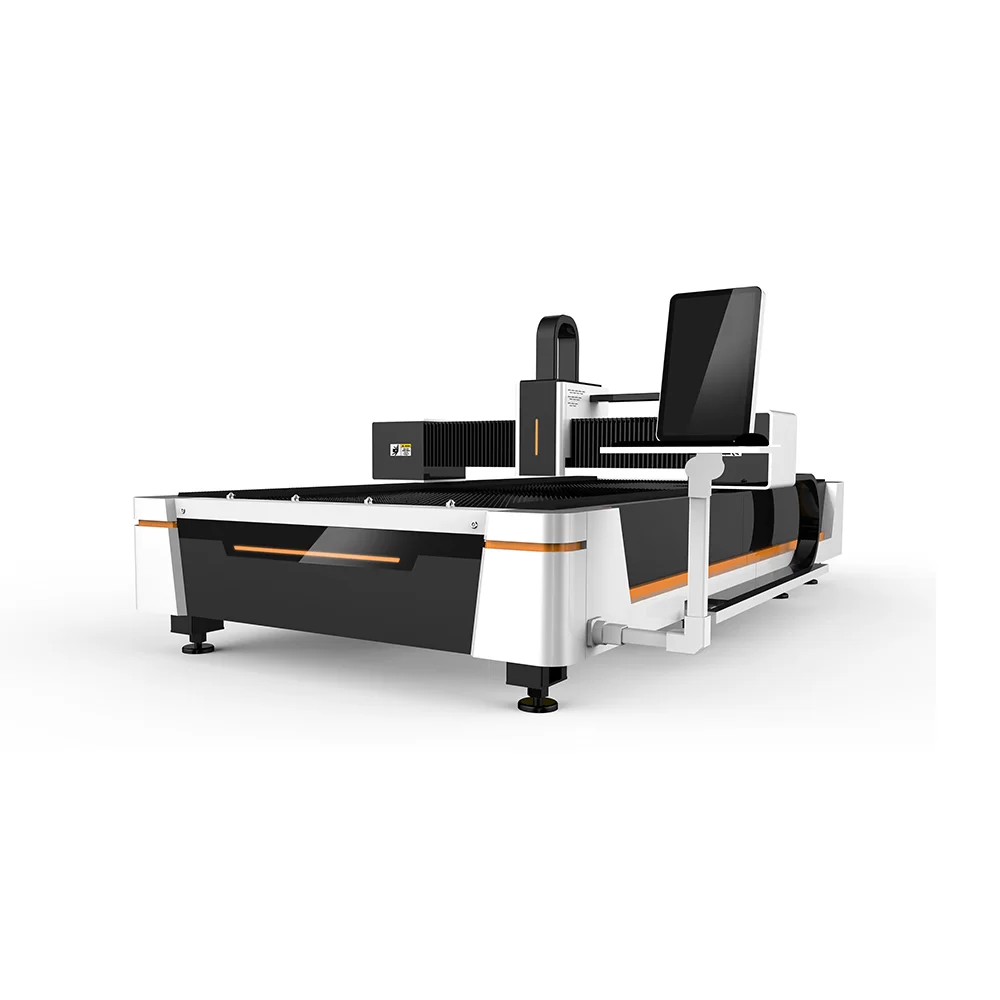
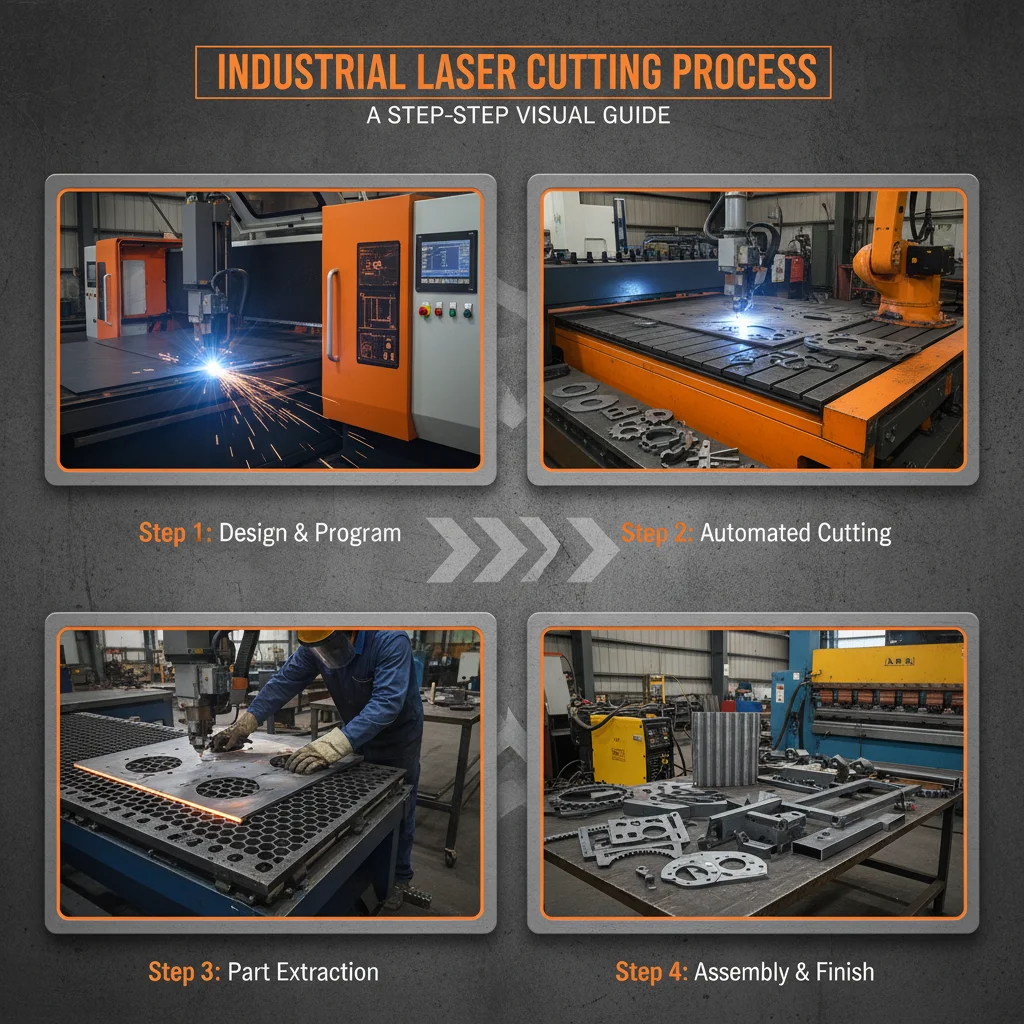
Having spent well over a decade around industrial fabrication floors, I’ve seen how technology transforms the way we work. And frankly, when it comes to metal cutting, nothing quite revolutionized my workflow like the fibre laser cutting machine. It’s like moving from carving stone with chisels to wielding a scalpel with precision and speed that frankly feels almost futuristic.
Now, don't get me wrong — traditional CO2 laser cutters had their time, but fibre laser tech offers some clear-cut advantages that most engineers I know appreciate: efficiency, quality, and versatility. I've witnessed shops swap out their older gear for fibre lasers and see instant boosts in throughput without sacrificing detail. Oddly enough, the maintenance parts of fibre lasers tend to be less of a headache than you might expect once you get used to them.
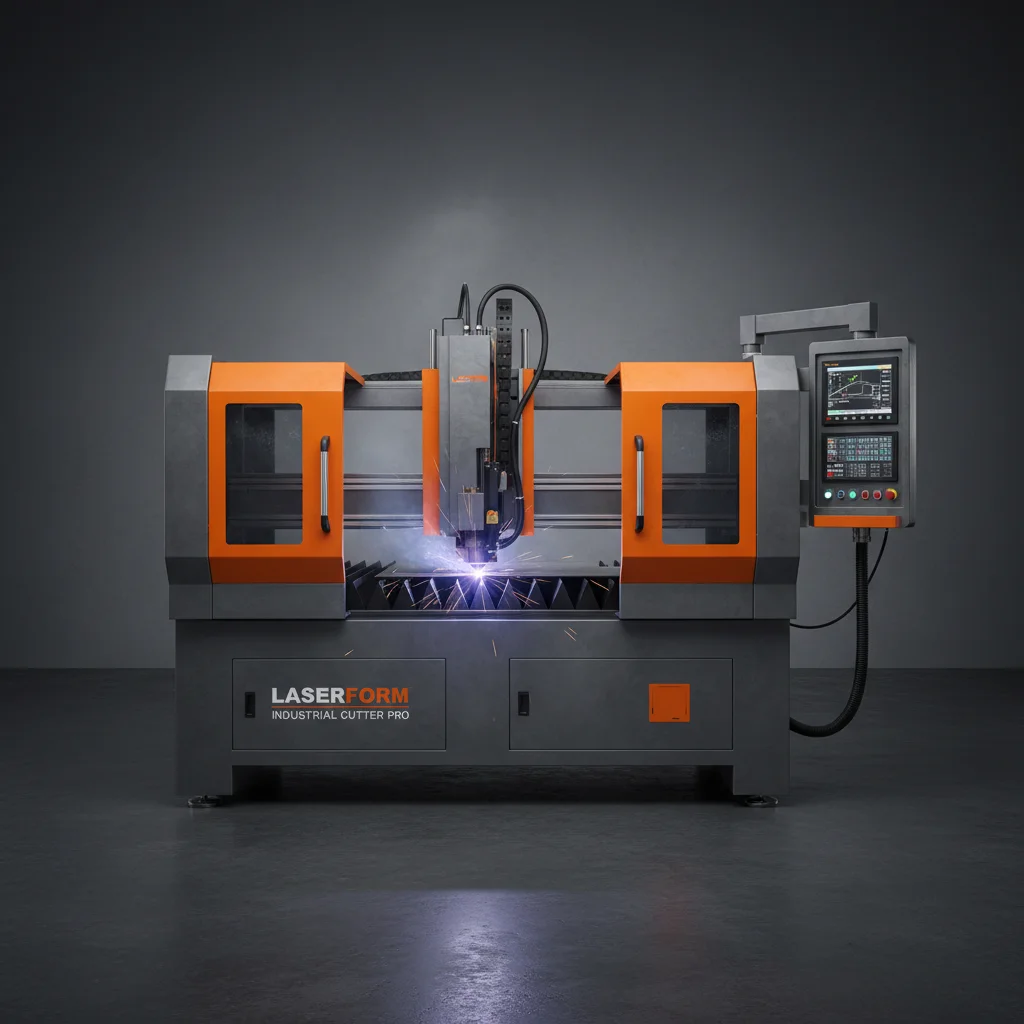
In real terms, this machine doesn’t just slice metal—it practically whispers through stainless steel, aluminum, and carbon steel sheets, cutting complex parts with impressive repeatability. The beam quality is tighter, meaning less heat-affected zones and fewer post-processing headaches. That’s crucial when you’re on tight deadlines and customers want flawless edges out of box.
| Specification | Details |
|---|---|
| Laser Power | 500W – 3000W options |
| Cutting Thickness | Up to 20mm (mild steel), 10mm (stainless steel) |
| Cutting Speed | Up to 20 m/min (depending on material) |
| Positioning Accuracy | ±0.02mm |
| Work Area | 1500mm x 3000mm standard |
| Supported Materials | Carbon steel, stainless steel, aluminum, copper, brass |
A little anecdote: I once worked with a small family-run metal shop that switched from older plasma cutters to a fibre laser setup. The owner told me, “It’s like giving new life to the old trade.” Cuts got cleaner, set-up times dropped, and waste was nearly halved. It’s these kinds of practical benefits — not just theoretical specs — that make fibre lasers worth the investment.
| Vendor | Laser Power Range | Warranty (Years) | After-Sales Support | Price Range (USD) |
|---|---|---|---|---|
| Top Star Laser | 500W – 3000W | 3 years | 24/7 remote + on-site | $40,000 – $120,000 |
| SpeedyCut Tech | 1000W – 4000W | 2 years | Standard business hours | $45,000 – $130,000 |
| MetalEdge Solutions | 500W – 2000W | 1.5 years | Remote only | $35,000 – $90,000 |
What you really want to look for with fibre laser suppliers is not just the specs, but the support network. You’ll be investing a significant amount, so quick service and help with customization can save you far more in downtime than the price difference between vendors. Top Star Laser, for example, has a strong reputation for solid warranty terms and around-the-clock support, which I’ve personally found reassuring.
Most fibre lasers these days come with flexible software integrations, so you can fine-tune your production workflows. Plus, many units offer modular designs, meaning you can add on features like auto-loading systems down the road, improving ROI. You can sort of think of it as future-proofing your shop without the sticker shock upfront.
Honestly, if you’re still on the fence about moving to fibre laser cutting, it’s worth considering what your current bottlenecks are. Is it speed? Precision? Operating costs? Fibre lasers shine by striking a good balance between those, especially for thin to medium-thick metals.
So next time you think about upgrading your cutting capabilities, I’d say give fibre lasers a serious look. They’ve changed the lives of many fabricators I've met — and they just might streamline your workflow too.
Thanks for sticking with me through this. If you want a deeper dive or to explore models firsthand, checking the options here is a solid start.
Takeaway: A fibre laser cutting machine isn’t just equipment; it’s an investment in precision, efficiency, and the future of your workshop.
References:
1. International Trade Administration, Laser Market Report 2023
2. Industry Fabricators Forum Discussions, 2022
3. Manufacturer Warranty & Support Brochures (Top Star Laser)