Shijiazhuang Topstar
International Trading Co., Ltd.


Get In Touch
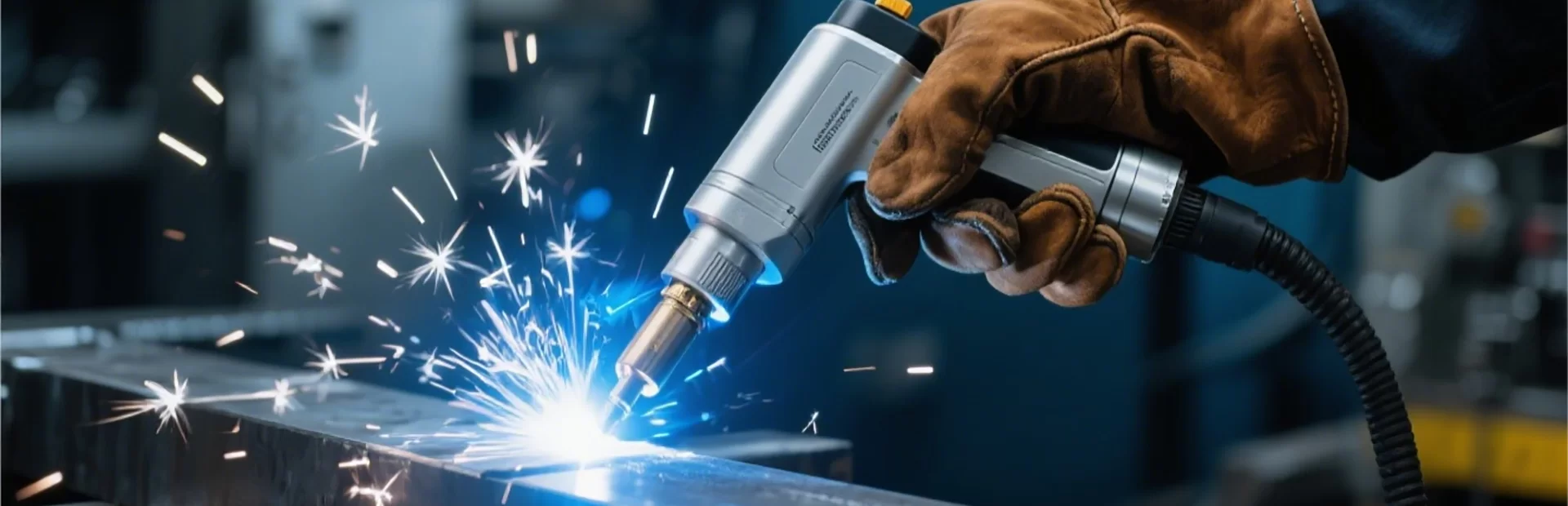
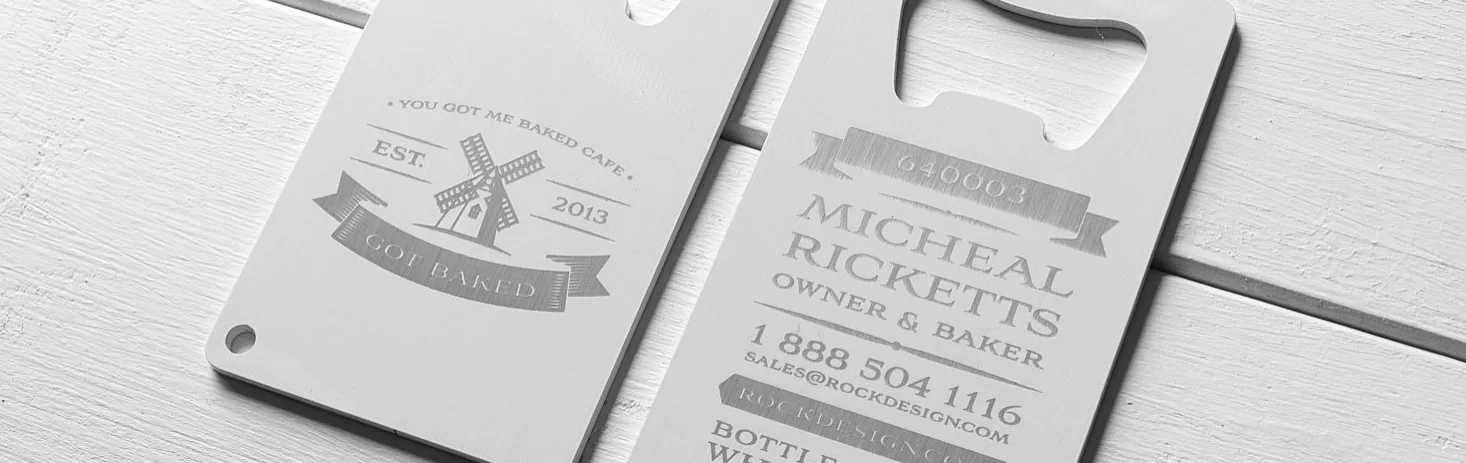
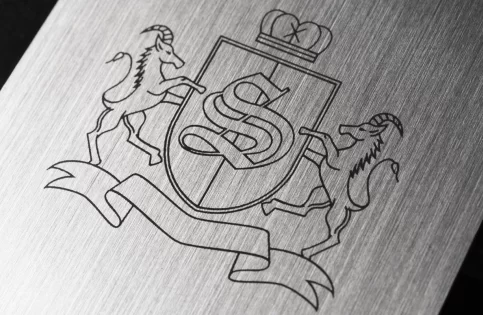
A handheld laser marking machine is a portable laser marking device. Its core is to focus a high-energy laser beam on the surface of a material through a handheld laser emitting unit, causing physical or chemical changes in the material, thereby forming a permanent and fine mark.
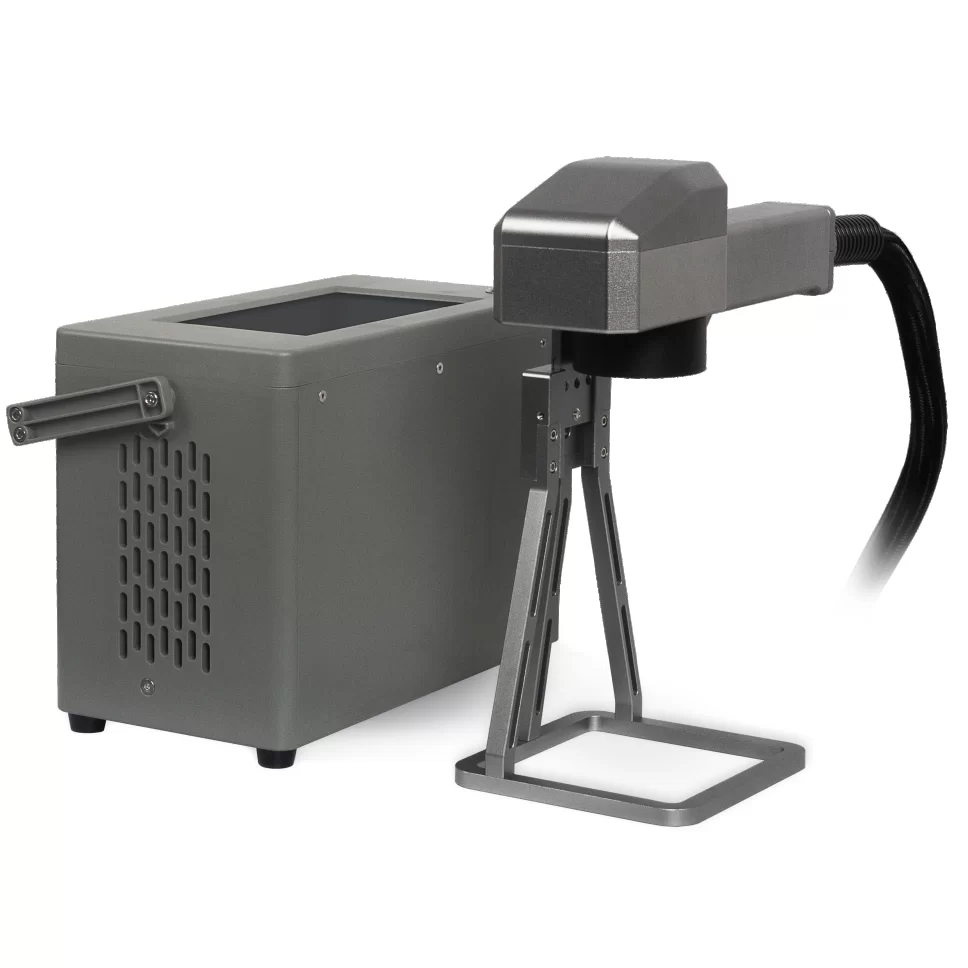
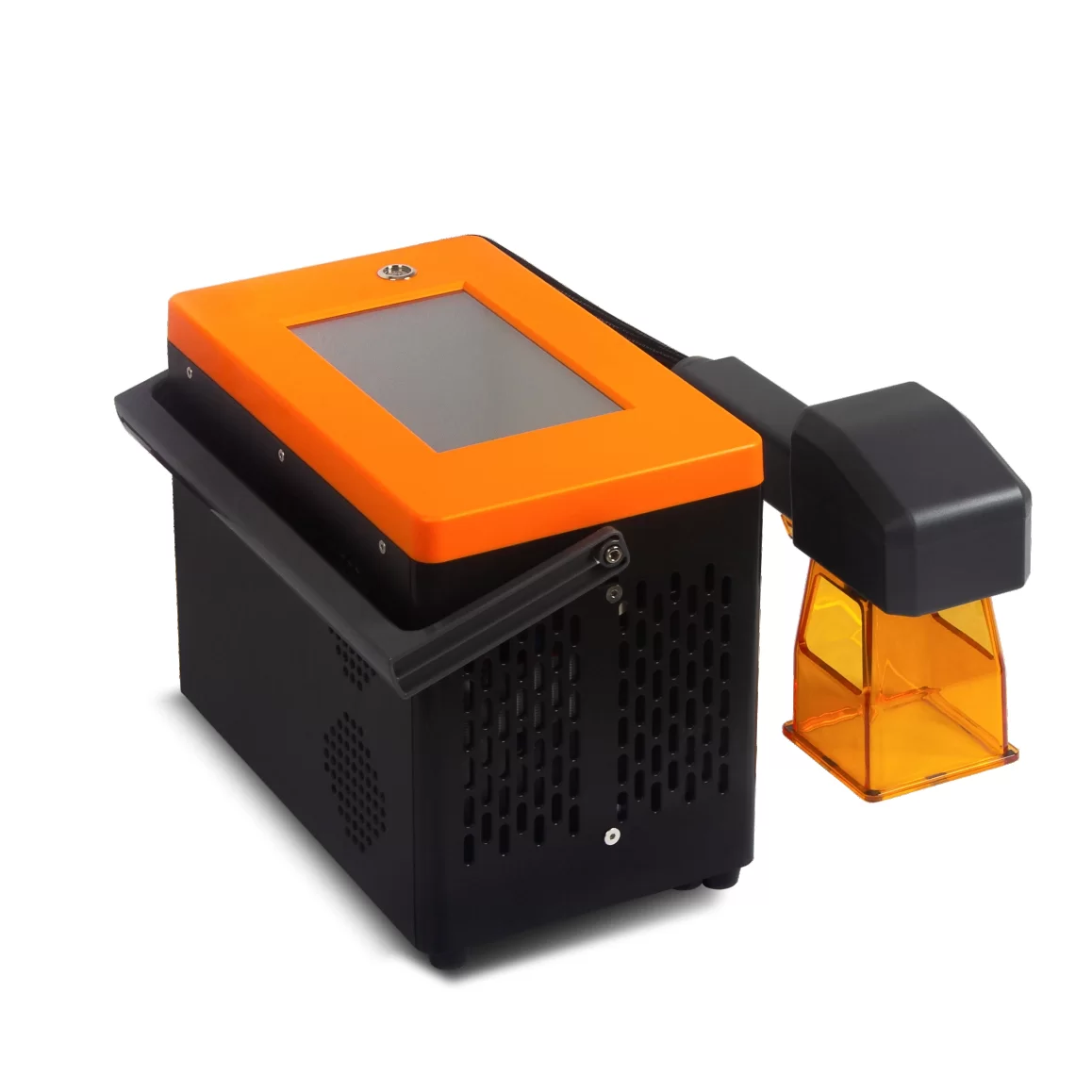
Handheld laser marking machines can be moved for operation – there is no need to move materials like a desktop machine, and marking can be done directly on site; it has a wide range of applications and can mark both metals and non-metals; the marking is wear-resistant and requires no consumables, and the operation is also simple.
1.Portability: Lightweight and easy to carry, it doesn't need to be fixed in one place. You can mark directly on-site (for example, next to large equipment) without moving materials.
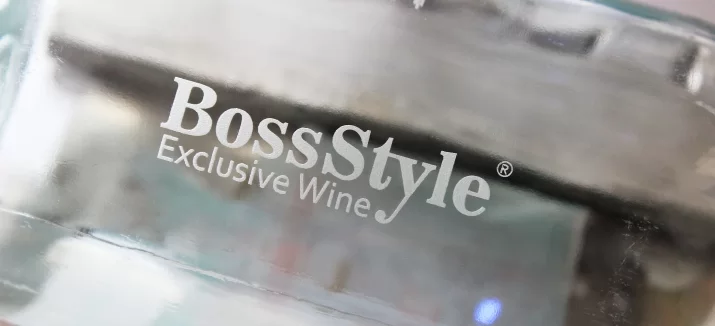
2.High-volume marking capability: It can mark both metals (stainless steel, aluminum) and non-metals (plastic, wood) without having to change equipment.
3.High-quality marking and cost-effectiveness: The markings are durable and require no consumables, using only electricity, resulting in low long-term costs.
4.Easy to operate: Parameter adjustment is simple, making it easy for even novice users to use.
The application scenarios of handheld laser marking machines are very flexible. There is no need to carry heavy workpieces, and they can be used for on-site marking or temporary marking needs, making them suitable for a variety of practical usage scenarios.
Modelseries | Q8A | |||
Model | Q8A-20 | Q8A-30 | Q8A-50 | |
Laserparameter | Outputpower | 19.5W | 26.5W | 50W |
BeamqualityM² | ≤1.4 | |||
Pulserepetitionrate | 27-60kHz | |||
Laserwavelength | 1064±5 | |||
Outputpowerstability | <3%<> | |||
Optical properties | Marking range | 100mmx100mm | ||
Engraving depth | ≤1mm(depending on power and time) | |||
Engraving speed | ≤10000mm/s | |||
Repeatability | ±0.005 | |||
Minimum marker line width | 0.1mm | |||
Minimum character height | 0.15mm | |||
Use environment | Battery life | Under normal use,it can maintain work for6-8hours | ||
Cooling method | Built-in air cooling | |||
Power supply to the system | 500W/100-240V/50/60Hz | |||
Other parameters | operating system | Linux operating system | ||
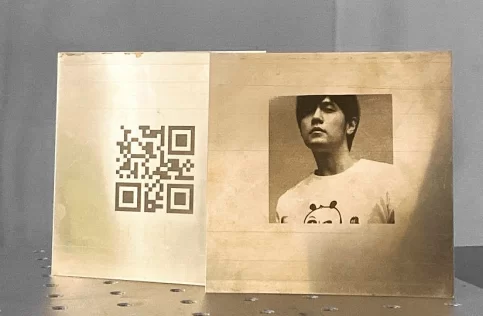
file format | Software supports text,pattem,QR code,barcode,serial number,graphics and other marking content(standard USBinput) | |||
Dimensions | Control chassis:255X135X200 mm Stamping head:270X166X273mm | Control chassis:275x150x200mm | ||
Total weight | The whole machine is 6kg,and the headis 1.25kg | The whole machine is 6.5kg,and the head is 1.25kg | ||
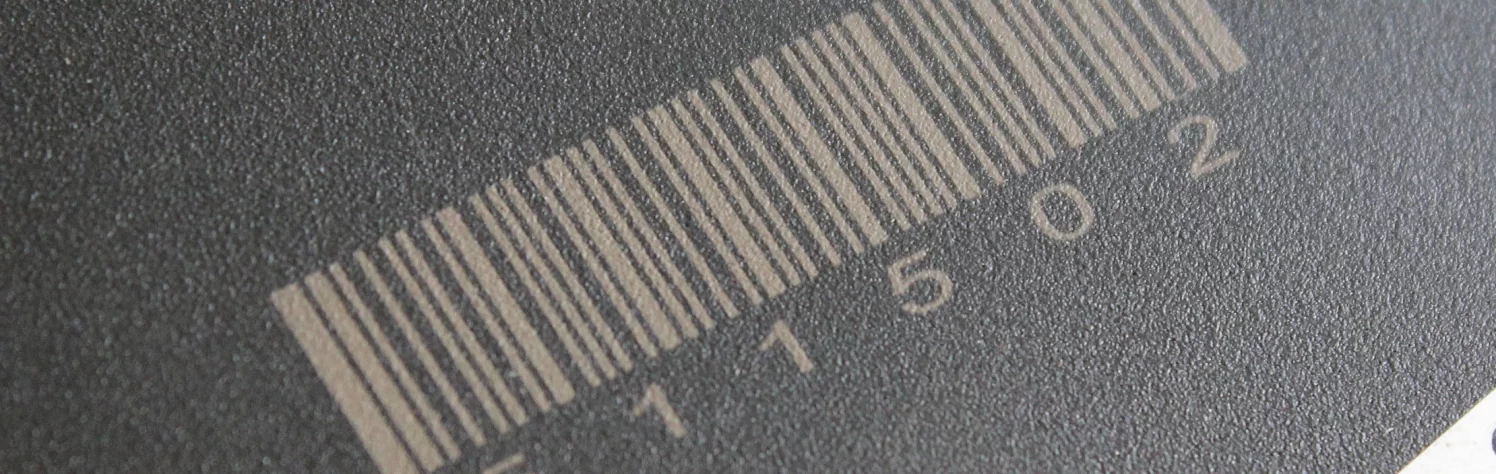
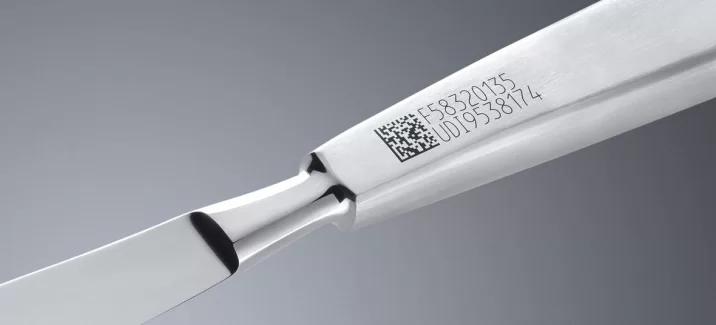

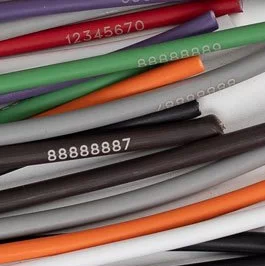
In the massive world of industrial infrastructure, the ability to accurately identify and track steel components is a critical requirement for safety, compliance, and logistical efficiency. Steel structures, ranging from the girders of skyscrapers to the frames of offshore oil platforms, require permanent identification that can survive the harshest environments. Traditionally, this was done using heavy stencils, metal tags, or manual etching, but the advent of handheld laser marking has fundamentally changed the workflow for steel structure identification.
The Challenge of Large-Scale Steel Identification
Steel structures are inherently difficult to manage due to their scale. Most components are oversized, weighing several tons and measuring dozens of meters in length. In a traditional factory setting, moving these components to a fixed desktop marking station is a logistical nightmare involving cranes, forklifts, and significant safety risks. A portable marking machine for steel eliminates this entire bottleneck. Instead of bringing the mountain to the mountain climber, the operator simply carries a lightweight device to the steel girder. This ""on-site marking"" capability means that identification can occur at the moment of fabrication, during assembly, or even after the structure is fully installed.
Permanence and Environmental Resistance
Identification on steel structures must endure years of exposure to UV radiation, saltwater, extreme temperature fluctuations, and physical abrasion. Ink-based markings fade, and adhesive labels eventually peel off. The handheld laser marking process creates a permanent change in the surface of the steel. By concentrating a fiber laser beam on the surface, the machine induces a thermal reaction that either engraves the metal or creates a high-contrast oxide layer through annealing.
This marking is wear-resistant and does not rely on any consumables like ink or chemicals. For steel structure identification, this means that serial numbers, QR codes, and load-bearing specifications remain legible for the entire lifecycle of the structure. Even if the steel is subsequently painted or coated, the relief created by deep laser engraving allows the identification to be ""read"" through the coating or easily recovered with light sanding.
Maintenance, Repair, and Overhaul (MRO) operations are the backbone of the aerospace, automotive, and heavy machinery industries. In these sectors, identifying a part's history and its maintenance schedule is vital for preventing catastrophic failures. The handheld laser marking machine has become a primary tool for maintenance teams who need to mark components during field service or within the tight confines of an engine room.
On-Site Marking in Restricted Spaces
Maintenance often takes place in environments where desktop equipment cannot go. Imagine a technician working on the maintenance of a large naval vessel or a stationary power generator. Moving the materials to a marking station is impossible. A portable fiber laser marking machine is lightweight and easy to carry, allowing the technician to mark directly on-site—for example, next to large equipment without moving the material.
Whether it is marking a new date of service on a hydraulic valve or identifying a repaired section of a pipeline, the portability of the handheld unit ensures that the work is documented immediately. This immediacy reduces the risk of human error where a technician might forget to mark a part after returning to a central office.
Non-Metals and Versatile Applications
While much of MRO work involves metals like stainless steel and aluminum, maintenance teams also deal with a wide range of non-metals. Protective housings, plastic gaskets, and wooden crates all require identification. One of the standout features of the handheld laser marking system is its high-volume marking capability across different materials.
Deep engraving is a specialized form of laser marking where the goal is to remove a significant amount of material to create a physical ""relief"" on the surface. While many people associate handheld units with light surface marking, a high-quality portable fiber laser marking machine is more than capable of deep engraving, provided the operator understands the relationship between power, frequency, and multiple passes.
The Mechanics of Depth
To achieve deep engraving with a handheld laser marking machine, the laser must be programmed to pass over the same area multiple times. Each pass vaporizes a few microns of material. By repeating this process, the machine can create a deep trench in metals like aluminum, brass, or stainless steel. This is particularly useful for VIN numbers on vehicle frames or branding on industrial molds where the marking must be deep enough to remain visible even if the part is subjected to heavy surface wear.
The software in a modern handheld laser marking unit allows for precise parameter adjustment. To engrave deeply, the operator typically sets a lower frequency and a higher power output. This increases the ""punch"" of each laser pulse, allowing it to penetrate deeper into the substrate. Because the beam spot is incredibly fine, the edges of the deep engraving remain sharp and legible, even at depths of 0.5mm or more.
Economic Advantages of Handheld Deep Engraving
Traditionally, deep engraving was done with mechanical CNC milling or chemical etching. Both methods are expensive and time-consuming. Mechanical milling requires expensive bits that wear out, and chemical etching involves hazardous waste. A portable fiber laser marking machine offers high-quality marking and cost-effectiveness that these methods cannot match.
There are no tools to break and no chemicals to dispose of. The machine can deep-engrave complex logos, serial numbers, and even 3D textures into a metal surface with zero physical contact, meaning there is no mechanical stress on the workpiece. This makes it the ideal tool for flexible manufacturing environments where a variety of deep-marking tasks are performed on a daily basis.