Shijiazhuang Topstar
International Trading Co., Ltd.


Get In Touch
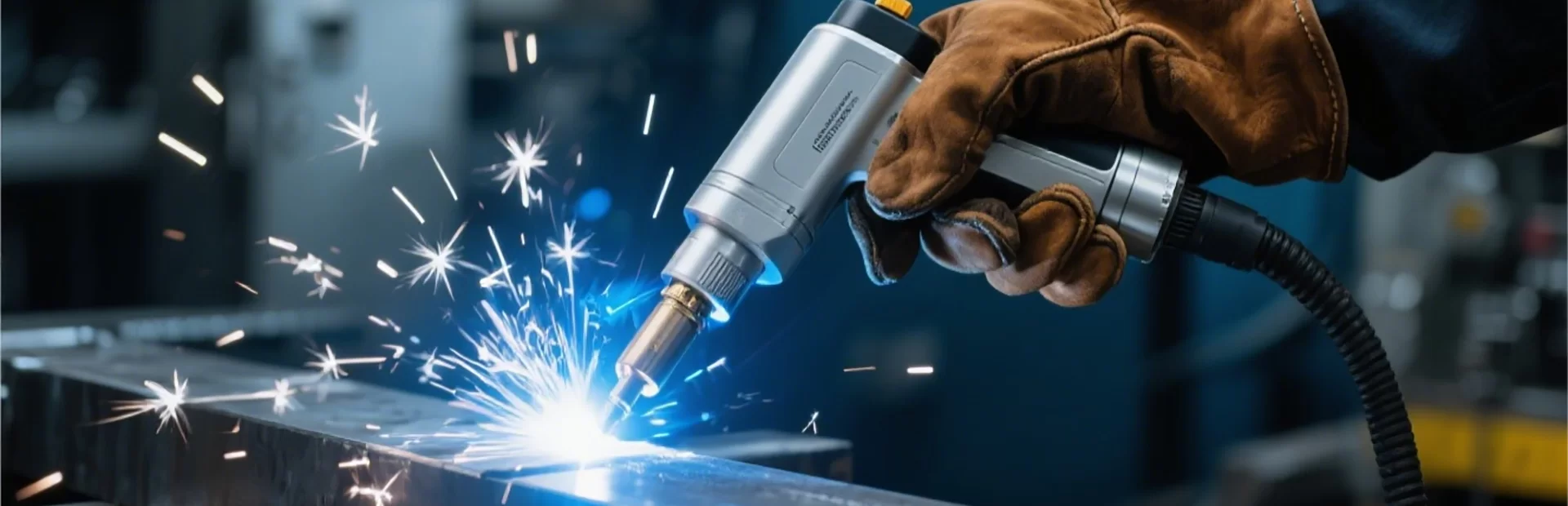
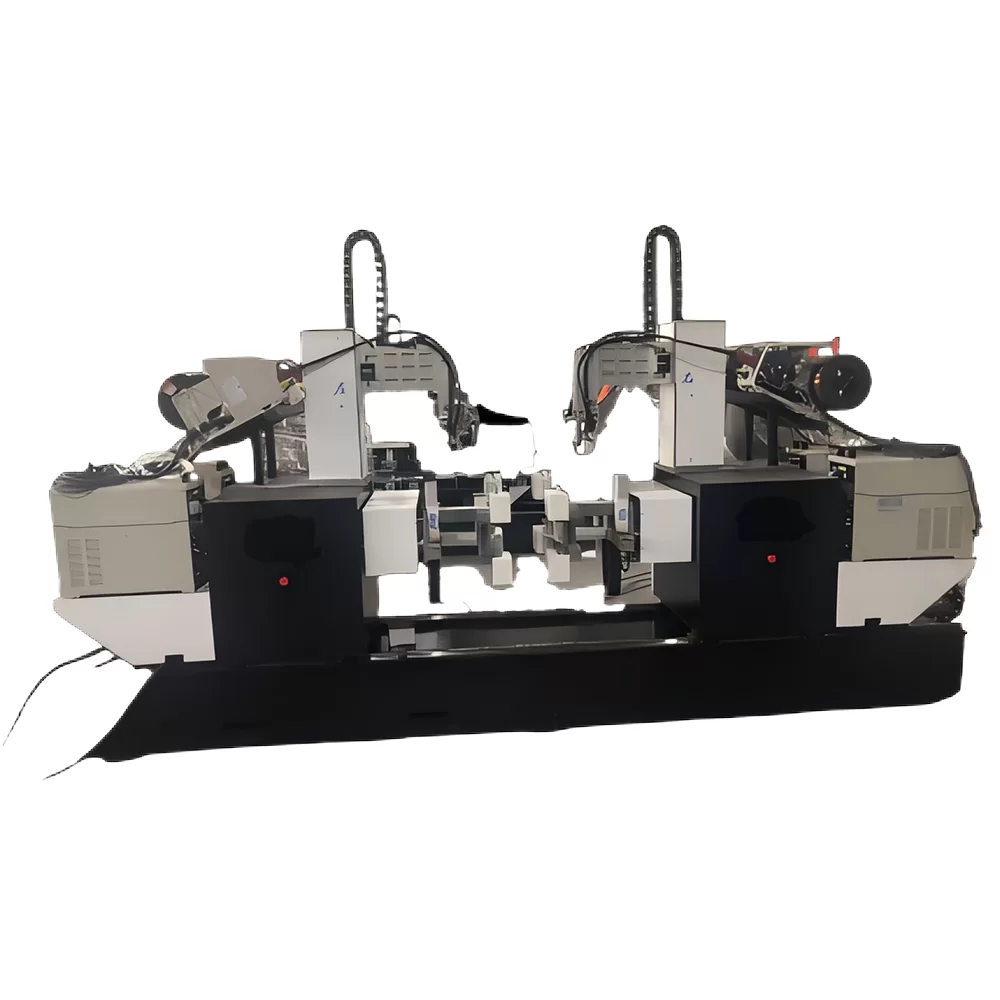
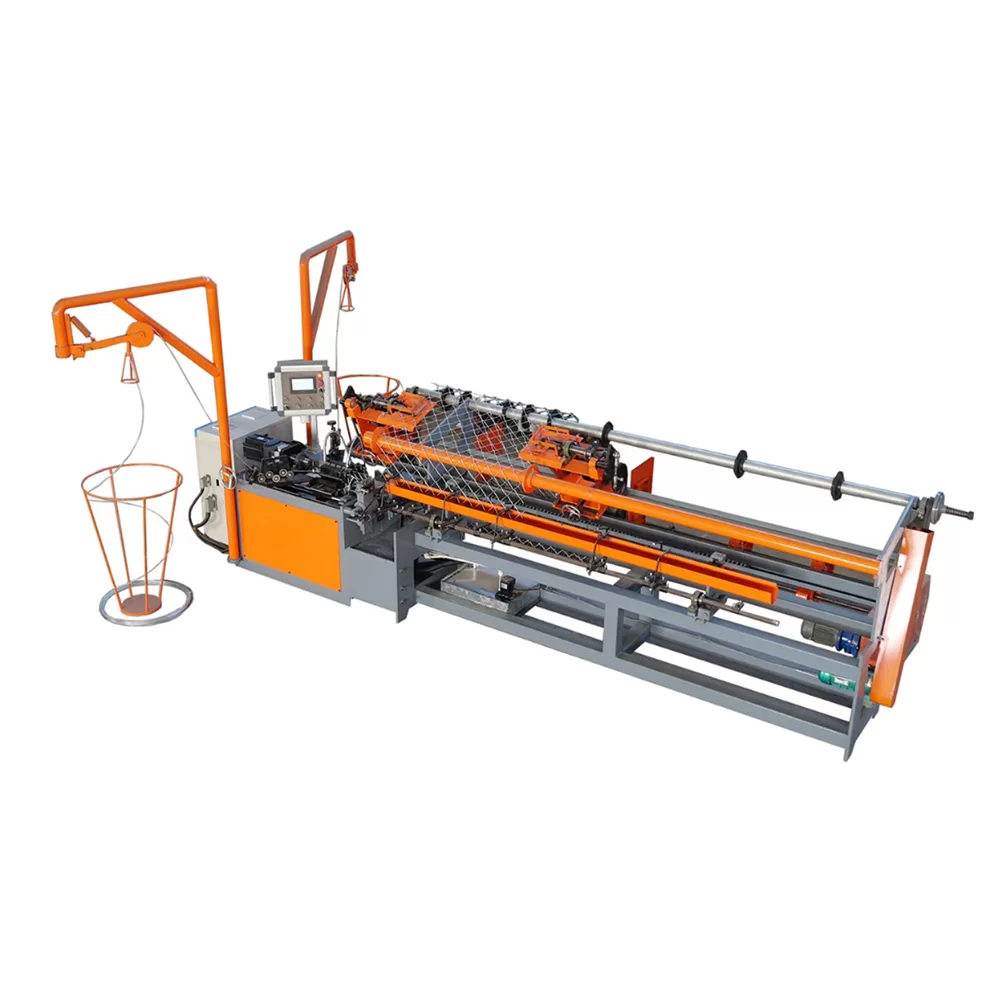
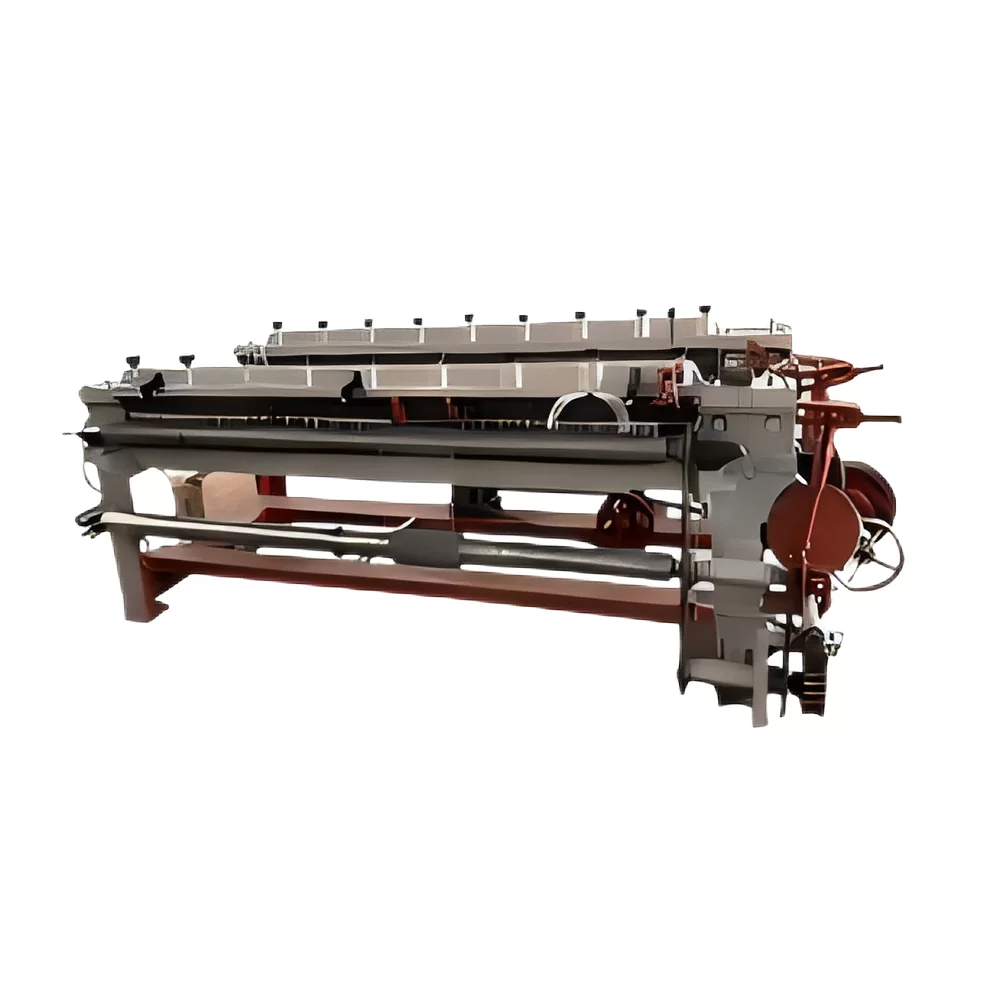
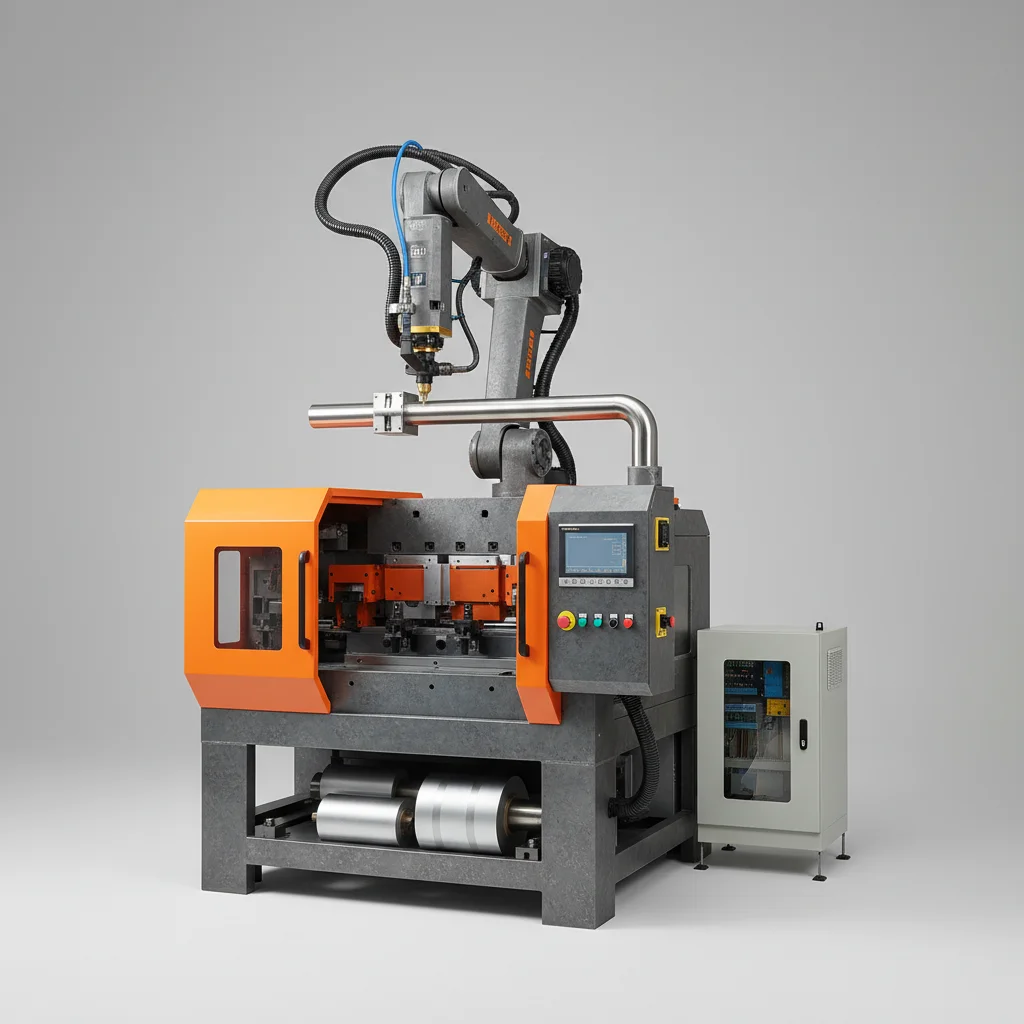
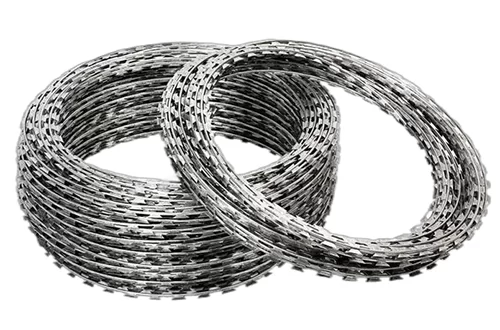
Through the synergistic effect of mechanical transmission, material forming and stamping, the metal strip is processed into spiral or straight barbed wire with sharp blades.
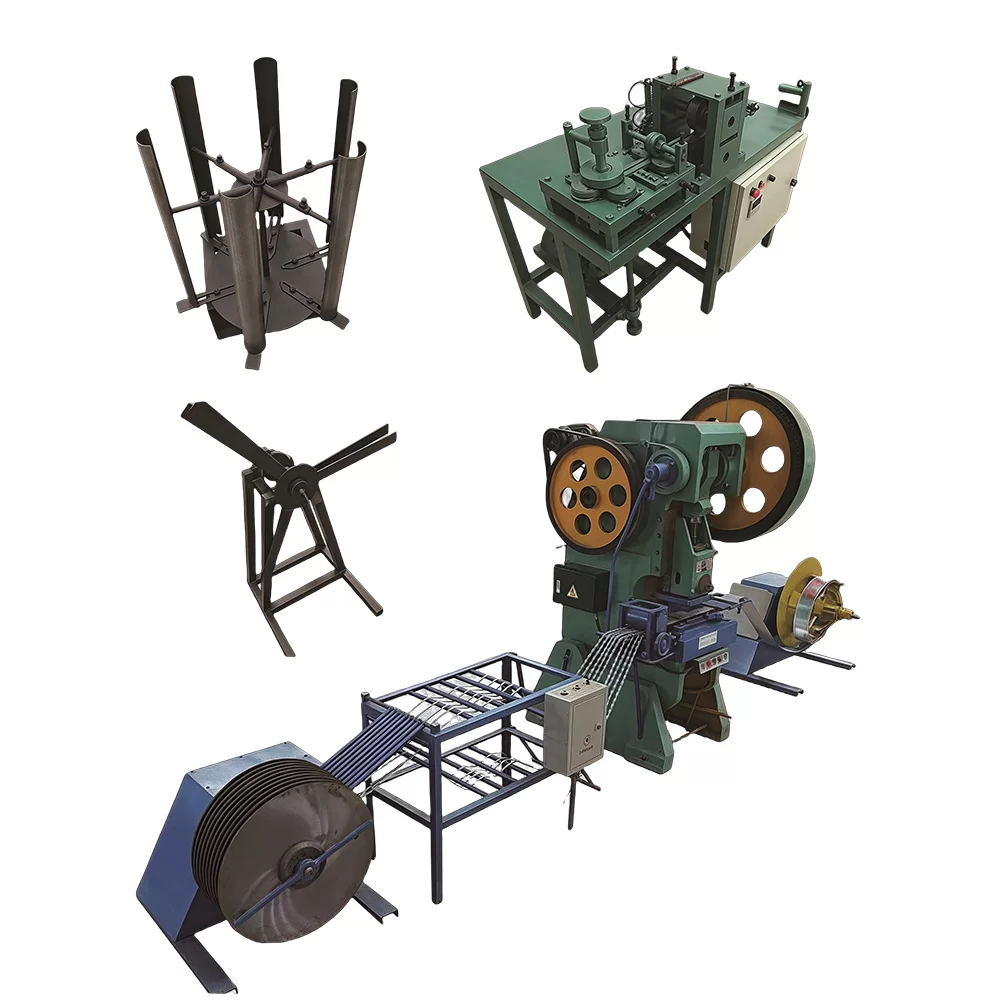
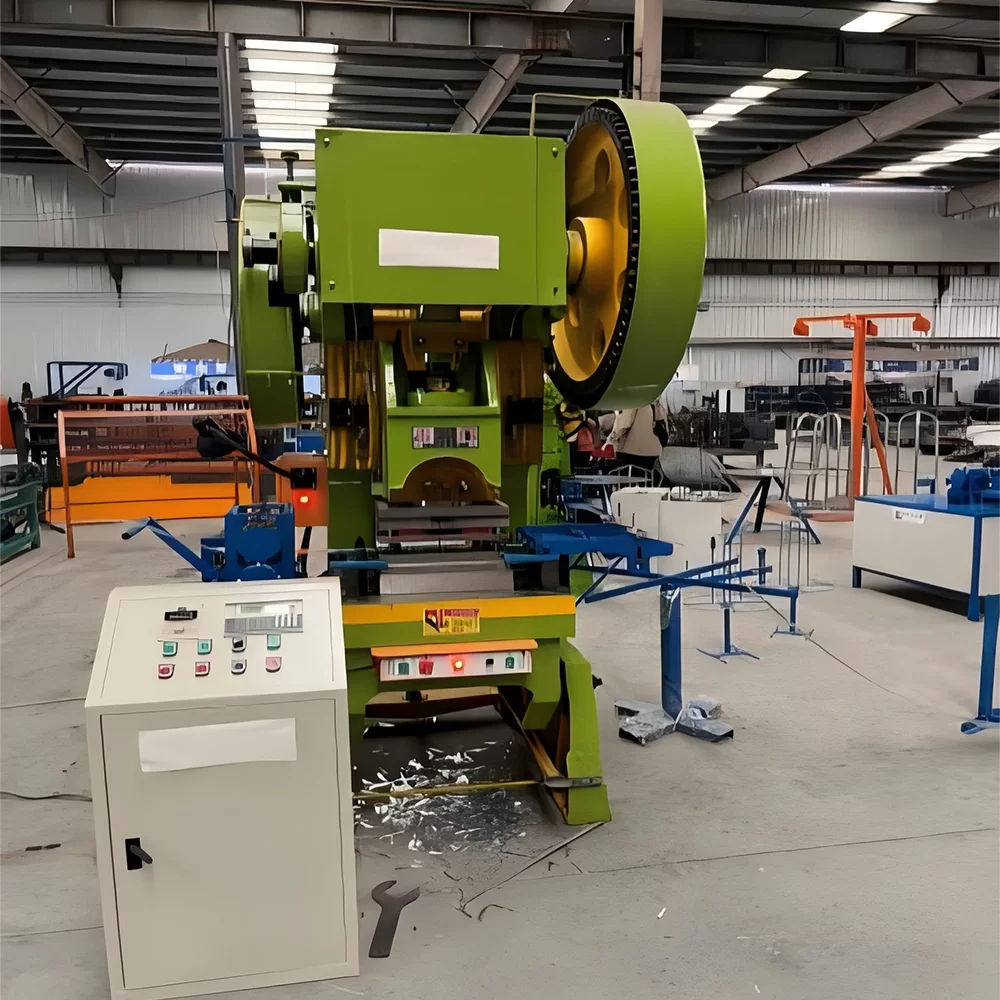
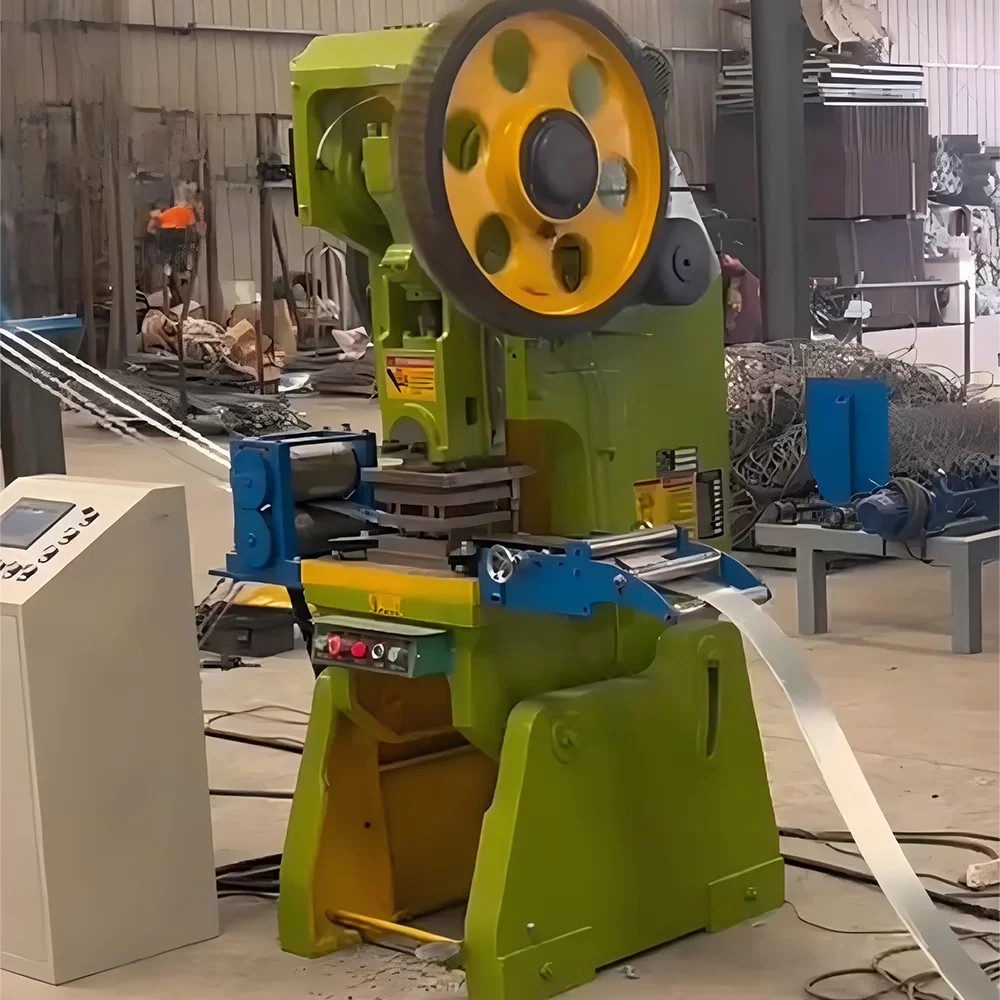
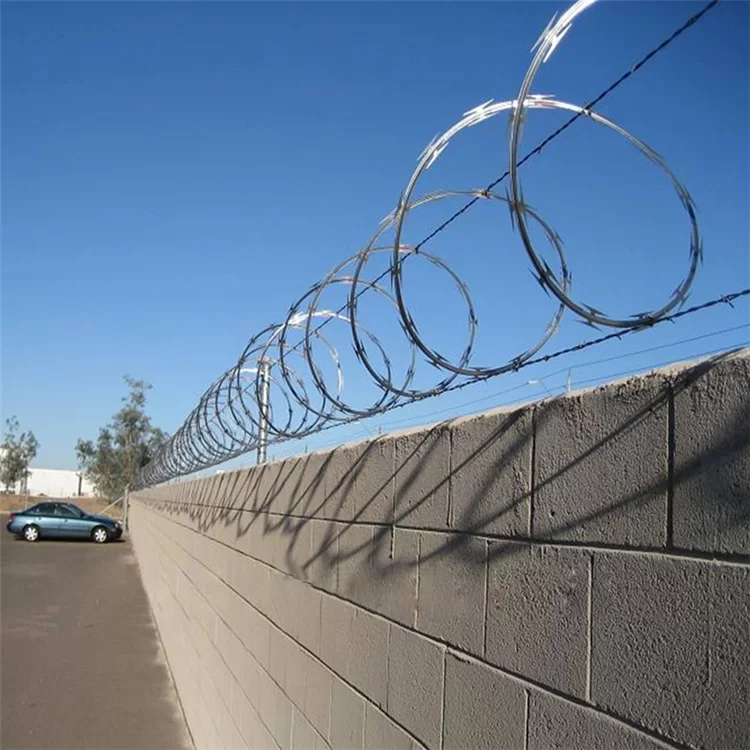
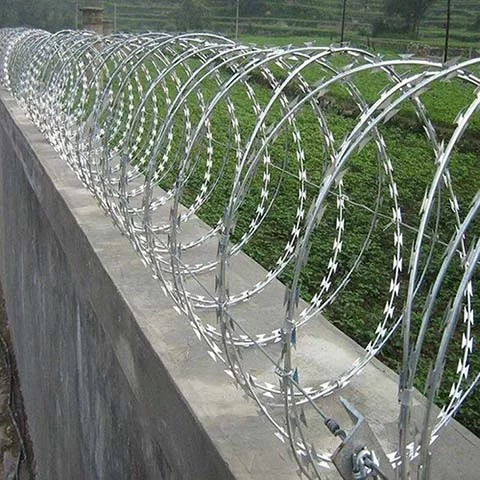
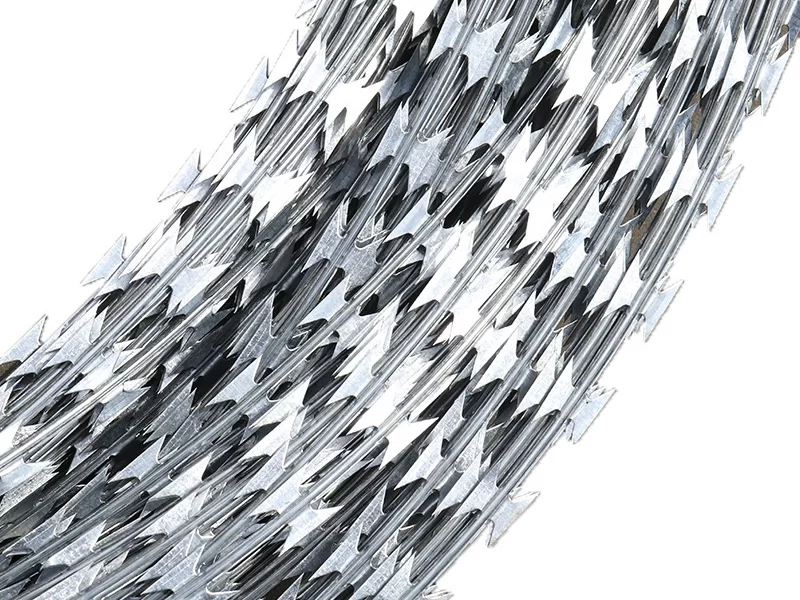
Through a mechanized process, metal strips (typically galvanized steel or stainless steel) are punched, formed, and wound into barbed wire with continuous sharp blades and a spiral structure. This razor-sharp barbed wire offers superior protection and is more efficient to install than traditional barbed wire.
1.The stamping process enables fast and continuous processing, greatly improving the production speed of razor barbed wire to meet large-scale production needs.
2.High machining precision ensures uniformity of blade size, shape, barb distance and other parameters, and good strength and consistency of barbed wire.
3.The high degree of automation reduces manual intervention and eases operation difficulty, making it easier for workers to quickly get started and control daily production.
4.It can be adjusted according to different specifications (such as blade thickness, barbed wire diameter, etc.), and various types of blade barbed wire can be flexibly produced with a wide range of applications.
5.Efficient production methods and stable quality reduce material waste and rework, while reducing labor costs, which is conducive to controlling overall production costs.
Through automated production processes, barbed wire with uniform blade spacing and stable structure is efficiently manufactured, providing a reliable physical protection barrier for various places.
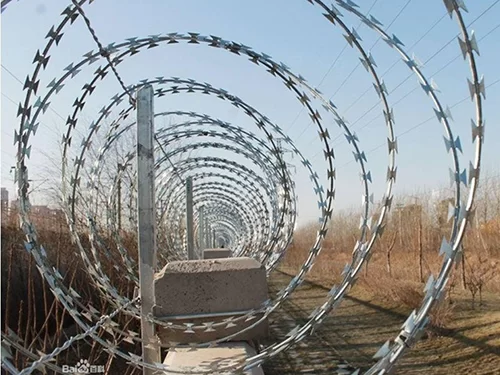
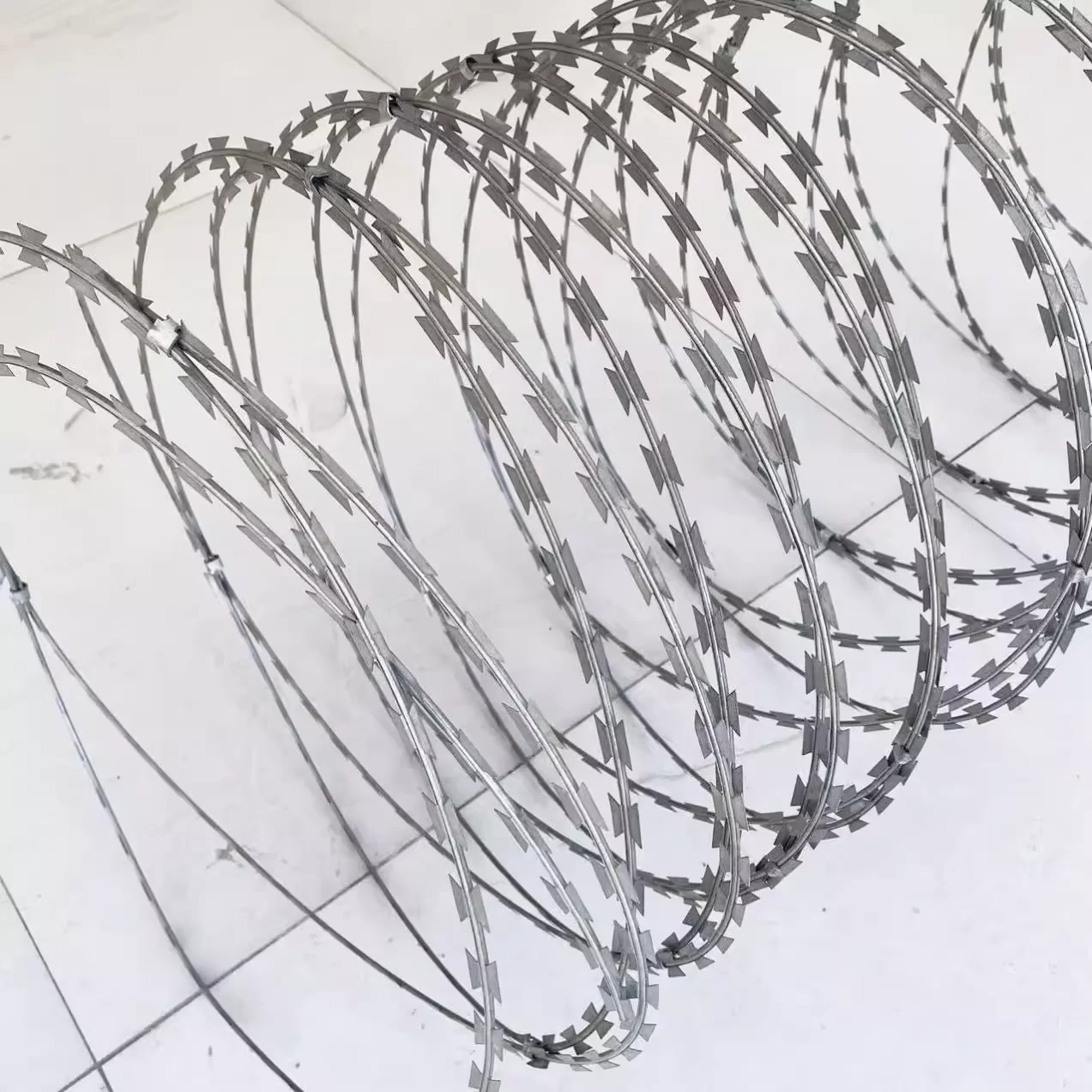
Mould type | Barb Length | Barb width | Barb spacing |
BTO-12 | 12±1mm | 13±1mm | 26±1mm |
BTO-12 | 12±1mm | 15±1mm | 26±1mm |
BTO-18 | 18±1mm | 15±1mm | 33±1mm |
BTO-22 | 22±1mm | 15±1mm | 34±1mm |
BTO-28 | 28±1mm | 15±1mm | 34±1mm |
BTO-30 | 30±1mm | 18±1mm | 34±1mm |
BTO-60 | 60±1mm | 32±1mm | 96±1mm |
BTO-65 | 65±1mm | 21±1mm | 100±1mm |
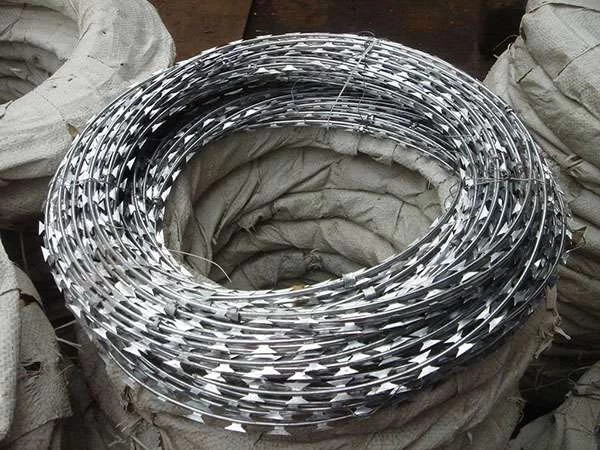
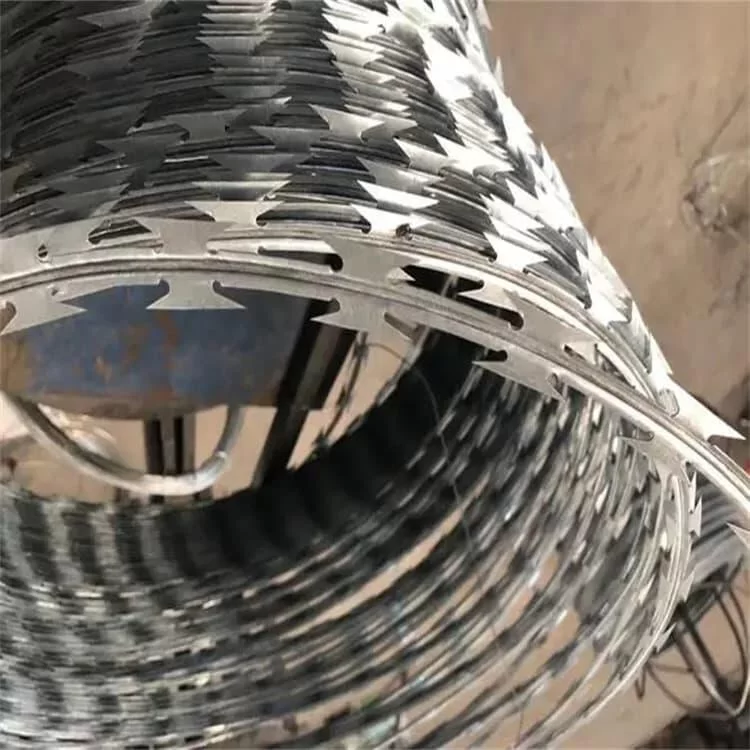
In the high-stakes world of perimeter security, standard fencing often falls short of meeting specific site requirements. Security projects for sensitive locations—such as military bases, national borders, prisons, and high-value industrial warehouses—demand a physical barrier that is both psychologically intimidating and physically impassable. This is where a custom razor wire making machine becomes indispensable for manufacturers. Unlike generic fencing equipment, a customized machine allows for the adjustment of metallurgical properties and structural designs to suit the unique environmental and security threats of a specific project.
The core of a high quality razor wire making machine lies in its ability to handle various metal strips, typically galvanized steel or stainless steel, with extreme precision. For high-security projects, the durability of the material is paramount. A custom machine can be configured to process thicker metal strips or higher grades of stainless steel that offer superior corrosion resistance in coastal or high-humidity environments. The synergistic effect of the mechanical transmission and the stamping unit ensures that even these tougher materials are punched into sharp, consistent blades without damaging the machine's internal components.
Customization also extends to the spiral structure of the wire. Security projects often require different coil diameters—ranging from small diameters for residential wall-topping to massive, heavy-duty concertina coils for border defense. A custom-built razor wire making machine product allows the operator to swap forming rollers and winding mandrels quickly. This flexibility ensures that the manufacturer can provide a "tailor-made" solution for their clients, producing wire that fits the exact dimensions of existing wall structures.
Furthermore, for large-scale international security tenders, the ability to act as an ODM razor wire making machine partner is a significant competitive advantage. Original Design Manufacturing (ODM) means the machine can be built from the ground up to meet a client's specific proprietary blade design or reinforced core wire requirements. For instance, some security agencies may request a specific "ripped" blade pattern that is more difficult to cut with standard wire cutters. An ODM-capable machine can integrate these unique stamping dies while maintaining the high degree of automation necessary to keep production on schedule.
The versatility of a razor wire making machine is largely measured by its capacity to accommodate various wire diameters and strip thicknesses. In the manufacturing world, being able to switch from a light-duty 2.0mm core wire to a heavy-duty 4.0mm high-tensile wire on the same production line is the key to maximizing return on investment. The process involves two distinct stages: the stamping of the sharp blade strip and the subsequent "wrapping" of that strip around a central core wire.
The core wire serves as the structural "spine" of the razor wire. If the wire is too thin, the barrier may sag; if it is too thick, it may become too heavy for standard fence posts. A high quality razor wire making machine is designed with adjustable forming wheels that can apply the necessary mechanical pressure to wrap the punched steel strip tightly around core wires of different gauges. High machining precision is required here to ensure that the blade strip is perfectly centered and does not slip along the core wire during installation or when subjected to tension.
For manufacturers serving a diverse clientele, finding a reliable razor wire making machine supplier who offers machines with variable-speed motors and adjustable tensioners is vital. These features allow for the fine-tuning of the winding phase. When working with larger diameter wires, the machine must operate at a specific torque to ensure the coil retains its spiral memory. Conversely, for smaller diameters, the machine can be tuned for high-speed output to meet large-scale production needs. This range of adjustment allows a single razor wire making machine factory to produce everything from short-barb wire on a thin core to long-barb wire on a high-tensile core.
The precision control of the wire diameter and barb distance also contributes to reduced material waste. When the wire diameter is handled correctly by the machine, the resulting coil is structurally stable. This consistency is essential for the clipping phase, where multiple spirals are joined together to create the "Concertina" effect. If the wire diameter or coil size fluctuates even by a few millimeters, the clips will not align properly, leading to structural weaknesses. Therefore, an automated machine that maintains tight tolerances across different wire specifications is the gold standard.
When an industrial manufacturer decides to buy razor wire making machine equipment, their primary concern is often the ratio of production capacity to the variety of blade types the machine can produce. In the modern market, customers require diverse options such as BTO-22 (medium blade), CBT-65 (long blade), or BTO-10 (short blade), each serving a different level of deterrent and cost-efficiency.
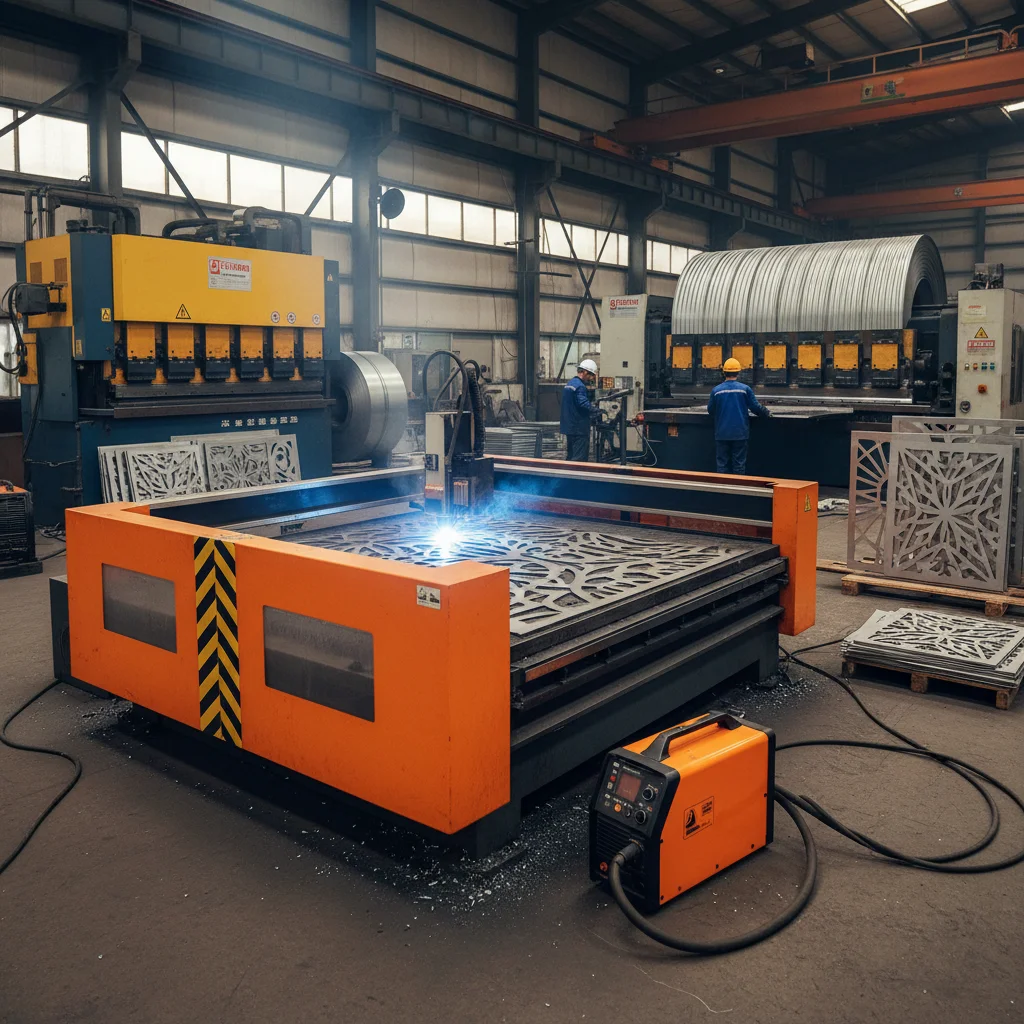
Production speed is a critical metric for any razor wire making machine factory. The stamping process is the fastest part of the cycle, capable of punching thousands of blades per minute. The bottleneck usually occurs in the wrapping and winding stage. To overcome this, high-end machines utilize a multi-line stamping press that can produce several blade strips simultaneously from a single wide metal coil. This integrated continuous production approach allows the factory to meet massive orders for border security in a fraction of the time.
The ability to switch between different blade types is determined by the "High Die Dependence" of the machine's stamping unit. A high quality razor wire making machine features a modular die-set design. By simply changing the stamping die, the operator can switch from producing a standard barb to an aggressive, multi-pointed dagger blade. This flexibility allows the manufacturer to serve different market segments—from high-volume agricultural barriers to specialized security products for the oil and gas industry.
Furthermore, the reduced labor costs associated with these automated systems are significant. Modern machines, often supported by an OEM razor wire making machine provider, integrate automatic feeding and tensioning sensors that adjust the machine's behavior in real-time based on the material's thickness and ductility. This ensures that the blades are always uniform in size and sharpness, regardless of whether the machine is running at half-speed or full capacity.
For businesses looking for a cheap razor wire making machine, it is important to balance initial cost with the long-term flexibility of blade options. A machine that is limited to only one blade type will limit the factory's ability to respond to changing market demands. In contrast, an investment in a machine that offers diverse blade type options and high production capacity ensures that the manufacturer can provide a reliable physical protection barrier for any application—be it a simple garden fence or a maximum-security prison wall.