Shijiazhuang Topstar
International Trading Co., Ltd.


Get In Touch
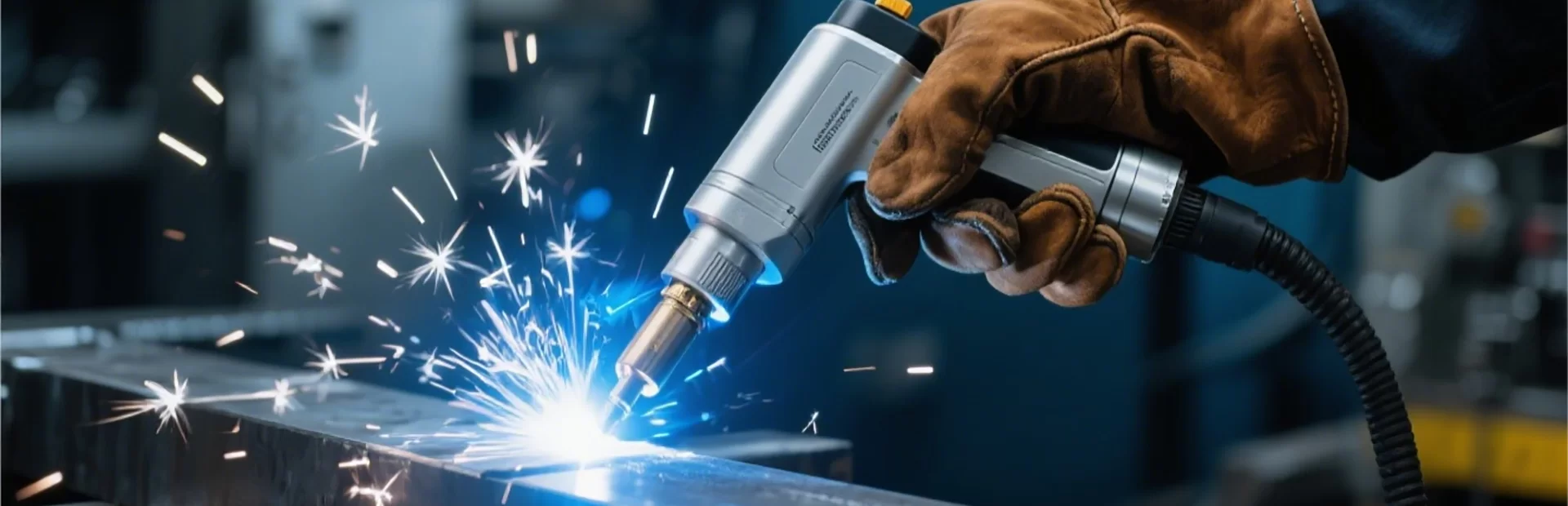
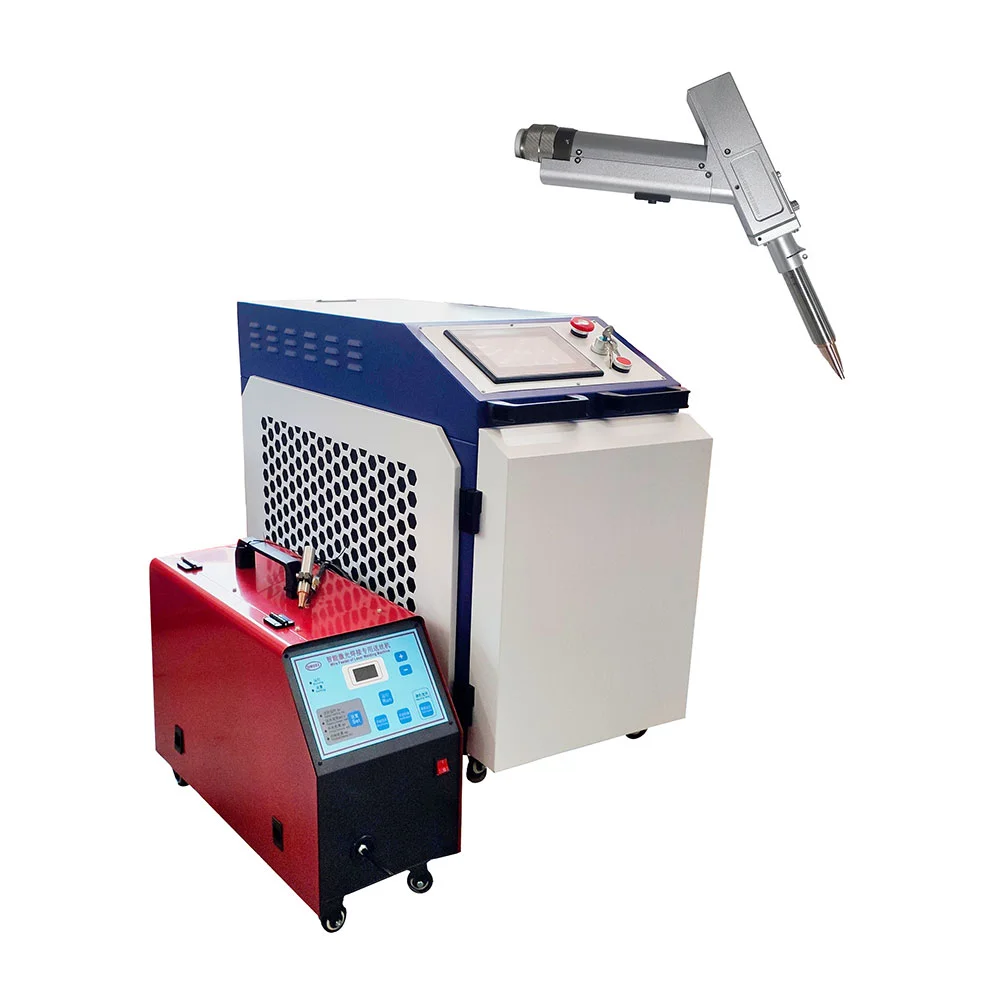
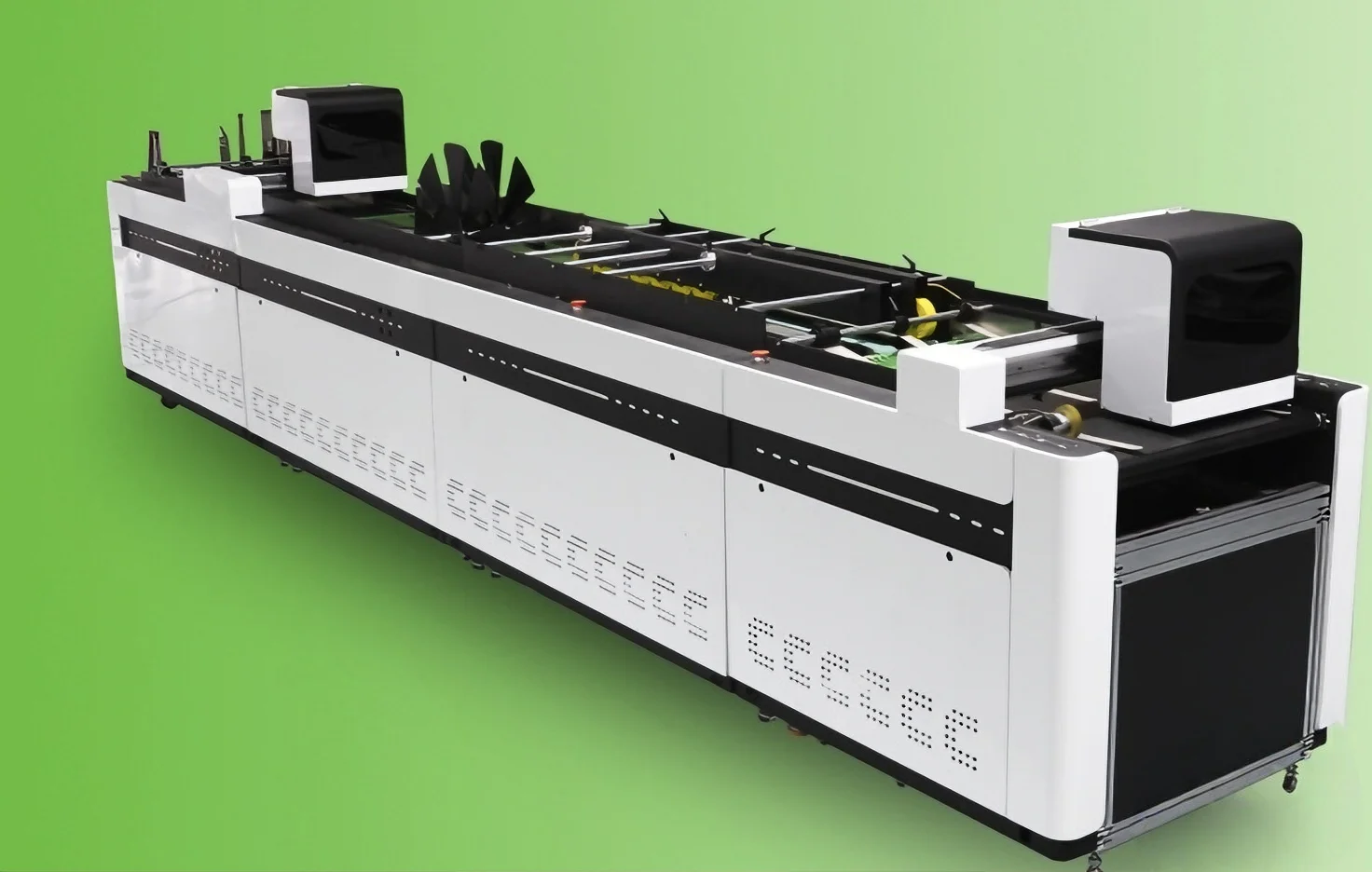
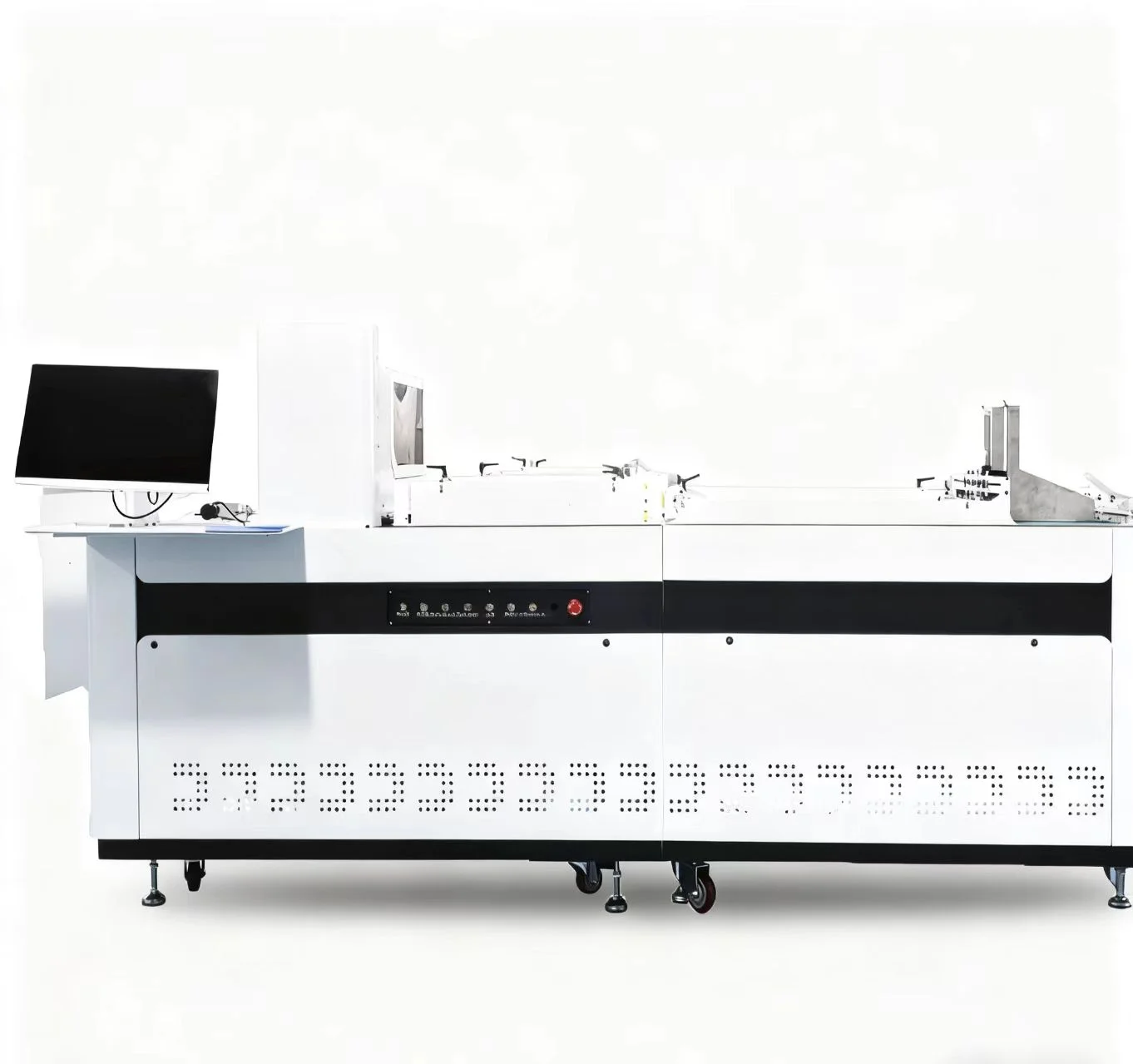
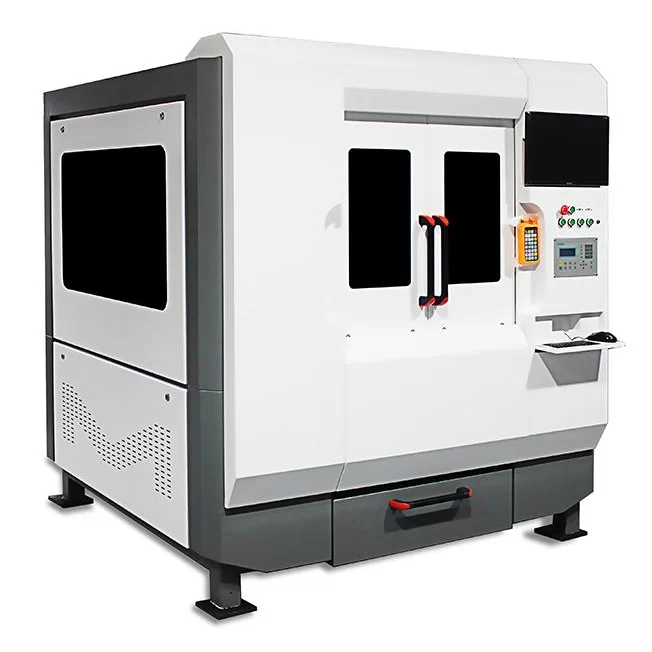
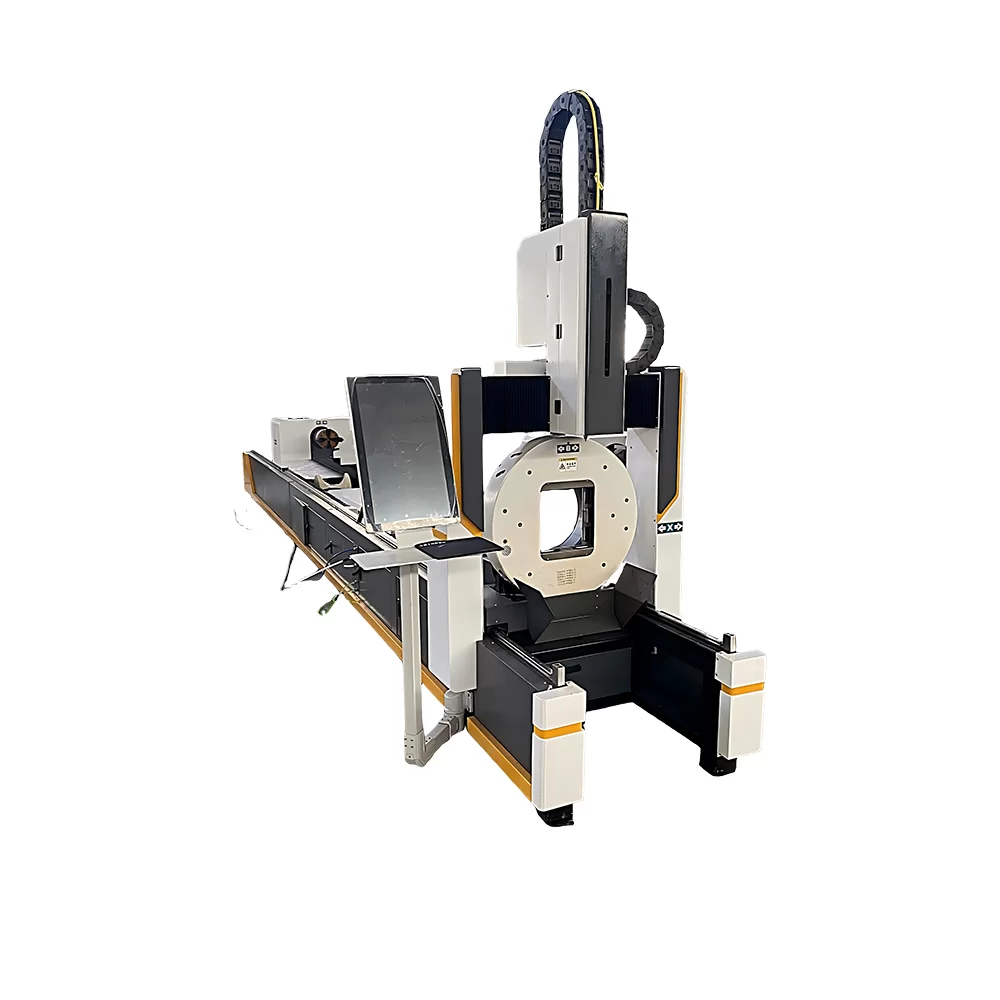
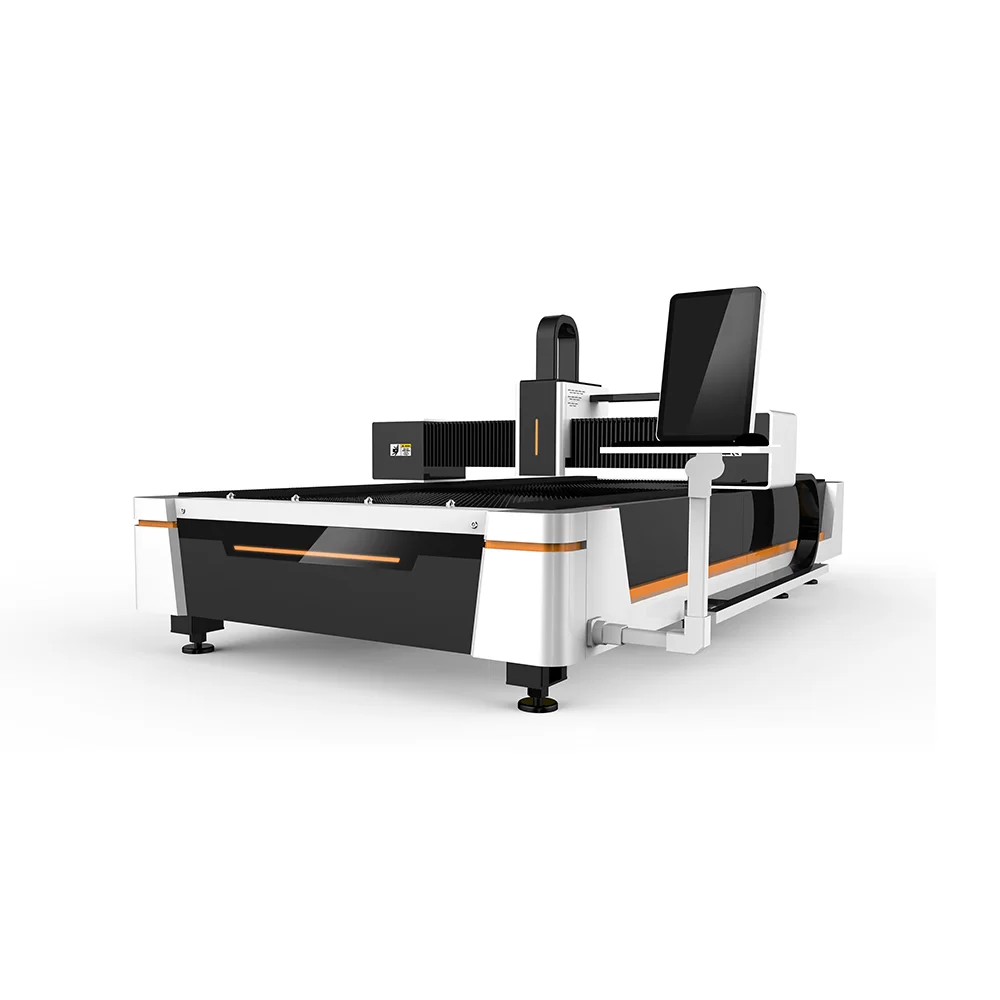
Laser Metal Cutting Machine is a key solution in the industry, specifically within sectors requiring precision and efficiency in metal fabrication. This article explores how https://www.topstarlaser.com supports professionals with durable, high-performance products, and explains why this product is an ideal choice for businesses in these sectors.
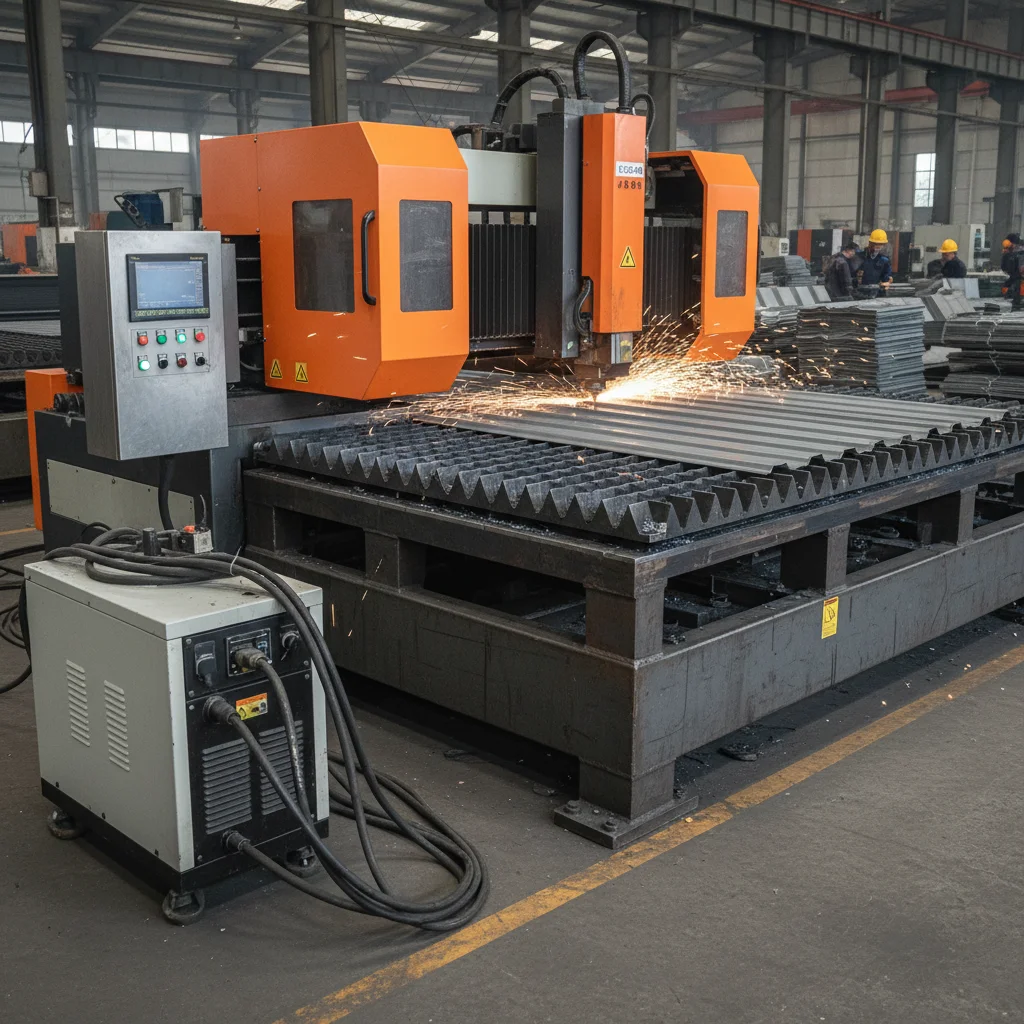
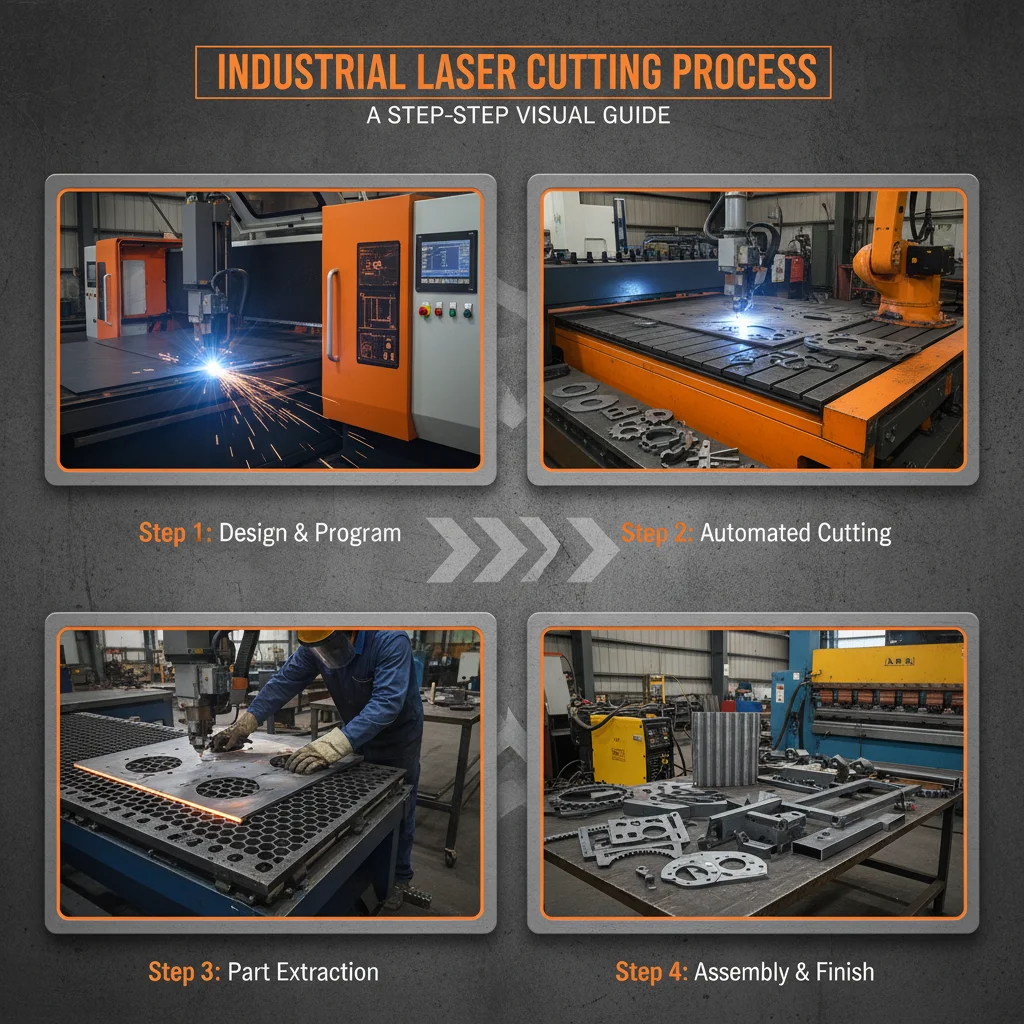
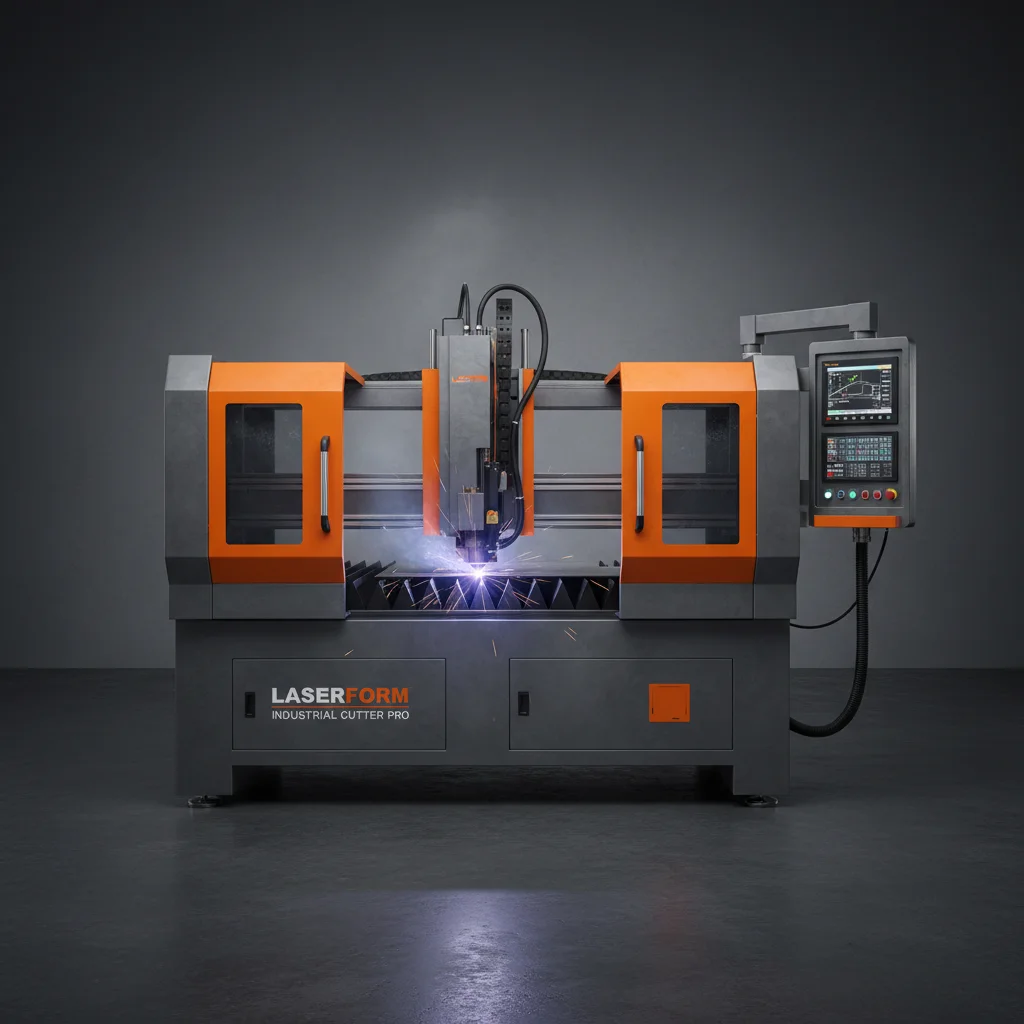
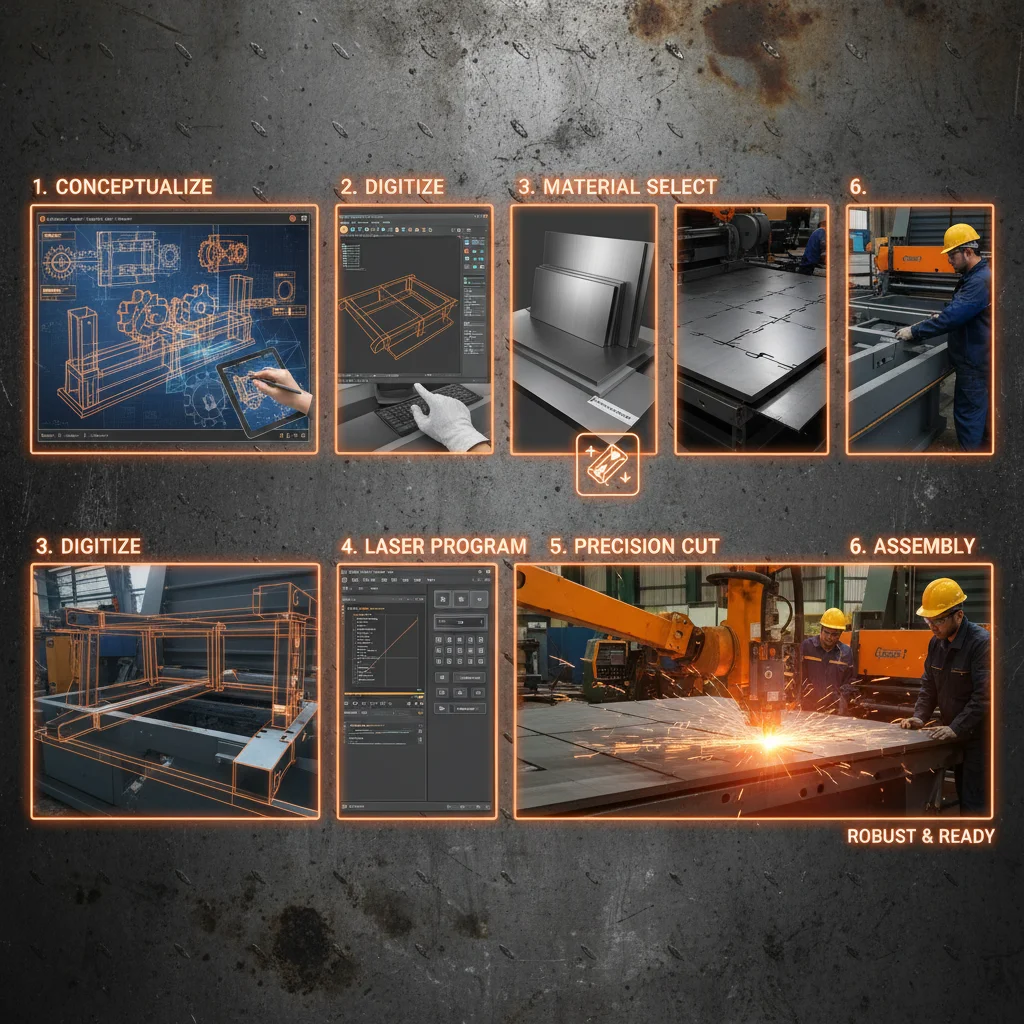
At its core, the Laser Metal Cutting Machine uses a high-powered laser beam to cut metal materials with precision and speed that traditional methods struggle to match. It's not only about slicing through steel or aluminum sheets; it’s about doing so with minimal waste, superior edge quality, and consistency — whether in one-off prototypes or large-scale production runs. I suppose you could say in real terms, it’s a bit like wielding a scalpel instead of a saw.
| Specification | Typical Value | Remarks |
|---|---|---|
| Laser Type | Fiber Laser / CO2 Laser | Choice depends on material & thickness |
| Laser Power | 1000W – 12000W | Higher power for thicker metals |
| Cutting Speed | Up to 40 m/min | Varies with material thickness |
| Max Sheet Size | 3000mm × 1500mm | Custom sizes available |
In practical settings, what stands out about these machines is how they elevate efficiency and precision in metal processing. For example, automotive part manufacturers praise the machines for delivering tight tolerances on complex parts, which significantly reduces downstream finishing work. And oddly enough, many engineers mention that the near-zero heat affected zones minimize warping — something older cutting technologies just can’t avoid.
| Feature | Topstar Laser | Competitor A | Competitor B |
|---|---|---|---|
| Price Range | $$$ | $$$$ | $$ |
| Max Laser Power | 12kW | 10kW | 8kW |
| Automation Capabilities | High (CNC + Smart Features) | Medium (Manual intervention) | Low (Mostly manual) |
| Customer Support | Global 24/7 service | Regional limited hours | Mostly online resources |
While the upfront cost of a laser metal cutting machine can seem steep, the total cost of ownership usually proves reasonable when balanced against improved throughput and reduced material wastage. Frankly, many companies note ROI within 12 to 18 months — thanks to fewer operational delays and less rework. The machines are generally built tough, featuring sealed optical components and automated self-diagnosis systems to reduce downtime.
The push towards cleaner, greener manufacturing has propelled the adoption of laser metal cutting machines. Because they require no physical tooling and create less scrap than traditional cutting, they align well with environmental standards and increasingly strict regulations. Plus, as the market demands lightweight, stronger metal parts, laser cutters provide designs that optimize material use — quite the sustainability win. Industry growth, particularly in Asia and Europe, is expected to accelerate, fueled by automotive electrification and aerospace innovation.
To wrap up, a Laser Metal Cutting Machine from top manufacturers like those at Topstar Laser delivers excellent precision, speed, and cost efficiencies for businesses aiming to stay competitive. Investing in these machines now feels like a no-brainer if you want to boost production quality and sustainability goals.
Reflecting on the rapid evolution of laser cutting technology, it’s clear that embracing precision laser metal cutting is more than just a trend—it’s shaping the future of manufacturing industries worldwide.
References:
1. Industry Reports on Laser Cutting Technology, 2023
2. Interviews with Manufacturing Engineers, 2023
3. Sustainability Trends in Metal Fabrication, 2024