Shijiazhuang Topstar
International Trading Co., Ltd.


Get In Touch
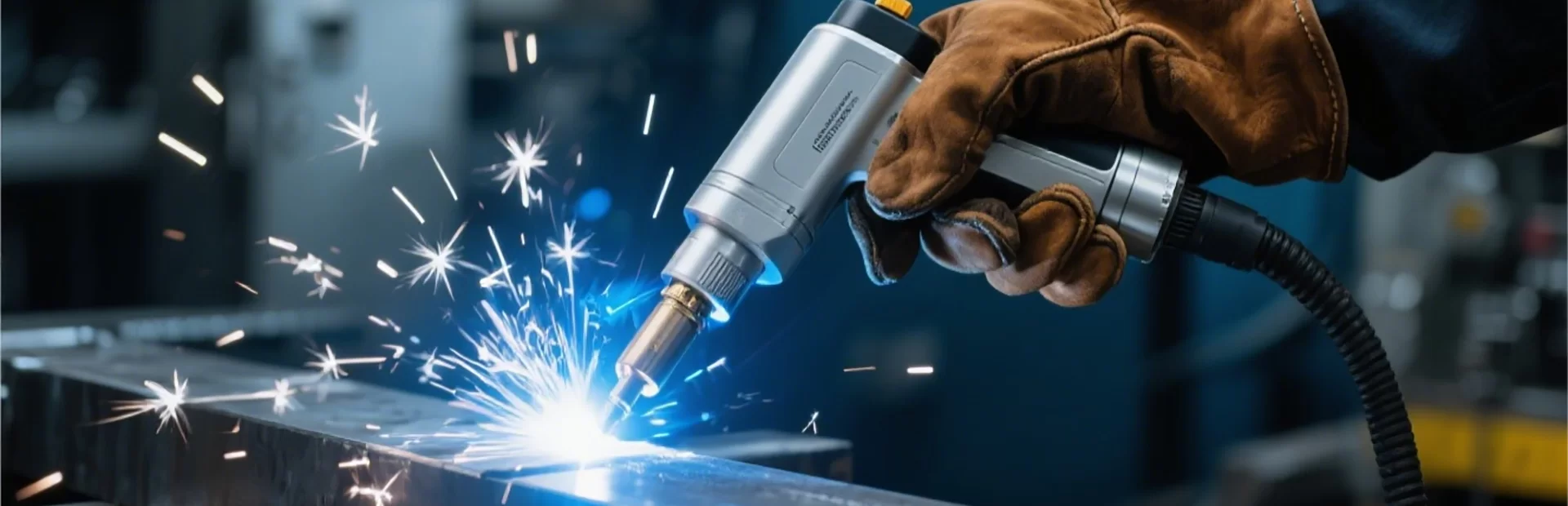
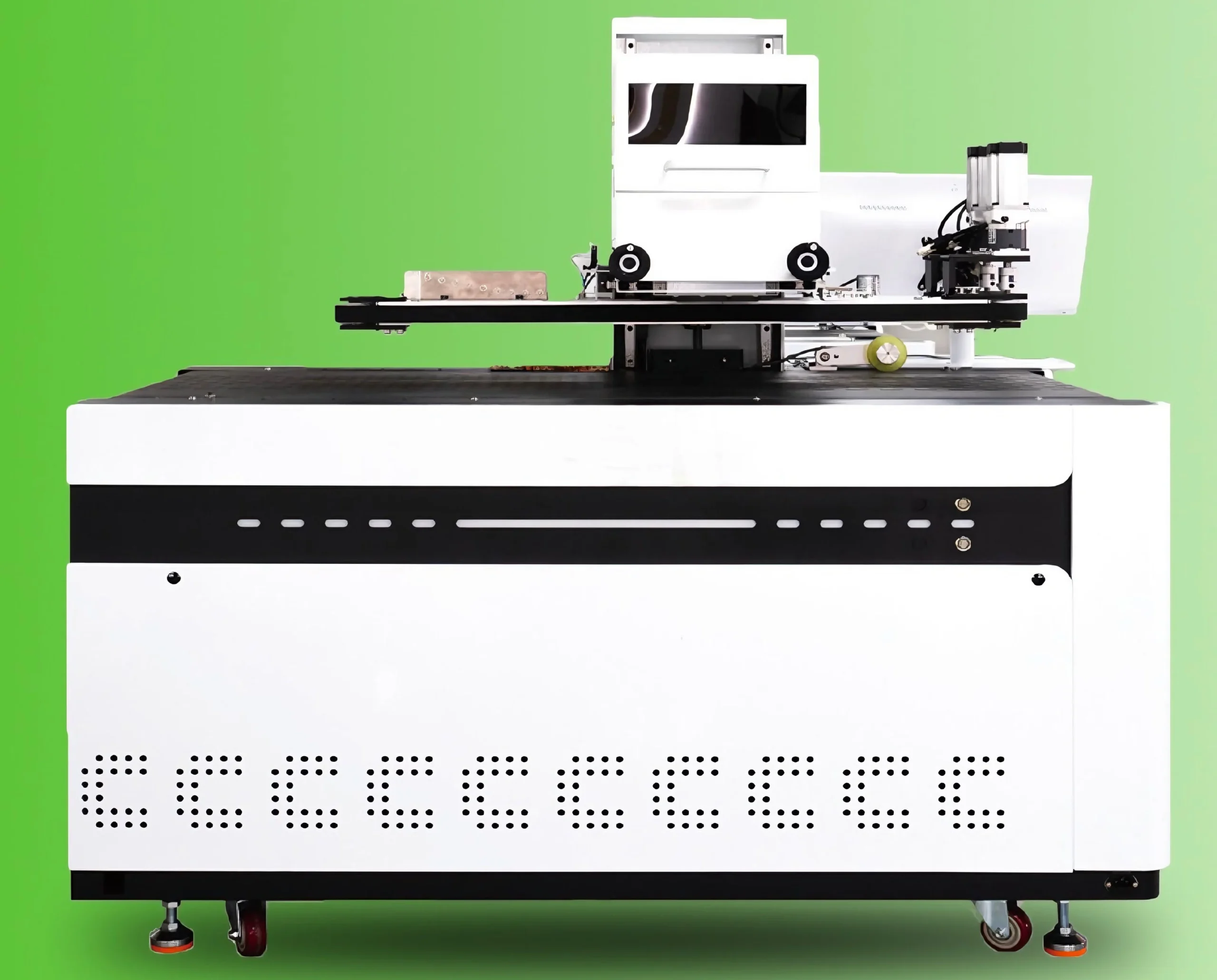
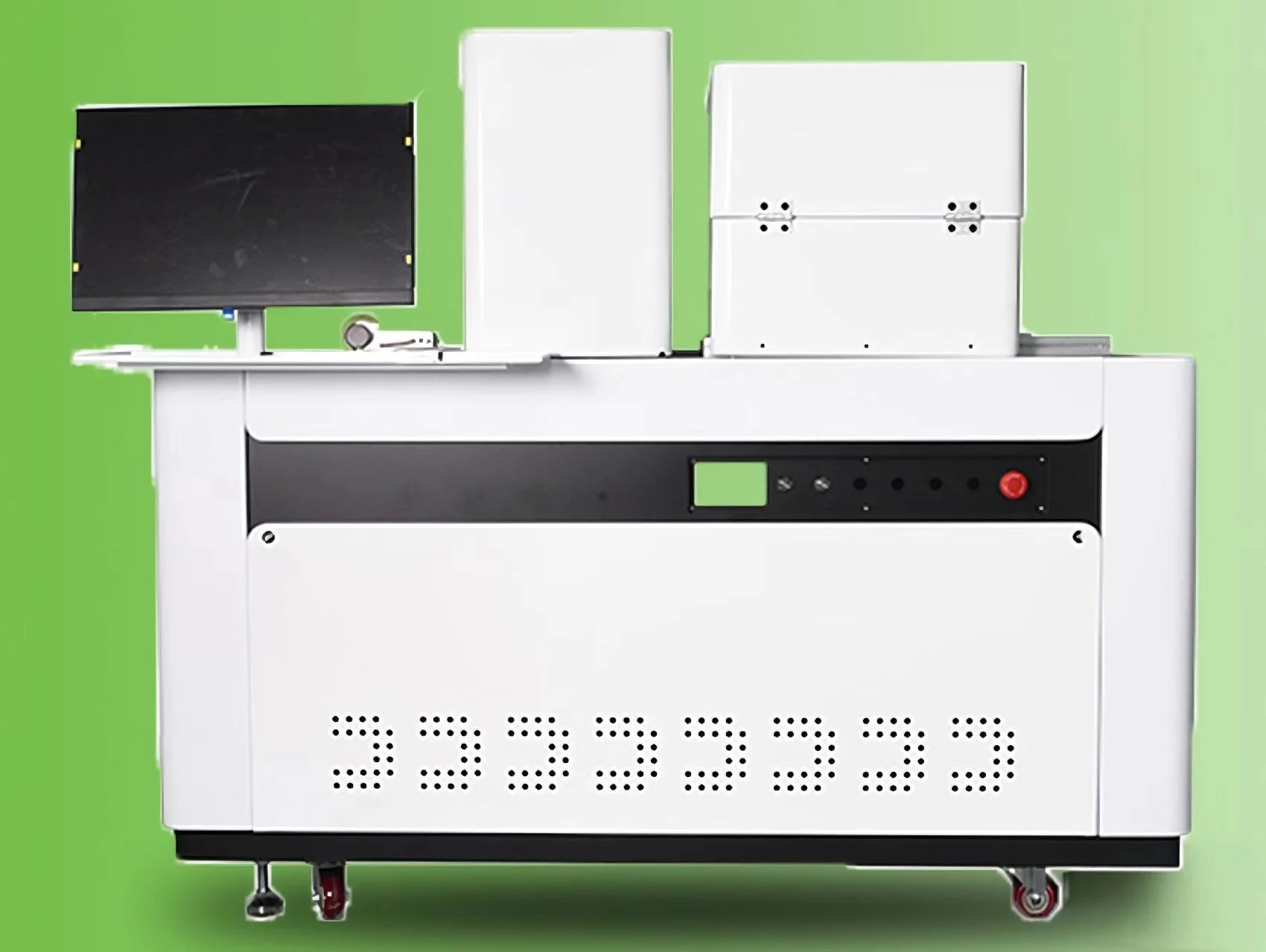
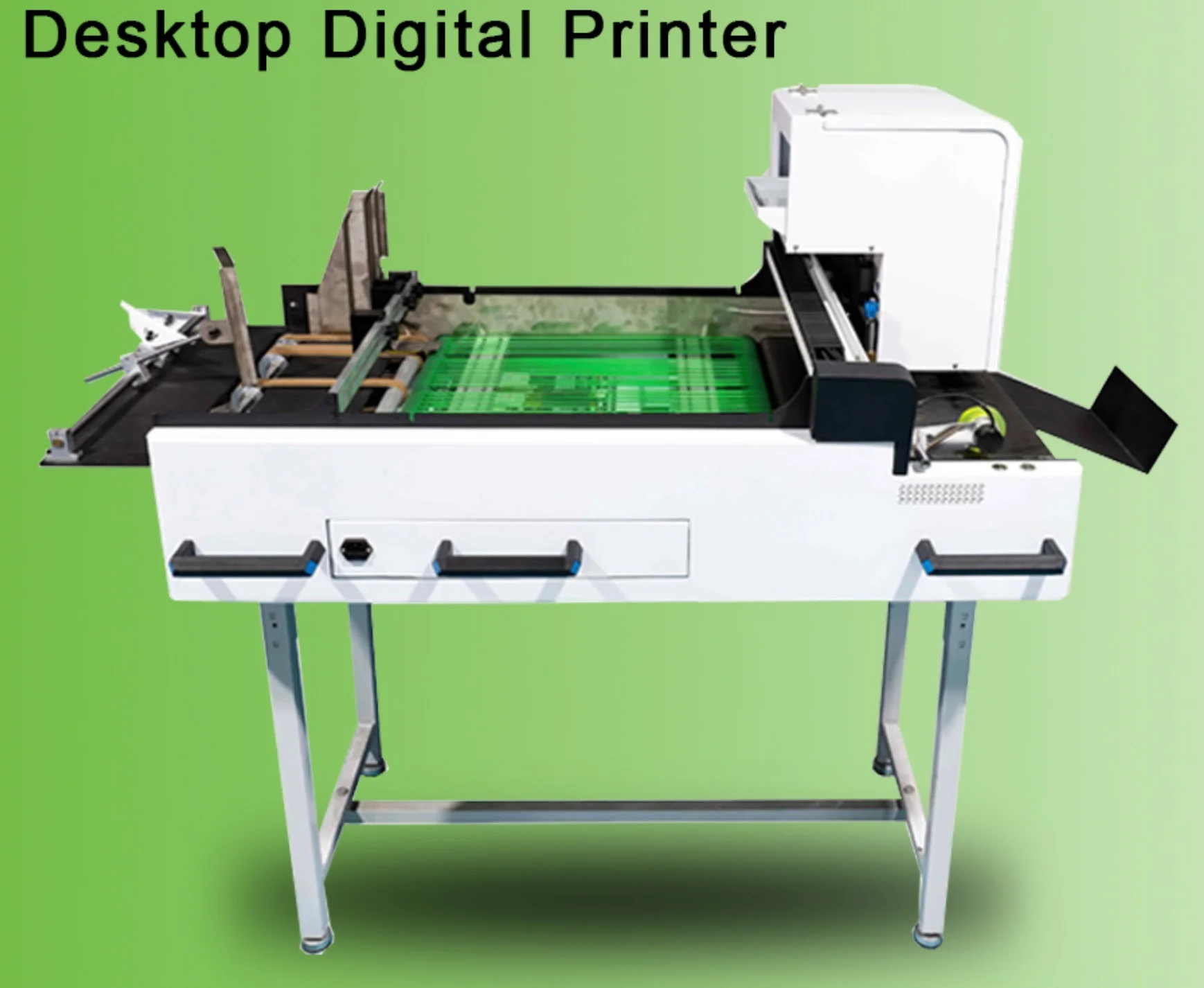
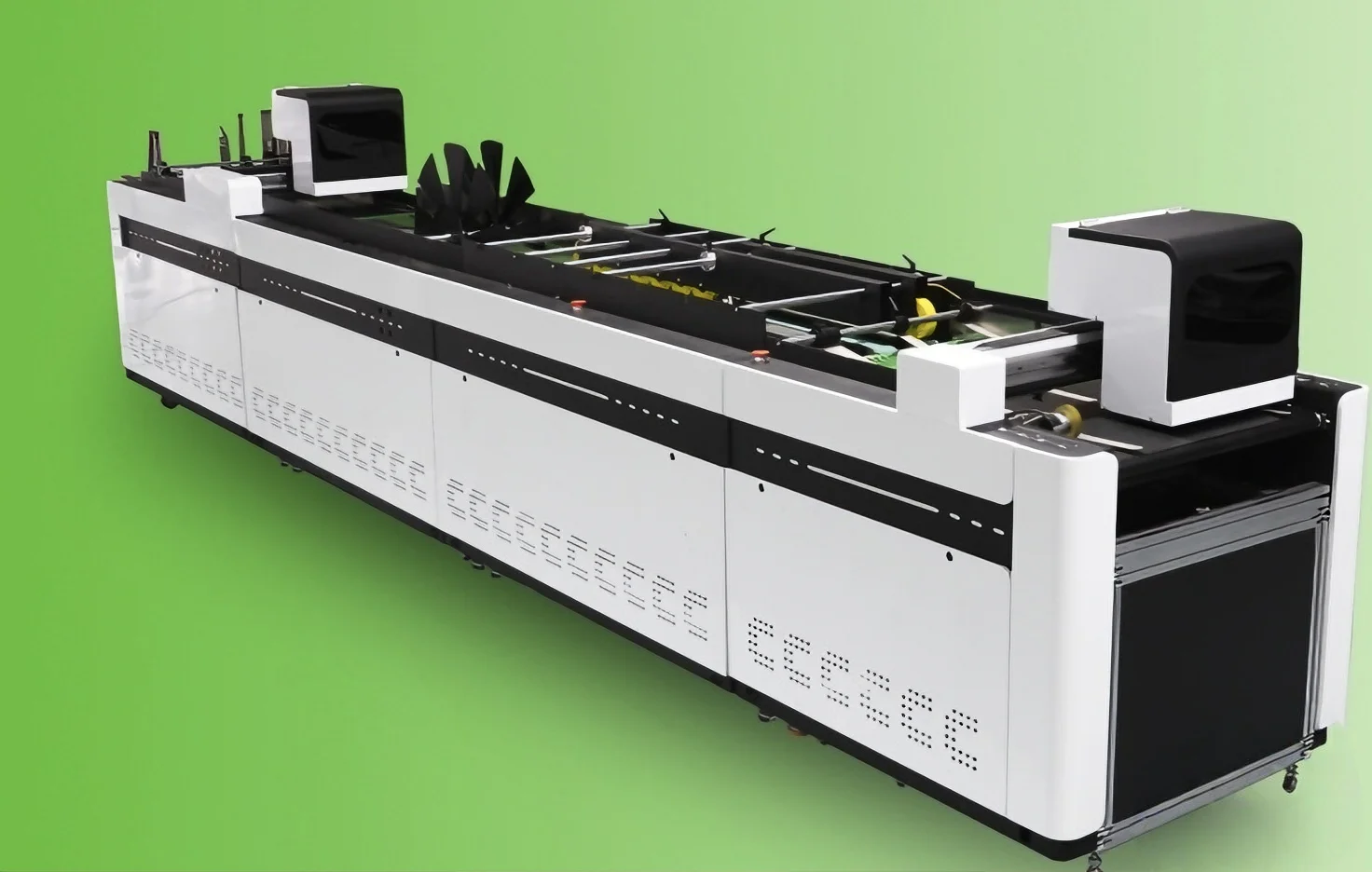
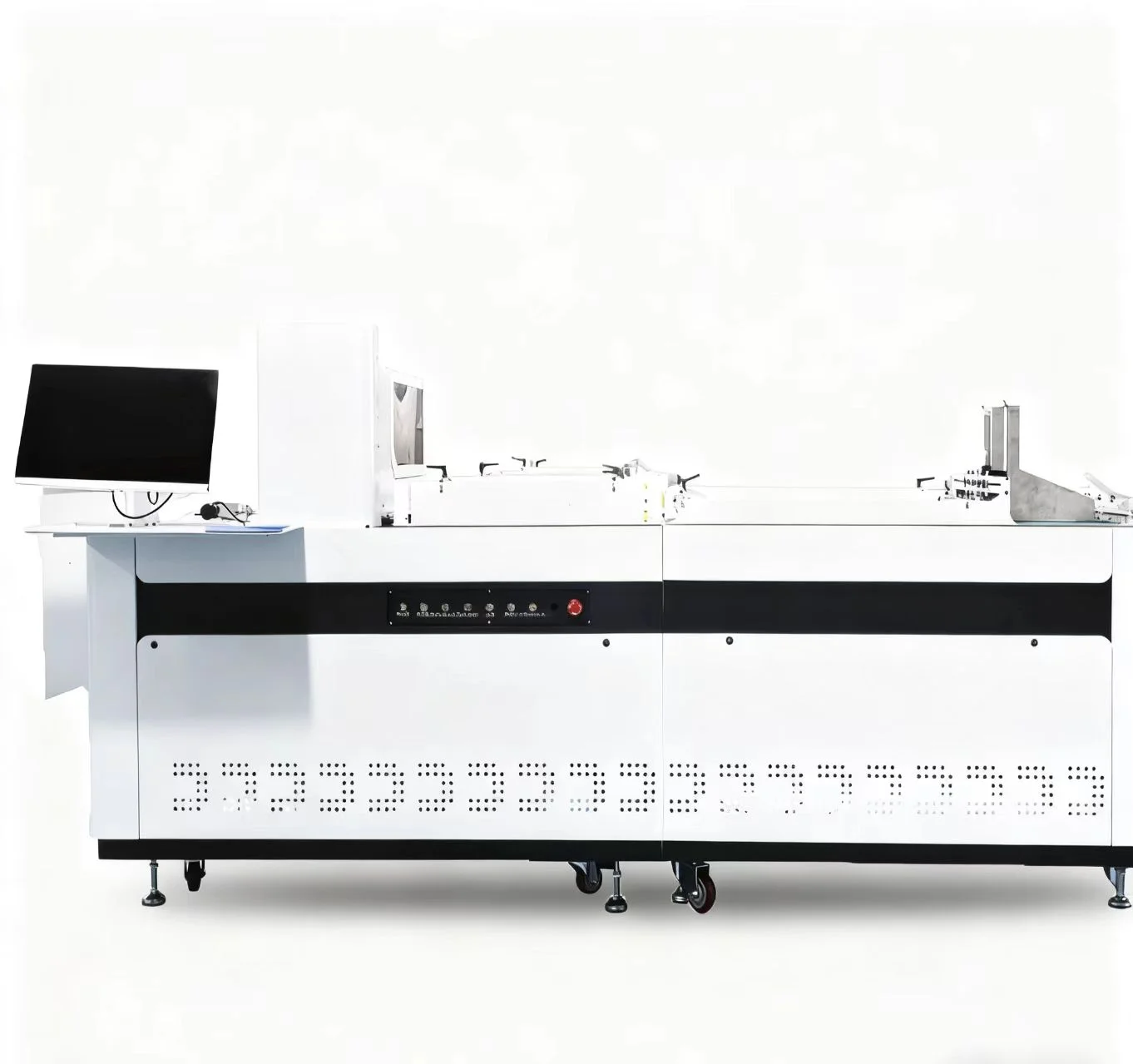
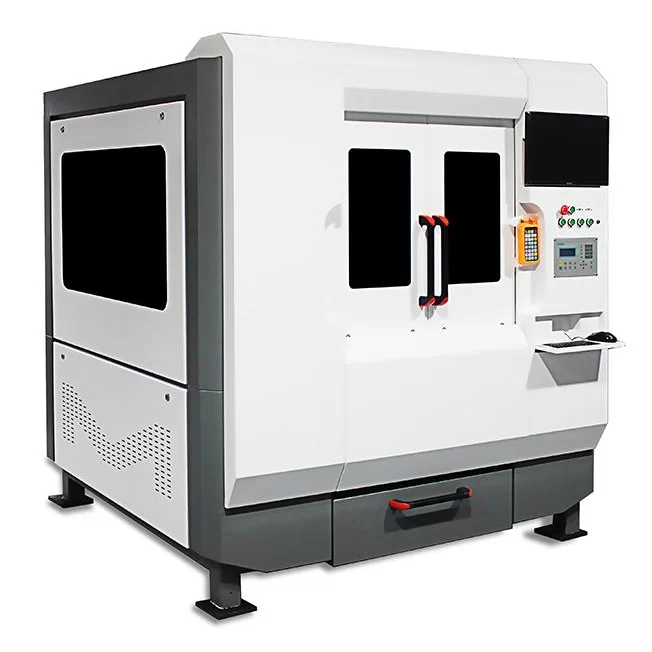
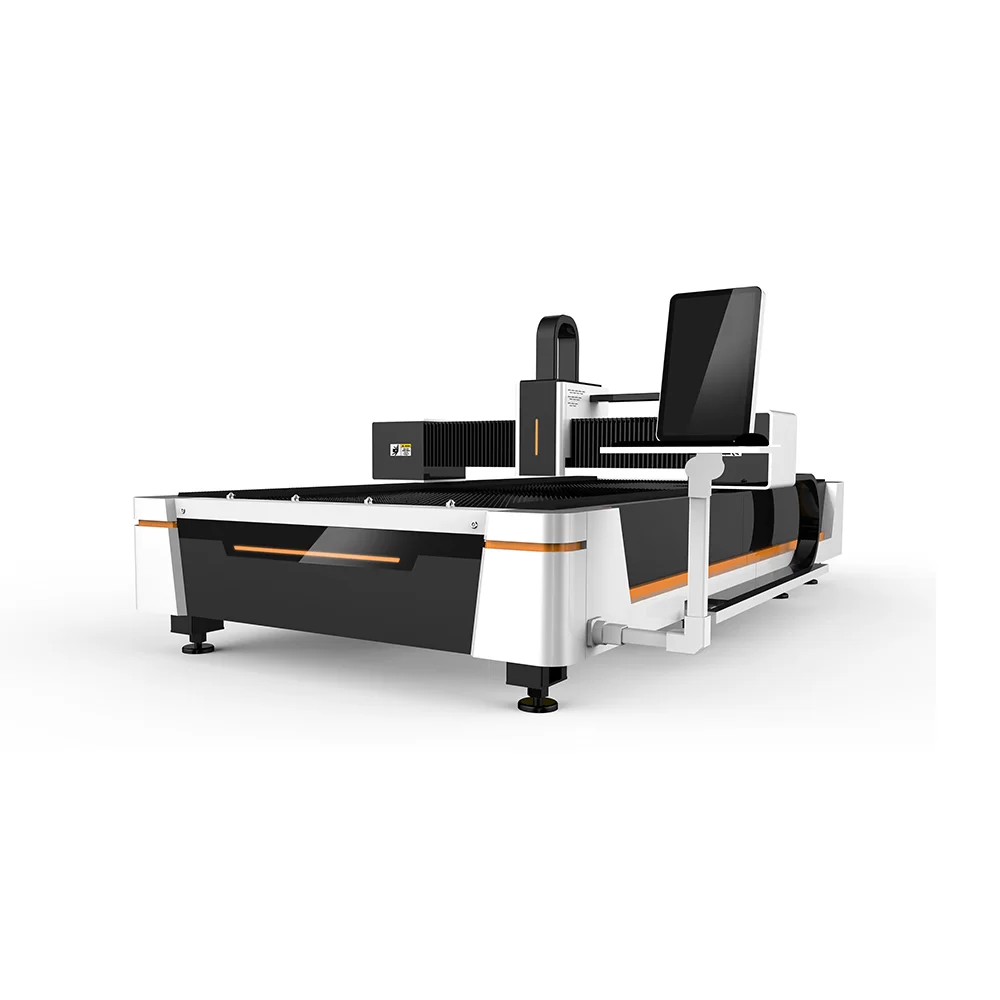
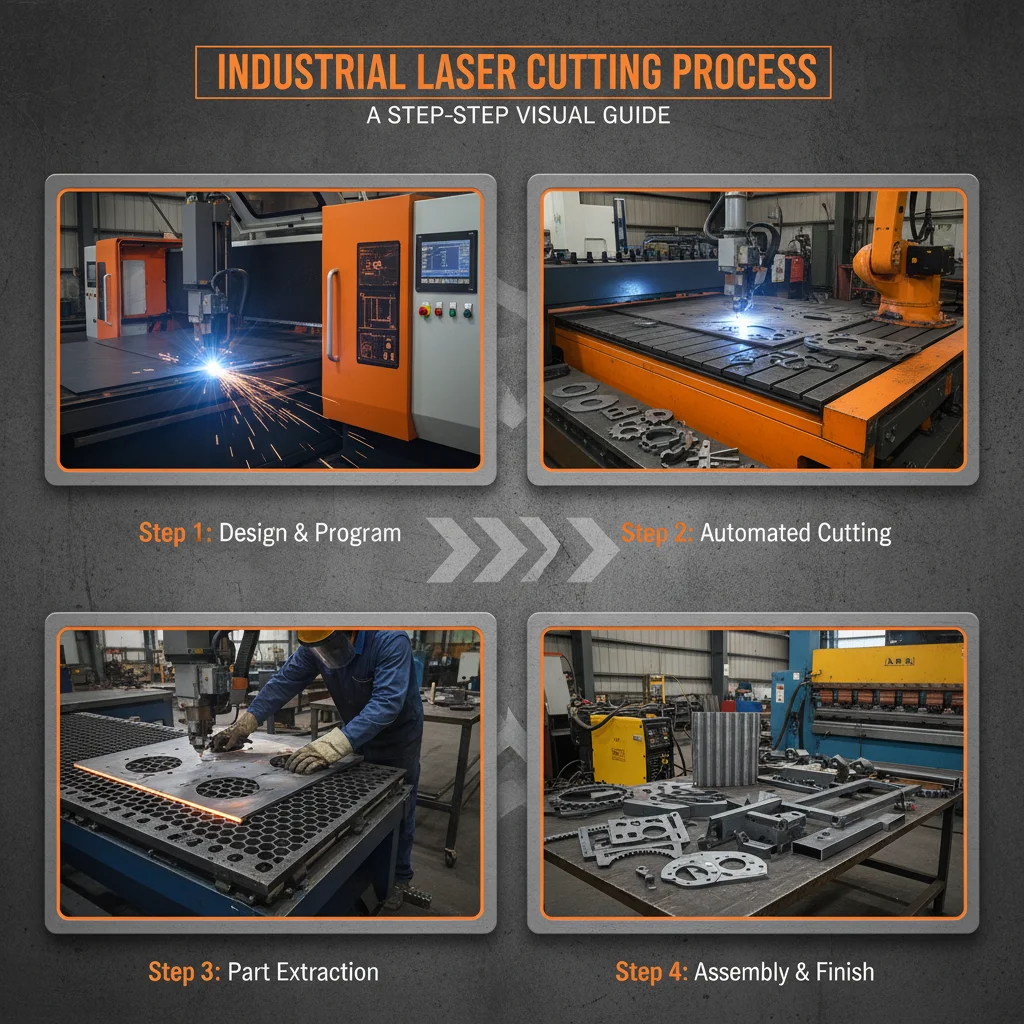
Having spent over a decade navigating the industrial equipment world, I’ve come to appreciate tools that blend technical prowess with practical usability. A laser die cutting machine is one such marvel, especially in industries where precision and speed are not just benefits but necessities.
Frankly, the advancements in laser die cutting over recent years have been a game changer. It feels like every time I visit a factory floor, the machines are more compact, faster, and surprisingly customizable. The core of their appeal? The ability to slice through materials — from thin films and rubber to thicker composites — with minimal waste and without the physical wear that traditional mechanical dies suffer.
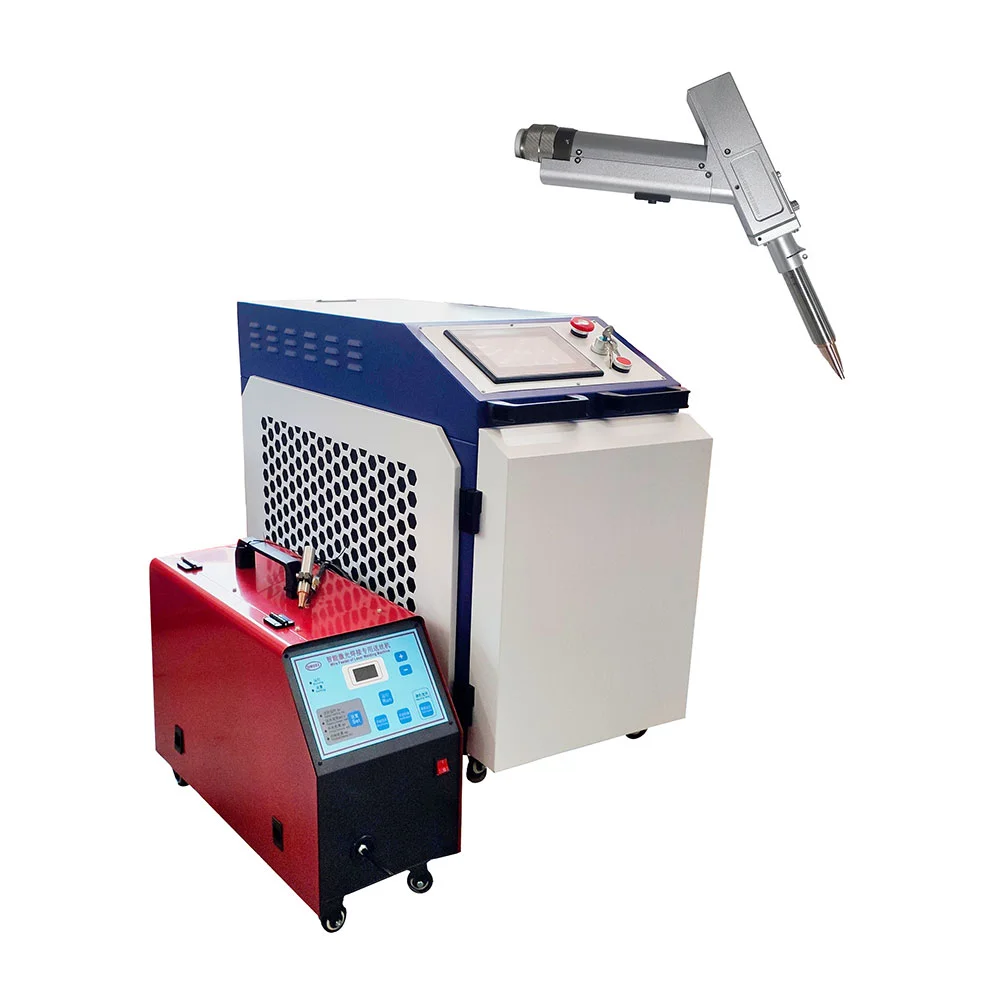
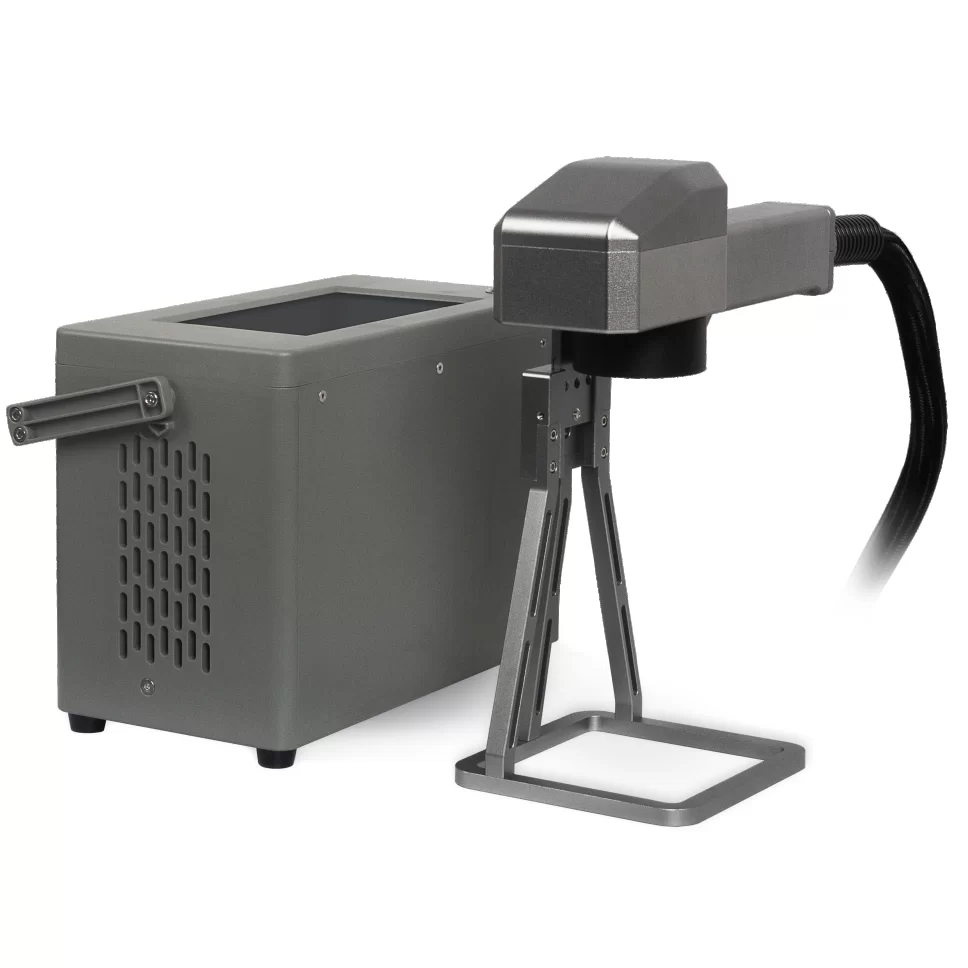
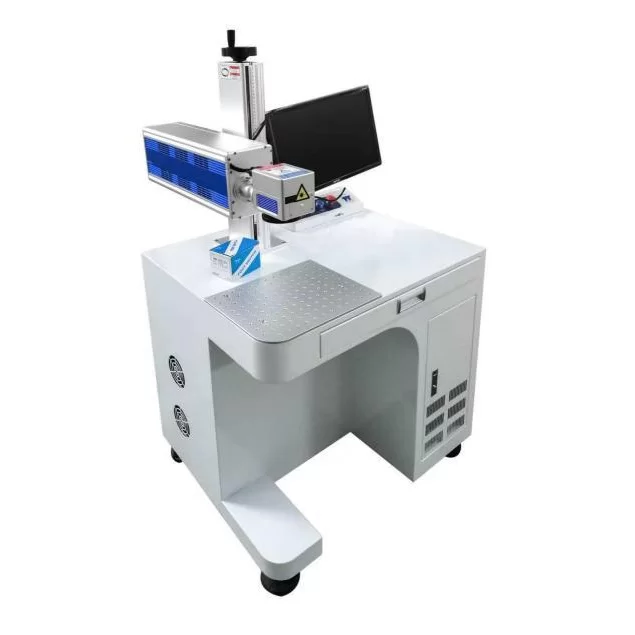
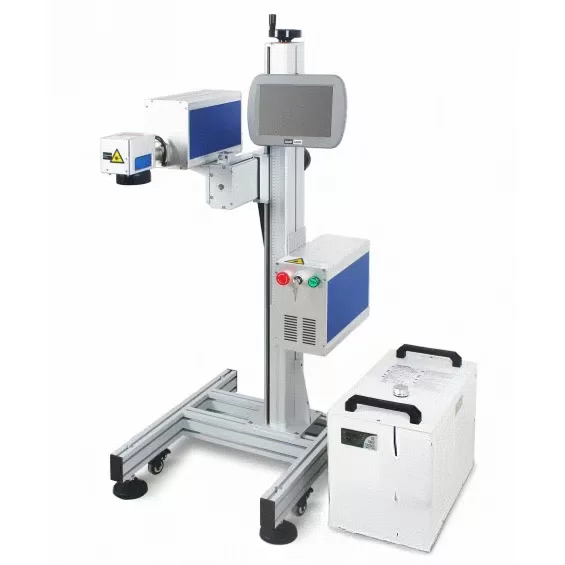
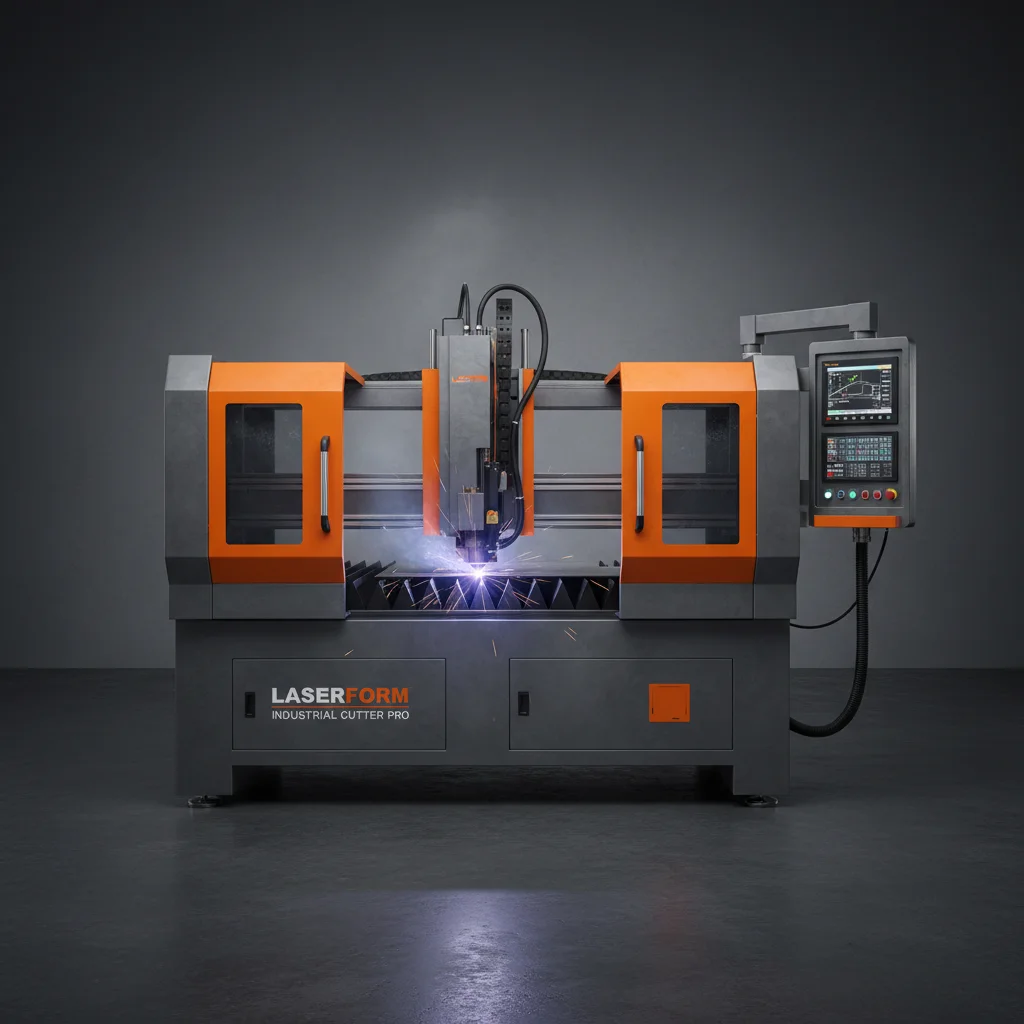
Now, the design of these machines from vendors like Topstar Laser typically includes fiber laser sources, which are known for their stability and low maintenance requirements. I recall a project where we switched out a conventional die cutter for a fiber laser model, and the difference was night and day. The setup times dropped, defects shrunk, and the operators were genuinely relieved.
| Feature | Specification |
|---|---|
| Laser Type | Fiber Laser (20-100W) |
| Cutting Area | 600mm x 400mm (typical) |
| Material Thickness | Up to 6mm depending on material |
| Positioning Accuracy | ±0.02mm |
| Software Compatibility | Supports DXF, AI, PLT file formats |
| Cooling System | Water cooling with temperature control |
Speaking of software, many engineers I've encountered swear by how user-friendly the interfaces have become. That used to be a sticking point, frankly — some early laser cutters were powerful but a headache to program. Nowadays? It’s almost like drawing your design and clicking “cut.” Admittedly, that’s an oversimplification but worth noting.
Oddly enough, one of the most underrated benefits of these machines is how flexible they are in dealing with diverse materials. A small electronics manufacturer shared how switching to a laser die cutter allowed them to prototype new gasket designs overnight, something that mechanical dies would’ve taken weeks to produce. That agility is priceless in a fast-moving market.
| Aspect | Topstar Laser | Competitor A | Competitor B |
|---|---|---|---|
| Laser Source | Raycus Fiber Laser | IPG Fiber Laser | Multi-mode Fiber Laser |
| Precision | ±0.02mm | ±0.03mm | ±0.05mm |
| Max Cutting Thickness | 6mm (steel/rubber) | 5mm | 4mm |
| Software | Proprietary & 3rd party compatible | Limited third-party support | Basic UI, fewer updates |
| Price Range | Mid-tier, good value | High-end, premium cost | Budget, fewer features |
| Customer Support | Responsive, global service network | Limited to region | Mostly online support only |
Installation and testing are often overlooked when choosing equipment, but in real terms, they’re often where headaches begin or fade. Based on my experience, the best suppliers provide thorough commissioning services and training. Topstar Laser, for example, offers both onsite setup and remote diagnostics, helping users ramp up quickly.
I suppose at the end of the day, picking a laser die cutting machine boils down to balancing precision, speed, support, and cost. For many businesses I've worked with, it’s also about future-proofing — ensuring the machine can handle evolving materials and designs.
If you’re looking into laser die cutters, I strongly suggest stopping by Topstar Laser’s site or speaking with a rep. There’s always something new — and efficient — waiting just around the corner in this tech.
A final note? Whether prototyping or full production, a reliable laser die cutting machine can change your workflow — and frankly, your bottom line — in ways mechanical means often can’t.
References:
1. Industry case studies on fiber laser cutting efficiency.
2. Vendor technical sheets for Topstar Laser products.
3. Interviews with production engineers in automotive and electronics sectors.