Shijiazhuang Topstar
International Trading Co., Ltd.


Get In Touch
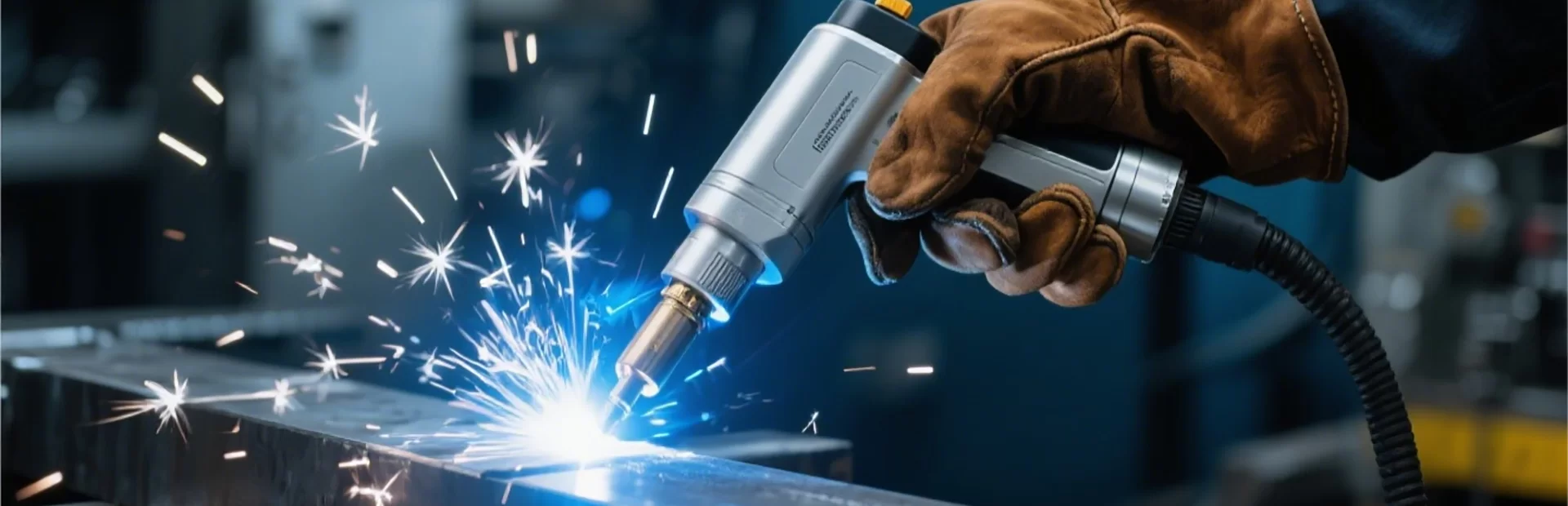
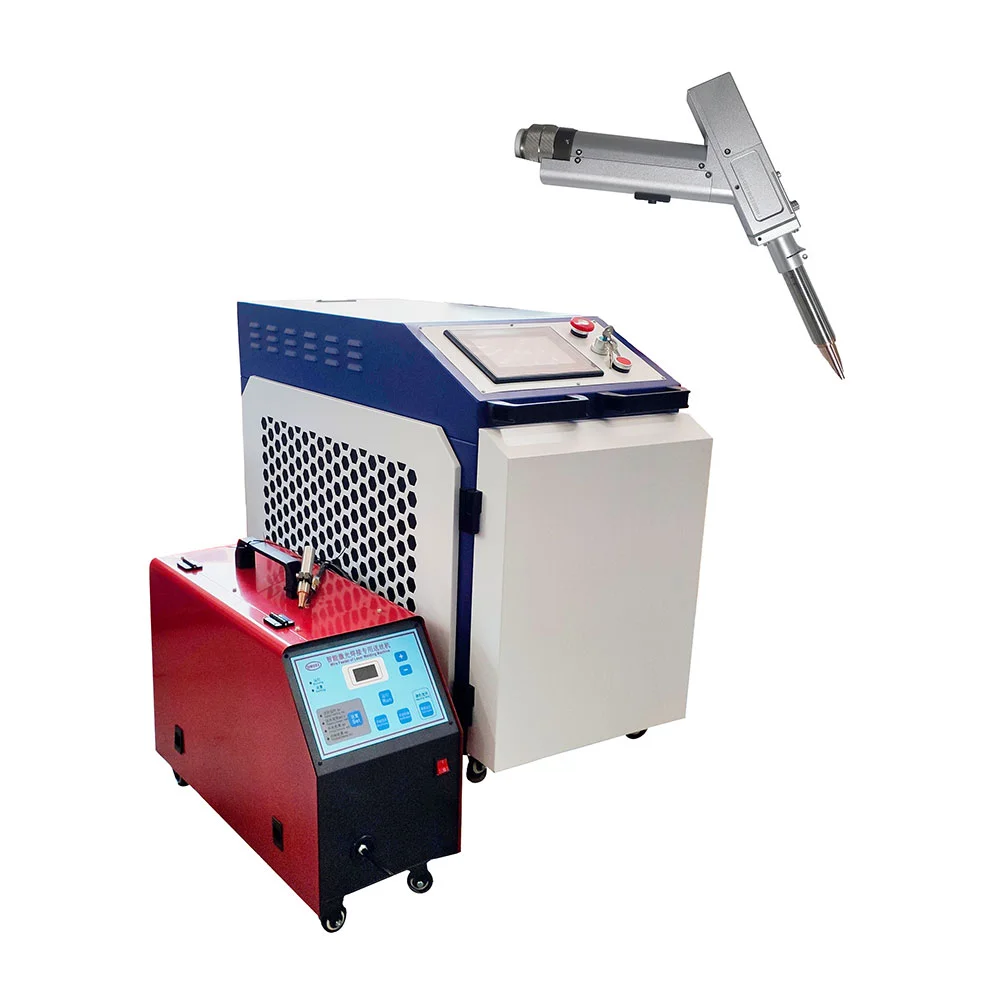
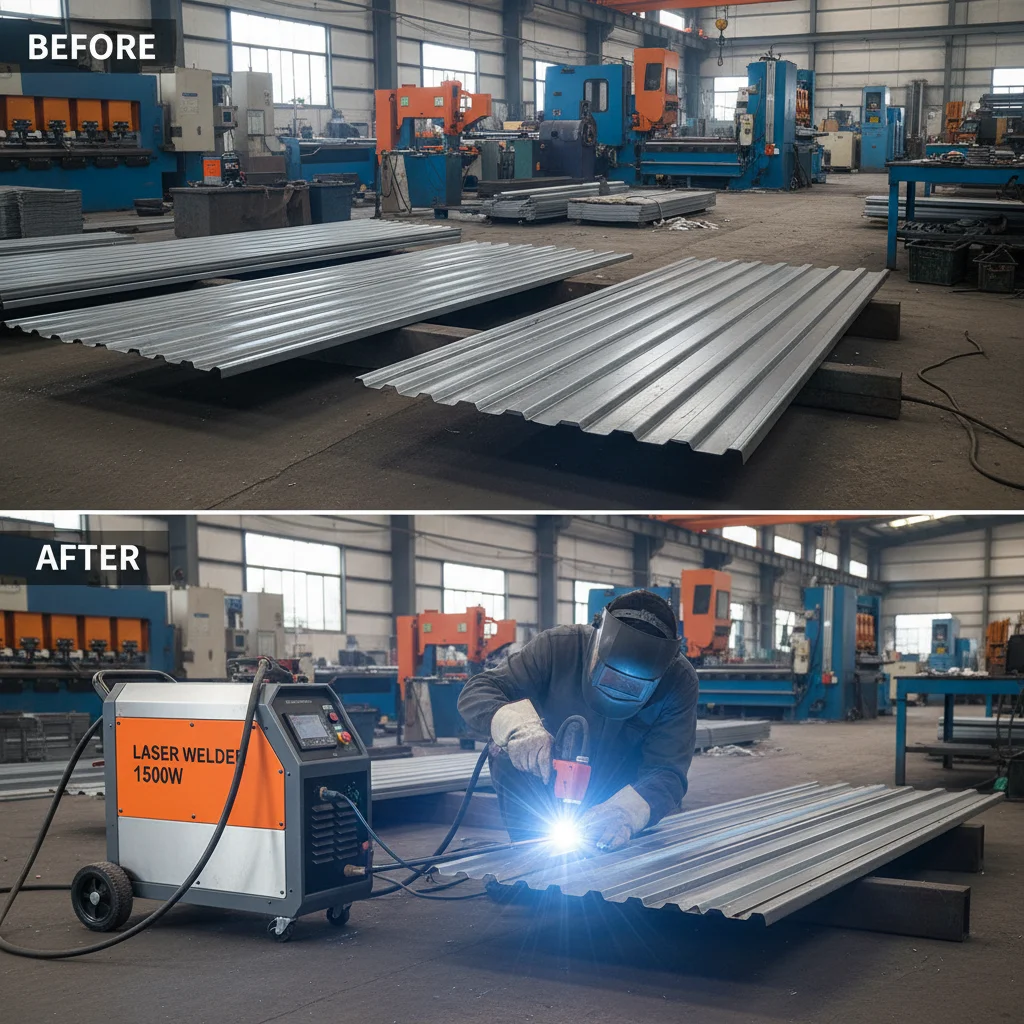
For decades, metal fabrication shops have relied on a traditional trifecta of tools: the MIG welder, the TIG welder, and the angle grinder. While effective, these methods are labor-intensive, require years of specialized training, and often involve significant post-processing. However, a technological revolution is currently sweeping through the industry, centered around the manual laser welder.
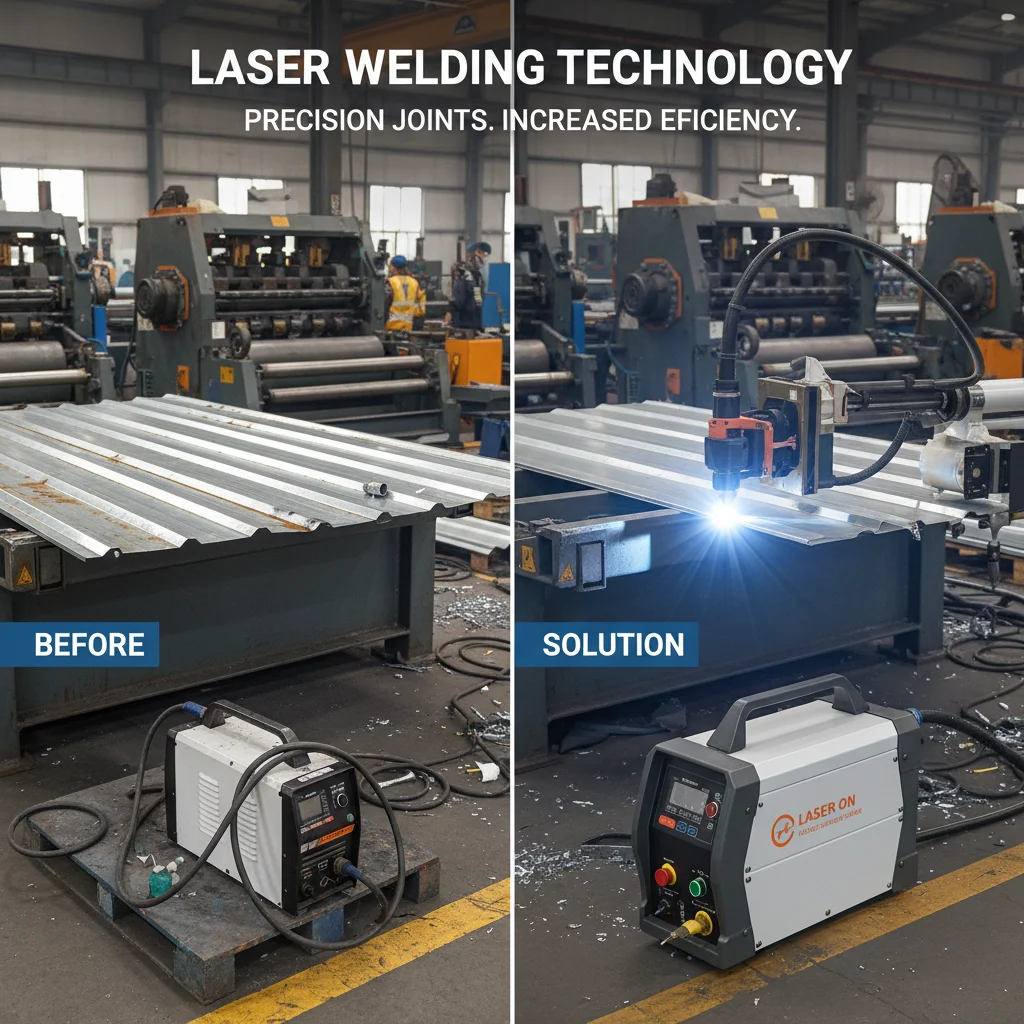
As global manufacturing demands higher precision and faster turnaround times, the handheld metal laser welding machine has emerged as a game-changing alternative. By replacing the erratic electric arc with a concentrated, high-energy fiber laser beam, this technology allows for a level of control and speed previously reserved for multi-million dollar robotic systems.
The transition from traditional arc welding to using a manual laser welder is driven by more than just a desire for new gadgets; it is a response to the inherent limitations of old-school thermal processing.
One of the most significant challenges in welding thin metals—such as stainless steel sheets or aluminum casings—is heat management. Traditional welding introduces a massive amount of heat into the workpiece, leading to warping, buckling, and metallurgical changes in the Heat Affected Zone (HAZ). A manual laser welding machine, however, focuses its energy on a microscopic spot. The energy density is so high that the metal melts and fuses almost instantaneously, allowing the operator to move the torch at high speeds. This results in a weld that is strong yet produces virtually no thermal distortion in the surrounding material.
The "skills gap" is a global crisis in the fabrication industry. Finding a welder who can produce "stack-of-dimes" TIG welds on aluminum takes years of apprenticeship. In contrast, the ergonomic design of a handheld metal laser welding machine allows a novice operator to produce professional-grade welds with only a few hours of training. The machine’s internal software handles the complex physics of beam modulation, leaving the operator to simply guide the torch along the seam.
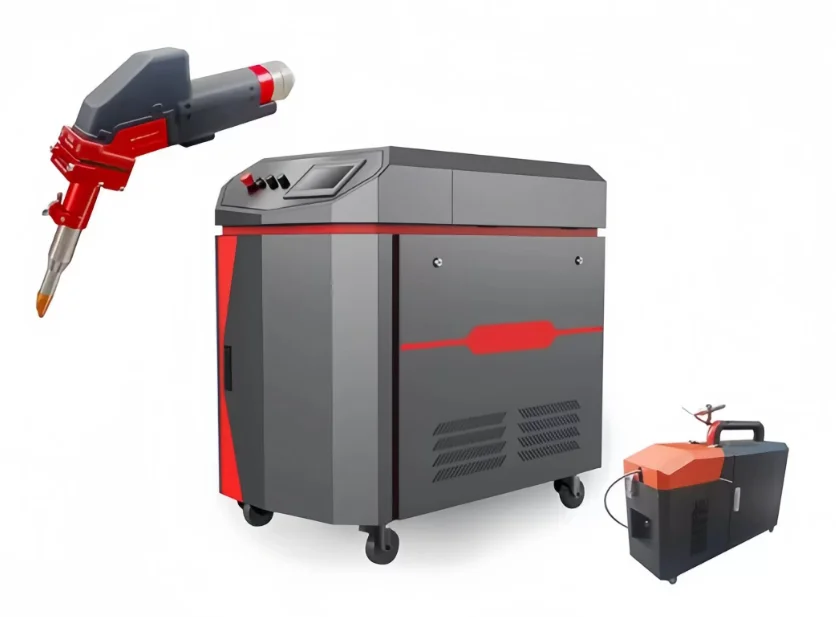
In a busy fabrication shop, space and versatility are at a premium. This is why the latest innovation in the field—the 3 in 1 handheld laser welding system—has become the most sought-after configuration on the market.
A 3 in 1 handheld laser welding machine is not just for joining metal. By simply swapping the nozzle and adjusting the software settings, the machine transforms into a laser cutter or a laser cleaning tool.
Welding: Creating high-strength, aesthetic joints.
Cutting: Allowing for quick trims or opening holes in sheet metal without needing a separate plasma cutter.
Cleaning: Removing rust, oil, paint, or oxide layers from the metal surface before welding, or removing discoloration after welding.
This multi-functionality means that a single investment in a handheld metal laser welding machine can replace three separate pieces of equipment, saving floor space and streamlining the production workflow.
To understand why a manual laser welding machine performs so much better than traditional equipment, we must look at the components that make it tick.
The heart of any modern manual laser welder is the fiber laser source. Unlike CO2 lasers, fiber lasers are solid-state, meaning they have no moving parts or mirrors to align. They are incredibly energy-efficient, converting a higher percentage of electrical input into light energy. This reliability ensures that the beam remains stable over long shifts, which is critical for maintaining weld consistency in industrial environments.
If you’ve ever tried to weld a joint with a poor fit-up, you know how difficult it is to bridge a gap. Modern 3 in 1 handheld laser welding torches utilize "wobble" technology. High-speed internal mirrors vibrate the laser beam in various patterns—circles, triangles, or figure-eights. This effectively widens the weld bead, allowing the operator to bridge gaps and create structural welds even when the parts aren't perfectly aligned.
When a business evaluates a handheld metal laser welding machine, the initial price tag is often higher than a traditional MIG set-up. However, the Return on Investment (ROI) is calculated by looking at the "total cost of the finished part."
In many shops, for every hour spent welding, another hour is spent grinding and polishing. Because the manual laser welder produces a concentrated, smooth bead with no spatter, the need for post-weld finishing is reduced by up to 90%. This saves on labor costs and the high price of consumables like flap discs and polishing compounds.
A manual laser welding machine is significantly more energy-efficient than older arc-welding power sources. Furthermore, because the welding speed is so much faster (often 5x to 10x faster than TIG), the amount of shielding gas (Argon or Nitrogen) used per foot of weld is substantially lower.
While the handheld metal laser welding machine is a miracle of productivity, it is a Class 4 laser product, which requires strict safety protocols. Manufacturers have integrated several "fail-safe" features to protect operators:
Contact Sensors: The laser will not fire unless the nozzle is in physical contact with a grounded workpiece.
Safety Interlocks: If the torch is pulled away from the metal, the beam cuts off instantly.
Dedicated PPE: Operators must wear specialized laser safety glasses that block the specific wavelength of the fiber laser (usually around 1064nm) while still allowing visible light through.
When a shop integrates a 3 in 1 handheld laser welding system, establishing a dedicated "Laser Safety Zone" with light-blocking curtains is a standard and necessary practice.
As we look toward the future, the manual laser welding machine is becoming even more intelligent. We are seeing the introduction of "Smart Sensors" that can detect the thickness of the material in real-time and automatically adjust the laser power. We are also seeing the rise of air-cooled systems, which eliminate the need for bulky water chillers, making the units even more portable and easier to move around large shipyards or construction sites.
Furthermore, the software interfaces on these machines are becoming as intuitive as smartphones, with pre-set "libraries" for every imaginable material: from carbon steel and galvanized plate to brass and titanium.
The manufacturing landscape is more competitive than ever. To thrive, shops must find ways to produce higher-quality goods in less time with fewer skilled resources. The manual laser welder is the answer to this challenge.
By combining the precision of a laser with the flexibility of a human operator, the handheld metal laser welding machine offers a level of performance that traditional methods simply cannot match. Whether you are opting for a dedicated unit or a versatile 3 in 1 handheld laser welding system, the benefits—speed, quality, and ease of use—are undeniable.
The era of the heavy, hot, and messy welding shop is coming to an end. In its place is a cleaner, faster, and more precise future, powered by the manual laser welding machine.