Shijiazhuang Topstar
International Trading Co., Ltd.


Get In Touch
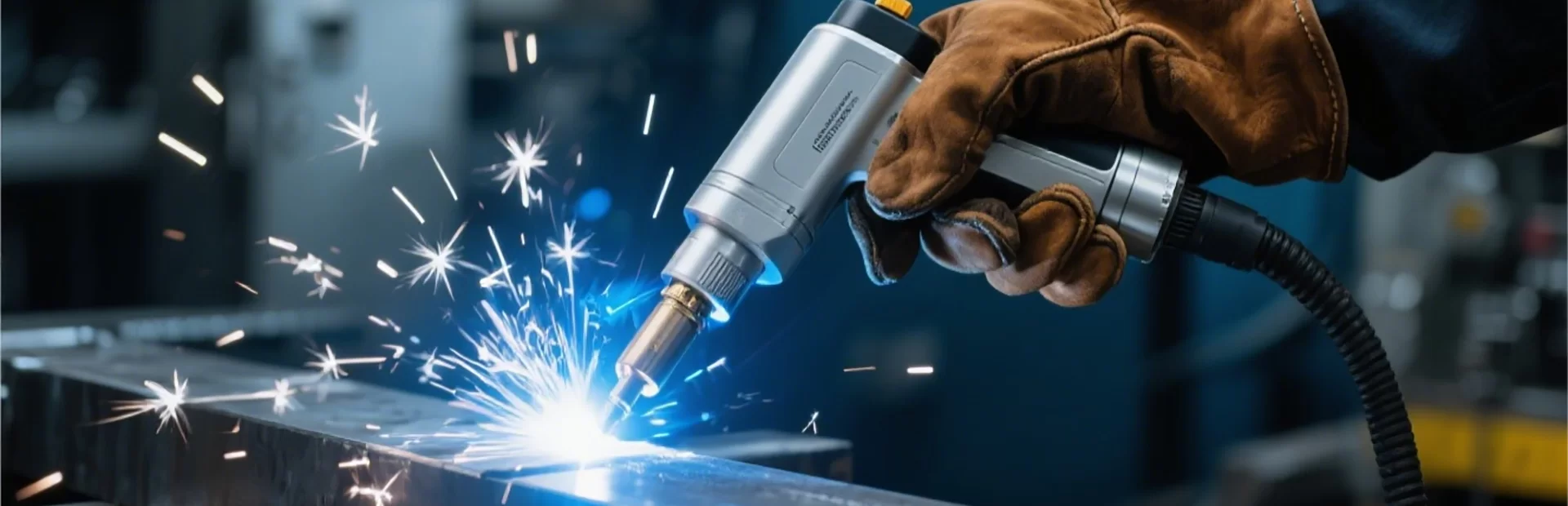
The landscape of industrial identification and artistic engraving has been permanently altered by the advent of fiber laser technology. In the past, marking metals required bulky machinery, corrosive chemicals, or mechanical bits that would dull over time. Today, the laser marking machine for metal has become the centerpiece of modern fabrication, offering a non-contact, permanent, and high-speed solution for everything from industrial serial numbers to intricate custom jewelry.
As businesses look to optimize their workspace and reduce overhead, the shift toward compact, efficient hardware has accelerated. This shift is best exemplified by the rise of the desktop fiber laser and the even more compact mini fiber laser marking machine. These tools have democratized high-end manufacturing, allowing small workshops and home-based entrepreneurs to achieve the same precision as global aerospace giants.
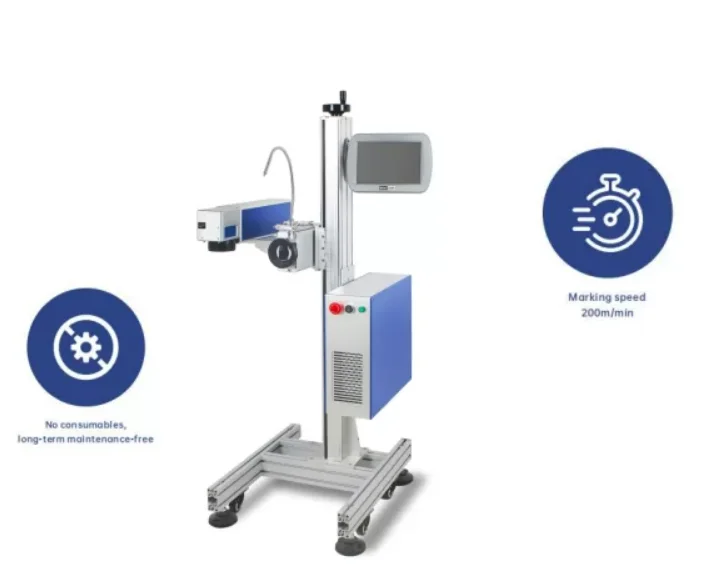
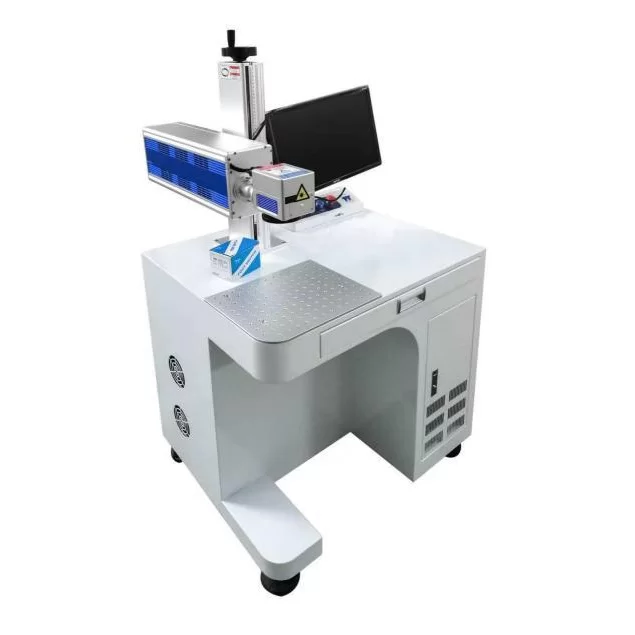
For many manufacturers, the leap from traditional methods to laser technology begins with the desktop fiber laser. These machines are designed to balance power with a footprint that fits easily on a standard workbench. Unlike CO2 lasers, which are often used for wood and acrylic, a fiber laser is specifically engineered to interact with metals and certain hard plastics.
The primary appeal of the desktop fiber laser is its "all-in-one" design. Most modern units integrate the laser source, the controller, and the scanning head into a single ergonomic chassis. This is particularly beneficial for businesses operating out of retail storefronts or small design studios. You no longer need a dedicated industrial bay to house a high-performance laser marking machine for metal.
One of the most significant advantages of fiber technology is its solid-state nature. There are no lamps to replace, no gas to refill, and no mirrors to constantly realign. A high-quality desktop fiber laser source is typically rated for 100,000 hours of operation. For a small business, this translates to years of maintenance-free service, ensuring that the machine is a profit center rather than a maintenance burden.
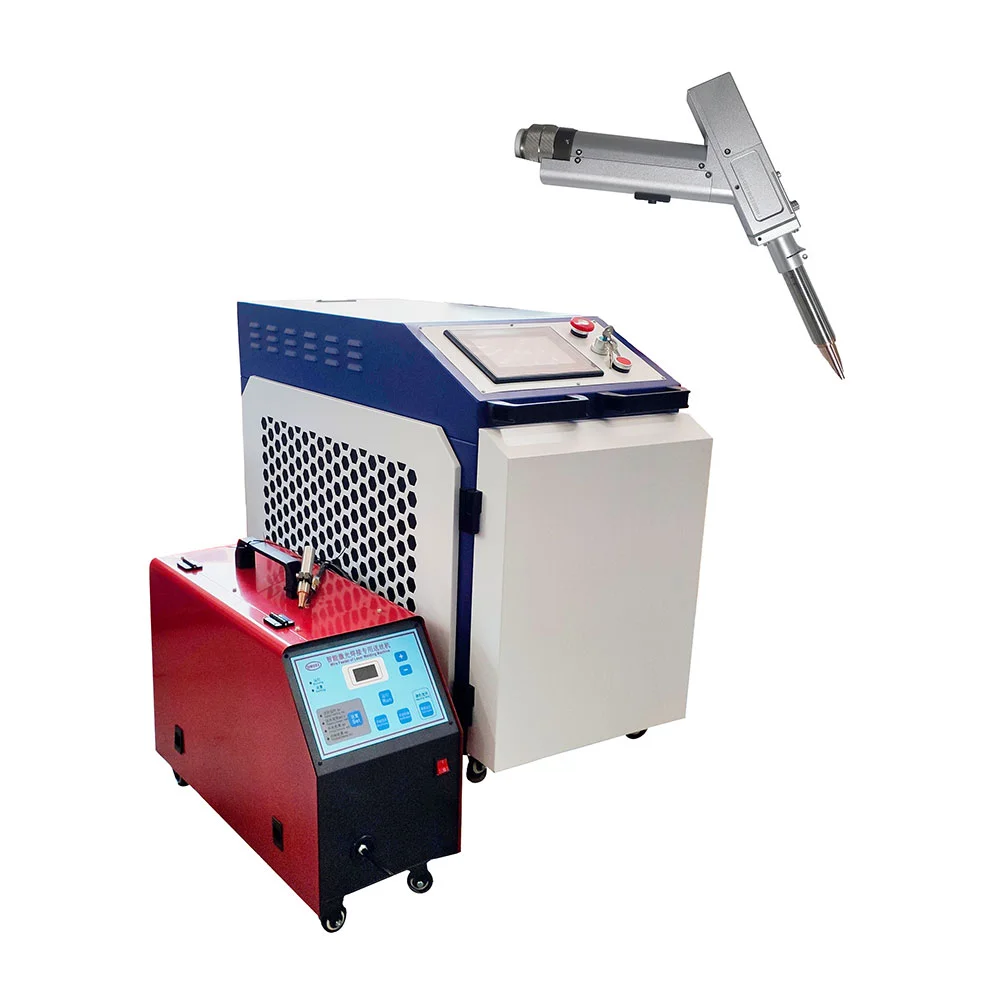
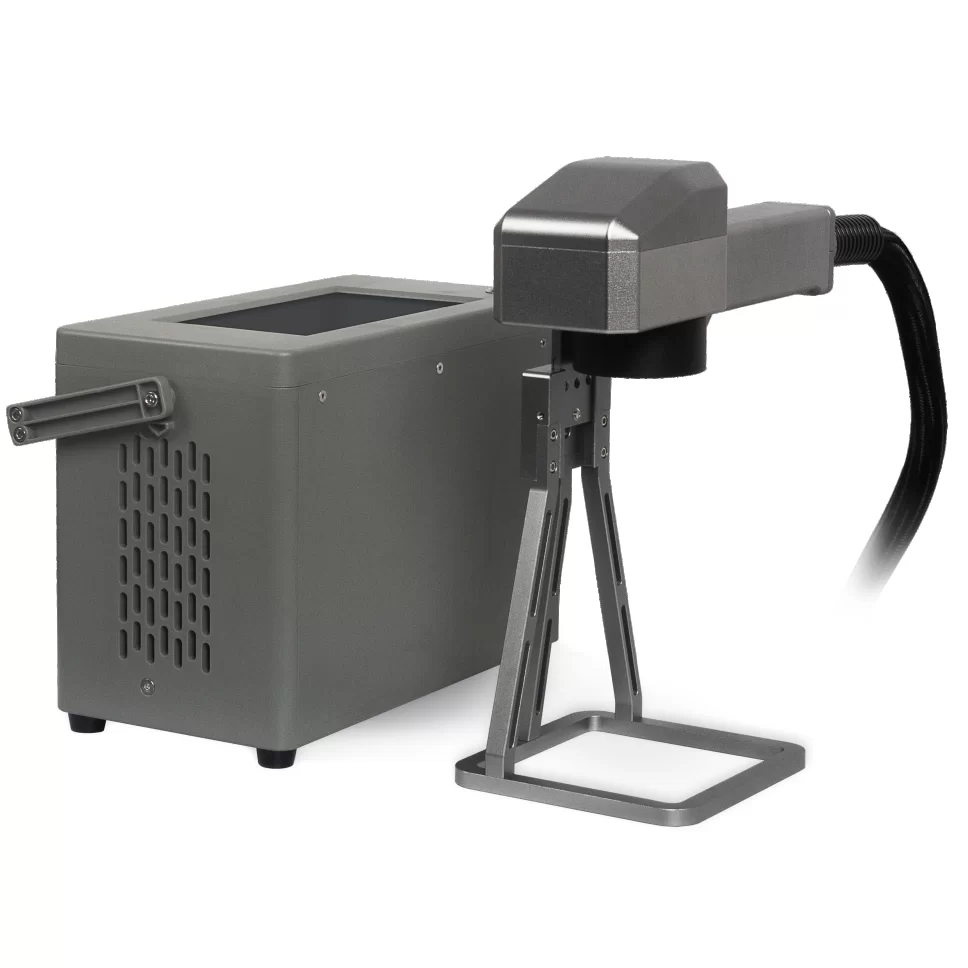
As the technology has matured, engineers have pushed the boundaries of miniaturization. The mini fiber laser marking machine represents the pinnacle of this trend. These units are designed for maximum portability, often featuring a modular design where the marking head can be detached from the main body.
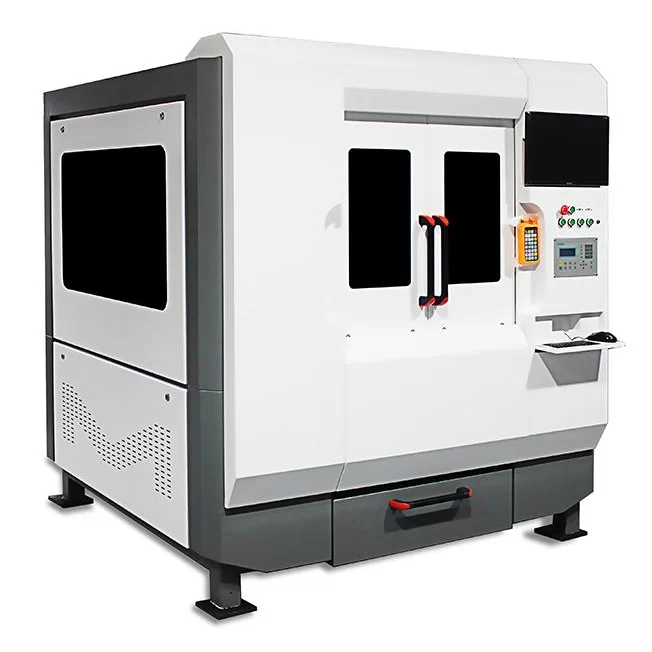
While a standard laser marking machine for metal usually requires the part to be placed inside a marking cabinet, the mini fiber laser marking machine offers a "handheld" or "portable" mode. This is a game-changer for industries that deal with large, heavy components that cannot be easily moved, such as automotive engine blocks, large steel pipes, or architectural structures.
Despite their small size, mini fiber laser marking machine units do not sacrifice performance. They typically utilize the same high-speed Galvo scanners and fiber sources as their larger counterparts. For "pop-up" retail booths or mobile repair services, these machines provide a professional-grade engraving solution that can be transported in a standard carrying case.
When we discuss a laser marking machine for metal, we are talking about a process that uses a focused beam of light to alter the surface of a material. This technology offers several distinct technical advantages over traditional rotary engraving or dot peening.
A fiber laser can be tuned to produce different types of marks on metal. By adjusting the pulse frequency and speed, a desktop fiber laser can create:
Annealing: A heat-based mark that creates a high-contrast black finish without removing material (ideal for medical devices).
Engraving: Physically removing metal to create a deep, tactile groove that remains legible even after years of wear.
Etching: A surface-level mark that is incredibly fast and perfect for high-speed production lines.
Traditional metal marking often involves inks, acids, or physical pressure. A laser marking machine for metal is entirely non-contact. This means there is no mechanical stress on the part, which is critical for delicate electronics or precision-engineered aerospace components. Furthermore, because it requires no consumables other than electricity, it is a far more environmentally friendly option.
If you are currently in the market for a desktop fiber laser, it is important to look beyond just the price. Several factors will determine how effective the machine is for your specific application.
Wattage Selection: For surface marking and high-speed branding, a 20W or 30W source is usually sufficient. However, if your work requires deep engraving into hard metals like tool steel, a 50W or even 100W laser marking machine for metal might be necessary.
Field of View: The "marking area" is determined by the F-theta lens. While a larger area sounds better, it often results in a slightly larger spot size. Most mini fiber laser marking machine units come with a standard 110mm x 110mm area, which is the "sweet spot" for most jewelry and small part identification.
Software Integration: Ensure the machine uses a stable, industry-standard software like EZCAD or LightBurn. This allows you to easily import vector files (AI, DXF, PLT) and manage serial numbers or QR code generation automatically.
The move toward desktop fiber laser technology is part of a broader trend toward "Smart Manufacturing." As global supply chains demand better traceability, every metal component—from the smallest screw to the largest structural beam—will eventually require a permanent, machine-readable mark.
The laser marking machine for metal has proven itself to be the most reliable tool for this task. Whether you opt for the industrial stability of a desktop fiber laser or the agile portability of a mini fiber laser marking machine, you are investing in a technology that offers unmatched precision, speed, and versatility.
As we look forward, we can expect fiber lasers to become even more efficient, with even smaller footprints and more intuitive AI-driven software. For any business involved in metalwork, the question is no longer if they should adopt laser marking, but which machine will best help them lead their industry into the next decade.