Shijiazhuang Topstar
International Trading Co., Ltd.


Get In Touch
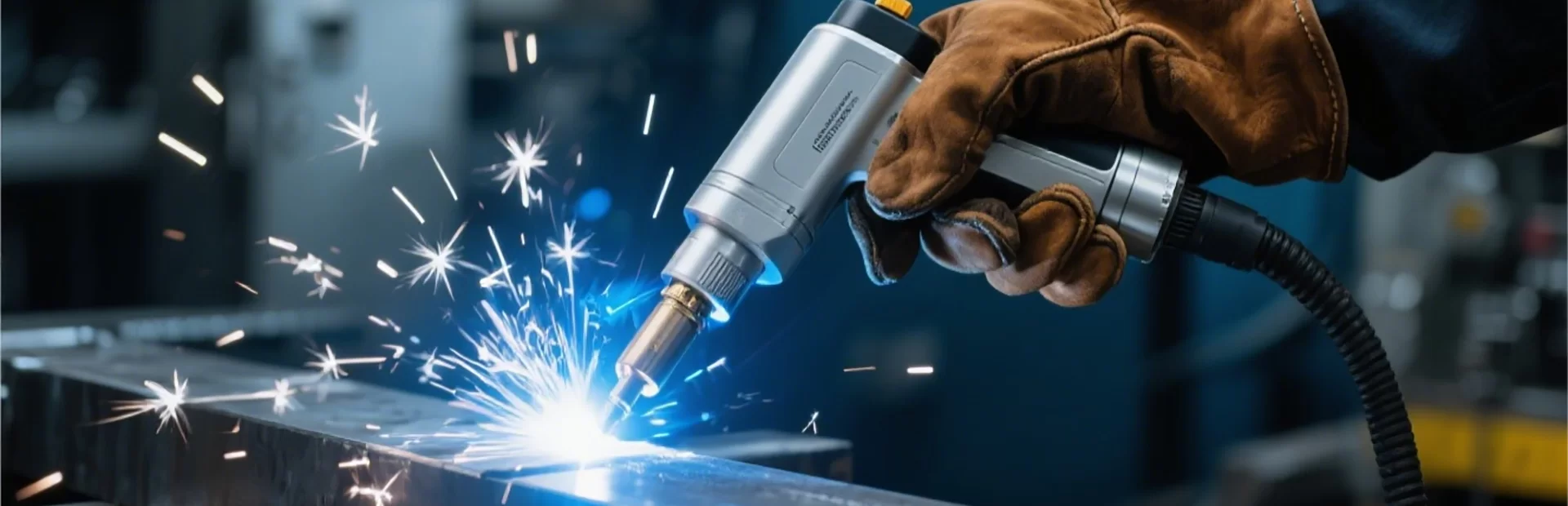
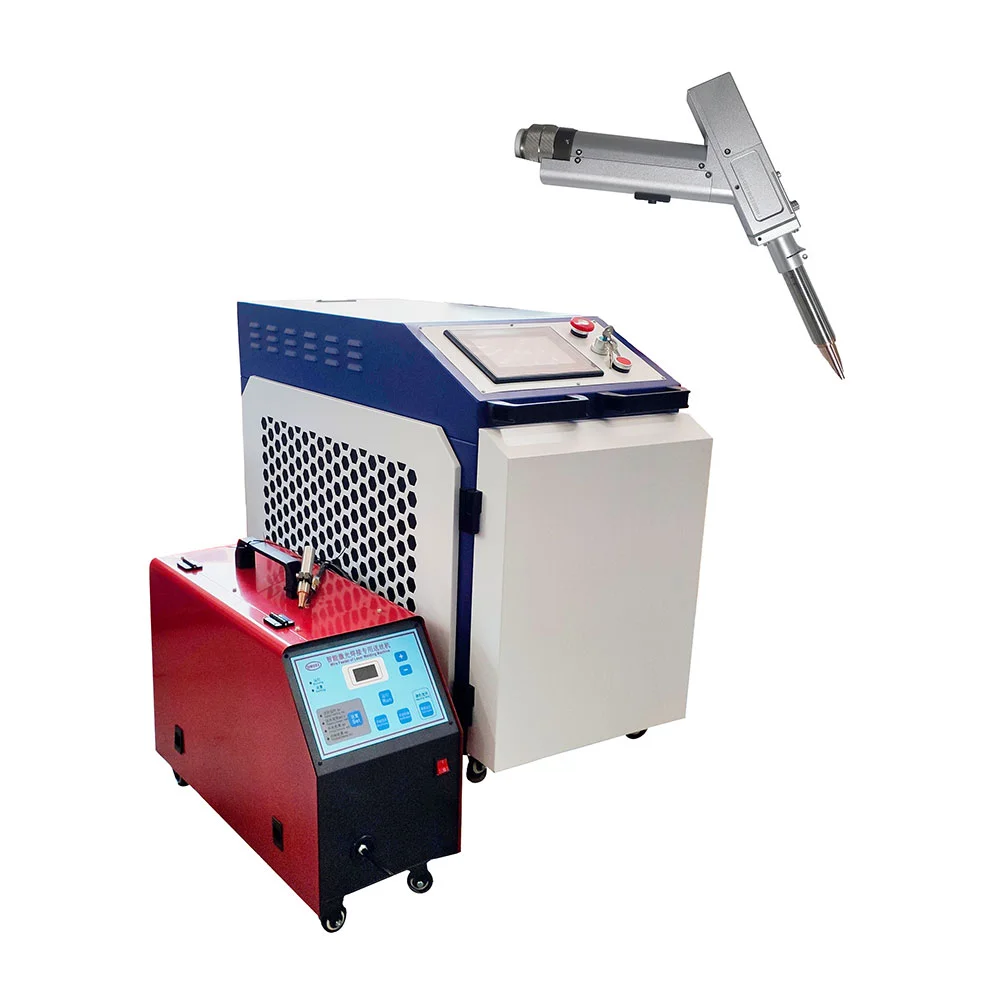
Last month I walked a busy rack factory where one automated station quietly outwelded a small team. People searching for e beam welder,laser beam welding equipment, eb welder, eb welding machine, ebw welder, electron beam welding, often ask: do we really need vacuum-chamber EBW, or will a tightly engineered automated welder do the job? The honest answer—depends on tolerances, materials, and throughput. Let’s unpack the state of play.
· EBW and high-power laser continue to dominate ultra-precise, low-distortion joints (aerospace, e-mobility, vacuum hardware).
· For shelving and structural components, smart automation with PLC, fixtures, and parameter control is overtaking manual MIG/spot welding.
· Standards matter more than ever: ISO 13919-1 for beam weld quality, AWS D1.1 for structural steel, ISO 3834 for welding quality assurance.
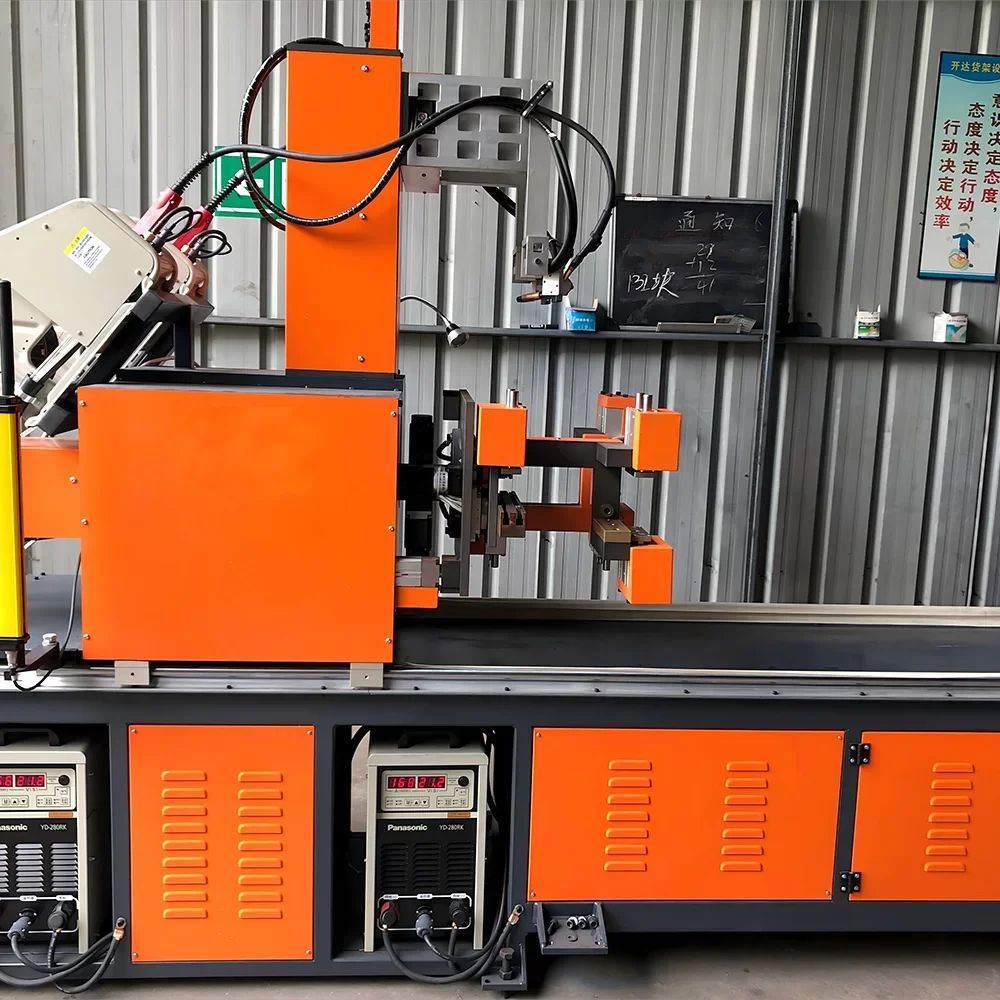
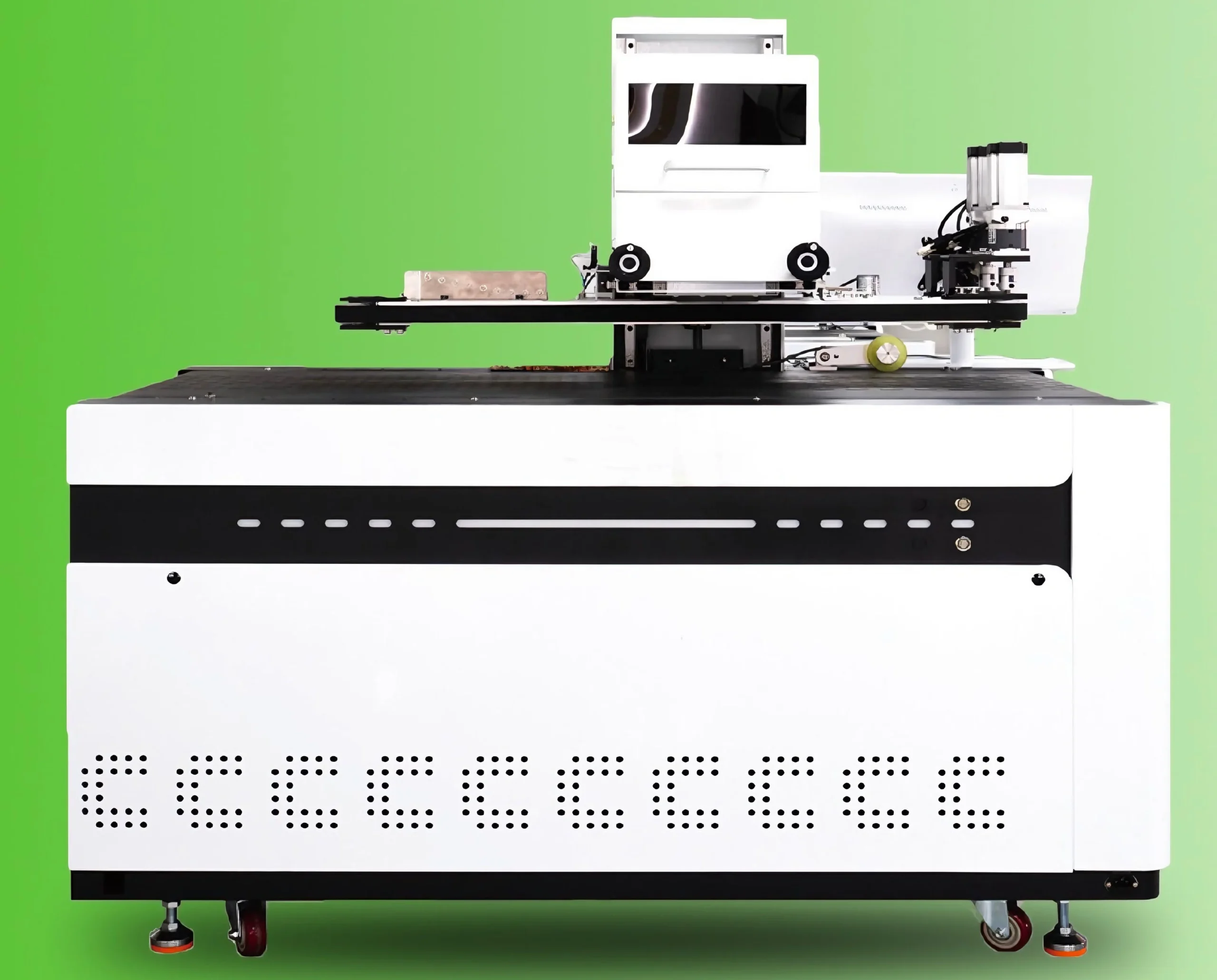
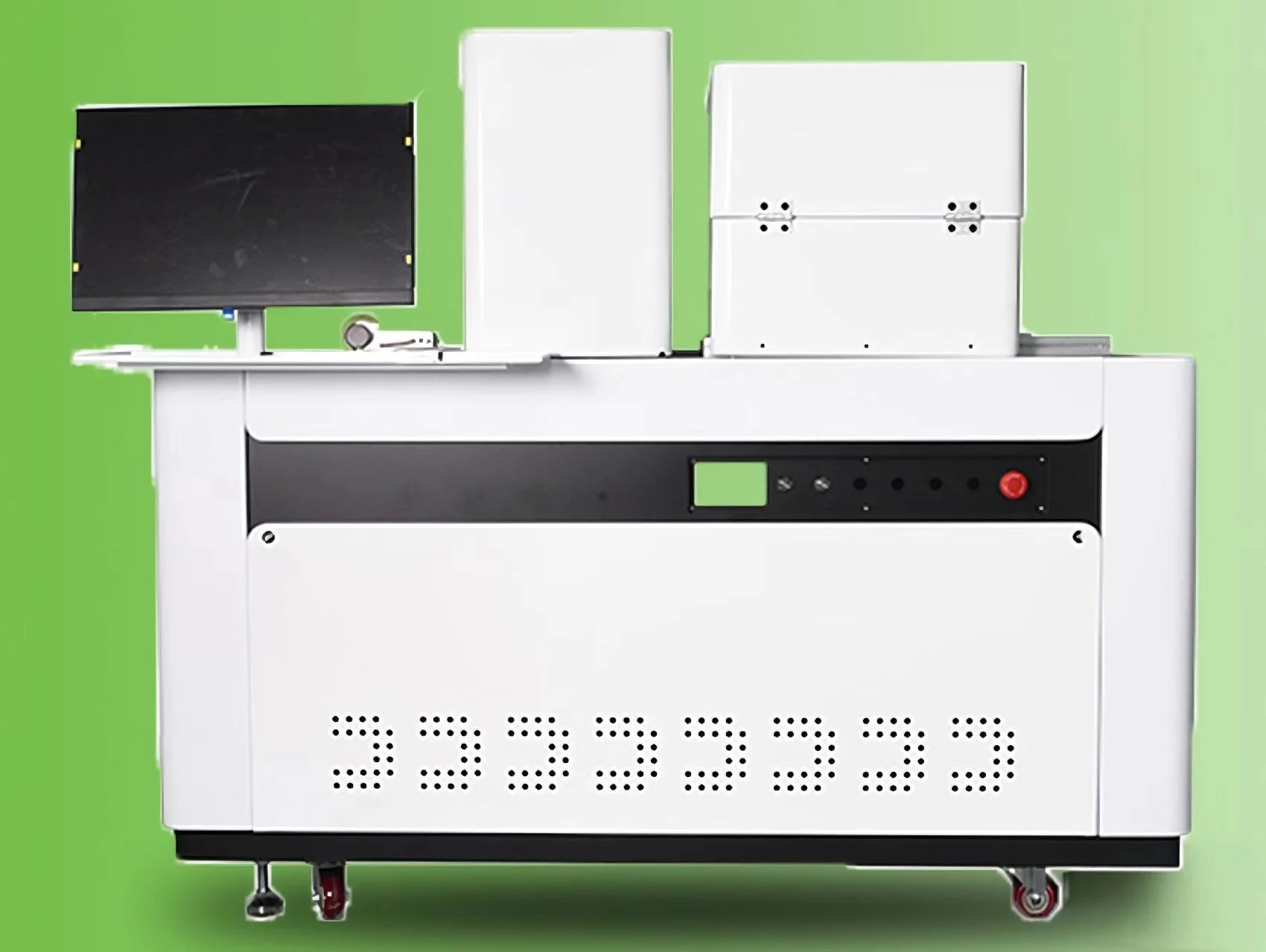
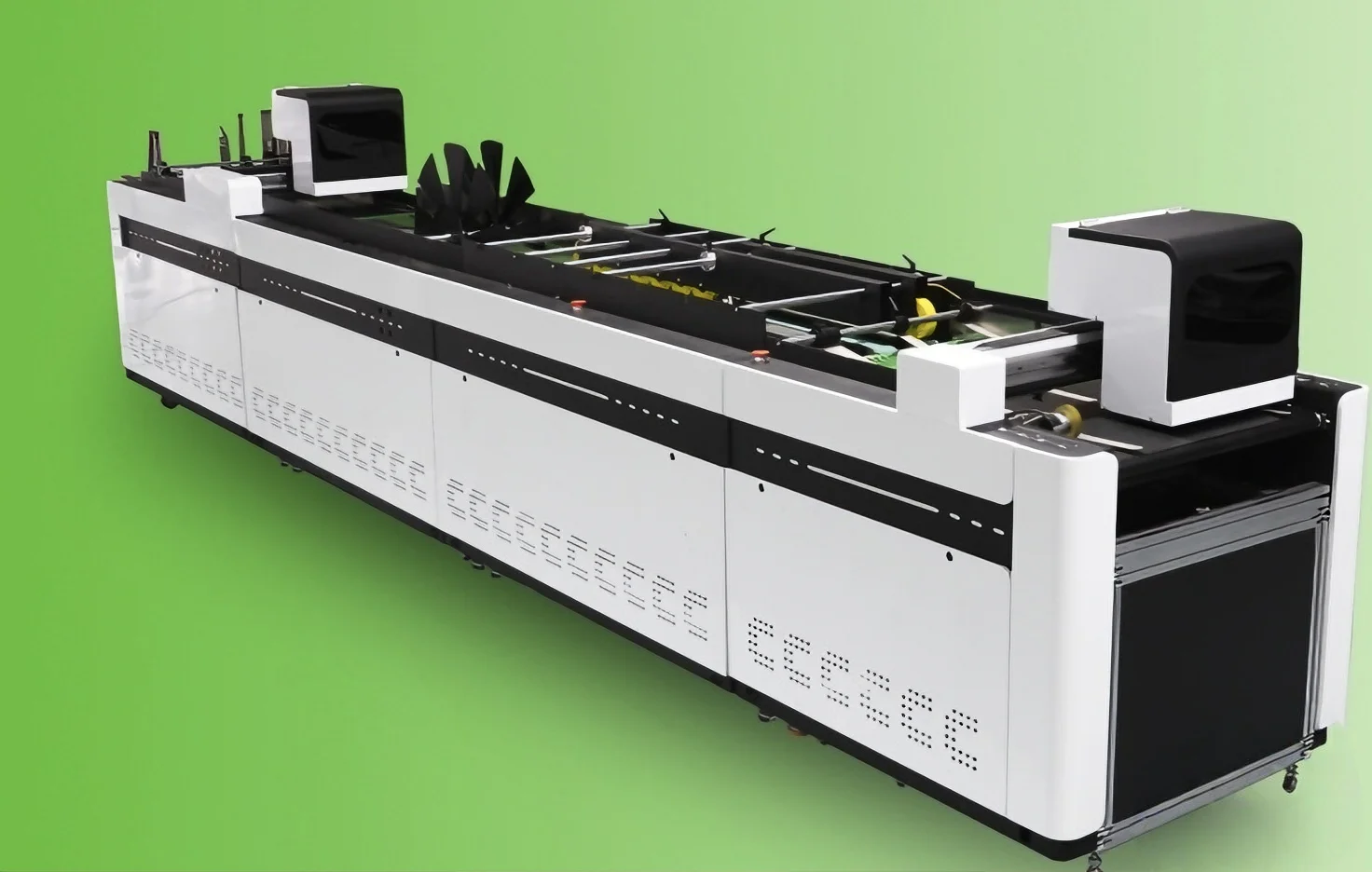
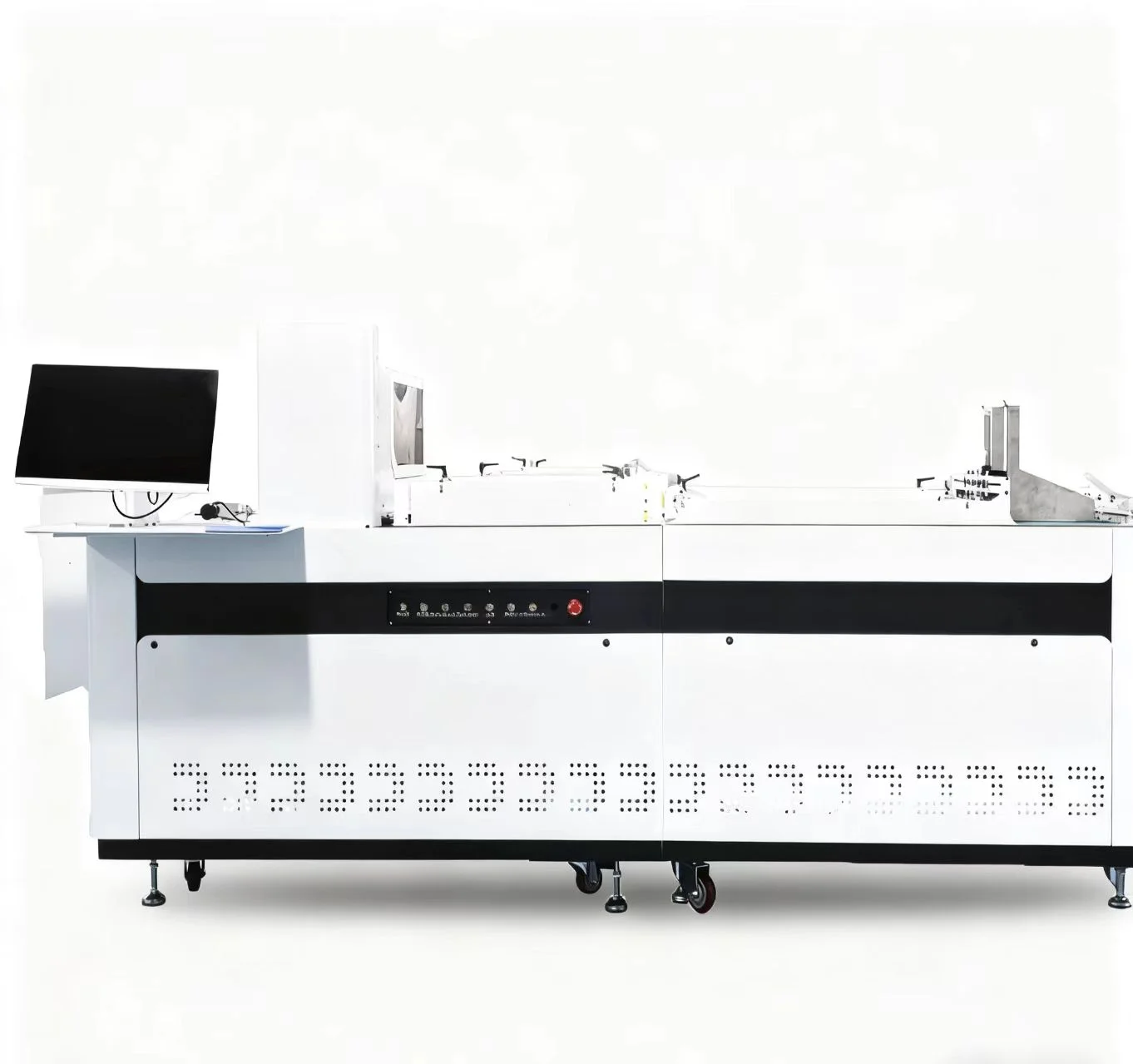
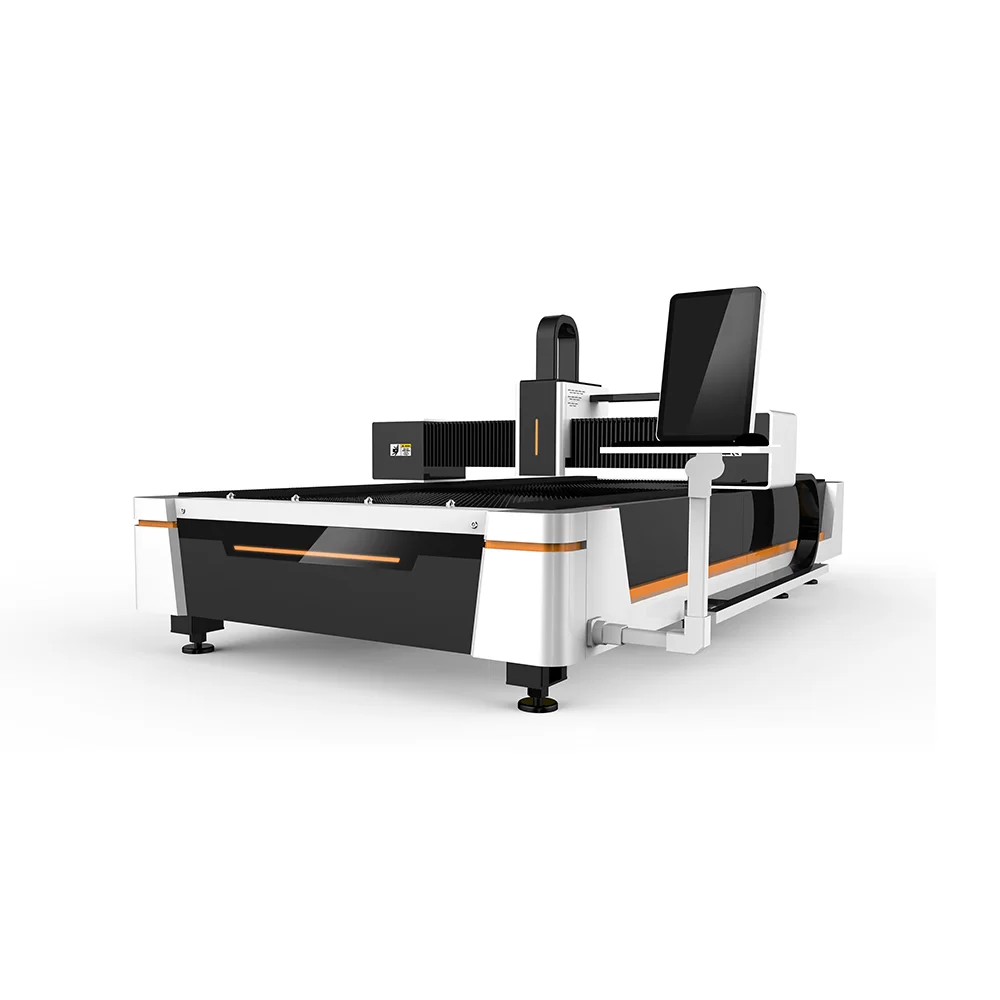
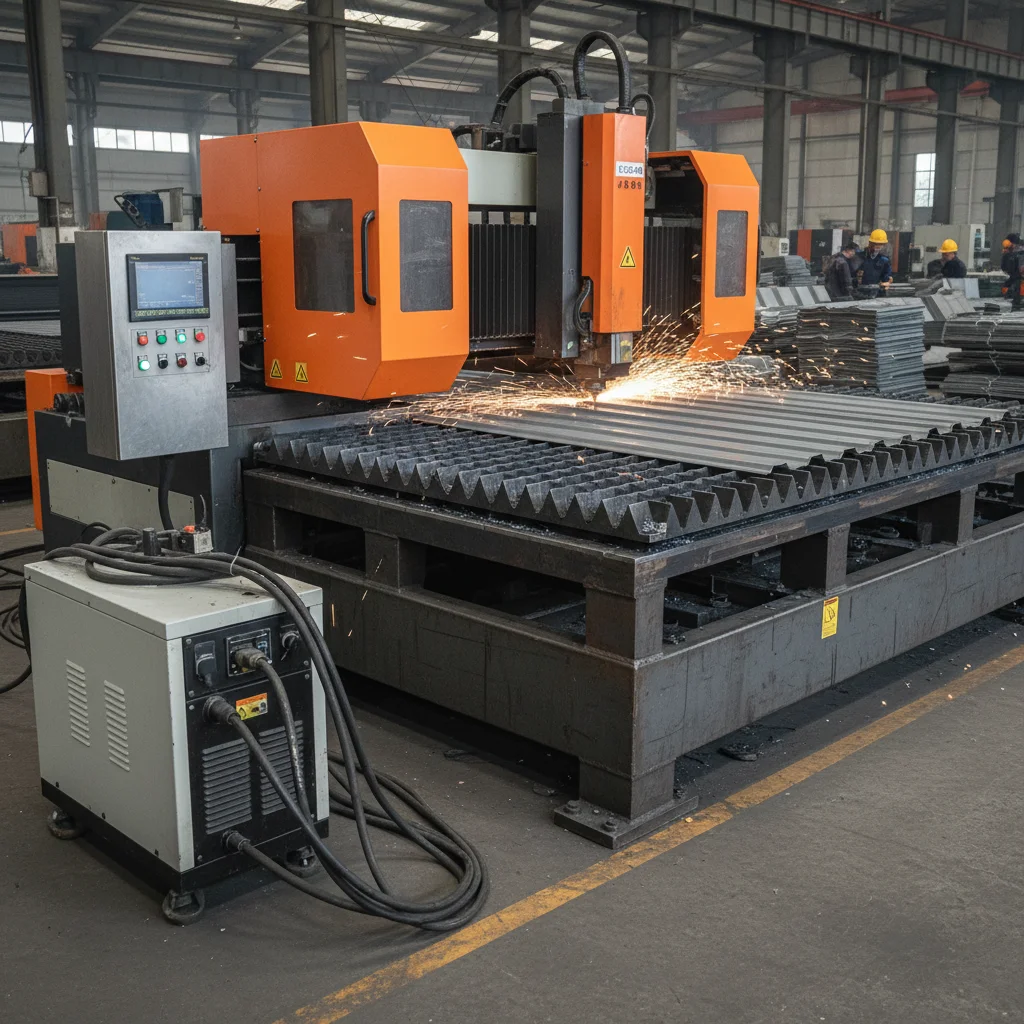
This station is built for rack beam-to-hook joints—highly repeatable, fast, and frankly less fussy than vacuum EBW. It’s PLC-driven; operators select a recipe on a touch screen, fixtures locate the parts, and the machine executes the weld cycle with guarded safety logic. Many customers say the consistency alone pays for itself.
Parameter | Spec (≈, real-world use may vary) |
Application | Shelf beam-to-side hook welding |
Control | PLC + HMI recipes; data recall |
Welding process | Configured per project (MIG/MAG or resistance spot, fixture-driven) |
Cycle time | ≈ 6–15 s/joint depending on thickness and fixture |
Quality control | Current/voltage/time logging; optional vision/force monitoring |
Safety | E-stop, shields, fume control; optional post-weld cooling |
Service life | Designed for multi-shift, ≥8 years with preventive maintenance |
Cert readiness | Supports ISO 3834, AWS D1.1-compliant production plans |
1. Materials: low-carbon steel (e.g., Q235/S235), sometimes galvanized; thickness ≈1.5–4.0 mm.
2. Methods: fixture clamping, parameter-set weld; cooling; automatic unload.
3. QC: macro-etch sampling (ISO 13919-1), visual per AWS D1.1; optional MP testing (ASTM E1444) on critical runs.
4. Data: recent trial (50 coupons) showed porosity area <1% and average shear strength 18.2 kN ±0.8—well within rack specs.
5. Industries: storage racking, intralogistics, light structural assemblies.
Vendor | Core Tech | Typical Power | Cert/Standards | Pros | Considerations |
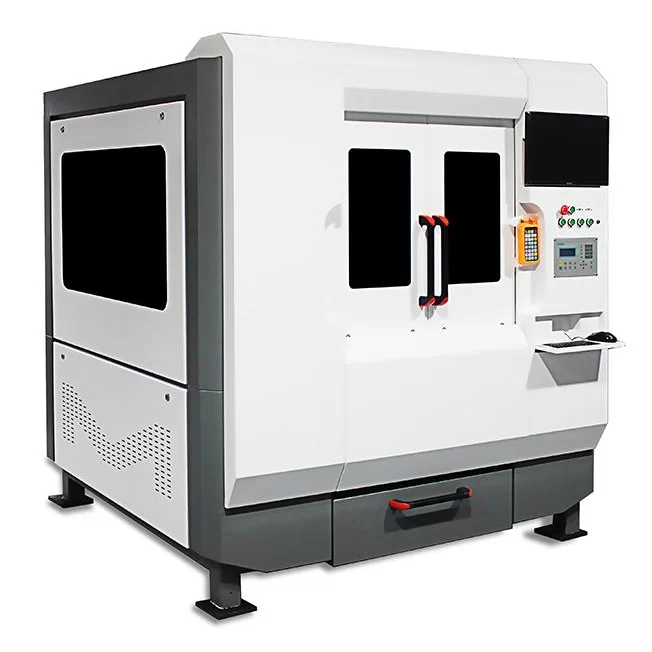
Topstarlaser (this model) | Automated fixture welding | Process-dependent | ISO 3834-ready workflow; AWS D1.1 production | High throughput, easy recipes | Not a vacuum EBW system |
EBW OEM (vacuum) | Electron Beam Welding | ≈ 30–150 kV, kW-class | ISO 14744; ISO 13919-1 | Deep penetration, minimal distortion | Vacuum cycle time, higher capex |
Laser integrator | Fiber laser welding | ≈ 2–8 kW | ISO 13919-1 | Flexible, no vacuum | Fit-up sensitivity; optics care |
Ballpark only: small-chamber EBW systems often land around $400k–$900k; large-chamber, multi-kW models can exceed $1.5M, depending on vacuum size, manipulators, and QA options. Integrator-level laser cells run ≈$150k–$600k. Automated rack welders like this model typically come in lower, especially when fixtures are standardized. Always validate scope and standards.
· Custom fixtures for varying hook geometries; quick-change tooling keeps uptime high.
· Parameter libraries per thickness; operators like the “call-up and run” approach.
· One integrator reported 30–40% cycle-time cuts after adding automated clamping and a post-weld cooldown—small tweak, big win.
If you’re cross-shopping with e beam welder,laser beam welding equipment, eb welder, eb welding machine, ebw welder, electron beam welding, remember: match process to tolerance, cost, and the standards you must meet. To be honest, the “best” tech is the one that ships good parts every day.
1. ISO 13919-1: Electron and laser-beam welded joints — Quality levels.
2. ISO 14744 (Parts 1–6): Acceptance inspection of electron beam welding machines.
3. AWS D1.1/D1.1M: Structural Welding Code—Steel.
4. AWS D17.1/D17.1M: Specification for Fusion Welding for Aerospace Applications.
5. ISO 3834 series: Quality requirements for fusion welding of metallic materials.
6. ASTM E1444/E1444M: Standard Practice for Magnetic Particle Testing.