Shijiazhuang Topstar
International Trading Co., Ltd.


Get In Touch
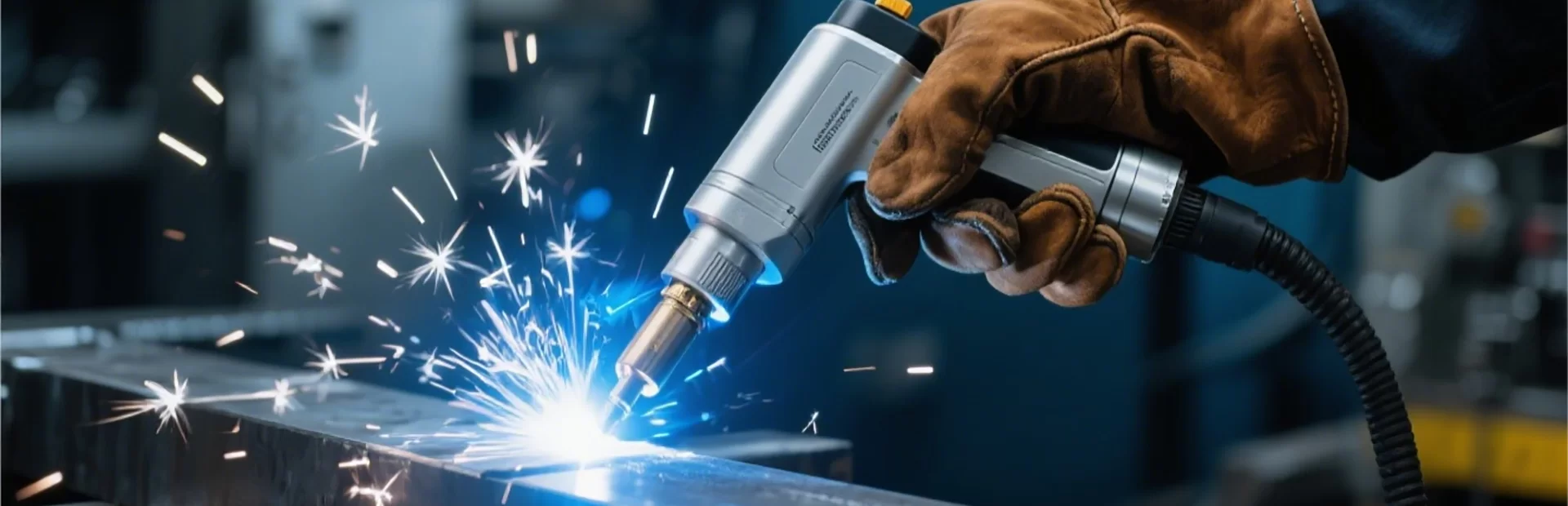
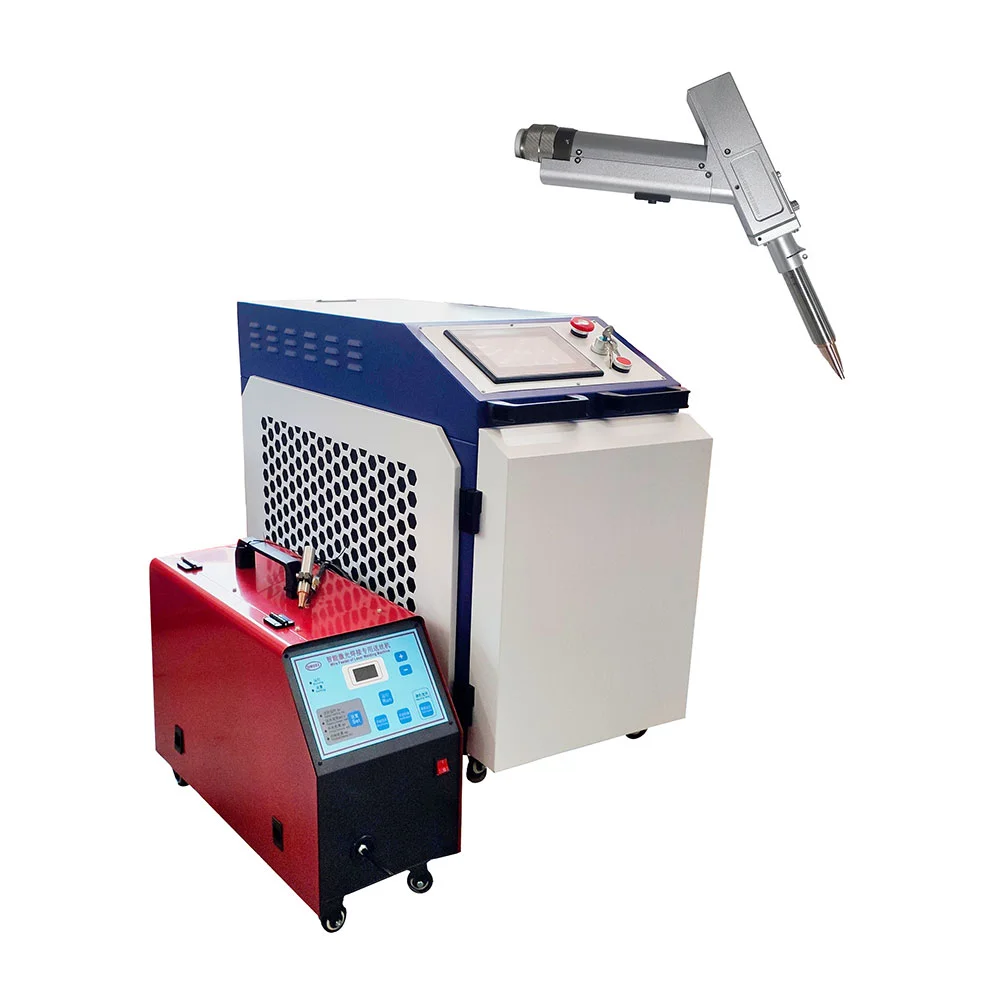
If you’ve been watching shop floors lately, you’ve noticed the shift: torches out, lasers in. I took a fresh look at the handheld laser welder for aluminum, manual laser welding machine, portable laser welder, portable laser welding machine, laser welding machine portable and, to be honest, the results are hard to ignore—especially if you’re hunting for a laser welder for sale that doesn’t hijack your capex.
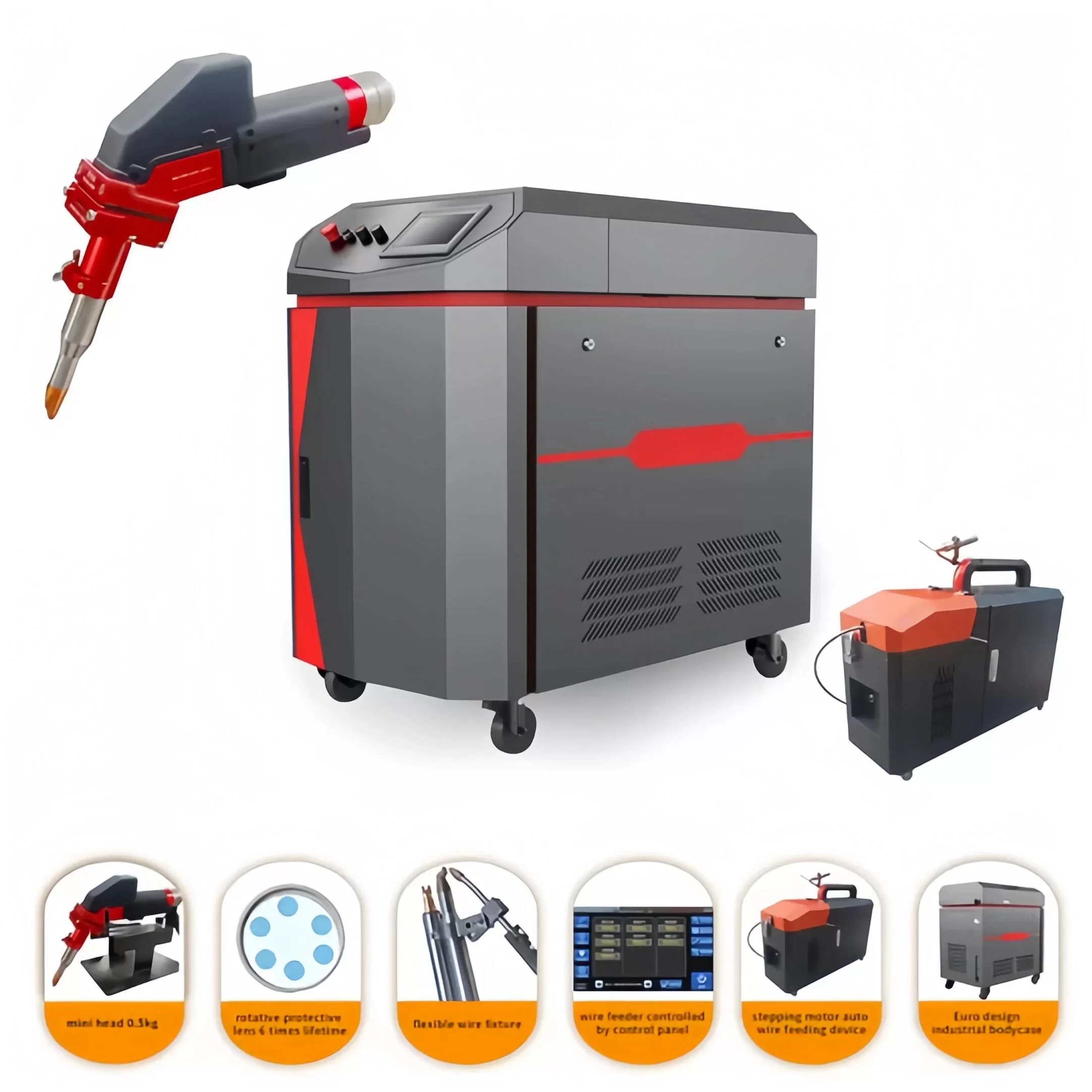
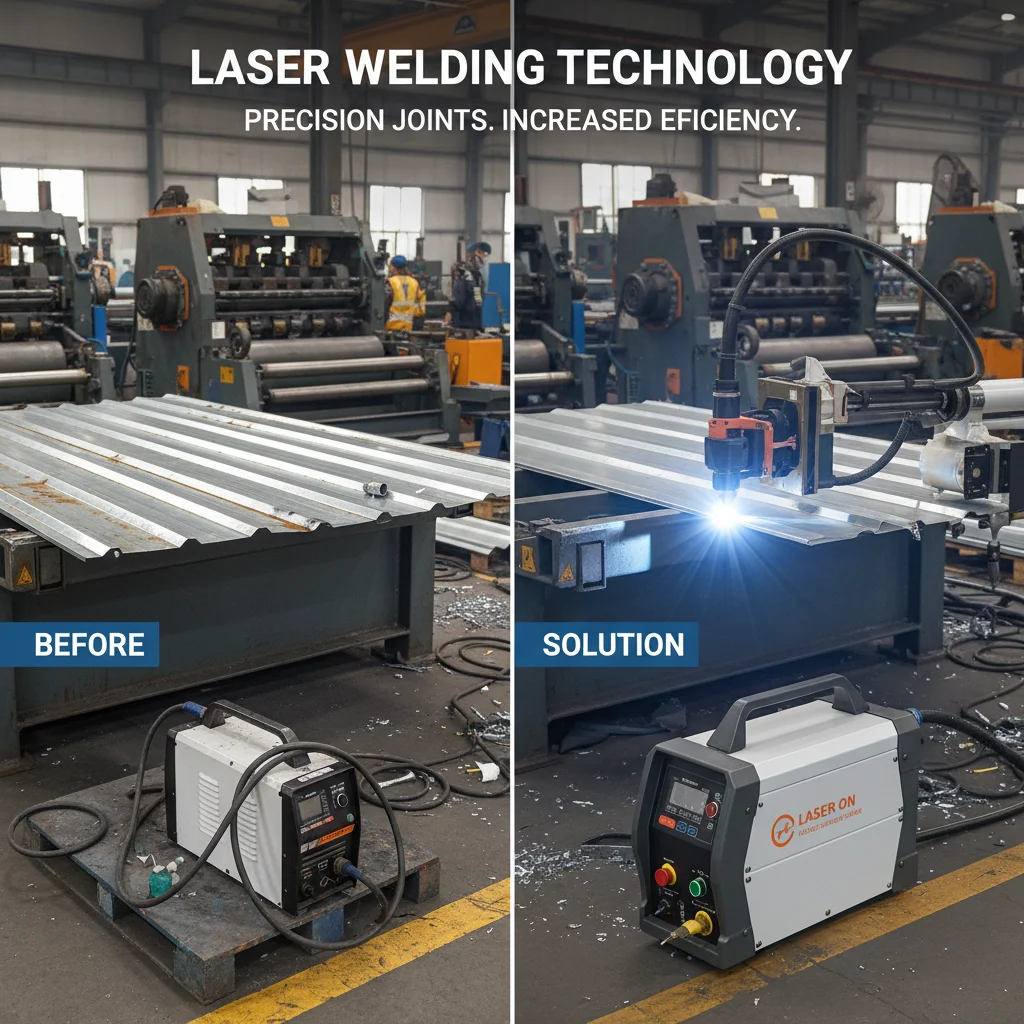
Fabricators are chasing faster turnaround, fewer reworks, and easier training. Portable fiber lasers fit that mood: ≈2–10× faster than TIG on thin-gauge metals, less post-polish, and far less operator fatigue. Many customers say they moved a week of backlog in two days after switching—slightly anecdotal, sure, but it tracks with what I see on the ground.
· Metals: stainless, carbon steel, galvanized sheet, and aluminum alloys (5xxx/6xxx) with proper prep and gas.
· Jobs: cabinets, frames, HVAC, kitchenware, auto trim, battery tabs, signage, furniture, on-site assemblies.
· Geometry: long seams, corner fillets, repair patches, and awkward, large workpieces where a robot can’t reach.
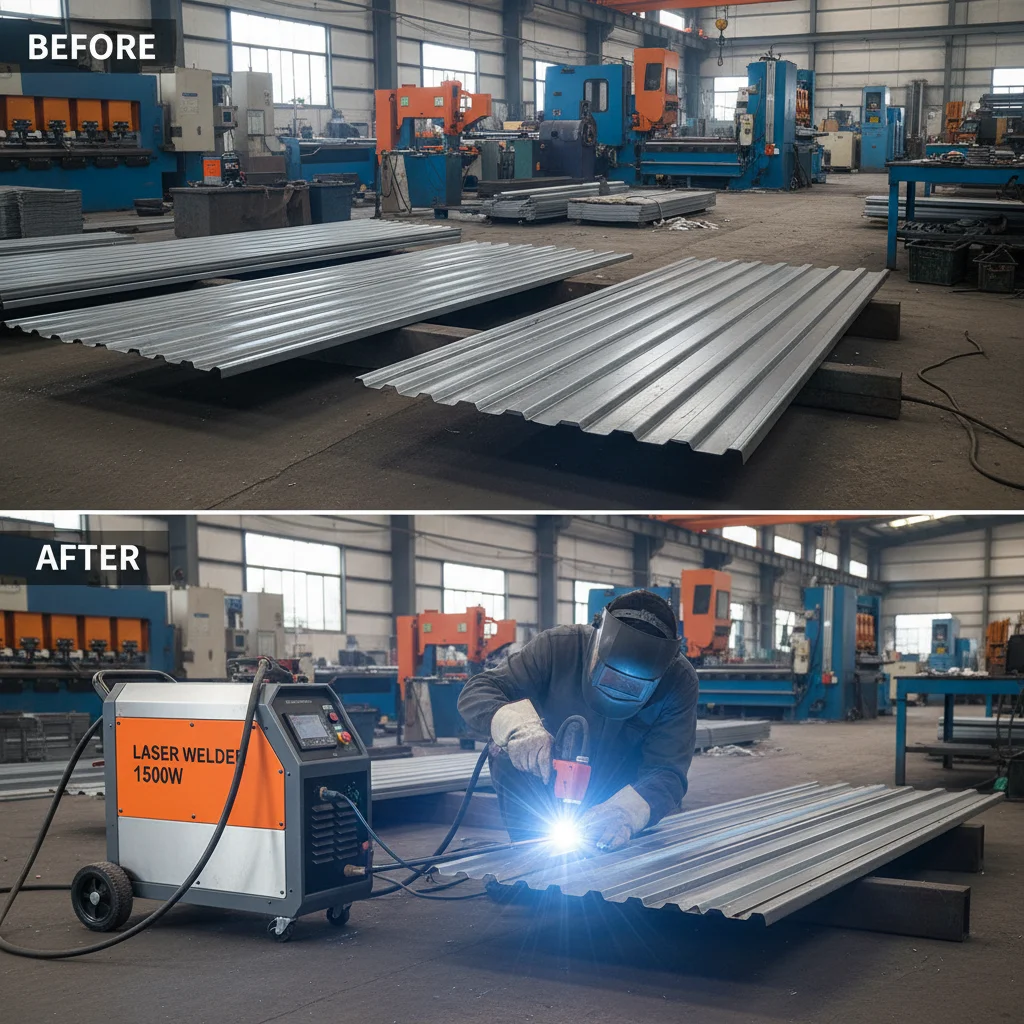
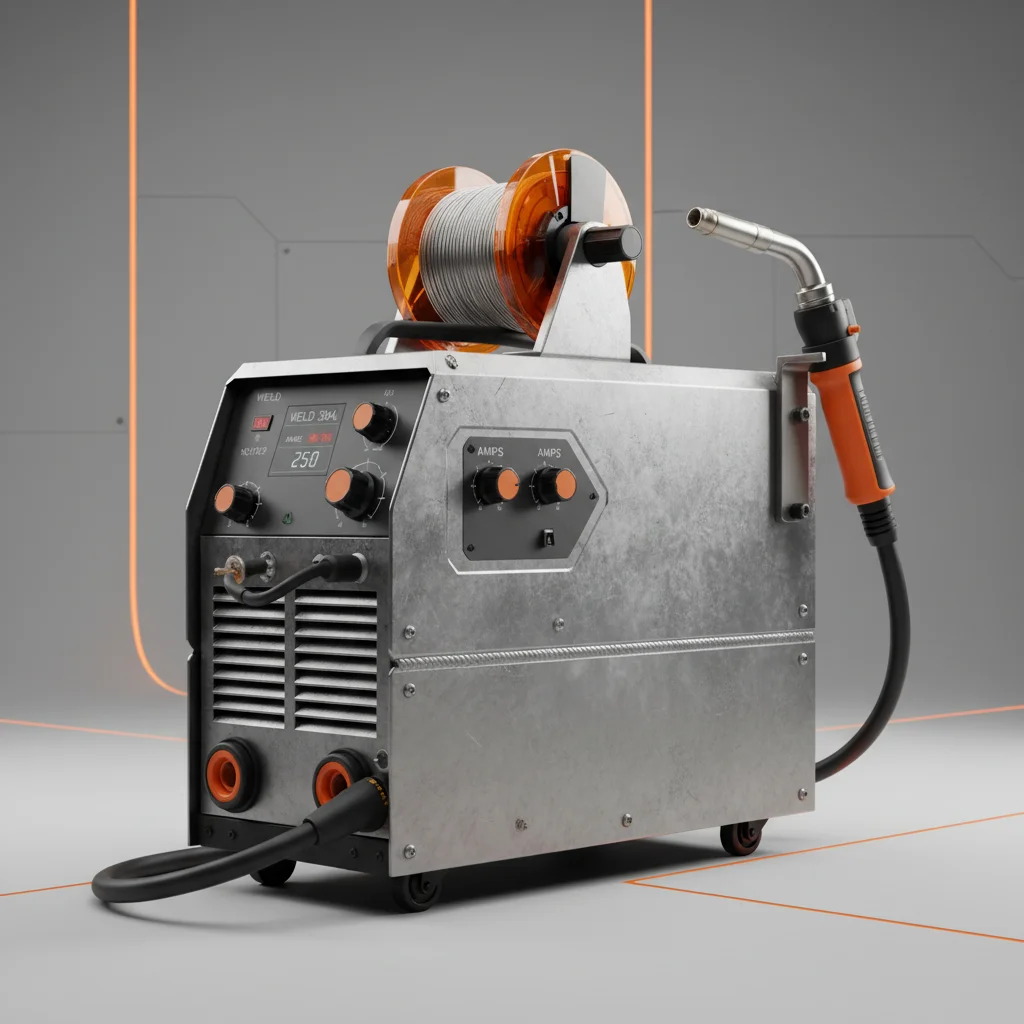
As a handheld laser welder for aluminum it handles clean, low-porosity seams when the prep is right. A manual laser welding machine makes short work of thin stainless. The portable laser welder format is the real kicker—wheel it in, plug, purge, and go. In short: a portable laser welding machine that behaves like a shop veteran, and yes, a genuinely laser welding machine portable enough for site work.
1. Materials: 0.5–4 mm stainless and carbon steel; aluminum ≈0.8–3 mm per pass (power and joint fit-up matter).
2. Method: 1064 nm fiber laser, wobble head to widen bead, optional wire feed (0.8–1.6 mm) for gaps/Al alloys.
3. Shielding: Argon or mixed gases; for Al, strict oxide removal (mechanical + solvent) reduces porosity.
4. Testing: Visual per ISO 13919-1, dye penetrant to ISO 3452, tensile shear (ASTM E8/E8M), macro-etch checks.
5. Service life: Fiber source MTTF ≈100,000 h; nozzle/consumables vary by duty and gas quality.
6. Safety: Class 4 device; follows IEC 60825-1; use proper PPE, interlocks, and curtains.
Laser source | Fiber (CW), 1064 nm | Stable, efficient |
Power options | 1000–2000 W (others on request) | Real-world throughput varies |
Max speed | Up to ≈120 cm/min on thin SS | Joint and gas dependent |
Al thickness | ≈0.8–3.0 mm/pass @1–2 kW | Pre-cleaning critical |
Wobble width | 0.2–5.0 mm adjustable | Better gap tolerance |
Wire feed | Optional, 0.8–1.6 mm | Useful for Al and gaps |
Vendor | Power | Certs | Support | Lead time |
Topstar Laser (Handheld Laser Welding Machine) | 1–2 kW | CE, ISO 9001 (typ.) | Remote + on-site training | Short, model-dependent |
Vendor A (global brand) | 1–3 kW | CE, IEC safety docs | Global service network | Moderate |
Vendor B (regional) | 1–1.5 kW | CE (claimed) | Hotline + chat | Varies widely |
Notes: indicative, based on public datasheets and field feedback; confirm with vendors.
· Power blocks (1/1.5/2 kW), single or dual gas ports, wobble patterns, wire feeder kits.
· Nozzle kits for fillet/inside corners; safety curtains; fume extraction add-ons.
· Fixtures for repeat joints; parameter libraries for SS/Al/galv.
· Appliance OEM (1.2 mm SS): cycle time ↓ ~65%, post-polish almost eliminated; FPY rose from 92% to 98%.
· EV fabricator (2.0 mm 5052 Al): wobble + Ar, porosity rejects fell ≈70% with strict oxide prep and wire feed.
Look for IEC 60825-1 laser safety, CE marking, ISO 9001 manufacturing, and welding quality aligned with EN ISO 3834. Ask for sample weld coupons and test reports (ISO 13919-1 class targeting), plus operator training. If you’re scanning for a laser welder for sale, verify after-sales: spares, loaner programs, and response SLAs matter more than a tiny price delta.
“We trained two operators in an afternoon.” and, surprisingly, “It’s quieter than our grinders.” I guess that’s the sound of margins improving.
1. IEC 60825-1: Safety of laser products
2. ISO 13919-1: Welding—Electron and laser beam welded joints—Quality levels
3. AWS D17.1: Specification for Fusion Welding for Aerospace Applications
4. ASTM E8/E8M: Tension testing of metallic materials
5. EN ISO 3834: Quality requirements for fusion welding