


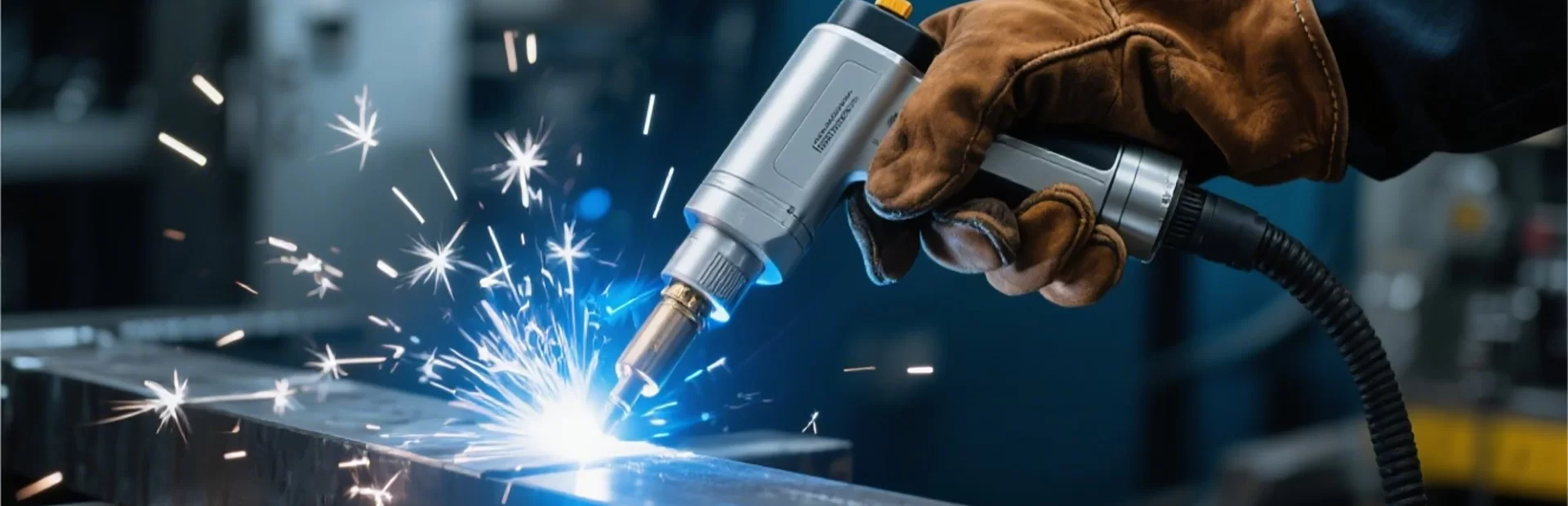

Selecting the right equipment for metal fabrication requires a balance between power capacity and electrical infrastructure. When users search for a single phase welding machine 250 amp price, they are typically looking for a versatile tool capable of handling moderate to heavy-duty tasks without requiring a specialized three-phase industrial power supply. This guide examines the technical parameters and commercial factors that influence the cost and performance of such units.
In B2B procurement, the "price" of a 250A welder is not merely the initial purchase cost but a reflection of its duty cycle, inverter efficiency, and build quality. For many small-to-medium enterprises (SMEs) and independent workshops, a single-phase system is the most practical choice, as it integrates seamlessly with standard electrical grids while providing enough current to weld common industrial metals like stainless steel and carbon steel.
Readers will learn how to evaluate the technical specifications of these machines, understand the trade-offs between different technology platforms, and identify the key value drivers that separate entry-level units from professional-grade equipment. By focusing on operational efficiency and total cost of ownership, procurement officers can make informed decisions that boost productivity.
Electrical Foundations of Single-Phase Welding
A single-phase system operates on a two-wire alternating current (AC) circuit, which is the standard for most residential and light commercial buildings. In the context of welding, a single phase welding machine 250 amp price often varies based on how the machine converts this input power into a stable welding arc. The primary challenge for 250A machines on single-phase power is the high current draw, which can lead to voltage drops or tripped breakers if the installation is not properly rated. Modern inverter technology has mitigated these issues by using high-frequency switching to optimize power flow, allowing for a more compact footprint and lower energy consumption compared to old-fashioned transformer-based units. Understanding the relationship between input voltage and output amperage is critical for ensuring the machine performs to its rated specifications without damaging the local electrical grid.
Procurement Guide for 250 Amp Welding Systems
When evaluating the market for high-amperage single-phase welders, buyers must look beyond the headline amperage. The actual utility of a machine is defined by its ability to maintain that current over time and its compatibility with the intended materials.
Power Requirements and Phase Logic
The core distinction of single-phase equipment is its accessibility. Unlike three-phase machines, these units can be plugged into standard outlets, though 250A models typically require a dedicated high-amperage circuit. Buyers should verify the maximum input current to avoid overheating the wiring. The following table outlines the typical evaluation criteria for power configurations.
| Evaluation Factor | Requirement | Risk of Neglect | Buyer Check-list |
|---|---|---|---|
| Input Voltage | 220V-240V Single Phase | Frequent voltage drops | Check breaker rating |
| Max Output | 250 Amperes | Insufficient penetration | Verify actual peak current |
| Power Factor | > 0.85 (Inverter) | Higher energy bills | Check efficiency rating |
| Connection Type | Industrial Plug/Hardwire | Poor electrical contact | Confirm plug standard |
| Cable Gauge | Heavy-duty copper | Overheating/Voltage loss | Inspect cable cross-section |
| Circuit Protection | Dedicated MCB | System failure/Fire risk | Consult certified electrician |
Impact of Amperage on Material Thickness
A 250 amp capacity allows for significantly deeper penetration than 160A or 200A machines. This makes the equipment suitable for thicker plates of carbon steel and heavier aluminum sections. However, the ability to modulate this power—maintaining a stable arc at lower settings—is what defines a professional machine. For precision work, such as the high-accuracy requirements seen in laser-integrated fabrication environments, the stability of the power source is as important as the maximum output.
Duty Cycle and Thermal Management
Duty cycle is the percentage of a 10-minute period that a machine can operate at its rated output without overheating. A cheap unit might claim 250A but only have a 20% duty cycle, meaning it must cool down for 8 minutes after 2 minutes of work. Professional grade systems aim for 40% to 60% at maximum load. Effective thermal management, involving oversized heat sinks and high-CFM cooling fans, is a primary driver of the price difference between hobbyist and industrial models.
Inverter vs. Transformer Technology
Modern B2B procurement almost exclusively favors inverter technology. Inverters use semiconductors to convert power, resulting in a machine that is lighter, more energy-efficient, and offers better arc control. Transformer machines are heavier and less efficient but are sometimes preferred in extremely dirty environments due to their simplicity. However, the precision and versatility of inverters align better with modern manufacturing standards, such as those required for automotive or medical device components.
Voltage Stability in Small Workshops
In many industrial zones, voltage fluctuations are common. A high-quality 250A welder incorporates voltage compensation circuitry to maintain a consistent arc even when the input voltage dips. Without this, the welder may experience "arc blow" or inconsistent bead quality, leading to structural weaknesses in the weld. Buyers should inquire whether the machine supports a wide input voltage range (e.g., ±15%) to ensure reliability in unstable power environments.
Comparing Component Quality and Cost
The internal components—specifically the IGBTs (Insulated Gate Bipolar Transistors) and capacitors—dictate the machine's lifespan. High-end manufacturers use industrial-grade semiconductors that can withstand higher thermal stress. While this increases the upfront cost, it reduces the frequency of board failures and downtime. When comparing quotes, it is essential to ask about the brand of internal electronics and the availability of replacement parts.
Evaluating Long-term Operational Value
Total Cost of Ownership (TCO) includes energy consumption, maintenance, and the cost of consumables. An efficient 250A inverter welder reduces electricity costs over several years of operation. Furthermore, machines that offer synergistic settings (where the machine automatically adjusts parameters based on the wire or electrode selected) reduce the learning curve for operators and decrease the rate of scrap material, providing a direct commercial advantage.
FAQ
What factors most affect the price of a 250 amp single phase welder?
The price is primarily driven by the duty cycle, the quality of the inverter components (such as IGBTs), and the efficiency of the cooling system. Machines with a higher duty cycle at 250A require more robust internal hardware, which increases the cost. Additionally, features like synergistic control, digital displays, and energy-saving modes add to the value and price of professional-grade units.
Can I run a 250A welder on a standard home outlet?
Generally, no. While these are "single phase" machines, 250A of output requires a significant amount of input current that exceeds the capacity of a standard domestic 10A or 15A socket. You will typically need a dedicated 220V-240V circuit with a high-amperage breaker (usually 32A or higher) installed by a licensed electrician to operate the machine safely at full capacity.
What is the difference between a 200A and a 250A single phase machine?
The primary difference is the maximum penetration depth and the thickness of the material they can weld effectively. A 250A machine can handle thicker steel plates and provides a higher "ceiling" for power, which often means it can operate at 180A-200A more comfortably (with a higher duty cycle) than a 200A machine pushed to its absolute limit.
Which technology is better: Inverter or Transformer?
For most modern B2B applications, Inverter technology is superior. It offers better energy efficiency, a much lighter weight for portability, and superior arc stability. Transformer machines are only preferred in very specific, harsh environments where electronic boards might be compromised by extreme dust or moisture, though modern IP-rated inverters have largely closed this gap.
How do I evaluate a supplier for industrial welding equipment?
Evaluate suppliers based on their technical support capabilities, warranty terms, and the availability of spare parts. A reliable supplier should provide detailed specifications on duty cycles and input power requirements. Companies like Shijiazhuang Topstar, which bridge manufacturing excellence with global trade, typically provide the necessary procurement support, quality inspection, and logistics to ensure the equipment arrives and operates as specified.
What is a "Duty Cycle" and why does it matter?
Duty cycle is the amount of time a welder can operate at a given amperage within a 10-minute period. For example, a 30% duty cycle at 250A means you can weld for 3 minutes and must let the machine cool for 7 minutes. This is critical because operating beyond the duty cycle can trigger thermal overload protection or permanently damage the internal electronics.
References and further reading
- International Electrotechnical Commission (IEC) Standards for Arc Welding Equipment.
- American Welding Society (AWS) Guide to Power Source Selection.
- Principles of Power Electronics in Industrial Inverters.
Related Articles


