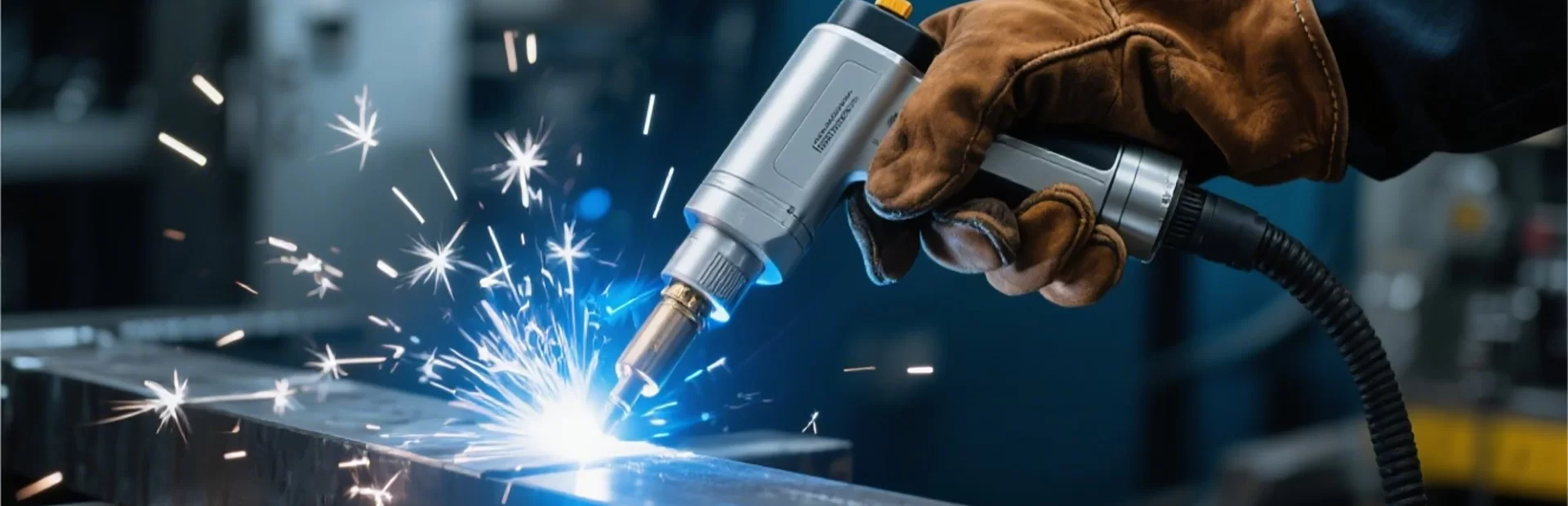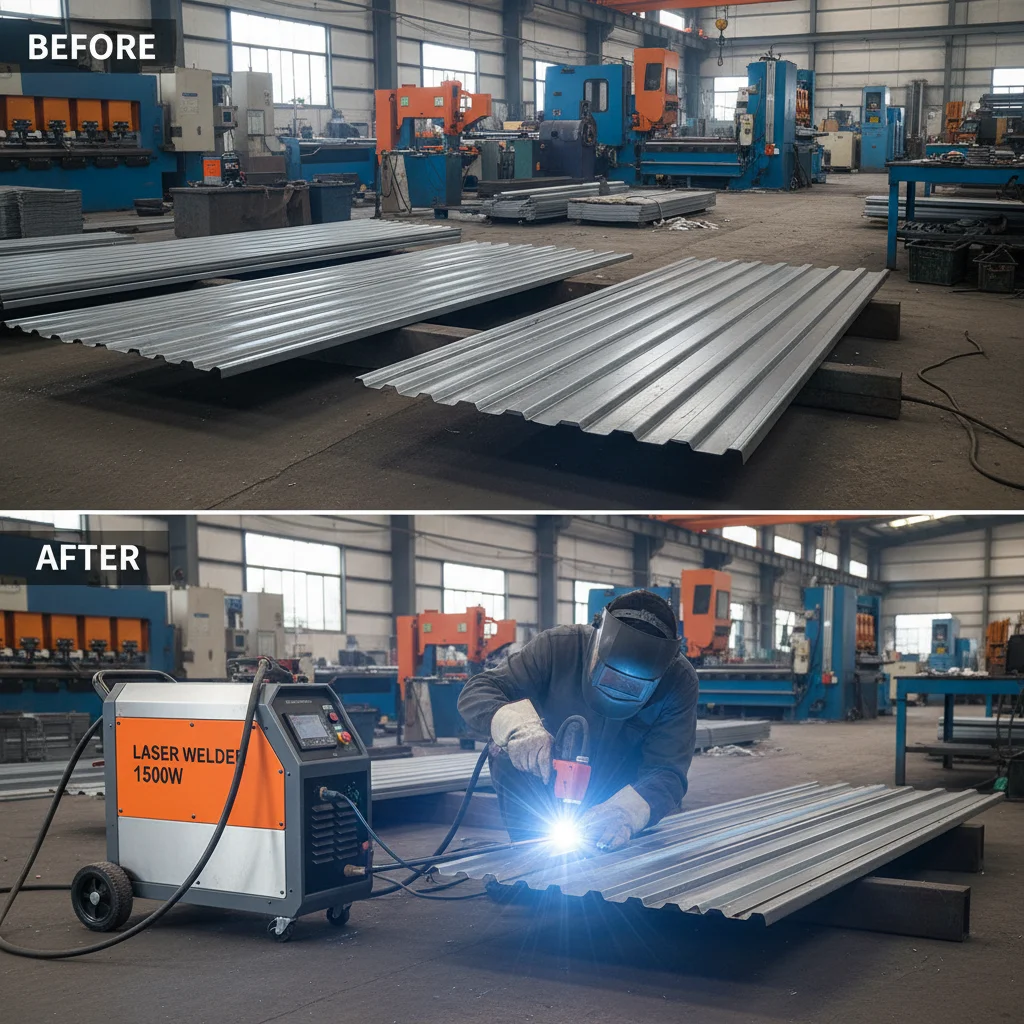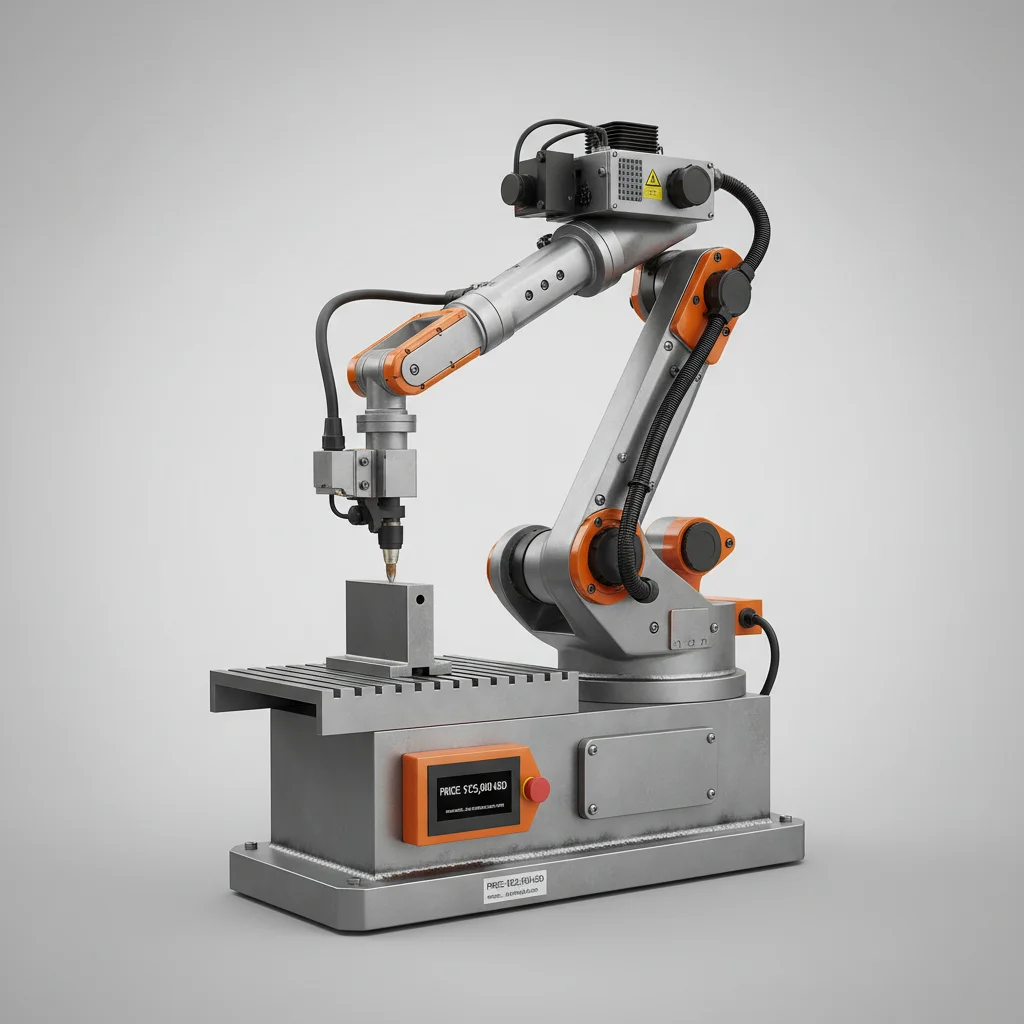
The global industrial landscape is currently undergoing a massive shift toward precision and rapid customization, where the efficiency of production equipment determines market competitiveness. In the realm of advanced manufacturing, the integration of high-performance tools, often compared to the precision of a metal welding machine, is essential for maintaining structural integrity and operational speed. Understanding how to leverage these industrial solutions allows businesses to scale their output while maintaining rigorous quality standards.
As packaging and equipment manufacturing evolve, the demand for "plate-less" and "digital-first" workflows has skyrocketed. Much like how a modern metal welding machine reduces the need for bulky fasteners through seamless fusion, digital printing technology eliminates the traditional barriers of plate-making. This transition is not merely a technical upgrade but a strategic move toward agility, enabling enterprises to respond to market trends in minutes rather than days.
By focusing on the synergy between hardware durability and software intelligence, companies can drastically reduce their Total Cost of Ownership (TCO). Whether it is through the precise application of a metal welding machine in chassis construction or the high-definition output of a digital printer, the goal remains the same: achieving premium quality with minimal waste. This article explores the intersection of these industrial efficiencies and the future of high-performance manufacturing.
Precision machinery serves as the backbone of modern infrastructure, ensuring that every component—from the smallest valve to the largest compressor—meets strict ISO standards. The reliability found in a high-end metal welding machine is mirrored in the digital printing world, where microns of accuracy define the difference between a blurred image and a high-definition brand asset.
In today's global economy, the ability to switch production lines rapidly is a competitive advantage. By adopting technologies that prioritize versatility, manufacturers can pivot from large-scale industrial runs to bespoke, small-batch customization without the prohibitive costs of re-tooling or plate-making.
At the heart of any industrial powerhouse is its structural integrity. For instance, the steel frame gantry milling structure used in high-end printers ensures that the movement of the printhead is as stable as the bead produced by a professional metal welding machine. This rigidity prevents vibration, which is the primary enemy of high-resolution output.
Beyond the frame, the "engine" of the system—whether it be the HP industrial nozzle for printing or the inverter for a welding unit—determines the output quality. The use of thermal jet technology allows for rapid ink deposition, similar to how advanced welding arcs provide deep penetration and strong bonds in heavy metal fabrication.
Finally, the integration of intelligent control systems allows for single-person operation. By automating the feeding process via custom guide rails and digital pattern imports, the reliance on large, multi-person teams is eliminated, significantly lowering the overhead costs of the production facility.
Maximizing throughput requires a relentless focus on reducing downtime. The implementation of a metal welding machine in the assembly phase of industrial equipment often reduces the need for secondary fasteners, streamlining the build process and enhancing overall durability.
Similarly, digital printing eliminates the "plate-making" bottleneck. Traditional methods require days of preparation for each new design; however, digital workflows allow for immediate imports, making the setup time comparable to the rapid ignition of a modern metal welding machine.
Furthermore, cost optimization is achieved through the reduction of material waste. By utilizing multi-image combined printing and precision alignment, substrates are used to their maximum potential, mirroring the efficiency of laser-guided welding where minimal filler material is used to achieve a maximum-strength joint.
When evaluating the transition from traditional mechanical methods to digital and automated systems, the difference in agility is stark. Traditional plate printing or manual fastening methods are rigid, whereas digital systems and metal welding machine technology allow for iterative design and instant correction.
The following data illustrates the performance ratings of various industrial approach methods across key metrics such as speed, precision, and cost-effectiveness.
The versatility of precision equipment extends across multiple high-growth industries. In the catering and cosmetics sectors, the need for high-frequency, low-volume personalized packaging is met by digital printing solutions that offer the same "on-demand" flexibility as a portable metal welding machine used in field repairs.
From cultural creative souvenirs to high-end retail gift bags, the ability to print 1200x1200 dpi resolution on absorbent kraft paper ensures that brand aesthetics are preserved. This level of detail is critical for luxury markets where the packaging is as important as the product itself.
Sustainability in manufacturing is no longer an option—it is a mandate. By removing the chemical-heavy plate-making process and reducing substrate waste through digital precision, companies are significantly lowering their environmental footprint.
The transition to digital workflows mimics the industry-wide shift toward energy-efficient metal welding machine units, which use targeted energy beams to reduce heat-affected zones and energy consumption.
Moreover, the integration of real-time monitoring—tracking ink levels and material consumption—prevents unnecessary production downtime and over-ordering, creating a lean manufacturing environment that respects both the budget and the planet.
The future of industrial production lies in the complete convergence of hardware and software. We are moving toward a "Smart Factory" model where the digital pattern import for a printer and the CNC path for a metal welding machine are managed by the same centralized AI orchestrator.
Automation will further reduce labor requirements, moving the human role from "operator" to "supervisor." With automatic feeding guide rails and self-calibrating color management systems, the margin for human error is virtually eliminated.
As we look ahead, the ability to provide "Single Piece" MOQs (Minimum Order Quantities) will redefine the retail landscape, allowing for total personalization at an industrial scale.
| Metric | Traditional Method | Digital/Automated Method | Impact Score |
|---|---|---|---|
| Setup Time | Several Days | Minutes | 10/10 |
| MOQ Requirement | High (Thousands) | Very Low (Single) | 9/10 |
| Labor Cost | Multi-person Team | Single Operator | 8/10 |
| Material Waste | High (Calibration) | Minimal | 9/10 |
| Response Speed | Slow/Rigid | Instant/Flexible | 10/10 |
| Precision | Manual Variance | Digital Precision | 9/10 |
The printer is specifically optimized for water-absorbent coils, including kraft paper, carton base paper, and raw materials for paper cups. This ensures high ink adhesion and prevents spreading, much like how a specific metal welding machine is chosen for specific alloy types to ensure a perfect bond.
By eliminating the plate-making process, you remove the upfront costs of physical plates and the material waste associated with plate setup. This makes small-batch customization economically viable, allowing businesses to test designs without massive financial risk.
Yes, the equipment supports multi-image combined printing. This allows operators to place various designs or personalized elements on the same substrate flexibly, maximizing material usage and increasing production versatility.
The system supports multiple resolution settings, with the highest reaching 1200x1200 dpi. This ensures professional, high-definition results suitable for cosmetics and luxury retail brands that require sharp imagery and vivid colors.
Absolutely. The system is designed for one-person independent operation, featuring an easy-to-learn control interface and automatic feeding guide rails, which drastically reduces labor overhead.
The catering (takeaway boxes), cultural creative (souvenirs), and cosmetics (gift bags) industries benefit most due to their constant need for high-frequency, low-volume customized packaging to stay relevant in a fast-paced market.
In summary, the shift toward digital, plate-less production represents a fundamental evolution in industrial efficiency. By combining the structural stability of a gantry milling frame with the precision of high-definition thermal inkjet technology, manufacturers can now achieve a level of agility that was previously impossible. Much like the precision provided by a metal welding machine, these digital solutions eliminate traditional bottlenecks, reduce material waste, and empower businesses to embrace small-batch customization as a core growth strategy.
Looking forward, the integration of AI-driven workflows and automated material monitoring will further decouple production growth from labor costs. We encourage enterprises to move away from rigid, plate-based systems and invest in flexible digital infrastructure to enhance their market responsiveness. For those seeking to revolutionize their packaging and production capabilities, the time to transition is now. Visit our website: www.topstarlaser.com

If you are interested in our products, you can choose to leave your information here, and we will be in touch with you shortly.