Shijiazhuang Topstar
International Trading Co., Ltd.


Get In Touch
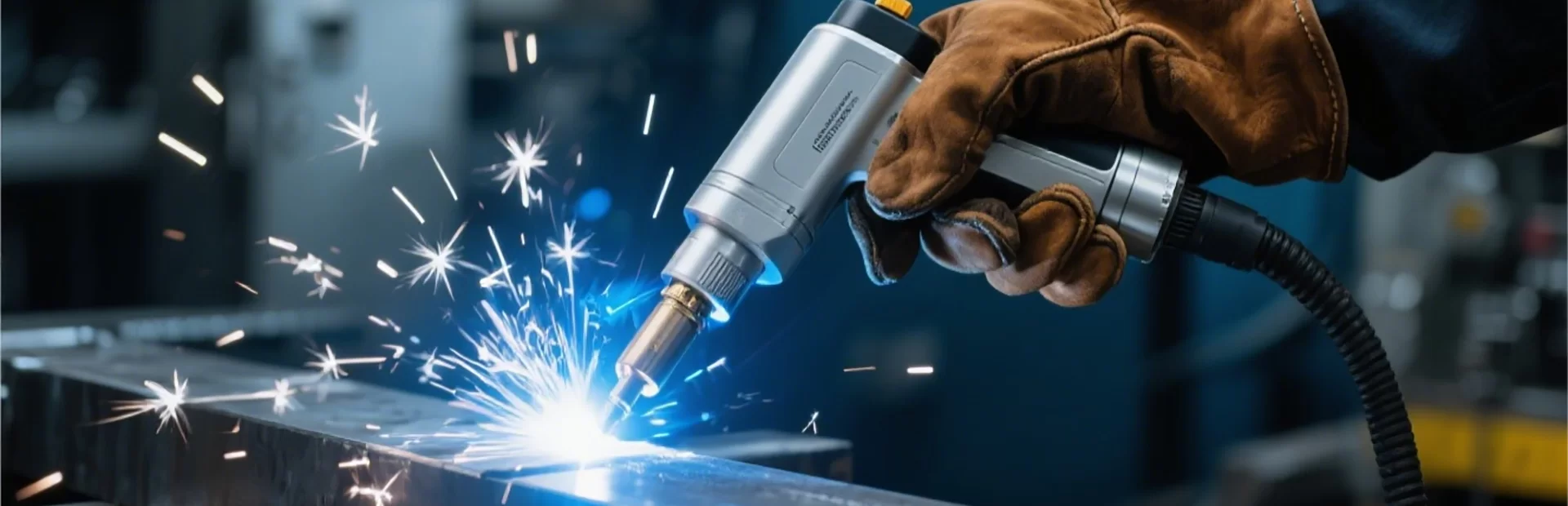
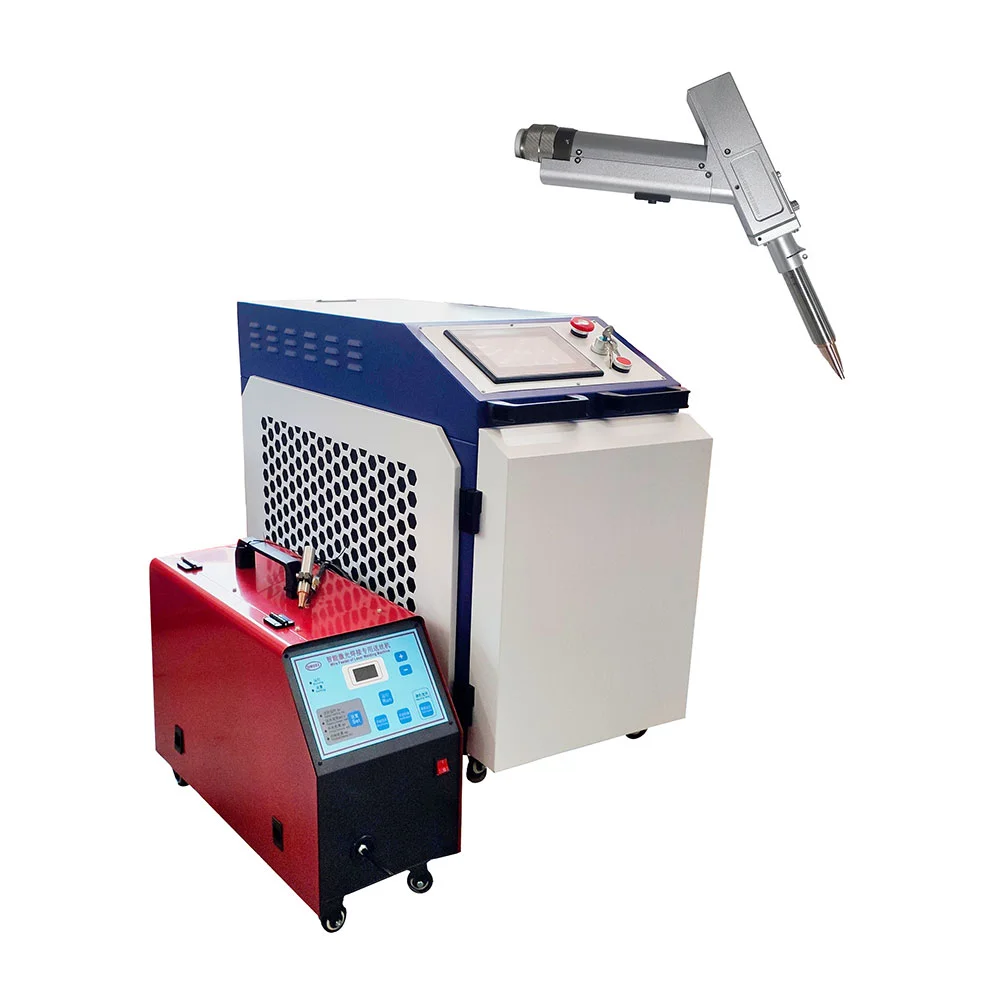
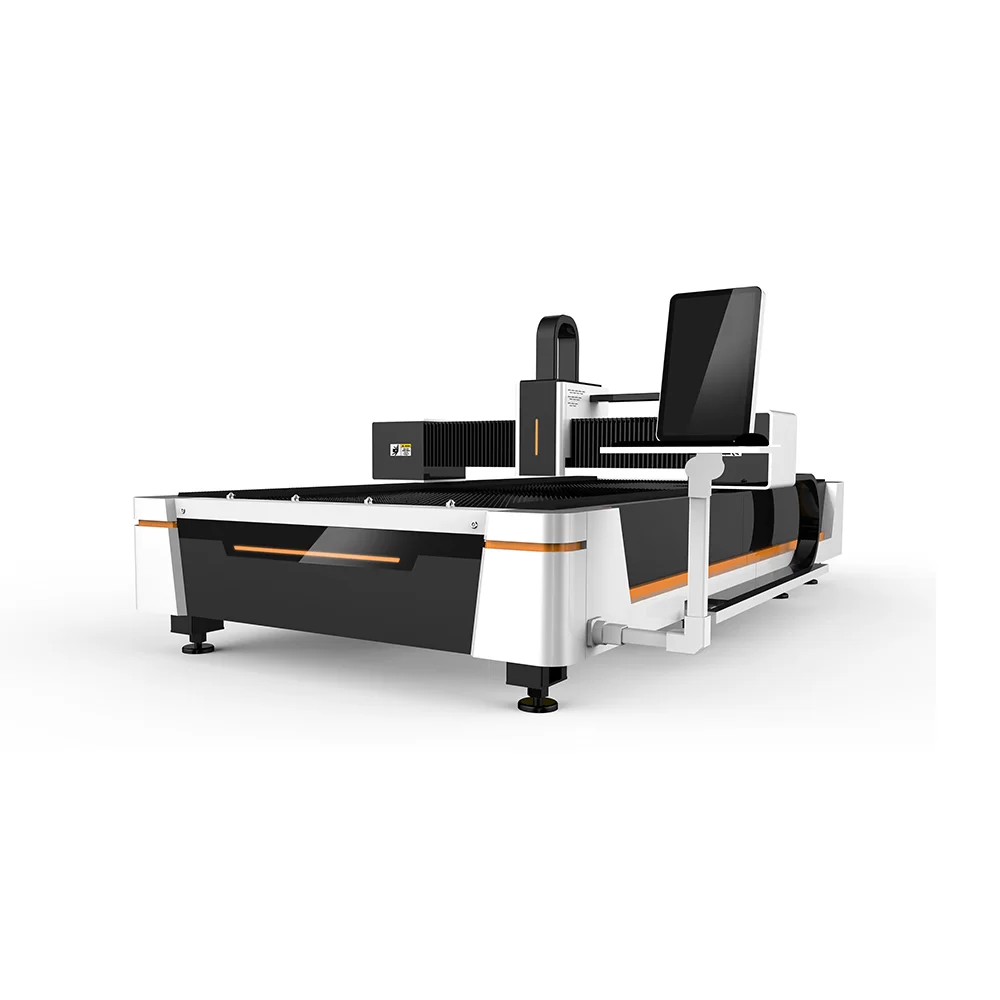
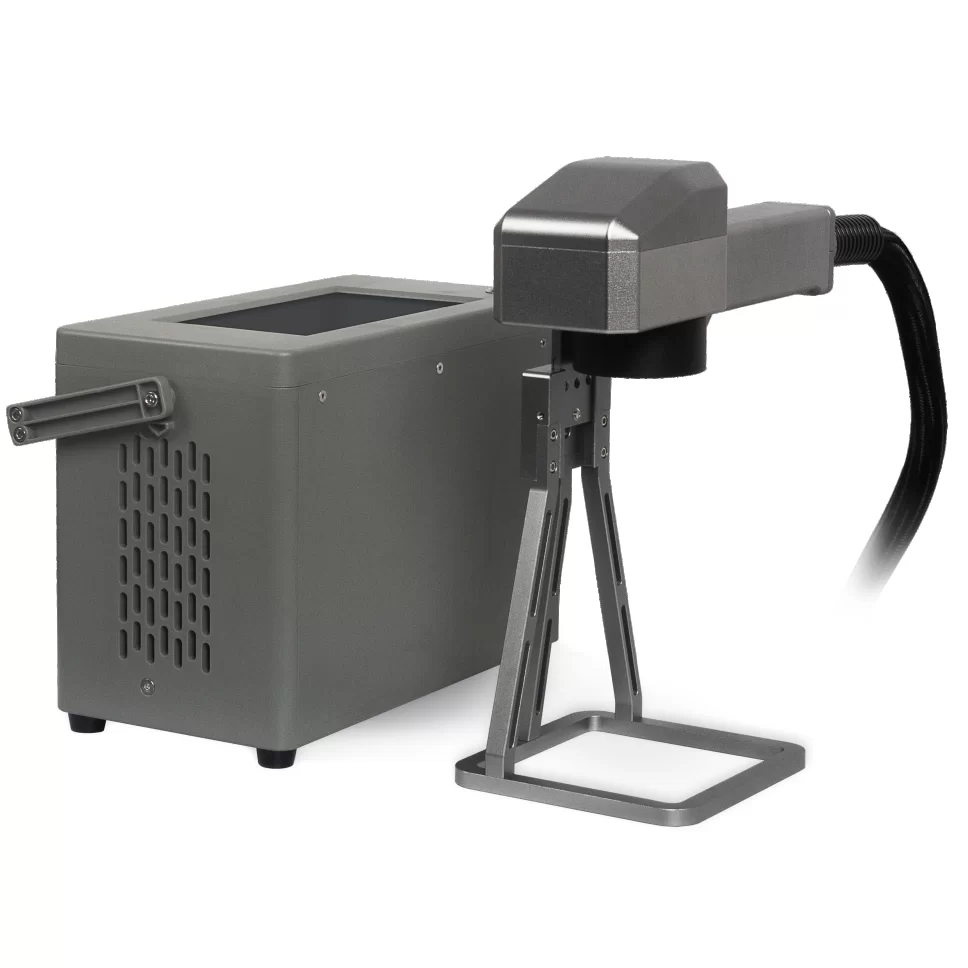
Having spent a good part of my career amid clanking metal and humming machinery in industrial workshops, I’ve seen many tools come and go. But the hand laser cutting machine truly stands out—not just as another gadget, but as something that has quietly transformed how we approach cutting tasks, especially on the go.
In real terms, these devices offer mobility combined with the precision of a stationary laser cutter. That’s a rare combo. It's odd, honestly, how long it took for a handheld version to become reliable enough for serious industrial use. For years, handheld tools felt flaky or underpowered. Now? These machines pack punchy wattage focused in a tight beam, allowing complex cuts on materials like metal, leather, and acrylic—right where you need them.
When you consider the traditional setup — bulky laser cutters locked behind factory floors — switching to a hand laser feels like stepping into the future. The design often emphasizes lightweight ergonomics without compromising power. I've tested several models and noticed ergonomic grips that reduce operator fatigue, which frankly, may be a lifesaver during long shifts.
| Feature | Specification |
|---|---|
| Laser Type | Fiber / CO2 options |
| Power Output | 30W to 100W |
| Cutting Thickness | Up to 20mm (steel), varies by material |
| Weight | Around 3 – 5 kg |
| Power Supply | Mains / Battery combo in some models |
| Control Interface | Touchscreen or remote PC control |
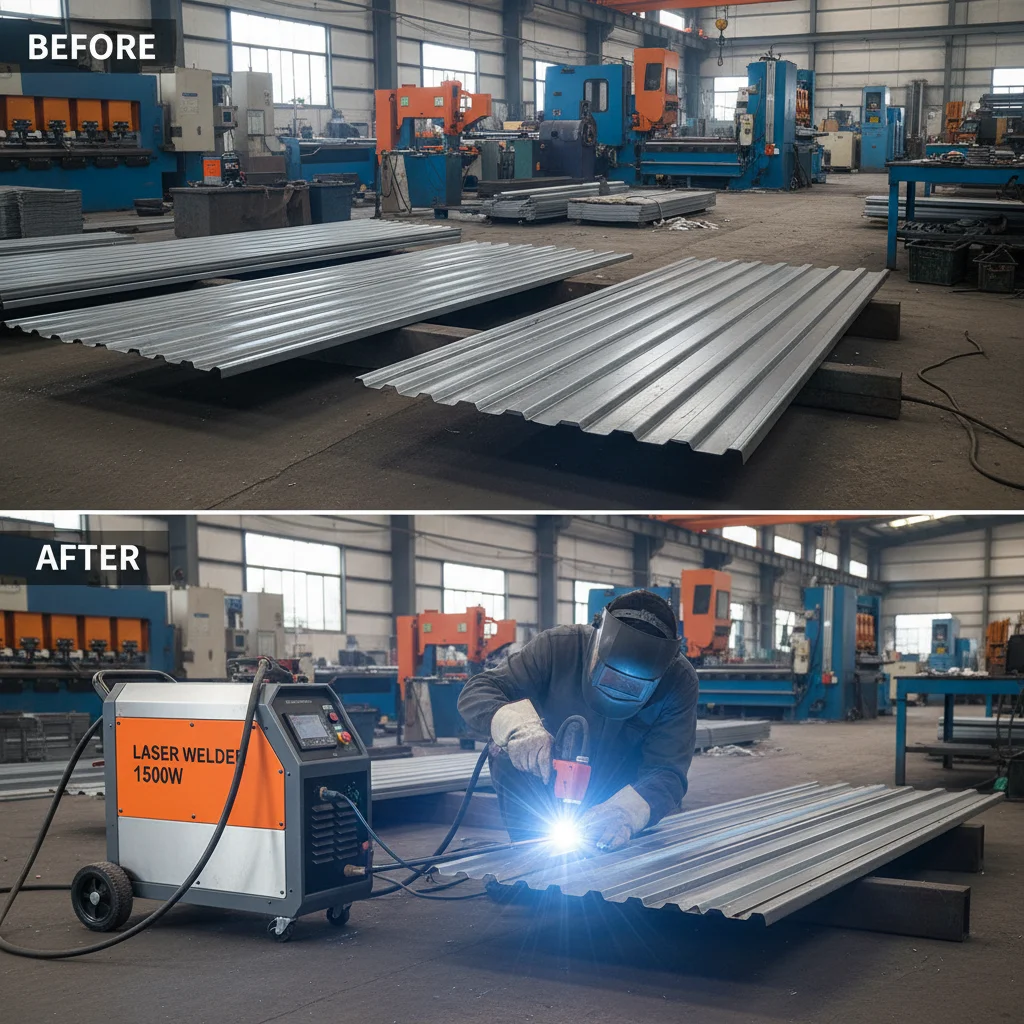
I recall one job where a client needed precise custom metal parts for an emergency equipment fix — but on-site, with zero space for their usual desktop cutter. The hand-held laser was a game changer. It delivered crisp cuts directly on heavy metal plates without the hassle of transport or repositioning. That kind of flexibility is rare in this line of work.
| Brand | Power Range | Portability | Price Tier |
|---|---|---|---|
| Topstar Laser | 30-100W fiber & CO2 | Lightweight & ergonomic | Mid to high |
| Brand X | 20-80W fiber | Moderate weight | Mid |
| Brand Y | 40-120W CO2 only | Heavier, less portable | High |
Now, I suppose the biggest advantage of the hand laser cutting machine is that it bridges the gap between professional, factory-grade cuts and on-site adaptability. For maintenance crews, fabricators, and custom workshops, having this tool in the belt means faster turnaround with no sacrifice in quality.
Customization options have also improved – adjustable wattage, multiple laser types, and even software updates to tune cutting parameters have become more mainstream. I’ve noticed many engineers say stuff like “it’s like having a mini factory you can take anywhere.” And honestly, I can’t argue with that!
Of course, a hand laser cutter won't replace heavy-duty industrial machines for mass production. But for prototyping, repair, and intricate job-site applications? It’s a solid, trustworthy partner.
Before wrapping up, I’ll confess one caveat from firsthand experience: the learning curve is real. Proper training on safety and operation is essential. Misuse can lead to injuries or subpar cuts, so investing time upfront pays off — and keeps your operators safe.
So, if you’re in the industrial equipment space and looking to add flexibility without compromising accuracy, I’d say give the hand laser a closer look. Ideally, one that comes from a proven manufacturer like Topstar Laser, which balances performance and usability in its lineup.
In the end, having worked with these machines, you can tell it’s less about replacing old tools and more about expanding your toolkit to fit modern demands. That little portable laser? It’s the future—at least, in my somewhat dusty boots-and-all opinion.
Takeaway: Hand laser cutting machines are more than just portable gadgets; they’re a practical leap for onsite precision cutting where you need it most.