Shijiazhuang Topstar
International Trading Co., Ltd.


Get In Touch
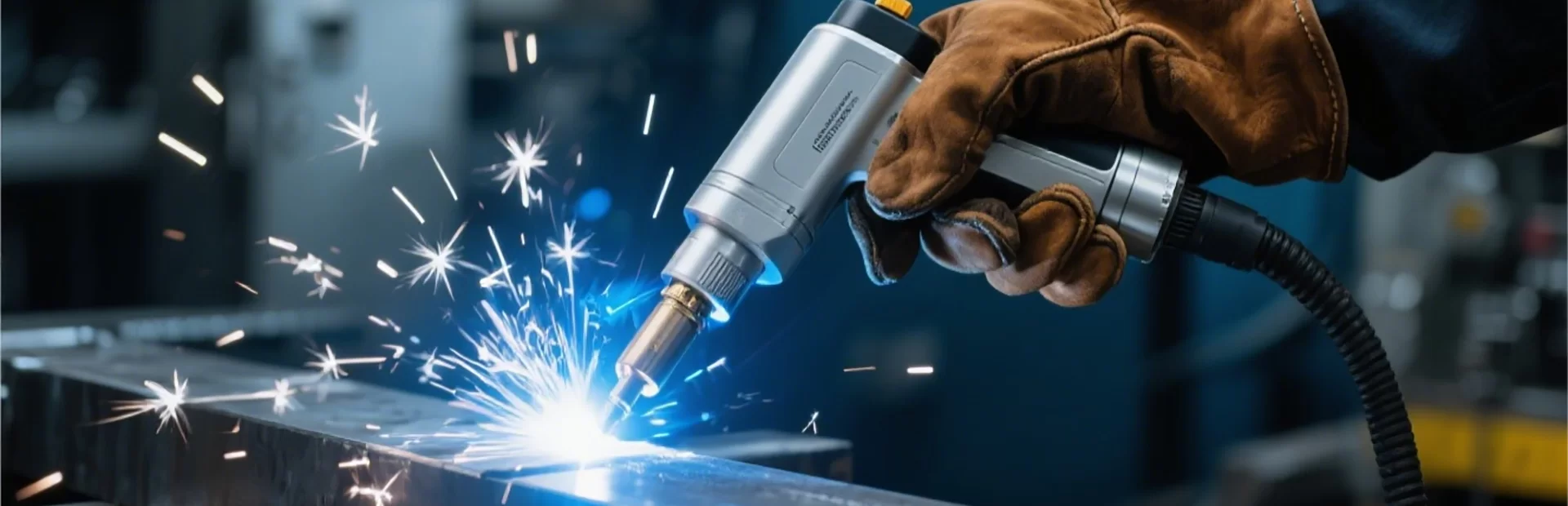
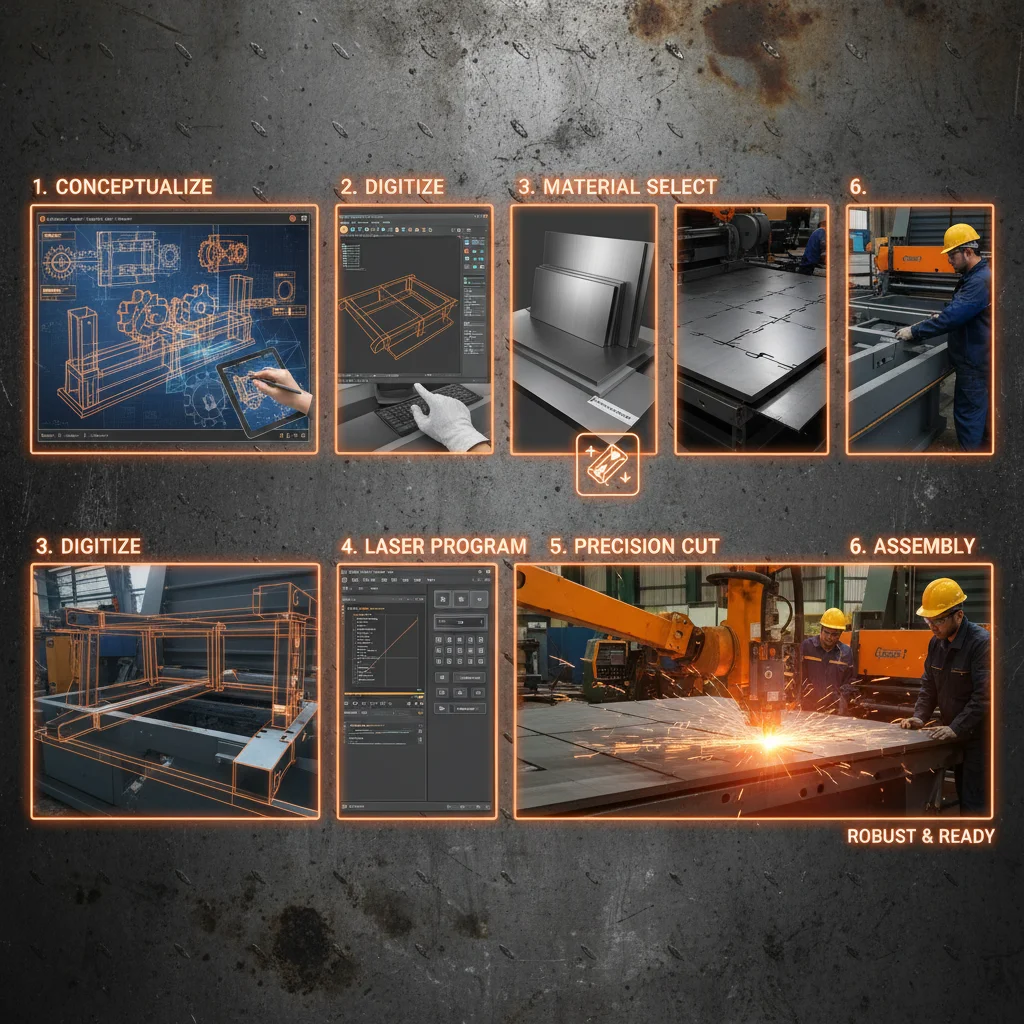
In the sprawling tapestry of modern manufacturing, the 3d laser cutting machine emerges not just as a tool, but as a catalyst for innovation. From aerospace components to delicate medical devices, these machines have reshaped how we think about precision, efficiency, and design complexity. But why does this matter globally? Well, as industries grow ever more demanding and sustainability comes to the forefront, understanding these machines isn’t just academic—it’s a practical necessity.
Globally, manufacturing industries contribute around 16% of greenhouse gas emissions, per the International Energy Agency, which pushes innovation toward more efficient processes. The 3d laser cutting machine fits this narrative perfectly. Capable of trimming waste, reducing material usage, and speeding up production cycles, these machines address some of the world's manufacturing challenges head-on.
In addition, with an expected compound annual growth rate (CAGR) exceeding 10% through 2030 (according to industry forecasts), the demand for 3d laser cutting technologies is soaring. Industries from automotive hubs in Europe to electronics factories in Asia benefit immensely. The problem has often been how to effectively cut complex 3D shapes at scale without sacrificing speed or incurring high tooling costs. Enter 3d laser cutting.
Mini Takeaway: The 3d laser cutting machine is a crucial link between modern manufacturing efficiency, sustainability, and innovation on the global scale.
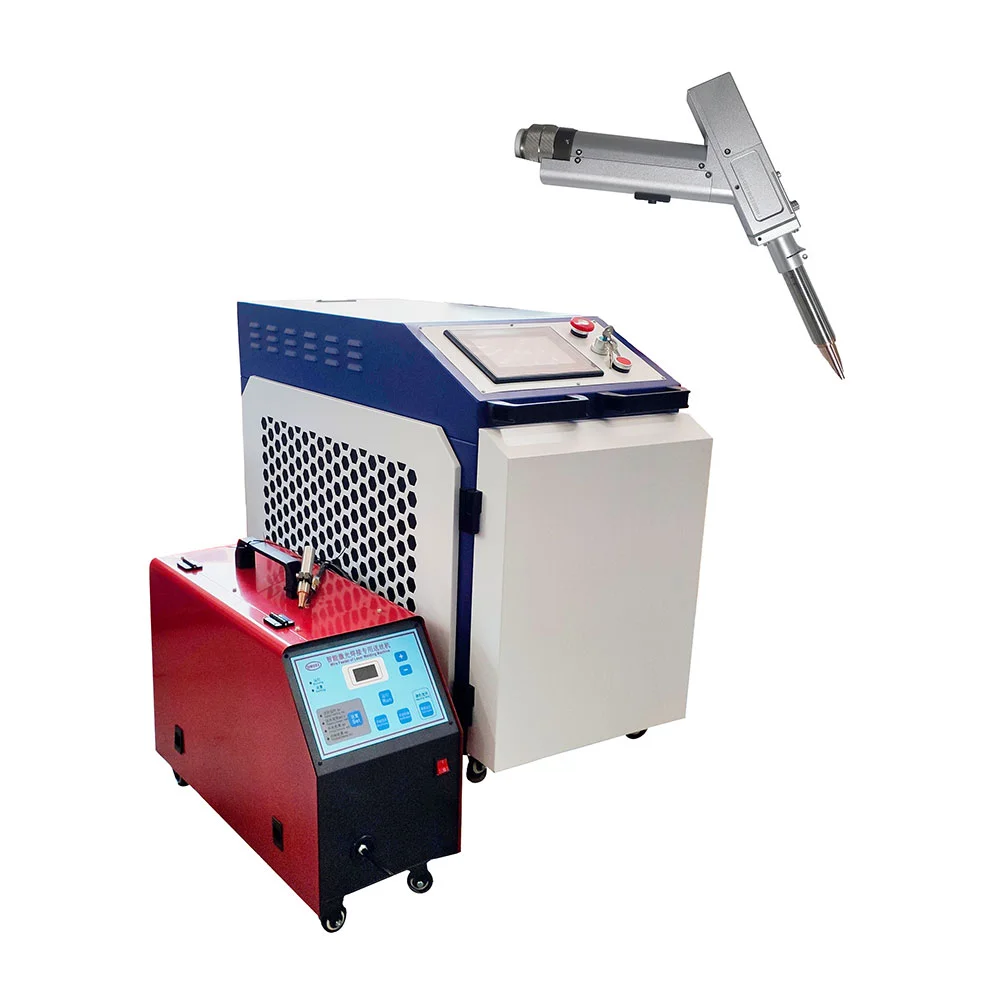
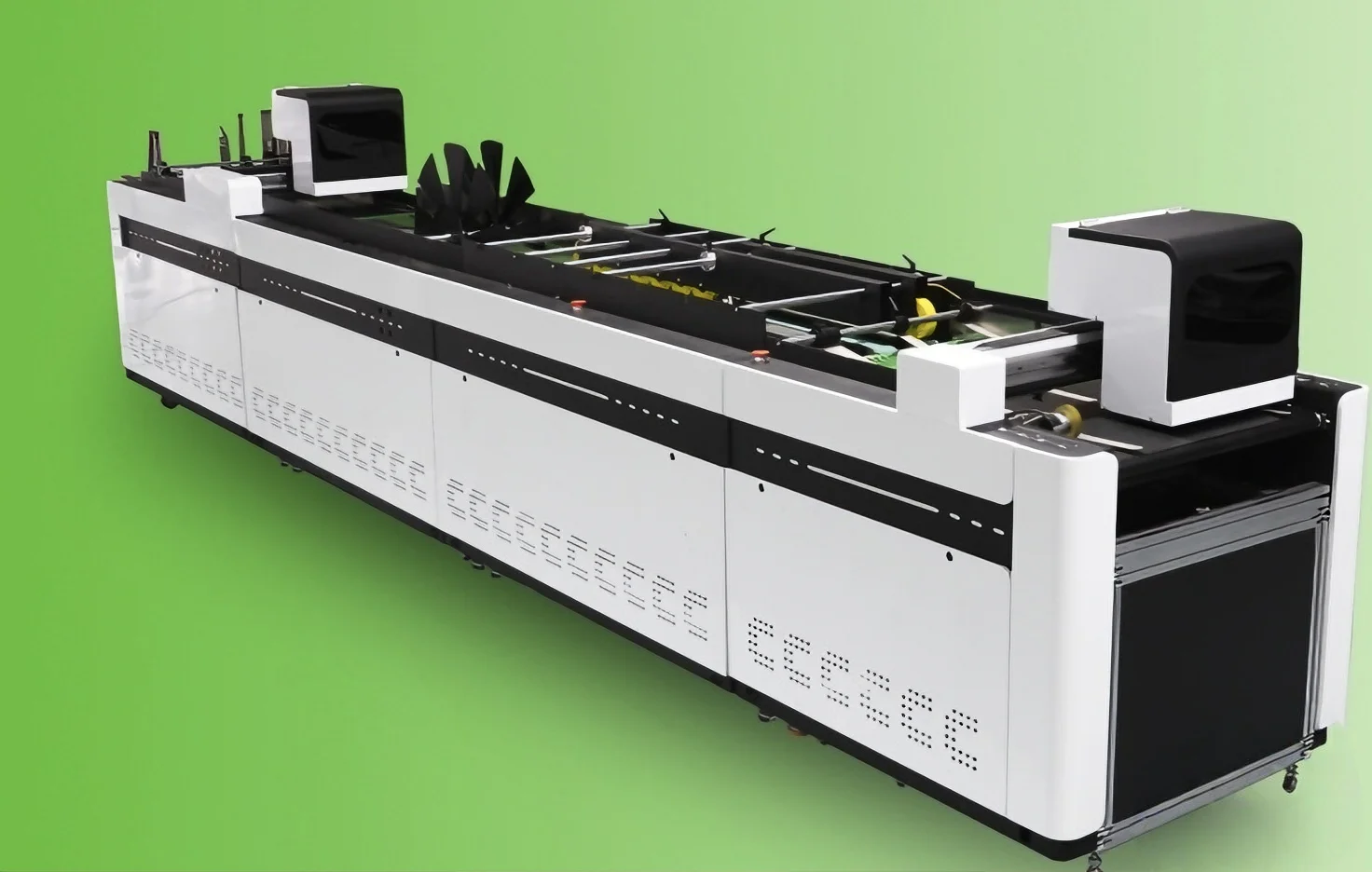
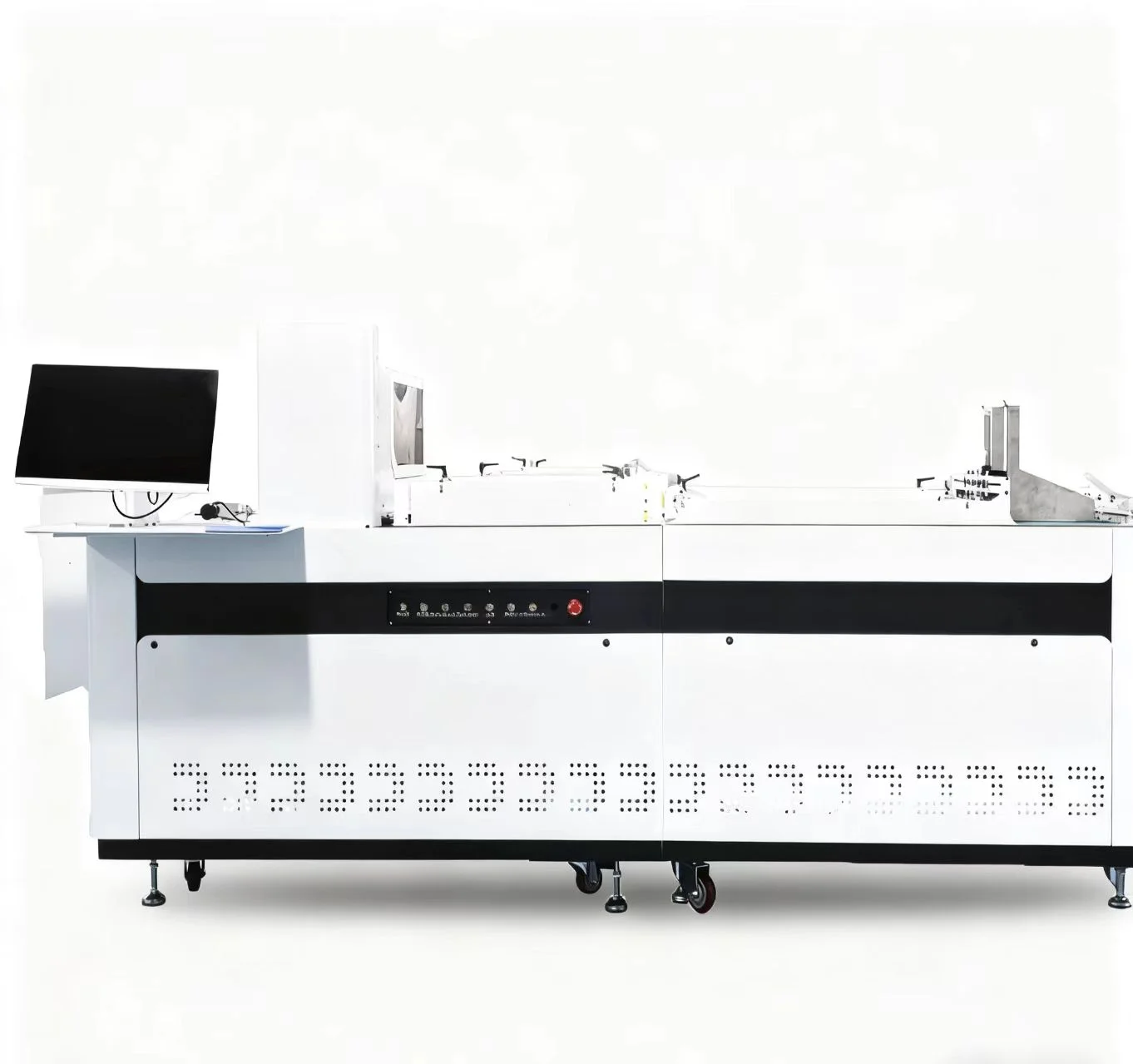
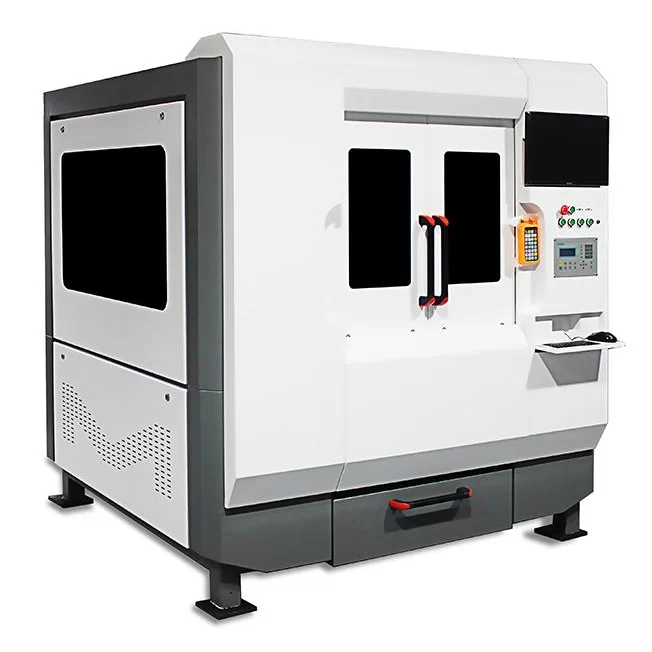
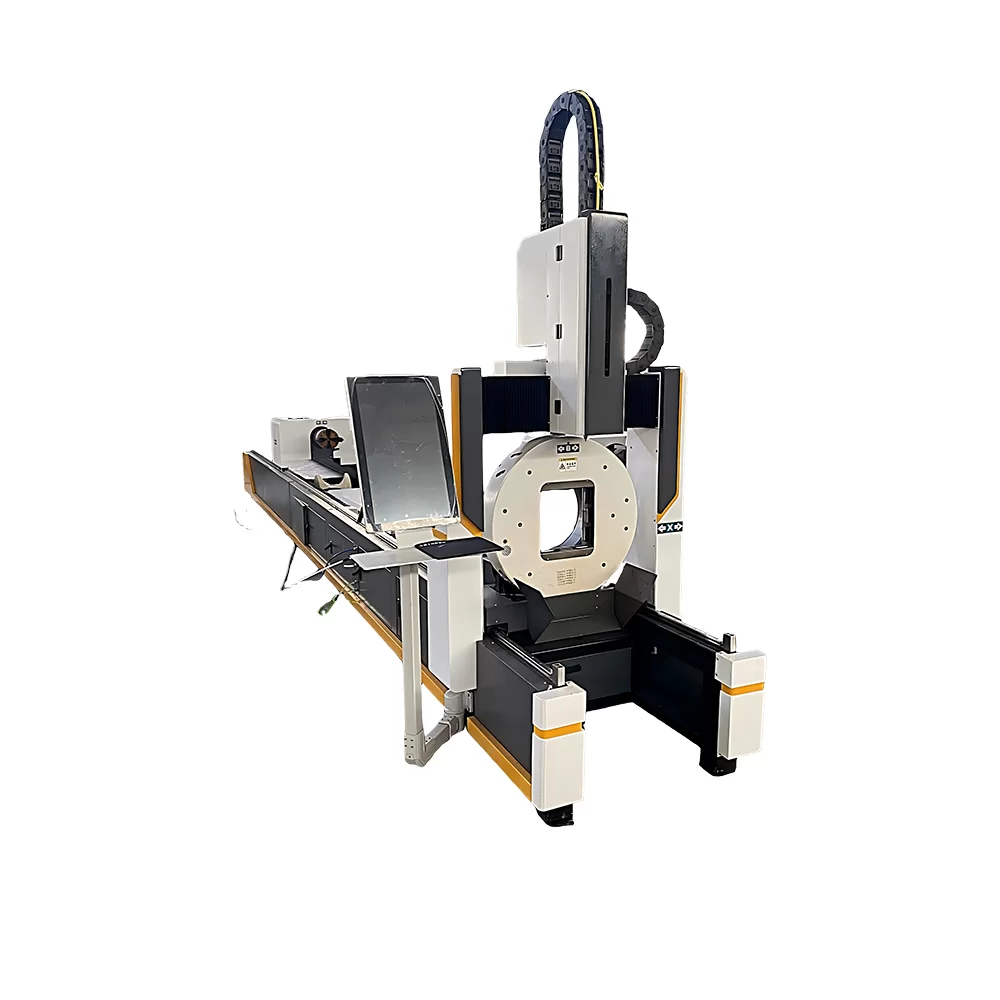
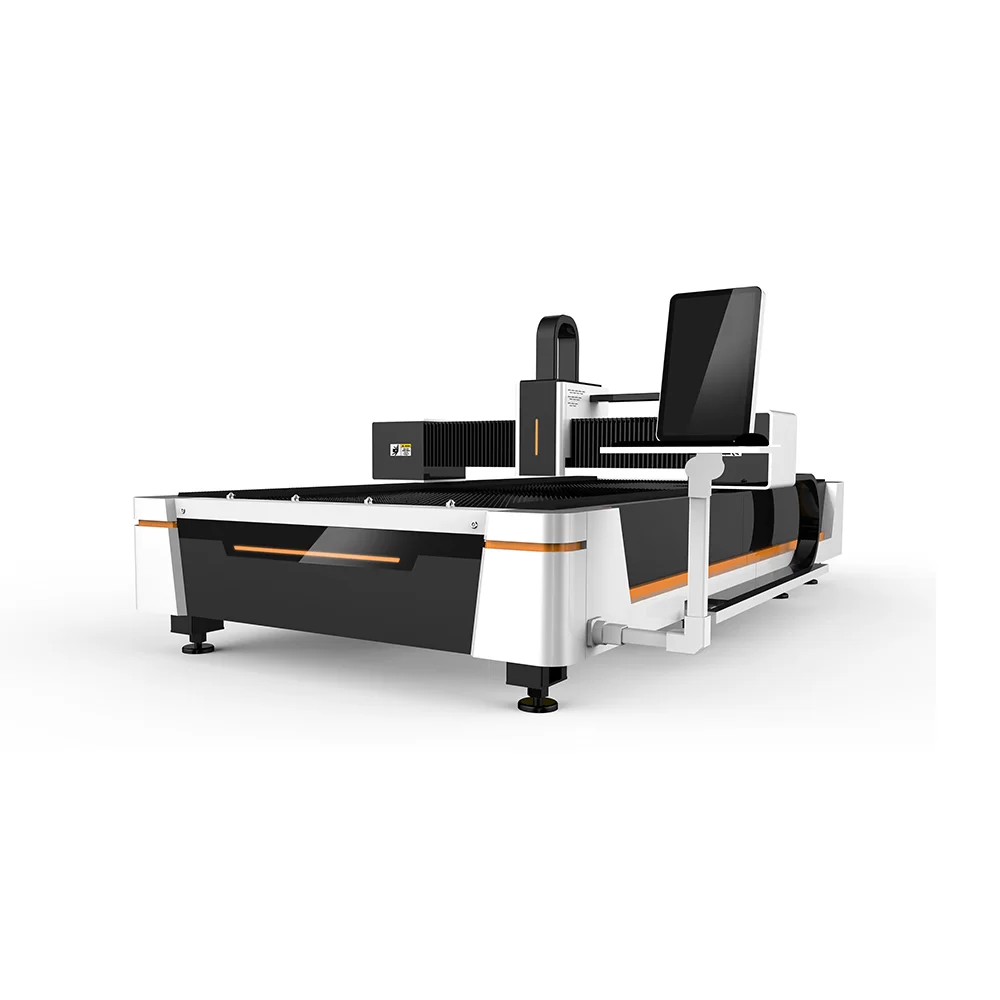
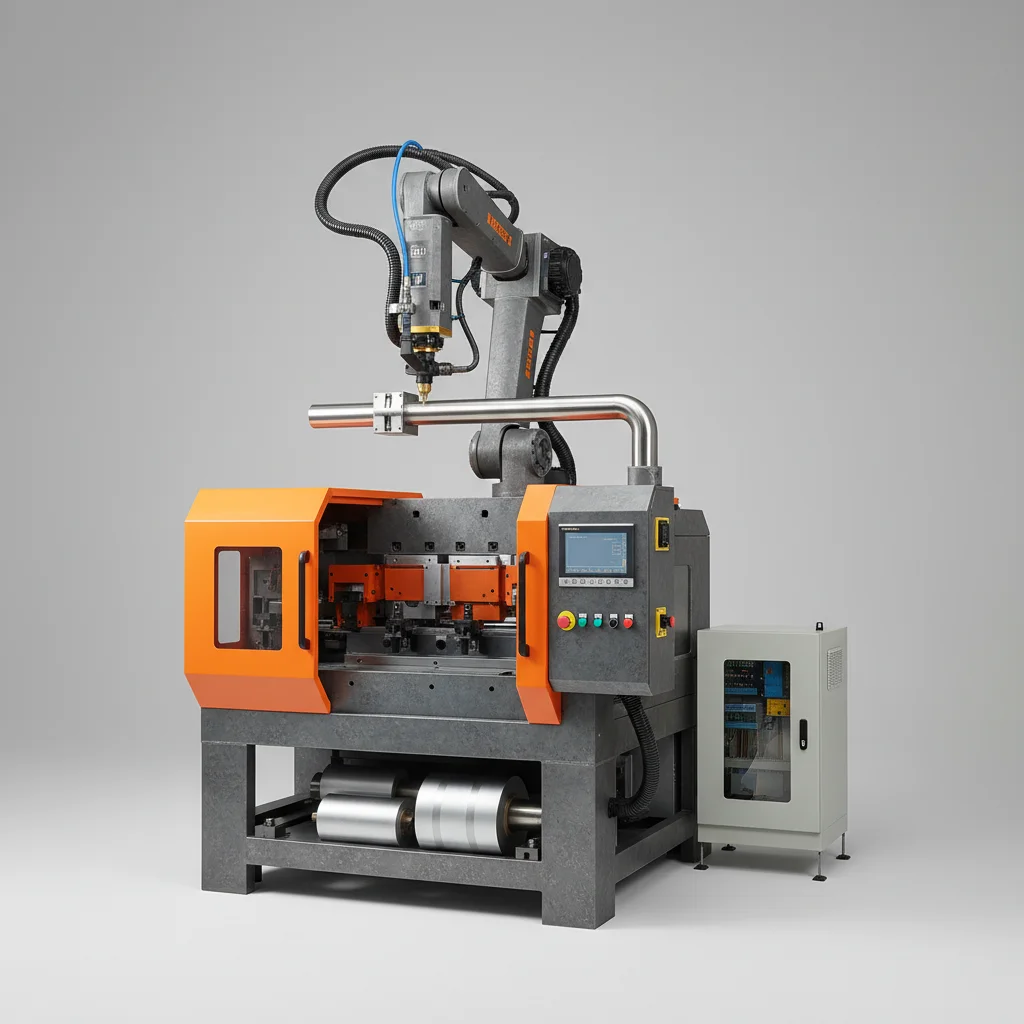
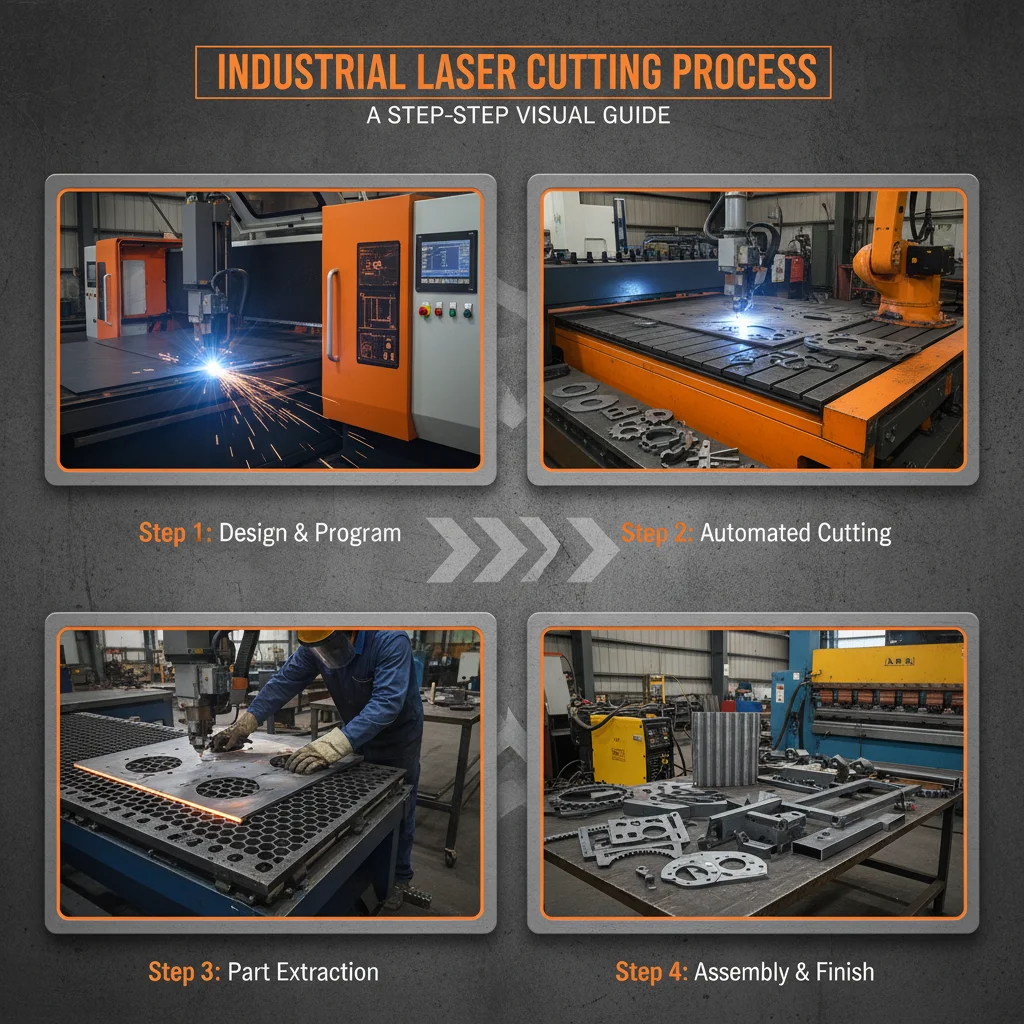
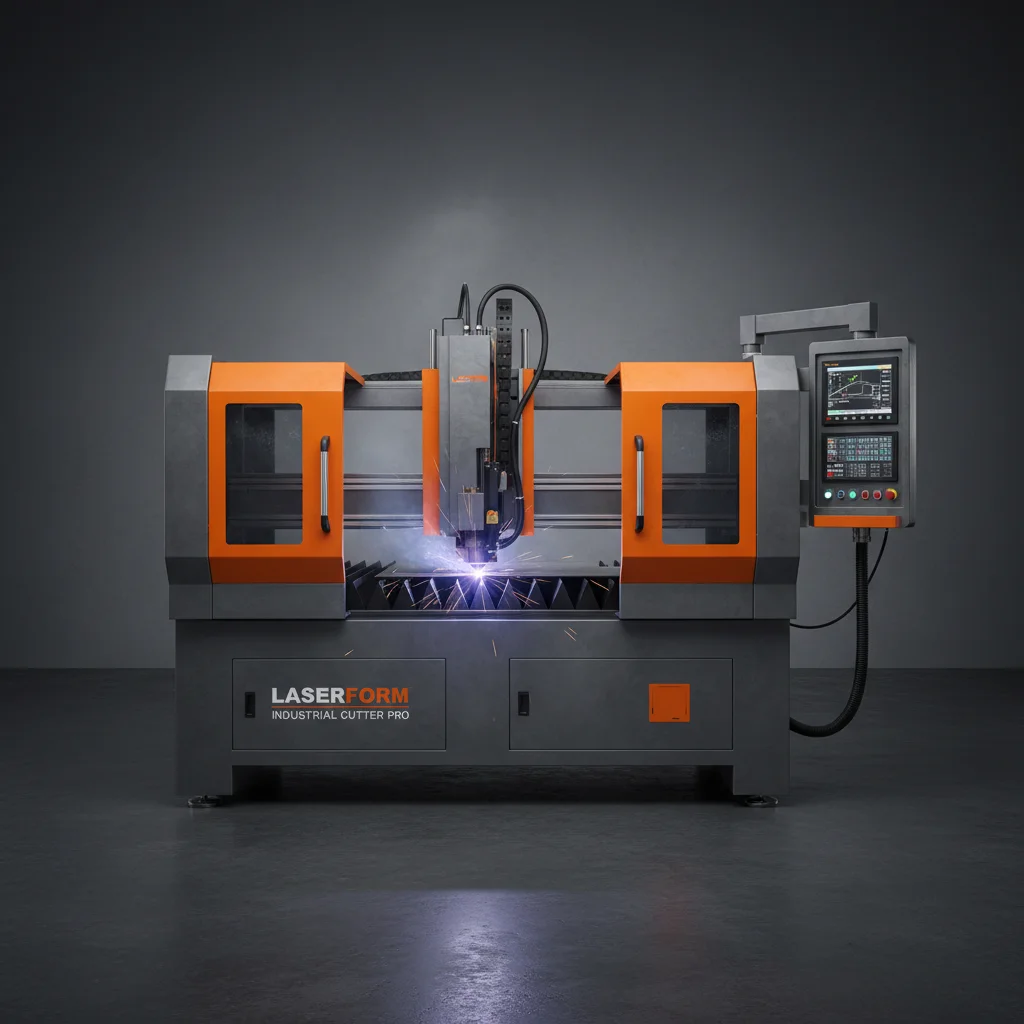
Simply put, a 3d laser cutting machine is advanced equipment that uses a high-powered laser beam to cut or engrave materials based on a three-dimensional path. Unlike traditional 2D laser cutters, which operate mainly on flat surfaces, these machines manipulate the beam across multiple axes—enabling the processing of curved, angled, or contoured surfaces.
This ability connects directly to many industries triggering progress—aviation parts with complicated geometries, medical implants custom-shaped for patients, or even artistic sculptures with intricate curves. In humanitarian contexts, precisely cut parts help build modular shelters and equipment adaptable to challenging environments.
Mini Takeaway: These areas intertwine tightly to make 3d laser cutting machines a versatile choice — especially when product complexity or precision matters.
| Specification | Typical Range / Details |
|---|---|
| Laser Type | Fiber laser, Solid-state laser |
| Power Output | 500 W to 6000 W |
| Cutting Thickness (Metal) | Up to 30 mm (steel), thinner for non-metals |
| Axes | 3, 4, or 5 axes for 3D manipulation |
| Positioning Accuracy | ± 0.02 mm |
| Control System | CNC with CAD/CAM integration |
While automotive and aerospace sectors often steal the limelight, the use of 3d laser cutting machines spans far wider. For example:
Oddly enough, some remote, resource-limited industrial zones in Africa and Southeast Asia are adopting these machines through NGO-driven programs—to build infrastructure with locally cut parts.
Mini Takeaway: The 3d laser cutting machine’s footprint is global, crossing industries and geographic bounds alike.
| Vendor | Laser Type | Max Power | Typical Industries | Price Range (USD) |
|---|---|---|---|---|
| TopStar Laser | Fiber | 6000 W | Aerospace, Automotive, Electronics | 150,000 – 300,000 |
| OptiCut Technologies | Solid-state | 4000 W | Healthcare, Construction | 120,000 – 220,000 |
| PrecisionBeam Inc. | Fiber & CO2 | 5000 W | Electronics, Custom Art | 130,000 – 250,000 |
What’s compelling about these machines aside from technical specs? Frankly, it’s how they weave together cost, sustainability, and social responsibility. Reduced scrappage, minimal need for secondary finishing, and high repeatability all drive down costs.
From a sustainability angle, less waste means less energy and material consumption. Socially, the ability to manufacture parts rapidly and locally improves supply chain resilience — a factor that became critically visible during recent global disruptions.
Emotionally, there’s a trust factor. Industries and consumers feel better knowing products are crafted with precision, minimizing recalls or failures. It often feels like embracing these machines means embracing the future.
The future is digital, green, and increasingly automated. Emerging trends include:
Manufacturers are also developing hybrid machines combining additive and subtractive methods—a synergy promising even greater flexibility.
It’s not all rosy. High initial capital costs and technical skill requirements can deter smaller manufacturers. Materials like thick steel still pose cutting challenges, requiring preheating or specialized gas assistance.
However, modular machine designs, leasing models, and extensive training programs are increasingly accessible. Moreover, industry standards from ISO for laser processing help ensure safety and quality worldwide.
Long story short, the 3d laser cutting machine continues to elevate manufacturing by enabling next-level precision, efficiency, and versatility. Whether you're in aerospace, healthcare, or creative industries, these machines offer undeniable long-term value—both economically and environmentally.
If you want to explore real-world options and cutting-edge technologies, I encourage you to visit 3d laser cutting machine providers like TopStar Laser. You’ll find solutions tailored to different needs—step into the future of manufacturing today.
Mini Takeaway: Embracing 3d laser cutting technology means embracing a manufacturing future that’s precise, adaptable, and sustainable.
References:
1. International Energy Agency (IEA), Manufacturing Sector Emissions, 2023.
2. ISO 17296-2:2019, Additive manufacturing — General principles — Part 2: Geometrical characteristics.
3. Market Research Future Report, Laser Cutting Machines Market Analysis, 2024.