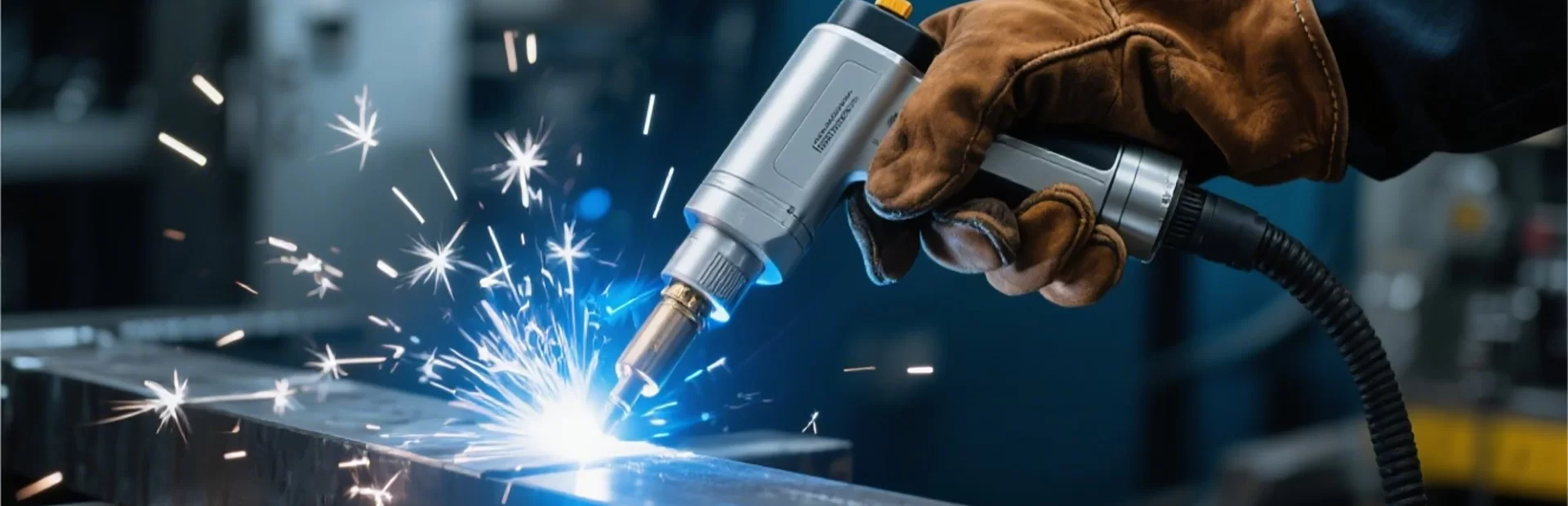
The evolution of industrial marking has reached a pivotal turning point with the introduction of the CO2 Laser Marking Machine, a technology that mirrors the efficiency and versatility sought in a 3 in one welding machine by consolidating high-precision tasks into a single, streamlined process. In a global manufacturing landscape where traceability and permanent identification are non-negotiable, the shift from chemical inks to non-contact thermal marking is revolutionizing how we handle non-metallic materials.
Understanding the integration of such high-speed, ink-free solutions is essential for companies aiming to reduce operational downtime and eliminate the recurring costs of consumables. Much like the multi-functional appeal of a 3 in one welding machine, the CO2 laser system provides a comprehensive approach to marking, carving, and coding, ensuring that products remain compliant with global safety and environmental standards.
By adopting this technology, industries ranging from pharmaceuticals to luxury leather goods can achieve a level of precision and durability that was previously unattainable. This guide explores the technical superiority, global applications, and long-term value of our CO2 Laser Marking solution, positioning it as the gold standard for sustainable industrial automation.

Global Relevance of High-Precision Marking Systems
In the current era of Industry 4.0, the demand for absolute traceability is driving the global adoption of advanced marking technologies. According to ISO standards for product identification, the ability to maintain permanent, legible marks on diverse substrates is critical for safety and quality control. Companies are moving away from traditional methods that rely on chemical solvents, seeking the same versatility found in a 3 in one welding machine to handle multiple material types within a single production line.
The challenge lies in the friction between high-volume production speeds and the need for precision. Traditional inkjet systems often suffer from clogging and smudging, leading to rejected batches in the pharmaceutical and electronics sectors. By implementing CO2 laser technology, manufacturers can achieve seamless integration into fast-paced assembly lines without sacrificing the integrity of the mark.
Defining the CO2 Laser Marking Standard
A CO2 Laser Marking Machine is a high-precision industrial tool designed specifically for non-metallic materials. Unlike metal-focused systems, it utilizes a 10.6μm infrared wavelength to create a thermal reaction on the surface of the material. This process effectively replaces the need for ink, acting as a "digital stamp" that ensures every QR code or expiration date is permanently etched into the substrate.
From a humanitarian and safety perspective, this technology is a breakthrough for the medical and food industries. By removing chemical solvents from the marking process, companies eliminate the risk of contamination, ensuring that pharmaceutical packaging meets the strictest global "ink-free" safety standards. This alignment with health regulations makes the technology a necessity rather than a luxury.
In simple terms, if you require a solution that combines the reliability of a heavy-duty tool with the precision of a surgical instrument—much like how a 3 in one welding machine combines functions—the CO2 laser is the definitive answer for non-metal branding and traceability.
Core Technical Components and Performance
The heart of the system is the 30W RF CO2 Laser, which provides a stable and powerful beam capable of achieving a minimum line width of 0.1mm. This precision allows for intricate logos and tiny characters (down to 0.3mm), ensuring that even the smallest electronic components can be identified with a repeatability precision of ±0.002mm.
Operational efficiency is further enhanced by a line speed of up to 10,000mm/s, allowing the machine to keep pace with the fastest industrial conveyors. This high-speed capability is a key performance indicator, ensuring that the 3 in one welding machine philosophy of efficiency is mirrored in the marking process.
Furthermore, the system is engineered for longevity and ease of use, featuring a life expectancy of approximately 20,000 hours and a built-in air cooling method. Controlled via Windows OS and standard USB interfaces, it integrates effortlessly into existing digital workflows, reducing the learning curve for operators.
Global Applications and Industrial Use Cases
Across the globe, the CO2 laser marking system is being deployed in diverse environments to solve complex identification problems. In the pharmaceutical hubs of Europe and North America, it is the primary choice for marking HDPE plastic bottles and medicine cartons, where "zero contamination" is the mandatory requirement for regulatory approval.
In the craft and luxury sectors of Asia and Italy, the technology is used to enhance brand value through custom logo engraving on leather and wood products. By replacing foil stamping with laser carving, brands can create a more sustainable, premium feel while maintaining high throughput, similar to the versatility provided by a 3 in one welding machine.
Industrial Efficiency Comparison for Marking Solutions
Long-Term Value and Sustainability Gains
The most tangible benefit of switching to CO2 laser marking is the complete elimination of consumables. Traditional Continuous Inkjet (CIJ) systems require a constant supply of ink and solvents, which not only adds to the operational cost but also creates chemical waste. By adopting a consumable-free process, manufacturers see an immediate return on investment through reduced procurement and disposal costs.
Beyond the financial gains, there is a significant emotional and ethical value in sustainability. Reducing VOC (Volatile Organic Compound) emissions and eliminating plastic labels supports the global push toward green manufacturing. For the modern enterprise, this technology offers the same reliability and multipurpose value as a 3 in one welding machine, ensuring that production is both high-yield and eco-conscious.
Future Trends in Laser Automation
The future of industrial marking is inextricably linked to digital transformation and the Internet of Things (IoT). We are seeing a shift toward "smart marking," where the laser system communicates directly with warehouse management software to generate unique, real-time QR codes for every single unit on a production line. This level of automation ensures 100% traceability from the factory floor to the end consumer.
Integration with AI-driven quality control is another emerging trend. Future systems will likely include vision sensors that verify the quality of the mark in real-time, automatically adjusting the laser power or speed to account for material variations. This closed-loop system will further reduce waste and operational downtime.
As we move toward more sustainable luxury packaging, the CO2 laser's ability to create high-contrast, permanent marks without foils or glues will become the industry standard. This evolution continues the trend of multifunctional industrial tools, mirroring the versatility of the 3 in one welding machine in its respective field.
Overcoming Implementation Challenges
Despite the advantages, some manufacturers hesitate due to the perceived complexity of transitioning from ink to laser. The primary challenge is often the initial integration into existing conveyor systems. However, our solution solves this through standard USB and Windows OS control, allowing for a "plug-and-play" experience that minimizes the need for extensive custom programming.
Another common concern is material compatibility. While CO2 lasers are masters of non-metals, they cannot mark bare metals. We address this by providing comprehensive material testing and consulting, ensuring that clients select the correct wavelength for their specific substrates—be it PET, HDPE, leather, or glass.
Finally, the shift in maintenance mindset—from cleaning clogged printheads to maintaining optical lenses—requires a brief training period. By providing a system with a 20,000-hour life expectancy, we ensure that the maintenance burden is significantly lower than any traditional printing alternative, providing a stable, low-stress operational environment.
Comparative Analysis of Marking Technologies
| Technology Type |
Consumable Cost |
Mark Durability |
Environmental Impact |
| Continuous Inkjet (CIJ) |
High (Ink/Solvents) |
Smudgeable |
Chemical Waste |
| Thermal Transfer |
Medium (Ribbons) |
Moderate |
Plastic Waste |
| CO2 Laser Marking |
Zero (Ink-Free) |
Permanent |
Eco-Friendly |
| Traditional Stamping |
Low (Ink Pads) |
Low/Variable |
Low |
| Chemical Etching |
Medium (Acids) |
Very High |
High Toxicity |
| Digital Printing |
High (Toner/Ink) |
Moderate |
Medium |
FAQS
CO2 lasers are specifically engineered for non-metallic materials. This includes a wide variety of plastics (such as PET and HDPE), wood, paper, leather, glass, and acrylics. It is the ideal choice for packaging and luxury goods where a permanent, high-contrast mark is required without the use of chemicals.
Unlike inkjet printing, which sprays a layer of ink on the surface of a material, CO2 lasers use a concentrated thermal beam to carve or change the color of the material itself. This eliminates the need for consumables, prevents smudging or rubbing off, and ensures a permanent mark that is resistant to moisture and abrasion.
Yes, it is highly recommended for the pharmaceutical industry. Because the process is "ink-free" and "contamination-free," there is no risk of harmful chemical solvents coming into contact with the medication or its primary packaging, ensuring total compliance with health and safety standards.
The Radio Frequency (RF) CO2 laser used in our machines is designed for industrial-grade stability and has an approximate operating life of 20,000 work hours. This longevity significantly reduces the total cost of ownership compared to systems that require frequent printhead replacements.
Absolutely. Thanks to the high precision (repeatability of ±0.002mm) and ultra-high line speeds, the machine can create sharp, high-contrast QR codes and barcodes on corrugated cardboard and plastic packaging that are easily scannable by automated warehouse sorting systems.
The machine operates on a Windows 7 32-bit system and is compatible with all standard fonts and typefaces available in the Windows OS font library. This makes it incredibly accessible, as most operators are already familiar with the Windows environment, reducing training time.
Conclusion
The CO2 Laser Marking Machine represents a paradigm shift in industrial traceability, offering an ink-free, high-speed, and permanent solution for non-metallic materials. By consolidating precision engineering with environmental sustainability, it provides the same multi-functional value and efficiency that users expect from a 3 in one welding machine. From reducing consumable costs to ensuring pharmaceutical safety, the long-term benefits of this technology far outweigh the initial transition.
As global industries move toward a greener, more automated future, the adoption of laser marking is no longer optional but a strategic necessity. We encourage manufacturers to audit their current marking processes and embrace the efficiency of RF CO2 technology to enhance their brand value and operational reliability. Visit our website for more information: www.topstarlaser.com