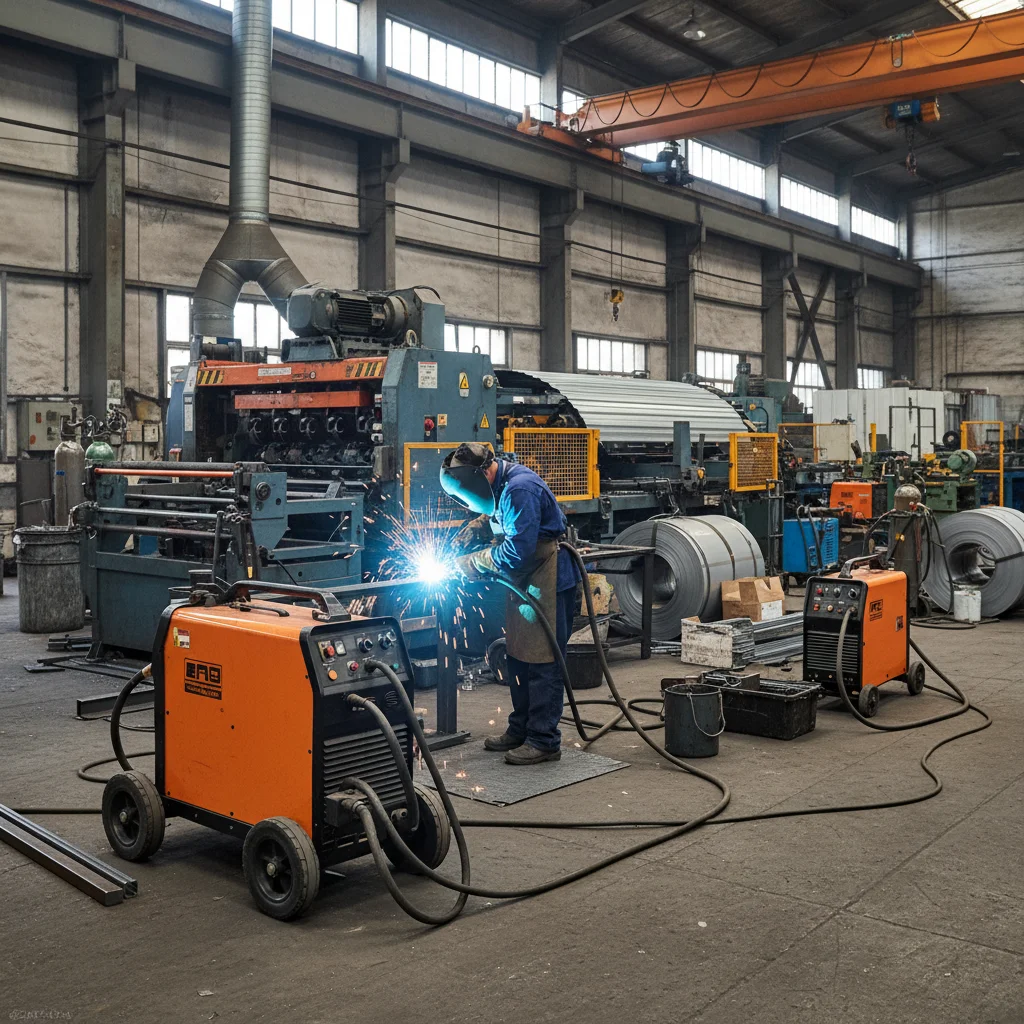
In the modern landscape of metal fabrication, the versatility and accessibility of equipment determine the efficiency of small to medium-sized enterprises. A 1 phase welding machine serves as a critical bridge, allowing operators to perform high-quality joining tasks without the need for expensive three-phase industrial power installations. By simplifying the power requirement, these machines democratize precision welding for workshops, hobbyists, and remote maintenance crews.
Globally, the demand for compact and flexible welding solutions is rising as decentralized manufacturing grows. The shift toward "garage-industry" and specialized boutique fabrication has put a premium on tools that balance power with portability. Understanding the nuances of a 1 phase welding machine is not just about electrical compatibility; it is about optimizing production costs and increasing the agility of the workforce.
From the automotive repair shops in Southeast Asia to custom furniture studios in Europe, the adoption of single-phase technology has reduced the barrier to entry for high-end fabrication. By leveraging inverter technology, the modern 1 phase welding machine offers stability and arc control that was once reserved for heavy industrial plants, ensuring that safety and quality remain paramount regardless of the power source.
Global Relevance of 1 Phase Welding Machines
The global manufacturing sector is witnessing a transition toward flexible, modular workspaces. In many regions, especially in developing economies, the availability of three-phase power is limited to heavy industrial zones. This creates a significant bottleneck for small businesses. The 1 phase welding machine addresses this challenge by allowing high-grade welding to occur in any standard residential or commercial environment, effectively bypassing the need for costly electrical infrastructure upgrades.
According to international industrial standards, the shift toward inverter-based single-phase systems has increased energy efficiency by nearly 30% compared to old transformer models. This global trend is driven by the need for sustainability and the reduction of carbon footprints in the metalworking industry. By lowering the entry cost and power consumption, these machines enable local artisans and technicians to maintain equipment and build infrastructure without relying on centralized industrial grids.
Technical Definition and Core Meaning
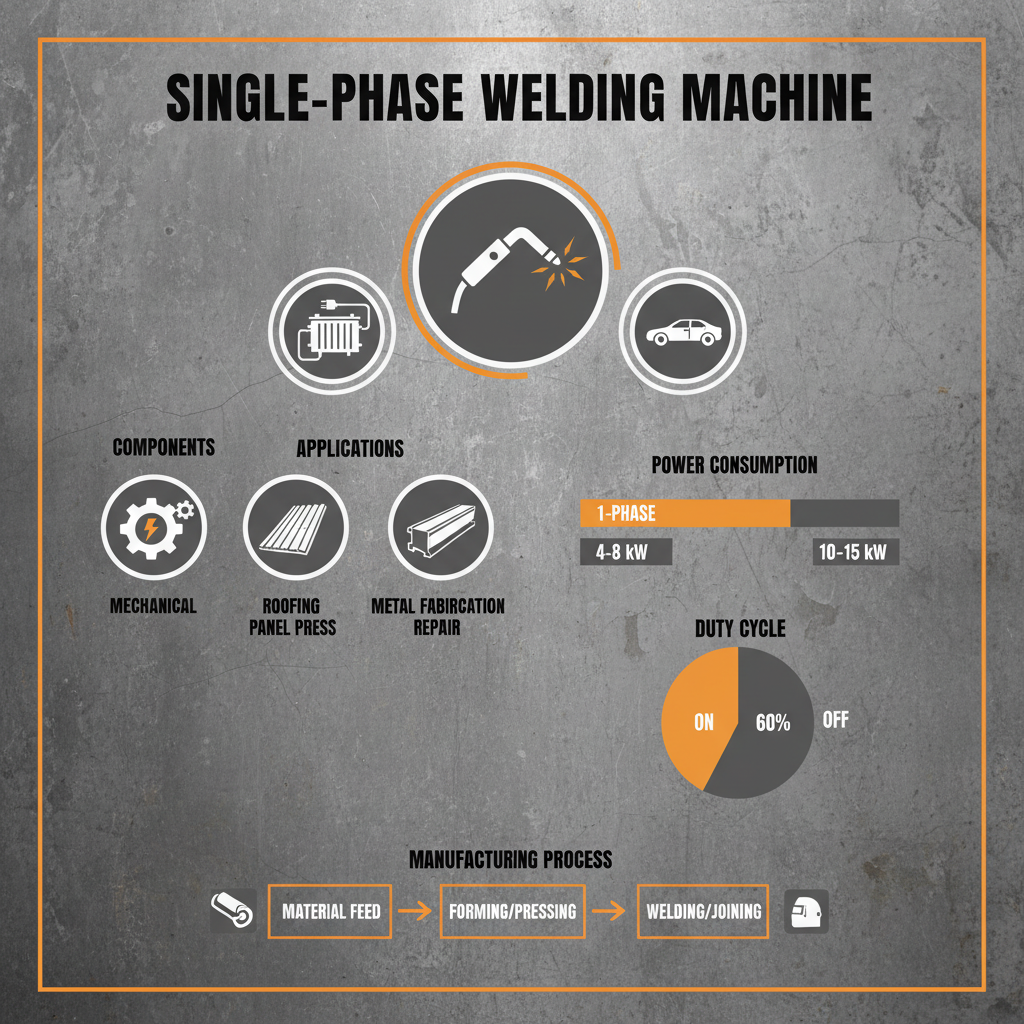
At its core, a 1 phase welding machine is an electrical device designed to operate on a single-phase AC power supply, typically 110V or 220V. Unlike three-phase machines that require three alternating currents to provide heavy power, the single-phase variant uses one live wire and one neutral wire. Modern versions utilize IGBT (Insulated Gate Bipolar Transistor) technology to convert this single-phase input into a stable, high-current output suitable for melting metal.
Beyond the electrical definition, this technology represents "industrial democratization." It means that a precision tool, capable of producing structural welds, is no longer tethered to a factory floor. For humanitarian needs, such as rapid infrastructure repair in disaster-stricken areas or remote village development, the ability to plug a welding unit into a standard generator or wall outlet is a game-changer for safety and stability.
The connection to modern industry is evident in the rise of "just-in-time" repairs. When a critical valve or pump in a gas compression plant fails, waiting for a heavy-duty mobile welding rig can cause thousands of dollars in downtime. Having a portable, high-performance 1 phase welding machine on-site allows for immediate intervention, ensuring that production lines stay active and critical systems are restored with minimal delay.
Key Performance Factors for Efficiency
Durability is the first pillar of a high-quality 1 phase welding machine. Because these units are often moved between different job sites, the internal components must be shielded from dust and vibration. A rugged chassis combined with an efficient cooling system ensures that the duty cycle remains stable even during extended periods of operation in hot environments.
Cost efficiency is where the 1 phase welding machine truly shines. By eliminating the requirement for three-phase electrical installations, companies save significantly on initial setup costs. Furthermore, the energy-saving inverter circuits reduce monthly utility bills, making it an economically sustainable choice for businesses that do not require the extreme amperage of heavy industrial machinery.
Scalability and versatility allow these machines to handle various materials, from thin-gauge stainless steel to thicker carbon steel. Advanced digital controls enable users to fine-tune the arc, ensuring that the weld penetration is precise. This flexibility makes the tool indispensable for those who manage a diverse portfolio of fabrication tasks, from laser cutting support to general assembly.
Comparative Analysis of Power Delivery
When analyzing the performance of different single-phase configurations, it is essential to look at how power stability affects the quality of the weld. Not all single-phase machines are created equal; those with advanced voltage compensation can maintain a steady arc even when the input power fluctuates, which is common in remote industrial zones.
The following data illustrates the relative performance ratings of various 1 phase welding machine configurations based on common industry benchmarks such as arc stability, portability, and energy consumption.
Performance Benchmarks of 1 Phase Welding Machine Types
Global Applications and Industrial Use Cases
In real-world contexts, the 1 phase welding machine is frequently deployed in "last-mile" industrial services. For instance, in the maintenance of gas compression machinery, technicians often need to perform quick repairs on brackets or piping in locations where only standard power outlets are available. These machines allow for immediate on-site fixes, preventing long-term system shutdowns.
Furthermore, in post-disaster relief operations, NGOs and engineering teams use these portable units to rebuild temporary shelters and repair critical water pipes. The ability to operate a 1 phase welding machine from a portable generator ensures that essential infrastructure can be restored without waiting for the main power grid to be stabilized.
Long-Term Economic and Operational Value
The long-term value of investing in a high-quality 1 phase welding machine extends beyond the initial purchase price. From a logical angle, the reduction in operational overhead—specifically the lack of need for specialized electrical contractors to install three-phase lines—provides an immediate return on investment. This allows smaller firms to allocate their capital toward other growth areas, such as expanding their laser marking or cutting capabilities.
From an emotional and professional perspective, these machines empower the worker. Providing a technician with a reliable, easy-to-use tool increases their confidence and dignity on the job. When a worker knows their equipment won't fail due to power fluctuations and that they can operate it safely in any environment, the quality of the craftsmanship naturally improves.
Sustainability is also a key driver. Modern single-phase units are designed with energy-efficient components that minimize waste heat and electricity consumption. This alignment with "Green Manufacturing" principles not only helps the environment but also ensures compliance with increasingly strict international energy regulations, providing a future-proof solution for the fabrication industry.
Future Innovations in Single-Phase Welding
The future of the 1 phase welding machine is inextricably linked to the digital transformation of the factory floor. We are seeing the integration of IoT (Internet of Things) sensors that allow managers to monitor machine health and power consumption in real-time. This predictive maintenance prevents unexpected breakdowns and optimizes the duty cycle of the equipment.
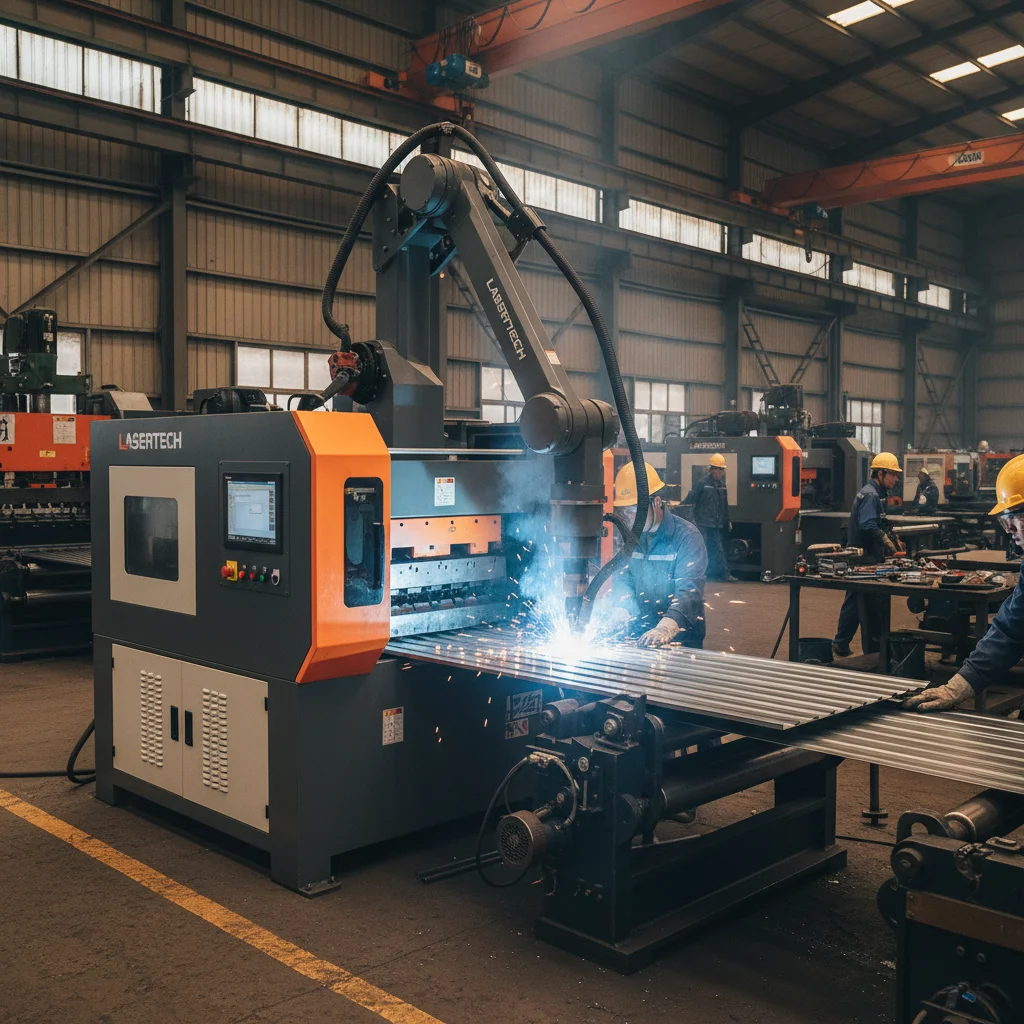
Another significant trend is the convergence of welding and automation. While single-phase machines were traditionally manual, new developments are enabling them to be integrated into small-scale robotic arms for precision tasks. This hybrid approach brings the efficiency of automation to the small workshop, allowing for consistent, high-quality welds without the need for a massive industrial footprint.
Finally, the push toward green energy is leading to the development of battery-powered "super-capacitors" that can buffer the power draw of a 1 phase welding machine. This will further stabilize the arc and allow these machines to operate in entirely off-grid locations, utilizing solar-charged battery banks to power critical infrastructure repairs globally.
Comparative Analysis of 1 Phase Welding Machine Technology Evolution
| Technology Generation |
Power Efficiency |
Arc Stability |
Operational Cost |
| Traditional Transformer |
Low (4/10) |
Moderate (5/10) |
High Energy Use |
| Early Inverter |
Medium (6/10) |
Good (7/10) |
Moderate |
| Modern IGBT |
High (8/10) |
Excellent (9/10) |
Low |
| Smart Digital |
Very High (9/10) |
Superior (10/10) |
Optimized |
| IoT Integrated |
Maximized (10/10) |
Precision (10/10) |
Predictive Low |
| Hybrid Battery |
Sustainable (9/10) |
Ultra-Stable (9/10) |
Off-Grid Low |
FAQS
While primarily designed for light to medium tasks, modern high-end 1 phase welding machines using IGBT technology can handle significant workloads. However, they are limited by the duty cycle of the single-phase power source. For continuous, 24/7 heavy-gauge industrial welding, a three-phase machine is still recommended, but for most repair and fabrication shops, the single-phase unit is more than sufficient.
Yes, provided the outlet and the circuit breaker are rated for the machine's amperage. Most modern 1 phase welding machines are designed for standard 110V/220V outlets. To ensure safety, it is recommended to use a dedicated circuit to avoid overloading the home's electrical system and to use a high-quality surge protector to protect the sensitive inverter electronics.
Transformer machines are older, heavier, and less energy-efficient, relying on large copper coils to step down voltage. Inverter machines use electronic switching (like IGBTs) to convert power, making them significantly lighter, more portable, and capable of providing a much more stable arc, which results in cleaner welds and less spatter.
The basic principles of welding remain the same regardless of the power phase. However, because inverter-based 1 phase machines often have more digital settings and precision controls, a brief orientation on how to adjust the voltage and wire feed speed is beneficial to get the most out of the machine's advanced features.
Absolutely. In fact, this is one of the biggest advantages of the 1 phase welding machine. Ensure your generator provides a stable "pure sine wave" output and has enough peak wattage to handle the initial surge when the arc is struck. This setup is ideal for remote field repairs and emergency infrastructure work.
Maintenance is relatively simple. Regularly blow out the internal dust with compressed air to prevent the cooling fans from clogging, which can lead to overheating. Also, ensure all cable connections are tight and free of corrosion. Keeping the machine in a dry environment will protect the internal PCBs from humidity-induced failure.
Conclusion
The 1 phase welding machine represents a pivotal intersection of electrical convenience and industrial power. By breaking the dependency on complex three-phase grids, these tools have enabled a new era of flexible manufacturing, empowering small businesses and emergency responders worldwide. From its core IGBT technology to its diverse applications in gas compression maintenance and disaster relief, the single-phase welder proves that accessibility does not have to come at the cost of precision or durability.
Looking forward, the integration of smart sensors and green energy will only enhance the value of these machines, making them more sustainable and efficient. For any business looking to increase its operational agility without incurring massive infrastructure costs, investing in a high-quality single-phase solution is a strategic move toward modernization. Explore more professional fabrication solutions and enhance your workshop's capabilities by visiting our website: www.topstarlaser.com.