Shijiazhuang Topstar
International Trading Co., Ltd.


Get In Touch
When you think of industrial manufacturing, the laser beam cutting machine might not immediately spring to mind, yet it plays a transformative role across many sectors globally. From automotive components to aerospace parts, the ability to cut materials with extreme precision has wide-reaching effects on efficiency, cost, and sustainability. Understanding this technology is more relevant than ever as industries race to upgrade their manufacturing methods in an era of digital transformation and environmental consciousness.
Globally, the manufacturing sector accounts for roughly 16% of the world’s GDP according to the World Bank. As factories aim for leaner, smarter processes, laser beam cutting machines have emerged as front-runners in shaping modern production. They help overcome limitations traditional mechanical cutting faces — namely in speed, accuracy, and material waste. However, many industries still struggle with the balance between adopting high-tech equipment and maintaining cost-effectiveness, especially in developing regions. It’s a challenge that laser technology addresses but also one that continues to evolve.
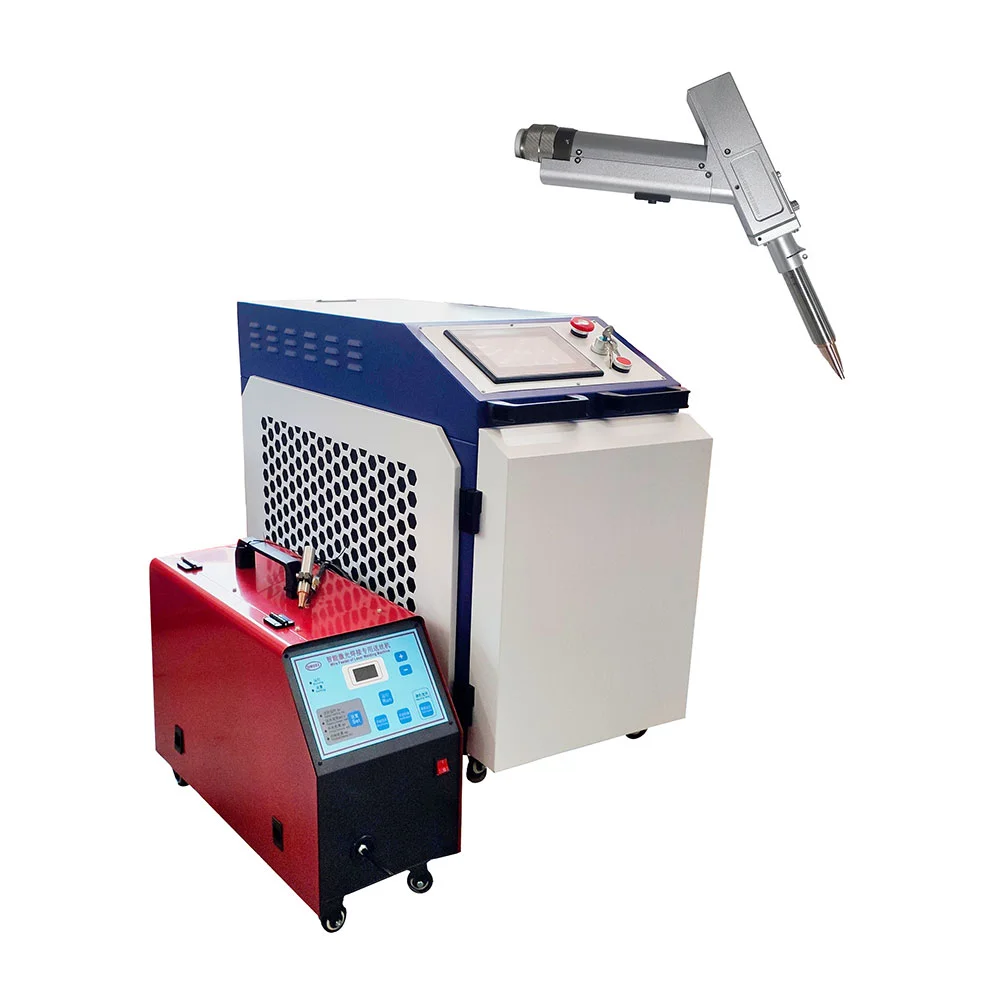
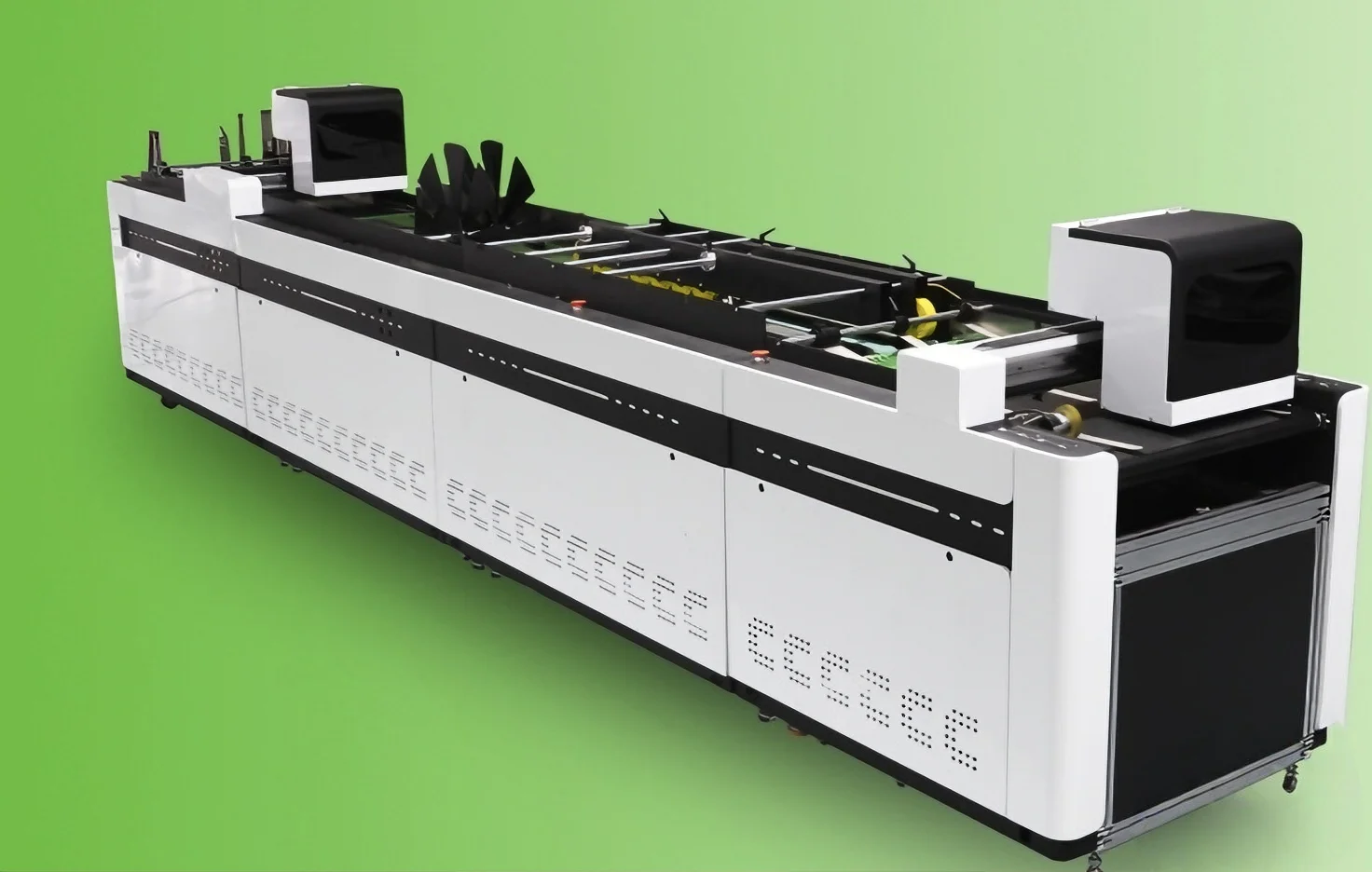
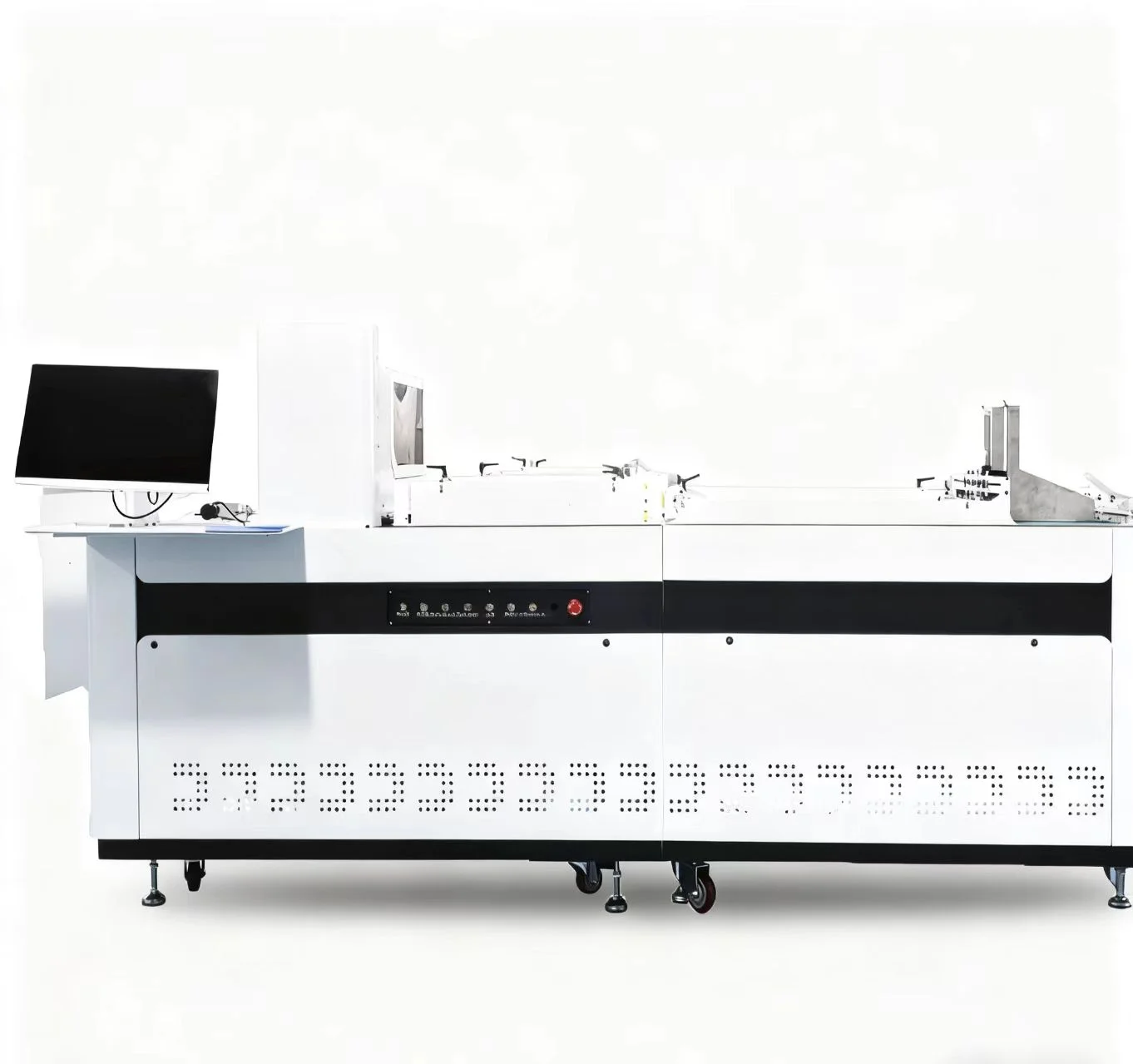
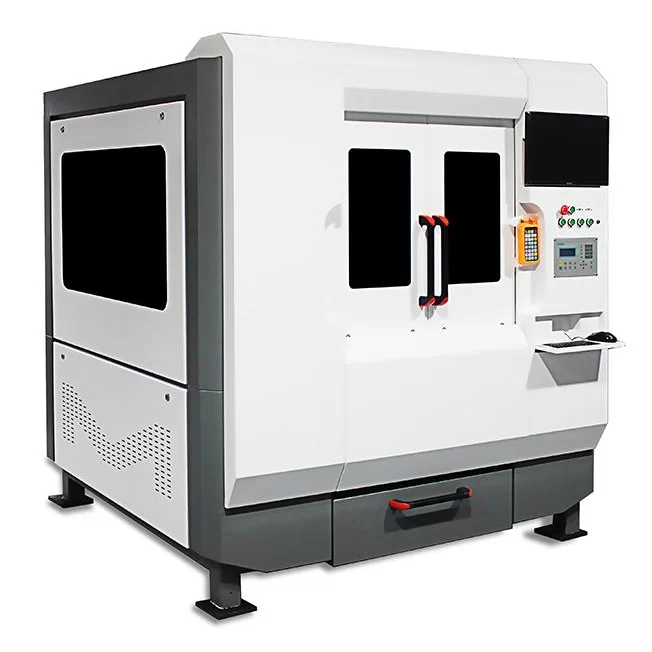
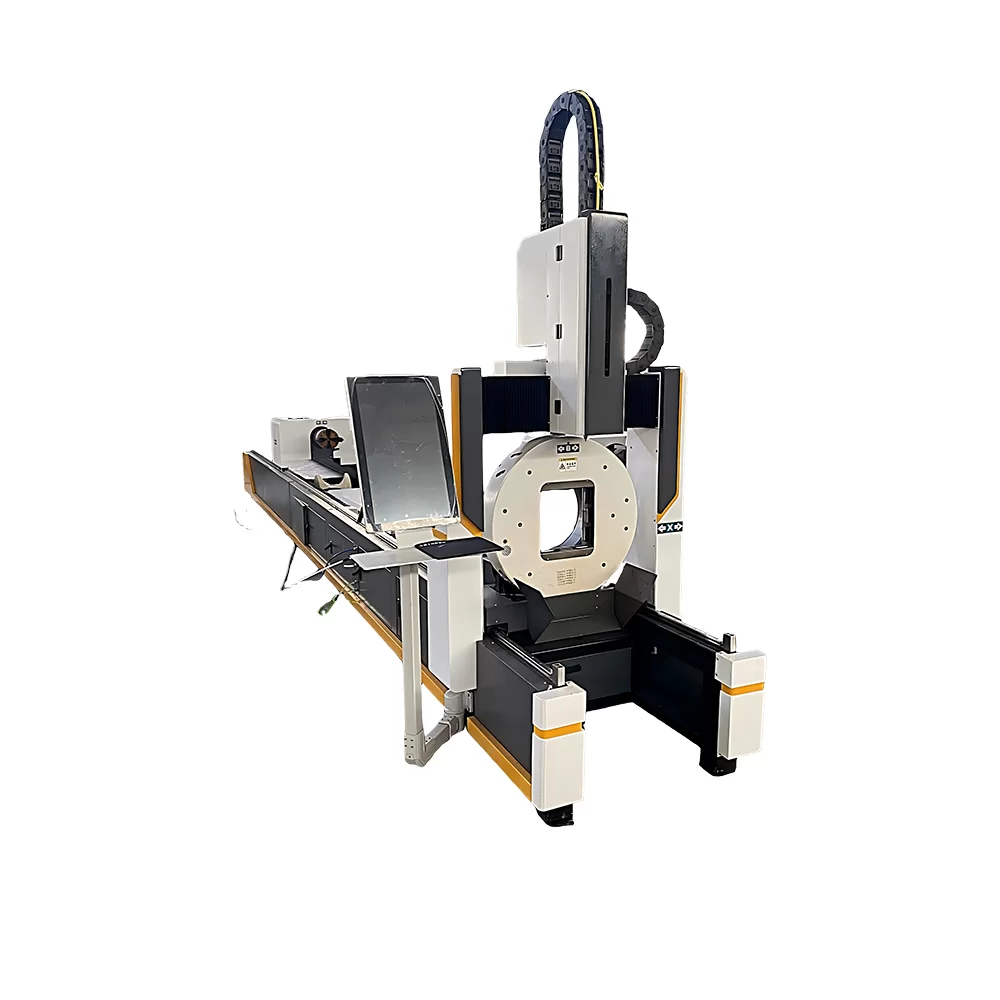
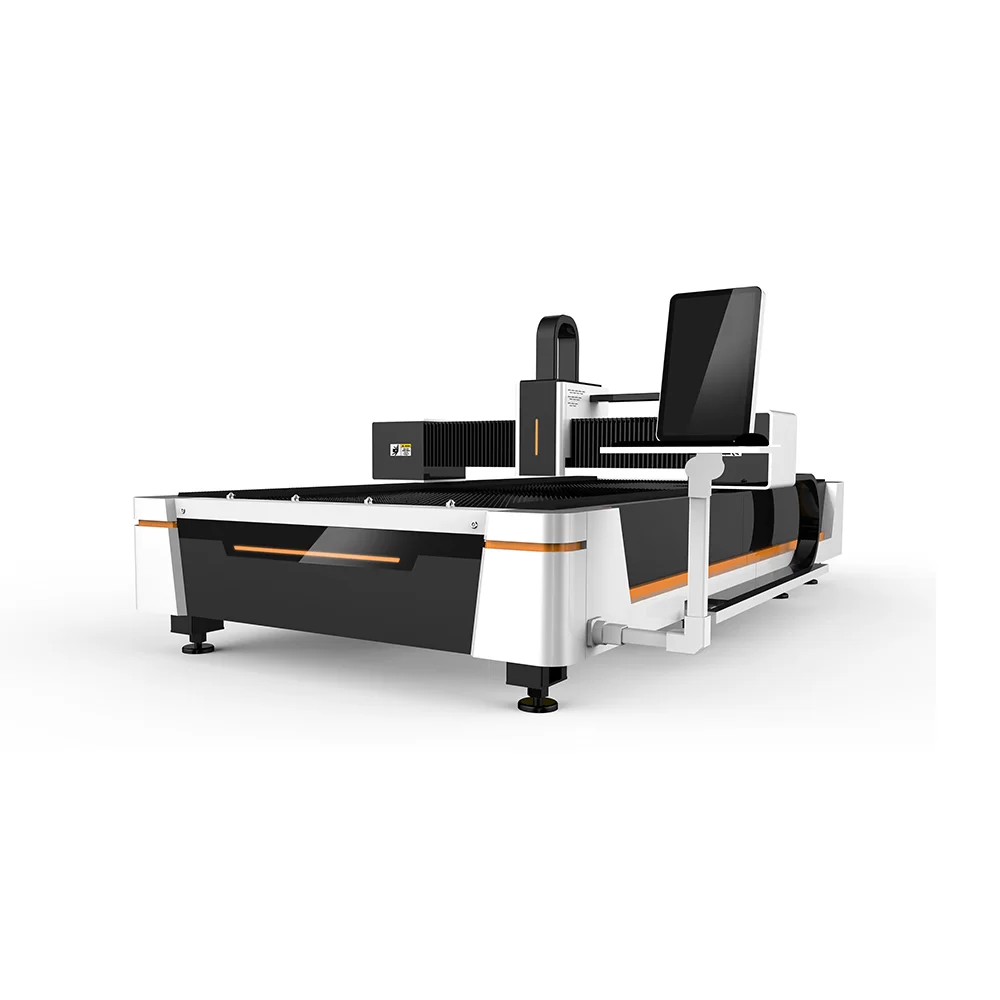
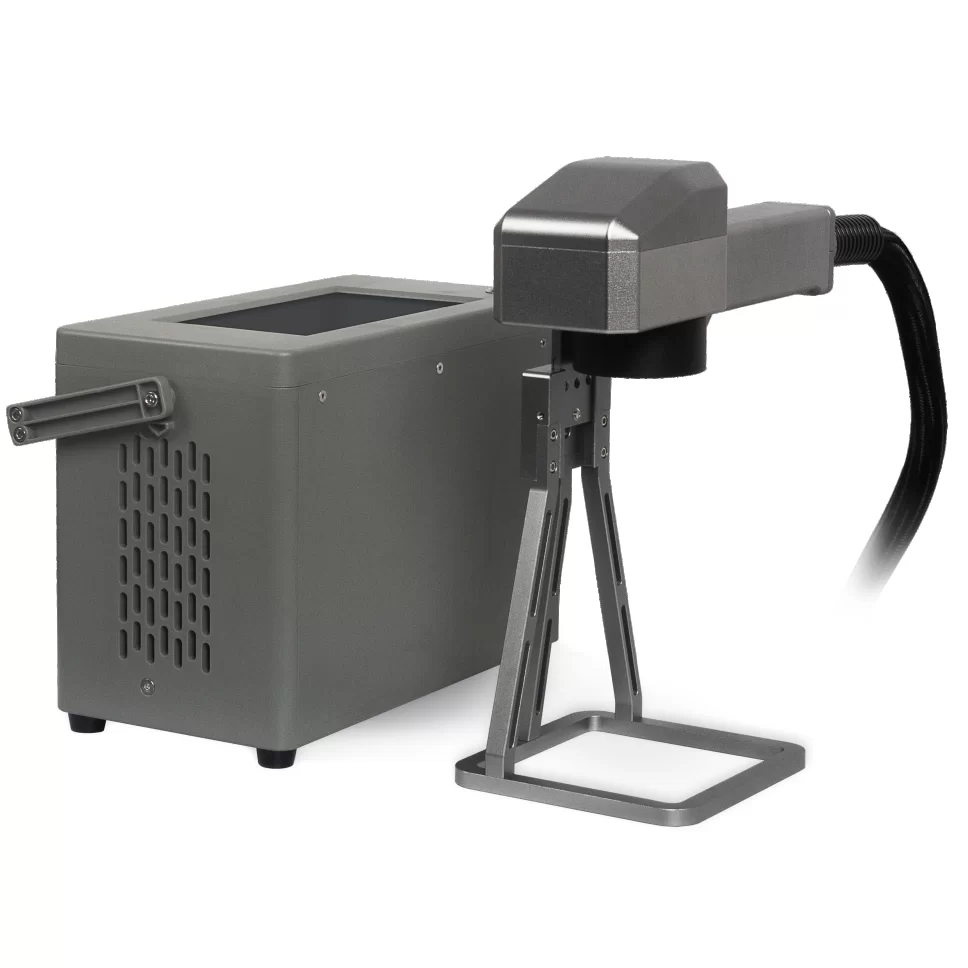
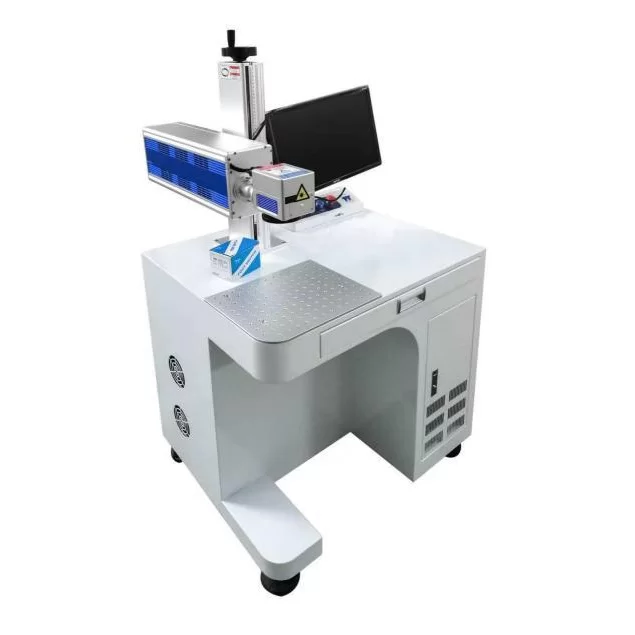
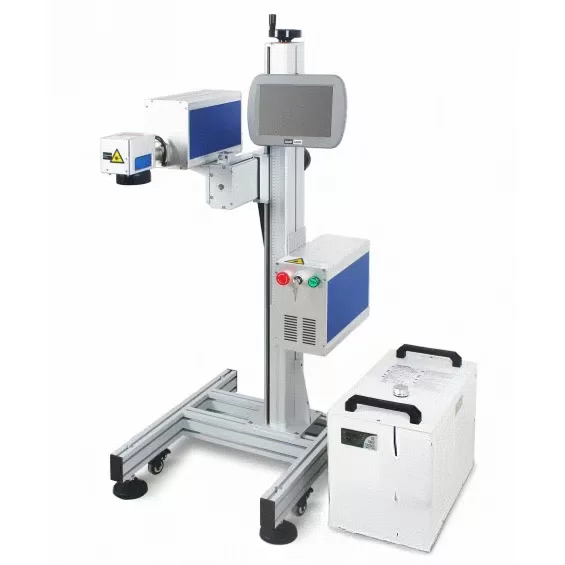
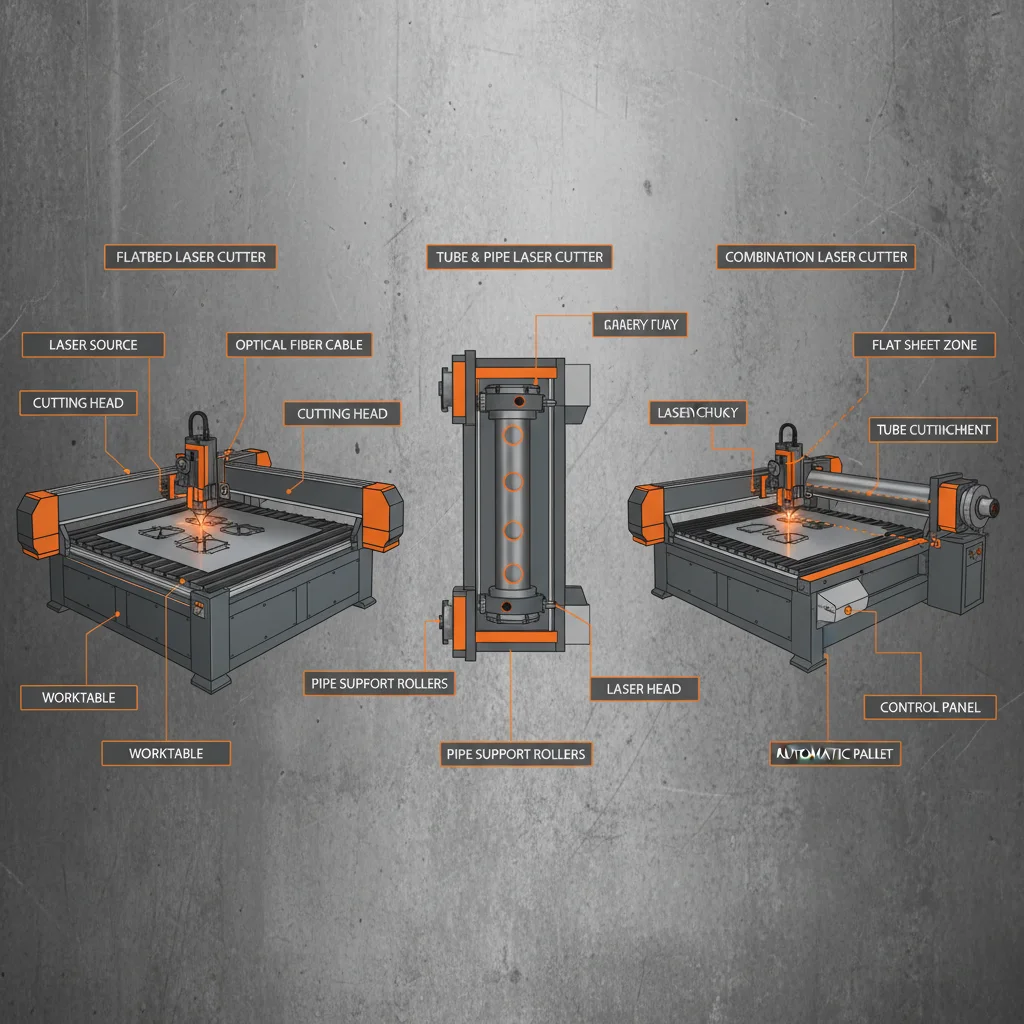
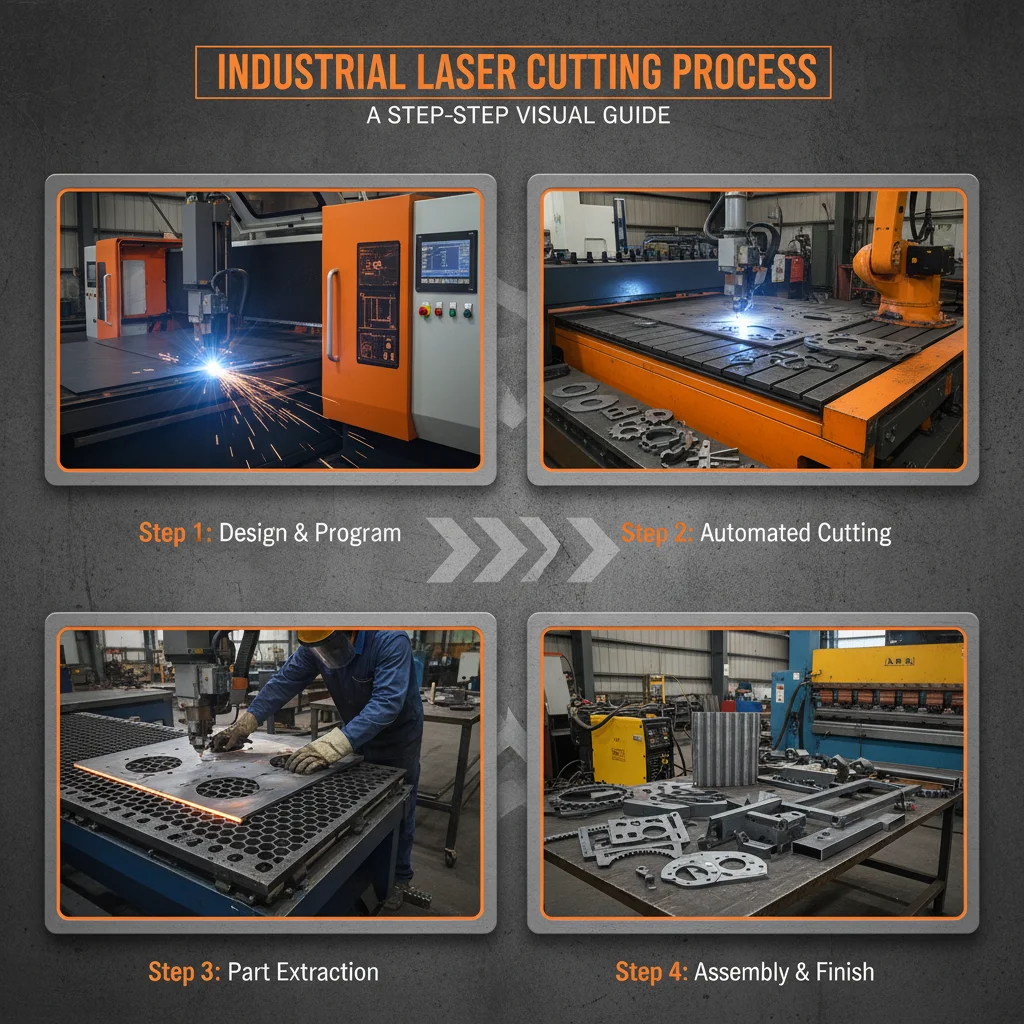
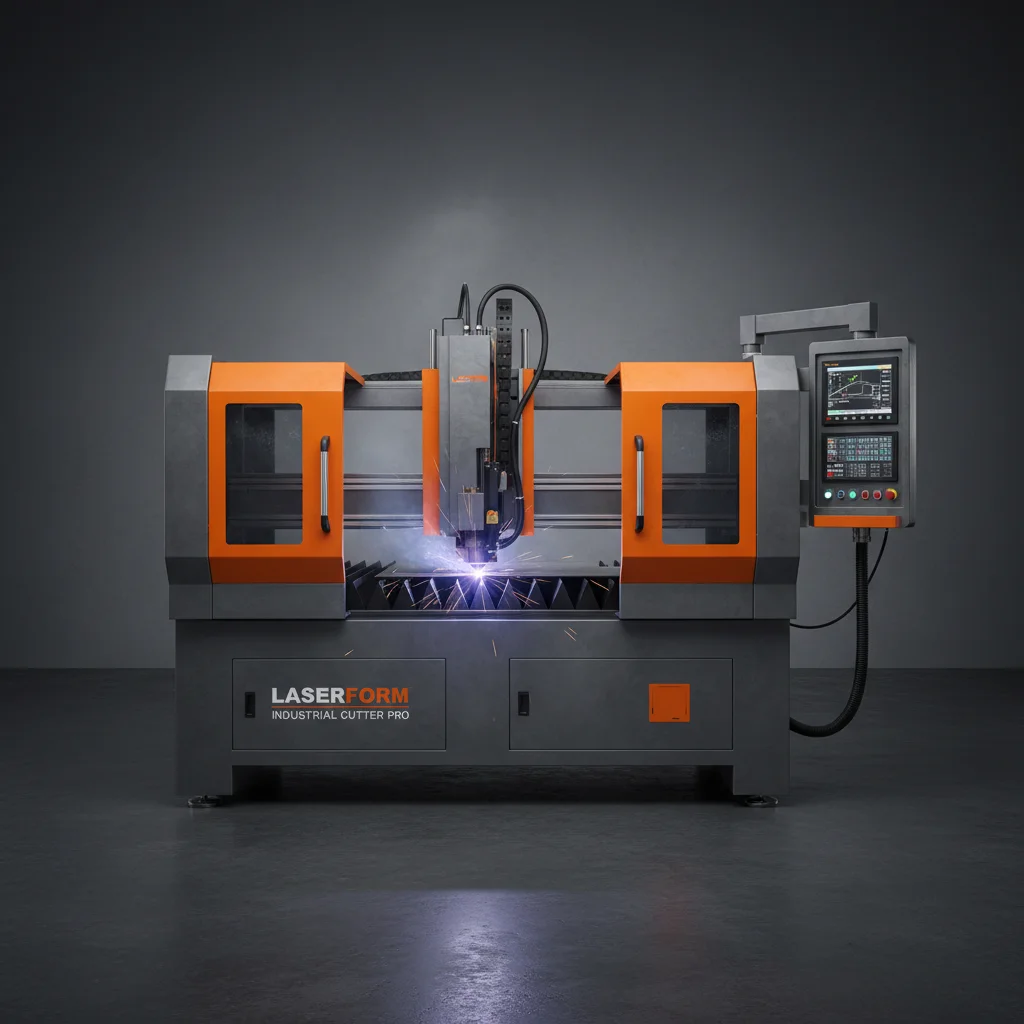
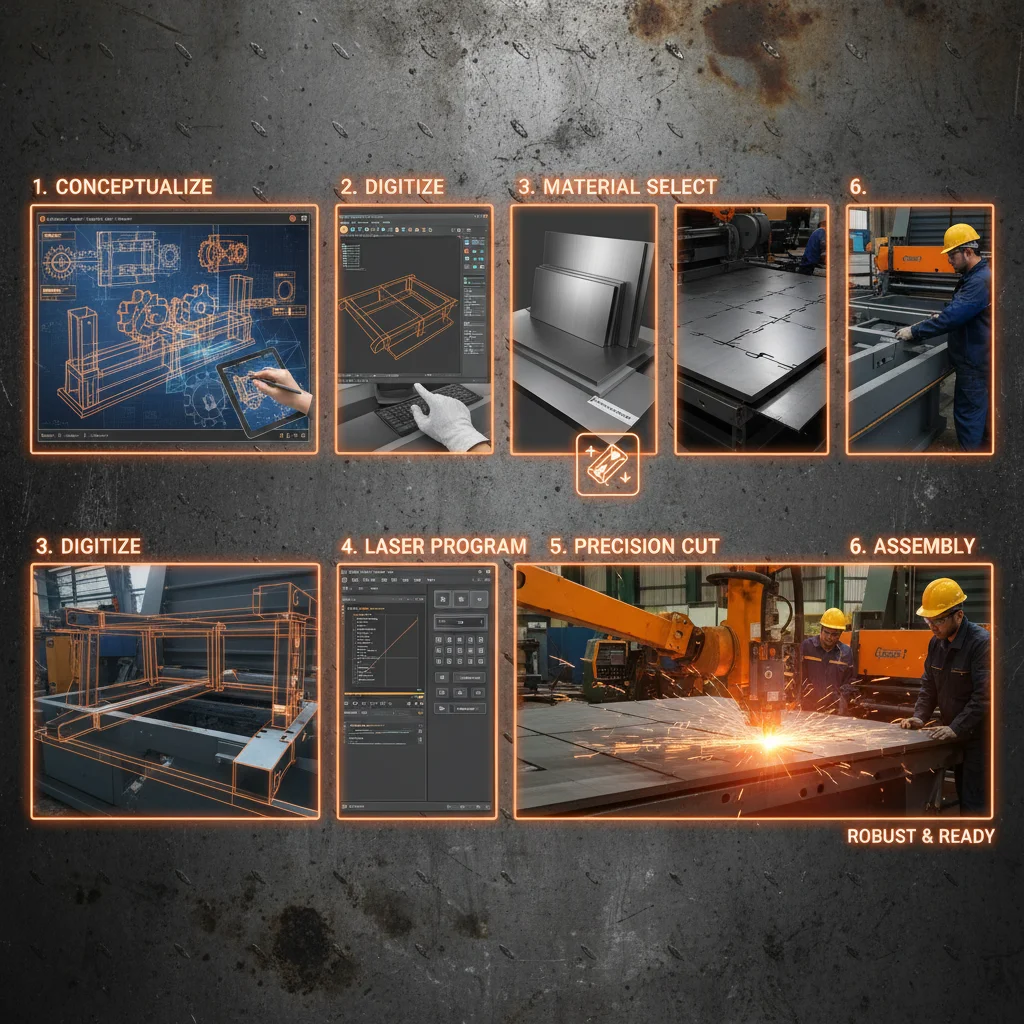
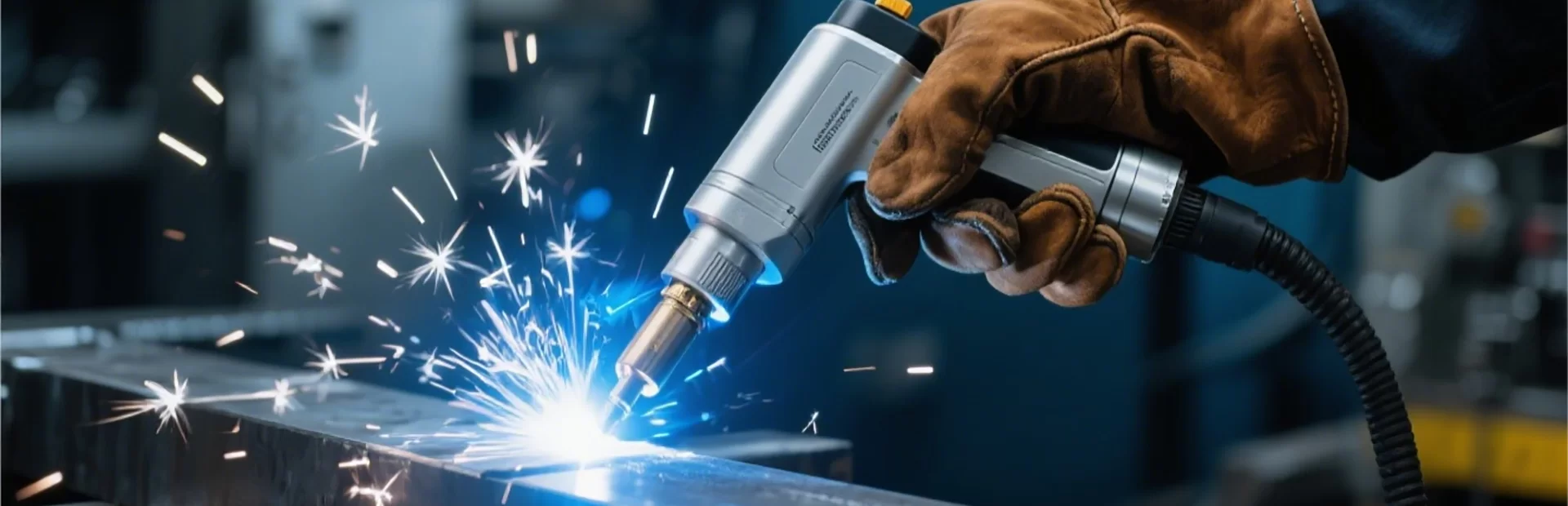
At its core, a laser beam cutting machine uses a focused laser beam to cut or engrave materials with exceptional accuracy. Think of it as a highly concentrated, powerful light source that melts or vaporizes materials along a precise path. This technology isn't just about cutting metal— it’s also used for plastics, wood, textiles, and composites. Its relevance spans industries, enabling rapid prototyping, customized manufacturing, and efficient mass production with minimal human intervention.
The heart of any laser cutting machine is its ability to deliver micron-level precision. This ensures clean edges and shapes that fit perfectly without post-processing. For industries like aerospace or medical device manufacturing, this precision can be the difference between success and failure.
These machines are investments. Longevity means high-quality optics, robust cooling systems, and proper software control to prevent wear and tear. A durable machine translates into consistent output and less downtime — critical factors in maintaining production schedules.
Whether producing thousands of identical parts or one-off prototypes, the scalability of laser cutting systems is remarkable. Many models can switch between various materials and thicknesses with simple software changes, making them a versatile tool.
Although laser cutters tend to have higher upfront costs compared to traditional cutters, they often reduce waste and labor costs. Less material scrap and faster turnaround times improve overall cost-effectiveness.
| Parameter | Typical Value |
|---|---|
| Laser Type | Fiber / CO2 |
| Power Range | 500W – 10kW |
| Cutting Thickness | Up to 30 mm (steel) |
| Cutting Speed | Up to 20 m/min |
| Positioning Accuracy | ±0.01 mm |
| Machine Footprint | 3m x 2m (varies by model) |
Mini takeaway: These machines blend meticulous engineering — precision, power, and size — to fit diverse manufacturing demands.
The versatility of laser beam cutting machines means they're at work worldwide. For example:
Oddly enough, this mix of precision and speed is often crucial where time and accuracy save lives or production cycles.
| Vendor | Price Range | Machine Power | Notable Features | Support & Warranty |
|---|---|---|---|---|
| TopStar Laser | $50k – $150k | 1kW–6kW Fiber | Fast setup, energy efficient | 3 years + global support |
| LazerCut Inc. | $65k – $180k | 2kW–10kW CO2 | High power, large bed size | 2 years, on-site service |
| PrecisionFab Ltd. | $40k – $120k | 500W–4kW Fiber | Compact design, user-friendly | 1 year, remote assistance |
Mini takeaway: Different vendors target distinct market niches balancing price, power output, and service coverage.
So why all the buzz? Well, laser cutting machines offer tangible benefits beyond simple fabrication:
On an emotional level, industries investing in such technology send a message of innovation and responsibility. It builds trust with clients and stakeholders while empowering engineers to push boundaries.
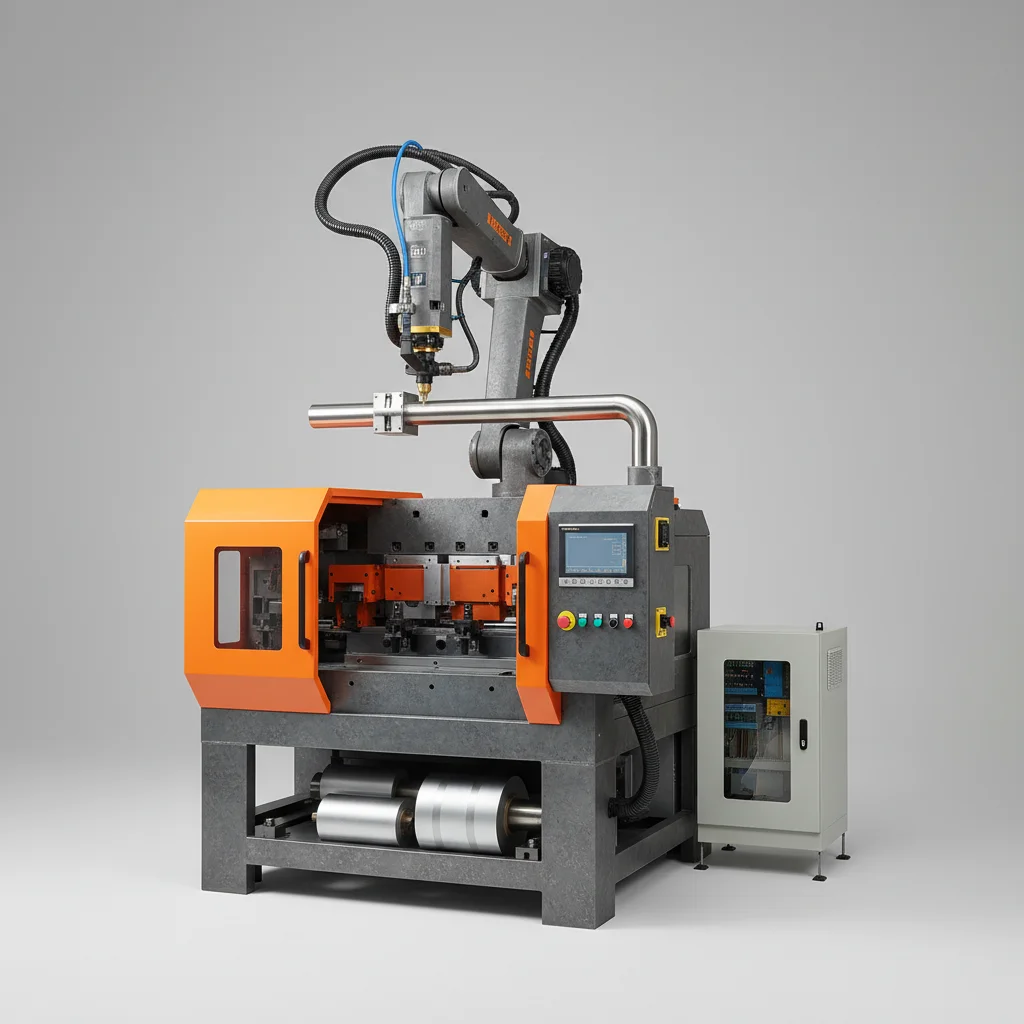
The future is glowing — literally. As green energy integration improves, laser cutting is getting even more sustainable. New materials that absorb light differently are opening doors to novel applications, while AI-assisted systems streamline machine setup and optimize cutting paths dynamically. Automation with robotic arms is becoming standard, especially for repetitive or hazardous tasks. Even ISO standards are evolving to include benchmarks for laser safety and energy efficiency. It's an exciting time to be involved in laser tech.
Frankly, these machines aren't perfect or plug-and-play everywhere. High capital costs still limit entry in some markets. Also, highly reflective materials (like copper or aluminum) can pose cutting difficulties, requiring specialized settings. That said, ongoing R&D is tackling power modulation and beam shaping improvements. Training operators to handle intricate machines is another hurdle — thankfully, more vendors now offer comprehensive support and virtual learning tools.
Long-term, the adoption of laser beam cutting machines is more than just a technology upgrade — it’s a commitment to quality, innovation, and sustainability. These machines redefine what precision manufacturing means, enabling industries worldwide to meet complex demands faster and greener than ever before. For anyone serious about stepping into the future of production, exploring the latest laser beam cutting machine models could be the smartest move.
Ready to innovate? Visit our website and discover how our laser technology can reshape your manufacturing: https://www.topstarlaser.com
Having worked closely with manufacturing clients over years, I’ve noticed how machines like the laser beam cutter transform shop floors — not just by speeding processes, but by inspiring engineers and workers alike to reimagine what’s possible. It’s a blend of art and science, precision and power, steadily driving industrial growth in sustainable ways.