
Shijiazhuang Topstar
International Trading Co., Ltd.


Get In Touch
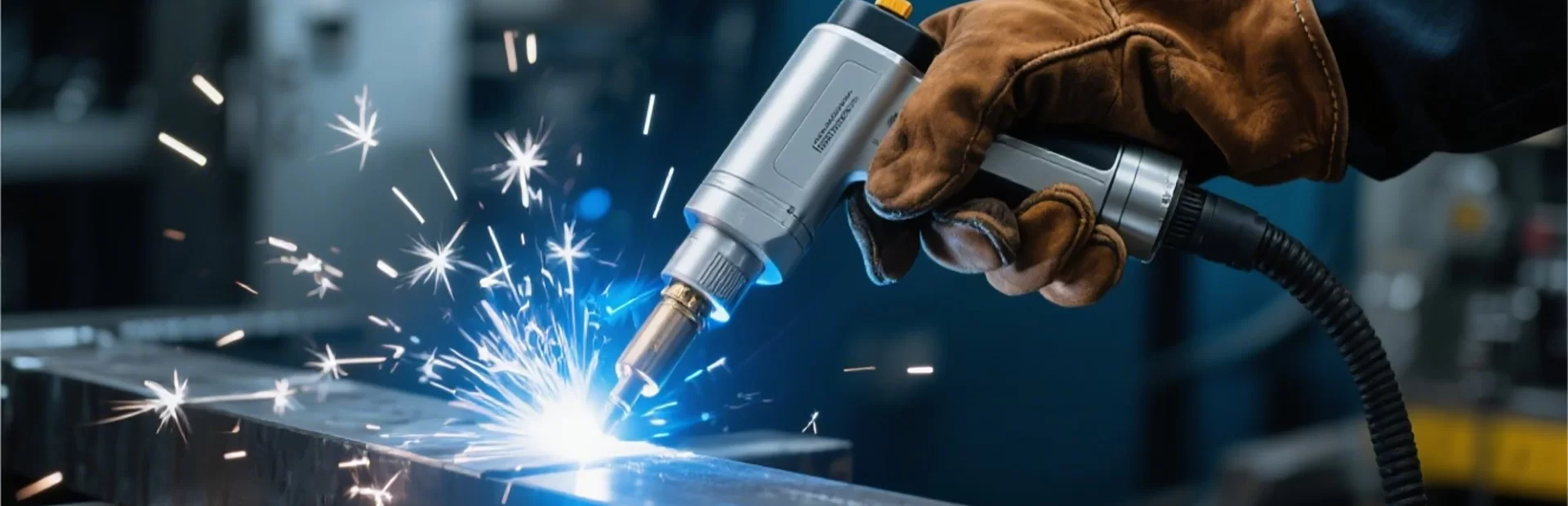
In the modern industrial landscape, the demand for extreme precision and rapid production has made sheet laser cutting an indispensable process for manufacturers worldwide. By utilizing a high-power laser beam to melt or vaporize material, this technology allows for intricate designs and tight tolerances that traditional mechanical cutting simply cannot match. Whether you are working with stainless steel, aluminum, or carbon steel, understanding the nuances of this process is key to optimizing your production line and reducing material waste. In this guide, we will explore how to leverage this technology to elevate your manufacturing standards.

The primary appeal of sheet laser cutting lies in its unparalleled versatility and speed. Unlike punch pressing or waterjet cutting, laser systems require no physical contact with the workpiece, eliminating the risk of material distortion and reducing the need for secondary finishing. This non-contact nature ensures that even the thinnest sheets can be processed without warping. Additionally, the ability to quickly switch between different CAD designs allows for rapid prototyping and small-batch production without the cost of expensive tooling or dies.
Industry Impact: Laser cutting reduces setup time by up to 70% compared to traditional stamping, significantly accelerating the time-to-market for complex industrial components.
Not all lasers are created equal. Depending on the material properties, manufacturers must choose between CO2 lasers and Fiber lasers. Fiber lasers have become the gold standard for sheet laser cutting of metals due to their higher energy efficiency and faster cutting speeds on thin materials. While CO2 lasers are still useful for organic materials and certain thick plastics, the precision and maintenance costs of Fiber technology make it the preferred choice for heavy-duty industrial metal fabrication.
To achieve maximum ROI, businesses must focus on nesting optimization. Nesting is the process of arranging parts on a sheet of material to minimize scrap. When paired with advanced software, sheet laser cutting becomes a highly sustainable process. By optimizing the layout, companies can reduce material costs by 10-20%. Furthermore, selecting the correct assist gas (Oxygen, Nitrogen, or Compressed Air) is critical; Nitrogen is typically used for stainless steel to prevent oxidation, while Oxygen is preferred for carbon steel to increase cutting speed.

Investing in a high-end machine requires a deep dive into technical specifications. Key metrics include the cutting zone, positioning accuracy, and maximum wattage. A larger cutting zone allows for the processing of full-sized industrial sheets, while higher wattage enables the cutting of thicker plates without compromising on speed. For those seeking professional-grade sheet laser cutting, the following specifications represent the industry standard for high-efficiency production:
The applications of this technology span almost every sector of modern engineering. In the automotive industry, it is used to create chassis components and interior brackets with extreme accuracy. The aerospace sector relies on laser cutting for high-strength alloy parts that must meet rigorous safety standards. Furthermore, in the architectural world, laser-cut metal screens and decorative panels provide a blend of aesthetic beauty and structural integrity. The flexibility of sheet laser cutting ensures that it remains the go-to choice for any project requiring high-precision metal fabrication.
To maintain the high precision of your equipment, a rigorous maintenance schedule is essential. Regular cleaning of the protective lens and nozzles prevents debris buildup, which can scatter the beam and reduce cut quality. Checking the chiller system is equally important, as overheating can lead to laser source degradation. By implementing a preventive maintenance plan, operators can avoid costly downtime and ensure that their sheet laser cutting machine operates at peak efficiency for years to come.
Adopting advanced sheet laser cutting technology is more than just an equipment upgrade; it is a strategic move toward operational excellence. From the reduction of material waste through smart nesting to the ability to produce complex geometries with micron-level accuracy, the benefits are undeniable. By choosing the right laser source and maintaining a strict quality control process, manufacturers can significantly increase their competitiveness in a global market. Experience the future of fabrication today.
The most suitable materials for laser cutting are metals such as stainless steel, carbon steel, aluminum, brass, and copper. Fiber lasers are particularly efficient for these metals. Additionally, CO2 lasers can handle non-metallic materials like acrylic, wood, and certain plastics. The choice of material depends on the required strength, weight, and finish of the final part. For those utilizing professional systems from Top Star Laser, the versatility across these materials is maximized through optimized beam control.
Laser cutting offers significantly higher precision and a much smaller kerf (the width of the cut) compared to plasma cutting. While plasma cutting is often faster for very thick plates of carbon steel and is generally more cost-effective for rough cuts, it lacks the fine detail and edge quality of a laser. Laser cutting produces a cleaner edge that often requires no further deburring, making it the superior choice for intricate parts and high-tolerance engineering projects.
Typical tolerances for professional sheet laser cutting range between ±0.1mm and ±0.03mm, depending on the material thickness and machine quality. High-end fiber laser systems can achieve extremely tight tolerances, ensuring that components fit perfectly during assembly without the need for manual filing or machining. This precision is what makes laser cutting the preferred method for medical devices and aerospace components.
Yes, laser cutting is exceptionally cost-effective for small batches and prototyping. Unlike traditional stamping or die-cutting, there is no need to invest in expensive custom molds or tooling. The process is entirely software-driven; once the CAD file is uploaded, the machine can begin cutting immediately. This flexibility allows businesses to test designs and make rapid iterations without incurring the heavy overhead costs associated with traditional manufacturing methods.


