
Shijiazhuang Topstar
International Trading Co., Ltd.


Get In Touch
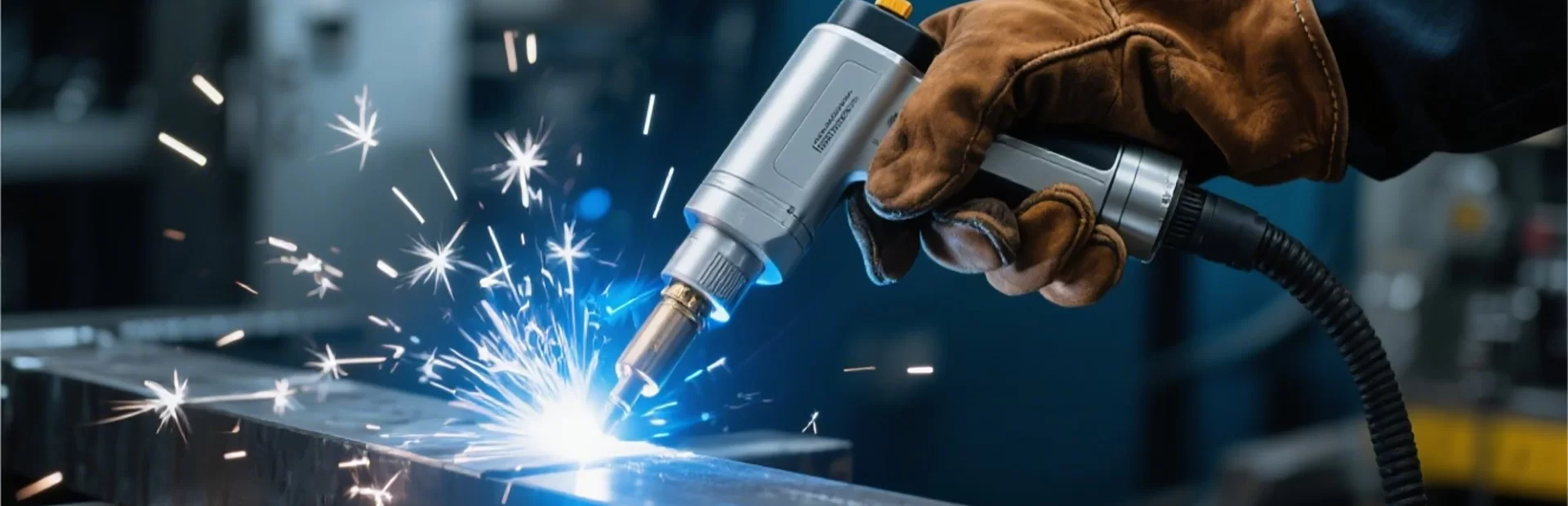
In the modern manufacturing landscape, achieving a seamless and durable bond is critical for structural integrity. The dc welding machine has emerged as a cornerstone of precision engineering, offering unparalleled control over the welding arc compared to traditional alternating current methods. By providing a constant, unidirectional flow of electricity, these machines minimize spatter and ensure deep penetration in a variety of metals. Whether you are working in heavy-duty fabrication or intricate component assembly, understanding the nuances of direct current welding is essential for maximizing productivity and weld quality. This guide explores the technical advantages and industrial applications of this indispensable technology.

The operational excellence of a dc welding machine lies in its ability to rectify alternating current (AC) from the power grid into a steady direct current (DC). This process allows the operator to choose the polarity—either DC Electrode Positive (DCEP) or DC Electrode Negative (DCEN)—depending on the material and the desired penetration depth. For instance, DCEN is typically preferred for thinner materials to prevent burn-through, while DCEP is ideal for deep penetration in thicker steel plates. This level of control significantly reduces the risk of porosity and slag inclusions, ensuring that every joint meets rigorous industrial safety standards.
Technical Insight: The stability of the DC arc leads to a smoother bead appearance and a more consistent heat-affected zone (HAZ), which reduces the likelihood of warping in precision-engineered components.
When choosing between a dc welding machine and an AC system, the decision usually comes down to the material being processed and the required precision. While AC is often necessary for aluminum to break through the oxide layer, DC is the gold standard for stainless steel, carbon steel, and nickel alloys. The primary advantage of DC is the elimination of the "arc flicker" associated with AC, which provides the welder with a clearer view of the weld pool and leads to significantly higher accuracy in manual and automated processes.
The versatility of the dc welding machine makes it a staple across various manufacturing sectors. In the automotive industry, it is used for welding chassis and exhaust systems where strength and precision are non-negotiable. In the aerospace sector, DC TIG welding is preferred for its ability to create clean, high-strength joints in exotic alloys. Additionally, the construction of pressure vessels and pipelines relies heavily on DC power to ensure leak-proof, high-pressure seals. The ability to integrate these machines into robotic arms further enhances their value, allowing for high-volume production with zero variance in quality.

Modern iterations of the dc welding machine incorporate inverter technology, which significantly reduces the weight of the equipment while increasing energy efficiency. Inverter-based machines allow for "pulsed" DC welding, a technique that alternates between a high peak current and a low background current. This prevents the overheating of the workpiece, which is critical when working with thin-gauge stainless steel or heat-sensitive components. By reducing heat input, manufacturers can minimize distortion and eliminate the need for costly post-weld straightening processes.
When investing in a dc welding machine, it is vital to analyze the technical parameters to ensure the equipment matches the project requirements. Key metrics such as the duty cycle, amperage range, and voltage stability dictate the machine's capacity for continuous industrial use. Below is a typical specification table for a high-performance industrial DC welding unit designed for versatility and durability.
To ensure the longevity and reliability of your dc welding machine, a strict maintenance schedule is required. Dust accumulation in the internal fans can lead to overheating, which is the primary cause of inverter board failure. Regular cleaning using compressed air is recommended. Additionally, inspecting the cable connections for oxidation or looseness is critical to prevent voltage drops that can compromise weld stability. By adhering to these simple maintenance steps, manufacturers can reduce downtime and extend the operational life of their equipment by several years.
Investing in a high-quality dc welding machine is an investment in precision, durability, and efficiency. From the unmatched arc stability to the flexibility offered by polarity control, DC technology empowers manufacturers to produce superior components that stand the test of time. As industries move toward further automation and tighter tolerances, the role of stable, high-precision DC power becomes even more critical. Upgrade your fabrication process today to ensure your output meets the highest international standards.
A DC welding machine is preferred for stainless steel because it provides a more stable and concentrated arc. Stainless steel is highly susceptible to warping and heat distortion; the steady current of a DC machine allows for precise heat management. Furthermore, DC welding reduces the amount of spatter and produces a cleaner bead, which is essential for the aesthetic and hygienic requirements often associated with stainless steel projects in the food and medical industries.
The duty cycle refers to the amount of time a welding machine can operate at a specific amperage within a 10-minute period without overheating. For example, a 60% duty cycle at 200A means the machine can weld for 6 minutes and must cool down for 4 minutes. Understanding the duty cycle is crucial for production planning, as it prevents equipment burnout and ensures the safety of the operator during continuous industrial shifts.
While most aluminum welding requires AC to remove the stubborn aluminum oxide layer (a process called "cleaning action"), some specialized dc welding machines can be used for aluminum if the oxide layer is removed manually or if specific filler metals are used. However, for professional-grade aluminum fabrication, an AC/DC machine is highly recommended to achieve the necessary surface preparation and fusion quality.
The choice depends on where you want the heat concentrated. DC+ (Electrode Positive/DCEP) concentrates more heat on the electrode, which is excellent for deep penetration and faster deposition rates. DC- (Electrode Negative/DCEN) concentrates more heat on the workpiece, which is ideal for welding thinner materials or when you need to avoid blowing through the metal. Most professionals select the polarity based on the material thickness and the joint design.


