Shijiazhuang Topstar
International Trading Co., Ltd.


Get In Touch
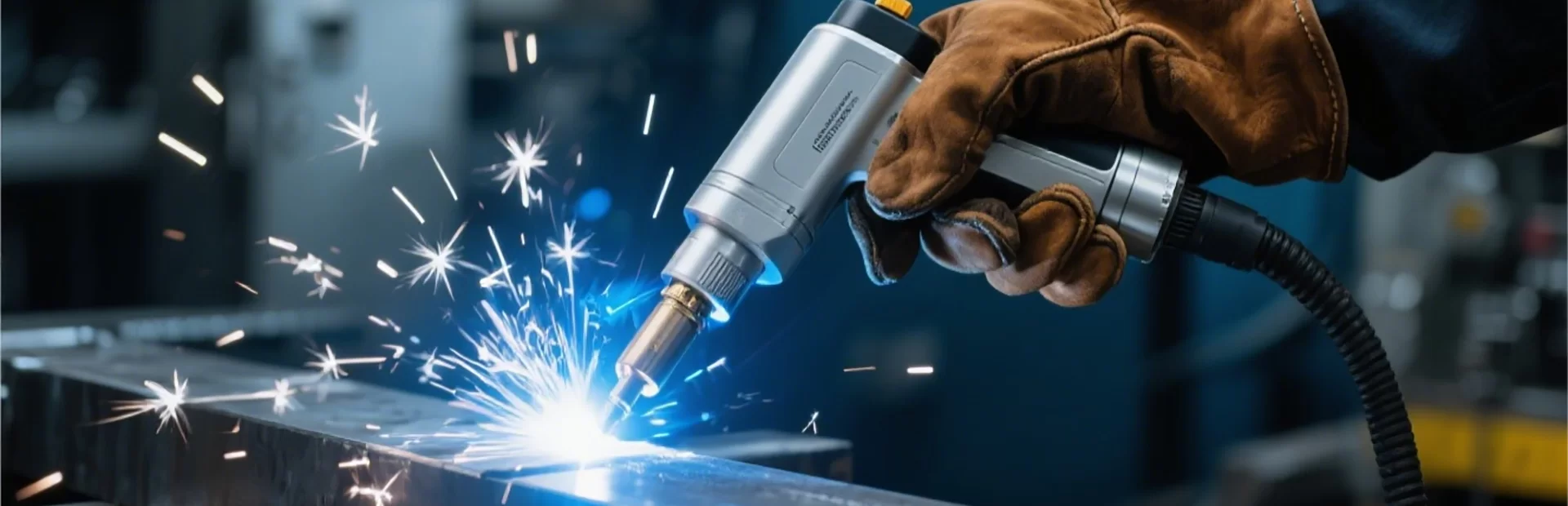
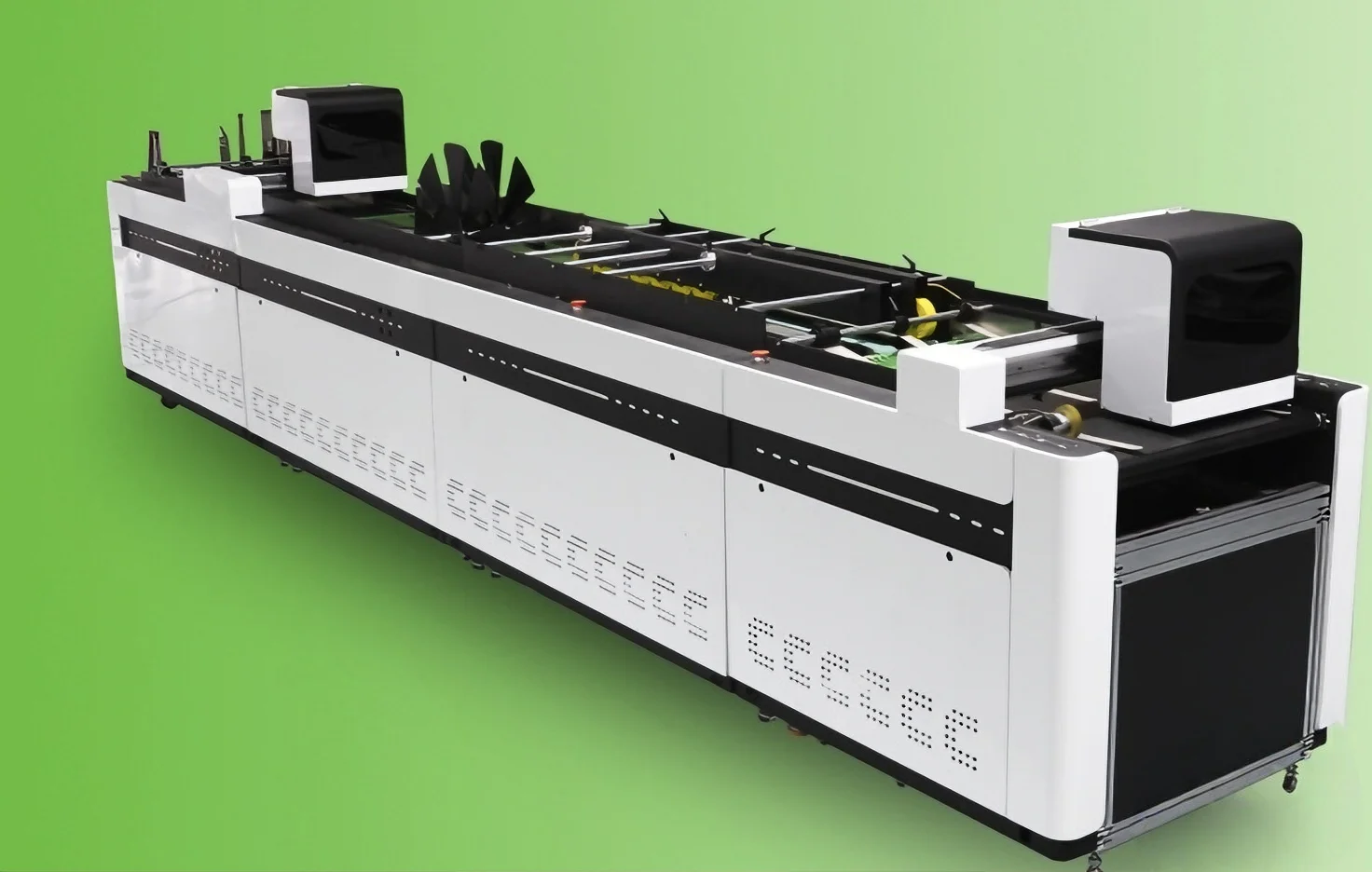
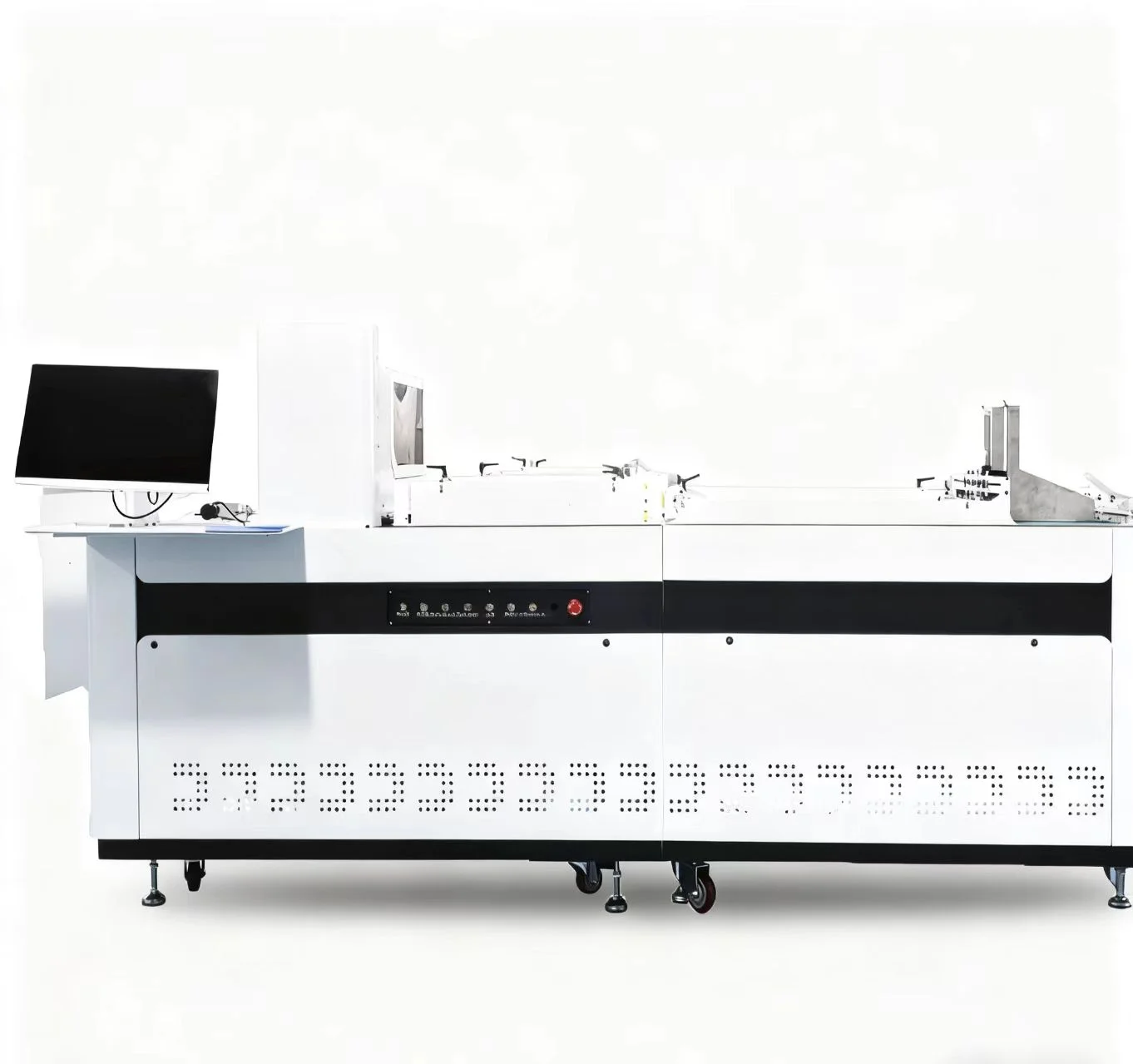
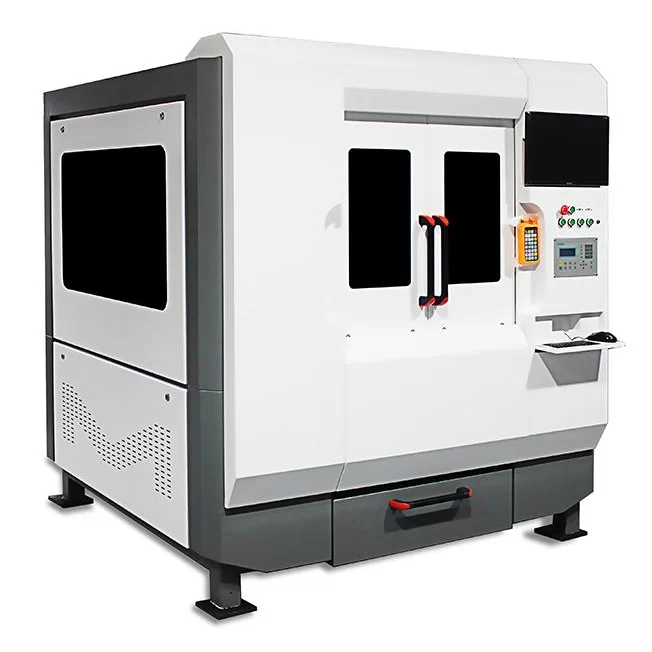
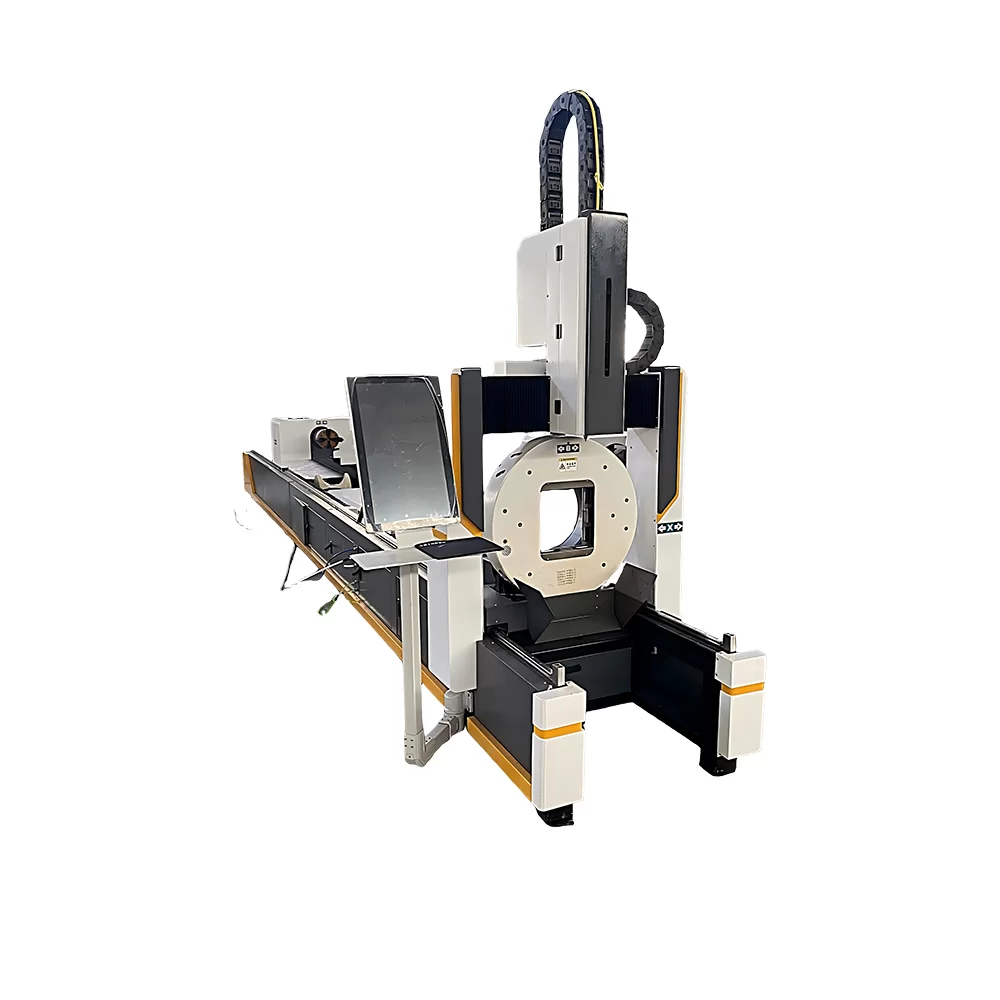
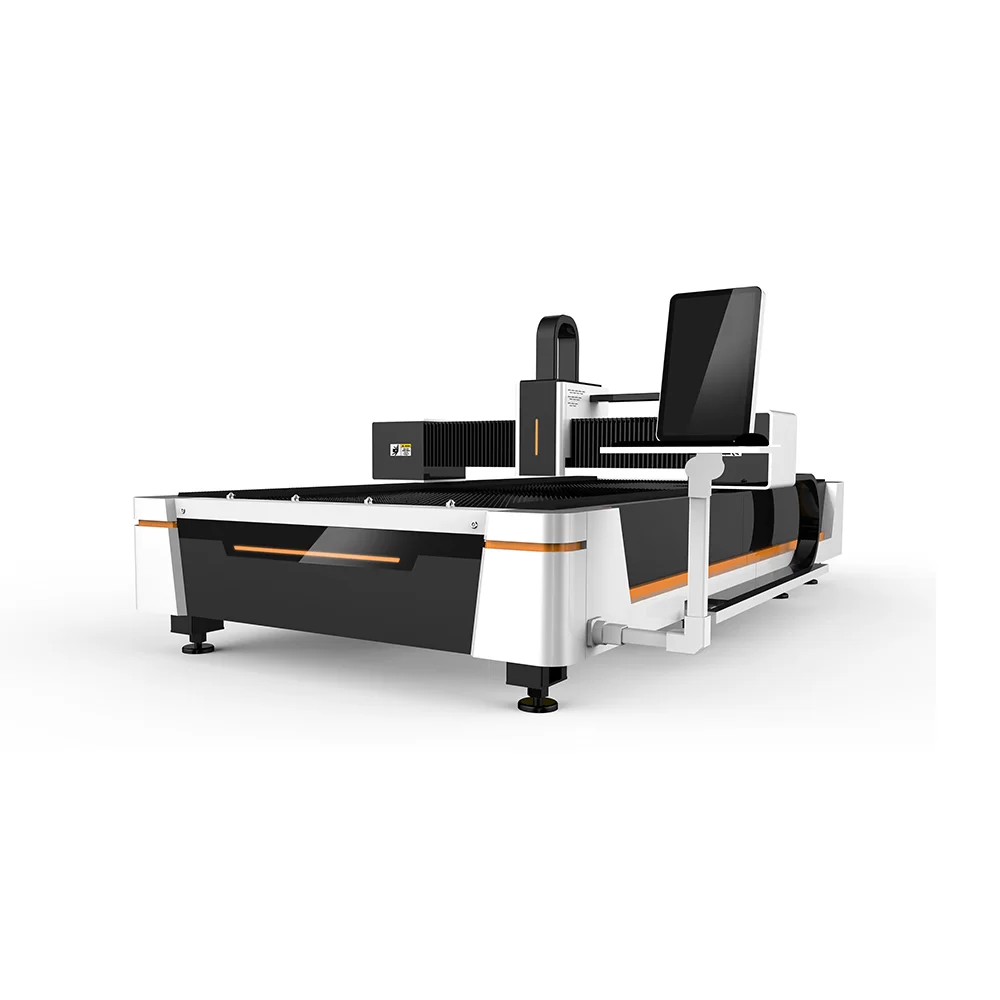
In a world increasingly shaped by rapid manufacturing and precision engineering, the fiber laser metal cutting machine stands out as a pivotal technology. Why does it matter globally? Because with globalization and industrial scaling, the demand for faster, more accurate, and environmentally friendly metal cutting solutions has never been higher. This article dives deep into what these machines are, how they work, why they're integral in multiple sectors, and what the future holds.
The fiber laser metal cutting market has grown tremendously over the past decade. According to reports by the International Organization for Standardization (ISO), precision laser cutting has surged due to its unmatched accuracy and speed, replacing many traditional cutting methods worldwide. For example, the global metal fabrication market is expected to grow at a CAGR of around 5.5% through 2027, owing largely to these advanced cutting tools.
But the challenge that the fiber laser metal cutting machine addresses is multifaceted: industries often face the dilemma of balancing production speed with precision and environmental sustainability. Traditional mechanical cutting tools tend to generate a lot of waste heat and can deform metal, leading to costly reworks. Additionally, high energy consumption and maintenance costs plague older technologies. Enter the fiber laser—a cleaner, faster, and more precise alternative.
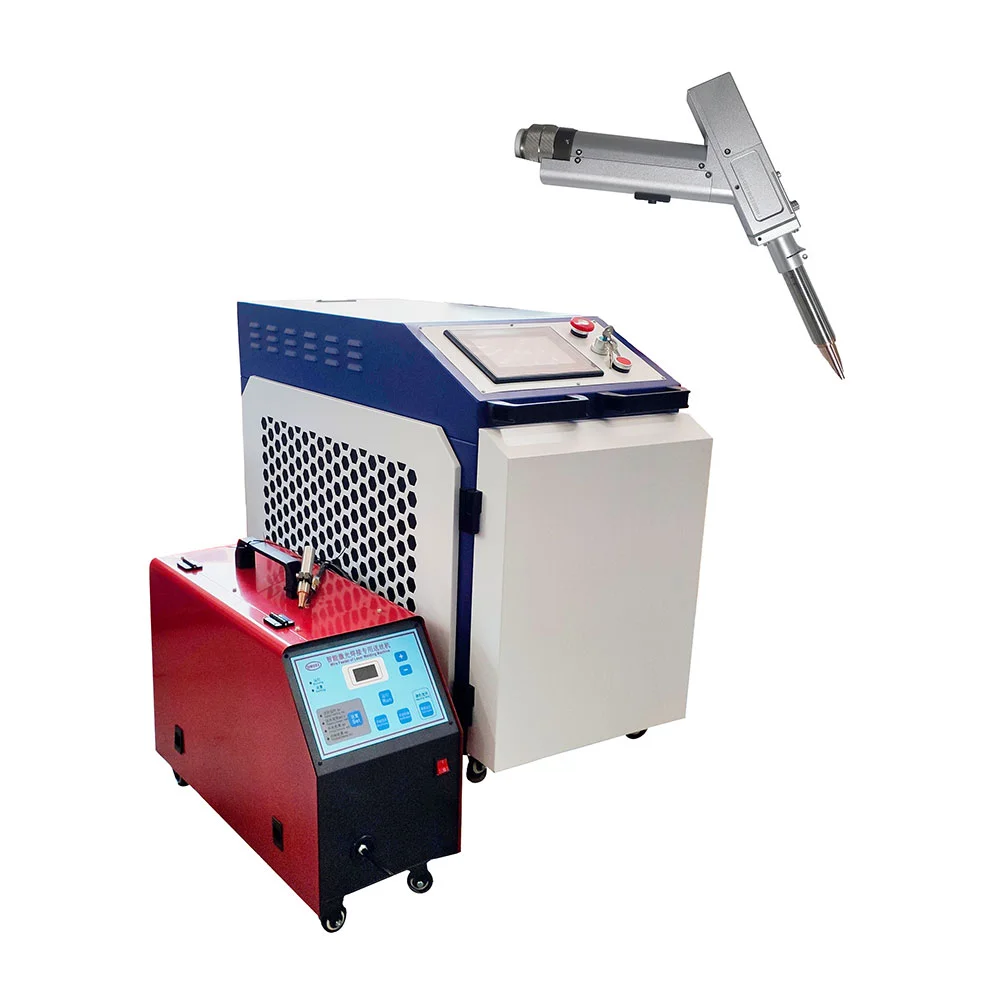
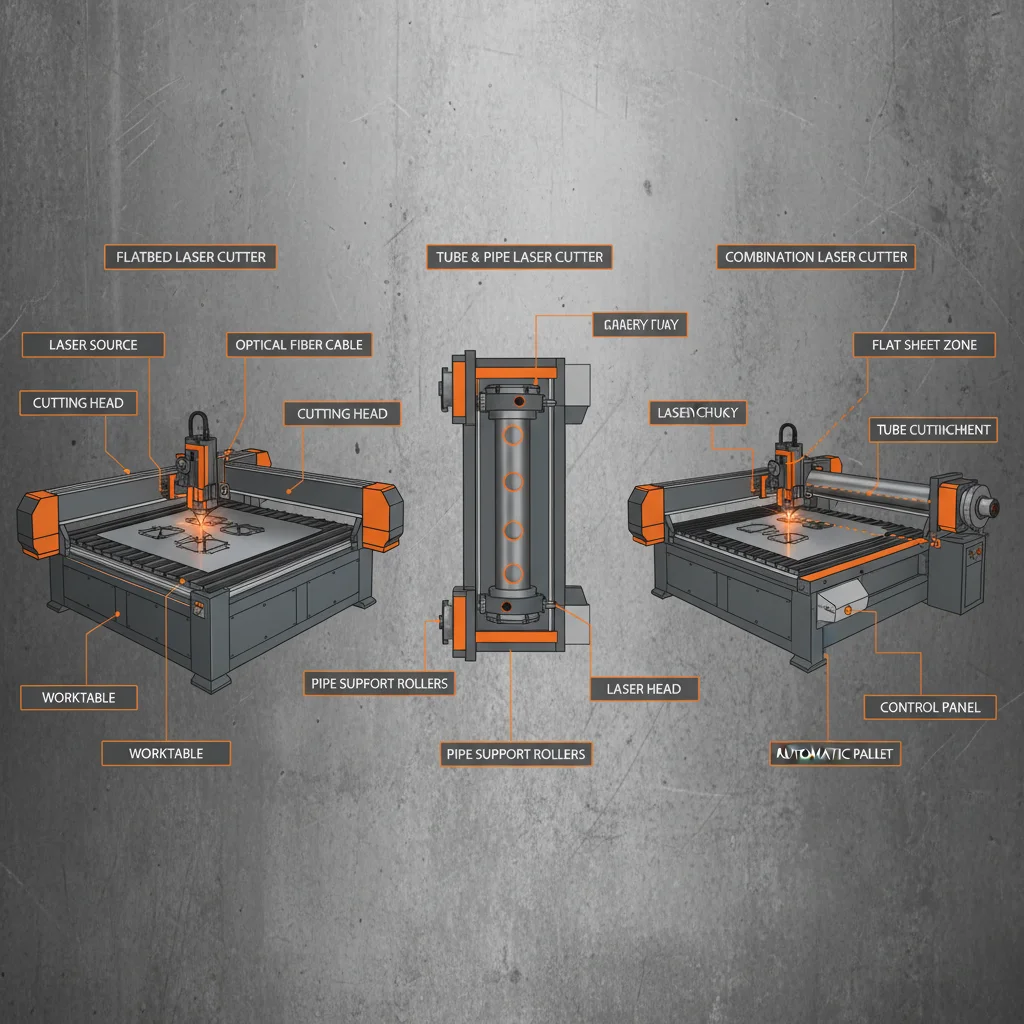
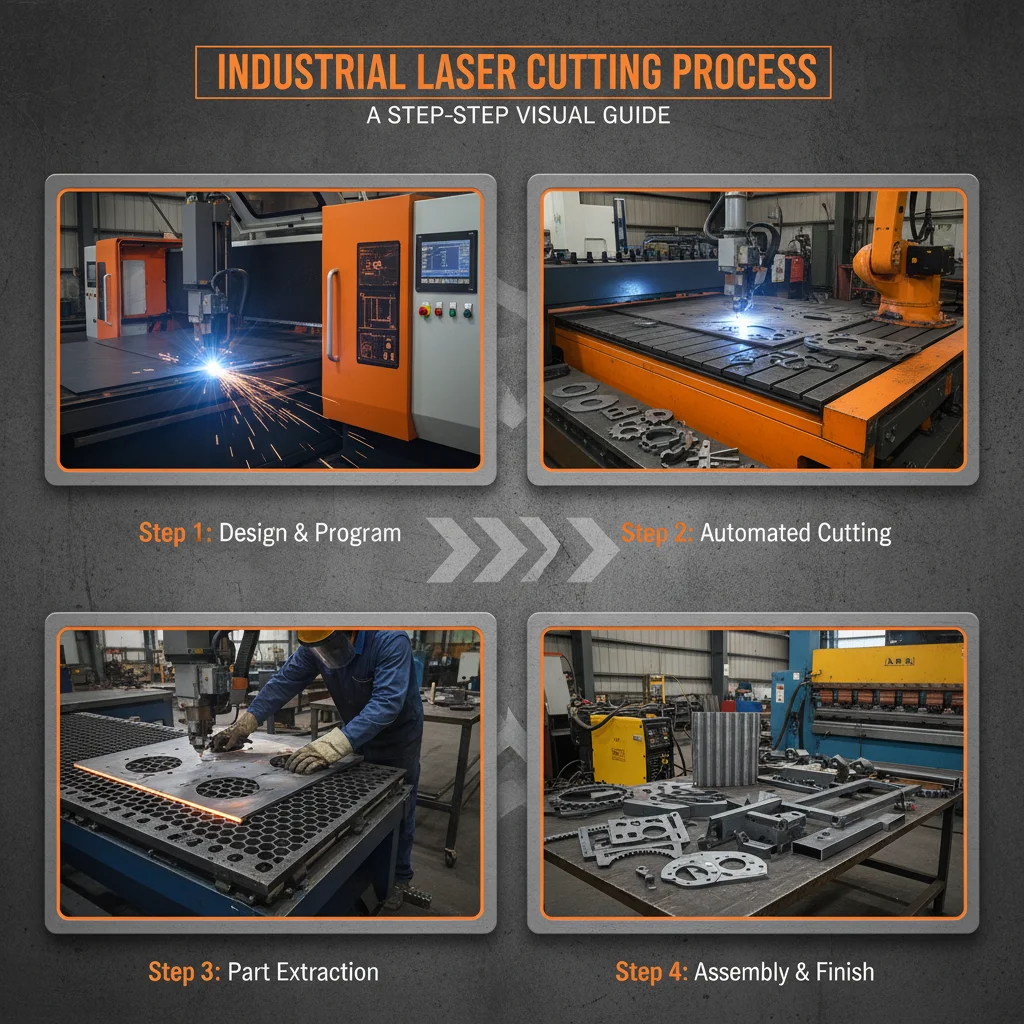
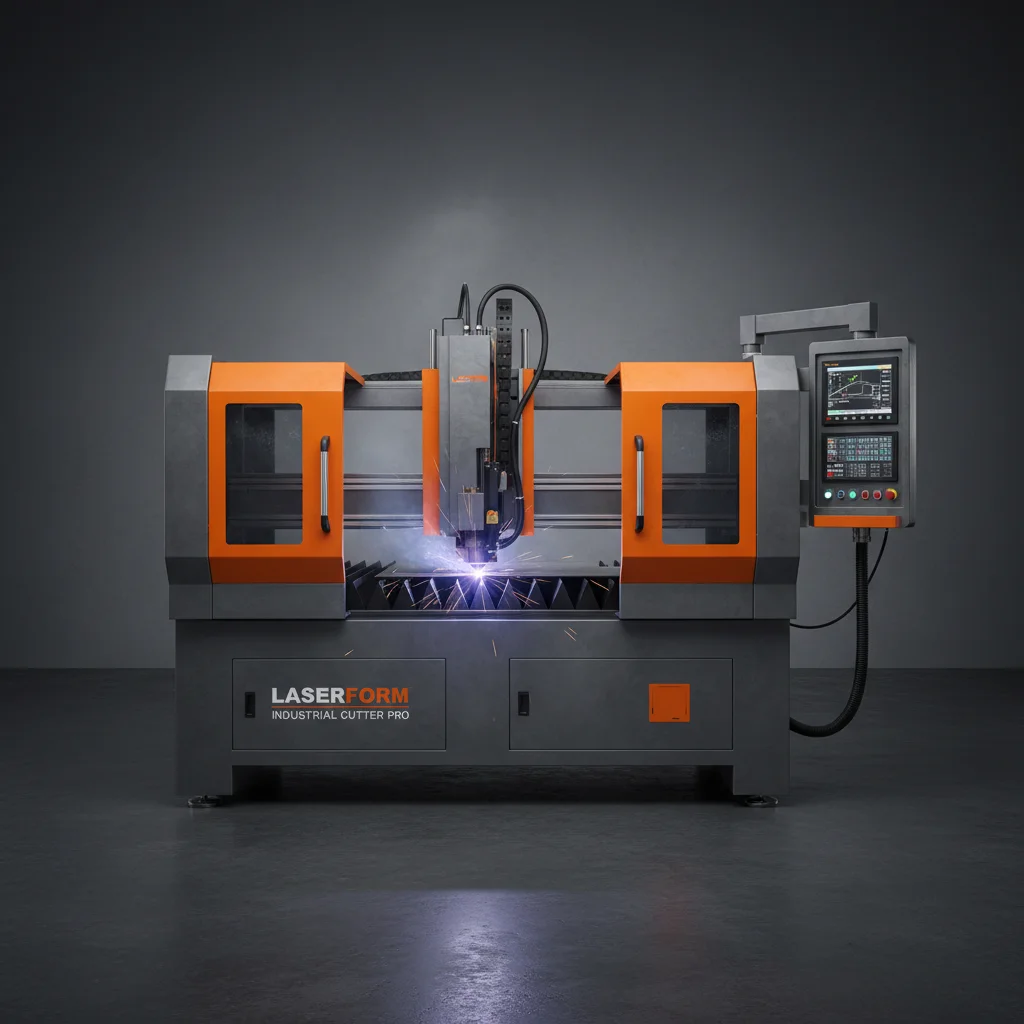
At its core, a fiber laser metal cutting machine uses a fiber laser—a laser generated through an optical fiber doped with rare earth elements—to precisely cut metal sheets of various thicknesses. Unlike CO2 lasers, fiber lasers can deliver higher power density with less energy consumption. They're streamlining fabrication across industries by producing ultra-fine cuts with minimal thermal distortion.
In humanitarian terms, these machines help produce high-quality, durable supplies such as fast-assembly shelters, medical device parts, and renewable energy components quickly and reliably—essential when speed and precision mean saving lives or powering communities.
The power rating, usually between 500W and 12kW, determines the thickness and type of metal that can be cut. Higher power allows cutting thicker or more reflective metals like aluminum and copper.
Speed depends on the laser's quality and software optimization. Faster speeds translate to increased productivity but require finely-tuned control systems to avoid sacrificing cut quality.
A tightly focused beam produces cleaner edges. Fiber lasers maintain excellent beam quality over longer fiber lengths, unlike traditional laser sources.
Fiber lasers typically have fewer moving parts and sealed optical paths, leading to less downtime and lower maintenance costs than CO2 or Nd:YAG lasers.
Modern machines include CNC (computer numerical control) systems allowing integration into automated factory lines—key for scalability in large manufacturing environments.
| Specification | Detail |
|---|---|
| Laser Type | Continuous Wave Fiber Laser |
| Power Range | 1000W - 12000W |
| Max Cutting Thickness (Steel) | 25 mm |
| Max Cutting Speed | Up to 75 m/min |
| Accuracy | ± 0.03 mm |
| Software | CNC Compatible, CAM software integration |
Fiber laser metal cutting machines are truly international workhorses. For instance, manufacturers in Germany and Japan rely heavily on these for automotive components that require exact tolerances. In the US, aerospace companies use them for intricate parts that need to withstand extreme conditions. Meanwhile, in emerging markets like India and Brazil, these machines help expand manufacturing capacity for renewable energy systems, such as wind turbine parts and solar panel mounts.
Oddly enough, they’re also vital in post-disaster relief scenarios. NGOs use parts fabricated by fiber laser cutting to assemble temporary shelters quickly, in areas devastated by natural calamities—high accuracy means parts fit faster, which saves time.
| Vendor | Power Range | Max Cutting Thickness | Automation Features | Warranty (Years) |
|---|---|---|---|---|
| Topstar Laser | 1kW - 12kW | 25 mm | Full CNC Integration, Automated Nesting | 3 |
| LaserTech Pro | 500W - 8kW | 20 mm | Partial Automation, Manual Loading | 2 |
| FiberCut Systems | 2kW - 10kW | 22 mm | Fully Automated Line Integration | 4 |
It’s worth noting the emotional aspect too. When manufacturing delicate medical instruments or critical aerospace components, engineers often say the trust in a machine’s reliability is a weight lifted, an intangible but crucial benefit.
Fiber laser cutting is not static. The push toward Industry 4.0 is leading these machines to be smarter — integrated with AI-based quality control, edge computing, and predictive maintenance. Combined with green manufacturing efforts, future models will likely use renewable energy sources exclusively.
Material science is also evolving. New metal alloys designed for additive manufacturing are demanding adaptable cutting technologies, and fiber lasers are stepping up. Plus, multi-axis cutting heads and hybrid laser/plasma systems promise even greater design freedoms.
Still, not everything is perfect. Fiber laser cutting machines require significant upfront investment, and operators need skilled training to harness full potential. Also, certain reflective metals can present cutting challenges.
However, innovations like real-time reflectivity sensors and improved software algorithms are making these hurdles more manageable. Leasing programs and flexible financing are also easing the financial barriers for smaller companies.
The fiber laser metal cutting machine is more than just a tool; it’s a transformative technology that’s reshaping manufacturing worldwide. Offering unmatched precision, efficiency, and sustainability, it’s poised to meet the challenges of modern industry and humanitarian needs alike. Whether you’re scaling a factory or pioneering new engineering feats, exploring fiber laser cutting technology is a wise investment.
Ready to discover the perfect fiber laser solution? Visit our website: Topstar Laser to explore options tailored to your needs.
That’s a brief glimpse into a world where light literally shapes metal — shaping the future one cut at a time.
Fiber laser metal cutting is an exciting intersection of precision engineering and environmental responsibility. Like much technology, it demands smart investment and continual learning but offers significant payoffs. For those curious, ISO standards on laser cutting (ISO 11553) and industry reports from the World Bank on manufacturing growth provide excellent further reading.