Shijiazhuang Topstar
International Trading Co., Ltd.


Get In Touch
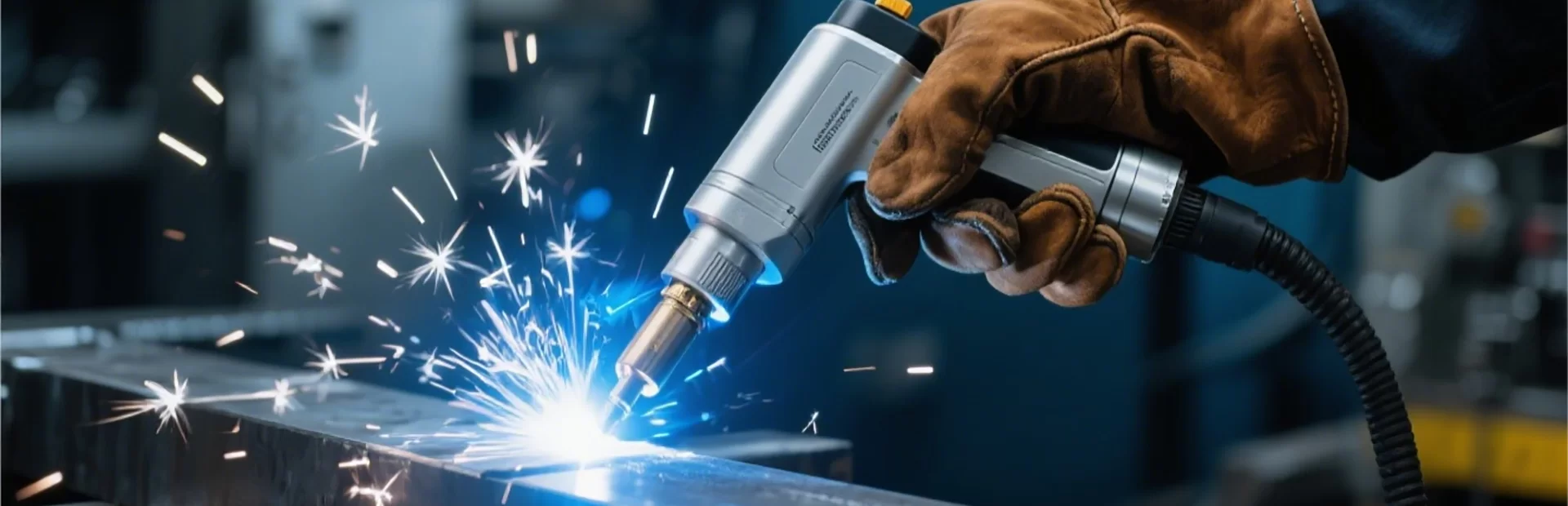
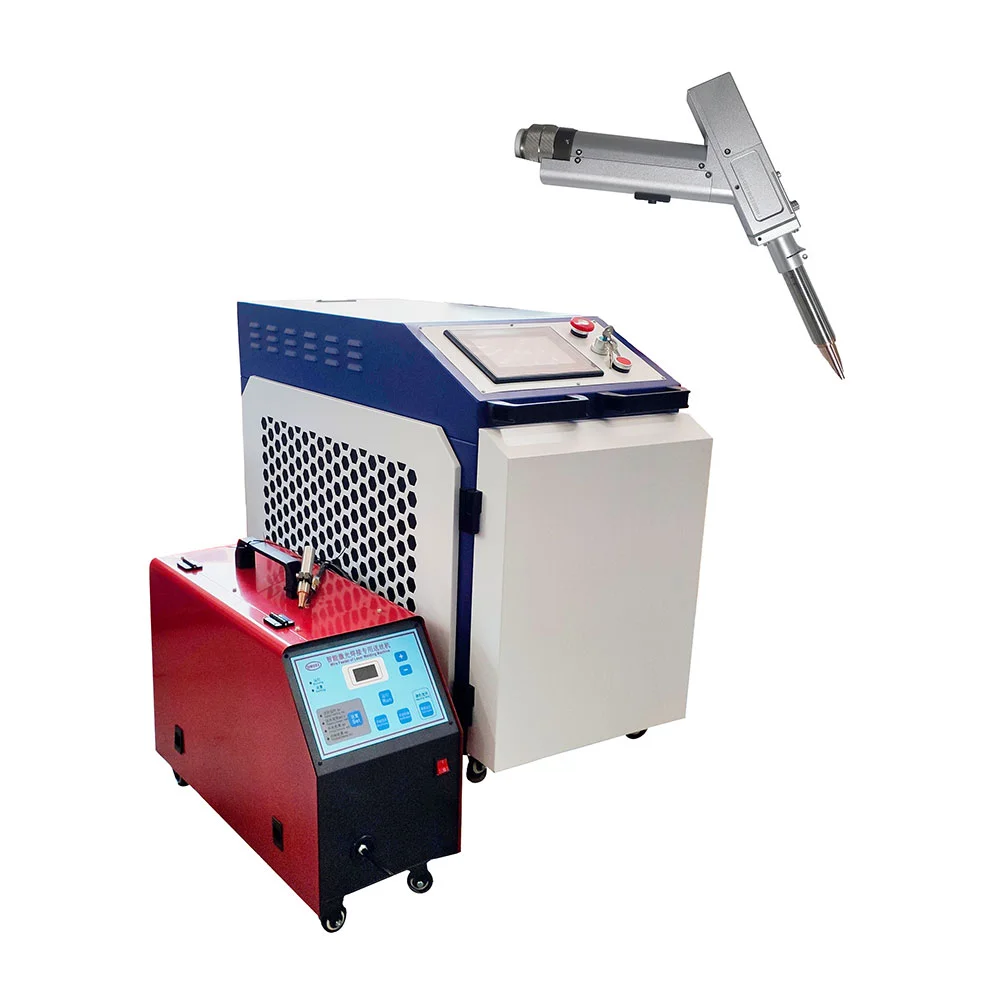
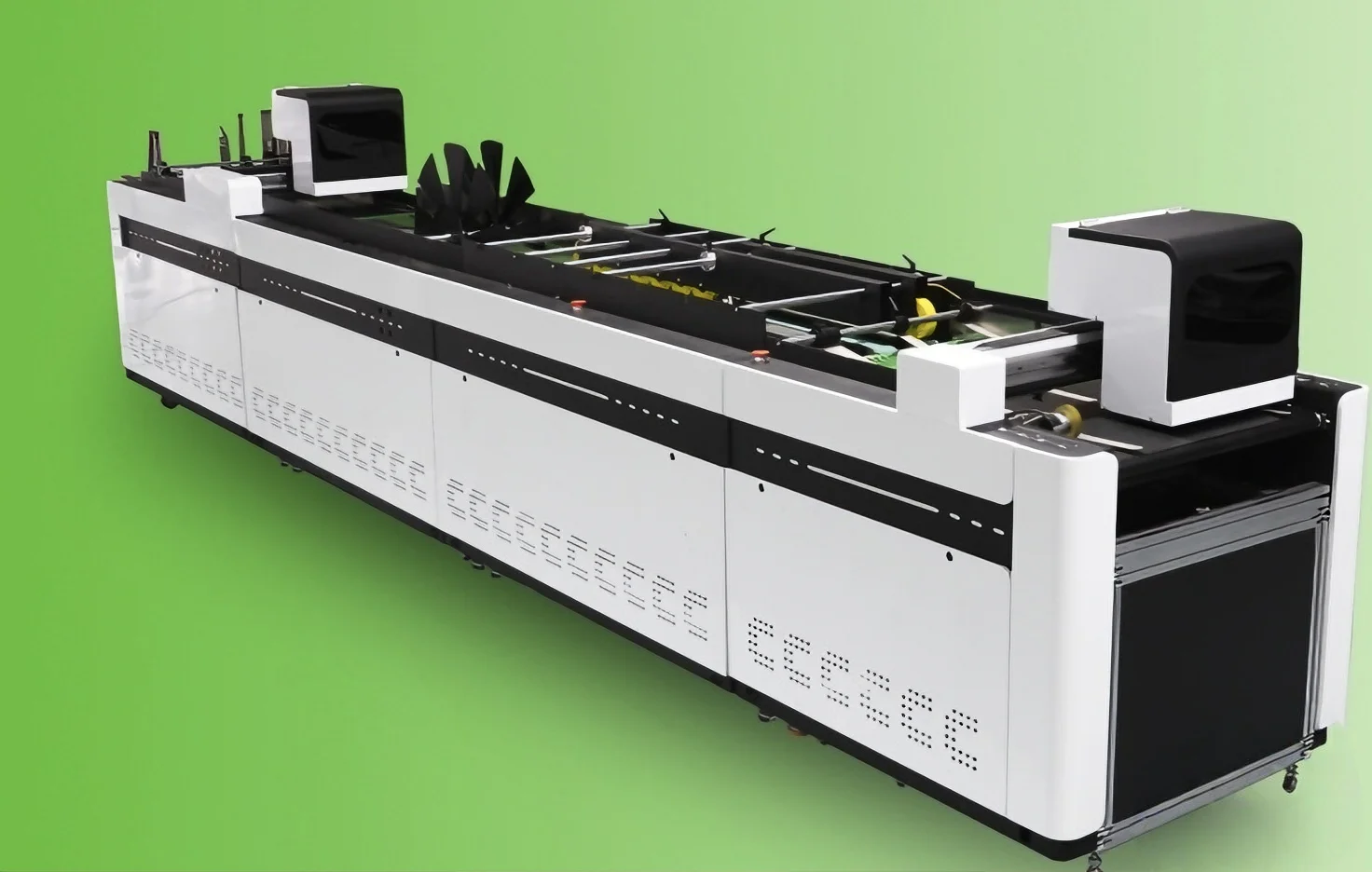
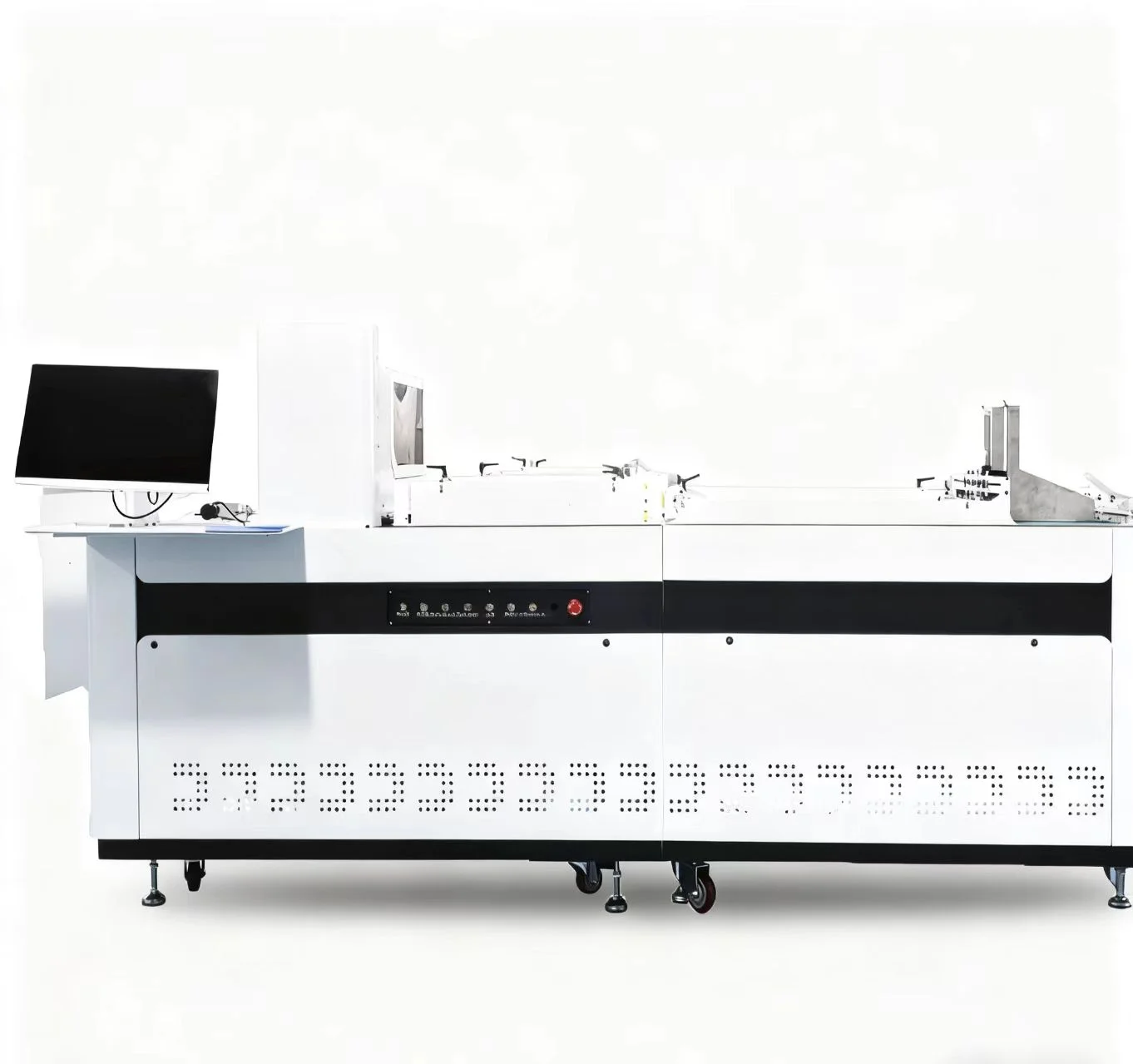
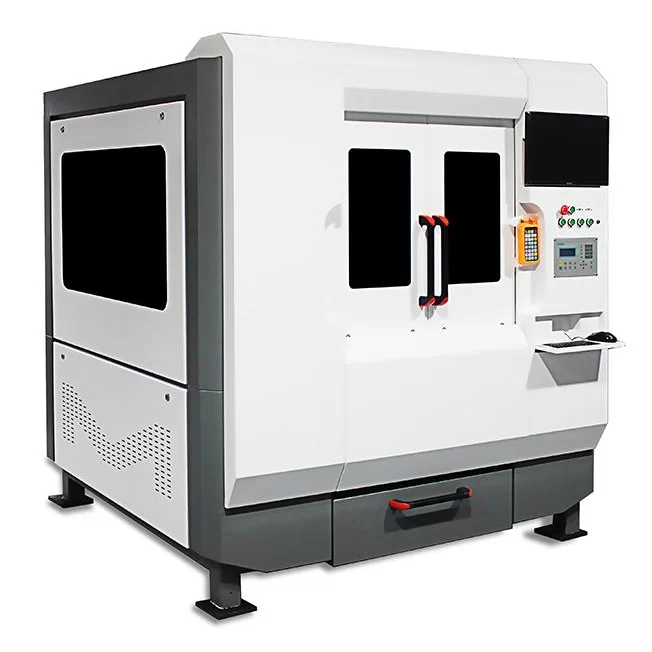
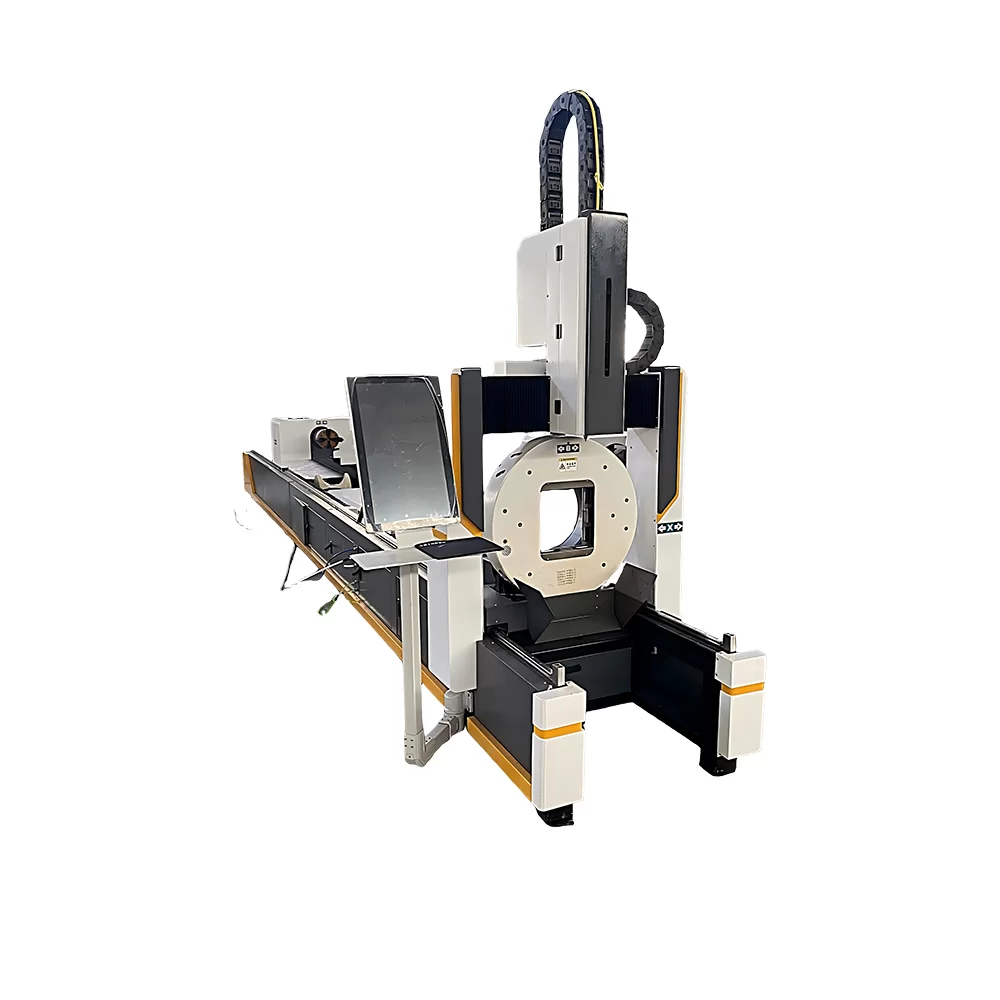
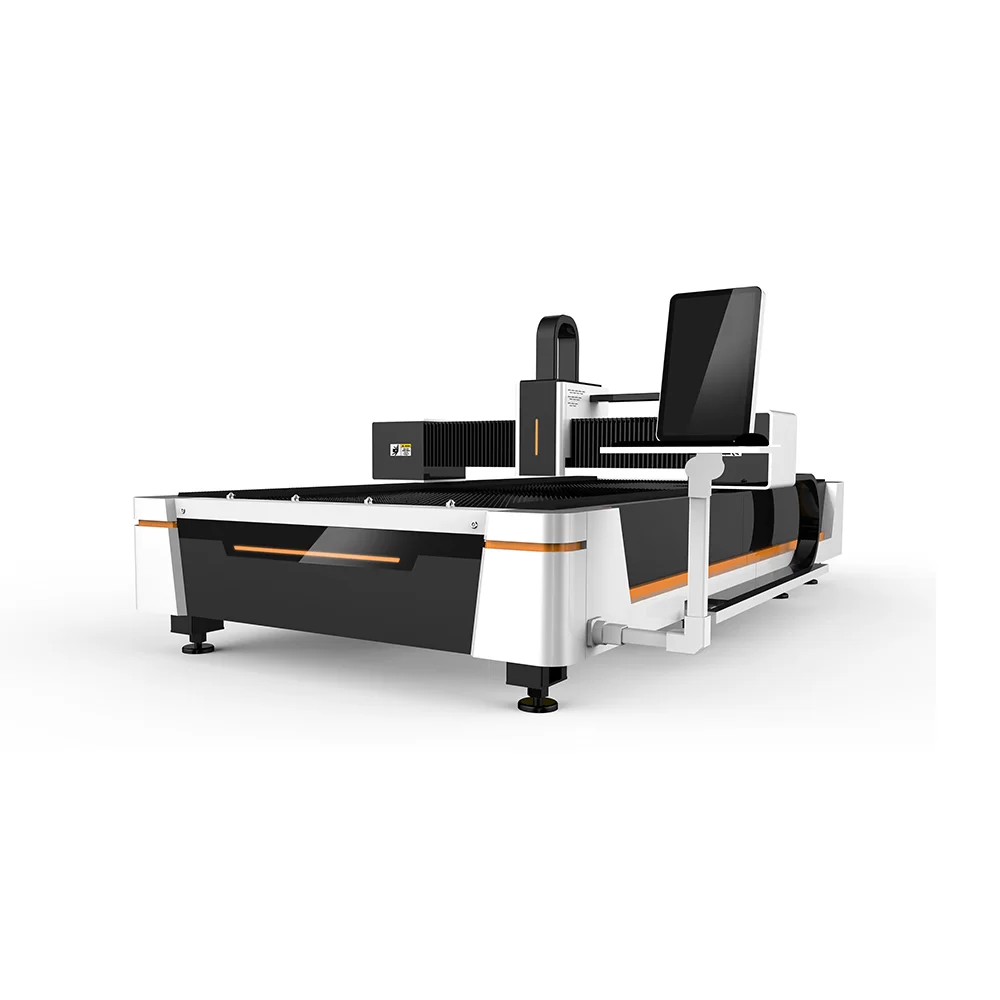
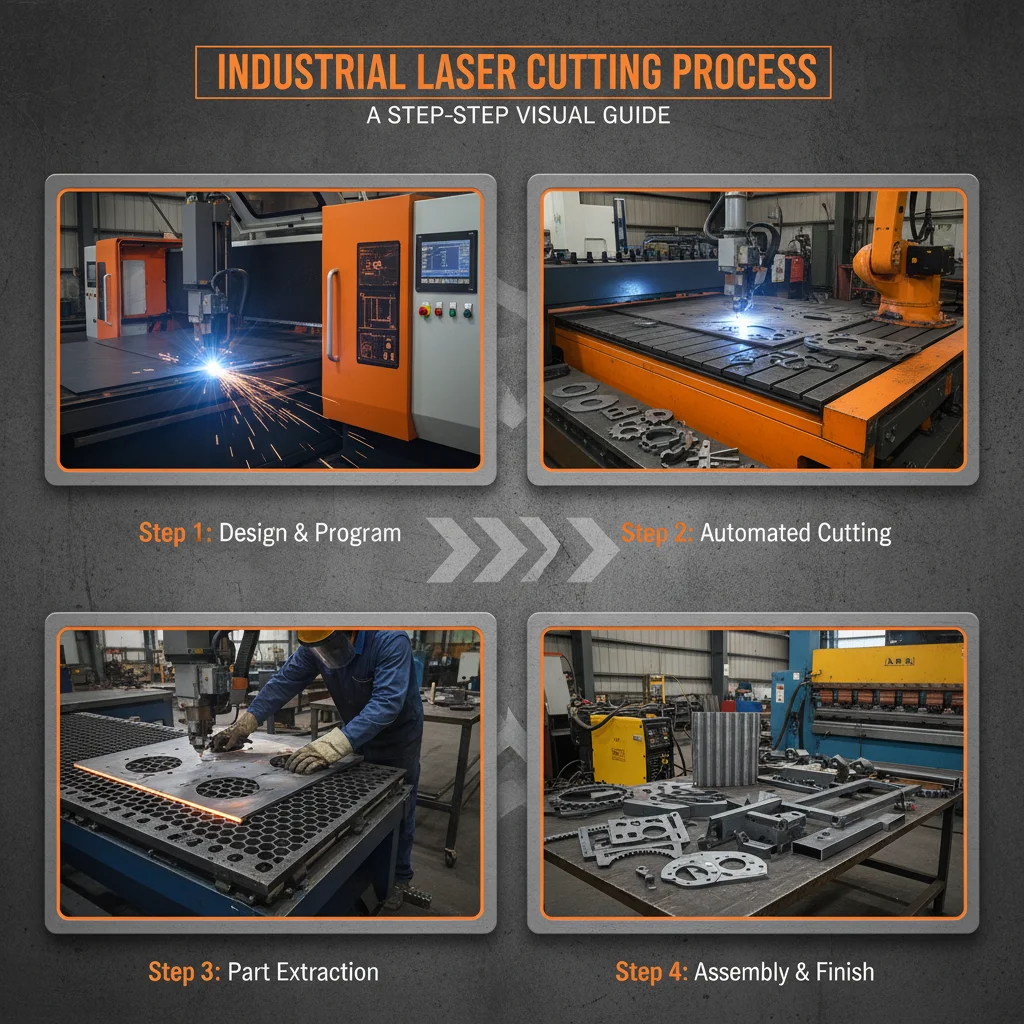
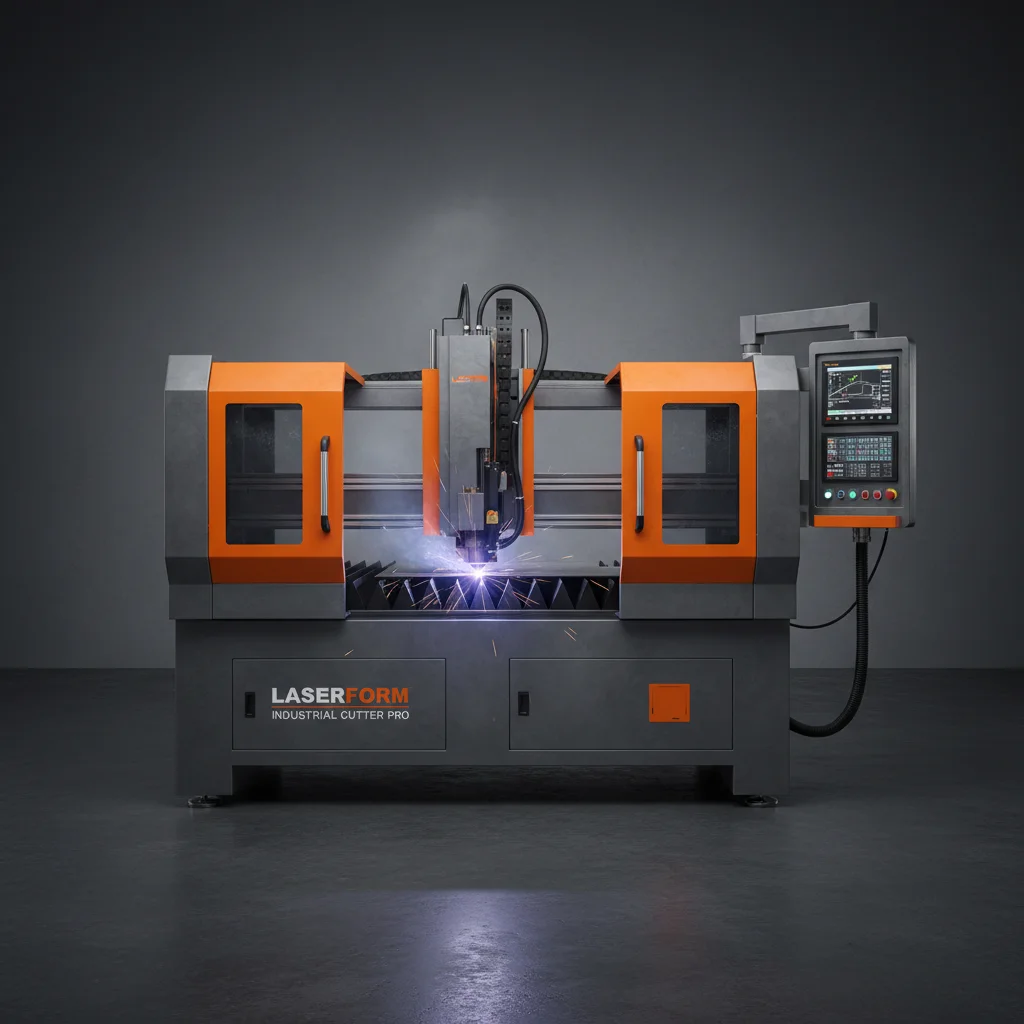
Having spent years in the industrial equipment sector, I can attest that few technologies have revolutionized metal cutting quite like the CO2 metal laser cutting machine. Oddly enough, when I first started, it felt like a leap from the old-school mechanical cutters that seemed archaic even then. Today, these machines are invaluable for precision, speed, and versatility.
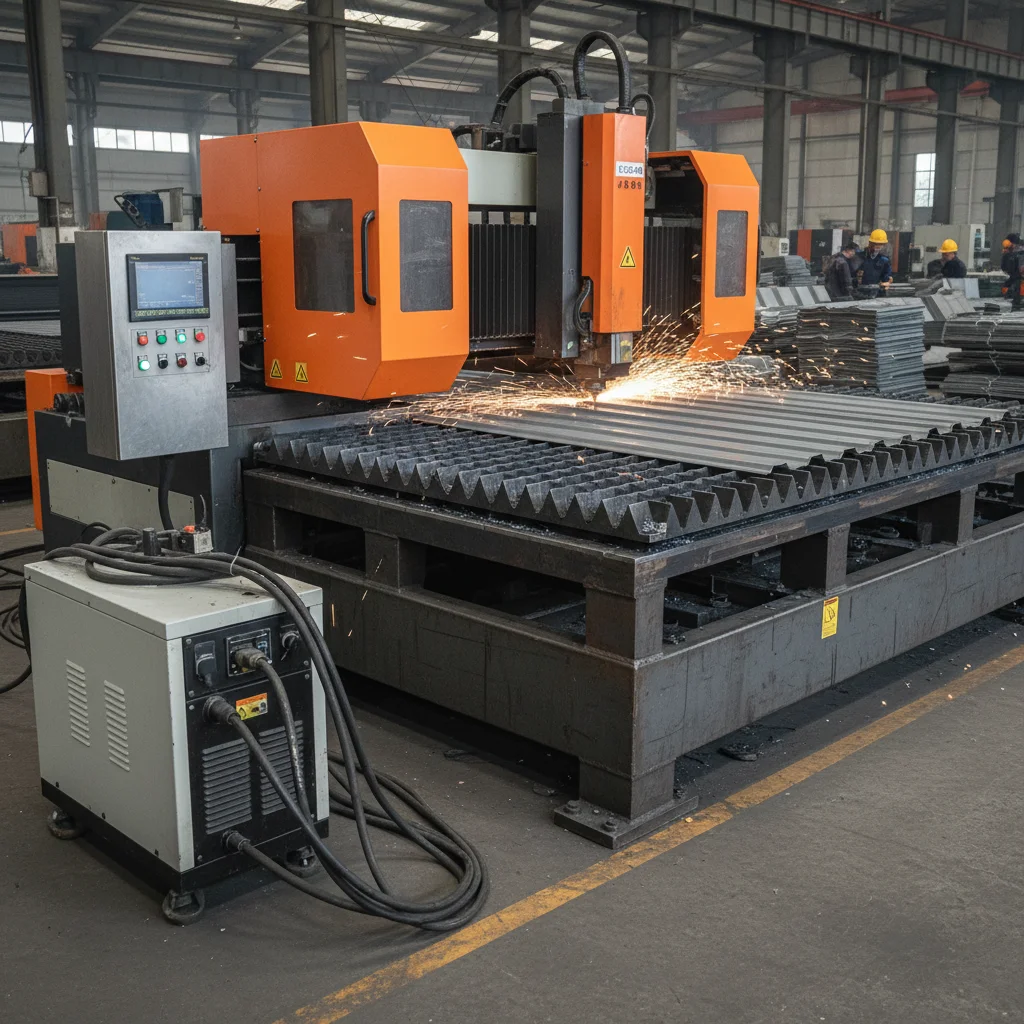
CO2 lasers operate by exciting carbon dioxide molecules to emit infrared light, which, concentrated into a finely controlled beam, can melt or vaporize metal surfaces with remarkable accuracy. This makes them highly suitable for cutting a wide range of metals from mild steel to stainless steel and aluminum — materials I often saw shaping automotive parts, industrial components, and bespoke architectural details.
One of the aspects I find particularly impressive is how this technology blends power with finesse. The laser's cutting head can be adjusted for thicknesses as thin as 0.5 mm, going up to about 20 mm, depending on the model and power rating. Working side-by-side with fabricators, I noticed many engineers emphasize the cost-efficiency gains thanks to reduced material waste and minimal post-processing. It feels kind of like having a craftsman and workhorse rolled into one machine.
| Parameter | Value |
|---|---|
| Laser Power | 500W – 6000W |
| Max Cutting Thickness (Mild Steel) | Up to 20 mm |
| Cutting Speed | Up to 30 m/min |
| Working Area | 1500 x 3000 mm or customizable |
| Positioning Accuracy | ±0.03 mm |
| Cooling System | Water-Cooled |
The design variations across manufacturers are subtle but important. For instance, some vendors prioritize automation — integrating dynamic nozzle height adjustment and gas flow control to optimize cutting quality on different metals. Others focus on ruggedness and minimal maintenance, which I found invaluable for clients operating 24/7 shifts. There’s also a trend to customize software interfaces to make programming easier for shop floor operators who aren’t necessarily laser-specialists.
Speaking of vendors, I’d like to share a quick comparison I jotted down from years of evaluating options in the market:
| Feature | Topstar Laser | Vendor B | Vendor C |
|---|---|---|---|
| Laser Power Range | 500W – 6000W | 1000W – 4000W | 500W – 5000W |
| Software Usability | User-friendly, multi-language | Standard GUI | Basic controls |
| Customization Options | Extensive (custom work area, power) | Limited | Moderate |
| After-Sales Support | 24/7 technical service, training | Business hours only | Email support |
| Typical Industries Served | Automotive, aerospace, architecture | General manufacturing | Small workshops |
A quick anecdote: I recall one client who switched to a CO2 metal laser cutting machine to increase throughput in a demanding aerospace contract. They reported a reduction in waste by nearly 15%, paired with cleaner edges and less rework — a game changer in such a precision-driven industry. You know, it’s these stories that underscore why walking the floor and chatting with operators matters.
Frankly, while fiber lasers have gained popularity, CO2 lasers still hold a solid niche especially when working with thicker mild steel or where lower initial investment is a key factor. Plus, the ability to customize their setup keeps them relevant despite newer tech trends.
In real terms, if you’re considering one for your shop, factors like power options, software friendliness, and vendor support are critical. And that’s exactly where Topstar Laser has shown real dedication to clients — a rare mix of robust engineering and attentive service that many industrial buyers appreciate.
So, whether you run a small workshop or a large factory floor, the CO2 metal laser cutting machine is worth considering if your priorities include precision, flexibility, and proven uptime.
To sum up: it’s a versatile, dependable tool that’s stood the test of countless applications — which, after all these years in the sector, still surprises me how well it adapts to evolving industrial needs.
I suppose the bigger takeaway is that no matter how advanced our tools get, it’s the experience combined with technology that truly moves metal cutting forward.