
Shijiazhuang Topstar
International Trading Co., Ltd.


Get In Touch
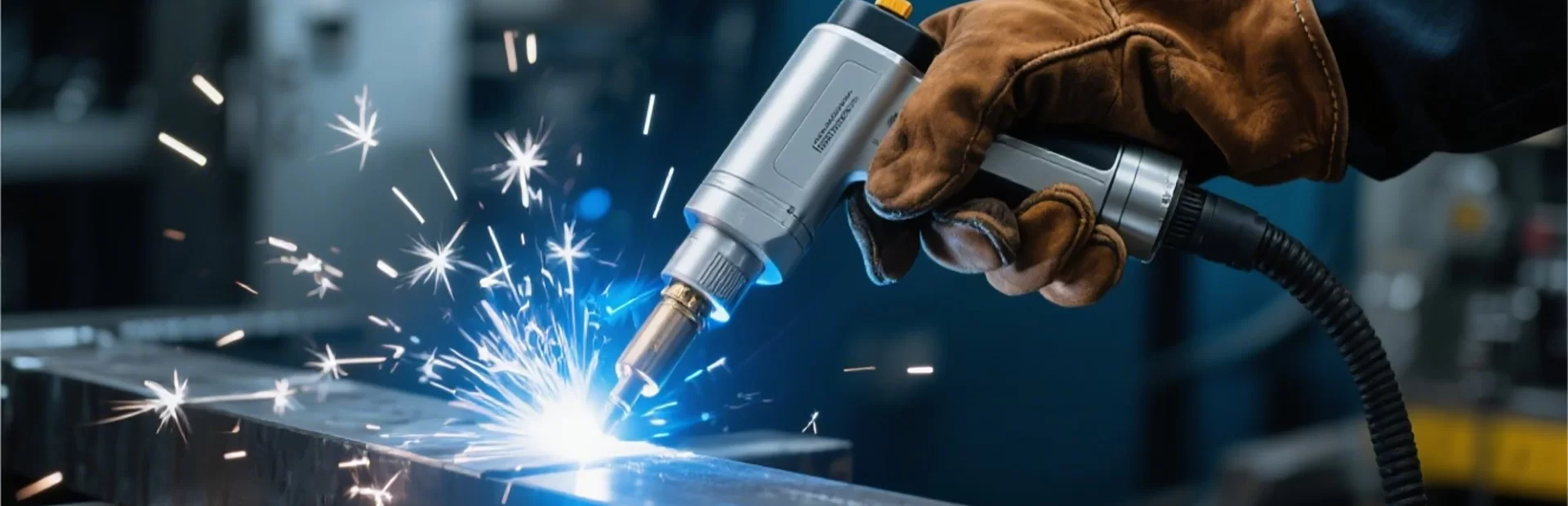
In the modern industrial landscape, precision and efficiency are the cornerstones of competitive manufacturing. The adoption of a high-performance cnc laser cutter steel system has revolutionized how fabricators approach metalwork, offering unmatched accuracy and speed. Whether you are producing intricate artistic designs or heavy-duty industrial components, understanding the nuances of laser technology is essential for optimizing your production line. This guide will explore everything from technical capabilities to operational benefits, ensuring you make an informed investment for your business growth.

A cnc laser cutter steel operates by directing a high-powered laser beam through a lens to melt, burn, or vaporize the metal. The "CNC" (Computer Numerical Control) aspect allows the machine to follow a precise digital path designed in CAD software, eliminating human error and ensuring repeatability across thousands of parts. By utilizing assist gases such as oxygen or nitrogen, the machine blows away the molten material, resulting in a clean, narrow kerf and a smooth edge finish that often requires little to no secondary processing.
Pro Tip: The choice of assist gas is critical. Oxygen is typically used for carbon steel to increase cutting speed via an exothermic reaction, while nitrogen is preferred for stainless steel to prevent oxidation and maintain a bright edge.
Switching to a cnc laser cutter steel provides a significant edge over traditional plasma or mechanical cutting. The primary advantage is the extreme precision, allowing for tighter tolerances and more complex geometries. Additionally, because the laser is a non-contact tool, there is no tool wear and minimal deformation of the workpiece. This leads to reduced material waste, as parts can be nested more closely together, directly improving the bottom line for fabrication shops.
Operational Benefits:
• High-speed processing for rapid turnaround
• Minimal heat-affected zone (HAZ) preventing warping
• Ability to cut extremely intricate patterns
• Lower labor costs due to automation
When shopping for a cnc laser cutter steel, the most critical decision is choosing between Fiber and CO2 lasers. Fiber lasers have become the industry standard for steel due to their superior energy efficiency and higher cutting speeds on thin to medium materials. CO2 lasers, while versatile for non-metals, are generally slower and more expensive to maintain. For most steel fabrication needs, Fiber technology offers a lower cost-per-part and a longer operational lifespan.
The versatility of the cnc laser cutter steel makes it indispensable across various sectors. In the automotive industry, it is used for precision chassis components and custom brackets. In aerospace, where tolerances are critical, laser cutting ensures structural integrity. Even in the architectural sector, laser cutting allows for the creation of stunning facade panels and intricate steel sculptures. The ability to handle different grades of steel—from mild to high-carbon—ensures that a single machine can serve multiple project requirements.

Selecting the right cnc laser cutter steel requires a deep dive into the technical specs. Power output (measured in Watts or kW) determines the maximum thickness the machine can cut effectively. For instance, a 1kW laser may handle thin sheets, while a 12kW+ system is required for thick industrial plates. Bed size is another critical factor, as it dictates the maximum sheet dimensions you can process. Below is a general specification table for common industrial steel laser configurations:
Investing in a professional cnc laser cutter steel machine is more than just a hardware upgrade; it is a strategic move toward operational excellence. By combining precision, speed, and versatility, laser cutting enables businesses to meet the most demanding industry standards while reducing waste and overhead. Whether you are starting a new fabrication shop or scaling an existing plant, the right laser system will provide the reliability and accuracy needed to stay ahead of the competition.
The "best" power depends entirely on the thickness of the material. For thin sheets (1-3mm), a 1kW to 2kW fiber laser is usually sufficient and highly efficient. However, for industrial-grade stainless steel plates exceeding 10mm, you will likely need a machine with 6kW or more to maintain cutting speed and edge quality. We recommend assessing your most common workpiece thickness before choosing a power rating to ensure you aren't overpaying for unused capacity or struggling with underpowered equipment.
Yes, while CNC machines are automated, operating a high-power laser requires specific training in CAD/CAM software (like AutoCad or CypCut) and safety protocols. Operators must understand how to set the focal point, adjust feed rates, and manage gas pressures. Furthermore, safety training is paramount, as laser beams can cause permanent eye damage or fire if not handled correctly. Most reputable suppliers, such as Topstar Laser, provide comprehensive onboarding and training to ensure your team can operate the equipment safely and efficiently.
One of the biggest advantages of fiber lasers is their low maintenance compared to CO2 systems. There are no mirrors to align or gas mixtures to refill for the laser source itself. However, daily and weekly maintenance is still required for the consumables. This includes cleaning the protective windows, checking the chiller water levels, and lubricating the guide rails. A well-maintained cnc laser cutter steel can operate for years with minimal downtime, provided these basic care steps are followed.
Modern fiber lasers are equipped with "anti-reflection" technology that prevents the laser beam from bouncing back into the source, which was a major issue in older machines. This allows them to cut reflective metals like stainless steel and aluminum safely. However, it is always important to ensure your machine has the appropriate back-reflection protection features installed to safeguard the laser source and ensure the longevity of the equipment.


