Shijiazhuang Topstar
International Trading Co., Ltd.


Get In Touch
The transition from traditional mechanical cutting methods to high-energy light amplification has marked a turning point in the history of industrial production. Today, the ability to slice through dense alloys with sub-millimeter precision is not just an engineering luxury but a fundamental requirement for global supply chains. As we move deeper into an era of automated manufacturing, the focus has shifted toward refining the efficiency, mobility, and accessibility of these systems. This evolution is driven by significant breakthroughs in fiber optics and the competitive landscape of international manufacturing, which together have democratized access to what was once considered "space-age" technology.
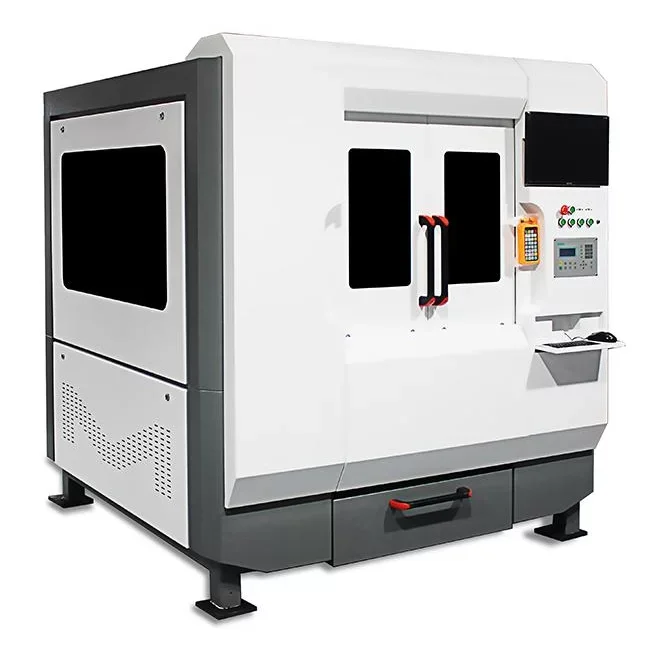
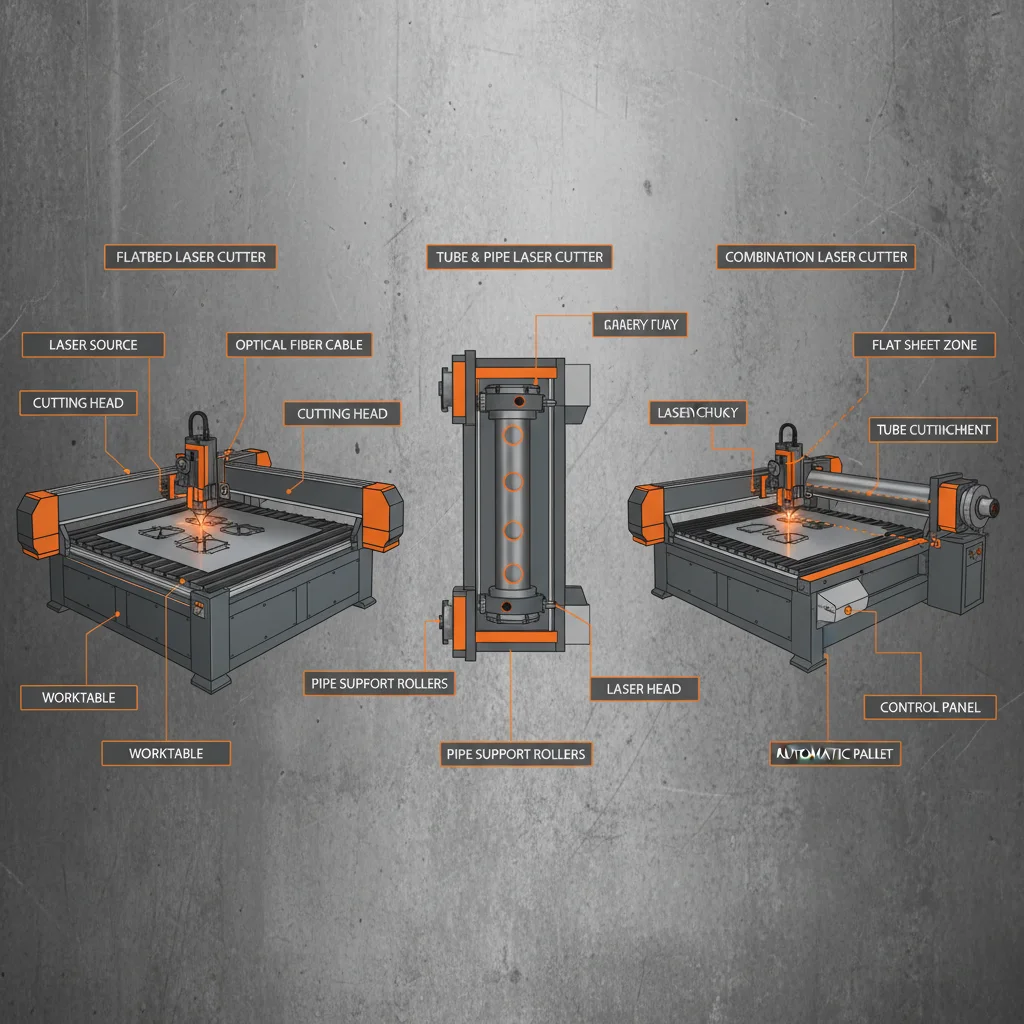
To understand the current state of metal fabrication, one must first recognize the fundamental shift in the different types of laser cutters that define the modern workshop. Historically, the industry relied heavily on CO2 laser systems, which utilize a gas mixture stimulated by electrical discharge. While CO2 lasers remain the gold standard for engraving and cutting non-metallic materials like organic polymers and wood, they face significant physical limitations when encountering highly reflective metals. The energy from a CO2 beam is often reflected off the surface of copper or aluminum, leading to wasted energy and potential damage to the machine's optics.
The emergence of the fiber laser solved this dilemma by generating a beam through a medium of doped glass fibers. The resulting wavelength is roughly ten times shorter than that of a CO2 laser, allowing it to be absorbed with extreme efficiency by metallic surfaces. This advancement in the different types of laser cutters has allowed for higher cutting speeds and a significantly lower cost of operation. Furthermore, the solid-state nature of fiber technology means there are no internal mirrors to align and no gas tubes to refill, resulting in a machine that is far more durable in rugged industrial environments. As businesses evaluate their production needs, the choice between these technologies often dictates their long-term scalability and the range of materials they can effectively process.
The rapid proliferation of laser technology across the globe is largely due to the massive manufacturing ecosystem developed by laser cutting machine manufacturers in China. Over the past two decades, this region has evolved from a secondary supplier to a global powerhouse of research and development in the laser sector. By leveraging a highly integrated supply chain that produces everything from high-power laser sources to precision linear guides, these manufacturers have successfully reduced the "barrier to entry" for small and medium-sized enterprises worldwide.
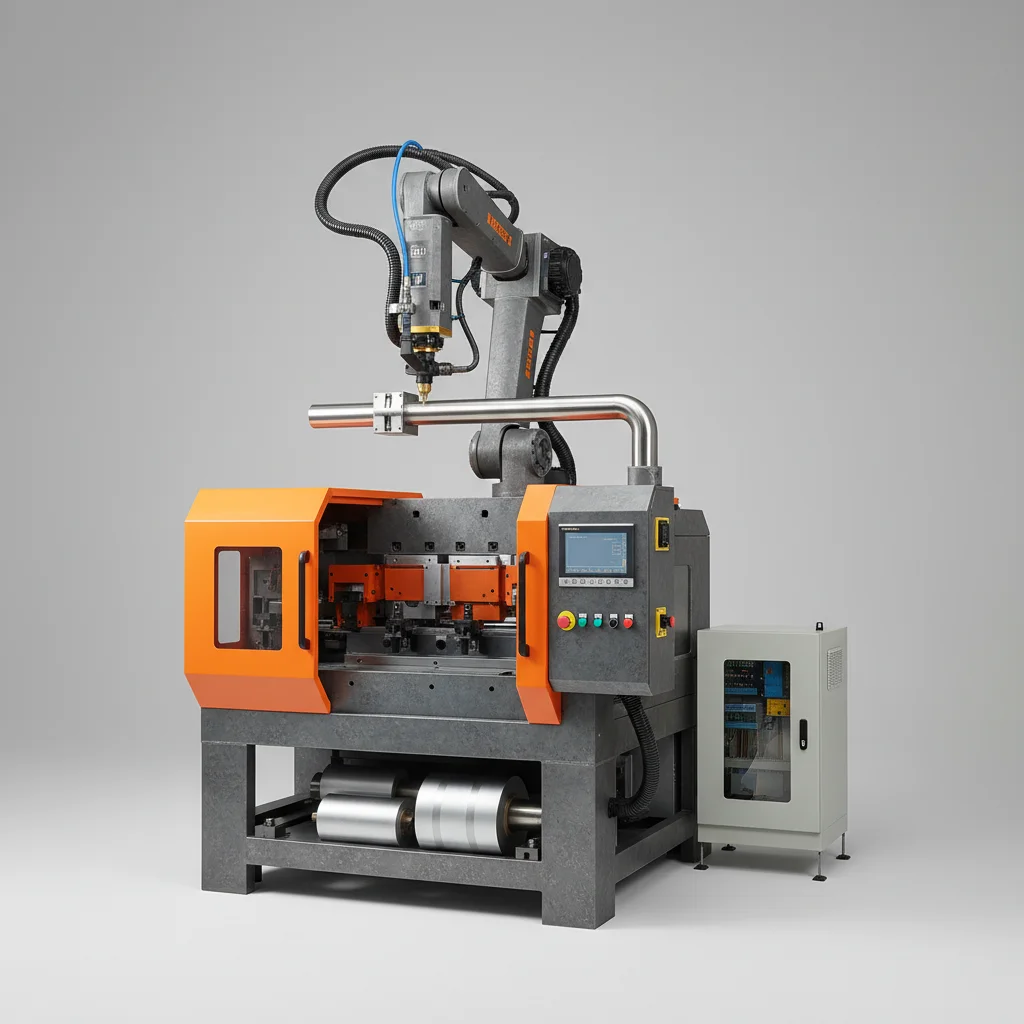
A partnership with reputable laser cutting machine manufacturers in China offers more than just competitive pricing; it provides access to the latest iterations of high-wattage technology. These manufacturers are currently leading the push toward ultra-high-power systems, with many machines now exceeding 30kW of output. Such power allows for the "single-pass" cutting of incredibly thick plates that previously required plasma or waterjet systems. However, the value provided by these manufacturers also rests in their ability to integrate sophisticated software with the hardware. Modern Chinese systems often feature advanced nesting algorithms that minimize material waste and automated nozzle changing systems that reduce manual labor. This combination of hardware power and software intelligence has forced the global market to accelerate its own innovation cycles to keep pace.
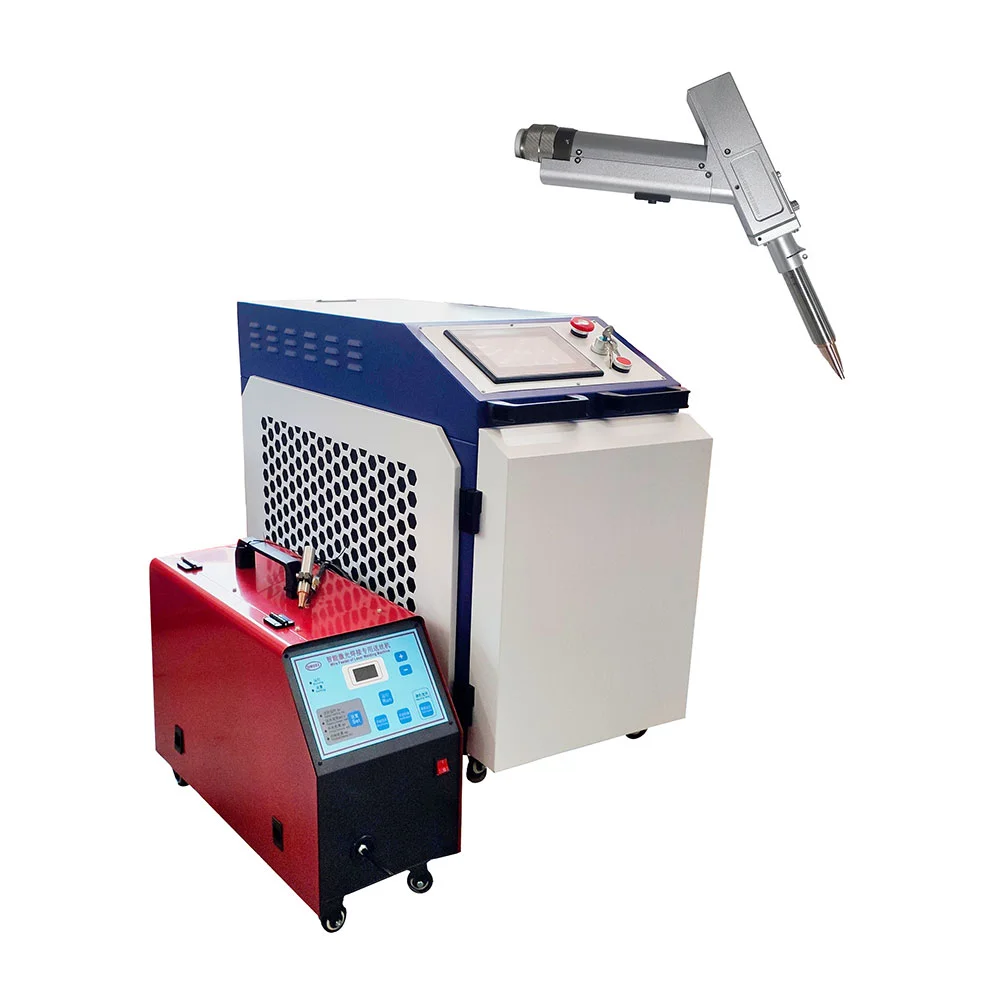
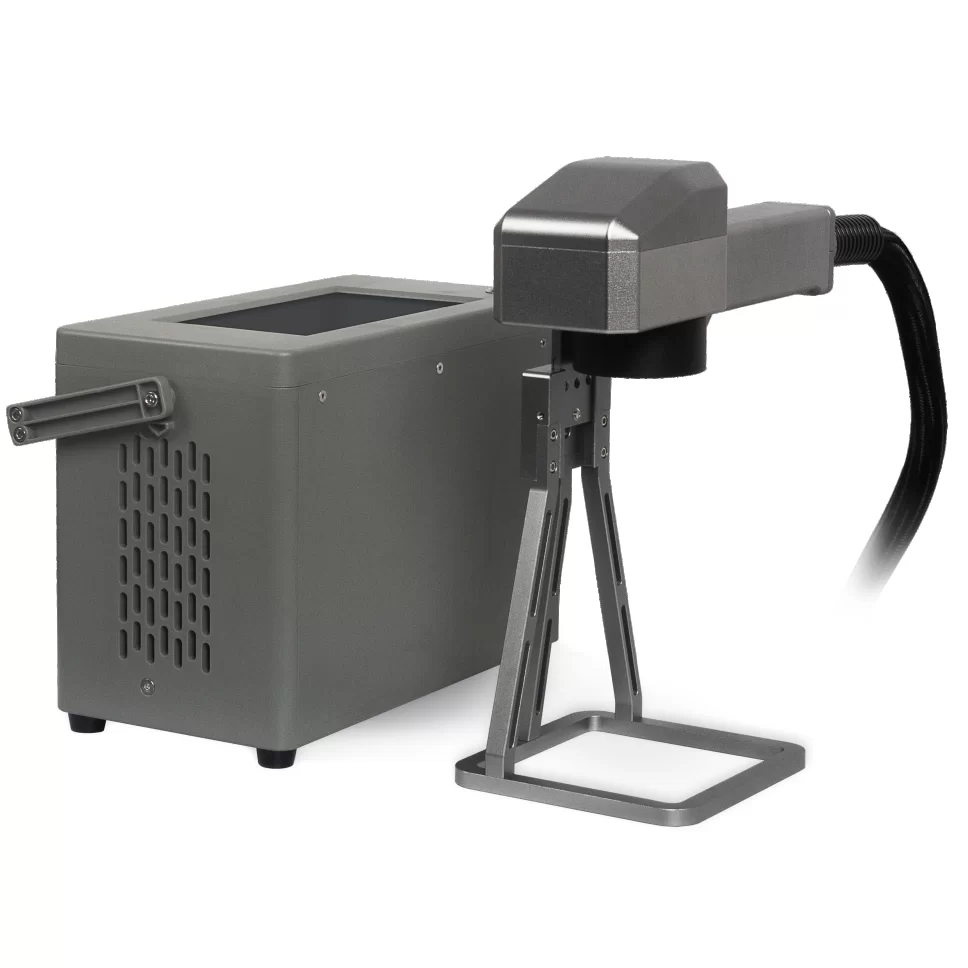
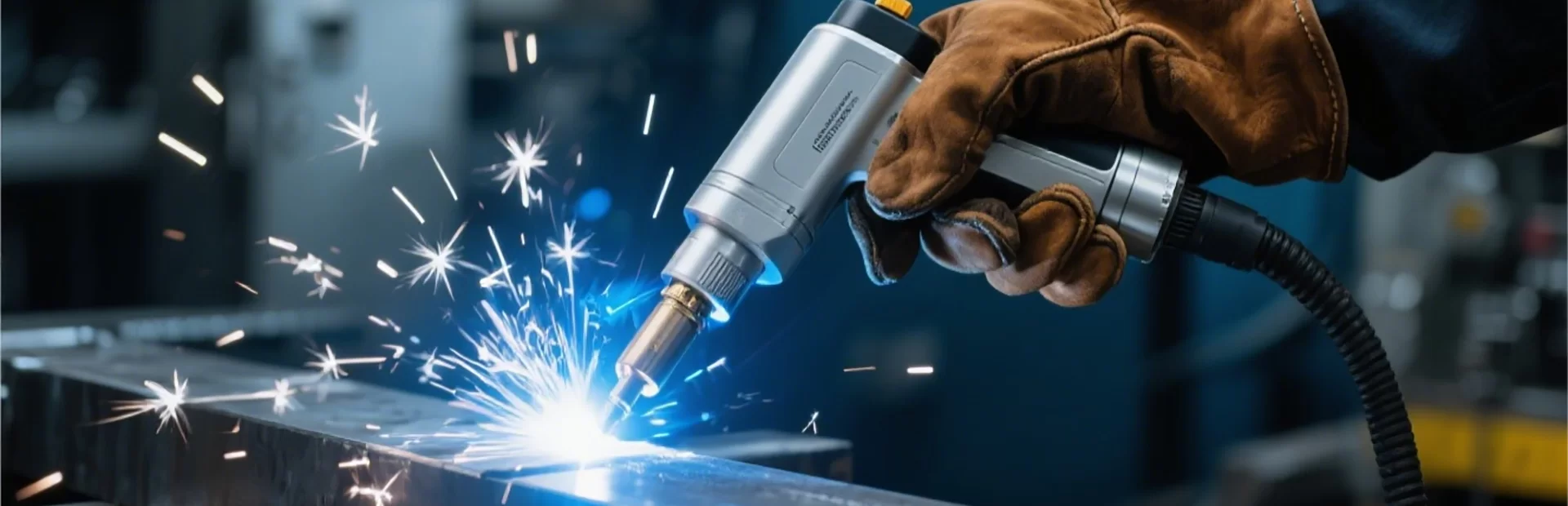
Perhaps the most disruptive development in recent years is the miniaturization of fiber laser components, which has led to the availability of the handheld laser metal cutter for sale. For a long time, laser cutting was synonymous with massive, stationary CNC beds that required a dedicated facility and a flat work surface. The handheld revolution has shattered this paradigm, bringing the precision of a fiber laser directly into the hands of the operator on the construction site or the repair floor.
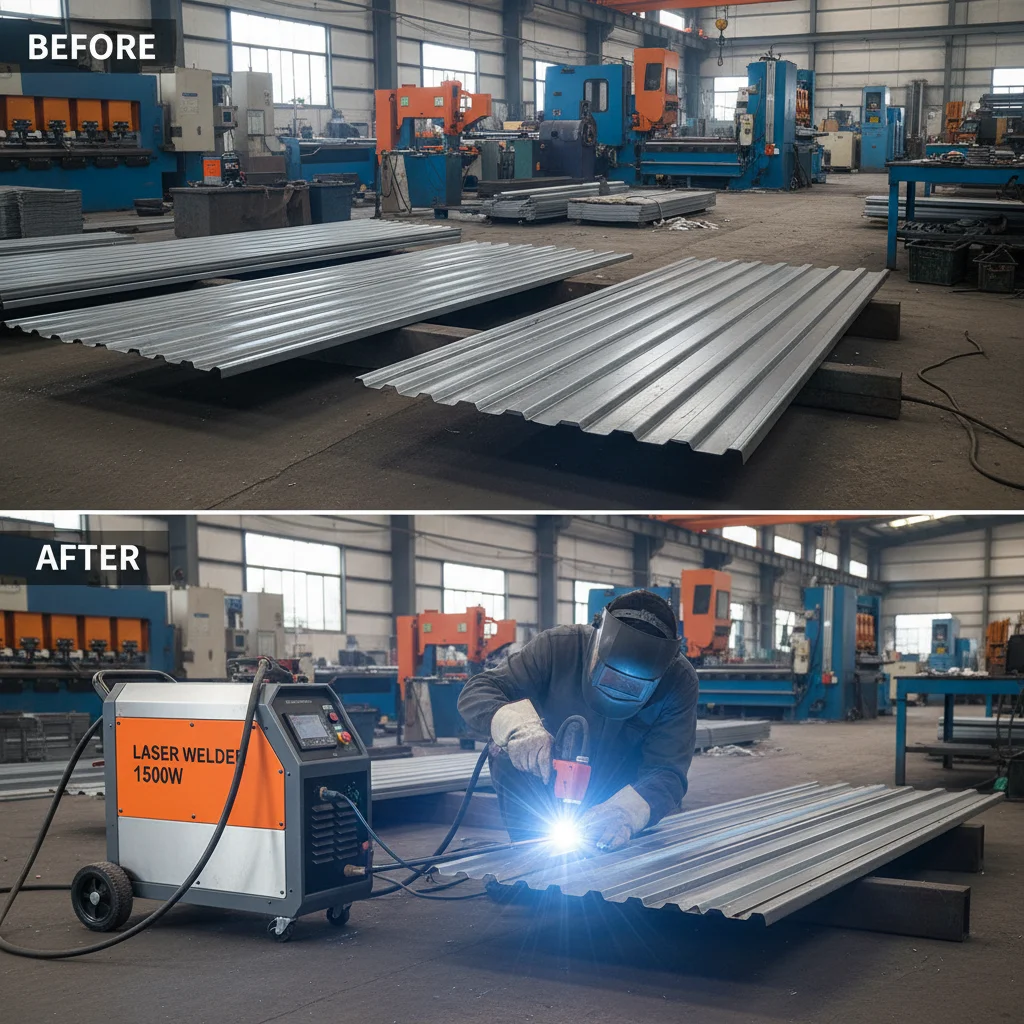
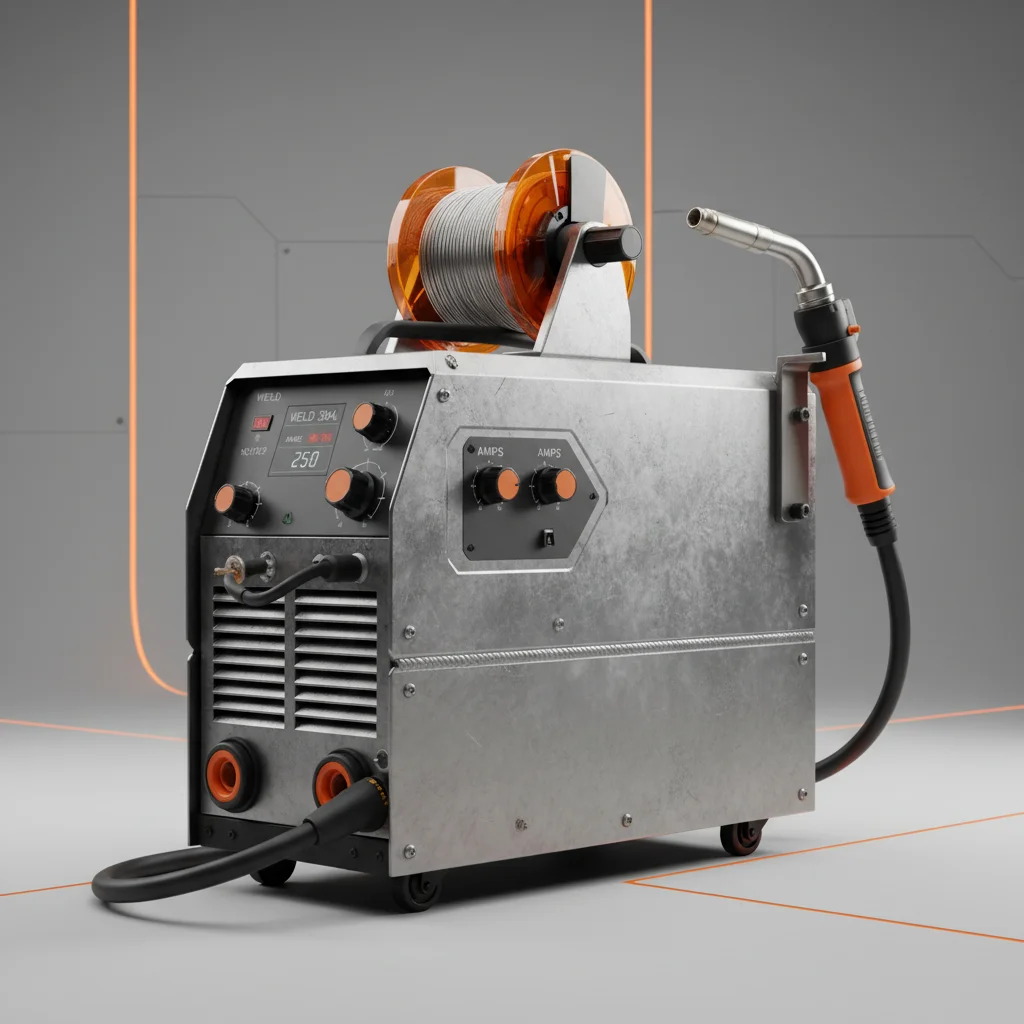
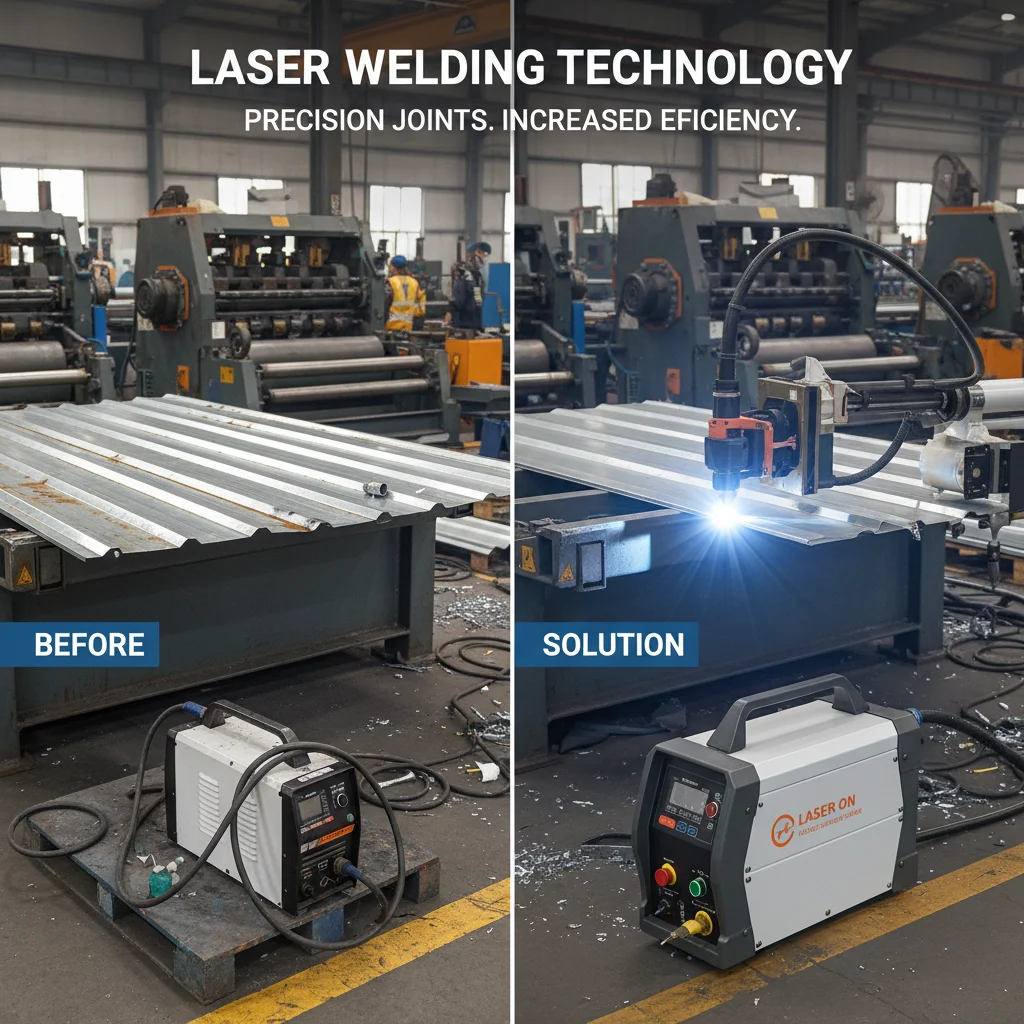
The appearance of a handheld laser metal cutter for sale has created a new category of "mobile fabrication." These units are typically designed as multi-functional tools capable of cutting, welding, and cleaning surfaces. In a ship-building or heavy equipment repair context, a technician can use a handheld laser to cut out a damaged section of a steel hull and then switch modes to weld a replacement plate into place—all with the same power source. This versatility eliminates the need for multiple heavy machines and the time-consuming transport of large components to a machine shop. Because the beam is delivered through a flexible armored cable to a lightweight ergonomic gun, the operator can reach angles and tight spaces that are impossible for a traditional gantry-style machine. This mobility represents a fundamental shift in how we think about "precision," moving it from a controlled lab environment to the dynamic reality of the field.
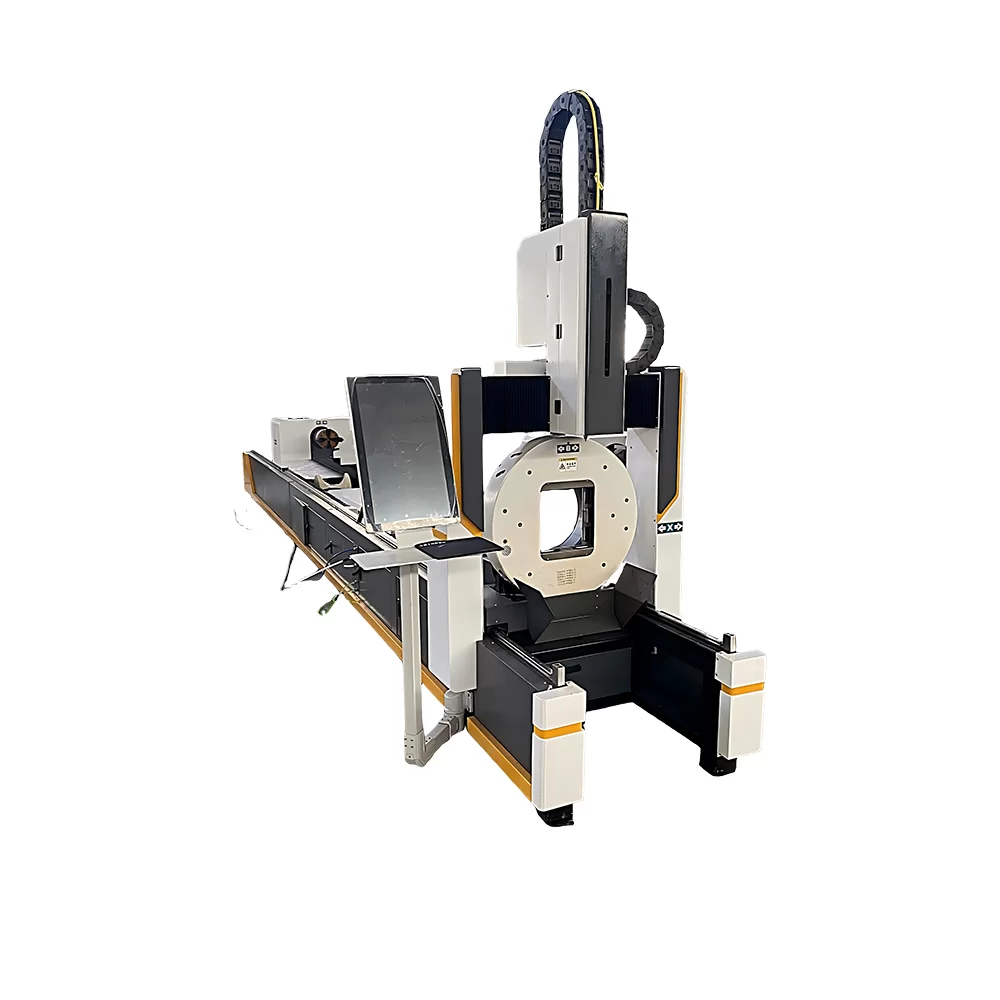
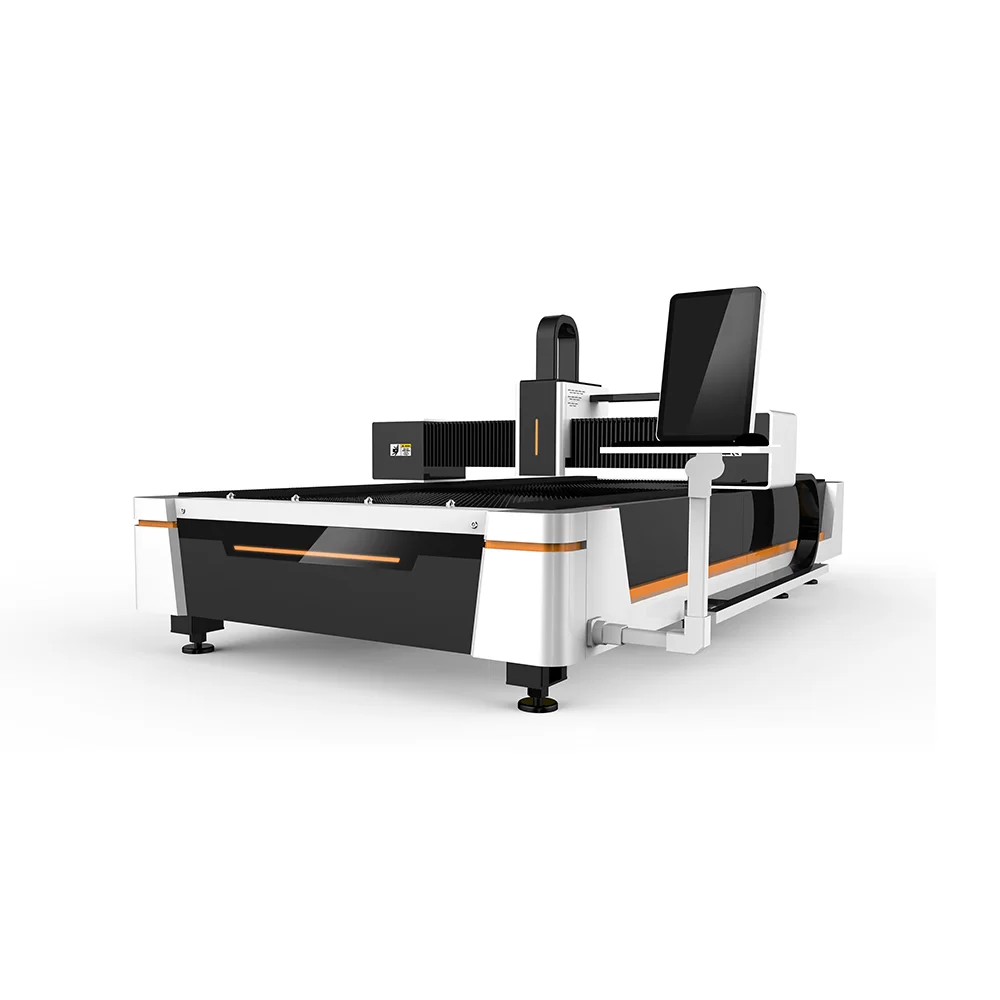
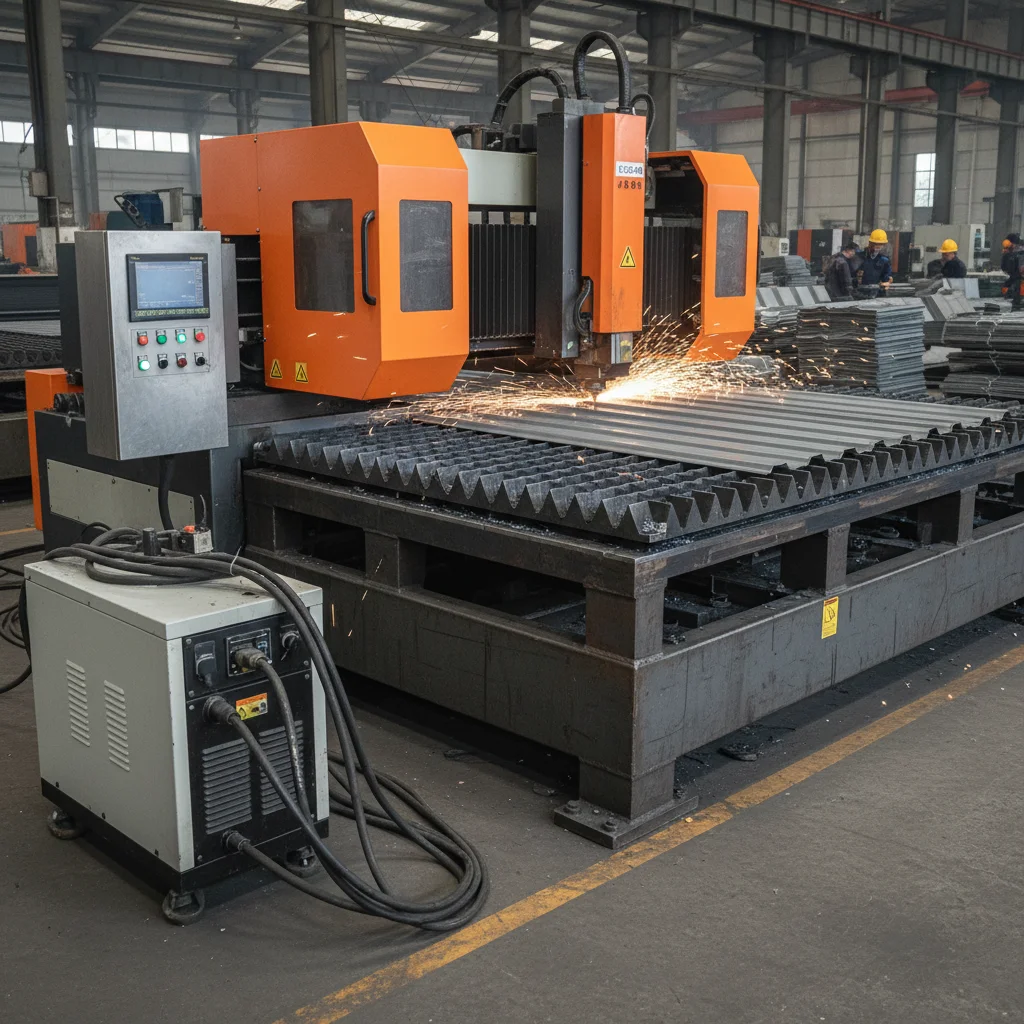
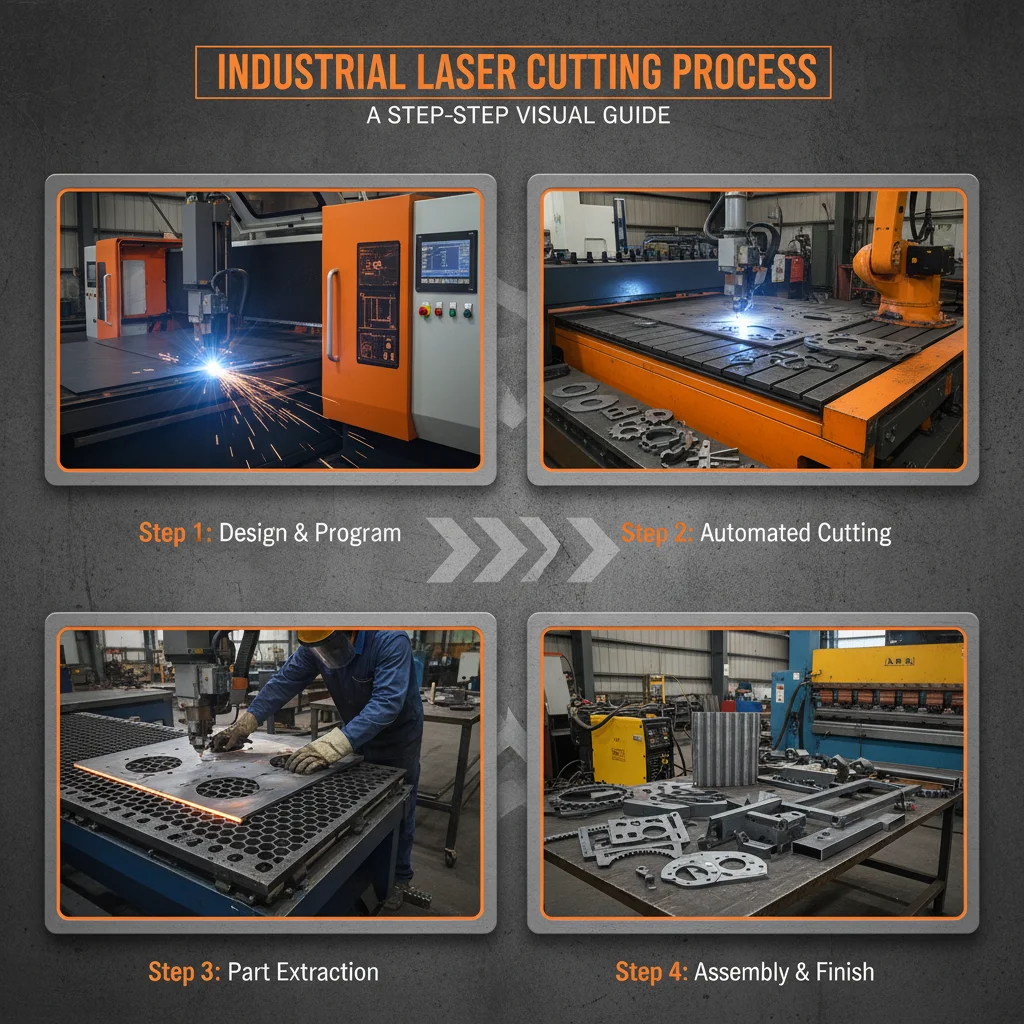
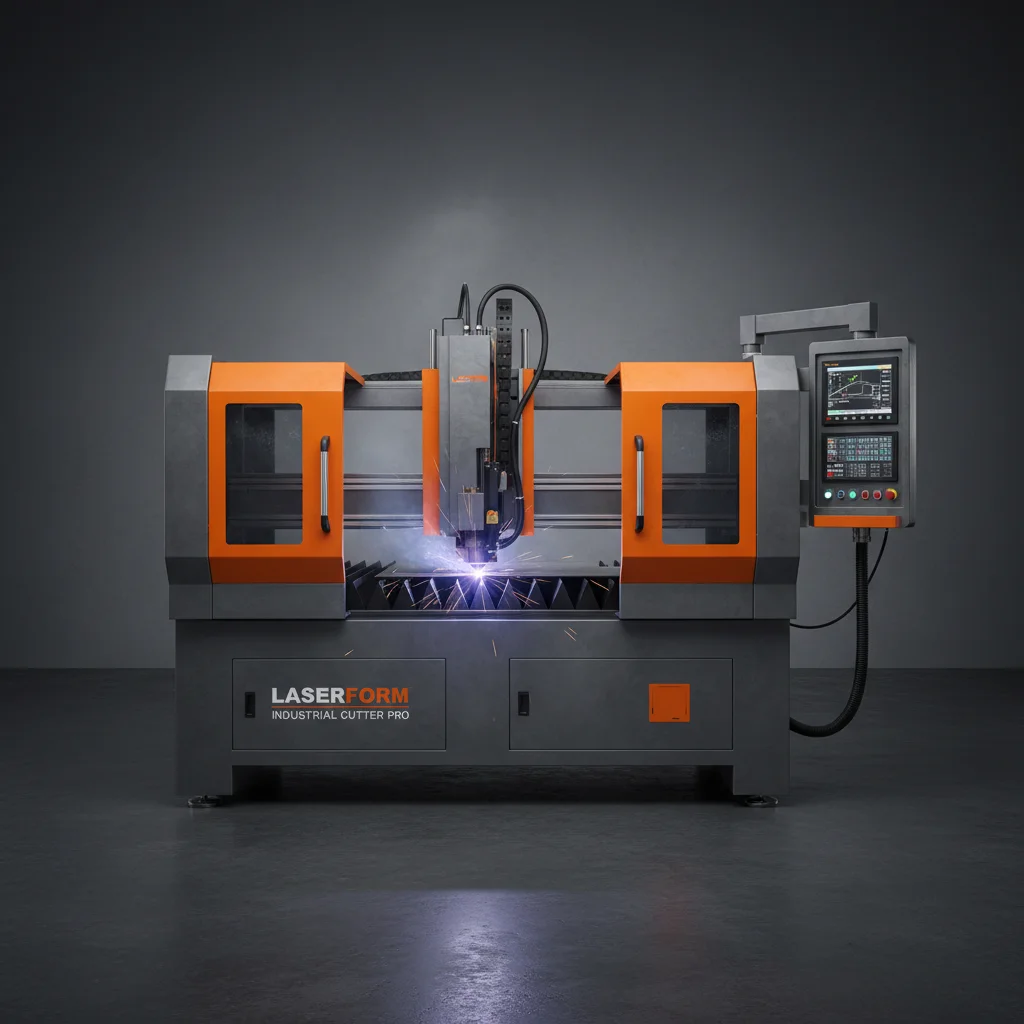
The success of any laser system, whether it is a massive industrial bed or a mobile unit, depends entirely on the underlying laser cutting machine design. A laser beam is only as good as the motion system that guides it. In high-end industrial systems, the design must account for extreme acceleration and deceleration. When a cutting head moves at 100 meters per minute and needs to turn a sharp corner, the frame of the machine experiences immense stress. Therefore, professional laser cutting machine design focuses on "thermal stability" and "vibration dampening." Manufacturers often use heavy, stress-relieved steel beds and lightweight aviation-aluminum gantries to ensure that the machine remains perfectly calibrated even during 24/7 operation.
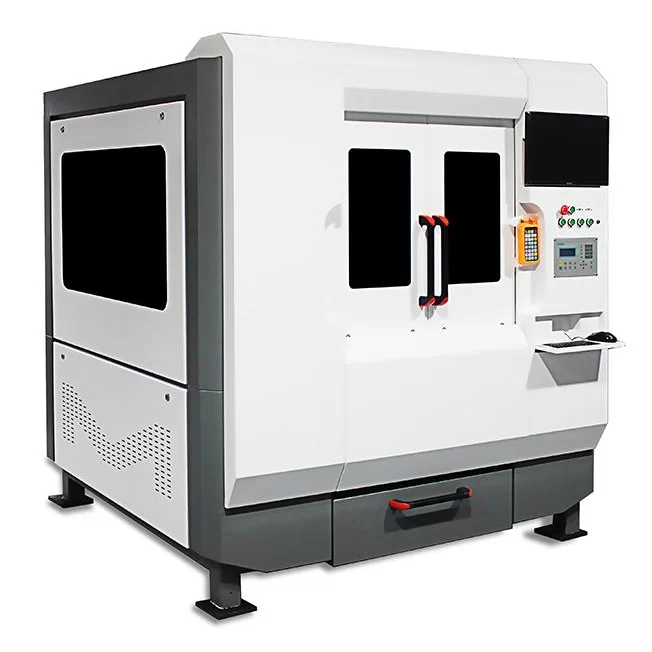
Safety is another non-negotiable aspect of modern laser cutting machine design. Because the light produced by a fiber laser is invisible and can cause permanent eye damage instantly, modern machines are designed with fully enclosed environments and interlocked access doors. The design must also include sophisticated smoke and fume extraction systems. Vaporizing metal produces hazardous particulates that must be filtered before the air is returned to the workshop. By prioritizing ergonomics and safety within the mechanical architecture, designers ensure that the machine is not just a powerful tool, but a sustainable part of a modern, clean manufacturing facility. This holistic approach to design ensures that as the power of lasers continues to grow, the machines remain safe, accurate, and easy to operate for the next generation of fabricators.