Shijiazhuang Topstar
International Trading Co., Ltd.


Get In Touch
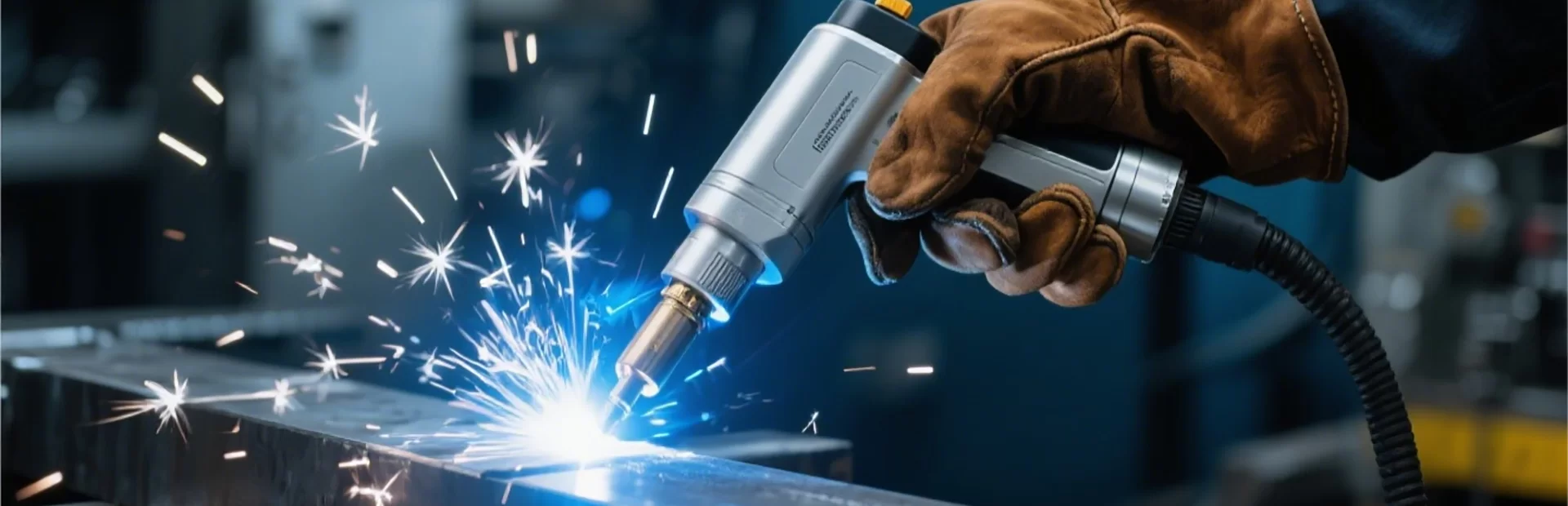
The aerospace industry operates under some of the most stringent safety and quality standards in the world. Every single component—from the smallest fastener to the massive turbine blades of a jet engine—must be meticulously tracked throughout its entire lifecycle. This requirement for "birth-to-death" traceability has made the optical fiber laser marking machine an indispensable tool in modern aerospace manufacturing.
In an environment where a single part failure can have catastrophic consequences, traditional marking methods like inkjet printing or mechanical stamping are no longer sufficient. Aerospace components must endure extreme temperature fluctuations, high pressure, and exposure to corrosive aviation fuels. The permanent, high-contrast, and non-destructive nature of the optical fiber laser marking machine ensures that vital data remains legible for decades, regardless of the harsh conditions the aircraft encounters.
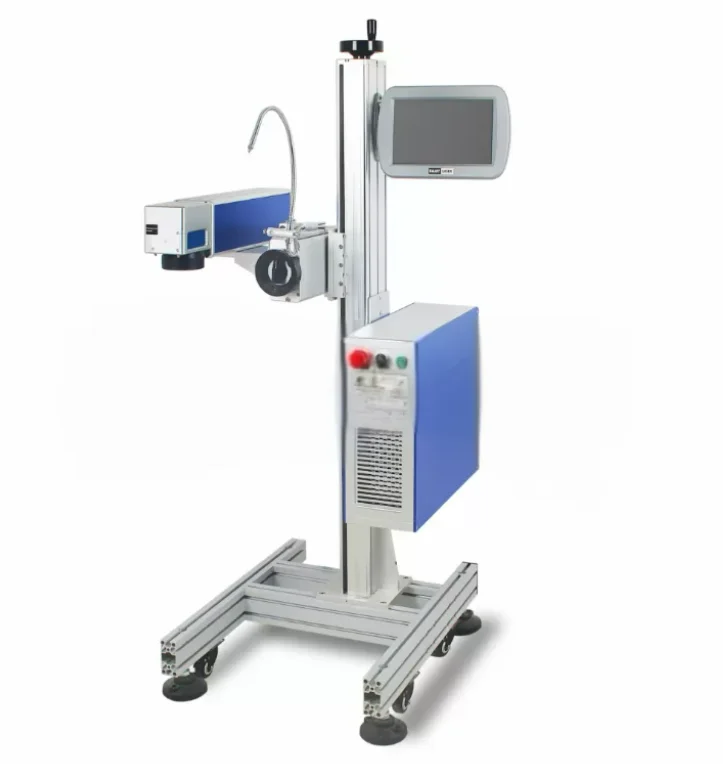
When aerospace giants like Boeing, Airbus, or SpaceX vet equipment, they look for more than just a tool; they look for a partner that understands the nuances of aerospace alloys and regulatory compliance. This is why fiber laser marking machine manufacturers have invested heavily in developing specialized software and hardware configurations tailored for this sector.
Aerospace parts identification must comply with international standards such as ATA Spec 2000 and MIL-STD-130. These regulations dictate the placement, size, and durability of Data Matrix codes and human-readable text. Leading fiber laser marking machine manufacturers integrate these standards directly into their machine's control software, allowing for automated serialization and "fail-safe" marking protocols that reduce human error.
One of the critical reasons the aerospace sector prefers the optical fiber laser marking machine is the ability to create "surface-only" marks. Unlike dot peening, which creates mechanical stress points that could lead to fatigue cracks, fiber lasers can be tuned to "anneal" the surface. This creates a dark, permanent mark by heating the metal to rearrange its molecules without removing material or compromising the structural integrity of the wing spar or engine casing.
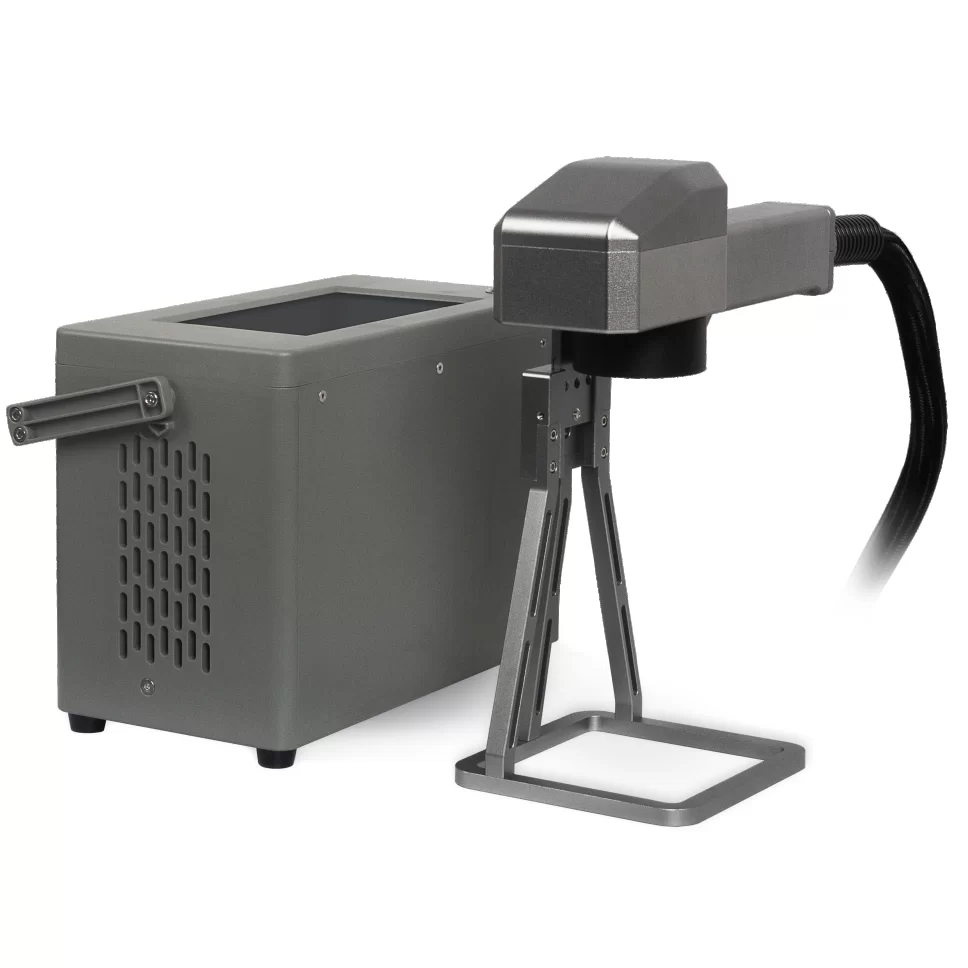
While lower-power lasers are suitable for consumer goods, the aerospace industry often deals with "super-alloys" such as Inconel, Titanium, and high-grade Stainless Steel. Processing these materials requires the robust energy output of a 50W laser marking machine.
Jet engine components often require deep marks that can survive secondary processes like sandblasting or thermal coating. A 50W laser marking machine provides the peak power necessary to penetrate these incredibly hard surfaces efficiently. The higher wattage allows for faster material removal while maintaining a narrow beam diameter, ensuring that even deep-engraved 2D codes remain scannable by automated vision systems.
Aerospace fasteners and small electronics components are produced by the millions. A 50W laser marking machine significantly reduces cycle times compared to 20W or 30W alternatives. By increasing the marking speed, manufacturers can maintain high throughput without needing to double the number of machines on the factory floor, thereby optimizing the "cost-per-part" ratio.
The versatility of the optical fiber laser marking machine extends beyond just metals. Modern aircraft utilize an increasing amount of composite materials and specialized polymers.
Carbon-fiber-reinforced polymers (CFRP) are the backbone of modern airframes like the 787 Dreamliner. While traditional lasers might burn these materials, the high-frequency pulses of an optical fiber laser marking machine can be finely tuned to interact with the resin or topcoat, producing a clear, white or dark mark without damaging the underlying structural fibers.
An aircraft contains miles of wiring. Identifying these wires is critical for maintenance and repair. Fiber lasers are now used to create high-contrast marks on UV-resistant cable insulation. This replaces old-fashioned heat-shrink labels that could fall off or become brittle over time, providing a permanent identification solution that is integral to the wire itself.
Selecting the right fiber laser marking machine manufacturers is a strategic decision that affects a company’s long-term operational efficiency. In the aerospace sector, "uptime" is the most important metric.
Aerospace manufacturing is a global endeavor. A tier-one supplier in South Korea must use the same marking protocols as an assembly plant in France. Top-tier fiber laser marking machine manufacturers provide global support networks and standardized software platforms, ensuring that marking quality remains consistent across different geographic locations.
The modern aerospace factory is a "Smart Factory." Manufacturers now require their optical fiber laser marking machine to be fully integrated into the Manufacturing Execution System (MES). This allows the machine to "pull" the correct serial number from the database and "push" a confirmation of a successful mark back into the system, creating a digital twin of the part’s history.
As we look toward the future of aviation—including the rise of electric vertical takeoff and landing (eVTOL) aircraft and supersonic travel—the demands on component tracking will only increase.
As parts become smaller and more complex, the space available for marking shrinks. The precision of the 50W laser marking machine allows for high-density Data Matrix codes to be etched into spaces as small as 2mm x 2mm. These codes can contain a wealth of information, including the batch number, the operator ID, and the date of the last maintenance check.
The aerospace industry is under pressure to reduce its environmental footprint. By switching from chemical etching or inkjet printing to an optical fiber laser marking machine, manufacturers eliminate the use of hazardous chemicals and non-recyclable ink cartridges. The laser is a "green" technology, requiring only electricity and minimal cooling to operate.
In the aerospace industry, there is no room for error. The optical fiber laser marking machine has proven to be the most reliable, precise, and durable solution for part identification. From the high-power capabilities of a 50W laser marking machine that can handle the toughest alloys, to the sophisticated software developed by leading fiber laser marking machine manufacturers, this technology is the silent guardian of flight safety.
By ensuring that every component can be identified, tracked, and verified throughout its life, laser marking technology provides the data-driven foundation upon which the modern aviation industry is built. As materials science and aircraft design continue to evolve, the fiber laser will remain at the forefront, marking the path toward a safer and more efficient future in the skies.