Shijiazhuang Topstar
International Trading Co., Ltd.


Get In Touch
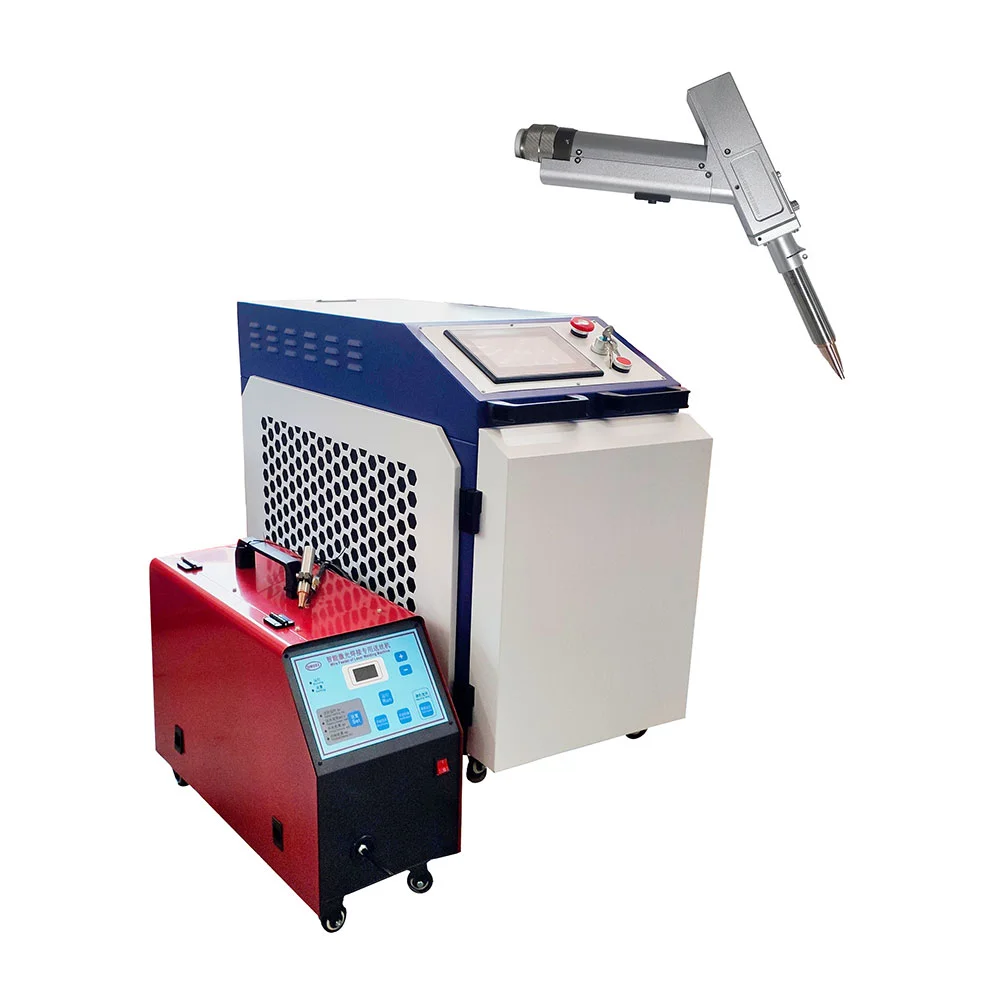
When we talk about a laser that can cut metal, it's hard not to feel a bit of awe mixed with curiosity. These machines are quietly revolutionizing manufacturing, construction, and even humanitarian efforts worldwide. But why should we care? In essence, mastering such laser technology means more precise engineering, less waste, and faster production cycles—which all translate to cost savings and better products across global markets. With rising demand for high-quality metal fabrication, understanding this technology beyond buzzwords matters not just to engineers but to anyone invested in efficient and sustainable industrial practices.
The importance of lasers that can cut metal extends far beyond factory floors. According to the ISO, the global metal fabrication industry contributes trillions of dollars to the world economy annually, with laser cutting playing a key role in boosting efficiency and precision.[1] Particularly in developing regions undergoing rapid industrialization, access to advanced laser cutting technologies can be transformative.
Yet, one challenge remains: traditional metal cutting often involves excessive material waste and slower turnaround times. That's where lasers shine—literally and figuratively—offering a cleaner, faster alternative that aligns with modern sustainability goals. Whether it’s crafting airplane parts, automobile bodies, or even components for renewable energy systems, a dependable laser that cuts metal is a game changer.
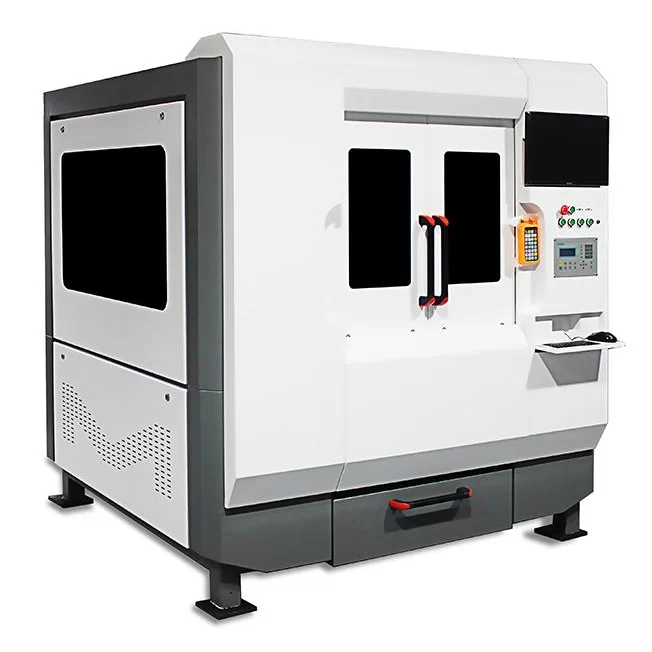
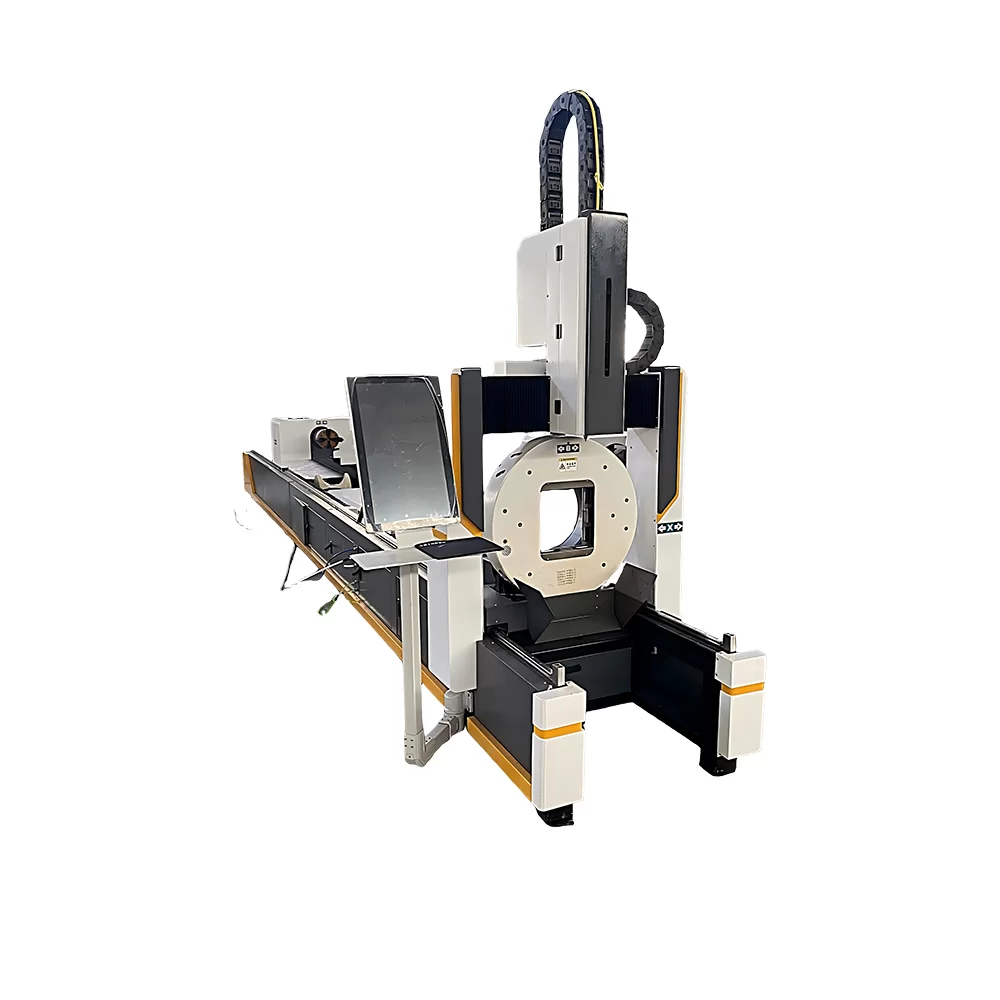
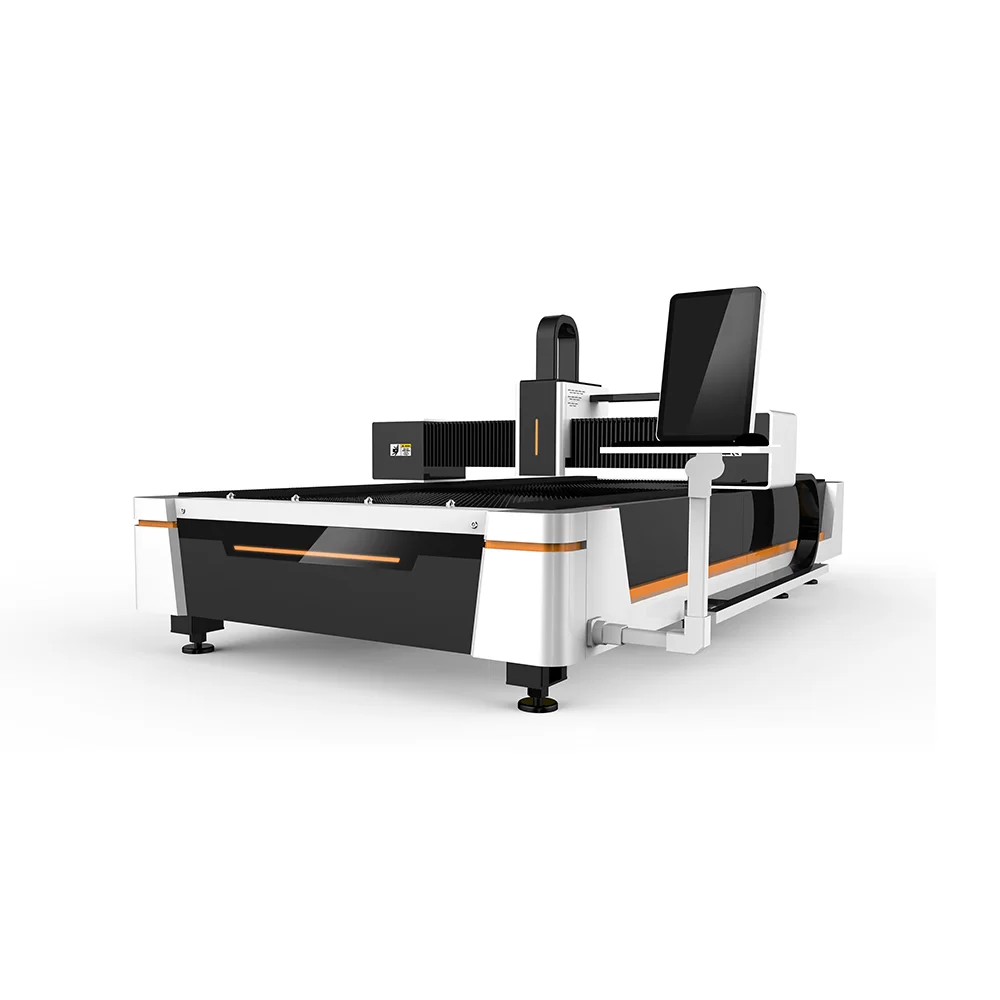
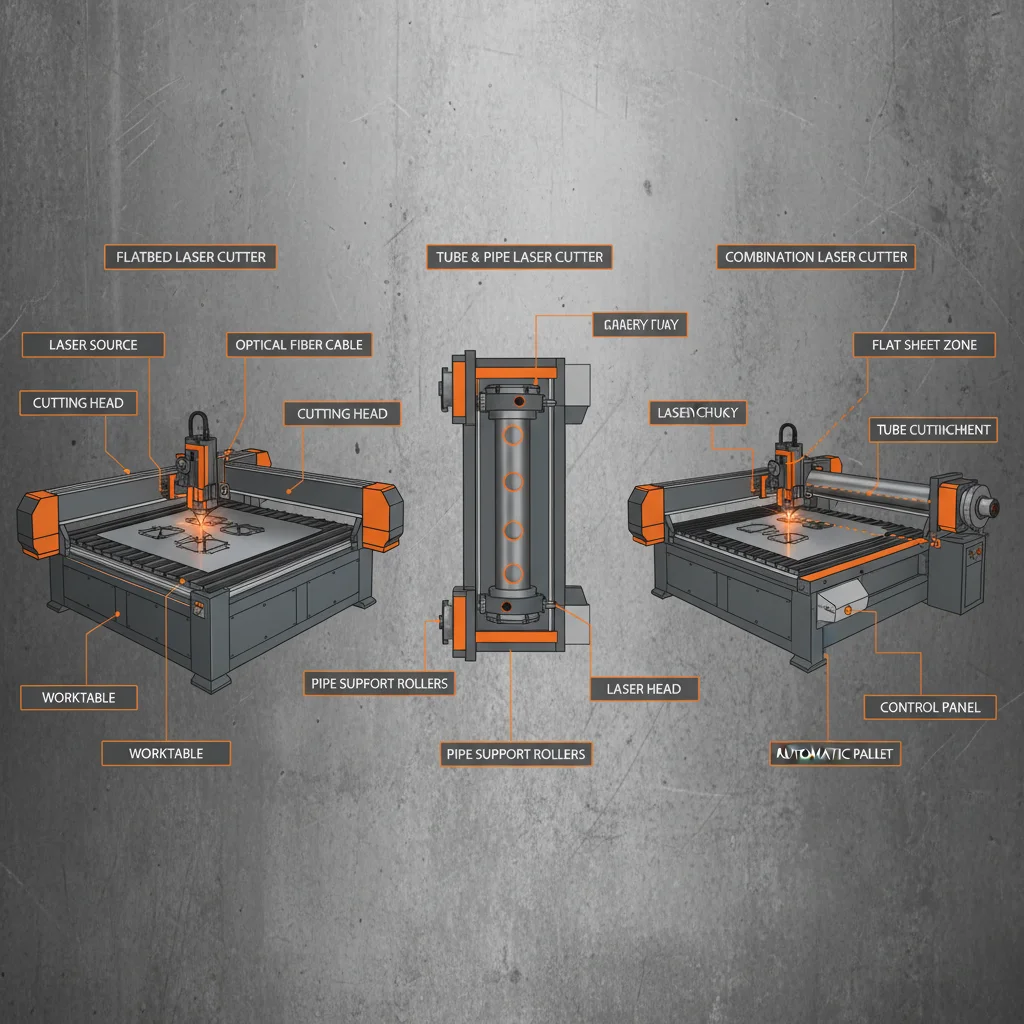
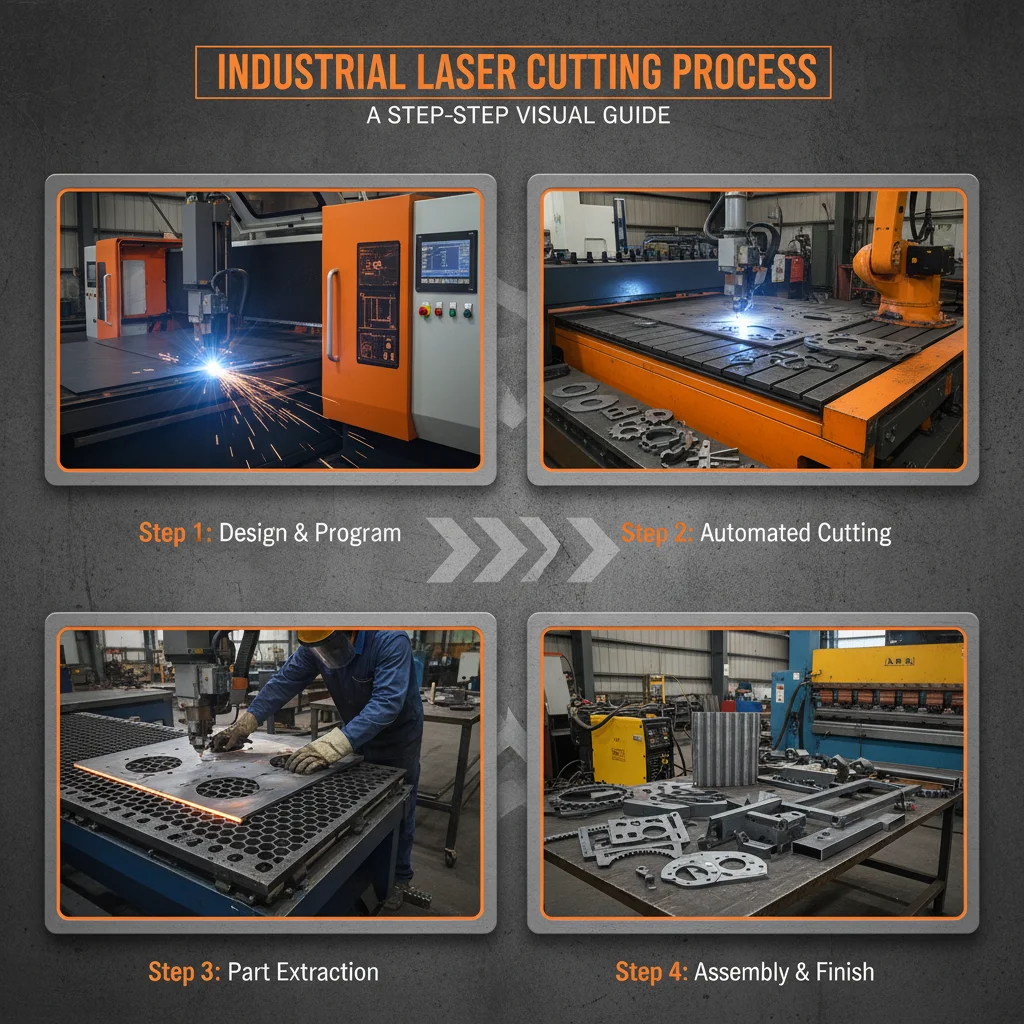
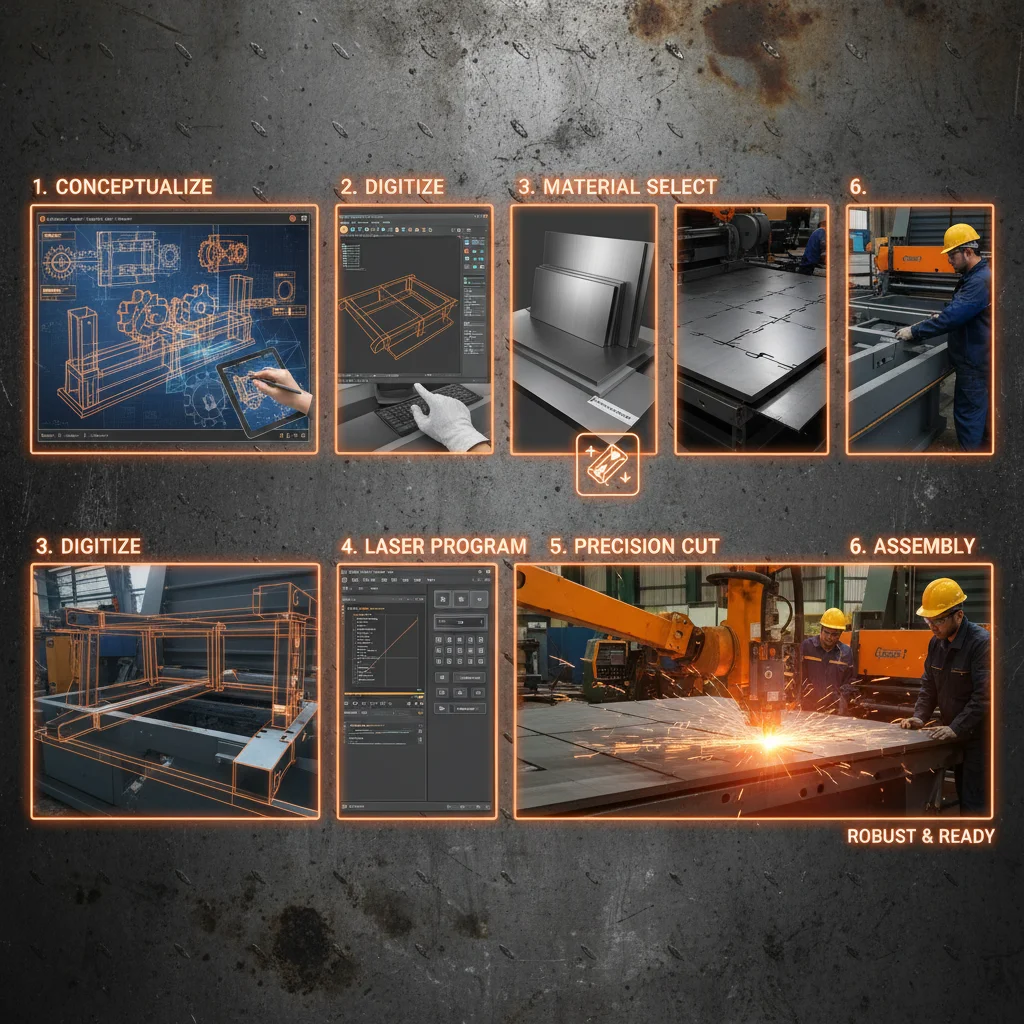
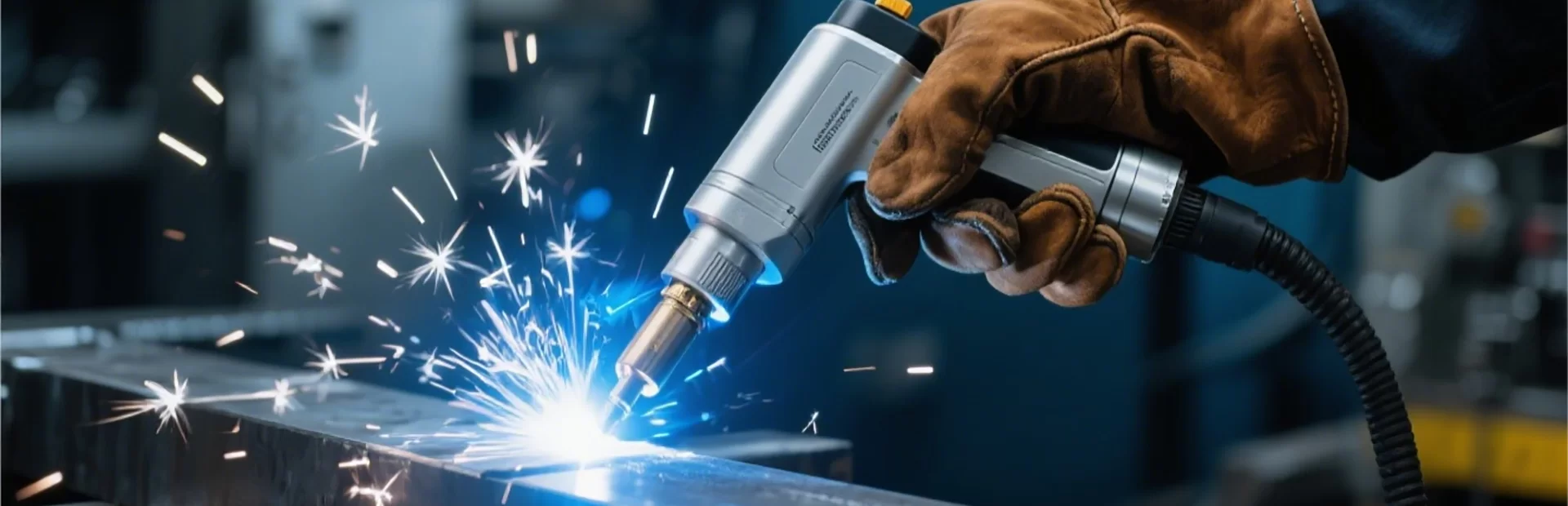
Put simply, this laser is a powerful, focused beam of light with enough energy density to vaporize or melt metal along a prescribed path. The core idea is precision; unlike mechanical cutters, lasers don’t touch the surface but instead use concentrated light to achieve exact cuts. This technology melds optics, physics, and materials science in a way that’s emblematic of modern industry.
Beyond factory lines, this tool supports humanitarian engineering—say, in producing durable metal frameworks for shelters in disaster zones or creating surgical instruments during crises. The laser's ability to tailor-make metal pieces efficiently makes it indispensable wherever rapid, accurate metal shaping is required.
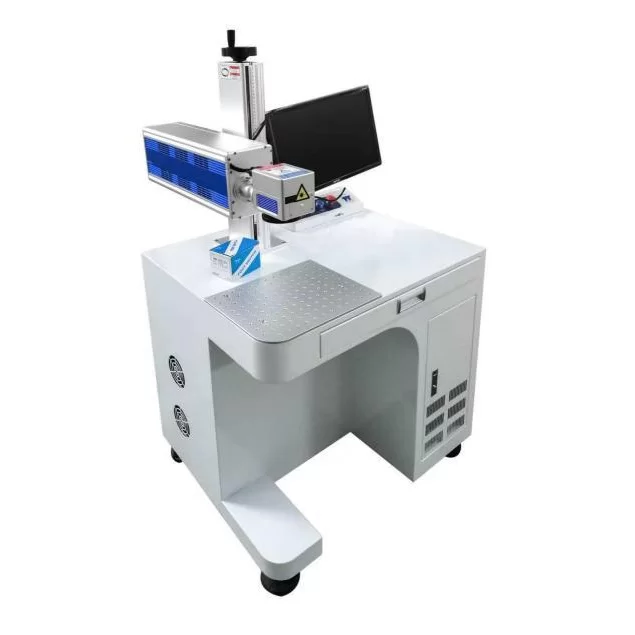
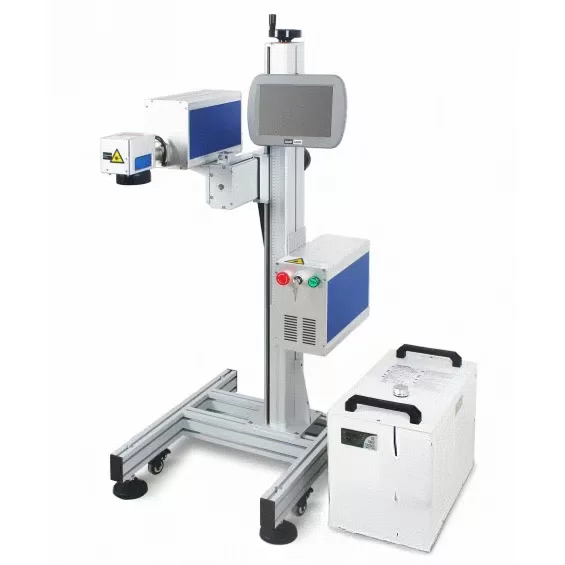
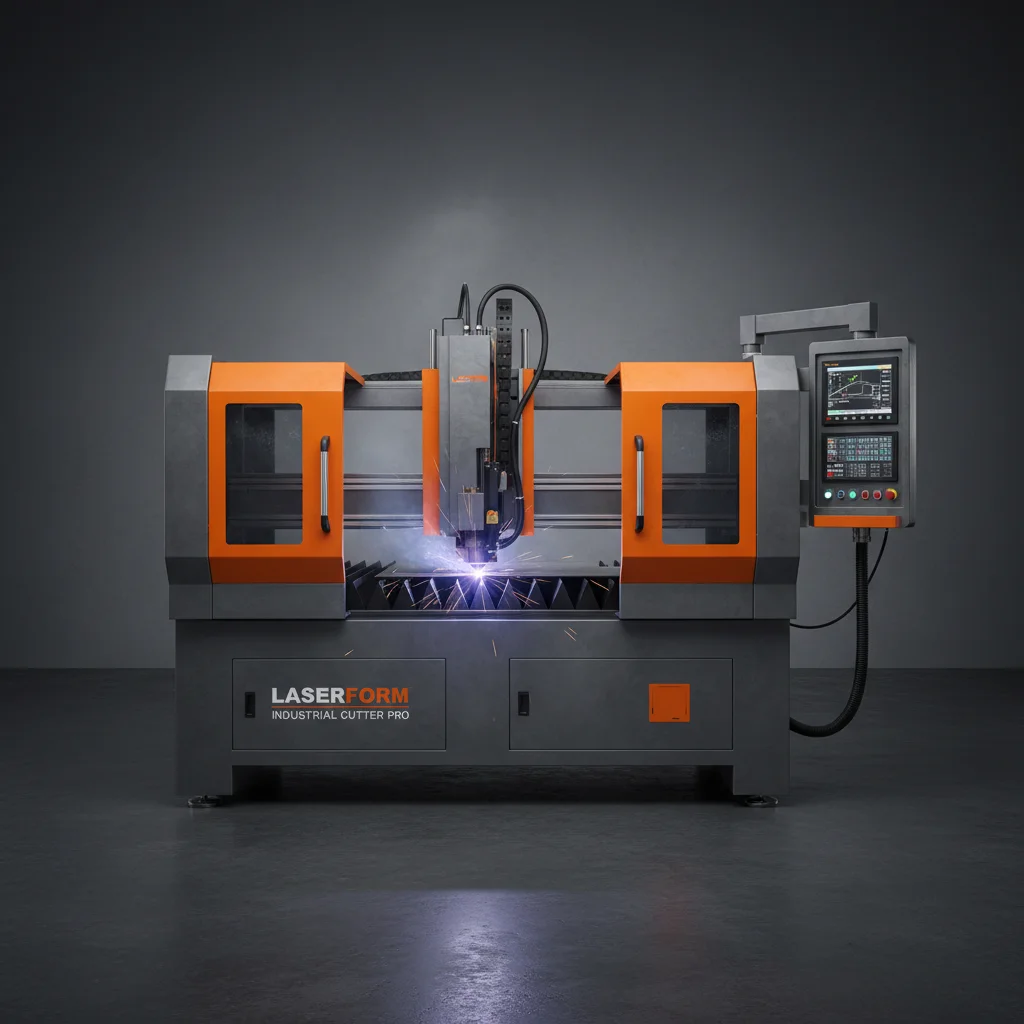
The power level, typically measured in watts or kilowatts, determines the thickness and type of metal the laser can slice through. Common wavelengths range from CO2 lasers (10.6 microns) to fiber lasers (1 micron), with fiber lasers gaining popularity for their efficiency and precision.[2]
Speed isn’t just about productivity; it affects edge quality and heat distortion. Laser cutters often come with adjustable speeds tailored to metal type—aluminum, steel, titanium—with faster speeds reducing thermal damage but requiring precise calibration.
These machines must withstand high-energy operations under industrial conditions. Regular maintenance, including lens cleaning and coolant system checks, ensures consistent performance. Durability also influences total cost of ownership, something engineers don’t overlook.
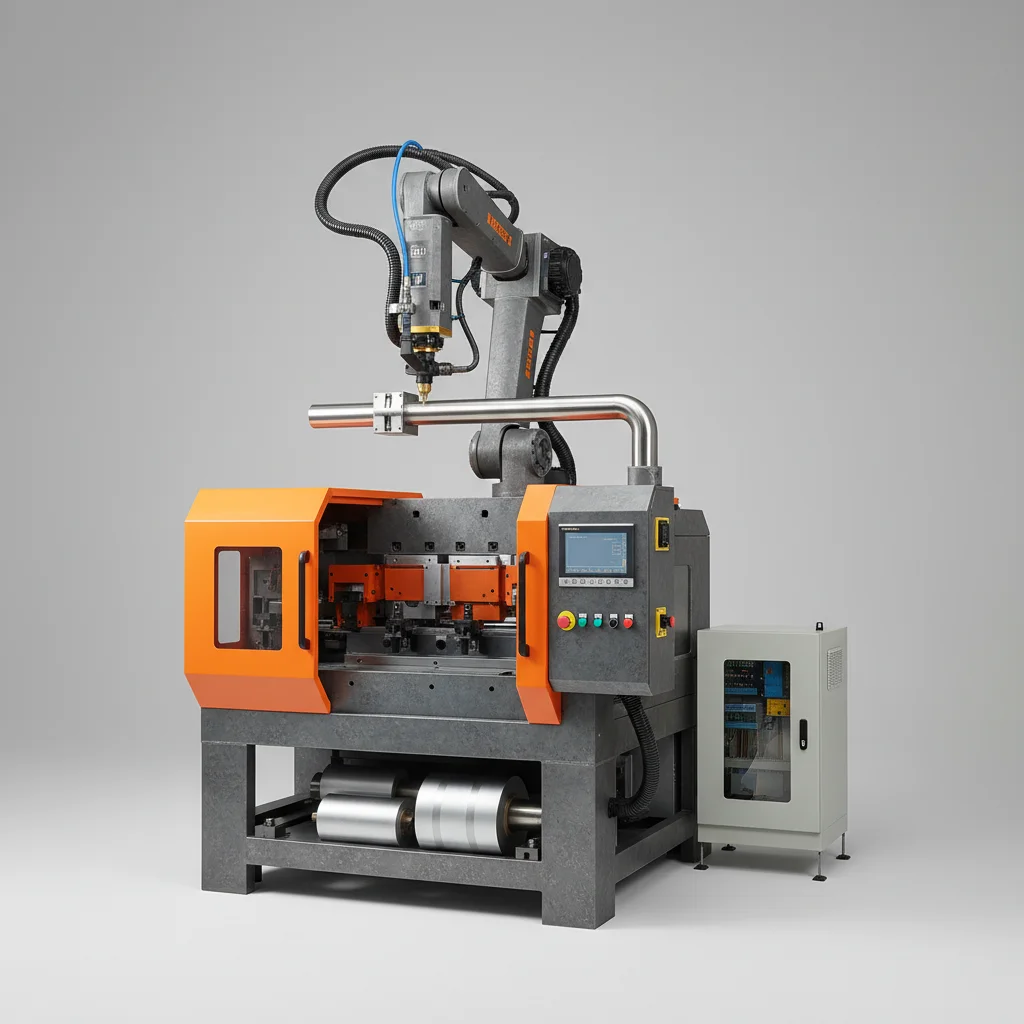
Modern lasers don’t just cut — they integrate with CNC (Computer Numerical Control) software and automated systems to allow complex designs and batch production, enhancing scalability and reducing human error.
Lower waste generation and energy-efficient lasers contribute to greener manufacturing, aligning with global carbon reduction commitments—a factor growing in importance, especially in Europe and parts of Asia.
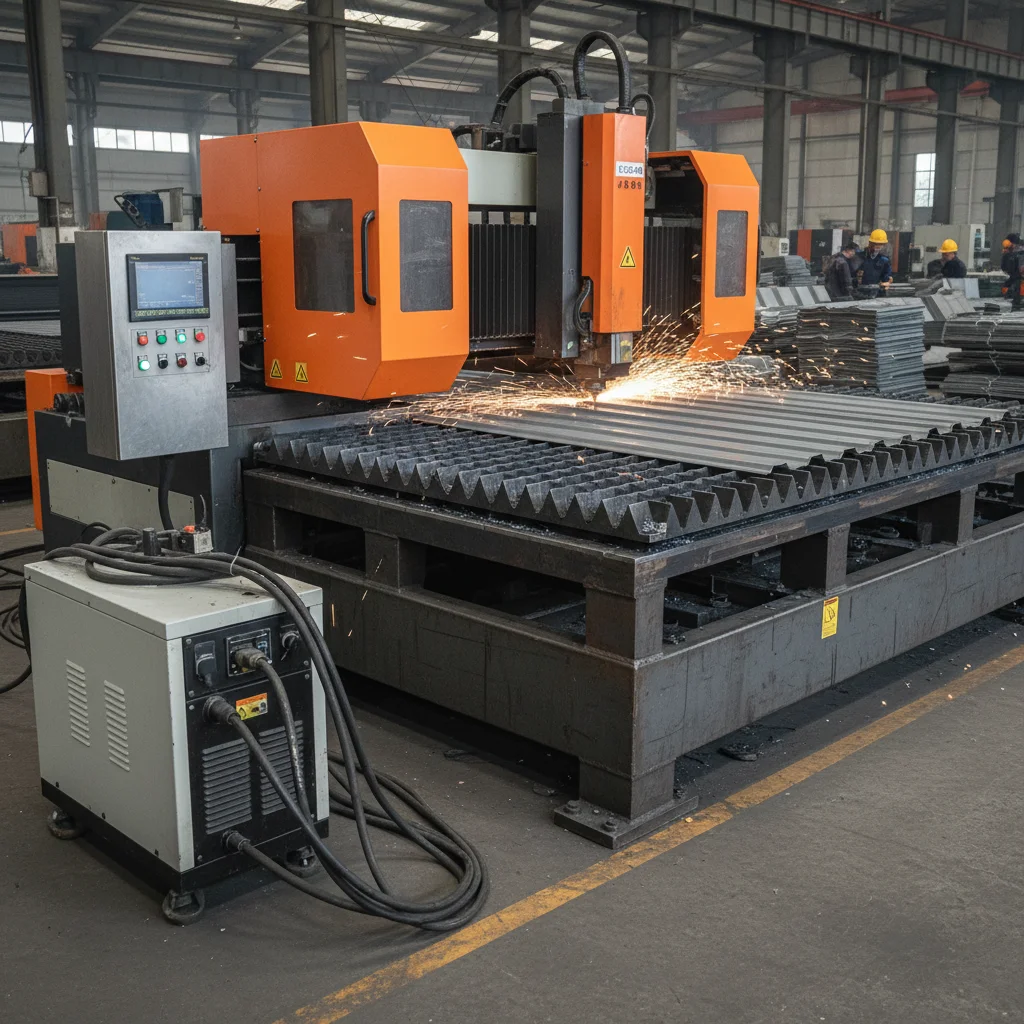
Industries from aerospace to architecture rely heavily on metal-cutting lasers. In Japan and Germany, automotive plants utilize fiber lasers to produce millions of car parts with minimal downtime. Meanwhile, in the United States, laser technology enables fabricators to create lightweight yet durable structures for defense and space exploration.
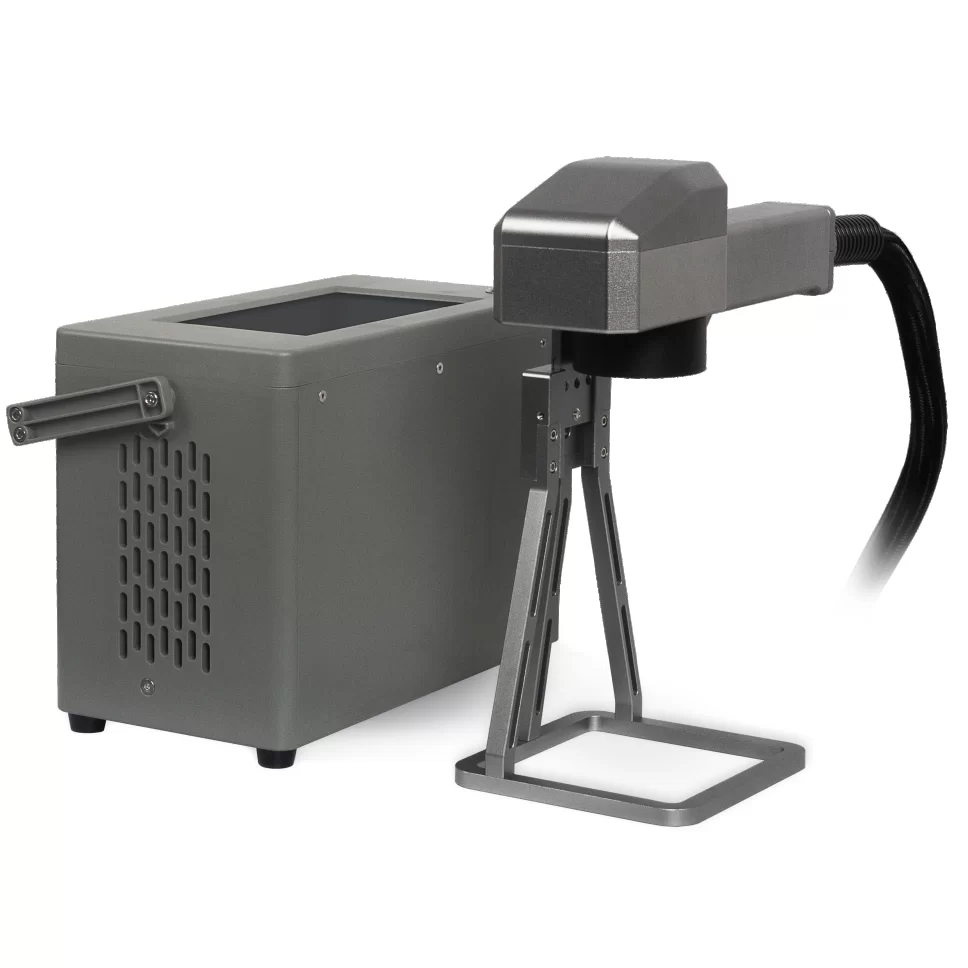
Oddly enough, humanitarian groups have found innovative uses, too. For example, in post-earthquake Nepal, metal frameworks cut with precision lasers sped up shelter reconstruction, offering safer habitats in record time. Remote industrial outposts in Canada’s north also benefit from portable laser cutters that remove the need to ship finished parts from afar.
| Specification | FiberCut Pro 1500 |
|---|---|
| Laser Power | 1500W |
| Max Cut Thickness (Steel) | 20 mm |
| Cutting Speed | Up to 12 m/min |
| Control System | CNC Integrated |
| Cooling System | Water-cooled |
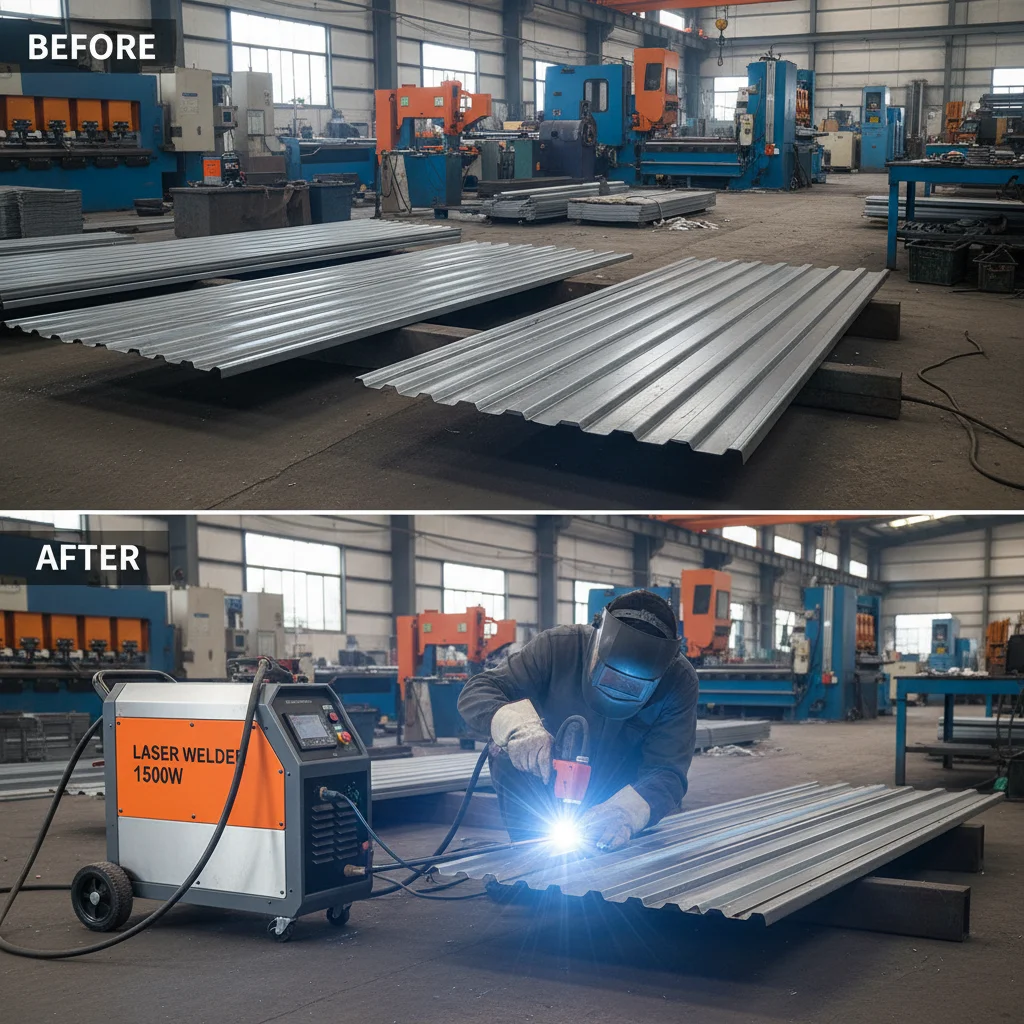
There’s something deeply satisfying about watching a sheet of metal transform precisely and cleanly under a laser beam—no sparks flying wildly, no messy burrs. First off, the cost-efficiency stems not only from speed but also from reducing the need for secondary finishing. Fewer errors mean less waste, which matters both economically and ethically when resources are tight.
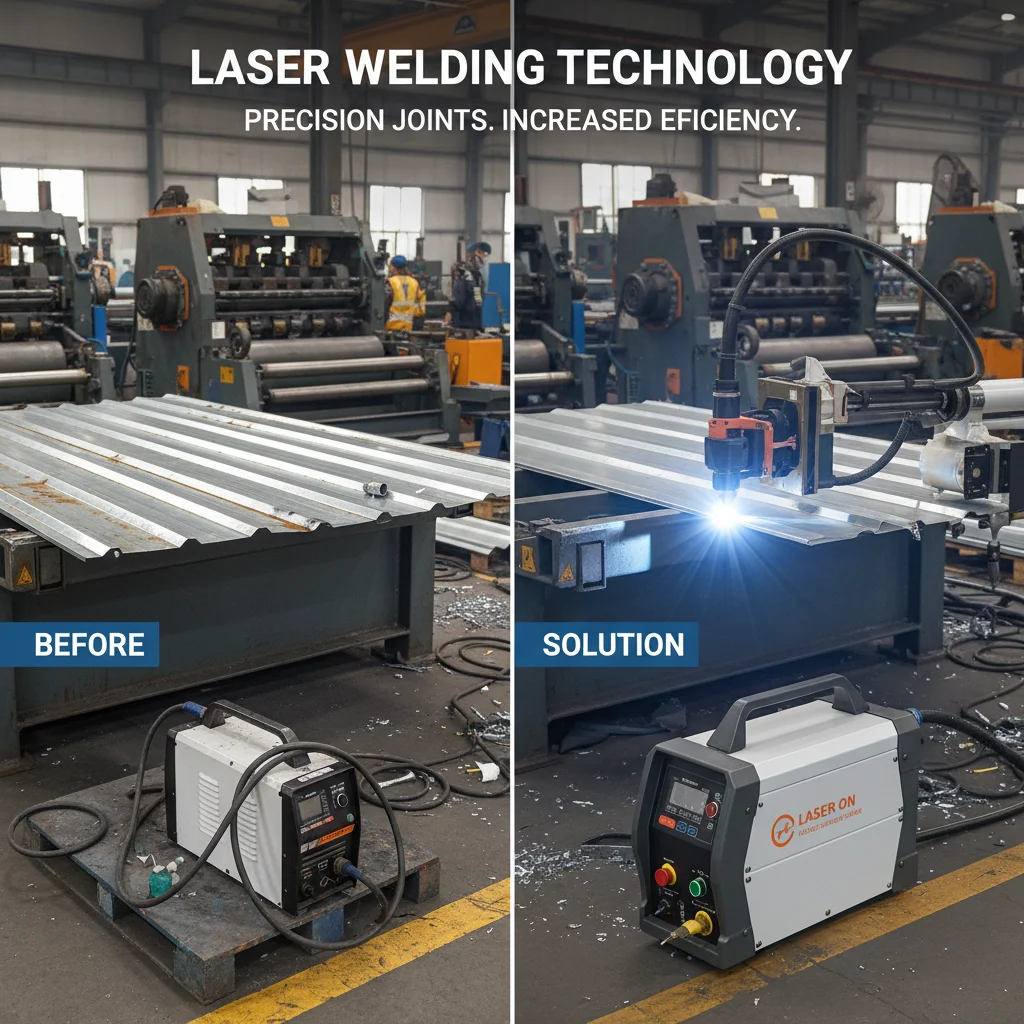
From a sustainability perspective, laser cutting dramatically lowers energy consumption relative to traditional plasma cutters or mechanical shears. The cleaner cuts also improve worker safety—less need for manual deburring means fewer accidents. And on the emotional side of things, this tech feels like a quiet trust-builder between companies and clients, delivering flawless components every time.
| Feature | FiberCut Pro 1500 | LaserMax XL 2000 | OptiLaser 1200 |
|---|---|---|---|
| Max Cut Thickness | 20 mm (Steel) | 25 mm (Steel) | 15 mm (Steel) |
| Laser Power | 1500 W | 2000 W | 1200 W |
| Cutting Speed | Up to 12 m/min | Up to 14 m/min | Up to 10 m/min |
| Price Range | $$$ | $$$$ | $$ |
| Best For | Versatile industrial use | Heavy-duty large parts | Light manufacturing, prototyping |
Looking ahead, it's fascinating how the convergence of green energy and digital fabrication is shaping laser metal cutting. Imagine lasers powered partly by renewable sources or machines outfitted with AI sensors optimizing cut paths in real-time. Add to that the ongoing rise of laser that can cut metal integrated with IoT (Internet of Things) devices for predictive maintenance, and you've got a glimpse of the future in action.
Moreover, new materials—like ultra-thin yet stronger alloys—require lasers with even more adaptive control systems. This means ongoing R&D in beam shaping, ultra-short pulse lasers, and enhanced cooling tech, pushing performance while respecting tighter environmental regulations globally.
Frankly, not every laser cutter is a plug-and-play marvel. Challenges like high initial investment costs, operator training requirements, and limitations on very thick or reflective metals persist. Also, dusty or humid environments can degrade machine lenses faster than expected.
Innovative solutions include modular machine designs easing upgrades, affordable leasing options, and hybrid laser-plasma systems expanding cutting capabilities. Remote monitoring and cloud-based diagnostics further reduce downtime, ensuring operators catch issues before they rear ugly heads.
In real terms, owning or understanding a laser that can cut metal isn’t just about keeping pace—it’s about leading the charge toward smarter, cleaner industry. The long-term benefits? Precision, efficiency, sustainability, and versatility, wrapped up in a technology that never ceases to push boundaries. If you’re looking to explore or invest in metal-cutting lasers, keep these factors in mind, and most importantly, trust vendors with proven expertise.
Visit our website to learn more about high-performance laser cutting solutions tailored for various industries: TopStar Laser.
Oddly enough, the journey of metal from raw sheets to finely crafted parts often starts with a beam of light—a modern tool that feels both delicate and immensely powerful.