Shijiazhuang Topstar
International Trading Co., Ltd.


Get In Touch
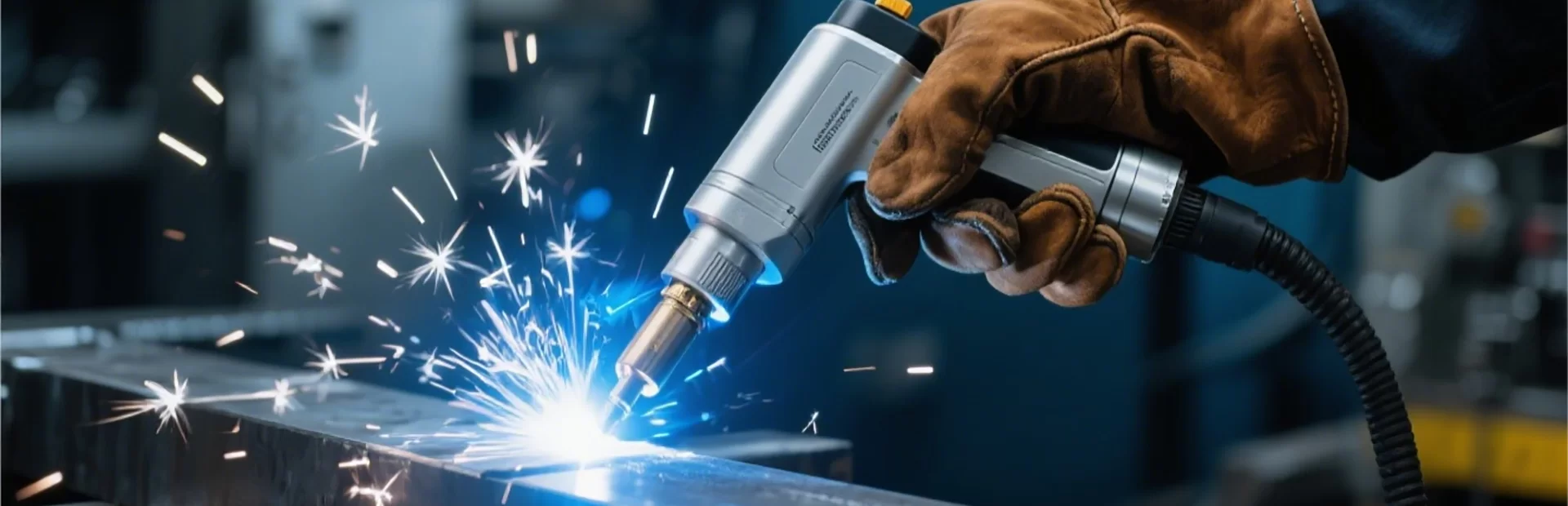
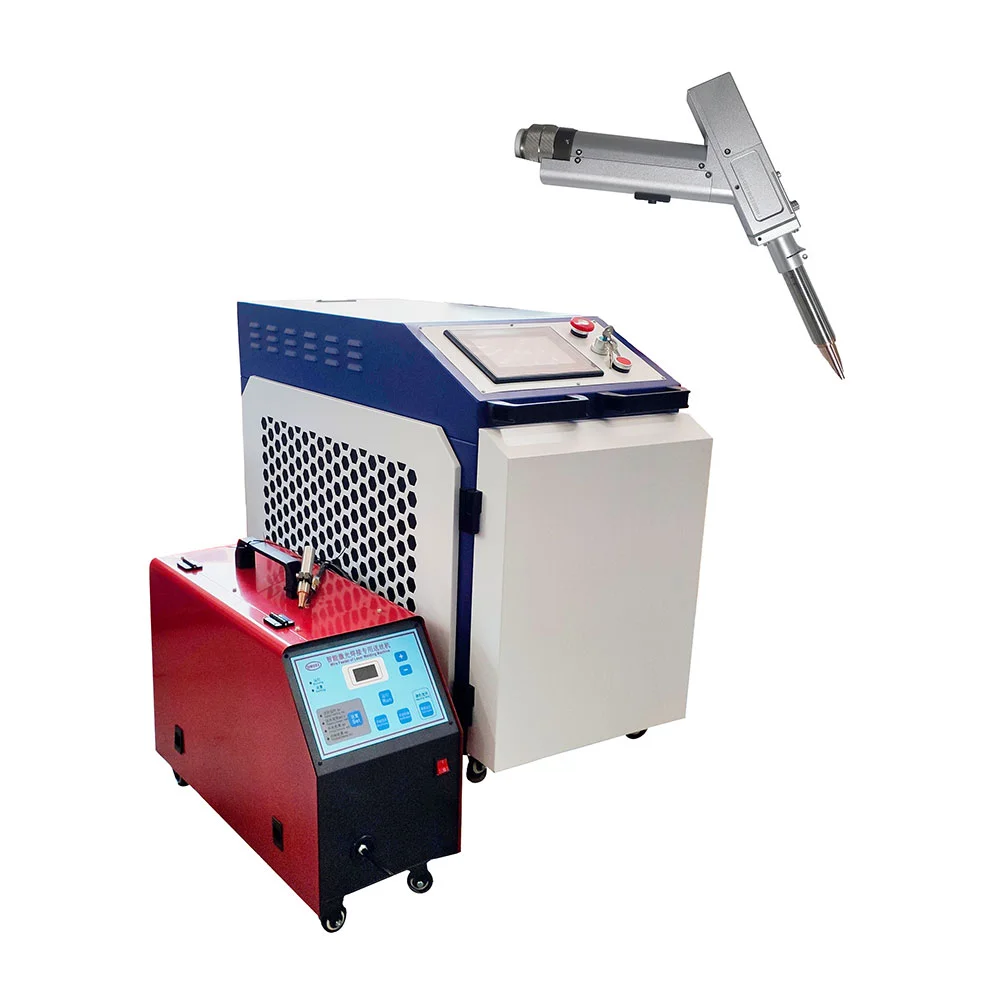
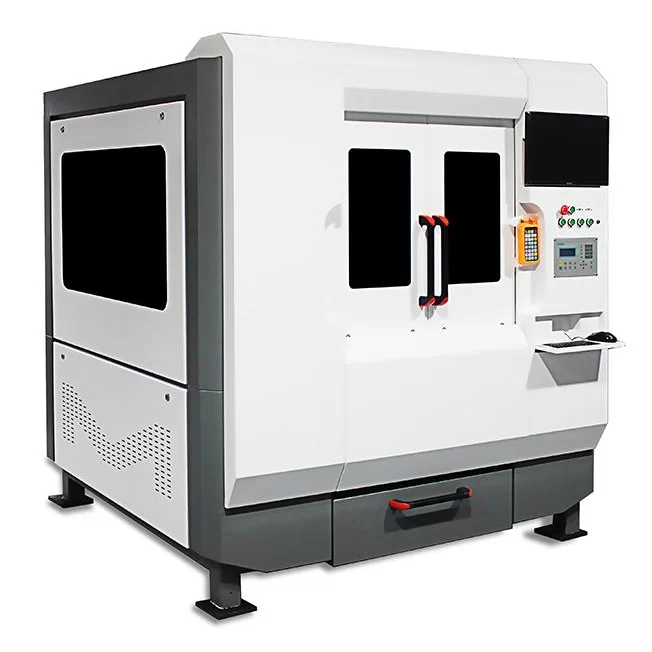
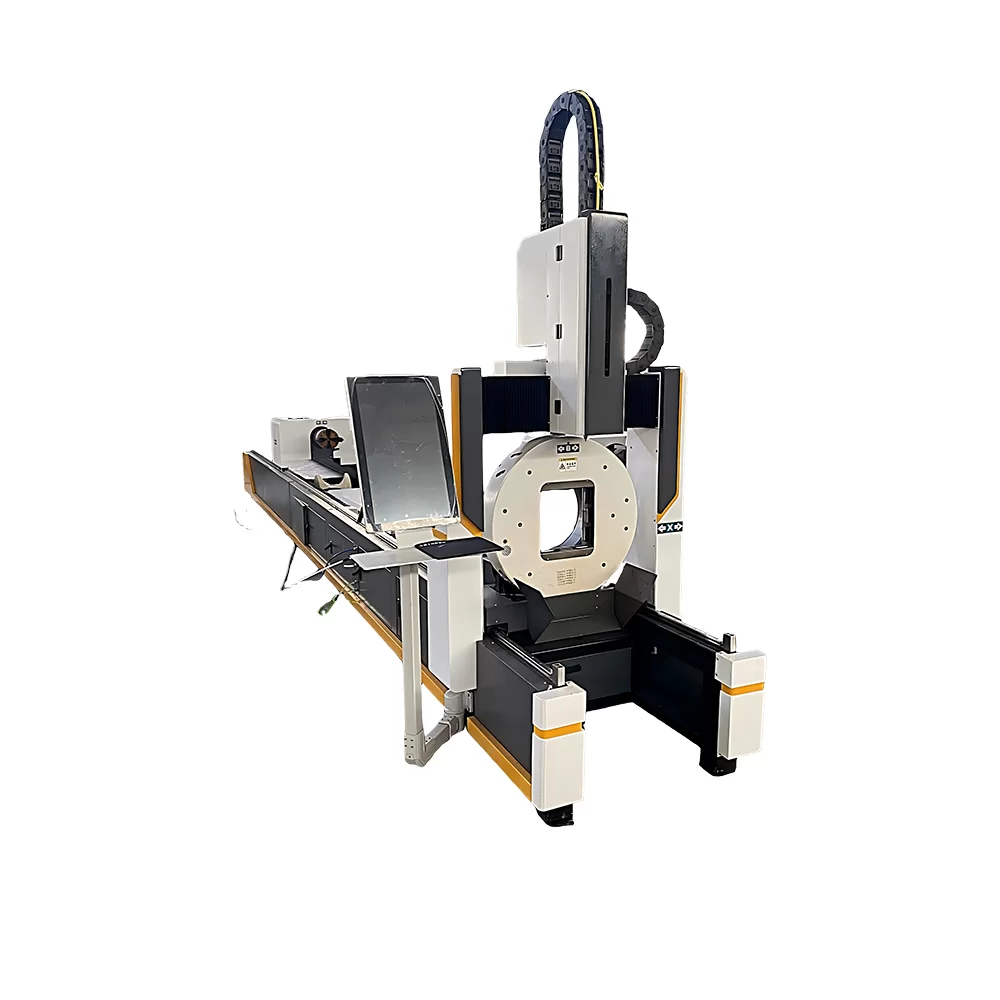
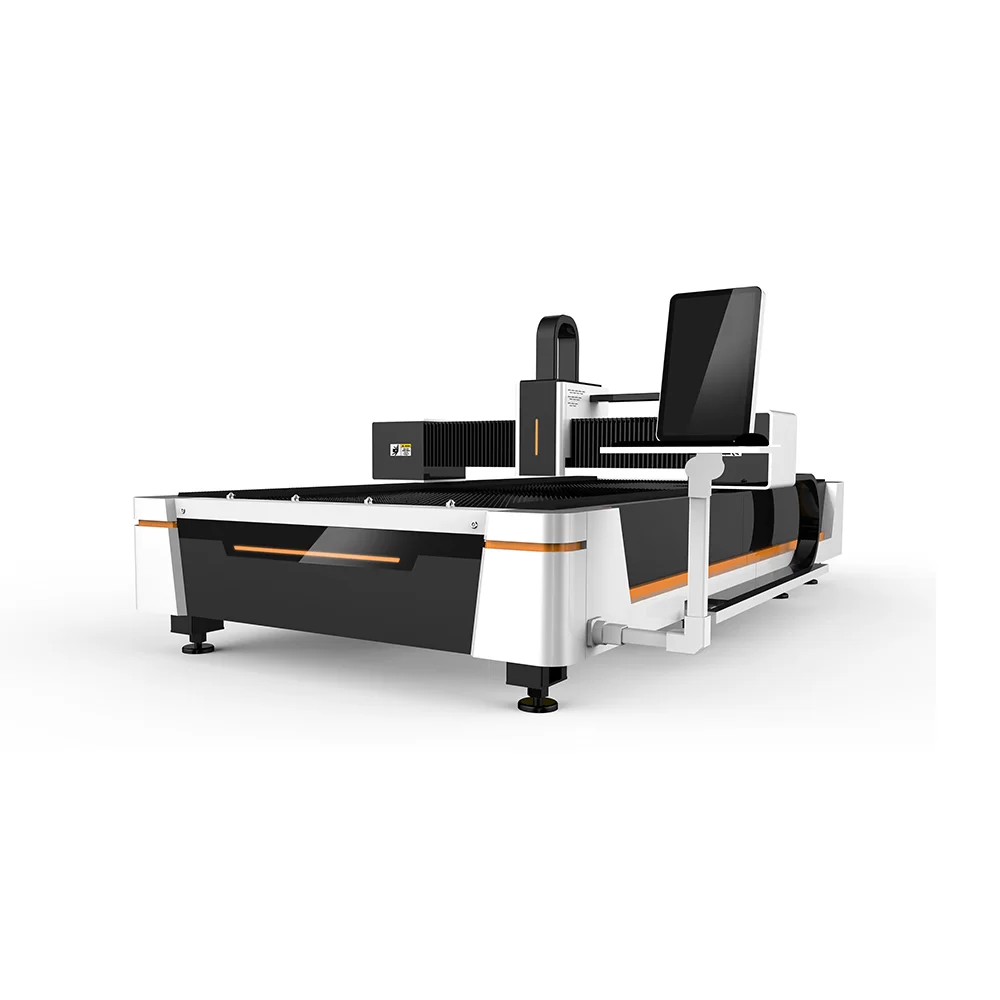
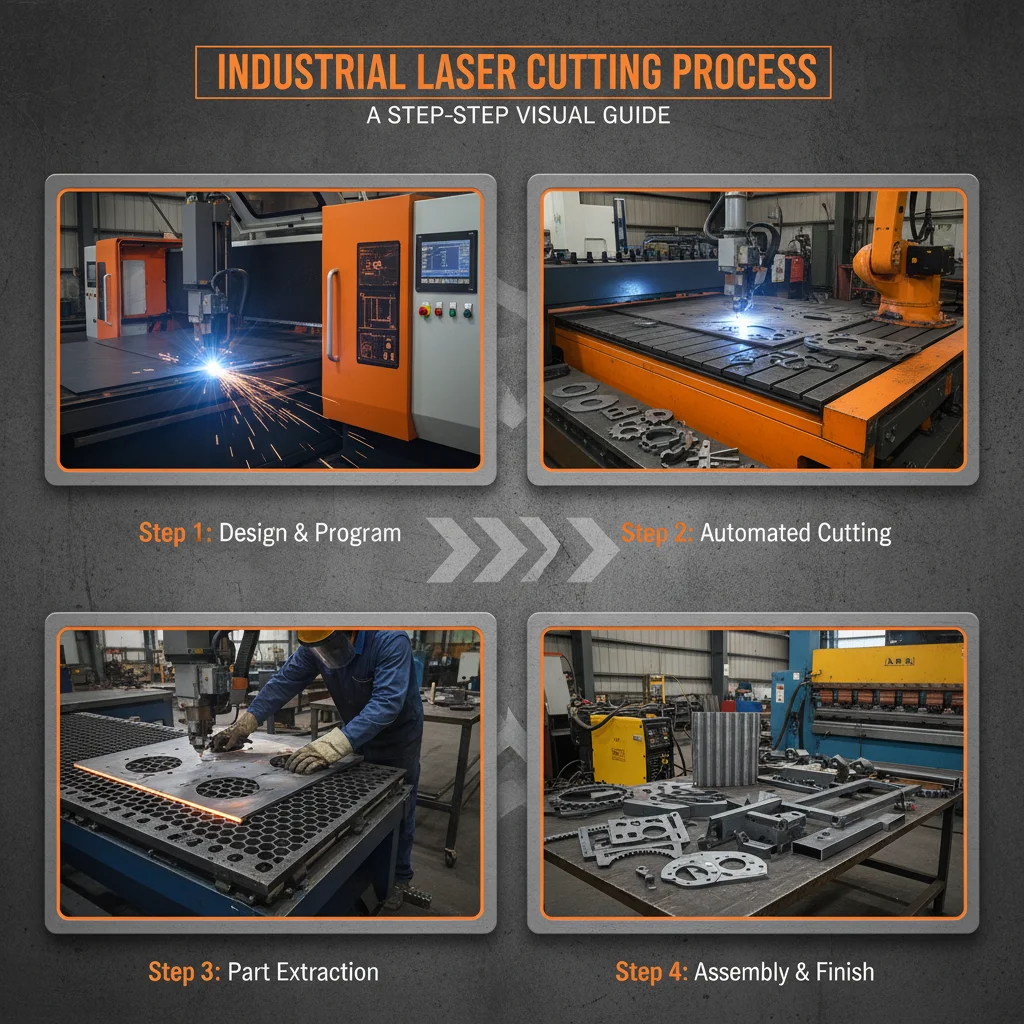
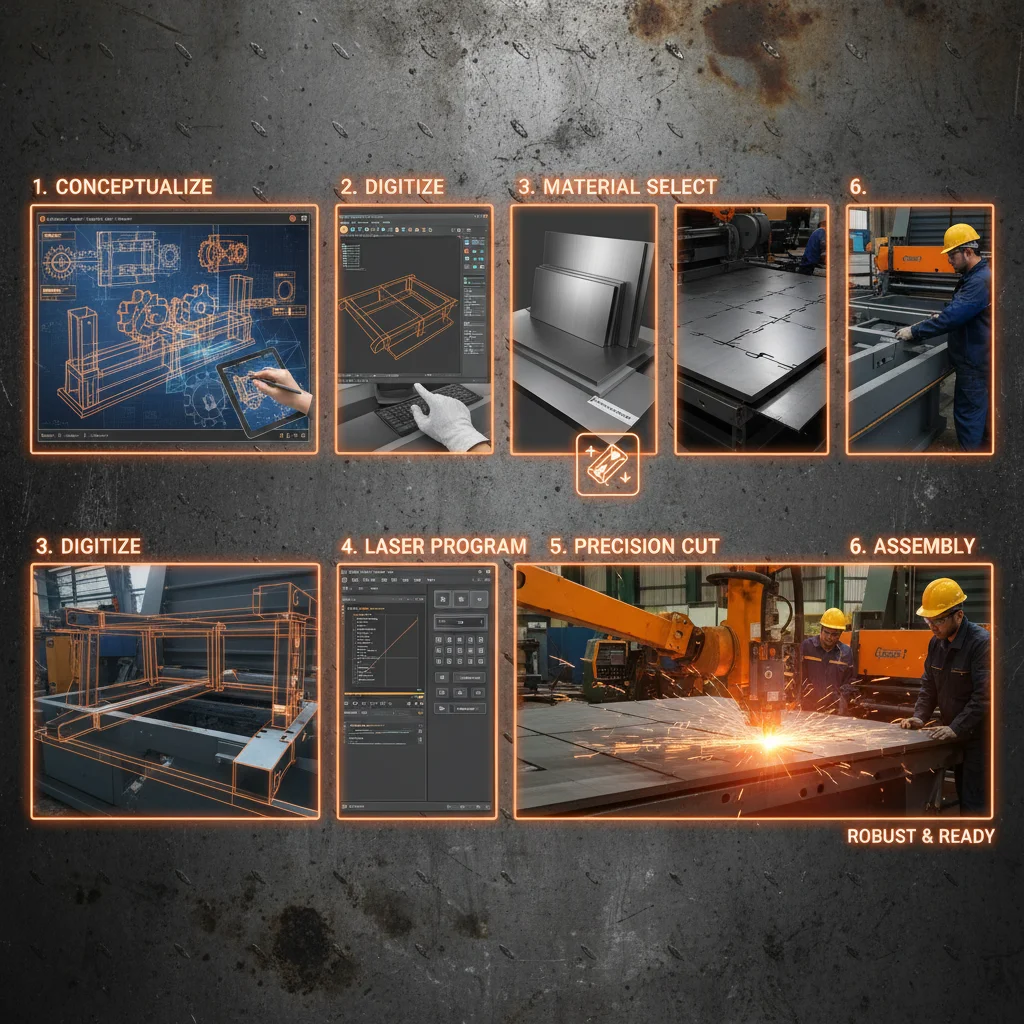
Having spent a good chunk of my career around industrial equipment, I can honestly say the CNC fiber laser cutting machine has truly reshaped the manufacturing landscape in recent years. If you’ve been in metalworking or fabrication, you know the shift from traditional cutting methods to laser tech isn’t just hype — it’s a solid upgrade, even if the details can feel a little technical at first.
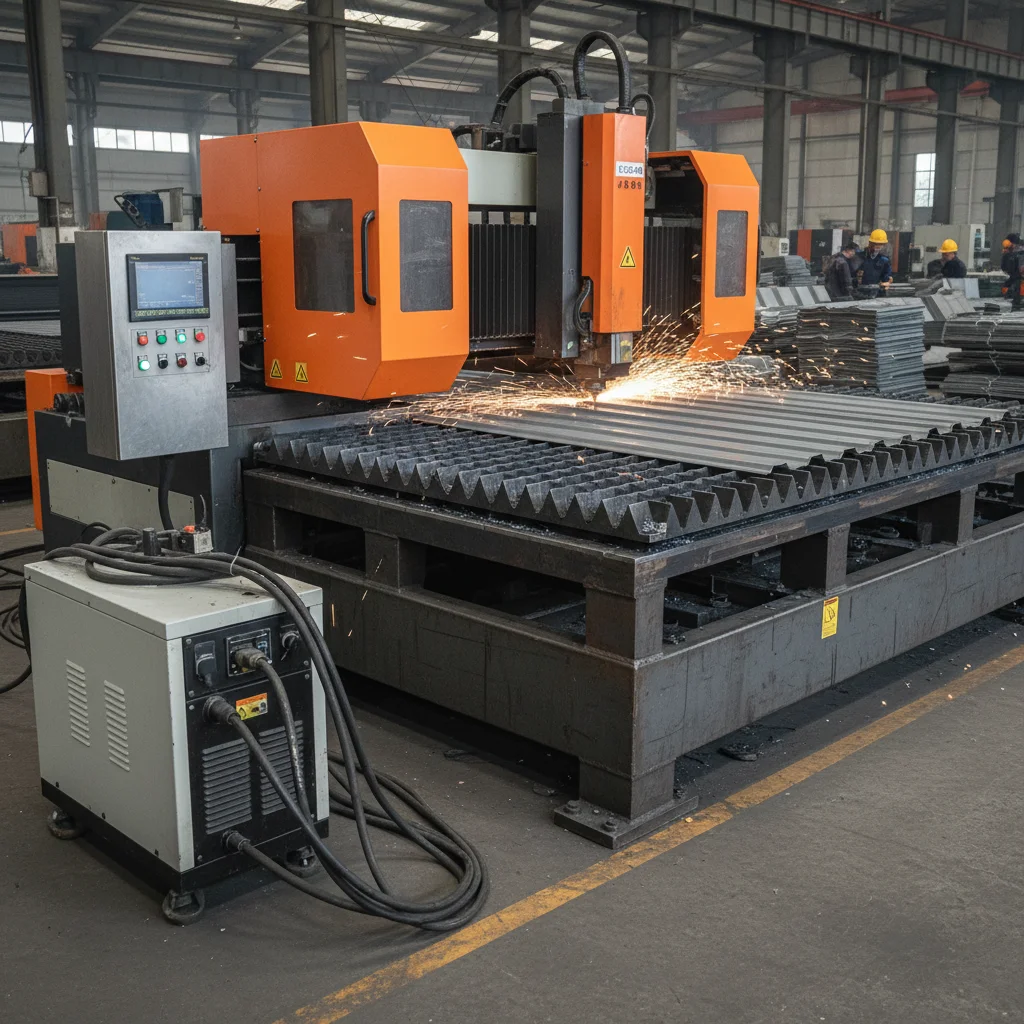
The thing that really stands out is the precision. Fiber lasers deliver an ultra-fine beam, which, frankly, means cleaner edges and less post-process grinding. This tech’s been around long enough now for most engineers I know to trust it, especially where stainless steel, aluminum, and other metals are concerned. I remember seeing one job where a manufacturer cut a stack of steel plates, and the difference in finish compared to plasma cutting was night and day. The speed? Oh, it’s no slouch either — quicker setups, less waste, and consistent across long runs.
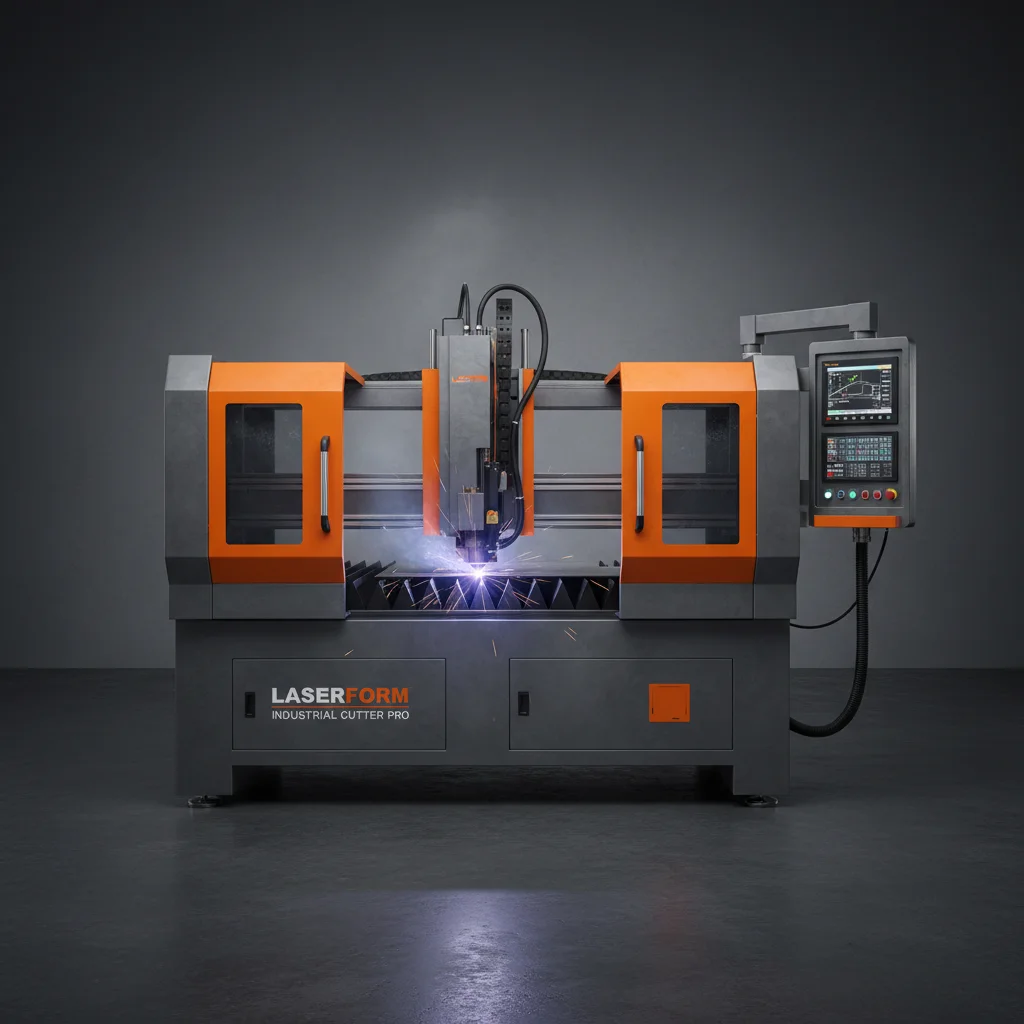
One aspect people often overlook is the machine’s design and robustness. It’s not just fancy optics — the frame, drive motors, and CNC controls have to be spot on. Many reputable brands now integrate user-friendly software, allowing on-the-fly adjustments. I’ve worked with a few operators who said these controls cut their training time dramatically, which is a big deal if you want a smooth workflow.
Materials? Well, fiber laser cutting is excellent for a broad range of metals — thin to moderately thick sheets. Some thicker metals still require other methods, but for 0.5 to 20mm range, it shines. Customization is another point: companies increasingly offer tailored configurations — different laser powers, bed sizes, and automation options. It’s kind of like ordering a suit, but for industrial tools.
| Specification | Details |
|---|---|
| Laser Power | 500W - 4000W |
| Cutting Area | 1300mm x 2500mm (standard) |
| Max Cutting Thickness | 20mm (mild steel), 12mm (stainless steel) |
| Positioning Accuracy | ±0.03mm |
| Cutting Speed | Up to 12000 mm/min |
| Control System | CNC with touchscreen interface |
| Cooling System | Water-cooled laser source |
Out in the field, I often notice how operators appreciate the reliability and low maintenance of fiber lasers compared to CO2 counterparts. The solid-state laser source means less downtime and lower operating costs, something every manager keeps an eye on, naturally.
| Vendor | Laser Power Range (W) | Cutting Area (mm) | Automation Options | Software Usability | Price Range |
|---|---|---|---|---|---|
| Topstar Laser | 500 - 4000 | 1300x2500 | Auto pallet changer, loading systems | Intuitive CNC with real-time monitoring | $$$ |
| Brand X | 1000 - 6000 | 1500x3000 | Partial automation available | Standard controls, less user friendly | $$$$ |
| Brand Y | 750 - 3500 | 1200x2400 | None | Basic CNC interface | $$ |
I had a chance to talk with a fabricator recently who switched to a CNC fiber laser cutting machine after years of using mechanical cutters. What struck me was how rapidly their product quality improved, though their upfront investment was higher. They described it as a game-changer in reducing scrap rates and expediting delivery times. Oddly enough, some of their senior staff were initially skeptical about the "new tech," but now they’re the biggest advocates.
Looking beyond specs, the technology also helps with sustainability goals. There’s less gas consumption, minimal waste, and less noise pollution. I suppose all these factors combined explain why fiber laser cutting machines are a common sight in progressive shops nowadays.
If you’re still wondering whether a CNC fiber laser cutting machine is worth the investment, from someone on the ground, I can say – it usually is, especially for mid to large-scale production. The flexibility and efficiency gains are often enough to justify the cost, even for cautious buyers.
In sum, this machine isn’t just another tool – it’s an enabler of modern manufacturing ingenuity, quality, and speed.
For more details, you can explore Topstar Laser’s full product lineup and see what configurations fit your needs best.
—
References: