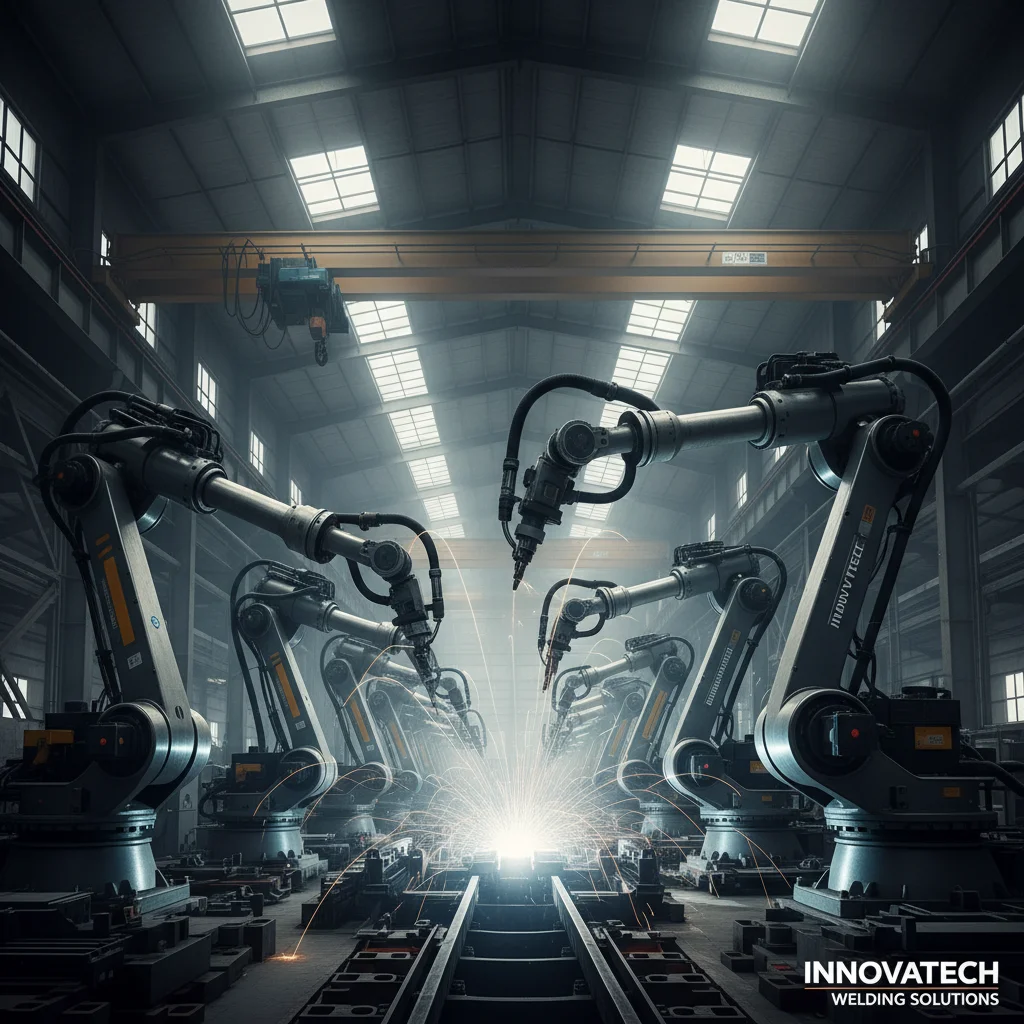
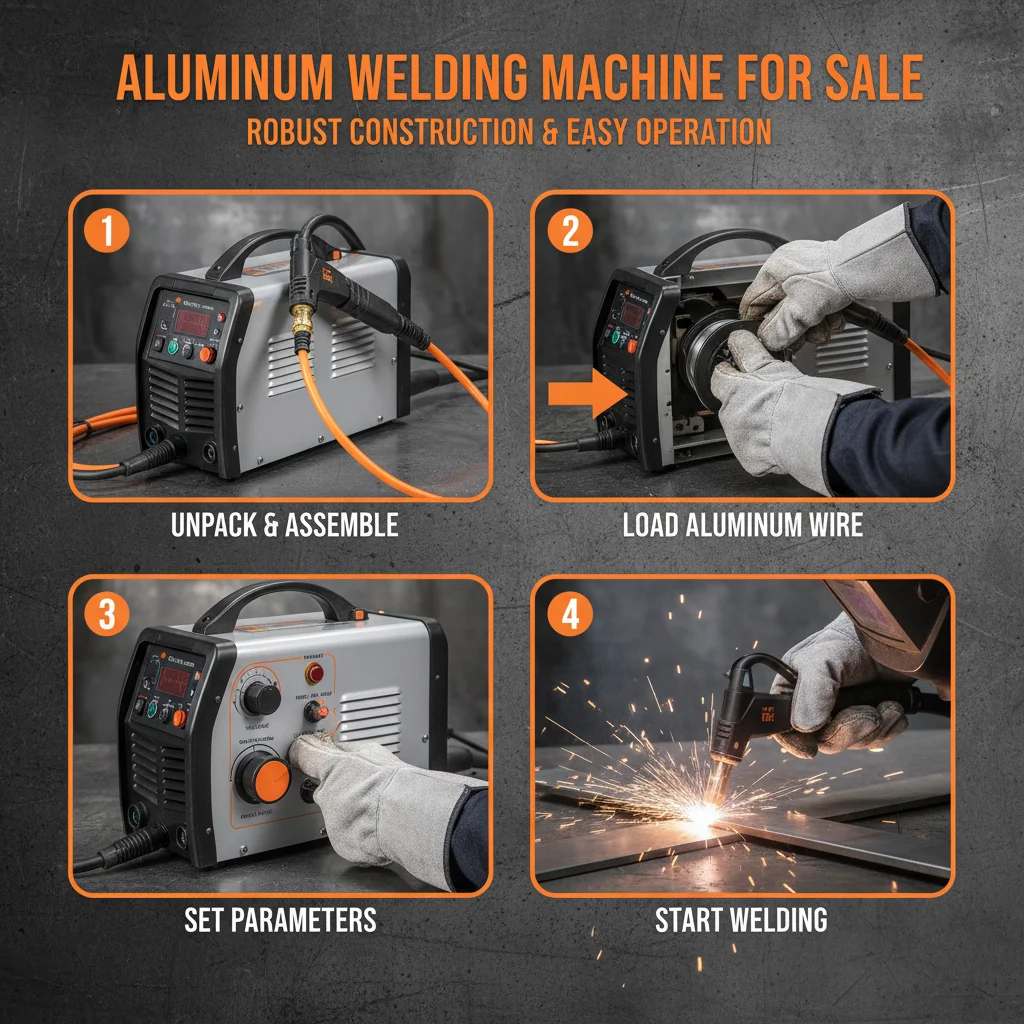
The emergence of high-precision welding technology has revolutionized the fabrication of industrial machinery, and at the heart of this shift is the 2000w laser welder. This powerful tool bridges the gap between lightweight precision and heavy-duty industrial strength, allowing manufacturers to achieve seamless joints with minimal thermal deformation. In an era where structural integrity and aesthetic finish are equally critical, understanding the capabilities of this specific power output is essential for optimizing production lines.
Globally, the demand for efficiency in the manufacturing of pumps, valves, and compressors has pushed industries toward fiber laser solutions. A 2000w laser welder provides the ideal balance of penetration depth and speed, significantly reducing the reliance on traditional TIG or MIG welding which often leave bulky beads and require extensive post-process grinding. This transition not only speeds up the assembly cycle but also reduces material waste and energy consumption.
For enterprises looking to scale their operations, adopting a 2000w laser welder means investing in versatility. Whether it is working with stainless steel, carbon steel, or aluminum alloys, the precision control offered by 2000 watts of laser power ensures that high-pressure components in gas compression machinery remain leak-proof and durable under extreme operating conditions.
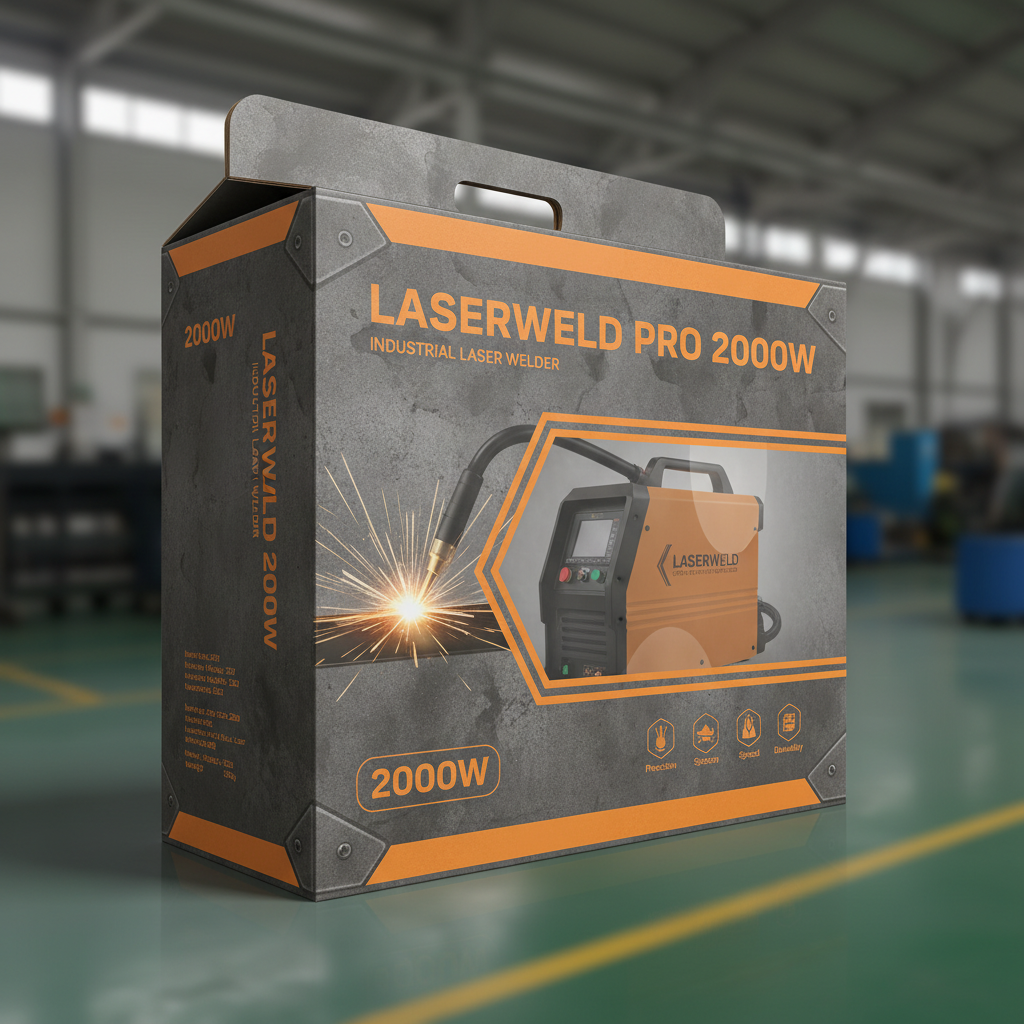
Global Industry Context of 2000w Laser Welder
The global manufacturing landscape is currently undergoing a "digital leap," where ISO standards for quality management are increasingly demanding tighter tolerances and higher repeatability. The 2000w laser welder has emerged as a critical tool in this evolution, particularly within the general equipment manufacturing sector. By utilizing a concentrated beam of light, these machines solve the age-old problem of heat-affected zones (HAZ), which often lead to warping in precision-engineered valves and compressors.
Statistically, the shift toward fiber laser technology has seen a marked increase in adoption across Asia and Europe, where labor costs are rising and the need for automated, high-speed production is paramount. The 2000w laser welder provides a sweet spot for medium-thickness metals, offering a throughput increase of up to 400% compared to traditional arc welding methods in many industrial settings.
Defining the 2000w Laser Welder and Its Utility
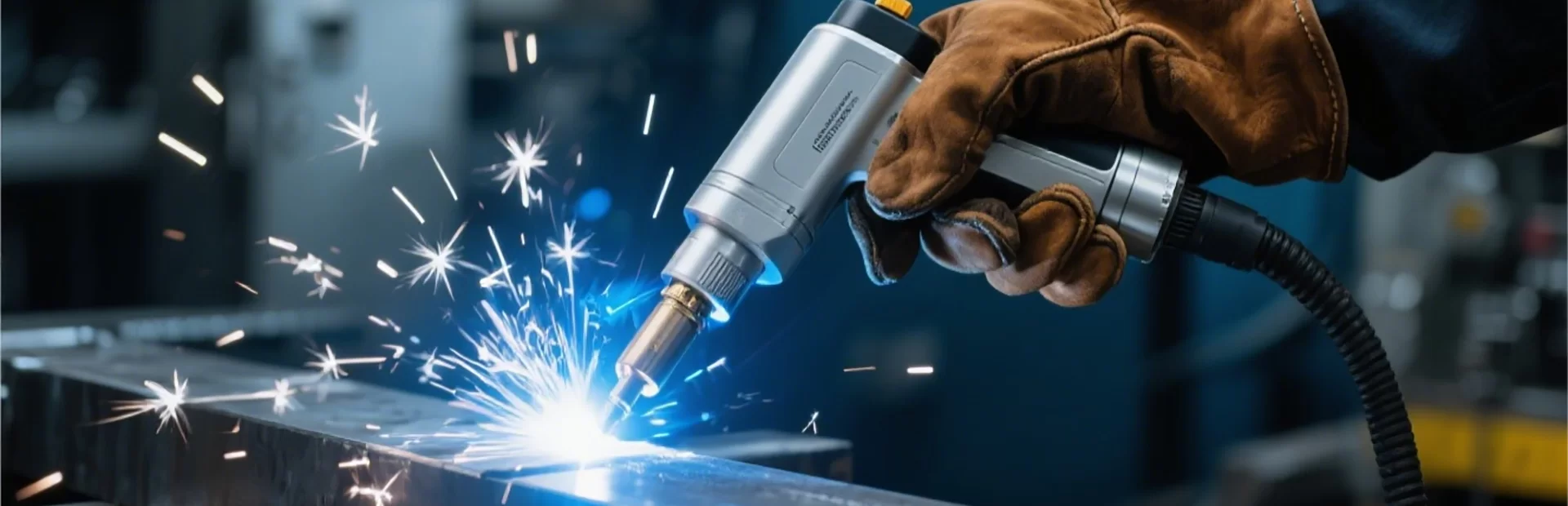
In simple terms, a 2000w laser welder is a high-energy density tool that uses a 2000-watt fiber laser source to melt and fuse materials with extreme precision. Unlike traditional welding, which relies on an electric arc, the laser creates a "keyhole" effect, allowing the weld to penetrate deeper into the material while maintaining a very narrow width. This makes it an indispensable asset for creating airtight seals in gas compression machinery.
Beyond the technical specs, this machine addresses a fundamental humanitarian and industrial need: the creation of safer, more reliable infrastructure. Whether it is welding pipes for clean water distribution or components for medical-grade compressors, the reliability of a 2000w laser welder ensures that critical joints do not fail under pressure, thereby preventing industrial accidents and environmental leaks.
Furthermore, the versatility of the 2000W power rating allows it to handle a variety of materials, from thin-gauge sheets to thicker plates. This flexibility means a single machine can be used across different stages of production, from the initial fabrication of a laser cutting machine's chassis to the fine-tuning of a marking machine's internal components, streamlining the entire factory workflow.
Core Components and Technical Factors
The efficiency of a 2000w laser welder is primarily driven by its laser source, typically a fiber laser which offers high electrical-to-optical conversion efficiency. This ensures that the machine maintains stable power output over long shifts without overheating, which is crucial for maintaining consistent weld quality across thousands of units.
Another critical factor is the optical delivery system. In a professional 2000w laser welder, the collimating lens and focusing head are engineered to concentrate the beam to a microscopic point. This concentration is what allows for the high-speed welding of dissimilar metals, a task that is notoriously difficult with traditional heat-based methods.
Finally, the integration of advanced cooling systems and CNC control interfaces ensures that the 2000w laser welder can be operated by technicians with minimal training. The ability to program specific weld paths and power modulations allows for a level of scalability that was previously only available to giant automotive plants, now bringing that precision to smaller machine shops.
Practical Performance Metrics and Efficiency
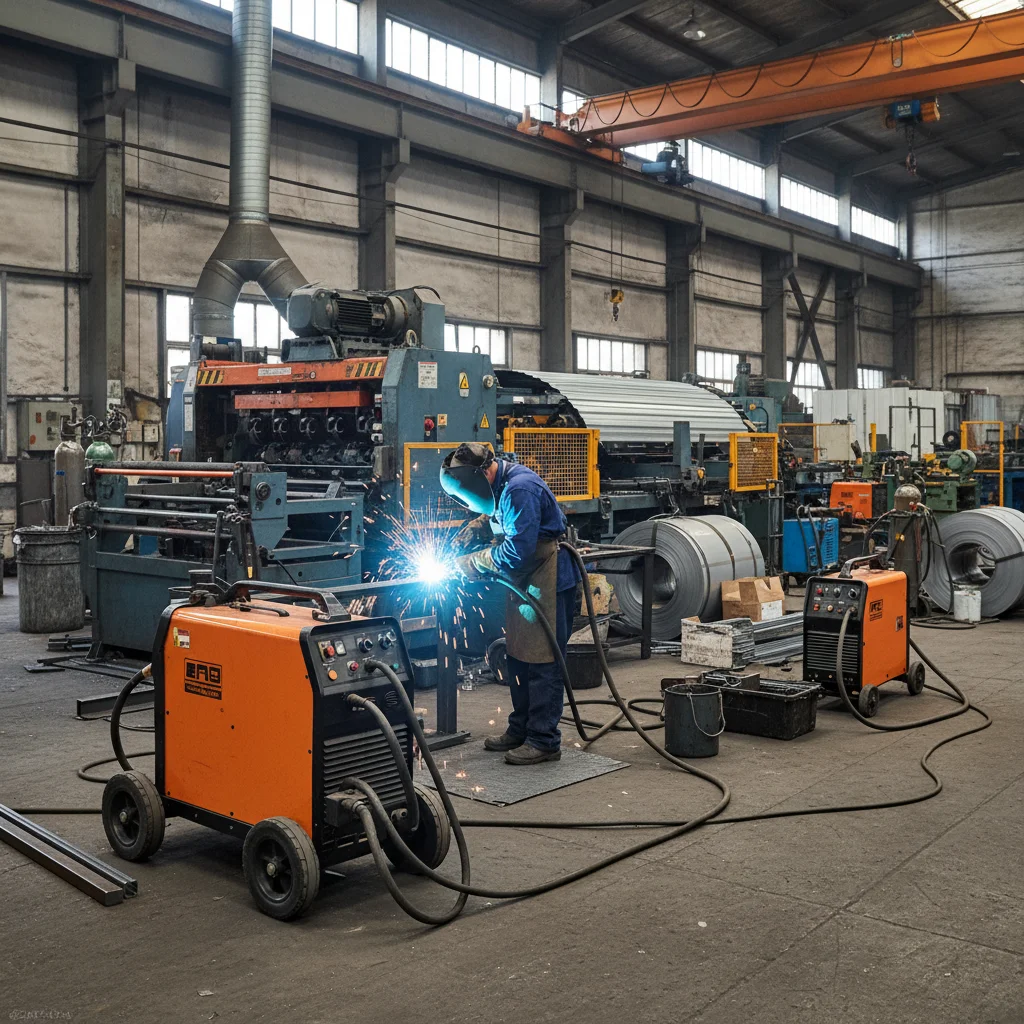
When evaluating the ROI of a 2000w laser welder, the primary metrics are speed, penetration depth, and post-processing time. Compared to TIG welding, the laser process is nearly instantaneous, eliminating the need for extensive clamping and jigs because the low heat input minimizes material distortion.
The operational cost is also significantly lower over time due to the lack of consumables like welding rods or shielding gas in some specific configurations. A 2000w laser welder allows for a "lean" manufacturing approach, where the transition from raw material to finished product is achieved with fewer steps and less human intervention.
Comparative Performance of 2000w Laser Welder Configurations
Global Applications and Real-World Use Cases
In the automotive and aerospace sectors, the 2000w laser welder is used to create lightweight frames and fuel tanks where leakage is not an option. By utilizing the high energy density of the 2000W beam, engineers can weld thin-walled titanium or aluminum components that would otherwise vaporize or warp under a traditional torch.
In remote industrial zones, such as mining operations in Australia or oil fields in the Middle East, portable 2000w laser welder units are used for on-site repairs of heavy machinery. The ability to perform a high-strength weld without needing a full workshop setup reduces downtime for critical equipment, saving companies millions in lost productivity.
Long-Term Value and Strategic Advantages
Investing in a 2000w laser welder offers more than just immediate speed; it provides long-term sustainability. Because the laser process is so precise, there is a significant reduction in the amount of filler material required, and the lower energy consumption per weld contributes to a smaller carbon footprint for the manufacturing facility.
From a logical business perspective, the precision of the 2000w laser welder enhances brand trust. When a customer receives a pump or valve that is perfectly welded with no visible slag or distortion, it signals a commitment to quality and innovation. This "aesthetic of precision" allows companies to command a premium price in the global market.
Moreover, the safety benefits cannot be overstated. By reducing the need for manual grinding and minimizing the exposure of workers to toxic welding fumes associated with some traditional rods, the 2000w laser welder creates a healthier, more dignified working environment for the fabrication team.
Future Trends in Laser Welding Innovation
The future of the 2000w laser welder lies in the integration of Artificial Intelligence (AI) and real-time monitoring. We are seeing the rise of "smart heads" that can detect gaps in the joint and automatically adjust the laser power or speed in milliseconds to ensure a perfect weld every time, regardless of slight part misalignments.
Sustainability is also driving a shift toward "green lasers," where the 2000w laser welder is powered by renewable energy grids and integrated into fully closed-loop recycling systems. Digital twin technology will soon allow operators to simulate the entire welding process in a virtual environment before the laser even touches the metal.
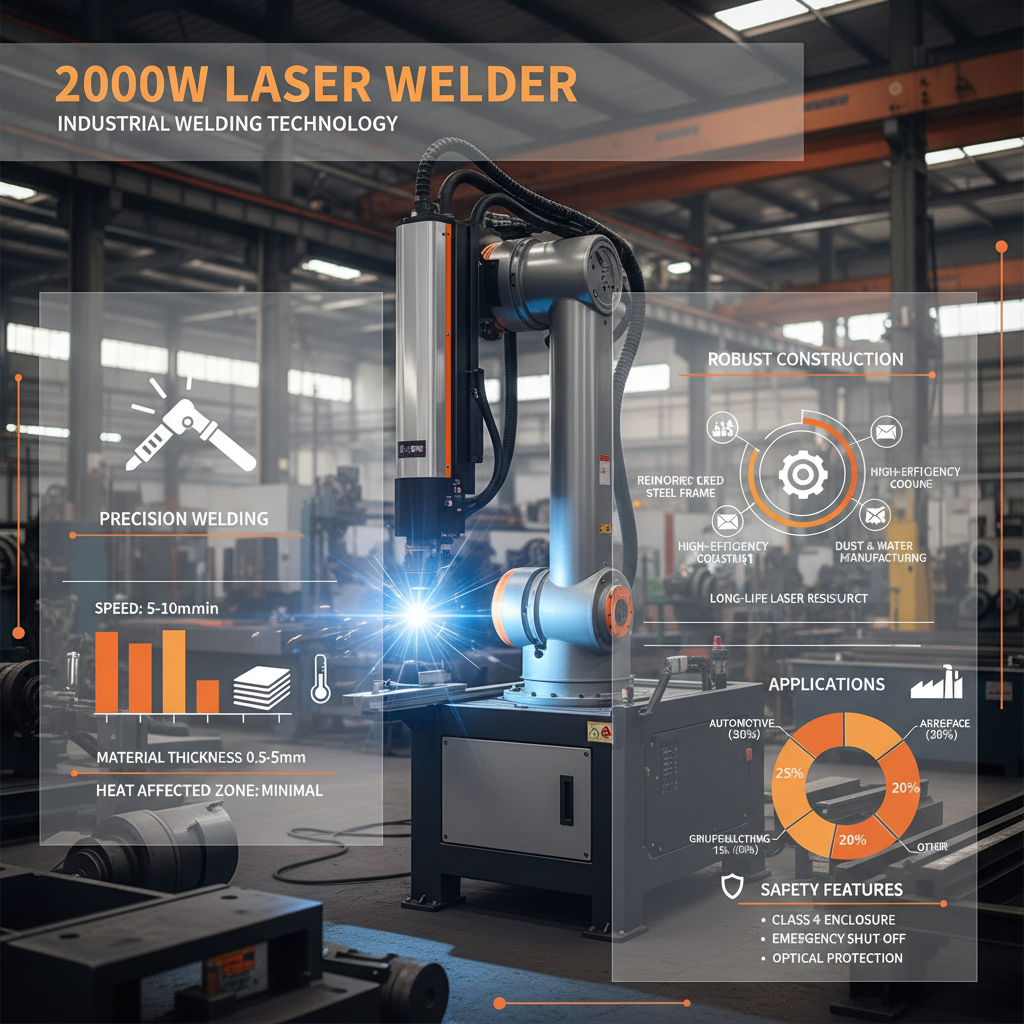
As we move toward Industry 5.0, the collaboration between human craftsmen and the 2000w laser welder will become more intuitive. Cobots (collaborative robots) equipped with 2000W fiber sources will handle the repetitive paths, while humans provide the high-level oversight and quality assurance.
Analysis of 2000w Laser Welder Application Across Material Types
| Material Type |
Weld Depth (mm) |
Processing Speed |
Quality Score (1-10) |
| Stainless Steel 304 |
3.0 - 5.0 |
Very High |
10 |
| Carbon Steel |
4.0 - 6.0 |
High |
9 |
| Aluminum Alloy |
2.0 - 4.0 |
Medium |
8 |
| Galvanized Steel |
3.0 - 5.0 |
High |
9 |
| Titanium |
1.5 - 3.0 |
Low |
10 |
| Copper Alloy |
2.0 - 3.5 |
Medium |
7 |
FAQS
A 2000w laser welder typically handles stainless steel up to 4-5mm and carbon steel up to 6mm for full penetration. However, for thicker materials, a "fillet weld" or multi-pass approach can be used to achieve structural integrity in thicker plates, though efficiency decreases as thickness increases beyond these limits.
The laser welder is significantly faster—often 5 to 10 times faster than TIG. It also produces a much smaller heat-affected zone, which means your components won't warp or discolor as much. While TIG is excellent for very fine artistic work, the 2000w laser welder is far superior for industrial production volume.
Modern fiber laser welders are designed for ease of use. With intuitive digital interfaces and handheld options, a technician can often become proficient within a few days of training. This is a stark contrast to TIG or MIG welding, which often require years of apprenticeship to master.
Maintenance is relatively low compared to CO2 lasers. The primary focus is on keeping the protective lenses clean and ensuring the water chiller is functioning correctly to prevent the laser source from overheating. Regular checks of the fiber cable for bends or damage are also essential for longevity.
Yes, one of the greatest advantages of the 2000w laser welder is its ability to join dissimilar metals (e.g., stainless steel to galvanized steel). Because the process is so fast and concentrated, it minimizes the formation of brittle intermetallic compounds that usually cause dissimilar welds to crack.
Absolutely. Fiber laser technology is highly efficient in converting electricity to light. When combined with the drastic reduction in production time and the elimination of energy-heavy post-processing (like grinding and polishing), the total energy cost per part is significantly lower than with traditional welding methods.
Conclusion
In summary, the 2000w laser welder represents a pivotal advancement in industrial fabrication, offering an unmatched combination of speed, precision, and material versatility. By reducing thermal distortion and eliminating extensive post-weld cleanup, it allows manufacturers in the gas compression and general equipment sectors to achieve higher quality standards while simultaneously lowering operational costs.
Looking ahead, the integration of AI and automated robotics will only further enhance the capabilities of this technology, making high-precision welding accessible to businesses of all sizes. For any company aiming to maintain a competitive edge in a global market that demands perfection and efficiency, adopting a 2000w laser welder is not just an upgrade—it is a strategic necessity. Visit our website: www.topstarlaser.com