Shijiazhuang Topstar
International Trading Co., Ltd.


Get In Touch
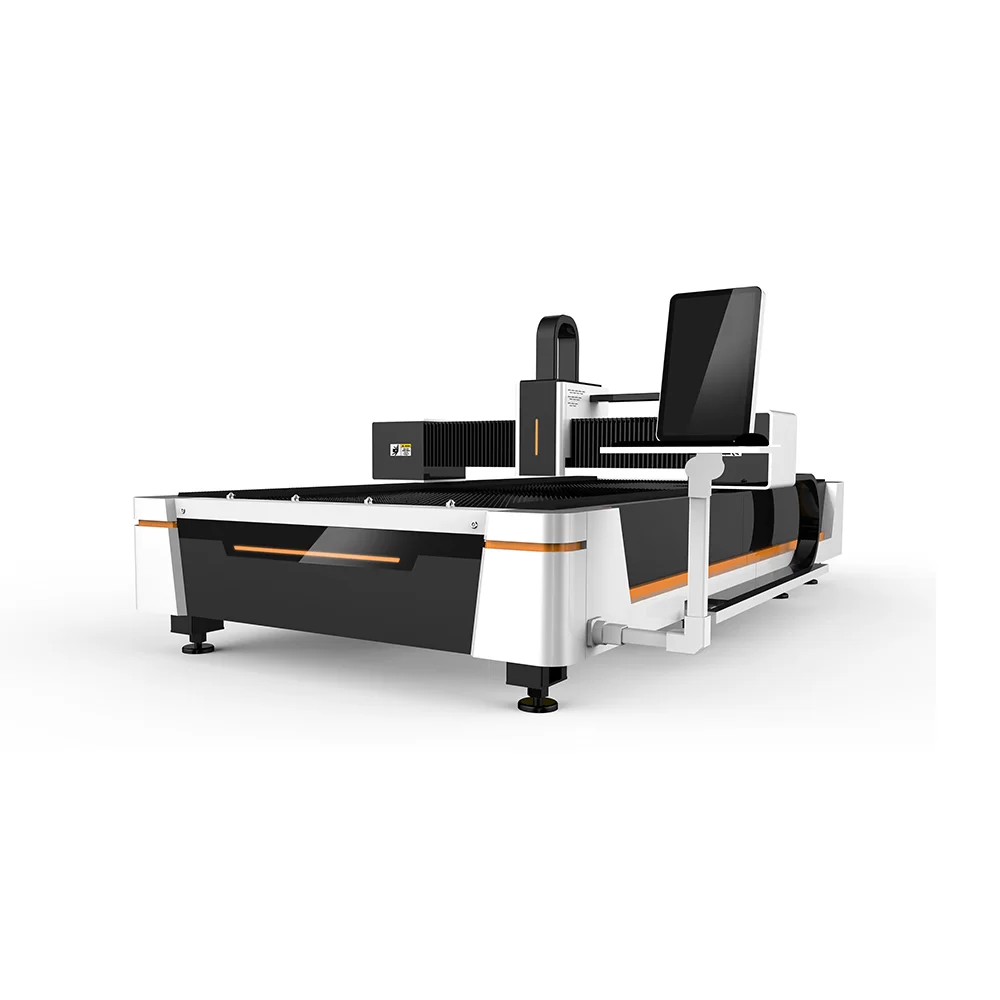
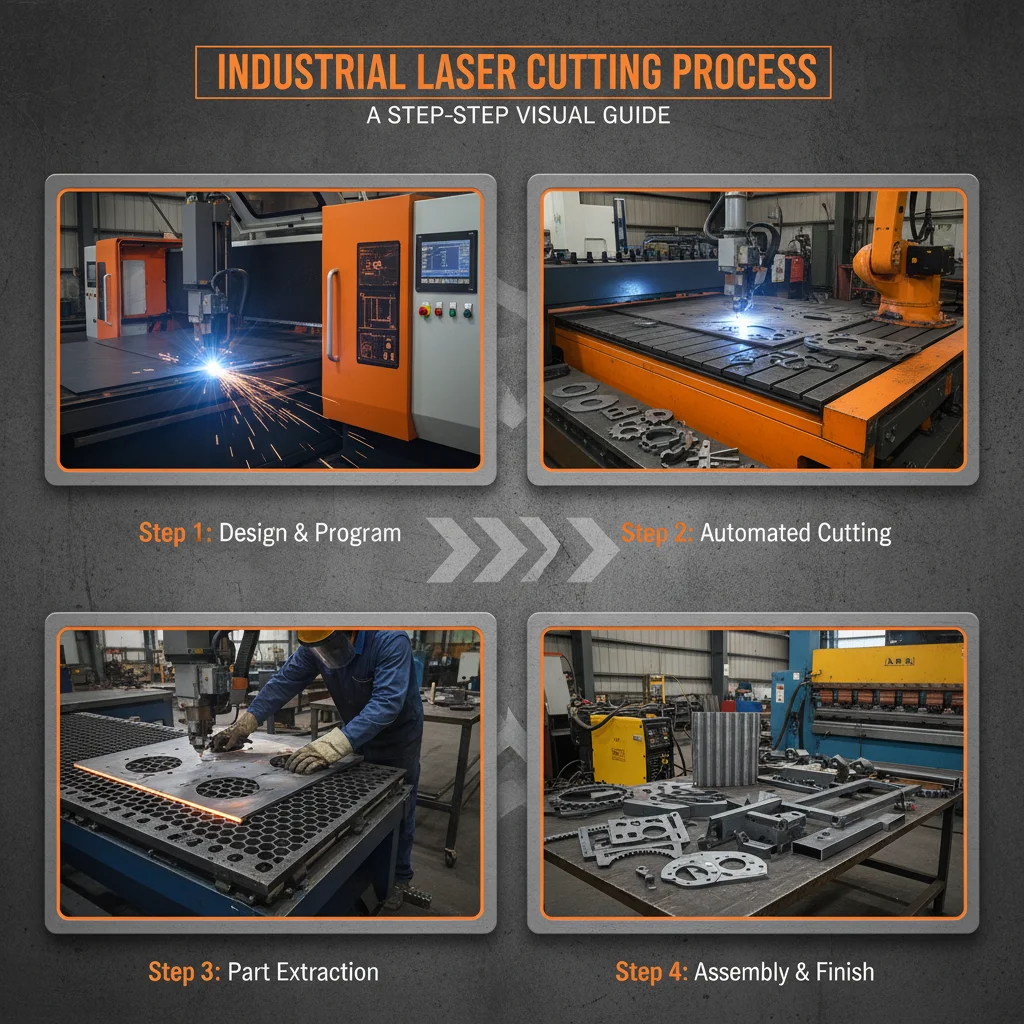
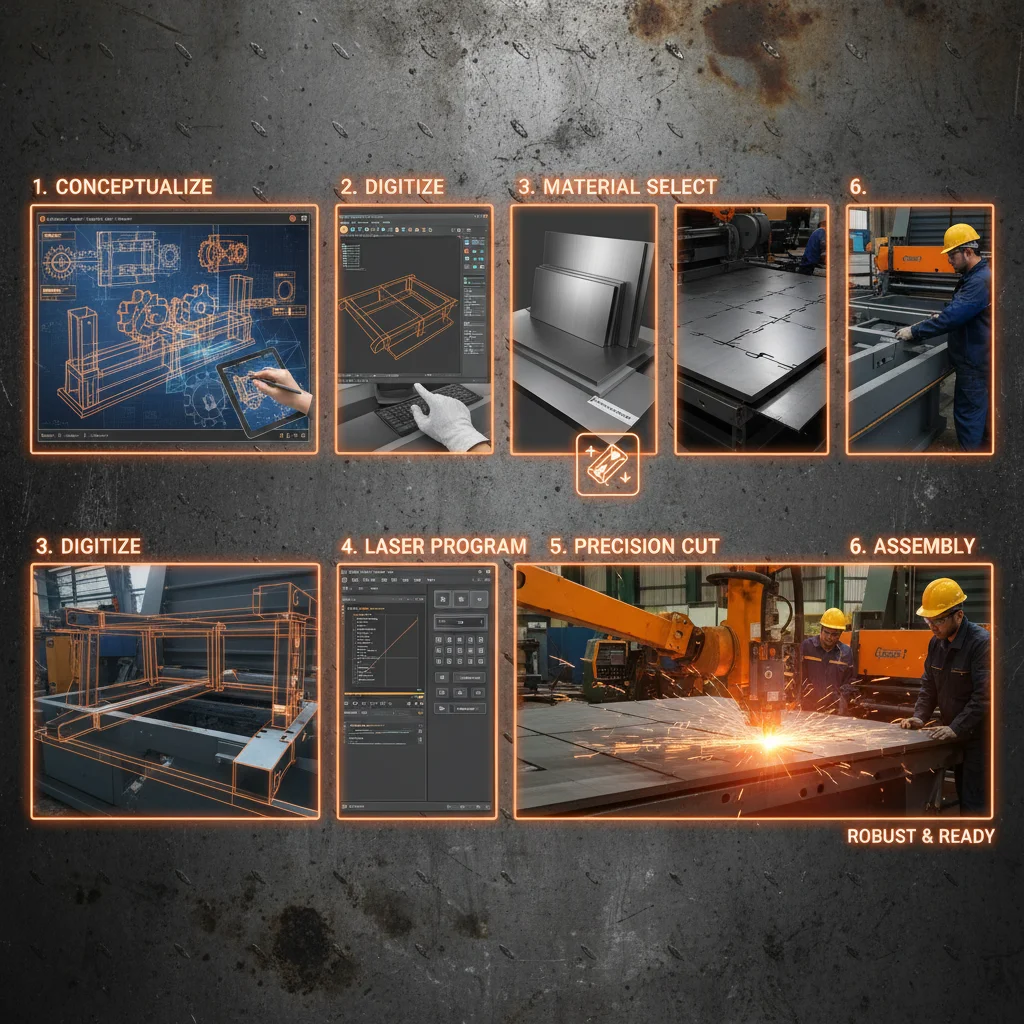
When seeking a laser cutting machine, partnering with reputable laser cutting machine manufacturers is paramount. These machines are integral to numerous industries, from manufacturing and automotive to aerospace and signage. Choosing the correct machine and provider drastically impacts production efficiency, product quality, and overall profitability. This article explores key considerations when selecting a manufacturer, the benefits of working with established companies, and why TopStar Laser stands as a leading solution. We’ll delve into crucial factors such as laser technology, machine capabilities, and after-sales support.
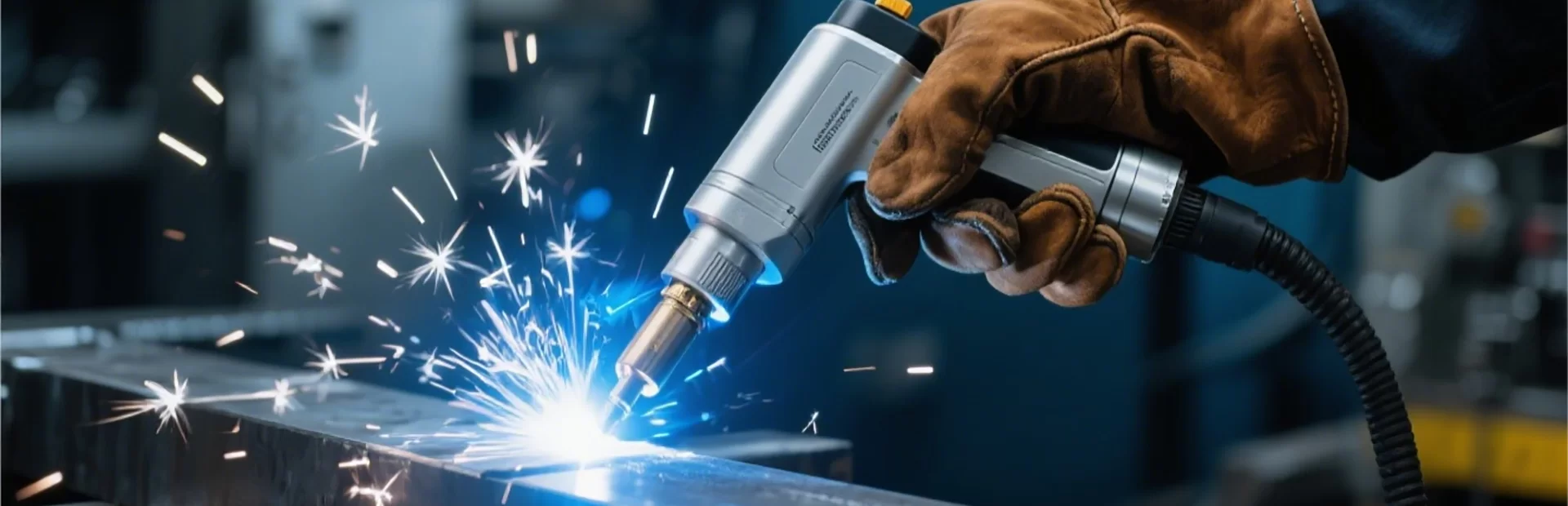
Opting for well-established laser cutting machine manufacturers provides significant advantages. These companies have a proven track record of innovation, quality control, and customer satisfaction. They typically offer a wider range of machine options, catering to diverse needs and budgets. Crucially, established manufacturers invest heavily in research and development, ensuring their machines incorporate the latest laser technology and meet evolving industry standards. Furthermore, they provide comprehensive after-sales support, including installation, training, maintenance, and readily available spare parts. This reduces downtime and ensures long-term operational efficiency.
Key Benefits: Established manufacturers offer a wider range of machines, robust quality control, cutting-edge technology, and comprehensive after-sales support, minimizing downtime and maximizing production efficiency.
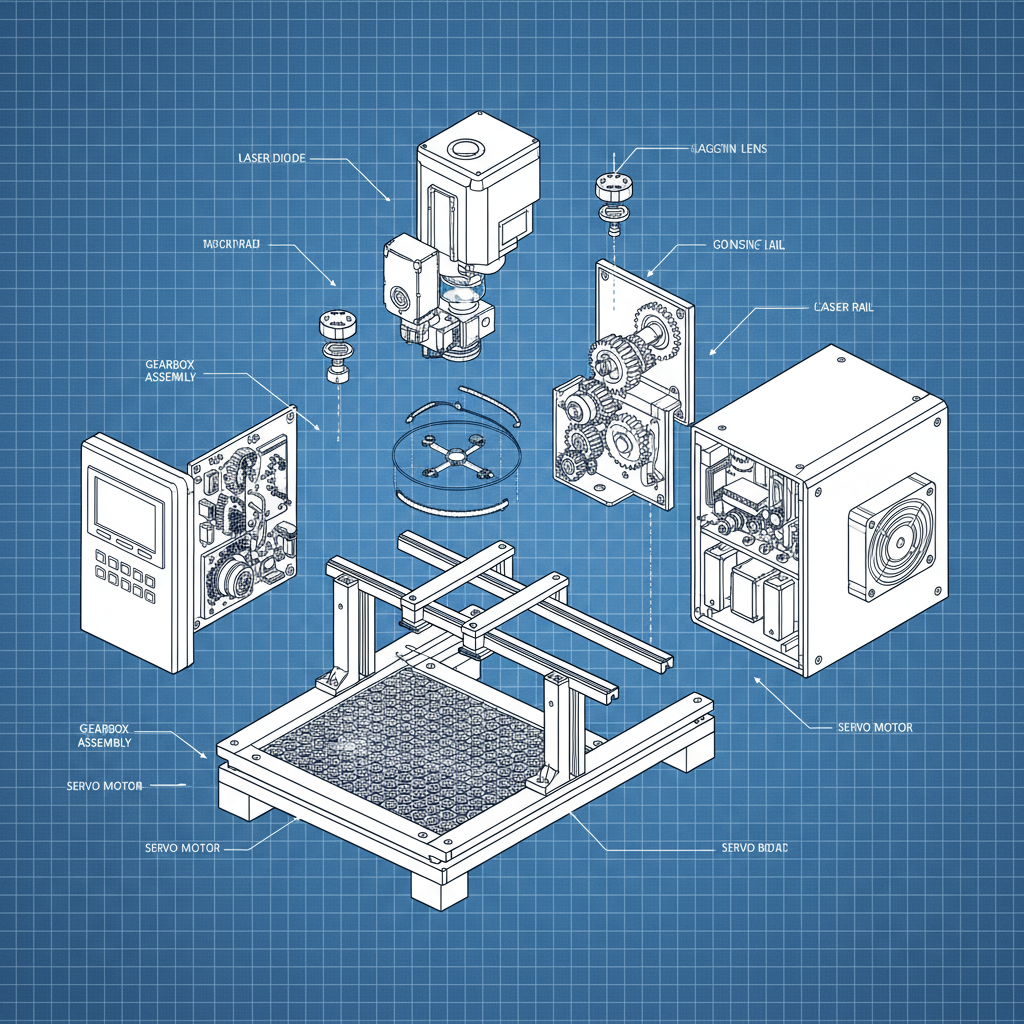
When evaluating laser cutting machines, several key features should be prioritized. Laser power is crucial, with higher power enabling faster cutting speeds and the ability to process thicker materials. The type of laser source (CO2, fiber, or crystal) impacts material compatibility and application suitability. Fiber lasers are particularly well-suited for cutting metals, while CO2 lasers excel with non-metallic materials. Additionally, consider the machine's work area size, automation capabilities, and software integration. A user-friendly interface and reliable control system are essential for maximizing operator efficiency. Finally, assess the machine’s precision and repeatability to ensure consistent, high-quality results.
Essential Features:
• Laser Power (Wattage)
• Laser Source Type (CO2, Fiber, Crystal)
• Work Area Size
• Automation Capabilities
The choice between CO2 and fiber laser technology depends on your specific application. CO2 lasers are versatile and can cut, engrave, and mark a wide range of non-metallic materials like wood, acrylic, and fabric. They are generally more affordable upfront but have lower energy efficiency. Fiber lasers, on the other hand, excel at cutting metals, offering faster speeds, higher precision, and lower maintenance costs. They are more energy-efficient but typically have a higher initial investment. Understanding these differences is critical for selecting the most appropriate machine for your needs. TopStar Laser offers both CO2 and Fiber laser solutions.
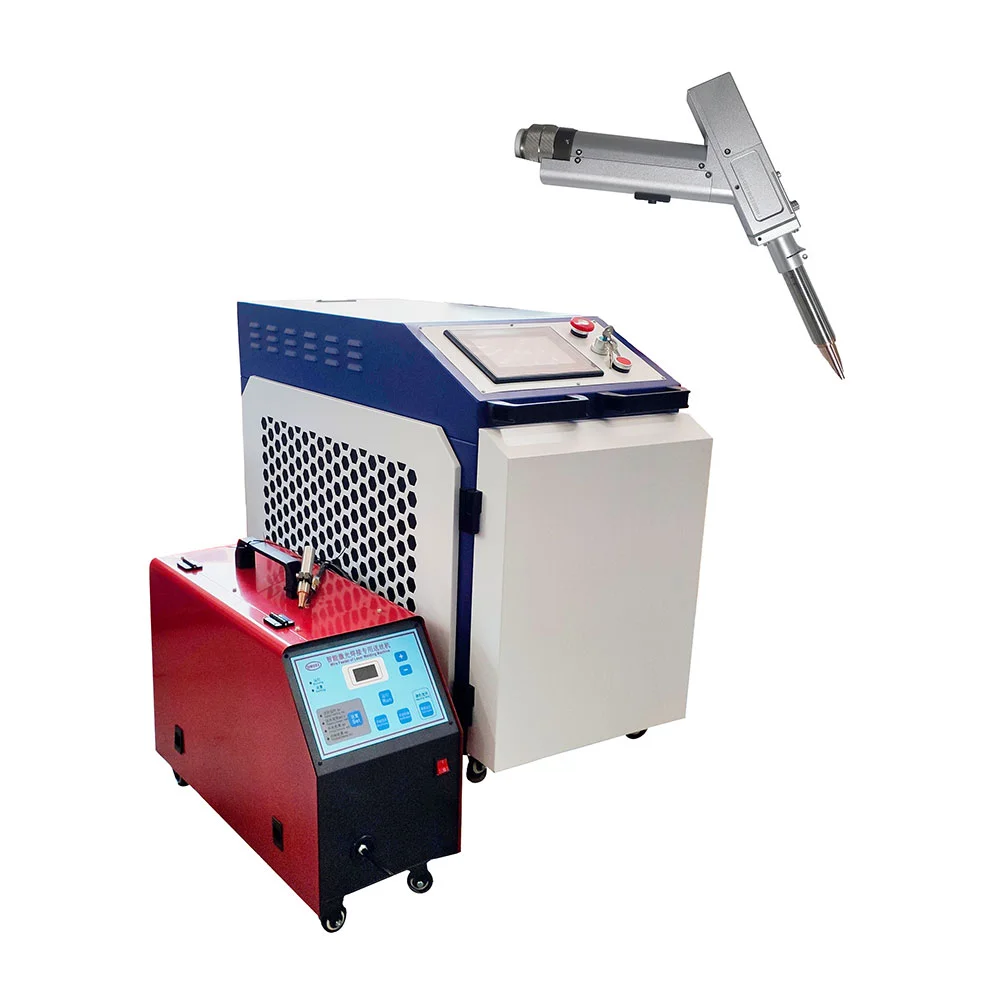
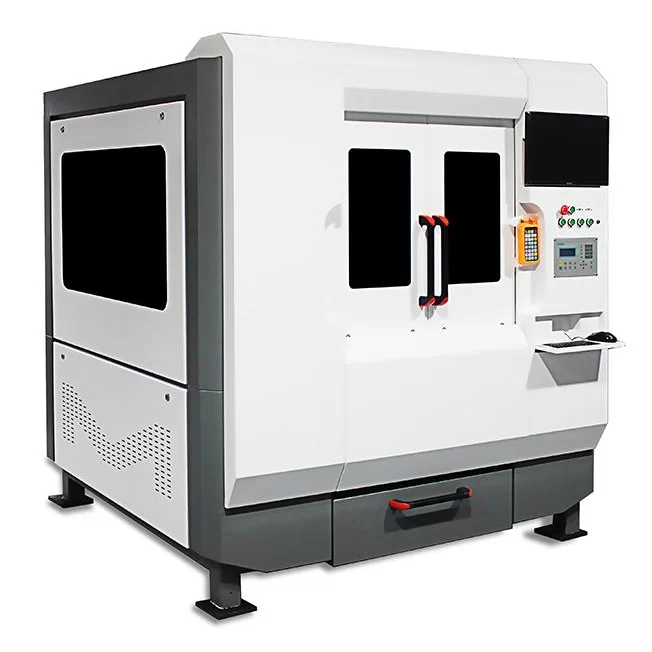
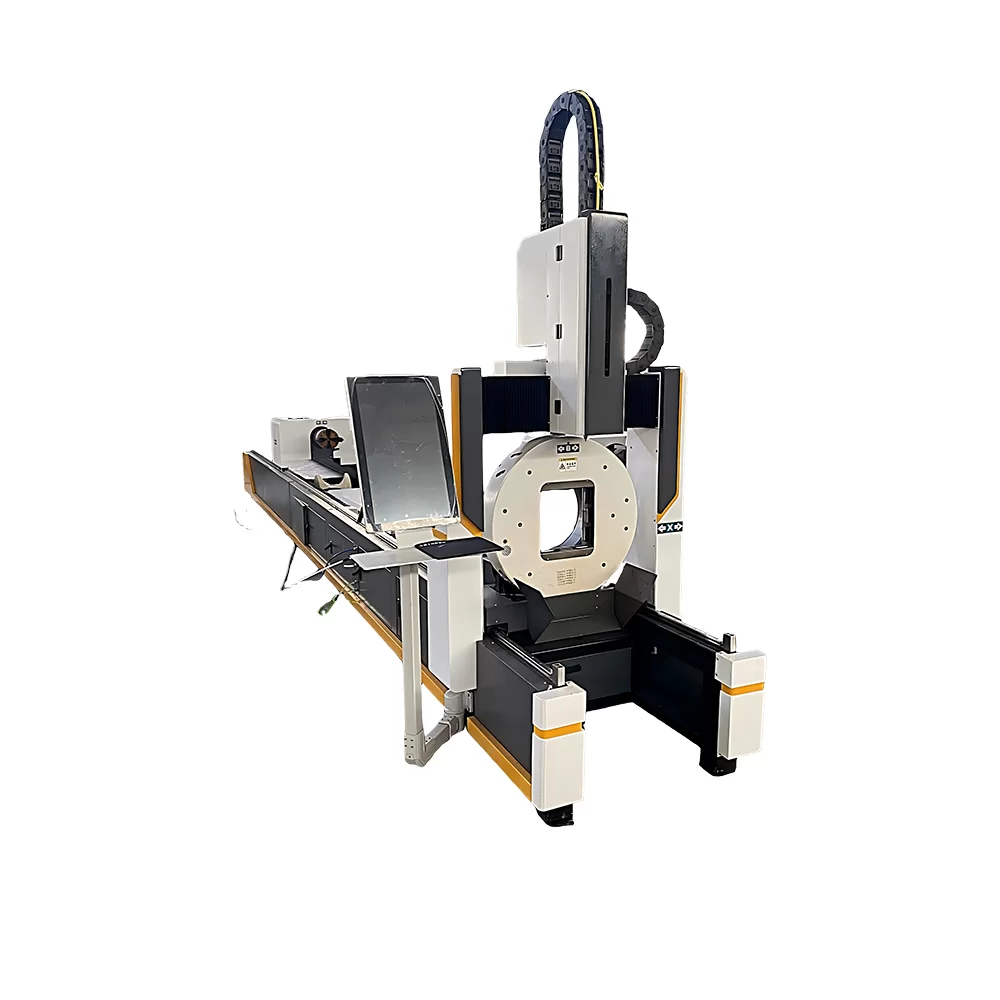
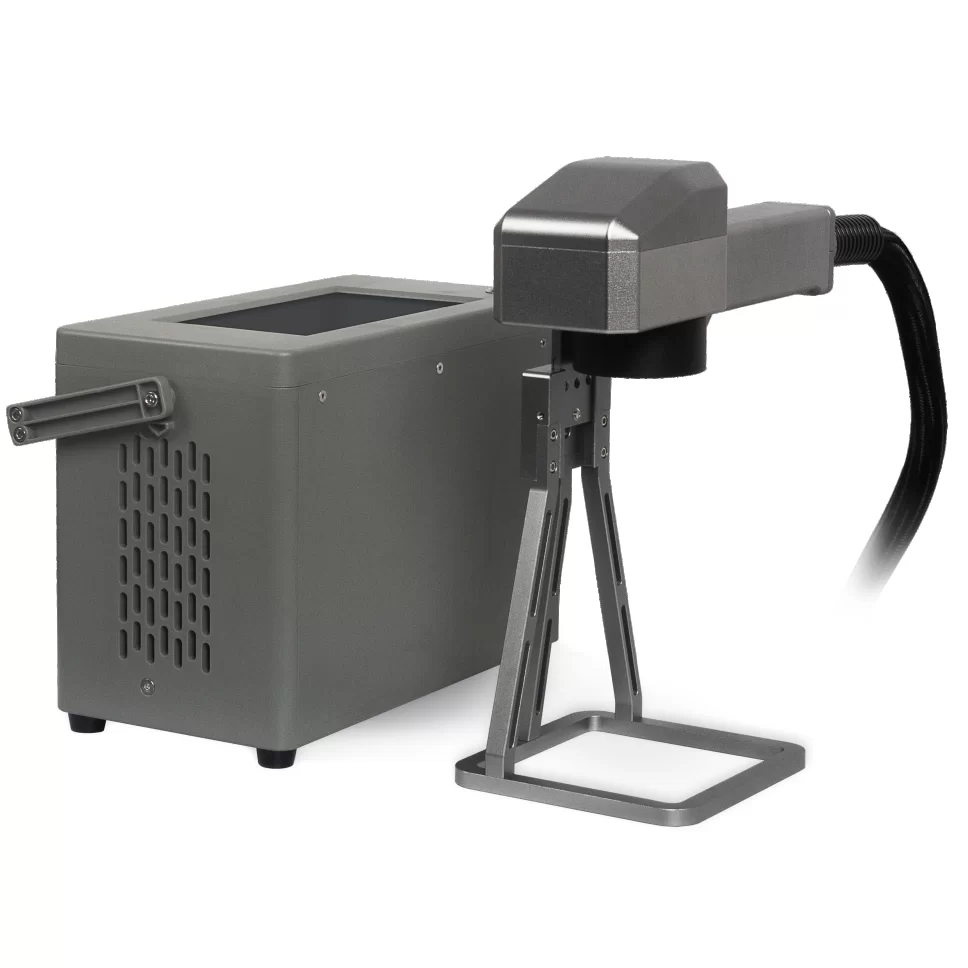
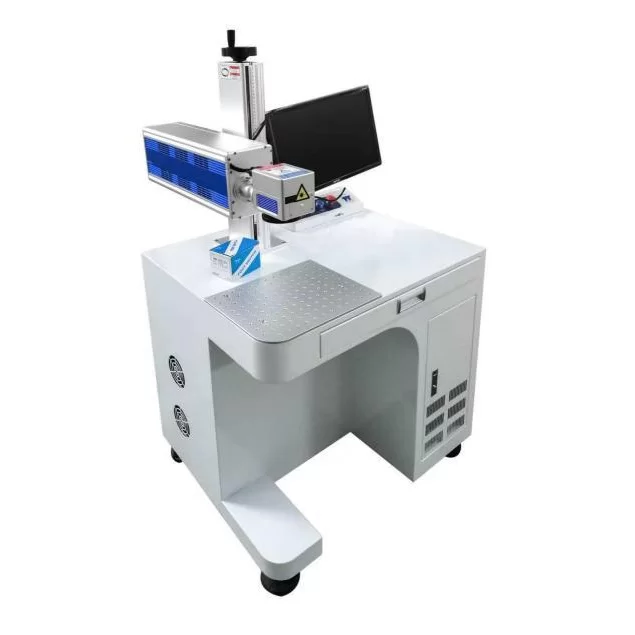
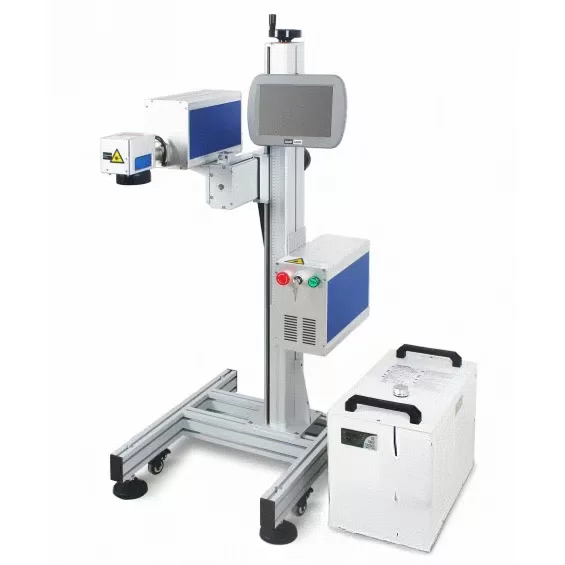
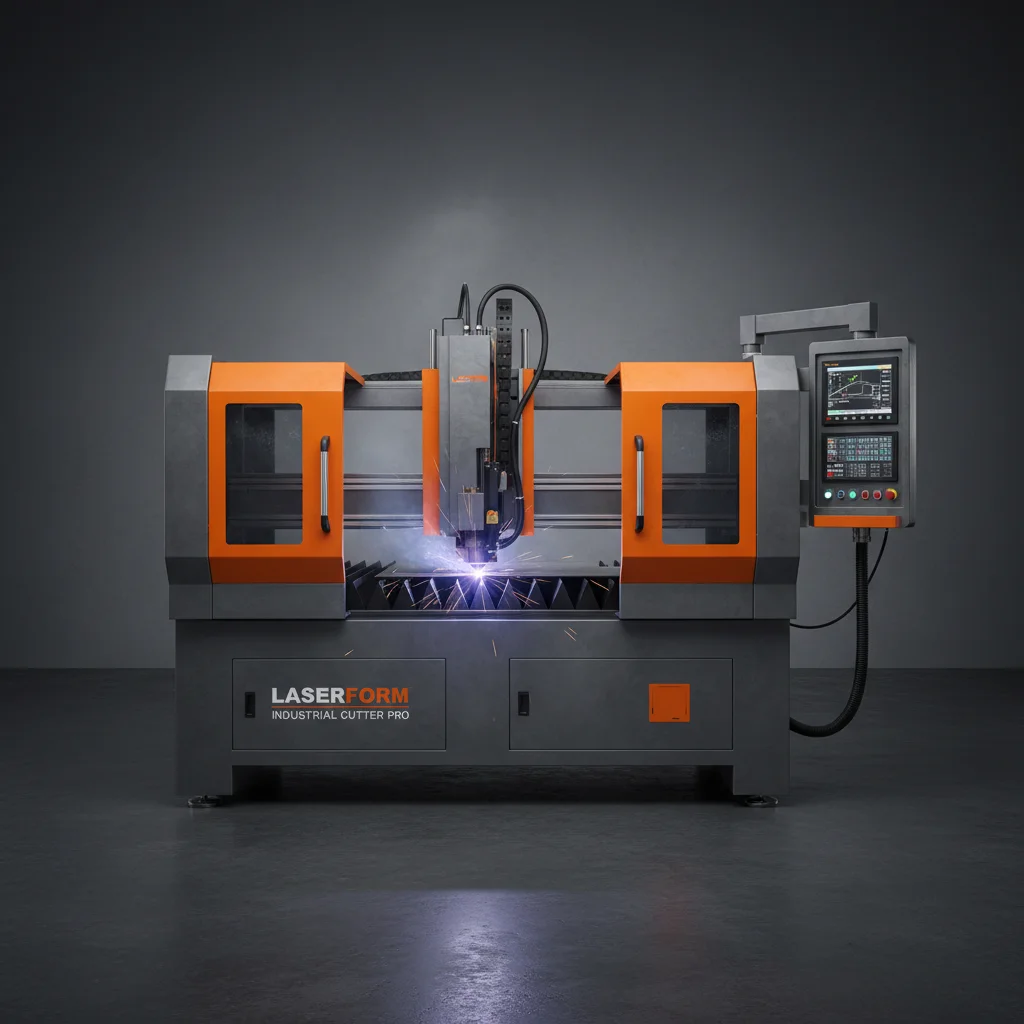
TopStar Laser has established itself as a leading laser cutting machine manufacturer by consistently delivering high-quality, innovative machines and exceptional customer service. We offer a comprehensive range of laser cutting solutions, catering to diverse industrial applications. Our commitment to research and development ensures our machines incorporate the latest advancements in laser technology. Furthermore, we provide dedicated after-sales support, including installation, training, maintenance, and readily available spare parts. TopStar Laser is dedicated to helping our customers achieve optimal productivity and profitability.
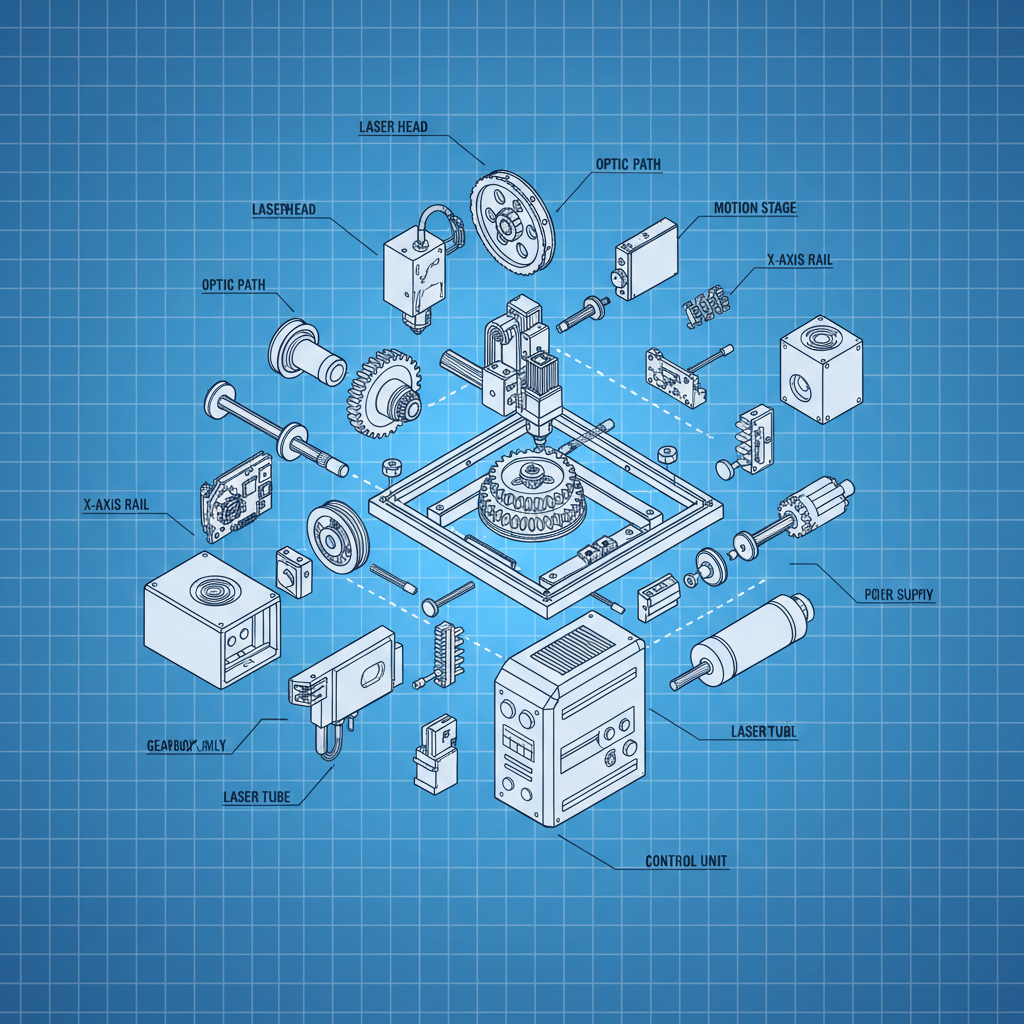
Here's a quick look at specifications for some of our popular models:
Choosing the right laser cutting machine manufacturer is an investment in your company's future. TopStar Laser offers a compelling combination of cutting-edge technology, reliable performance, and dedicated support. We are committed to providing our customers with the tools they need to succeed in today's competitive market.
Laser cutting machines are incredibly versatile and find applications across a wide range of industries. Common uses include manufacturing of metal parts for automotive and aerospace, creating signage and displays, cutting fabrics for apparel and upholstery, engraving promotional items, and prototyping designs in various materials. They’re utilized in industries like medical device manufacturing, electronics, and even architectural modeling. Essentially, any application requiring precise and efficient cutting or engraving of materials is a potential use case for a laser cutting machine.
Regular maintenance is crucial for ensuring optimal performance and longevity. This includes cleaning the lens and mirrors to maintain laser beam quality, checking and replacing consumable parts like nozzles and gas assist lines, and inspecting the cooling system for proper operation. It’s also important to lubricate moving parts and keep the machine free of debris. Following the manufacturer’s recommended maintenance schedule will help prevent costly repairs and downtime. TopStar Laser provides detailed maintenance guides and support to our customers.
Safety is paramount when operating a laser cutting machine. Always wear appropriate eye protection specifically designed for the laser wavelength being used. Ensure the machine is enclosed and interlocked to prevent accidental exposure to the laser beam. Never leave the machine unattended while it’s operating. Proper ventilation is essential to remove fumes and particulate matter generated during the cutting process. Thorough training on safe operating procedures is crucial for all operators.