
Shijiazhuang Topstar
International Trading Co., Ltd.


Get In Touch
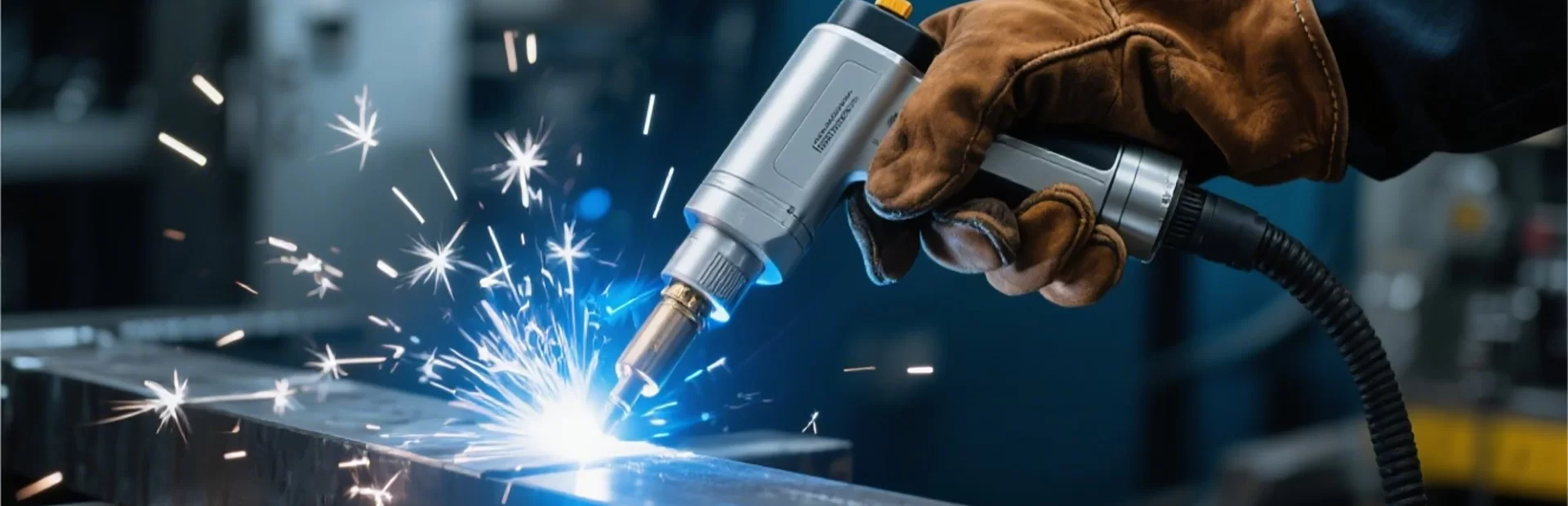
In the modern industrial landscape, the demand for extreme precision and efficiency has pushed traditional fabrication methods to their limits. Laser steel cutting has emerged as the gold standard, offering unparalleled accuracy and speed for everything from heavy structural beams to intricate automotive components. By utilizing a high-power laser beam to melt or vaporize material, manufacturers can achieve complex geometries with minimal waste. This guide explores the technical advantages, applications, and strategic benefits of integrating advanced laser systems into your production line to maintain a competitive edge in the global market.

The shift toward laser steel cutting is driven by several critical performance factors. Unlike mechanical cutting, lasers are non-contact tools, meaning there is no tool wear and no physical pressure applied to the workpiece, which prevents deformation of thin sheets. The thermal affected zone (HAZ) is significantly reduced, ensuring that the material properties of the steel remain intact. This results in cleaner edges that often require little to no secondary finishing, drastically reducing labor costs and lead times.
Key Highlights: High-speed processing, exceptional edge quality, and the ability to cut complex shapes with micron-level precision. This technology reduces material scrap and optimizes nesting patterns for maximum efficiency.
When selecting a fabrication method, it is essential to understand how laser steel cutting compares to traditional plasma or oxy-fuel cutting. While plasma is often faster for very thick plates and oxy-fuel is cost-effective for extreme thicknesses, laser cutting wins decisively in terms of precision and surface finish. For mid-to-thin gauge steel, the laser offers a level of detail that is simply impossible to achieve with other methods, making it the primary choice for high-end engineering projects.
The versatility of laser steel cutting makes it indispensable across various sectors. In the automotive industry, it is used for chassis components and intricate brackets. In aerospace, the high strength-to-weight ratio requirements are met through precision-cut steel alloys. Even in architectural design, laser cutting allows for the creation of stunning perforated steel facades and decorative panels that were previously impossible to manufacture economically. The ability to quickly switch between different designs via software makes it ideal for both mass production and custom prototyping.

To maximize the ROI of a laser steel cutting machine, operators must focus on three key variables: power, gas selection, and feed rate. For carbon steel, oxygen is typically used as an assist gas to accelerate the cutting process through an exothermic reaction. For stainless steel, nitrogen is preferred to prevent oxidation and maintain a clean, silver edge. Fine-tuning these parameters ensures that the cut is not only fast but also free of burrs, reducing the need for manual grinding and polishing.
Optimization Checklist:
• Use Nitrogen for oxidation-free stainless steel cuts
• Optimize nesting software to reduce scrap metal
• Regularly calibrate the beam focusing lens for maximum density
• Match laser wattage to the specific material thickness
Investing in the right hardware is the cornerstone of success in laser steel cutting. Modern fiber lasers have largely replaced CO2 lasers for steel applications due to their higher electrical efficiency and smaller beam diameter, which allows for faster piercing and narrower kerfs. Below are the typical specifications one should consider when selecting a professional-grade cutting system to ensure it meets industrial throughput demands.
The adoption of laser steel cutting is no longer just an option for high-end shops—it is a necessity for any business aiming for operational excellence. By combining unmatched precision, rapid prototyping capabilities, and reduced material waste, laser technology empowers manufacturers to deliver superior products at a lower cost. Whether you are processing thin stainless sheets or heavy carbon steel plates, the right laser system ensures your output meets the most stringent global standards. Invest in the future of fabrication today.
For the vast majority of steel applications, the Fiber Laser is the superior choice. Fiber lasers have a much smaller focal spot, which allows them to cut through metals faster and with higher precision than CO2 lasers. Additionally, Fiber lasers are significantly more energy-efficient and require far less maintenance because they do not have mirrors to align or gas mixtures to manage for the laser source itself. CO2 lasers are typically reserved for non-metal materials or very specific thick acrylic applications.
Yes, laser steel cutting can be performed on galvanized steel. However, it requires specific precautions. The zinc coating on galvanized steel vaporizes at a lower temperature than the steel itself, which can create toxic fumes and potentially contaminate the laser optics. Using a high-quality extraction system and appropriate assist gas parameters is essential to ensure safety and maintain the longevity of the machine.
Dross, or the solidified melted metal at the bottom of the cut, can be prevented by optimizing the "cut parameters." This includes adjusting the nozzle height (standoff distance), increasing the gas pressure, and slowing down the feed rate to ensure the melt is fully expelled from the kerf. Using a high-quality nozzle and ensuring the laser beam is perfectly centered are also critical. For very thick materials, switching to a multi-stage piercing process can also help in achieving a cleaner entry point and reducing overall dross.
Standard industrial laser cutting typically achieves tolerances between ±0.1mm and ±0.2mm. However, high-end machines, such as those found on the Topstar Laser website, can reach precision levels as tight as ±0.02mm to ±0.05mm depending on the material thickness and the stability of the machine bed. This high level of accuracy eliminates the need for secondary machining processes like milling or drilling for most parts.


